A revised Congressional Research Service assessment has identified at least 81 U.S. fixed wing aircraft, helicopters and unmanned aircraft as lost or damaged during U.S. military operations against Iran since February 28, 2026.
The October 5 update to CRS report IN12692, U.S. Aircraft Combat Losses in Operation Epic Fury: Considerations for Congress, expands the earlier May assessment, which had identified 42 aircraft. The revised figure is based on public reporting, statements from the Department of Defense and U.S. Central Command, and information from the Defense Department Inspector General.
CRS cautions that the 81 aircraft figure should not be interpreted as 81 aircraft being permanently destroyed. The tally combines aircraft that were destroyed, lost, crashed or otherwise damaged, and the report notes that some damaged aircraft have since returned to active service. CRS also says the figure remains subject to revision because of classification, continuing operations and questions surrounding attribution.
MQ-9 Reaper accounts for the largest share
The largest category in the updated assessment is the MQ-9 Reaper, with at least 45 aircraft reported lost.
That figure is substantially higher than the 24 MQ-9 losses included in the CRS assessment published in May. The increase reflects information that became publicly available as the conflict continued. The Reaper has been used extensively for intelligence, surveillance and reconnaissance as well as strike missions, making its losses relevant not only to aircraft inventories but also to the availability of persistent unmanned coverage.
The increase also illustrates why the CRS total needs to be treated as an evolving open source accounting rather than a final Pentagon damage assessment. CRS does not have access to classified military damage assessments.
F-15E losses include combat and friendly fire incidents
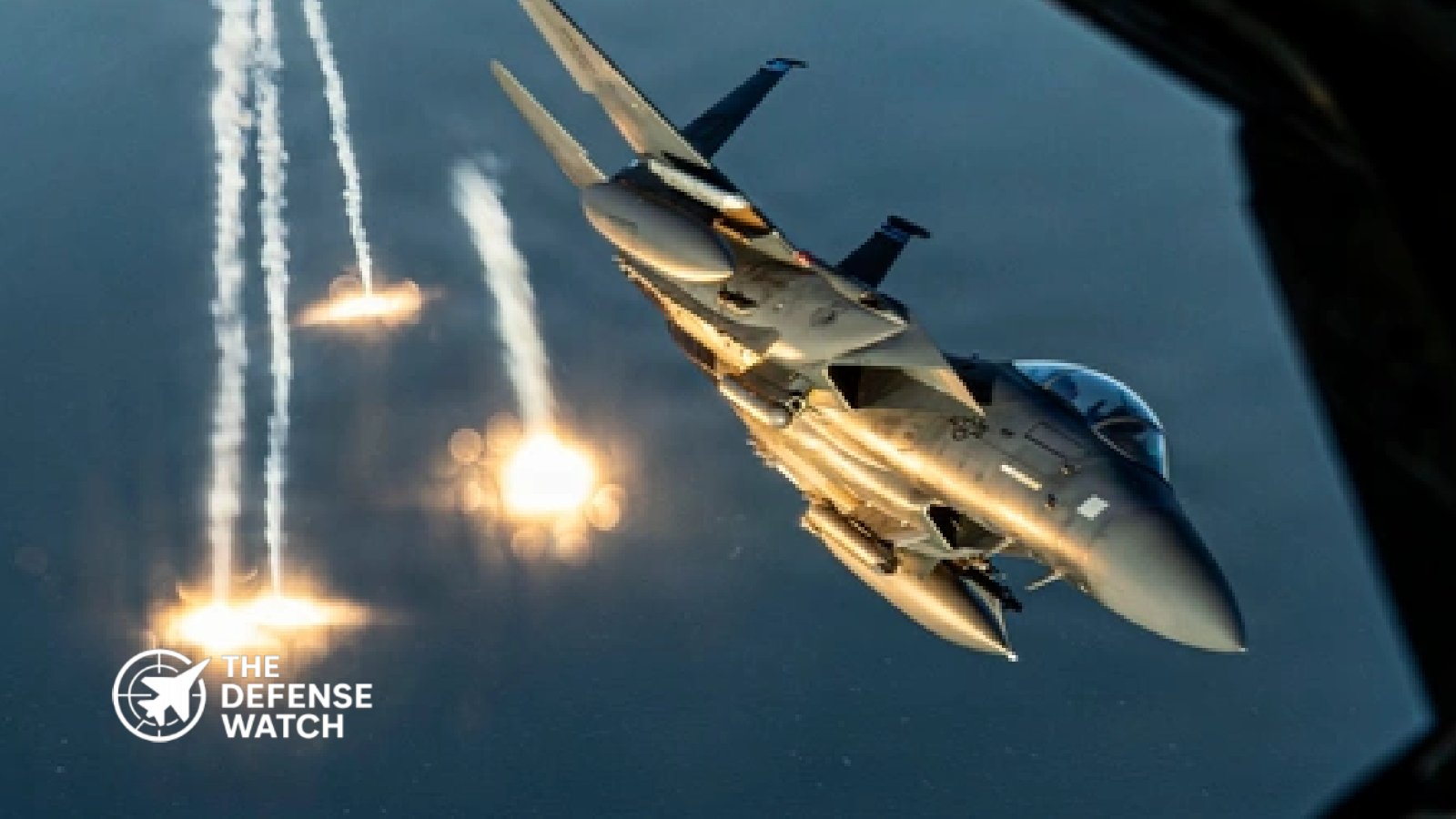
The revised CRS accounting lists 12 F-15E Strike Eagles as lost or damaged.
Four were lost earlier in the campaign. On March 2, U.S. Central Command confirmed that three F-15Es supporting Operation Epic Fury went down over Kuwait after being mistakenly engaged by Kuwaiti air defenses during an apparent friendly fire incident. All six aircrew members ejected safely and were recovered.
A fourth F-15E was shot down during combat operations over Iran on April 2. CENTCOM confirmed the loss and subsequently reported that the two crew members were rescued.
The other eight F-15Es in the CRS tally were damaged during Iranian attacks on Muwaffaq Salti Air Base in Jordan in September. According to the revised reporting, those aircraft sustained damage but were subsequently returned to service.
This distinction is important. The 12-aircraft F-15E figure represents both permanent losses and repairable damage rather than 12 destroyed fighters.
F-35A and A-10 also affected
The CRS assessment also includes one F-35A Lightning II that was damaged after coming under Iranian fire during operations over Iran.
The list contains two A-10 Thunderbolt II aircraft. One was lost after sustaining enemy fire during a combat search-and-rescue operation in April, while another was subsequently damaged during the September attacks on the Jordanian base.
The presence of both advanced fighters and older attack aircraft in the accounting shows that the reported aircraft losses were not confined to one class of platform.
Tankers, surveillance aircraft and special operations aircraft
The revised tally also includes seven KC-135 Stratotanker aerial refueling aircraft.
The KC-135 fleet is particularly important to long range operations because tanker aircraft extend the time fighters and other aircraft can remain on station. The CRS report’s earlier accounting documented both an aircraft lost in a March incident and additional KC-135s damaged on the ground during Iranian attacks on U.S. facilities.
The revised list also includes one E-3 Sentry, an airborne early warning and control aircraft. The E-3 provides airborne surveillance and command and control, meaning damage to such an aircraft has a different operational effect from the loss of an individual strike platform.
Two MC-130J Commando II aircraft are also included. The aircraft were intentionally destroyed on the ground after becoming unable to depart during operations associated with the recovery of the downed F-15E crew.
The full CRS aircraft accounting
The revised open source tally includes:
| Aircraft | Lost or damaged |
|---|---|
| F-15E Strike Eagle | 12 |
| F-35A Lightning II | 1 |
| A-10 Thunderbolt II | 2 |
| KC-135 Stratotanker | 7 |
| E-3 Sentry | 1 |
| MC-130J Commando II | 2 |
| HH-60W Jolly Green II | 1 |
| MQ-9 Reaper | 45 |
| MQ-4C Triton | 1 |
| MQ-1 series | 3 |
| AH-64 Apache | 1 |
| AH-6 Little Bird | 4 |
| MH-60 Sea Hawk | 1 |
| Total | 81 |
The categories total 81 aircraft. The CRS classification includes both fixed wing and rotary wing aircraft as well as unmanned aircraft systems.
Why the number has nearly doubled
The increase from 42 aircraft in the May CRS report to 81 in the October revision does not necessarily mean that 39 additional aircraft were newly lost after May.
The May assessment represented the information available at that time. The revised report incorporates subsequent reporting and additional government information, including the September Lead Inspector General assessment. CRS therefore describes the number as subject to further revision rather than as a definitive final loss figure.
The change nevertheless provides a clearer picture of the breadth of aircraft attrition associated with the conflict. The losses span combat aircraft, tankers, airborne surveillance platforms, special operations aircraft, helicopters and unmanned systems.
Replacement costs add another pressure
The aircraft losses are part of a broader equipment and operational cost burden from the conflict.
The Congressional Budget Office estimated in September that replacing equipment lost in battle through August 1 could cost between $1.9 billion and $3.3 billion, depending on how the Department of Defense chooses to replace the equipment. CBO separately estimated that Defense Department costs associated with the conflict had reached approximately $38 billion as of August 1, including munitions replacement, lost equipment, additional flying hours, logistics and other operational expenses.
The aircraft figures therefore have implications beyond individual airframes. Replacing aircraft requires production capacity, spare parts, maintenance resources, trained personnel and time. For aircraft that are no longer in production or have limited production capacity, restoring inventory can be more complicated than simply placing a replacement order.
The CRS report specifically identifies aircraft replacement, force sufficiency, industrial base capacity and operational risk as issues Congress may need to examine. It also notes that losses involving high demand or limited inventory platforms can create capability gaps and affect U.S. force posture.
The 81-aircraft figure should consequently be viewed as an open source snapshot of the conflict’s aviation losses, not a final accounting of destroyed aircraft. The Pentagon has not published one comprehensive public assessment covering every U.S. aircraft lost or damaged during the campaign, while CRS warns that its own total can change as additional information becomes available.