Lockheed Martin is committing its own funding to build five Vectis collaborative combat aircraft (CCA), advancing an autonomous aircraft program that the company hopes will meet future U.S. and allied air combat requirements.
Chief Executive Jim Taiclet confirmed the expanded investment during the company’s third-quarter 2026 earnings call on October 22. He said progress at the company’s Skunk Works advanced development division had given him confidence to authorize the construction of five aircraft using internal investment.
The decision moves Vectis beyond an initial prototype effort toward a larger development and flight-testing campaign. Lockheed Martin is targeting flight demonstrations in 2027, although the company has not announced a customer order, production contract or operational fielding date.
The investment also reflects a shift in how major defense contractors are approaching emerging autonomous aircraft programs. Rather than waiting for governments to finalize requirements and award development contracts, Lockheed Martin is building a candidate aircraft ahead of anticipated procurement opportunities.
Five aircraft to support Vectis development
Taiclet outlined the decision during Lockheed Martin’s third-quarter earnings discussion, explaining that the Vectis team had progressed from initial aircraft drawings to wind tunnel testing in less than two months and released its first production part within eight months.
He said the development pace helped justify increasing the company’s financial commitment.
The five-aircraft effort follows Lockheed Martin’s September 14 announcement that Skunk Works would add four vehicles to its initial Vectis prototype. The latest commitment confirms that the company intends to finance the five-aircraft development effort internally.
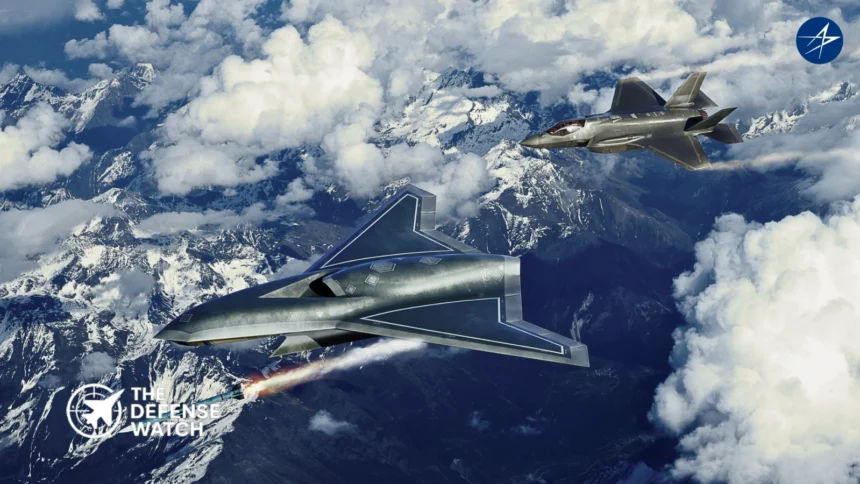
According to Lockheed Martin, the aircraft is being developed as a Group 5 autonomous platform intended to operate independently or alongside crewed combat aircraft, including the F-35.
Building multiple development aircraft could provide opportunities to evaluate flight characteristics, autonomy, mission systems integration and manufacturing processes. However, Lockheed Martin has not publicly detailed the planned configuration or individual testing roles of all five aircraft.
The company has also not disclosed the total investment allocated to the program.
What Vectis is designed to do
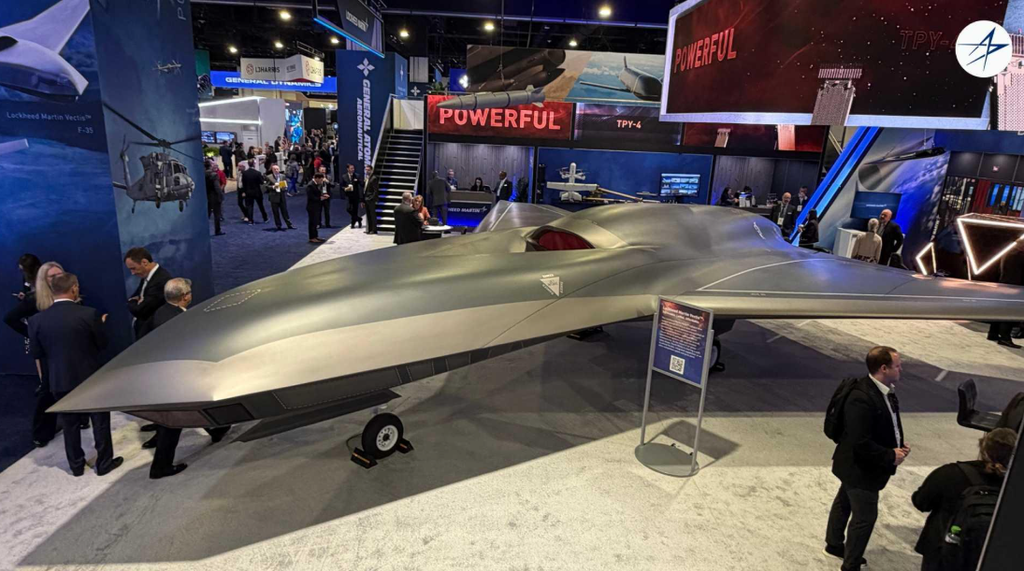
Vectis is a clean-sheet autonomous aircraft developed by Lockheed Martin’s Skunk Works division. Its design emphasizes survivability, mission flexibility and integration with crewed aircraft.
The aircraft has a tailless configuration and a low-observable design intended to reduce its vulnerability in contested airspace. Lockheed Martin has presented it as a multi-mission platform rather than an aircraft limited to a single operational role.
During the October earnings call, Taiclet identified two principal mission areas:
- Air dominance: Supporting air-to-air operations, including missions against opposing aircraft.
- Strike operations: Conducting air-to-ground missions against targets such as integrated air and missile defense systems.
The company is also developing Vectis around the concept of crewed-uncrewed teaming. Under this approach, human pilots would operate alongside autonomous aircraft, using them to extend mission reach and provide additional combat capabilities.
Such aircraft could potentially undertake surveillance, targeting, electronic warfare and strike-related tasks, depending on their eventual configuration and customer requirements. However, Lockheed Martin has not published a complete operational mission-system specification for Vectis.
The aircraft is intended to complement existing fighters rather than replace them.
A commercial engine and a focus on development speed
Lockheed Martin previously identified the Williams International FJ44-4 turbofan as the engine selected for the Vectis prototype.
In its December 18, 2025 announcement, the company said the engine produces more than 3,600 pounds of thrust. Selecting an existing commercial engine provides a development path that avoids the need to introduce an entirely new propulsion system during the initial aircraft development phase.
The company has also emphasized digital engineering and manufacturing processes as important factors behind the program’s development schedule.
Its reported progress includes:
- Initial aircraft design to wind tunnel testing in less than two months.
- Completion of the first digital aircraft build in six months.
- Release of the first production part within eight months.
- Expansion to five internally funded aircraft.
- Targeted flight demonstrations in 2027.
These are company-reported milestones, not independently verified measures of aircraft readiness.
A fast development schedule does not necessarily establish operational maturity. Vectis will still need to demonstrate flight performance, reliable autonomous operation, mission-system integration, weapons compatibility and the ability to function in contested electromagnetic environments.
Positioning for the U.S. Air Force’s next CCA requirements
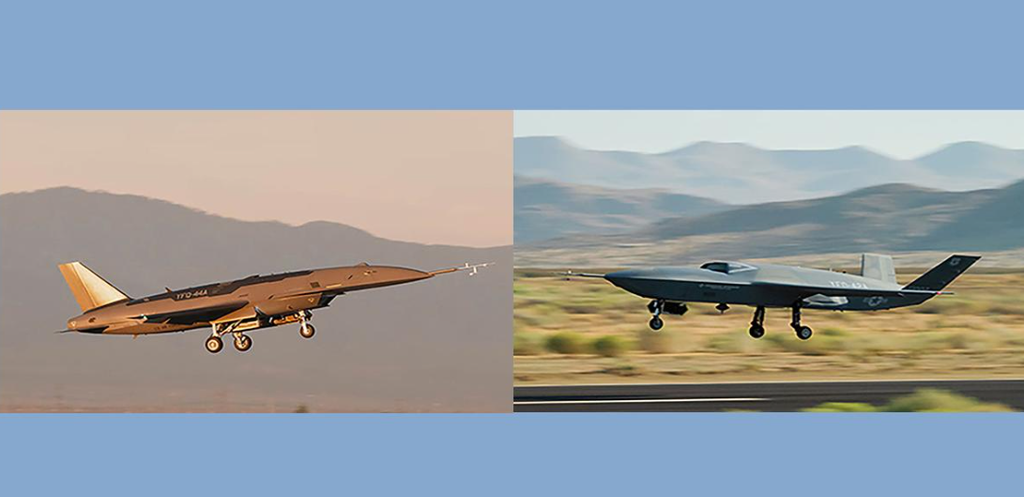
The Vectis investment comes as the U.S. Air Force develops its broader Collaborative Combat Aircraft force structure.
The service’s first CCA increment selected aircraft developed by General Atomics and Anduril Industries. In June 2026, the Air Force announced contracts covering Increment 1 aircraft and mission autonomy software. Lockheed Martin was not selected to develop an Increment 1 air vehicle.
Vectis is therefore being developed outside that initial aircraft selection.
The next opportunity could come through Increment 2, which is expected to address evolving requirements for autonomous combat aircraft. Lockheed Martin has not announced that Vectis has been selected for the next increment, and no government contract for the aircraft has been disclosed.
Taiclet indicated that the company is designing Vectis around its expectations for future CCA requirements, particularly greater range, payload and survivability.
This approach gives Lockheed Martin an opportunity to present a more mature aircraft when potential customers establish their requirements. It also means the company is accepting development and financial risks before securing a government customer.
The distinction matters because an internally funded prototype program does not guarantee procurement selection.
Why Lockheed Martin is investing before a contract
The decision reflects a broader strategy at Lockheed Martin to invest in new military technologies before formal government procurement competitions begin.
During the earnings call, Taiclet described the company’s mission technology roadmaps as a way to anticipate future operational requirements and develop capabilities before governments issue requests for information or proposals.
Vectis is part of a wider air combat strategy that combines existing fifth-generation fighters, advanced fighter technologies and autonomous aircraft.
The F-35 would provide a central crewed combat platform, while Vectis could add autonomous aircraft to support missions that require additional reach, survivability and combat mass.
There is a practical procurement argument behind this approach. Governments increasingly want autonomous aircraft that can supplement expensive crewed fighters without requiring every additional combat aircraft to carry a human pilot.
However, affordability will be an important test. Developing an autonomous aircraft is only part of the cost equation. Mission computers, sensors, communications equipment, software, weapons integration, maintenance and ground-control infrastructure will also influence its eventual procurement and operating costs.
Lockheed Martin has not disclosed a target unit price for Vectis, making it too early to determine whether the aircraft will meet the affordability expectations associated with the CCA concept.
Allied customers are part of the design strategy
Lockheed Martin is also considering international customers from the beginning of the Vectis development process.
Taiclet said the company wants the aircraft designed so that eligible U.S. allies can potentially acquire it without requiring a major redesign after development.
This could broaden the potential market beyond the U.S. Air Force.
For allied air forces operating F-35s, autonomous aircraft could provide additional operational flexibility while supporting existing combat aviation investments.
Nevertheless, international availability will depend on U.S. export-control requirements, technology-transfer restrictions, security arrangements and individual government procurement decisions.
Lockheed Martin has not announced an international Vectis customer or export authorization.
The company will also face competition from other autonomous aircraft developers, including General Atomics and Anduril, whose platforms have already entered the U.S. Air Force’s Increment 1 development and testing process.
The next major test is flight performance
The five-aircraft investment gives Skunk Works additional resources to mature Vectis before a potential procurement competition.
But several important questions remain unanswered.
Lockheed Martin has not publicly established the aircraft’s final weight, operational range, payload capacity, sensor configuration, weapons load or production cost. Nor has it demonstrated that Vectis can conduct operational missions alongside crewed fighters.
The 2027 flight demonstration target will therefore be an important milestone, but it should not be confused with operational readiness or a production decision.
For Lockheed Martin, the immediate objective is to turn an internally financed aircraft design into a credible candidate for future autonomous combat aviation requirements.
Whether that investment translates into a significant procurement program will depend on flight-test results, demonstrated mission capabilities, affordability and the requirements ultimately established by the U.S. military and allied customers.