Executive Summary:
Spain has reportedly opened discussions regarding potential participation in Türkiye’s KAAN fifth generation fighter program as Madrid reviews long term combat aircraft requirements. The move highlights growing European interest in alternative defense partnerships amid debates surrounding U.S.-made F-35 procurement and strategic autonomy.
Spain Opens Talks On Turkish KAAN Fighter Program
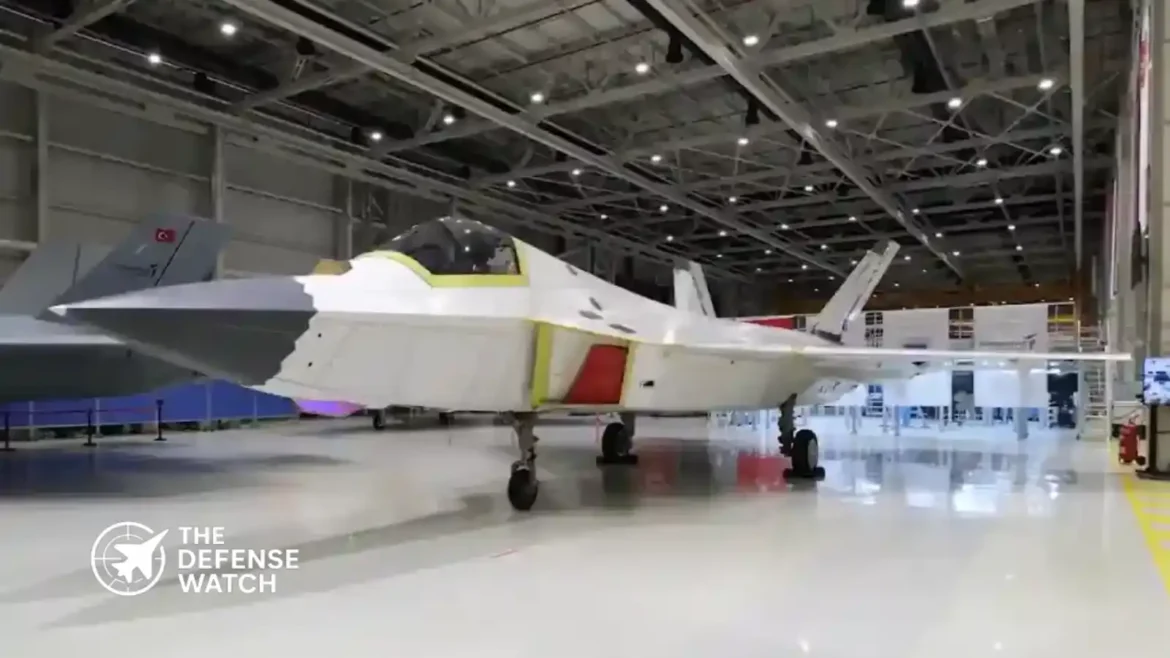
Spain KAAN fighter discussions have emerged as Madrid evaluates future combat aircraft requirements and broader defense industrial cooperation with Türkiye. Spanish officials have initiated talks concerning the Turkish-developed KAAN stealth fighter, a fifth generation aircraft led by Turkish Aerospace Industries.
The development comes at a time when several European nations are reassessing procurement priorities amid rising defense spending, supply chain concerns, and geopolitical uncertainty across NATO’s southern and eastern flanks.
Türkiye officially unveiled the KAAN fighter in 2023 as part of Ankara’s long term effort to establish an indigenous fifth generation combat aircraft capability. The platform completed its maiden flight in February 2024 and remains one of the most ambitious aerospace programs currently underway outside the United States, China, and Russia.
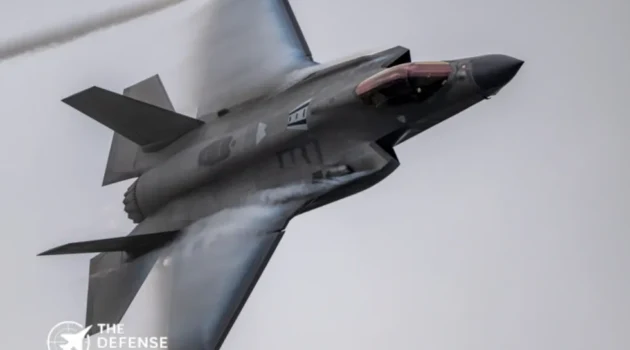
Spain has not formally abandoned interest in the Lockheed Martin F-35 Lightning II, but discussions surrounding the Turkish KAAN fighter suggest Madrid is examining additional strategic options.
Why Spain Is Reviewing Fighter Procurement Options
Spain currently operates a mixed fleet of Eurofighter Typhoon and aging McDonnell Douglas EF-18 Hornet fighters. Several of these aircraft will eventually require replacement during the next decade.
Madrid also remains a major stakeholder in Europe’s Future Combat Air System (FCAS), a multinational sixth generation fighter initiative involving France and Germany. However, FCAS timelines continue to extend into the 2040s, creating a potential capability gap for participating nations.
This timing is important. European governments increasingly face pressure to modernize fleets faster while maintaining industrial independence and managing procurement costs.
The Turkish KAAN fighter program could offer Spain several advantages if talks progress beyond exploratory discussions. These may include industrial participation opportunities, technology cooperation, and diversification away from reliance on a single supplier ecosystem.
At the same time, any move involving the KAAN fighter would likely generate scrutiny within NATO and the broader European defense market, particularly because the F-35 remains the dominant fifth generation fighter platform among alliance members.
KAAN Program Reflects Türkiye’s Expanding Aerospace Ambitions
The Turkish KAAN fighter is being developed by Turkish Aerospace Industries under Türkiye’s broader defense modernization strategy. Ankara has significantly expanded domestic aerospace and defense production over the past decade, including unmanned systems, missiles, naval platforms, and advanced avionics.
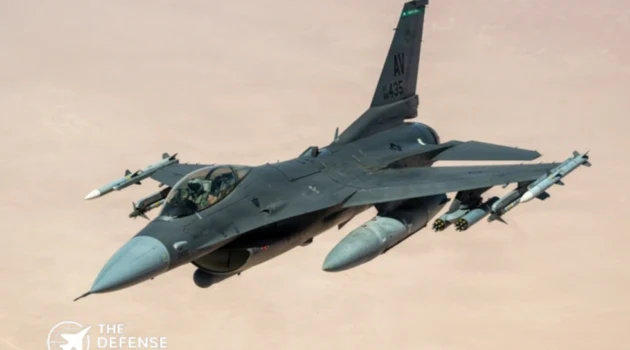
KAAN is designed as a twin engine stealth fighter with advanced sensor fusion, internal weapons bays, and network centric warfare capabilities. Turkish officials have stated that the aircraft is intended to replace the country’s aging fleet of General Dynamics F-16 Fighting Falcon fighters over time.
The program also gained additional geopolitical importance after Türkiye was removed from the F-35 program in 2019 following Ankara’s acquisition of the Russian-made S-400 air defense system.
Since then, Türkiye has accelerated indigenous defense programs aimed at reducing dependence on foreign suppliers. KAAN has become a flagship symbol of that strategy.
Spain’s interest therefore carries significance beyond aircraft procurement alone. It reflects how Türkiye’s defense industry is increasingly positioning itself as an exporter and strategic partner within NATO markets.
Strategic Implications For Europe And NATO
Spain KAAN fighter talks also underline a broader shift occurring across Europe’s defense sector. Countries are increasingly balancing alliance interoperability with industrial sovereignty and procurement flexibility.
The F-35 program continues to expand across Europe, with nations including Germany, Finland, Poland, Belgium, Italy, the Netherlands, Denmark, Norway, and the United Kingdom operating or ordering the aircraft. However, concerns over cost, maintenance dependency, and long term operational autonomy remain part of political discussions in several countries.
For Spain, exploring the Turkish KAAN fighter may provide leverage in broader defense negotiations while supporting its own aerospace industrial interests.
There are still substantial hurdles before any potential agreement could materialize. KAAN remains under development and has not yet entered operational service. Questions also remain regarding engine integration, production timelines, export configurations, and interoperability standards within NATO structures.
Nevertheless, Spain’s willingness to open discussions indicates that European defense procurement is becoming increasingly competitive and politically complex.
Growing Competition In The Fifth Generation Fighter Market
The global fighter aircraft market is entering a new phase shaped by strategic competition, industrial partnerships, and regional security concerns.
While the F-35 currently dominates Western fifth generation procurement, newer programs such as KAAN, South Korea’s KF-21, and various European sixth generation initiatives are reshaping future competition.
Spain’s engagement with the Turkish KAAN fighter demonstrates that countries are no longer evaluating combat aircraft solely on technical performance. Industrial access, political alignment, export flexibility, and strategic autonomy now play a larger role in procurement decisions.
For Türkiye, even preliminary talks with a major European NATO member represent an important validation of its aerospace ambitions.
For Spain, the discussions provide another avenue to address future air combat capability requirements while maintaining flexibility in an evolving geopolitical environment.

Executive Summary:
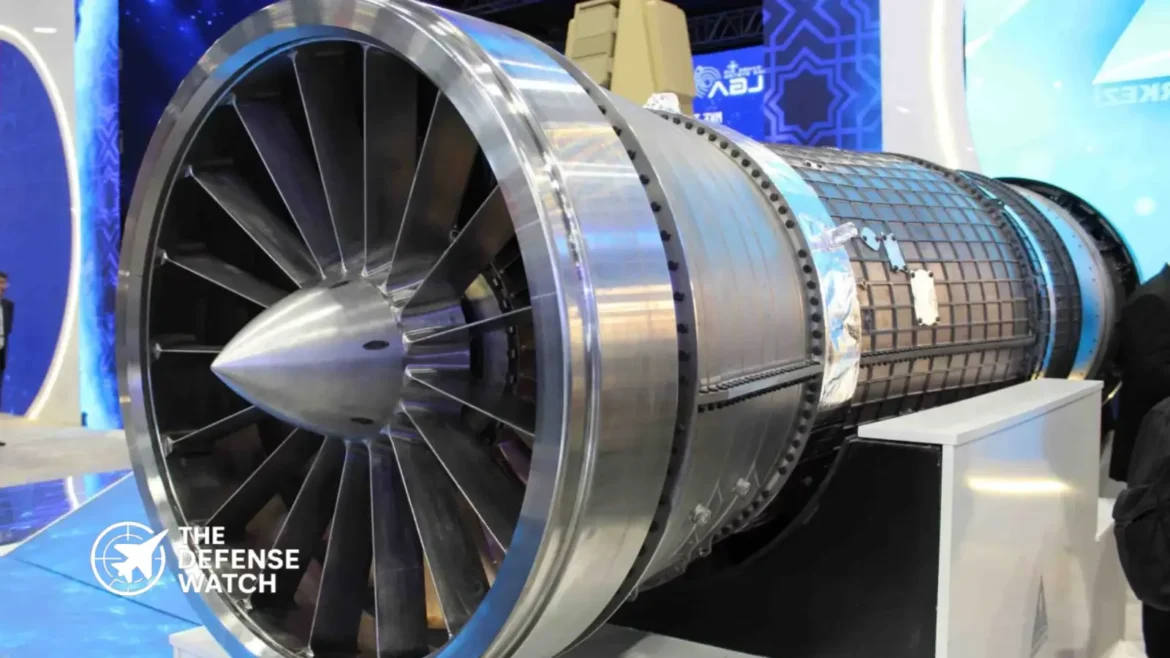
Türkiye has revealed the new GUECHAN turbofan engine, a 42,000-pound-thrust indigenous propulsion system aimed at powering future combat aircraft. The program supports Ankara’s long-term effort to reduce dependence on foreign engines and strengthen its next-generation aerospace sector.Türkiye Unveils GUECHAN Turbofan Engine For Future Fighter Programs
Türkiye’s aerospace sector has introduced the new GUECHAN turbofan engine, a domestically developed propulsion system designed to deliver up to 42,000 pounds of thrust, placing it in the same performance category as engines used by fifth-generation combat aircraft.
The engine is being positioned as a strategic step toward supporting Türkiye’s expanding military aviation ambitions, including future variants of the KAAN next-generation fighter program.
The unveiling reflects Ankara’s broader push to reduce reliance on foreign defense suppliers following years of export restrictions, procurement disputes, and licensing challenges affecting several Turkish aerospace programs.
The GUECHAN turbofan is expected to support high-performance combat aircraft operations, including sustained supersonic flight, advanced maneuverability, and larger payload capacities. Turkish defense officials have repeatedly emphasized the importance of sovereign propulsion technology as a core requirement for long-term defense autonomy.
Indigenous Engine Development Gains Strategic Importance
The development of an indigenous fighter engine has become increasingly important for Türkiye’s defense planning over the last decade. The country’s defense industry has expanded rapidly across drones, missiles, naval systems, armored vehicles, and combat aircraft, but propulsion technology remains one of the most difficult areas to localize.
Modern fighter engines require advanced metallurgy, precision manufacturing, thermal management systems, and highly sophisticated turbine technologies. Only a limited number of countries currently possess the industrial base needed to independently design and manufacture high-thrust military turbofans.
The GUECHAN program appears intended to narrow that gap.
Türkiye’s KAAN stealth fighter currently relies on imported propulsion systems during prototype development and flight testing phases. However, Ankara has repeatedly stated its goal of integrating a fully indigenous engine in future production configurations.
The reported 42,000 lbf thrust rating places the GUECHAN engine within the performance range associated with modern fifth-generation fighter propulsion systems. For comparison, the Pratt & Whitney F135 engine used in the Lockheed Martin F-35 Lightning II generates roughly similar thrust output depending on configuration.
That comparison is strategically significant. It suggests Türkiye is not simply pursuing a replacement engine for legacy aircraft, but rather attempting to establish an independent high-performance propulsion capability suitable for advanced stealth platforms.
KAAN Fighter Program Remains Central To Türkiye’s Aerospace Ambitions
The indigenous KAAN fighter program remains one of Türkiye’s largest defense modernization projects. Led by Turkish Aerospace Industries, the aircraft is intended to replace portions of the Turkish Air Force’s aging F-16 fleet over the coming decades.
The KAAN prototype completed its maiden flight in 2024, marking a major milestone for Türkiye’s domestic aerospace industry. Future development phases are expected to focus on avionics integration, stealth optimization, weapons testing, and propulsion improvements.
An indigenous engine program could reduce long-term exposure to export controls or political restrictions affecting combat aircraft operations and upgrades.
This issue has gained greater relevance since Türkiye’s removal from the F-35 program following Ankara’s acquisition of the Russian-made S-400 air defense system. The dispute highlighted the risks associated with reliance on foreign-controlled supply chains for strategic military platforms.
As a result, Turkish defense planners have increasingly prioritized domestic production capabilities across key technologies, particularly propulsion, sensors, radar systems, and electronic warfare components.
Regional And Global Implications
The unveiling of the GUECHAN turbofan also carries broader geopolitical implications for regional aerospace competition.
Türkiye has emerged as a major exporter of defense systems, particularly unmanned aerial vehicles and armored platforms. A successful indigenous high-thrust engine program could strengthen its position in the global defense market by enabling greater control over export licensing and aircraft customization.
Countries seeking alternatives to Western or Russian combat aircraft suppliers may view Turkish aerospace products as increasingly attractive if Ankara can independently provide propulsion systems without third-party approval requirements.
The move also reflects a wider global trend toward defense industrial self-sufficiency. Several middle powers are investing heavily in indigenous aerospace manufacturing capabilities amid rising geopolitical tensions and concerns over supply chain vulnerability.
Still, developing an operational fifth-generation-class fighter engine remains an exceptionally difficult and expensive undertaking. Engine reliability, durability, thermal efficiency, and maintenance cycles often require years of testing before operational deployment.
Industry analysts note that while prototype demonstrations are important milestones, large-scale production and long-term sustainment capabilities ultimately determine whether a propulsion program achieves strategic success.
Technical Challenges Remain Ahead
Although the unveiling marks a significant symbolic and industrial milestone, major technical hurdles remain before the GUECHAN engine can enter operational service.
Military turbofan development programs typically require extensive ground testing, high-altitude validation, thermal endurance assessments, and integration trials with combat aircraft platforms. Certification timelines can stretch for years, even among established aerospace powers.
Türkiye’s growing experience in aerospace manufacturing may provide a stronger foundation than in previous decades, particularly through lessons learned from drone engines, helicopter propulsion systems, and advanced aerospace composites.
However, transitioning from smaller propulsion systems to a 42,000-pound-thrust class fighter engine represents a major technological leap.
The long-term success of the GUECHAN program will likely depend on sustained government funding, industrial cooperation, supply chain resilience, and successful flight integration with future KAAN variants.
Why The GUECHAN Engine Matters
The GUECHAN turbofan represents more than a new aerospace product. It reflects Türkiye’s broader strategic effort to establish greater independence in advanced military technologies amid a changing geopolitical and defense environment.
If successful, the engine could become a cornerstone capability for future Turkish combat aviation programs while strengthening Ankara’s standing as an emerging aerospace power.
At the same time, the program underscores how propulsion technology remains one of the defining competitive areas in modern military aviation.
■ KEY FACTS AT A GLANCE- ► KAAN-1 prototype planned to make its first flight in May or June.
- ► Aircraft expected to conduct initial flight tests with operational onboard systems.
- ► KAAN-0 completed two takeoffs focused on basic airframe and flight safety validation.
- ► Prototypes 2 and 3 scheduled to follow in 2026.
- ► Program led by Turkish Aerospace as part of Turkey’s indigenous fifth generation fighter effort.
KAAN-1 Prototype Moves Toward Operational Flight Testing
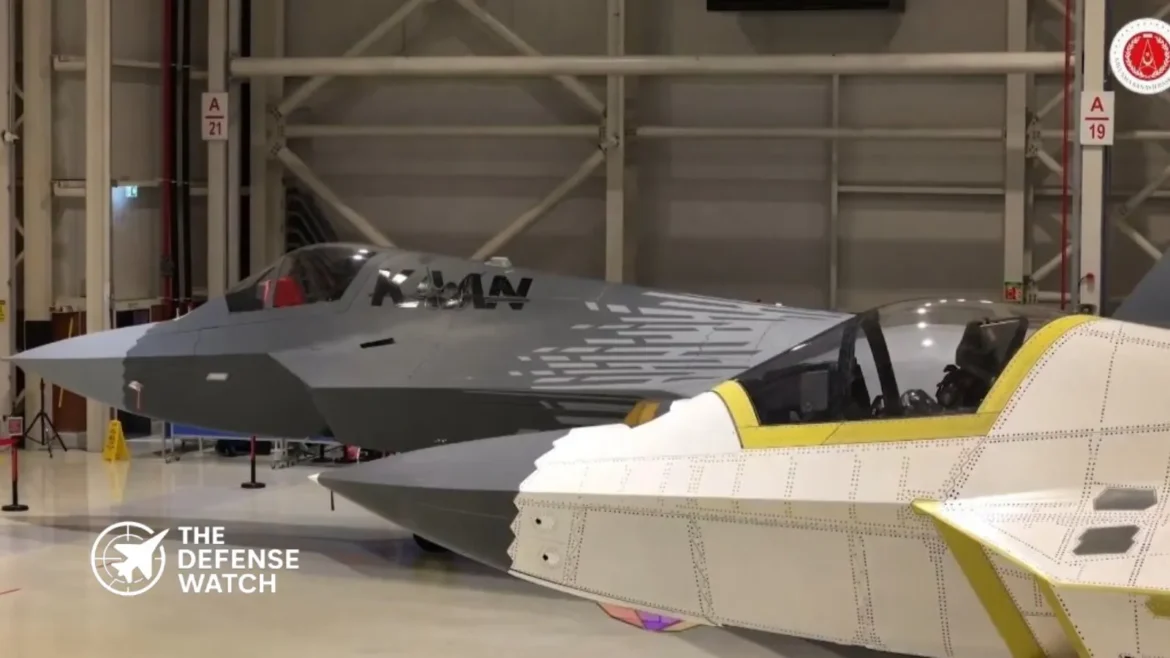
The KAAN-1 prototype is expected to make its first flight in May or June, marking a significant step in Turkey’s indigenous fifth generation fighter program.
(adsbygoogle = window.adsbygoogle || []).push({});Unlike the earlier KAAN-0 prototype, which conducted two takeoffs primarily focused on validating basic flight characteristics and airframe integrity, the KAAN-1 prototype is planned to fly with operational systems integrated. This shift signals the program’s transition from initial proof of flight to structured systems testing.
The KAAN fighter, developed by Turkish Aerospace, is Turkey’s flagship combat aircraft program, previously known as TF-X. It is intended to replace aging F-16 fleets and position Ankara among nations developing advanced, stealth-capable multirole fighters.
From KAAN-0 To KAAN-1
The KAAN-0 prototype achieved its first flight in early 2024, a milestone widely reported by Turkish officials and confirmed by defense media including Anadolu Agency. Those initial flights were limited in scope. They focused on validating basic aerodynamics, landing gear performance, propulsion integration, and flight control laws.
The upcoming KAAN-1 prototype represents a more advanced configuration. According to program updates, this aircraft is expected to carry a broader suite of onboard systems, potentially including radar, avionics, and mission computers closer to intended operational standards.
This progression mirrors typical fifth generation fighter development cycles seen in programs such as the F-35 and other advanced combat aircraft. Early prototypes verify that the platform can safely fly. Subsequent prototypes begin the far more complex process of systems integration and performance validation.
(adsbygoogle = window.adsbygoogle || []).push({});What Operational System Testing Means
For the KAAN-1 prototype, flying with operational systems changes the scope of testing significantly.
Flight trials will likely evaluate sensor fusion, avionics stability, power management, and electronic systems behavior under dynamic conditions. Even at this stage, these systems may not represent final production standards, but they provide critical data for refining software and hardware integration.
This phase is often the most technically demanding part of fighter development. Integrating advanced avionics into a stealth airframe requires balancing cooling, power supply, electromagnetic compatibility, and software architecture.
Industry experience shows that issues often emerge during this transition. As seen in other fifth generation programs, debugging mission systems and ensuring stable flight control integration can extend timelines. The move to operational system testing therefore signals both progress and the beginning of a more complex testing environment.
Additional Prototypes Planned For 2026
Within the same framework, prototypes numbered 2 and 3 are planned to follow in 2026.
(adsbygoogle = window.adsbygoogle || []).push({});Expanding the prototype fleet allows parallel testing. One aircraft may focus on envelope expansion, another on avionics, and another on weapons integration or structural stress evaluation. This approach accelerates data collection and reduces overall program risk.
The KAAN program timeline suggests a structured ramp-up in flight testing over the next two years. If maintained, this schedule would position the aircraft for continued development toward initial operational capability later in the decade.
Strategic Context
The KAAN fighter program carries strategic weight for Ankara. Turkey’s removal from the F-35 program in 2019 reshaped its combat aviation roadmap. Since then, officials have emphasized domestic fighter development to reduce reliance on foreign suppliers.
The KAAN-1 prototype’s planned first flight with operational systems reflects that broader strategic objective. Moving beyond symbolic milestones toward systems validation indicates a focus on practical capability development.
At the same time, fifth generation fighter development remains resource intensive and technically demanding. Nations pursuing such programs must sustain funding, industrial expertise, and long term political commitment.
(adsbygoogle = window.adsbygoogle || []).push({});Program Outlook
If the KAAN-1 prototype flies as planned in May or June, it will mark a measurable shift from basic airframe validation to systems oriented testing.
The introduction of additional prototypes in 2026 will further test the program’s maturity. The coming flight test campaigns will reveal how effectively the platform integrates avionics, propulsion, and stealth characteristics into a coherent operational design.
For defense observers, the next phase will be defined less by symbolic first flights and more by sustained, transparent testing progress.