

Executive Summary:
Norway has committed approximately $302 million to support Ukraine’s air defense network, including Patriot missile capabilities, under the PURL initiative. The funding comes as Kyiv continues to face large scale Russian missile and drone attacks targeting cities and critical infrastructure.
Ukraine Air Defense Receives Major Boost From Norway
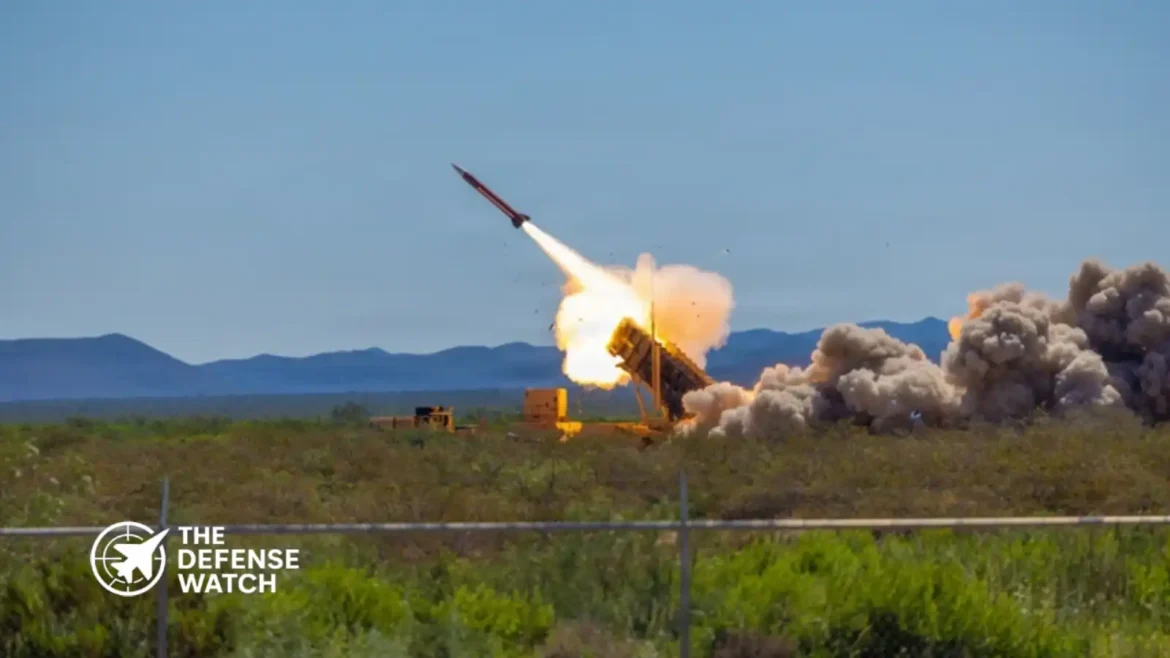
Norway has announced a new military assistance package worth approximately $302 million aimed at strengthening Ukraine air defense capabilities, including support linked to the Patriot Missile System.
The funding will be delivered through the PURL initiative, a multinational framework designed to accelerate the procurement and sustainment of advanced air defense systems for Ukraine as the conflict with Russia continues.
Norwegian officials stated that the package is intended to help Ukraine defend civilian infrastructure, energy facilities, and urban centers from ongoing Russian missile and drone strikes. The announcement reflects a broader European and NATO-backed effort to maintain Ukraine’s layered air defense network amid increasing pressure on interceptor stockpiles.
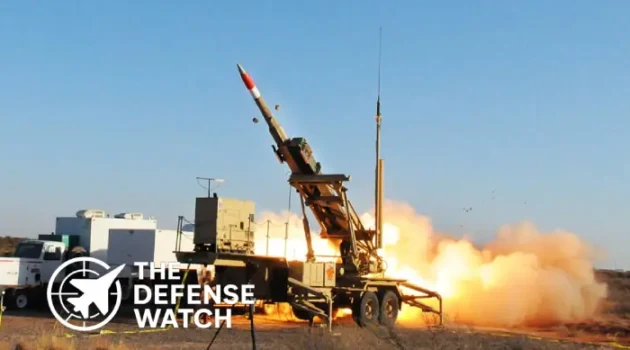
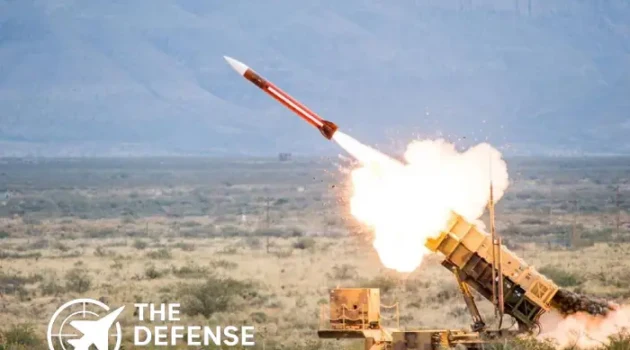
The Patriot system remains one of the most capable Western air defense platforms supplied to Ukraine since the war began. Designed to intercept ballistic missiles, cruise missiles, and aircraft, the system has become central to Kyiv’s defense against high intensity aerial attacks.
Patriot Missile Systems Remain Critical To Ukraine’s Defense
The Patriot missile package funded by Norway highlights the growing importance of advanced integrated air defense systems in the current operational environment. Since their deployment in Ukraine, Patriot batteries have reportedly been used to counter some of Russia’s most sophisticated missile threats, including ballistic missile attacks against major cities.
Developed by RTX, formerly known as Raytheon Technologies, the Patriot system combines long range radar, command and control assets, and interceptor missiles capable of engaging multiple targets simultaneously.
Military analysts widely regard the Patriot as one of the few operational systems capable of reliably defending against advanced ballistic missile threats. Ukraine has repeatedly requested additional Patriot launchers and interceptor missiles as Russian long range strike campaigns continue.
Norway’s contribution is also strategically significant because sustaining Patriot operations requires more than launcher deliveries alone. Interceptor production, spare parts, radar maintenance, crew training, and logistical support all play critical roles in maintaining operational readiness over time.
The PURL initiative appears designed to address these sustainment challenges by pooling allied financial and industrial resources rather than relying solely on direct equipment transfers from national inventories.
European Allies Expand Long-Term Air Defense Support
The Norwegian announcement comes amid broader allied discussions over long term support for Ukraine’s air defense architecture. European governments and NATO members have increasingly shifted from short term emergency aid toward structured procurement and industrial cooperation models.
This transition reflects growing concern over production capacity limitations across the Western defense industrial base. Patriot interceptors and other advanced air defense munitions remain in high demand globally, particularly as NATO states simultaneously replenish their own stockpiles.
The latest Norwegian funding package also underscores how smaller NATO members continue to play influential roles in sustaining Ukraine’s defense capabilities. While the United States remains the primary supplier of Patriot systems and munitions, European financial contributions have become increasingly important in enabling continued deliveries.
Norway has consistently expanded its military assistance to Ukraine since the start of the conflict, including support for air defense systems, artillery ammunition, and maritime security initiatives.
Russian Missile And Drone Attacks Continue
Ukraine’s need for additional air defense support remains urgent as Russian forces continue conducting combined missile and drone attacks across the country. Ukrainian officials have repeatedly warned that interceptor shortages could leave critical infrastructure increasingly vulnerable.
Recent attack patterns have demonstrated Russia’s continued use of saturation tactics involving cruise missiles, ballistic missiles, and long range one way attack drones launched simultaneously to overwhelm defensive networks.
The sustained pace of attacks has intensified pressure on Western allies to accelerate both production and delivery timelines for air defense interceptors and associated systems.
Norway’s latest funding decision therefore carries operational importance beyond its monetary value. By helping finance Patriot related support under the PURL framework, Oslo contributes to maintaining one of Ukraine’s most strategically important defensive capabilities during a prolonged phase of the war.
Strategic Implications For NATO And European Defense
The Patriot missile funding package also reflects broader lessons emerging from the conflict regarding modern air and missile defense requirements. NATO members are increasingly reassessing their own air defense inventories, procurement plans, and industrial production capacities in response to the war.
For European defense planners, Ukraine has become a real world case study in the importance of layered missile defense systems capable of countering high volume precision strike campaigns.
The continued multinational financing of Patriot support may also serve as a model for future cooperative defense procurement initiatives among allied nations facing growing regional security pressures.
As the conflict enters another prolonged phase, sustained financing mechanisms such as PURL could become increasingly important in ensuring Ukraine maintains operational access to advanced Western defensive systems.
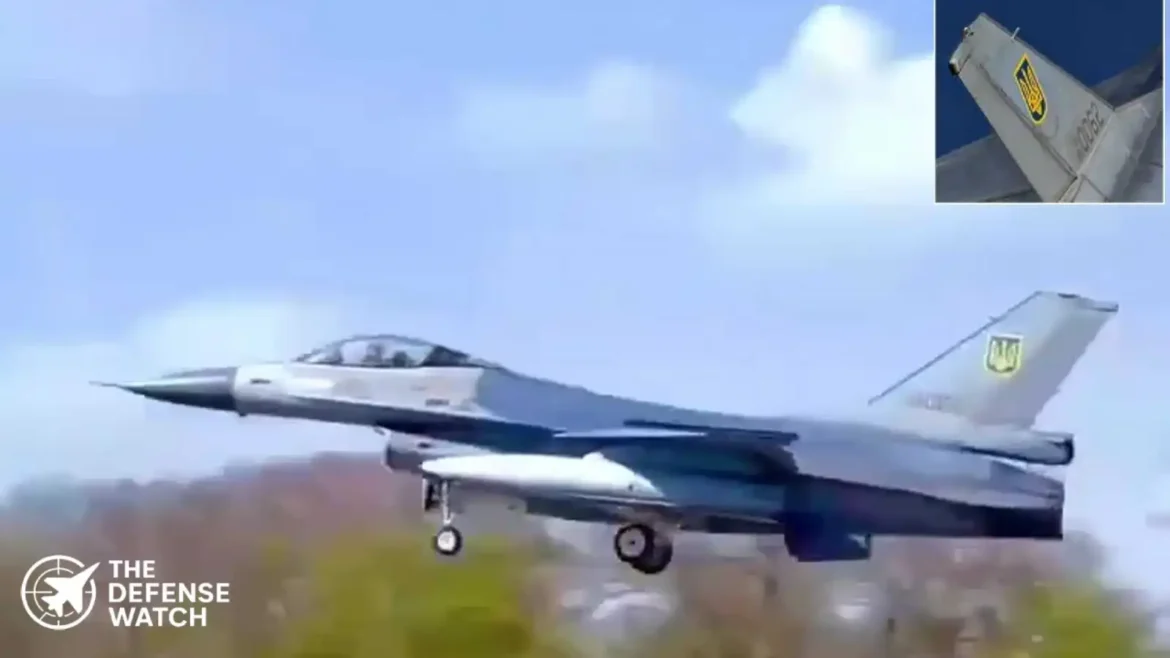
Ukrainian F-16 Fighter Jet Transfer Signals Continued Fleet Growth
A Ukrainian F-16 fighter jet reportedly transferred by the Netherlands has been observed departing a Belgian airport, according to reporting by Army Recognition. While official authorities did not publicly identify the specific aircraft movement, the sighting points to continued progress in Kyiv’s effort to build a modern Western fighter fleet.
The transfer matters because each additional F-16 increases Ukraine’s ability to defend airspace, intercept cruise missiles, and conduct more accurate strike missions. Unlike Soviet-era aircraft still in Ukrainian service, the F-16 offers stronger radar performance, broader weapons integration, and easier access to NATO-standard maintenance and training pipelines.
- A Ukrainian F-16 fighter jet transferred by the Netherlands was reportedly spotted departing a Belgian airport.
- The aircraft is believed to be part of the multinational NATO-backed program supplying F-16s to Ukraine.
- Belgium has become a key logistics and training hub for European F-16 transition efforts.
- Additional aircraft deliveries would strengthen Ukraine’s air defense and precision strike capacity.
- The Netherlands remains one of Kyiv’s leading European combat aviation donors.
The Netherlands has been among the most committed European supporters of the fighter transfer initiative. Dutch officials previously pledged multiple retired F-16 aircraft after transitioning to the F-35 fleet. Those airframes are now being used for direct transfer, spare parts support, or training programs depending on condition and readiness.
Why Belgium Matters In The F-16 Pipeline
Belgium’s role is strategically important even when it is not the donor nation. Belgian air bases and aerospace infrastructure provide a practical transit point for aircraft refurbishment, pilot conversion activity, technical preparation, and onward movement.
This suggests the reported departure may be part of a larger coordinated logistics chain rather than a simple one-time handover. Western fighter transfers require inspections, software alignment, documentation, mission system checks, and coordination with training schedules.
For Ukraine, receiving aircraft is only one part of the equation. Sustainable combat power depends on:
- Pilot conversion training
- Ground crew certification
- Spare engines and parts
- Weapons stock integration
- Hardened basing and dispersal planning
- Secure command and control links
That means every visible aircraft movement can represent months of behind-the-scenes preparation.
What The Ukrainian F-16 Fighter Jet Adds To Combat Operations
The Ukrainian F-16 fighter jet program is designed to gradually replace aging Soviet aircraft such as the MiG-29 and Su-27 in selected roles. While no single fighter can change the war alone, the F-16 offers several practical advantages:
Air Defense Intercepts
The aircraft can respond faster to missile and drone threats when paired with modern sensors and guided missiles.
Precision Strike Missions
The F-16 can employ a wide range of Western-guided munitions, improving target accuracy.
Survivability
Modern electronic warfare systems and situational awareness tools can improve pilot survivability in contested airspace.
NATO Interoperability
Shared standards simplify future training, sustainment, and coalition support.
Strategic Limits Still Remain
Even with more deliveries, Ukraine’s F-16 fleet will operate under constraints. Russian long-range air defenses, electronic warfare systems, and missile threats continue to shape mission planning. Aircraft numbers also remain limited compared with prewar major air forces.
That means the best use of the Ukrainian F-16 fighter jet fleet may be selective, high-value missions rather than constant front-line exposure. Intercepts, defensive patrols, and stand-off strike roles are likely to remain priorities.
Netherlands Support Carries Political Weight
The Dutch decision to continue transfers also carries political significance. It signals that long-term military assistance to Ukraine remains active among key European NATO members. Fighter donations are more complex than artillery or vehicles because they involve years of training, sustainment, and security commitments.
Each successful aircraft delivery therefore demonstrates not just hardware support, but enduring coalition coordination.
Outlook
If additional sightings and confirmations follow, Ukraine’s F-16 inventory will continue to expand incrementally through 2026. That slow but steady approach may prove more valuable than rapid one-time deliveries, because trained crews, spare parts, and combat readiness can grow together.
For Kyiv, every added aircraft increases options. For Europe, every transfer reinforces the message that advanced support programs remain in motion.
UK Pledges 500M Air Defence Boost For Ukraine
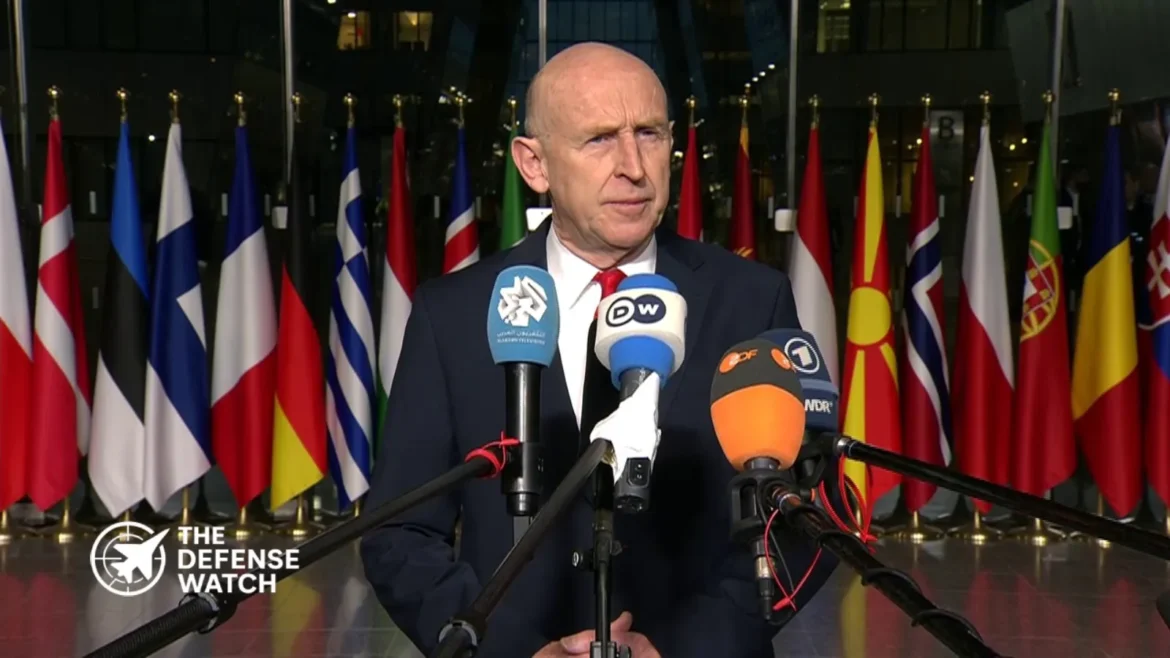
The United Kingdom has pledged a 500M British pound air defence support package for Ukraine, Defence Secretary John Healey announced at NATO headquarters in Brussels, marking a significant expansion of London’s military aid amid continued Russian aerial attacks.
(adsbygoogle = window.adsbygoogle || []).push({});The funding is aimed at strengthening Ukraine’s ability to defend against missile and drone strikes, particularly on civilian infrastructure and energy targets, as the conflict with Russia enters its fourth year.
What the Air Defence Package Includes
According to the UK Ministry of Defence, the new support boost includes several key elements:
- 150M pounds allocated to NATO’s Prioritised Ukraine Requirements List (PURL) to accelerate delivery of US-made air defence interceptors to Ukraine.
- Delivery of 1,000 lightweight multirole missiles built in Belfast, supporting Ukraine’s short-range defence against drones and missile threats.
- A 390M pound agreement to transfer production and support of Rapid Ranger launchers and command vehicles to Ukrainian control.
- Additional deliveries of 1,200 air defence missiles and 200,000 rounds of artillery ammunition through the Air Defence Consortium.
Officials said the package is meant to address urgent capability gaps and to help NATO allies sustain long-term defence cooperation with Kyiv.
(adsbygoogle = window.adsbygoogle || []).push({});UK and NATO Context
Healey made the announcement during a meeting of NATO defence ministers in Brussels, where allies discussed defence investment, industrial output and collective support for Ukraine’s ongoing security needs.
The PURL mechanism, to which the UK’s P150M contribution will go, is designed to ensure a continuous supply of weapons purchased from the United States reaches Ukrainian forces. Total allied contributions to the PURL programme exceed 4.5 billion dollars, according to NATO and US officials.
Ukraine’s Air Defence Needs
Russian forces have sustained frequent strikes on Ukrainian cities and key infrastructure with drones, ballistic missiles and guided munitions. Ukrainian military officials and Western analysts have repeatedly stressed the need for robust layered air defence to protect population centres and critical assets. NATO’s collective support has focused on short-range and medium-range systems to help Ukraine respond to these threats effectively.
(adsbygoogle = window.adsbygoogle || []).push({});Broader UK Support
This latest commitment adds to a series of UK military aid packages to Ukraine. In 2025 the UK announced a large order of air defence missiles and systems under multi-billion pound arrangements, including production in British facilities and delivery of thousands of munitions to Ukrainian forces.
UK support has also included loans and financial assistance to fund procurement of air defence and other weapons, part of a wider effort by London to maintain sustained material support for Kyiv’s defence.
What Comes Next
Officials say significant deliveries under the new 500M pound package will occur in the coming months, with emphasis on rapid fielding of capabilities. Continued alliance coordination through NATO and mechanisms like PURL is expected to remain central to Western support efforts.

Massive Drone and Missile Strike Hits Kyiv
Russian forces carried out one of their most significant aerial assaults on Ukraine overnight, according to Ukrainian officials. The strike involved “hundreds” of drones and missiles, targeting Kyiv and other regions, leaving at least six civilians dead and dozens more injured.
The city’s mayor, Vitali Klitschko, said multiple districts caught fire and buildings were damaged, including around 30 residential structures. The Azerbaijani embassy in Kyiv was also struck by missile debris, according to reports.
Ukrainian Prime Minister Yulia Svyrydenko condemned the attack as a terrifying breach of civilian safety — “families went to sleep expecting a normal night and instead faced terror from the sky,” she said. President Volodymyr Zelensky called the assault “wicked,” framing it as a deliberate attack on civilian life and Ukraine’s energy infrastructure.
German Defense Minister Boris Pistorius echoed the sentiment, condemning the attack as showing “Russia’s contempt for humanity.”
Technical Scale and Strategic Implications
Based on official Ukrainian sources, the barrage included a mix of attack drones, decoy unmanned aerial vehicles, and ballistic and cruise missiles.
This assault appears to build on a pattern of mass drone-and-missile strikes by Russia. Previous attacks this year have also broken records: in May 2025, Russia reportedly launched 355 Shahed loitering munitions and dozens of Iskander ballistic missiles in a single weekend. In a later strike in September, Ukraine reported more than 800 projectiles — mostly drones — in what many called the largest single-day air attack of the war.
Experts note that Russia is combining large drone salvos with more capable missile systems — such as Iskander-M/KN-23 and air-launched cruise missiles — to overwhelm Ukraine’s layered air-defense architecture.
Civilian Toll and Political Fallout
Beyond the destruction of residential buildings, critical infrastructure also suffered. Ukrainian authorities say that energy networks were specifically targeted, heightening fears of winter blackouts.
The attack also carries political weight. Zelensky referenced it while calling on Western allies to step up support, notably with more interceptor systems. Kyiv is highlighting its urgent need for advanced air-defense platforms such as medium- and long-range interceptors, radar systems, and electronic warfare tools capable of coping with mass drone swarms.
European leaders, including those in the European Parliament, have pushed back strongly, arguing the strikes demonstrate Russia’s willingness to inflict civilian suffering and destabilize Ukraine further.
Analysis: What It Means for U.S. Defense and Global Security
- Air Defense Strain on Ukraine
The scale of this assault underscores how stretched Ukraine’s air defenses are. While Kyiv has received significant Western aid, this strike may expose gaps in current capabilities—particularly in intercepting large-volume drone swarms and mixed missile-drones threats. - Urgent Case for More U.S. and NATO Support
For U.S. defense planners, the assault reinforces the strategic priority of supplying Ukraine with cutting-edge air-defense systems. This could accelerate discussions on future deliveries of systems like Patriot PAC-3, medium-range SAMs, or even next-generation interceptors. - Validation of Asymmetric Warfare Tactics
Russia’s reliance on large drone salvos combined with ballistic and cruise missiles highlights a costly but effective asymmetric threat. This may influence how NATO and the U.S. think about investing in counter-drone technologies, electronic warfare, and multi-domain resilience. - Global Signaling
By launching such a high-intensity strike, Russia is signaling it can sustain high-tempo aerial operations — even under international sanctions. That capability has implications for not just Ukraine, but regional and allied security planning, particularly in Europe.
Conclusion: What Comes Next
This assault marks a worrying escalation in Russia’s aerial campaign and highlights the urgency of reinforcing Ukraine’s air-defense architecture. For the U.S. and NATO, it’s likely to intensify calls for faster and more advanced weapons deliveries.
Looking ahead, we can expect Kyiv to redouble its appeals for long-range interceptors and resilient C2 (command-and-control) networks. Meanwhile, Russia may continue to test Ukraine’s defense limits, leveraging mass drone attacks to force political pressure and wear down civilian morale.