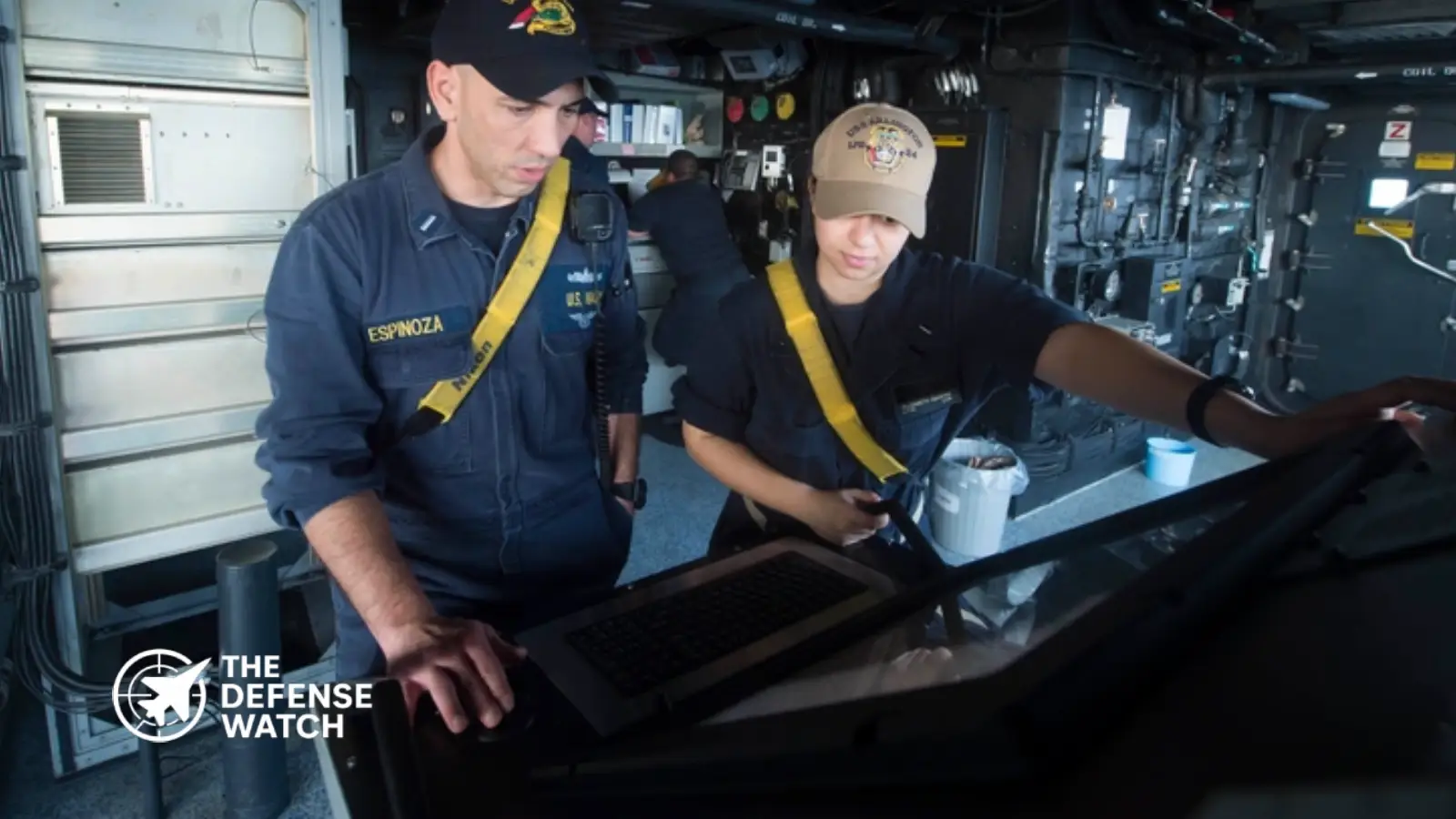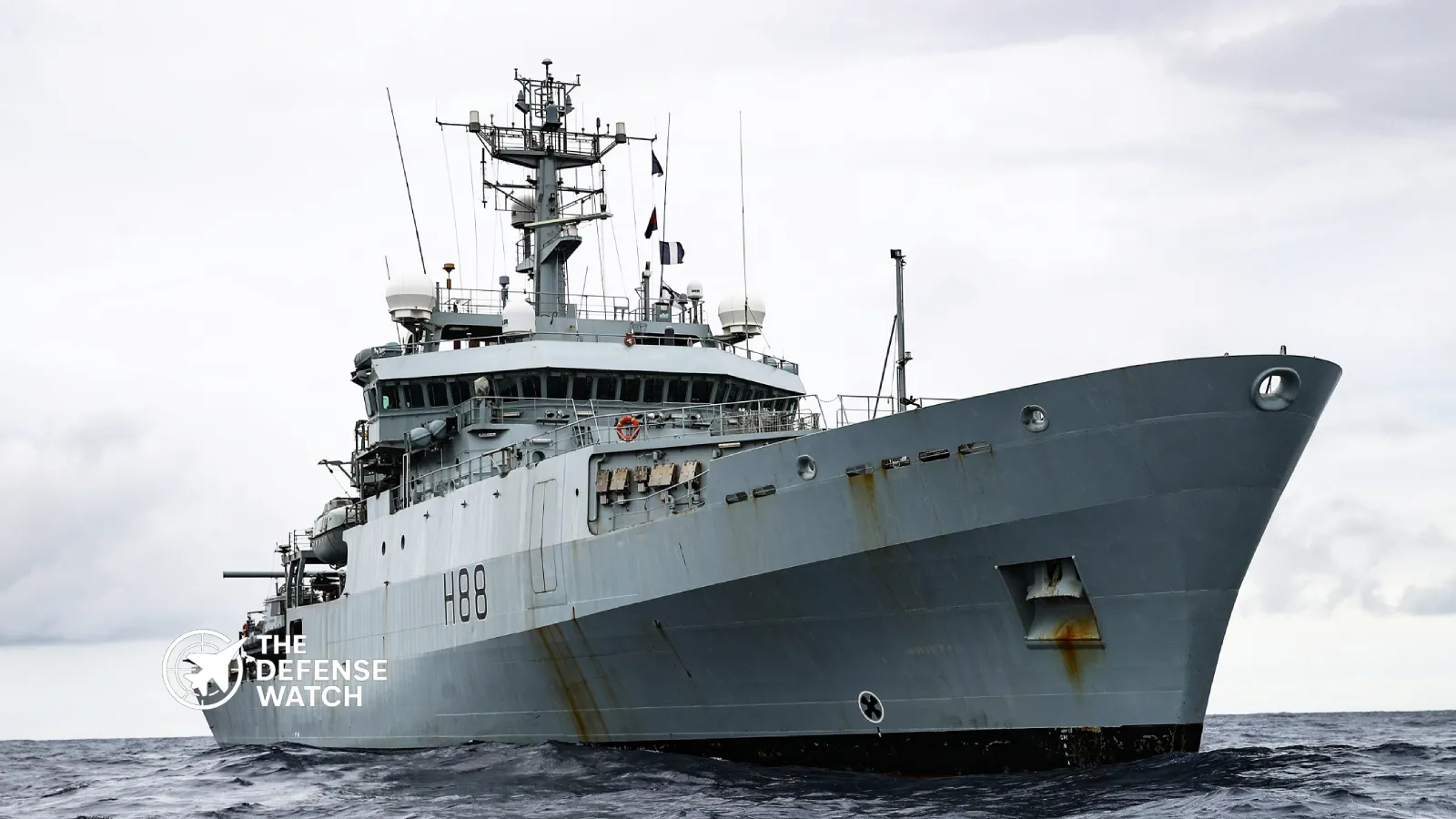
Lockheed Martin has received a $47.94 million contract modification from the U.S. Navy to continue systems engineering and software integration work supporting the Integrated Combat System across the Navy and U.S. Coast Guard surface force portfolios.
The modification exercises previously established contract options under contract N0002423C5117. The work covers engineering and software integration activities intended to support the development, maintenance and integration of combat system capabilities across multiple surface platforms.
The award is structured as a cost-plus-award-fee and cost-plus-fixed-fee modification. Work is scheduled to continue through September 2027.
The contract is not an announcement of a new combat system or a separate shipbuilding program. Instead, it supports the engineering and software activities needed to maintain and integrate combat system capabilities across existing and future surface force requirements.
How the Contract Is Funded
The funding breakdown provides an important distinction between the $47.94 million modification value and the money obligated at the time of award.
The Navy identified approximately $29.23 million in funding across several fiscal-year accounts. The largest portion comes from research, development, test and evaluation funding.
| Funding source | Amount | Share |
|---|---|---|
| FY2026 RDT&E, Navy | $13,364,817 | 46% |
| FY2027 RDT&E, Navy | $8,829,010 | 30% |
| FY2026 Operations and Maintenance | $4,300,000 | 15% |
| FY2026 Weapons Procurement | $2,700,000 | 9% |
| FY2025 RDT&E, Navy | $33,000 | Less than 1% |
| Total obligated at award | $29,226,827 | 100% |
The distinction matters: the $47.94 million is the announced modification value, while $29.23 million is the funding identified for obligation at award. The remaining difference should not be described as money already spent or immediately obligated.
The Navy also stated that $13.36 million of the obligated funding will expire at the end of the current fiscal year.
What the Integrated Combat System Is Designed to Do
Lockheed Martin describes its Integrated Combat System (ICS) as a scalable, networked combat management system built around common software and computing infrastructure. Its stated objective is to support the faster introduction of capabilities across the Navy’s surface fleet.
This approach addresses a longstanding challenge in naval modernization: integrating new software, sensors, weapons and other mission capabilities across ships that may use different generations of combat system hardware.
Traditionally, upgrading a ship’s combat capabilities can require extensive integration and testing to ensure that new software works with existing sensors, weapons, communications equipment and command systems.
A more common software and computing architecture could help reduce duplication in those integration efforts. It could also make it easier to distribute software improvements across different surface platforms, although the actual speed and scale of those upgrades depend on testing, certification, hardware compatibility and operational requirements.
The Integrated Combat System should not be confused with Aegis alone. Aegis is a major combat system used on U.S. Navy cruisers and destroyers, while the broader ICS effort is intended to support a more consistent combat management architecture across the surface force.
Geographic Distribution of the Work
The contract distributes engineering and integration activities across 11 locations in the United States.
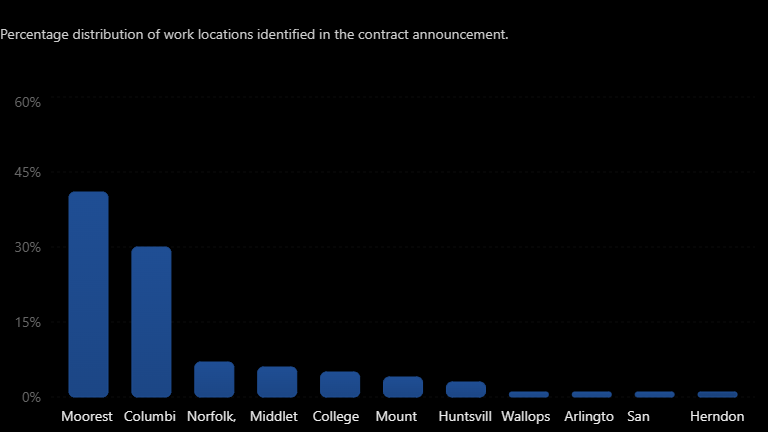
Moorestown, New Jersey, will account for 41% of the work, while Columbia, Maryland, represents another 30%. Together, these two locations account for 71% of the planned activity.
The remaining work is distributed across naval, engineering and technology locations in several states. The announcement does not identify the specific responsibilities assigned to each site or disclose the number of personnel involved.
Previous Contract Activity and Program Continuity
The modification continues work under contract N0002423C5117, originally awarded in September 2023.
Earlier modifications under the same contract have supported the Integrated Combat System engineering and software integration effort. A May 2026 modification, for example, was valued at approximately $75.65 million and covered similar work across the Navy and Coast Guard surface force portfolio.
The November 2026 action therefore represents continued funding for an established integration effort rather than the launch of an entirely new naval combat system program.
This distinction is important for understanding the Navy’s procurement priorities. Modern surface combat capability depends not only on acquiring new ships and weapons, but also on ensuring that their software, sensors and mission systems work together.
The latest modification provides funding continuity for that engineering effort through September 2027.
Why the Award Matters to the U.S. Surface Fleet
The Navy operates a diverse surface fleet, including guided-missile destroyers, cruisers, aircraft carriers and other specialized vessels. Their combat systems must process information from multiple sensors, support command decisions and coordinate the employment of weapons.
Software integration is central to these functions. Changes to one part of a combat system can affect other components, making engineering, testing and certification essential before new capabilities enter operational service.
A common combat system architecture could help the Navy introduce software improvements more consistently across different ship classes. It may also reduce the need to develop entirely separate integration solutions for every platform.
However, common software does not automatically make every ship identical. Individual platforms retain different sensors, weapons, computing arrangements and operational requirements.
The contract announcement does not identify particular ships scheduled to receive upgrades, specific software releases, new weapon integrations or operational deployment milestones. It also does not disclose measurable performance improvements resulting from this funding.
For now, the clearest outcome is continued investment in the engineering and software infrastructure needed to support the Navy and Coast Guard surface force.
The September 2027 completion target provides a defined period for the current option work, but it does not establish when the broader Integrated Combat System effort will be fully implemented across the fleet.
Enjoying our coverage?
Make The Defense Watch a preferred source on Google to see more of our geopolitical and defense insights when relevant to you.