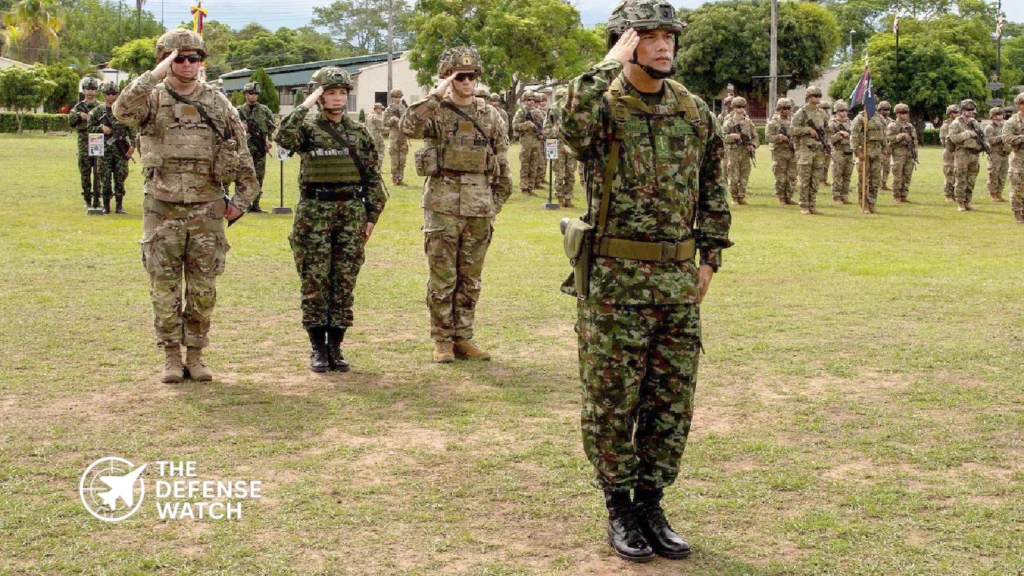
The United States and Colombia have begun a new round of combined military training in Colombia, bringing approximately 800 personnel together for Exercise Southern Vanguard 2027. The exercise is designed to improve operational coordination, prepare troops for complex environments and strengthen security cooperation between the two countries.
The opening ceremony took place on Nov. 2 at Tolemaida, Colombia. The U.S. Army confirmed the launch in a Nov. 4 report, identifying approximately 350 U.S. military personnel and more than 400 Colombian Army soldiers among the participants.
The 41st iteration of Southern Vanguard is hosted by the Colombian National Army, sponsored by U.S. Southern Command (SOUTHCOM) and led by U.S. Army Western Hemisphere Command (USAWHC). Activities are scheduled to continue through mid-November.
Rather than focusing on a single weapons system or combat platform, the exercise concentrates on the ability of two partner forces to plan and conduct operations together across different security environments.
Jungle Warfare and Explosive Threats Form Part of the Training
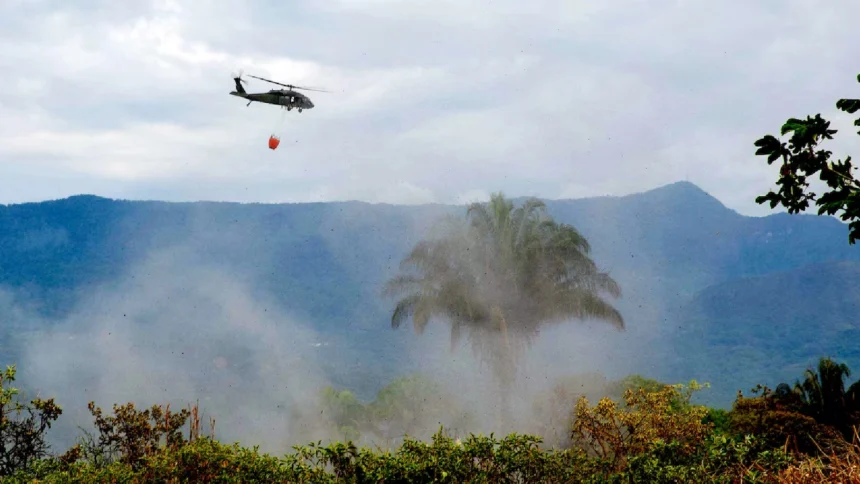
Jungle operations and counter-improvised explosive device (C-IED) training are among the central activities identified by the U.S. Army.
These scenarios address operational challenges associated with difficult terrain, limited mobility and explosive hazards. For Colombian forces, experience in these environments is particularly relevant because security operations in parts of the country have involved armed groups, remote operating areas and explosive devices.
The exercise also incorporates command post and field training activities. This combination allows participating personnel to work on both operational planning and practical execution rather than limiting the exercise to classroom instruction.
The pre-exercise program included an aeromedical evacuation scenario on Oct. 30. Military medical personnel from both countries practiced providing immediate treatment and first aid to simulated casualties with mine-related injuries, with the scenario linking Tolemaida military base to the Colombian Army’s Cavalry School in Bogotá.
Maritime Security and Cyber Defense Expand the Exercise
Southern Vanguard 2027 extends beyond conventional ground-force training.
According to U.S. Army and SOUTHCOM information, its broader training objectives include:
- Maritime interdiction: Developing coordination for operations designed to intercept vessels and address maritime security threats.
- Ground security operations: Improving the ability of participating forces to plan and execute security missions.
- Cyber defense: Strengthening cooperation in addressing digital threats affecting military and security operations.
- Interagency cooperation: Improving coordination between military organizations and other government institutions.
- Jungle and C-IED training: Preparing soldiers to operate in challenging terrain and respond to explosive hazards.
These areas reflect the range of security challenges facing Colombia and other countries in the region. Maritime interdiction, for example, is relevant to efforts against illicit trafficking networks, while cyber defense has become an increasingly important part of military readiness.
Colombia’s Ministry of Defense also identified drug trafficking, illegal mining and challenges involving unmanned aerial systems among the broader security issues addressed by the bilateral training program, according to reporting by EL PAÍS. These objectives should be distinguished from confirmed operational deployments against those threats.
Why Washington and Bogotá Are Investing in Joint Readiness
The exercise builds on a long-standing U.S.-Colombia military relationship that extends across training, security assistance and professional military exchanges.
For Washington, cooperation with Colombia provides an established regional partner for developing military capabilities and improving coordination across the Western Hemisphere. SOUTHCOM’s sponsorship also places the exercise within the U.S. military’s wider effort to train alongside regional partners.
For Colombia, combined training offers opportunities to exchange tactical knowledge, improve interoperability and strengthen the professional development of its armed forces.
The participation of the Colombian Army’s Counter-Narcotics Battalion No. 1 in training exchanges with U.S. light infantry personnel also provides a practical connection between the exercise and Colombia’s internal security requirements.
However, the significance of the exercise should not be overstated. Southern Vanguard is a training activity, not evidence of a new permanent U.S. military deployment or a joint combat operation in Colombia.
Its operational value will depend on whether lessons from the training translate into improved planning, communications, medical support and coordination during future missions.
A Broader Pattern of U.S. Military Cooperation in Latin America
Southern Vanguard 2027 is part of a recurring regional exercise program rather than an entirely new military initiative.
The previous Southern Vanguard exercise took place in Peru in September 2026 and involved approximately 400 personnel conducting command post and field training in a demanding jungle environment. The 2027 edition expands participation to approximately 800 personnel and brings Colombia into the host role.
The exercise also follows other U.S. military engagement activities in the region, including multinational training in Panama and earlier Southern Vanguard iterations in Brazil and Chile.
The sequence illustrates how the U.S. military uses recurring exercises to develop relationships with regional armed forces, test coordination procedures and improve familiarity with different operating environments.
For Colombia, hosting the 2027 exercise provides an opportunity to deepen military cooperation while allowing its forces to train alongside a larger U.S. contingent.
The immediate outcome will be measured less by the number of troops involved than by the ability of both armies to apply shared procedures in realistic scenarios. With jungle warfare, explosive threats, maritime security and cyber defense included in the program, Southern Vanguard provides a broad test of bilateral military coordination.
The exercise is scheduled to conclude in mid-November. The U.S. Army has not publicly detailed a separate assessment of its operational results or announced specific follow-on commitments arising from the training.