USS Abraham Lincoln Anchors New US Pressure Campaign
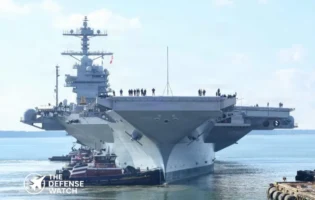
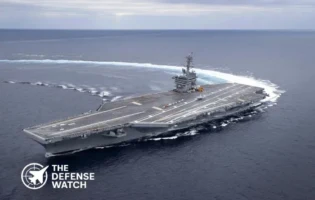
The USS Abraham Lincoln blockade mission has become the centerpiece of a wider US maritime operation aimed at increasing pressure on Iran and controlling access to regional sea lanes. Multiple open source and media reports indicate the Nimitz-class aircraft carrier is operating in or near the Arabian Sea with escorts from Carrier Strike Group 9.
- USS Abraham Lincoln is reported to be leading US carrier operations tied to an Iran maritime blockade.
- More than a dozen US naval vessels and over 100 aircraft are reportedly supporting enforcement efforts.
- US destroyers, surveillance aircraft, and support ships are central to interception and sea control missions.
- Additional carrier and mine countermeasure forces are reportedly moving toward the region.
- The deployment raises pressure on Tehran while securing key shipping lanes near the Strait of Hormuz.
The deployment reflects a strategic shift from airpower alone toward sustained naval coercion. Carrier groups can remain on station for long periods, generate continuous air sorties, and project force without relying on host nation bases. That gives Washington a flexible tool during periods of regional instability.
Why USS Abraham Lincoln Matters
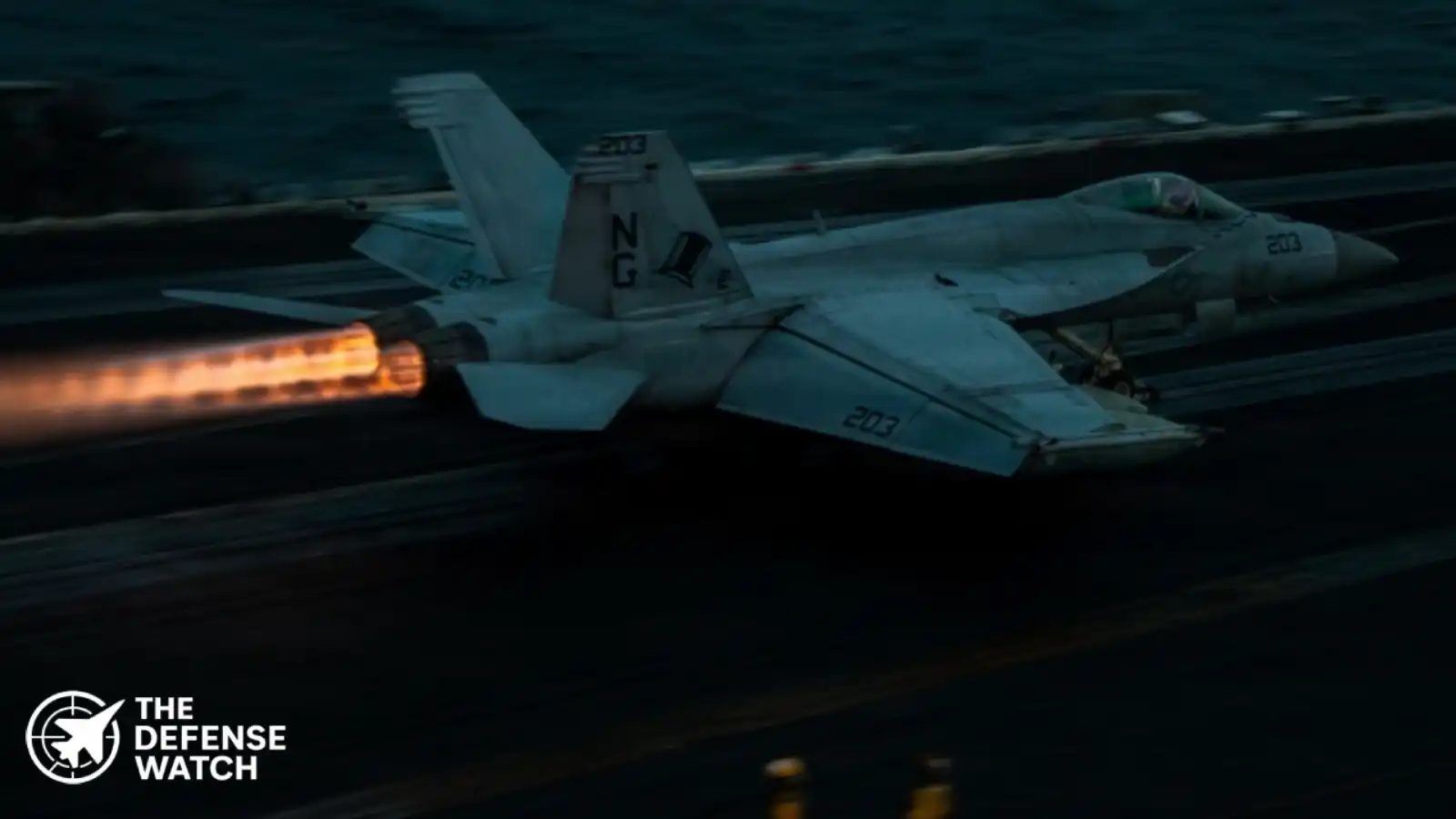
USS Abraham Lincoln is one of the US Navy’s most proven nuclear-powered carriers. It typically embarks a mix of strike fighters, electronic warfare aircraft, airborne early warning platforms, and helicopters. Previous reporting tied the ship to Carrier Air Wing 9, including F/A-18 Super Hornets, EA-18G Growlers, E-2D Hawkeyes, and rotary-wing detachments.
That matters because a carrier strike group can perform several missions at once:
- Air defense over fleet units
- Maritime surveillance across large sea areas
- Strike operations ashore
- Escort and deterrence patrols
- Rapid response to Iranian naval moves
In practical terms, USS Abraham Lincoln gives US commanders a floating air base that can reposition quickly.
Destroyers And Escorts Are Doing The Hard Work
While the carrier draws headlines, destroyers are often the workhorses of blockade enforcement. Recent reporting says Arleigh Burke-class destroyers are central to screening, boarding support, missile defense, and ship interception tasks.
These ships bring advanced radar, vertical launch missile cells, helicopters, and endurance. In a blockade environment, they are often the first ships to challenge approaching vessels, monitor suspicious traffic, and maintain constant patrol lines.
That suggests the operation is less about symbolic carrier presence and more about layered sea control.
Strait Of Hormuz Remains The Strategic Center
Any major US Iran naval operation inevitably points toward the Strait of Hormuz, one of the world’s most important maritime chokepoints. A large share of global energy shipments normally transits the waterway.
By massing naval power near the area, Washington gains leverage beyond the immediate Iran crisis. It reassures commercial shipping, signals resolve to regional partners, and preserves freedom of navigation options if tensions rise further.
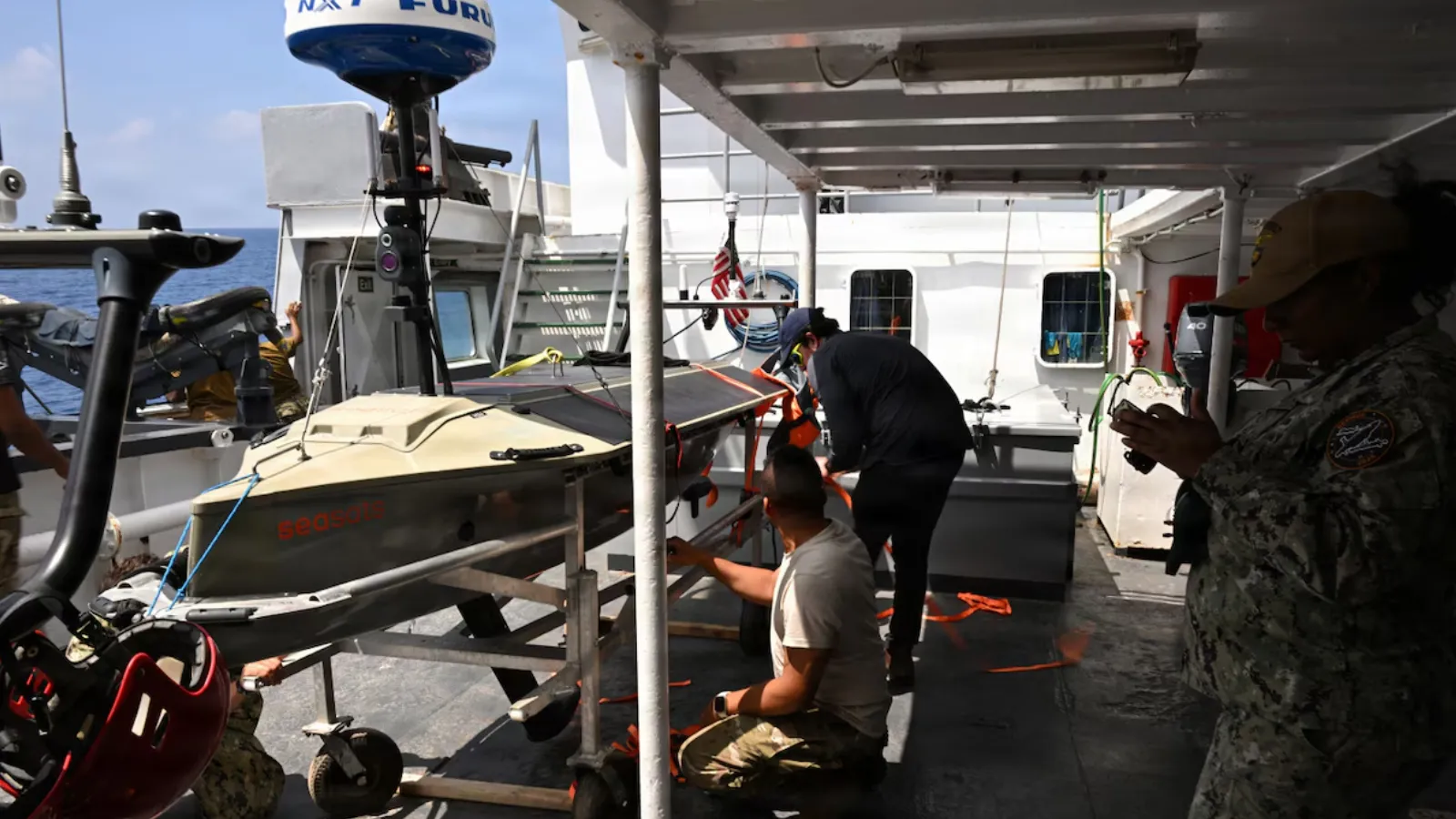
This is why minesweepers, reconnaissance aircraft, and logistics ships matter as much as combat vessels. A carrier cannot sustain pressure alone. It needs a network.
Strategic Analysis: What Comes Next
The current posture suggests three likely US objectives:
- Economic pressure on Iran through maritime restrictions
- Deterrence against missile or swarm boat attacks
- Readiness for rapid escalation if diplomacy fails
For Tehran, direct confrontation at sea would carry high risk. Iran may instead rely on indirect pressure, drone threats, proxy activity, or legal and political messaging.
That means the naval contest could become a battle of endurance rather than a traditional fleet clash.
Broader Defense Implications
The USS Abraham Lincoln deployment also highlights how aircraft carriers remain relevant despite modern missile threats. Critics often question carrier survivability, yet Washington continues to use them first during crises because they combine mobility, airpower, command capability, and visible deterrence in one platform.
In that sense, the operation is also a message to rivals beyond the Middle East: the US still uses carrier strike groups as frontline instruments of state power.