• Home
  • About
  • Defense Systems
  • Manufacturer
  • Comparisons
  • Compare 
  • Tools
TheDefenseWatch.com
  • Aerospace & Aviation
  • Military & Ordnance
  • Naval & Maritime
  • Cyber & Space Defense
  • Policy & Strategy
  • Global News
  • Tools Library
    • Smart Calculator
    • Drone Flight Time Calculator
    • Drone Range Calculator
    • Counter-Drone Jammer Effective Range Calculator
    • Counter-Battery Radar Detection Calculator
    • Artillery Fire Correction Calculator
    • Thermal Camera Detection Range Calculator
    • Missile Range & Time-of-Flight Calculator
    • Radar Detection Range Calculator
    • FPV Strike Drone Payload vs Range Calculator
    • Loitering Munition Endurance Calculator
    • Sniper Ballistic Drop & Windage Calculator
    • Bullet Drop Calculator
    • U.S. Army Combat Fitness Test (ACFT) Calculator
    • Military Pension Calculator
    • Military Retirement Calculator
    • Military Pension Calculator
    • Large Number Calculator
Font ResizerAa

TheDefenseWatch.com

The Defense Watch | U.S. & Global Defense News, Analysis & Military Updates

Search
  • Home
  • About
  • Defense Systems
  • Manufacturer
  • Comparisons
  • Compare 
  • Tools

Stay Updated

Get the latest update

Subscribe

Explore

  • Drone
  • Fighter Jets & Military Aircraft
  • Hypersonic Weapons
  • Aircraft Carriers
  • Strategic History & Missions
  • Tools Library
Home » Saab Moves To Partner With Canada On Next-Generation Fighter Development As Ottawa Weighs Future Airpower Strategy
Defense ContractsFighter Jets & Military Aircraft

Saab Moves To Partner With Canada On Next-Generation Fighter Development As Ottawa Weighs Future Airpower Strategy

Daniel Mercer / Defense & Aerospace Analyst
Last updated: April 9, 2026 11:52 am
Daniel Mercer / Defense & Aerospace Analyst
Share
2 Min Read
Saab Canada fighter partnership
Image : Saab
SHARE
Follow The Defense Watch on Google:

Saab Canada Fighter Partnership Targets Future Airpower Strategy

Sweden’s Saab is actively pursuing a Saab Canada fighter partnership aimed at supporting Ottawa’s long-term next-generation fighter development, signaling a strategic push to remain relevant in Canada’s evolving airpower landscape.

Contents
Saab Canada Fighter Partnership Targets Future Airpower StrategySaab’s Strategy: Beyond Aircraft SalesCanada’s Long-Term Fighter ConsiderationsCompetitive Landscape: A Crowded FieldIndustrial and Strategic ImplicationsAnalysis: Positioning For The Next Cycle

Saab is positioning itself as a partner not only for aircraft platforms but also for broader defense industrial collaboration, including technology transfer and domestic production capabilities. The effort comes even as Canada proceeds with its acquisition of the F-35, underscoring Saab’s focus on future opportunities rather than past procurement outcomes.

¦ KEY FACTS AT A GLANCE
  • Saab is seeking a long-term partnership with Canada on next-generation fighter development and industrial cooperation.
  • The move comes despite Canada’s selection of the F-35, signaling Saab’s continued interest in future programs.
  • Saab is offering technology collaboration, domestic industry participation, and sovereign capability development.
  • Canada is expected to evaluate long-term airpower needs beyond current fifth-generation platforms.
  • The proposal reflects growing competition among Western defense firms for future fighter ecosystems.

This approach reflects a broader shift in the global fighter market, where competition increasingly centers on ecosystem partnerships rather than standalone aircraft sales.

Saab’s Strategy: Beyond Aircraft Sales

Saab’s proposal emphasizes industrial cooperation, sovereignty, and long-term capability development. Rather than offering a traditional off-the-shelf fighter solution, the company is promoting a collaborative framework that could allow Canada to shape future systems alongside international partners.

- Advertisement -
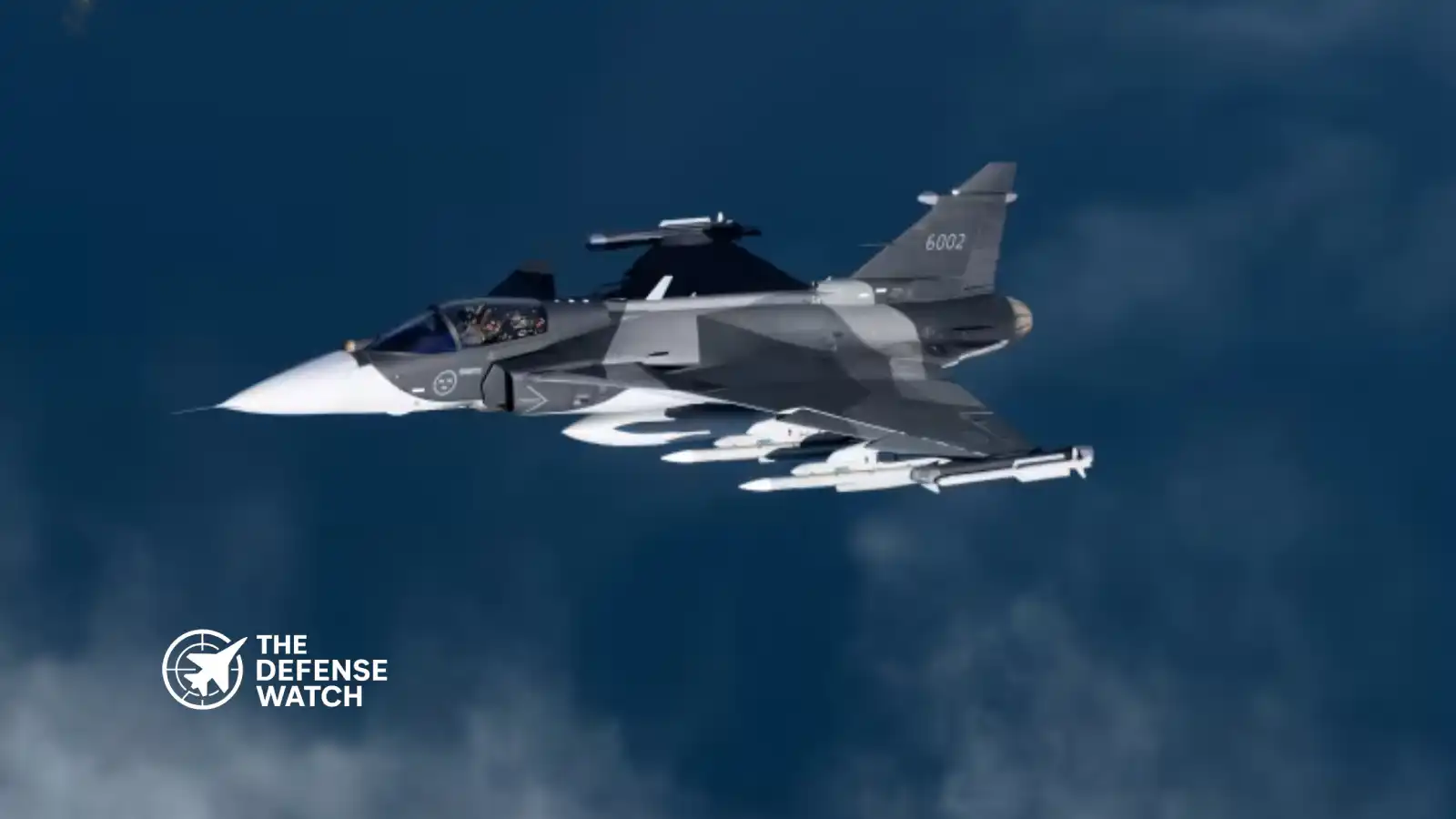
  • Gripen E Fighter Jet

    Gripen E Fighter Jet

    • Generation: 4.5
    • Maximum Speed: Mach 2.0
    • No. of Engines: 1
    • Radar Range: 160+ km
    • View Details →
    8.0

    This aligns with Saab’s established export strategy seen in previous campaigns, where it has highlighted technology sharing and local industry participation as key differentiators. The company’s pitch to Canada includes:

    • Joint development of next-generation fighter technologies
    • Integration of Canadian defense firms into global supply chains
    • Support for sovereign maintenance and upgrade capabilities

    From an operational standpoint, this model appeals to countries seeking greater control over their defense assets, particularly in an era where supply chain resilience and strategic autonomy are gaining importance.

    Canada’s Long-Term Fighter Considerations

    While Canada has committed to acquiring the F-35, defense planners continue to assess future requirements beyond fifth-generation platforms. Air forces across NATO and allied nations are already exploring sixth-generation fighter concepts, often involving multinational collaboration.

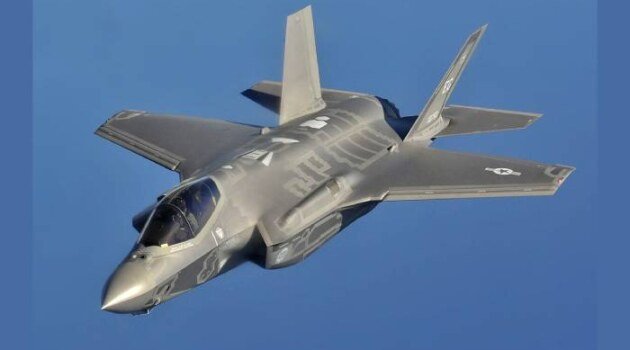
    • F-35 Lightning II Fighter Jet

      F-35 Lightning II Fighter Jet

      • Generation: 5th
      • Maximum Speed: Mach 1.6 (1,200 mph / 1,930 km/h)
      • No. of Engines: 1
      • Radar Range: ~150+ km (AN/APG-81 AESA)
      • View Details →
      8.8

      In this context, Saab’s outreach can be seen as a forward-looking move. By engaging early, the company aims to position itself within any future Canadian-led or multinational fighter initiative.

      Canada’s geographic and strategic environment also plays a role. With vast Arctic territories and increasing attention to northern defense, future fighter capabilities may require:

      • Extended range and endurance
      • Advanced sensor integration
      • Interoperability with allied systems
      • Adaptability to extreme operating conditions

      Saab’s experience in designing aircraft for dispersed operations and austere environments could factor into its pitch, particularly if Canada prioritizes flexibility alongside advanced stealth and sensor capabilities.

      Competitive Landscape: A Crowded Field

      The Saab Canada fighter partnership initiative enters a highly competitive environment dominated by major defense primes. The F-35 program, led by the United States, already integrates multiple partner nations into a shared development and sustainment framework.

      At the same time, emerging sixth-generation programs such as the Global Combat Air Programme (GCAP) and the Future Combat Air System (FCAS) are reshaping the market. These initiatives emphasize networked warfare, artificial intelligence integration, and manned-unmanned teaming.

      Saab’s challenge lies in carving out a role within this evolving ecosystem. Unlike larger consortiums backed by multiple governments, Saab may need to leverage niche strengths such as cost efficiency, modular design, and flexible partnership models.

      Industrial and Strategic Implications

      For Canada, engaging with Saab could offer several potential advantages, even outside a formal aircraft procurement:

      • Diversification of defense partnerships
      • Increased domestic industrial participation
      • Access to alternative technology pathways

      However, such collaboration would need to align with Canada’s existing commitments, particularly within the F-35 program and NATO interoperability requirements.

      • F-35A Lightning II Fighter Jet

        F-35A Lightning II Fighter Jet

        • Generation: 5th
        • Maximum Speed: Mach 1.6 (1,200 mph)
        • No. of Engines: 1
        • Radar Range: 150+ miles
        • View Details →
        8.0

        From a geopolitical perspective, Saab’s outreach highlights the intensifying competition among Western defense firms to secure long-term partnerships with allied nations. As military modernization accelerates, early collaboration on future systems is becoming a key battleground.

        Analysis: Positioning For The Next Cycle

        Saab’s move is less about immediate procurement and more about shaping the next phase of fighter development. By targeting Canada now, the company is attempting to establish relationships that could influence decisions a decade or more into the future.

        This reflects a broader industry trend where defense companies seek to embed themselves within national industrial ecosystems early, ensuring relevance as new programs emerge.

        For Canada, the decision will ultimately hinge on balancing operational requirements, alliance commitments, and domestic industrial priorities. While the F-35 addresses current needs, future airpower strategies remain open to influence.
Enjoying our coverage?

Make The Defense Watch a preferred source on Google to see more of our geopolitical and defense insights when relevant to you.


TAGGED:Canada Air Forcedefense partnershipfighter jetsMilitary AviationSaab
Share This Article
Facebook Copy Link Print
ByDaniel Mercer / Defense & Aerospace Analyst
Follow:
Daniel Mercer is a defense and aerospace analyst at TheDefenseWatch.com covering military aviation, aerospace technology, unmanned systems, air warfare, and defense procurement. His reporting uses official documents, government and military statements, company announcements, and other public sources.
Leave a Comment

Leave a Reply Cancel reply

Your email address will not be published. Required fields are marked *

Search Defense Systems

Latest Defense Systems

  • FGM-148 Javelin Anti-Tank Missile FGM-148 Javelin Anti-Tank Missile
  • F-104 Starfighter F-104 Starfighter
  • F-15J Eagle Fighter Jet F-15J Eagle Fighter Jet
  • China’s GJ-21 Stealth Drone China’s GJ-21 Stealth Drone
  • China’s GJ-11 Stealth Drone China’s GJ-11 Stealth Drone
  • F-15EX Eagle Fighter Jet F-15EX Eagle Fighter Jet
  • TRML-4D Radar TRML-4D Radar
  • F-47A Fighter Jet F-47A Fighter Jet
  • China DF-61 Missile China DF-61 Missile

Recent Compares

  • J-10C vs JF-17 Thunder: Which Fighter Is More Capable? J-10C vs JF-17 Thunder: Which Fighter Is More Capable? View Comparison →
  • Tejas vs Gripen: Key Differences and Capabilities Tejas vs Gripen: Key Differences and Capabilities View Comparison →
  • Tejas vs MiG-21 Bison: How India Replaced Its Iconic Supersonic Fighter Tejas vs MiG-21 Bison: How India Replaced Its Iconic Supersonic Fighter View Comparison →
  • F-35 vs F-16: Stealth, Sensors and Combat Roles F-35 vs F-16: Stealth, Sensors and Combat Roles View Comparison →
  • Tejas Fighter Jet vs F-16 Fighting Falcon: Capability Compared Tejas Fighter Jet vs F-16 Fighting Falcon: Capability Compared View Comparison →
  • Rafale Fighter Jet vs F-16 Fighting Falcon : Which Fighter Has the Edge? Rafale Fighter Jet vs F-16 Fighting Falcon : Which Fighter Has the Edge? View Comparison →
  • Su-57 Fighter Jet vs J-20 Fighter Jet: Stealth and Air Combat Compared Su-57 Fighter Jet vs J-20 Fighter Jet: Stealth and Air Combat Compared View Comparison →
  • Mirage 2000 vs Tejas Mk1A: Legacy Combat Power vs Indigenous Modernization Mirage 2000 vs Tejas Mk1A: Legacy Combat Power vs Indigenous Modernization View Comparison →
  • Rafale Fighter Jet vs F-22 Raptor: Which Air Dominance Fighter Has the Edge? Rafale Fighter Jet vs F-22 Raptor: Which Air Dominance Fighter Has the Edge? View Comparison →
  • Tejas Fighter Jet vs. Rafale Fighter Jet: India’s Indigenous Fighter Meets France’s Proven Multirole Combat Aircraft Tejas Fighter Jet vs. Rafale Fighter Jet: India’s Indigenous Fighter Meets France’s Proven Multirole Combat Aircraft View Comparison →

Recent Posts

  • PLA Expands Joint Training to Improve Navy, Air Force and Rocket Force Coordination
  • How the Korean Service Corps Supports U.S.-ROK Military Readiness
  • Northrop Grumman Highlights 500,000 Hours of Autonomous ISR Flight Experience
  • 101st Airborne Tests Drones for Explosive and Smoke Delivery
  • U.S. Army Plans 20 IFPC Launchers for Guam Missile Defense by 2027

You Might Also Like

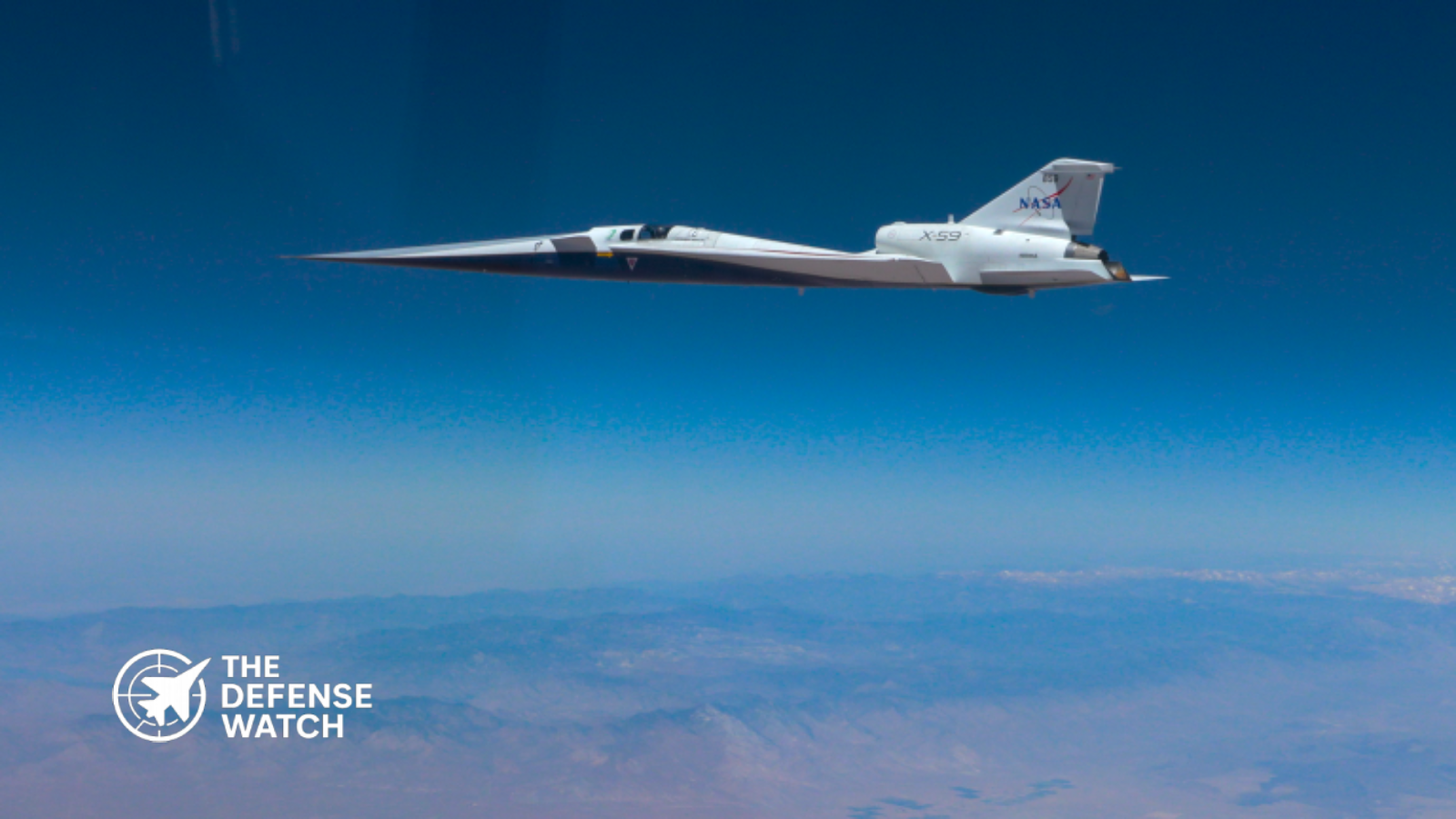
X-planes
Aerospace & AviationFighter Jets & Military Aircraft

X-Planes in the Drone Era: Why Experimental Aircraft Still Matter

September 25, 2026
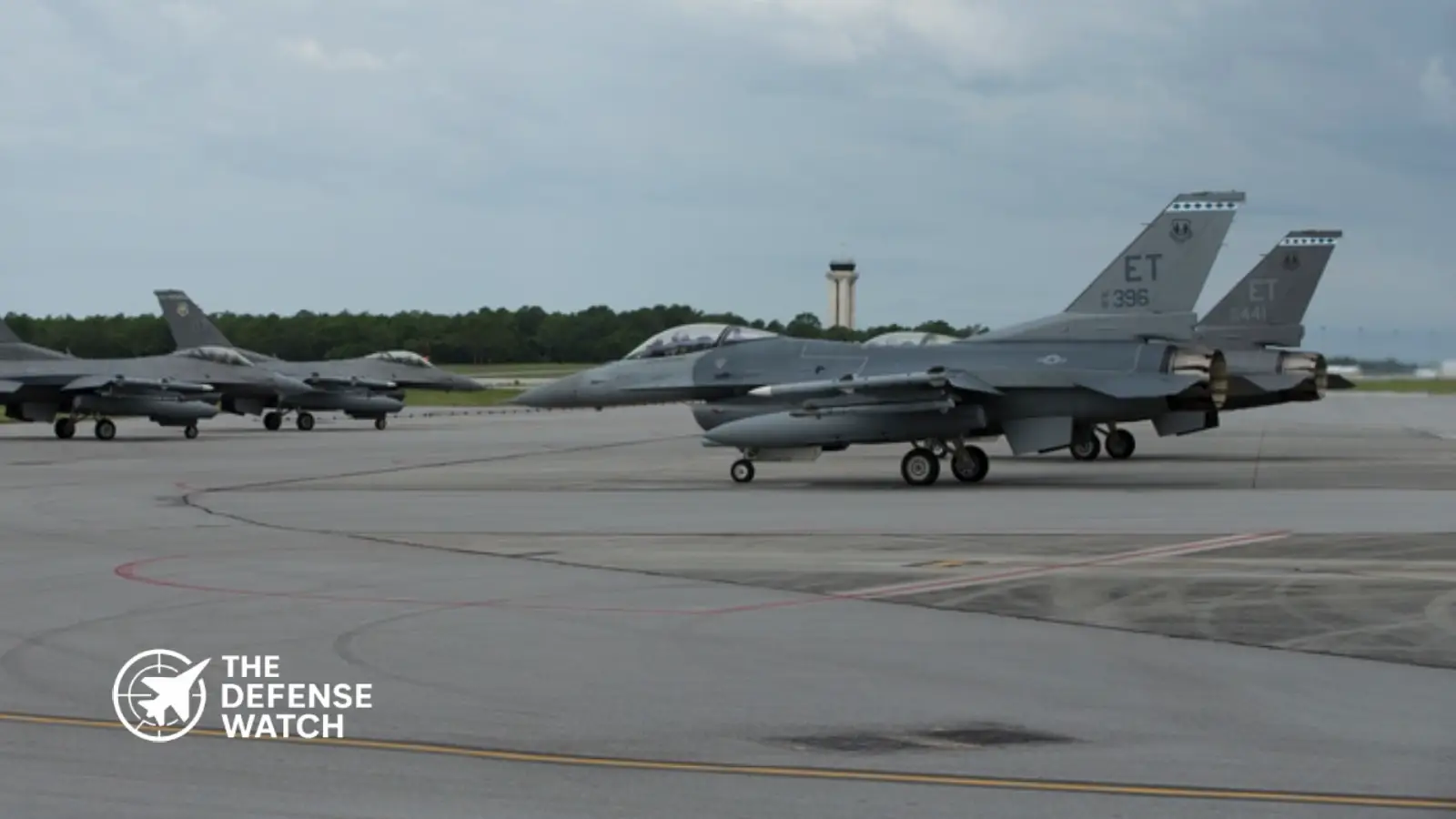
F-16 AESA radar upgrade
Defense Contracts

Northrop Grumman Receives $14.2 Million Contract Increase for F-16 AESA Radar Modernization

September 7, 2026
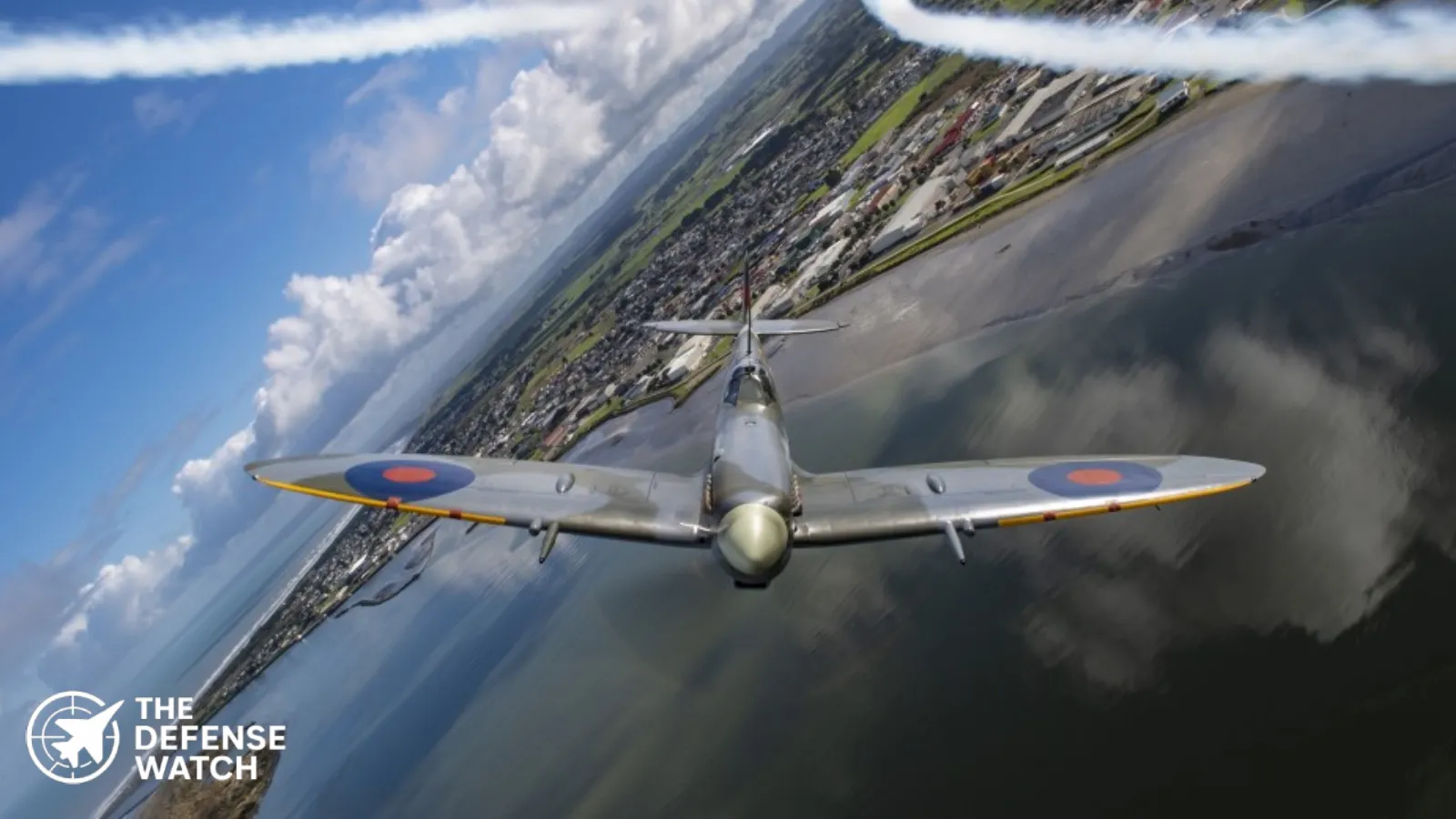
RNZAF Black Falcons display flight
Aerospace & AviationFighter Jets & Military Aircraft

Rare Spitfire to Join RNZAF Black Falcons for Whanganui Aerobatic Flight

September 7, 2026
Tu-144 restoration 2026
Aerospace & AviationFighter Jets & Military Aircraft

Russia Restores Tu-144 Supersonic Airliner Ahead of Expected MAKS Return

October 19, 2026

Logo

Copyright © 2026 TheDefenseWatch.com

Helpful Links

  • Home
  • About Us
  • Privacy Policy
  • Terms of Use / Disclaimer
  • U.S. Privacy Notice – CCPA Compliance

Defense Systems

  • Defense Systems
  • Comparisons 
  • Manufacturer
  • Tactical Calculators

Popuplar

Which 5 Air Forces Possess the Costliest Fighter Jet Fleets in the World
Evolving Strategic Value: Carrier Strike Groups in the Indo-Pacific’s Future Security Architecture
Autonomous Weapon Systems Spark U.S. Ethics Debate Amid Rapid Military AI Integration

We report on developments involving military forces, governments, defense companies, research organizations, and security institutions around the world. 

Welcome Back!

Sign in to your account

Username or Email Address
Password

Lost your password?

Enjoying our coverage?

Make The Defense Watch a preferred source on Google to see more insights.