The U.S. Army plans to position 20 Indirect Fire Protection Capability (IFPC) Increment 2 launchers on Guam by the third quarter of fiscal year 2027, adding a dedicated layer of protection against cruise missiles, unmanned aircraft and other low-altitude threats.
The planned deployment is part of the broader effort to strengthen the island’s air and missile defenses as the United States expands its military posture across the Indo-Pacific.
However, the launchers have not been confirmed as fully deployed. According to a November 18, 2026, Congressional Research Service (CRS) update, initial equipment shipments are scheduled to begin in the first quarter of fiscal year 2027, with all 20 launchers expected to reach Guam by the third quarter, ending in June 2027.
The distinction matters because the Army’s plan concerns equipment delivery and preparation for initial operational capability, not confirmation that the entire force is already operational.
IFPC Adds a Dedicated Layer Against Cruise Missiles and Drones
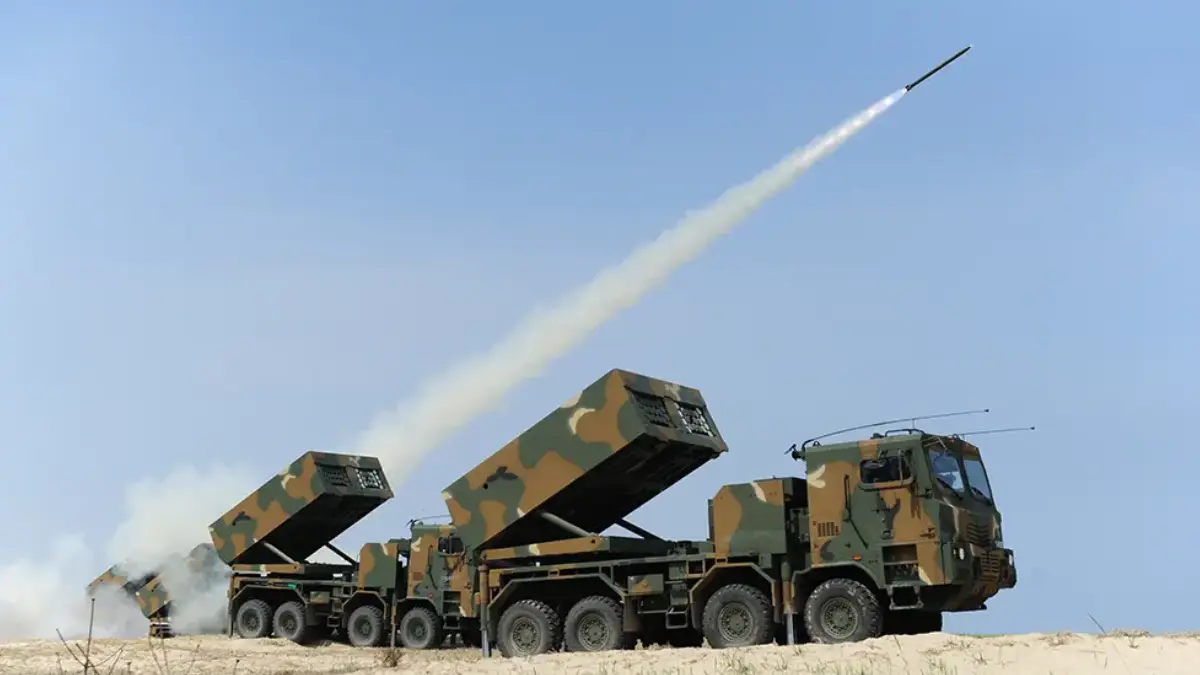
The IFPC Increment 2 is a mobile, ground-based air defense system designed to protect fixed and semi-fixed military installations from cruise missiles, unmanned aircraft systems and rocket, artillery and mortar attacks.
The U.S. Army developed the capability to address a gap between short-range air defense systems and higher-tier missile defense platforms such as Patriot and Terminal High Altitude Area Defense (THAAD).
Unlike systems primarily intended to intercept ballistic missiles at higher altitudes, IFPC focuses on threats that can approach military facilities at lower altitudes, including cruise missiles and drones.
The system uses a launcher, missile interceptors and an associated magazine. Its open architecture is intended to support integration of different interceptor types as the Army develops its requirements.
According to the CRS, the system is designed to employ the AIM-9X Sidewinder and has also been associated with testing of the AGM-114L Longbow Hellfire and Israel’s Tamir interceptor. These configurations should not be interpreted as confirmation that every missile type will be deployed on Guam.
How the Guam Missile Defense Network Will Work
The 20 planned launchers will operate within a wider air and missile defense architecture rather than independently.
The Army’s approach involves connecting sensors, command-and-control infrastructure and interceptors to improve the ability to identify and engage incoming threats.
The Integrated Air and Missile Defense Battle Command System (IBCS) provides the command-and-control element, while Sentinel radar supplies target tracking information.
This networked approach is intended to allow operators to use information from connected sensors to support engagements by available weapon systems.
The planned IFPC deployment will complement other defenses already assigned to Guam.
The principal defensive layers include:
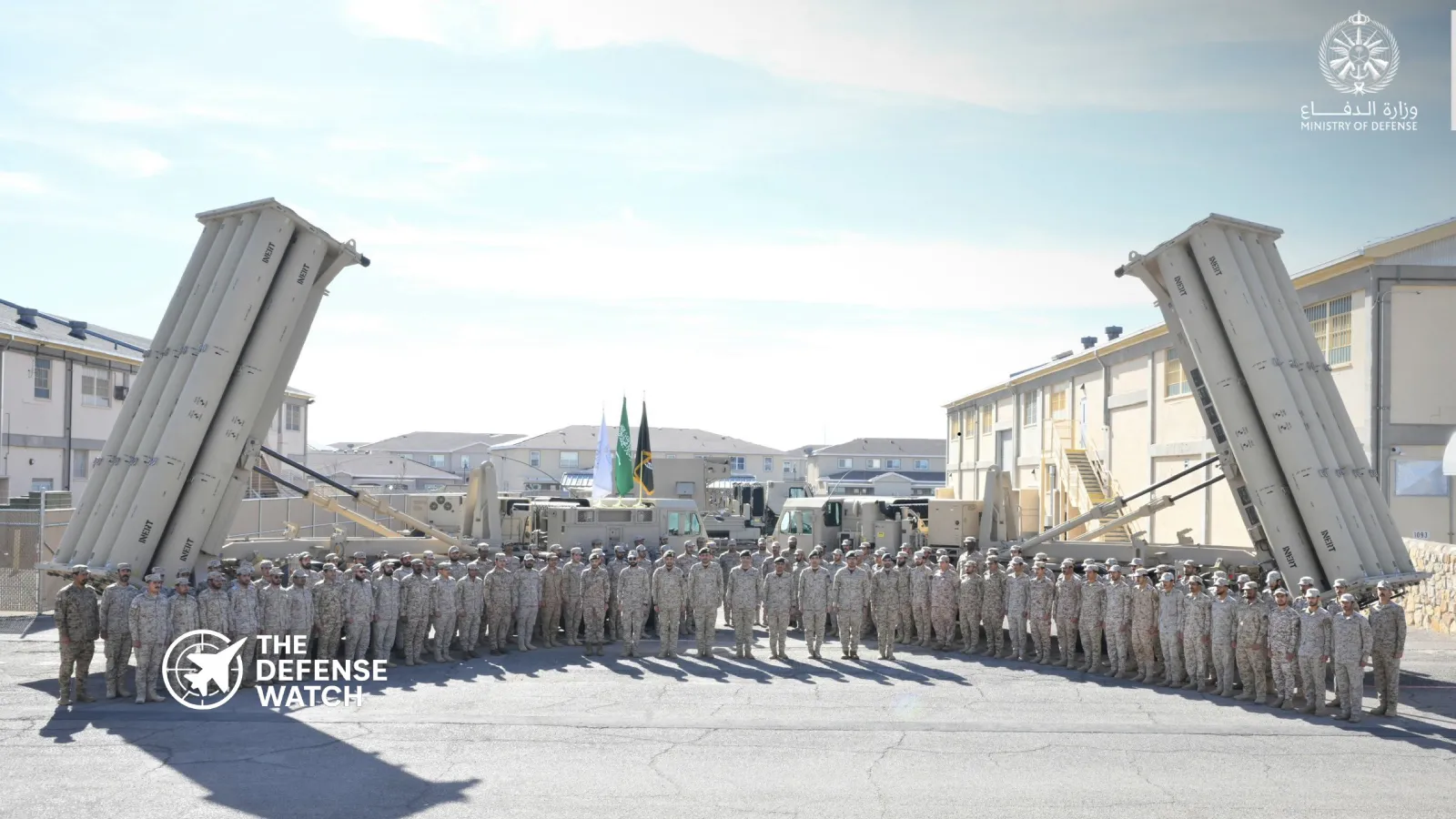
- THAAD: Designed to intercept ballistic missiles during their terminal flight phase.
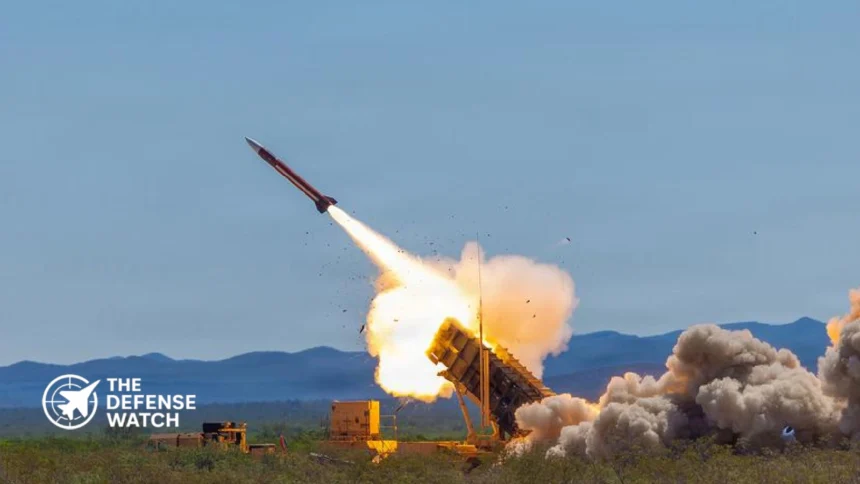
- Patriot: Provides additional air and missile defense against aircraft, cruise missiles and certain ballistic missile threats.
- IFPC Increment 2: Focuses on cruise missiles, unmanned aircraft and other lower-altitude threats.
- Short-range air defense: Provides additional protection against nearby aerial threats, including drones.
The Army’s 3rd Battalion, 43rd Air Defense Artillery Regiment is expected to operate Patriot, THAAD and IFPC systems on Guam. A battalion activation ceremony was held at Andersen Air Force Base in July 2026, according to Stars and Stripes.
Why Guam Is a Priority for U.S. Missile Defense
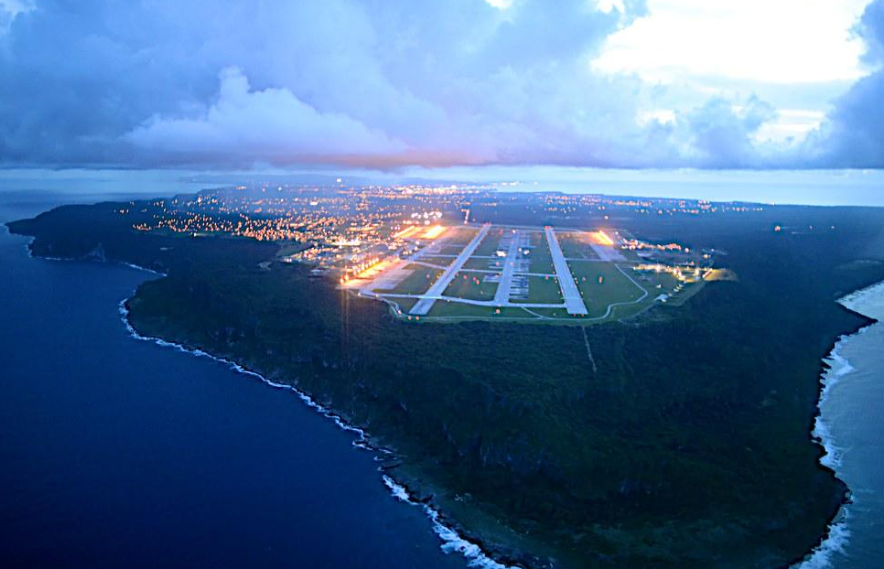
Guam occupies an important position in the western Pacific, providing the United States with air, naval and logistics infrastructure that supports military operations across the region.
Andersen Air Force Base supports U.S. bomber and other air operations, while Naval Base Guam provides facilities for submarine and fleet activities. Marine Corps Camp Blaz is another important part of the island’s military infrastructure.
The island’s location also creates exposure to regional missile threats.
China’s DF-26 intermediate-range ballistic missile is among the weapons systems that can threaten Guam. Cruise missiles and unmanned aircraft present different challenges, requiring additional defensive capabilities beyond traditional ballistic missile interception.
The U.S. Missile Defense Agency (MDA) is coordinating a wider Enhanced Integrated Air and Missile Defense (EIAMD) initiative with the Army and Navy to establish a persistent, 360-degree defensive architecture.
In September 2025, the MDA and Army issued a Record of Decision supporting the construction, deployment and operation of the enhanced system.
The architecture includes distributed radar sites, sensors, launchers, interceptors and command-and-control infrastructure. Construction and site preparation are expected to proceed in phases over approximately 10 years beginning in 2025.
The 20-Launcher Plan Does Not Mean Island-Wide Coverage
An important distinction in the Army’s deployment plan concerns which facilities the IFPC systems are intended to protect.
The November 2026 CRS report states that the Guam IFPC deployment is specifically intended to defend Army facilities and Army-controlled sites.
Consequently, the planned 20 launchers should not be interpreted as a standalone air defense system covering every military installation or the entire island.
Andersen Air Force Base, Naval Base Guam and Marine Corps facilities have their own requirements within the wider joint defense architecture.
The CRS has identified questions about how the Air Force, Navy and Marine Corps will protect their installations and how their defensive capabilities will integrate with the Army’s systems.
This is an important consideration because an integrated island-wide defense requires more than placing additional missile launchers at selected locations. Sensor coverage, command-and-control coordination, personnel, interceptor inventories and logistical support will all influence the effectiveness of the overall network.
Production Funding and Interceptor Development
The Guam deployment is supported by a wider Army procurement effort.
According to the CRS, the Pentagon awarded Dynetics, a subsidiary of Leidos, a $617 million contract for the fiscal year 2026 IFPC Increment 2 production buy.
The contract covers launcher systems, upgrades to prototype launchers, all-up-round magazines and associated support services. Work is expected to continue through November 30, 2029.
The Army is also seeking approximately $1.6 billion in discretionary funding for IFPC Increment 2 in its fiscal year 2027 budget request.
The funding request reflects the broader effort to expand procurement and support the planned fielding of additional IFPC battalions.
However, launcher procurement and interceptor availability are separate considerations. The number of launchers delivered does not establish how many ready-to-fire missiles will be available on Guam.
The Army is also pursuing additional interceptor options to improve its ability to address more demanding cruise missile threats, including low-flying supersonic weapons.
In October 2026, the Army reportedly reopened competition for an additional IFPC interceptor, inviting previously eliminated companies to compete again. The effort is intended to accelerate development and expand the system’s engagement options.
Operational Challenges Beyond Launcher Delivery
The planned deployment also raises questions about the infrastructure needed to sustain the expanding air defense presence.
A May 2025 Government Accountability Office (GAO) assessment identified shortcomings in the Department of Defense’s plans for supporting Guam’s missile defense forces.
At that time, Guam’s existing missile defense system included six missile launchers and one radar, according to the GAO.
The agency found that the Defense Department had not fully established personnel requirements, deployment schedules or long-term arrangements for operating and sustaining the wider Guam Defense System.
It also identified challenges involving Army coordination with other military services and the infrastructure needed to support deployed personnel.
These issues remain relevant as the Army prepares to introduce additional equipment.
The effectiveness of IFPC will depend not only on launcher deliveries but also on interceptor supplies, trained operators, maintenance facilities, sensor integration and reliable command-and-control connectivity.
A Phased Expansion of Guam’s Defenses
The planned arrival of 20 IFPC Increment 2 launchers represents one component of a much larger effort to strengthen Guam against regional missile threats.
The Army’s schedule calls for initial shipments in the first quarter of fiscal 2027 and all 20 launchers to arrive by the third quarter.
The deployment will provide Army installations with an additional defensive layer against cruise missiles and unmanned aircraft, while Patriot and THAAD address other parts of the island’s air and missile defense requirements.
Whether the wider network achieves its intended defensive coverage will depend on the integration of systems operated by multiple military services, as well as the availability of personnel, interceptors and supporting infrastructure.
For now, the 20-launcher target is a planned procurement and fielding milestone, not evidence that Guam already has a fully operational, island-wide cruise missile defense shield.
Enjoying our coverage?
Make The Defense Watch a preferred source on Google to see more of our geopolitical and defense insights when relevant to you.