HIMARS Mobility Transforms Indo-Pacific Defense Posture
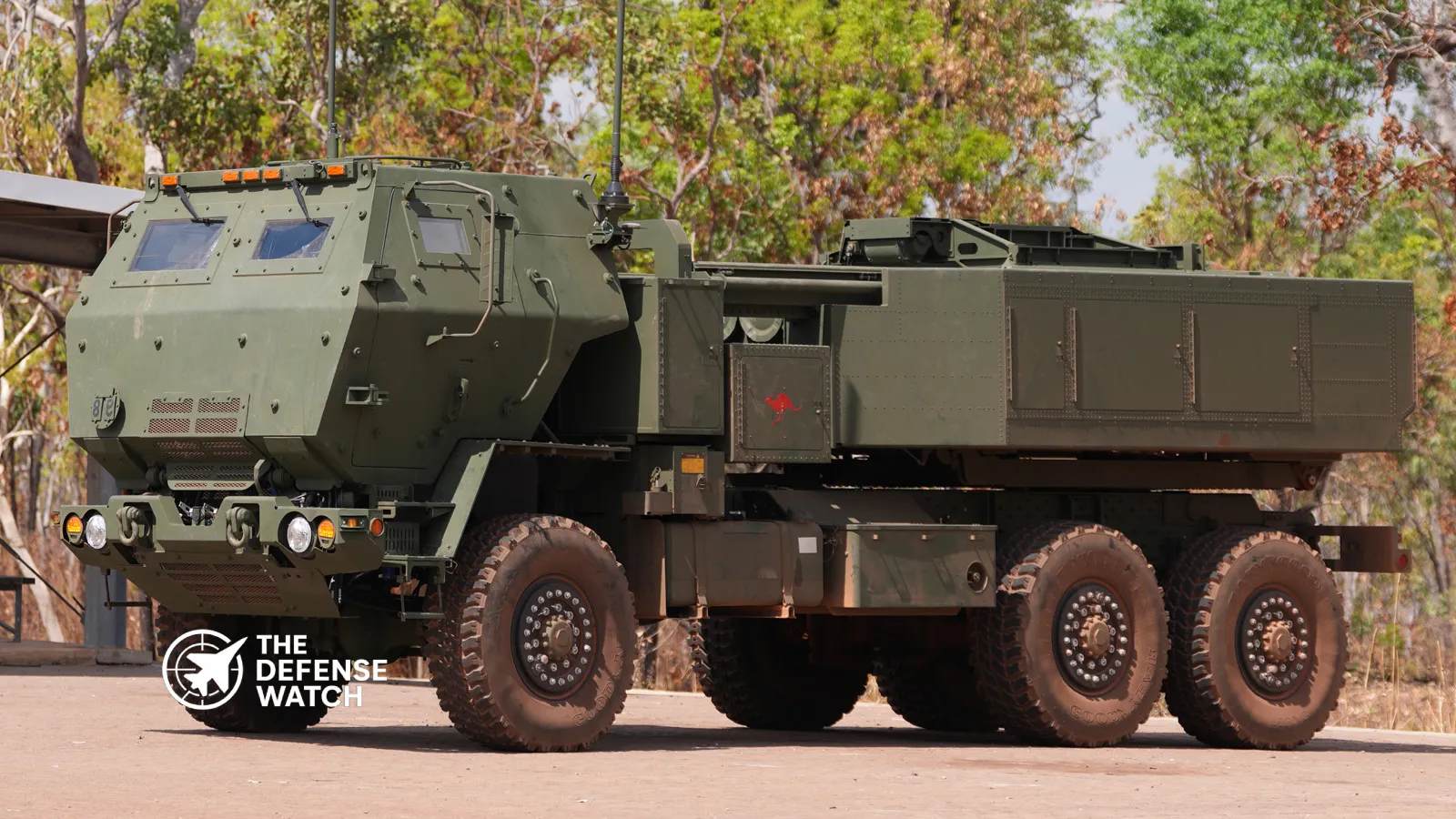
HIMARS mobility Indo-Pacific defense capabilities have emerged as a cornerstone of U.S. military strategy across the Pacific theater, where vast distances and dispersed island chains demand flexible, rapidly deployable fire support systems. Lockheed Martin’s recent analysis underscores how rocket artillery rapid deployment systems like the M142 High Mobility Artillery Rocket System (HIMARS) deliver unique advantages in a region where mobility equals survivability and strategic reach.
The Indo-Pacific’s geographic reality—spanning thousands of miles of ocean dotted with island territories—requires weapon systems that can deploy quickly, strike with precision, and relocate before adversaries can respond. HIMARS-class launchers meet these demands through a combination of strategic mobility, operational flexibility, and lethal firepower.
Strategic Mobility: The Foundation of Expeditionary Firepower
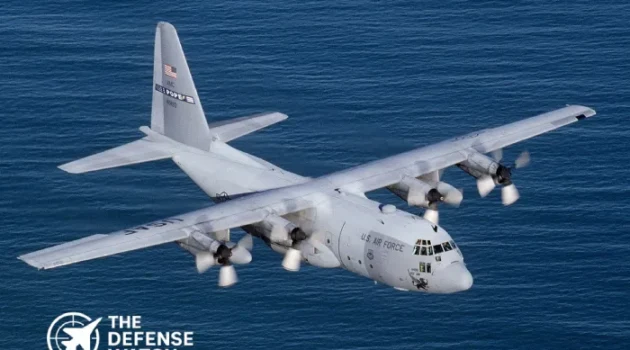
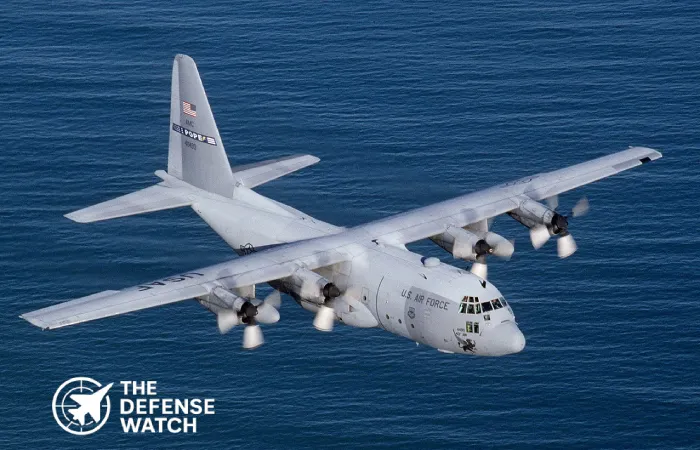
The expeditionary fire support capabilities inherent to HIMARS stem from its fundamental design philosophy: a wheeled launcher system compact enough for rapid airlift yet powerful enough to engage targets at extended ranges. Unlike tracked self-propelled artillery, HIMARS can be transported aboard C-130 aircraft, enabling deployment to austere airfields throughout the Pacific.
This strategic mobility matters in the Indo-Pacific context where U.S. forces must operate across an area larger than the continental United States. The ability to position precision strike assets on short notice—whether to reinforce allies, respond to emerging threats, or support distributed operations—provides commanders with options that heavier systems cannot match.
Lockheed Martin emphasizes that this mobility extends beyond simple transportation. HIMARS crews can conduct shoot-and-scoot operations, firing multiple rockets before relocating to alternate positions. This survivability through movement proves critical when operating within range of adversary counter-battery systems and intelligence, surveillance, and reconnaissance (ISR) platforms.
Reach and Precision: Engaging Targets Across Maritime Domains
The mobile launcher strategic advantage becomes most apparent when examining HIMARS’ engagement envelope. Armed with Guided Multiple Launch Rocket System (GMLRS) munitions, HIMARS can strike targets at ranges exceeding 70 kilometers with precision measured in meters. Future integration of the Precision Strike Missile (PrSM) will extend this reach beyond 500 kilometers.
In the Indo-Pacific’s maritime environment, this range enables HIMARS to engage naval vessels, conduct anti-access/area denial (A2/AD) operations, and support amphibious forces from positions on islands or coastal areas. The system’s precision reduces collateral damage concerns—critical when operating near civilian populations or in allied territory where political sensitivities demand restraint.
(adsbygoogle = window.adsbygoogle || []).push({});The launcher’s compatibility with multiple munition types provides commanders with scalable response options. From engaging individual high-value targets with single GMLRS rockets to conducting area saturation fires with traditional unguided munitions, HIMARS delivers tactical flexibility that adapts to mission requirements.
Operational Flexibility: Supporting Distributed Maritime Operations
U.S. Marine Corps and Army concepts for operating in contested environments increasingly emphasize distributed operations—spreading forces across multiple locations to complicate adversary targeting while maintaining the ability to mass fires when needed. Precision strike mobility platforms like HIMARS serve as enablers for these concepts.
Marine Littoral Regiments, designed specifically for operations in the Indo-Pacific’s island chains, incorporate HIMARS as organic fires capabilities. These units can establish temporary positions on islands within the first island chain, threaten adversary naval movements through key straits, and relocate before enemy forces can respond.
The U.S. Army’s Multi-Domain Operations concept similarly relies on mobile, long-range fires to create windows of opportunity for joint forces. HIMARS batteries positioned on allied territory or expeditionary locations can suppress enemy air defenses, engage command and control nodes, or provide counter-battery fires supporting broader operations.
Alliance Integration: Strengthening Partner Capabilities
Multiple Indo-Pacific allies and partners have acquired or expressed interest in HIMARS, recognizing how the system complements their defensive strategies. Japan, Singapore, and Australia operate HIMARS launchers, while other nations continue evaluating the platform.
This commonality strengthens interoperability during combined exercises and potential contingencies. Shared logistics, training standards, and tactical procedures enable U.S. forces to operate seamlessly alongside allied HIMARS units. The system’s relative ease of operation—requiring smaller crews than traditional artillery batteries—makes it accessible for nations with limited military manpower.

Lockheed Martin’s commercial approach includes training support, sustainment packages, and technology transfer agreements that help partners develop indigenous maintenance capabilities. This support structure proves essential for geographically isolated nations where logistics chains face inherent challenges.
Challenges and Considerations
Despite its advantages, HIMARS faces operational challenges in the Indo-Pacific. The system requires substantial ammunition stockpiles to sustain operations, and resupply across oceanic distances presents logistical hurdles. GMLRS and PrSM munitions represent significant investments, raising questions about magazine depth during extended conflicts.
Counter-battery threats continue evolving, with potential adversaries fielding sophisticated radar systems and long-range strike capabilities designed to eliminate mobile launchers. Survival requires robust tactical deception, electronic warfare support, and continuous movement—demanding highly trained crews and comprehensive support infrastructure.
(adsbygoogle = window.adsbygoogle || []).push({});The Indo-Pacific’s climate presents environmental challenges. Tropical heat and humidity affect both equipment reliability and crew endurance. Typhoon seasons can ground air transport assets critical for rapid deployment, while jungle and mountainous terrain limit road mobility on many islands.
Future Developments: Extended Range and Enhanced Capabilities
Lockheed Martin and the U.S. Army continue developing extended-range munitions and improved launcher variants. The PrSM program will provide HIMARS with strike ranges approaching 500 kilometers in its initial increment, with future versions potentially exceeding 1,000 kilometers.
Integration of anti-ship variants could transform HIMARS into a dedicated coastal defense system capable of threatening major surface combatants. Such capabilities would significantly enhance land-based A2/AD options for both U.S. forces and regional partners.
Emerging technologies including autonomous resupply systems, improved launcher survivability features, and advanced munitions with enhanced guidance packages promise to maintain HIMARS relevance against evolving threats. Digital fire control systems incorporating artificial intelligence may accelerate targeting cycles and improve first-round hit probabilities.
Strategic Implications for Indo-Pacific Security
The proliferation of HIMARS-class launchers across the Indo-Pacific reflects broader trends in military modernization. Nations increasingly prioritize mobile, survivable, long-range strike systems over traditional mass-armor approaches. This shift acknowledges how modern ISR capabilities and precision munitions have transformed conventional warfare.
For the United States, HIMARS represents a cost-effective capability that provides deterrent value disproportionate to its procurement and operating costs. The system’s presence signals commitment to regional defense while offering allies tangible security assurances. In crisis scenarios, rapid HIMARS deployment demonstrates resolve and provides immediate combat capability.
(adsbygoogle = window.adsbygoogle || []).push({});The platform’s success in Ukraine has validated core design concepts while providing operational lessons applicable to Indo-Pacific scenarios. Real-world performance data confirms HIMARS’ effectiveness against sophisticated adversaries employing advanced air defenses and counter-battery systems.
Conclusion
HIMARS mobility Indo-Pacific defense requirements align precisely with the system’s core capabilities: strategic deployability, operational flexibility, and lethal precision. As the United States and regional partners refine strategies for operating in the world’s largest theater, mobile launcher platforms provide essential capabilities for deterrence, crisis response, and warfighting.
The Indo-Pacific’s unique geography—combining vast distances, maritime chokepoints, and dispersed land masses—creates operational challenges that favor mobile, long-range strike systems. HIMARS-class launchers address these challenges through rapid deployment, survivable operations, and precision engagement capabilities that complement air and naval forces.
Continued investment in HIMARS modernization, munitions development, and allied integration will ensure these systems remain relevant against evolving threats. For nations committed to maintaining free and open access throughout the Indo-Pacific, mobile rocket artillery represents not merely a weapons system but a strategic enabler of broader defense concepts.