

(adsbygoogle = window.adsbygoogle || []).push({});Executive Summary:
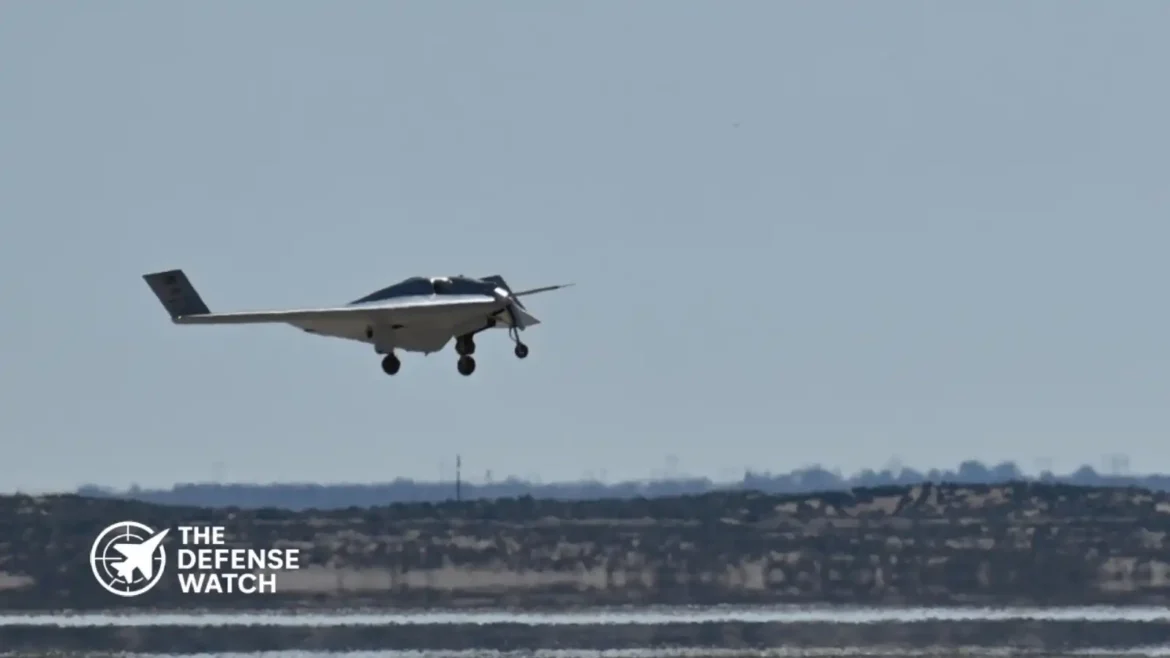
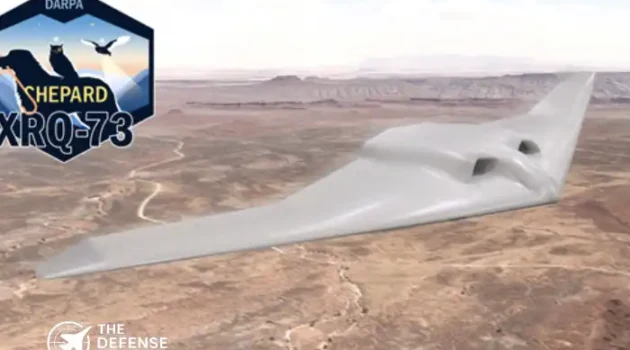
DARPA’s XRQ-73 SHEPARD hybrid electric uncrewed aircraft completed its first flight in April 2026 at Edwards Air Force Base, California. The prototype under DARPA’s Series Hybrid Electric Propulsion Aircraft Demonstration program is a key test of hybrid-electric propulsion for future UAS designs.
First Flight Marks Progress for XRQ-73 Hybrid Electric Uncrewed Aircraft
DARPA’s hybrid electric uncrewed aircraft, designated XRQ-73 under the Series Hybrid Electric Propulsion Aircraft Demonstration (SHEPARD) program, completed its first flight in April 2026 at Edwards Air Force Base, California. The flight was confirmed by program partners and announced publicly in early May 2026.
The XRQ-73 aircraft was developed by Northrop Grumman in collaboration with DARPA and with support from the Air Force Research Laboratory and Scaled Composites. The demonstrator uses a series hybrid electric propulsion system where a conventional engine generates electricity to power electric motors that drive the aircraft.
The SHEPARD program aims to assess the operational utility of hybrid-electric technologies for future military aircraft designs. The design blends efficient fuel use with reduced acoustic and thermal signatures, which could benefit long-endurance intelligence, surveillance and reconnaissance (ISR) missions and other applications.
Hybrid Electric Propulsion in a Group 3 UAS
The XRQ-73 SHEPARD is a Group 3 uncrewed aircraft system weighing roughly 1,250 pounds. The flying-wing configuration reflects earlier technology demonstrations such as the XRQ-72 Great Horned Owl, while pushing hybrid electric propulsion forward.
Hybrid electric propulsion uses a fuel-burning engine to generate electricity that drives electric motors. This setup can offer fuel savings, flexibility in mission pacing, and quieter operation compared with traditional propulsion. DARPA’s experiment tests how such systems perform in real flight conditions, data that could influence future military and research platforms.
The April test flight at Edwards occurred within a controlled flight envelope. Details on duration, range, or performance metrics were not disclosed at the time of the announcement. Continued flight testing and data analysis will shape follow-on evaluations.
Broader Research and Industry Context
Hybrid electric propulsion is drawing growing interest across military and civilian aviation sectors. DARPA’s SHEPARD program sits alongside other hybrid UAS projects, including those exploring multi-mode powerplants, quieter signatures, and improved endurance. Because hybrid systems can reduce fuel use and emissions while still tapping conventional power sources, researchers see potential for both defense and commercial applications.
SHEPARD builds on previous DARPA efforts, like the Great Horned Owl initiative, and reflects the Department of Defense’s focus on agile experimental programs that mature technologies fast. The platform’s performance in flight tests will help define whether hybrid-electric designs have practical value for sustained operational use or transition into broader defense acquisition.
What’s Next for XRQ-73 and SHEPARD
DARPA and industry partners will continue flight tests on the XRQ-73 prototype throughout 2026. These trials are expected to probe performance envelopes, endurance characteristics, and propulsion system behavior under varying conditions. The lessons learned could inform future designs for ISR or other uncrewed missions where endurance and low signatures matter.


Executive Summary:
The United States has approved the transfer of Bell 505 training helicopters to the Philippine Air Force to expand pilot training capacity. The move supports Manila’s ongoing military modernization and addresses growing demand for trained aircrew amid regional security pressures.
US Approves Bell 505 Helicopters For Philippine Air Force Training Expansion
The Bell 505 helicopters Philippines program marks a significant step in strengthening the Philippine Air Force’s pilot training pipeline, as Washington authorizes the transfer of light training helicopters produced by Bell Textron.
The approval supports Manila’s broader effort to modernize its air capabilities while addressing a persistent shortage of trained rotary-wing pilots. The Bell 505, a lightweight, single-engine helicopter, is widely used for basic and advanced flight training due to its modern avionics and cost efficiency.
Addressing A Critical Training Bottleneck
The Philippine Air Force training expansion comes at a time when the service is increasing its operational tempo across multiple mission sets, including maritime security, disaster response, and counterinsurgency.
Training capacity has emerged as a limiting factor. Even as the Philippines acquires new aircraft, pilot production has struggled to keep pace. The Bell 505 fleet is expected to ease this bottleneck by providing a reliable, modern training platform.
The aircraft features a fully digital glass cockpit and advanced flight controls, allowing trainee pilots to transition more easily to frontline platforms. Compared to legacy trainers, the Bell 505 reduces maintenance demands while improving training efficiency.
From an operational perspective, this investment reflects a shift from platform acquisition alone toward building sustainable human capital in aviation units.
Strategic Context: Modernization Amid Regional Pressure
The Bell 505 helicopters Philippines deal aligns with Manila’s ongoing military modernization program, which has gained urgency amid rising tensions in the South China Sea.
While the helicopters themselves are not combat assets, their impact is strategic. Increasing the number of qualified pilots directly enhances the Philippine Air Force’s ability to deploy and sustain operations across its archipelagic territory.
The United States has steadily expanded defense cooperation with the Philippines in recent years, including increased access to bases under the Enhanced Defense Cooperation Agreement (EDCA). This approval reinforces that partnership through practical capability development rather than high-profile weapons systems.
In this context, training platforms like the Bell 505 serve as force multipliers, enabling more effective use of existing and future aircraft.
Technical Overview Of The Bell 505 Platform
The Bell 505, also known as the Jet Ranger X, is designed for versatility and ease of operation. Key features include:
- Single-engine configuration optimized for training and light utility missions
- Garmin G1000H NXi avionics suite for advanced pilot instruction
- High visibility cockpit, improving situational awareness for trainees
- Low operating costs compared to larger training helicopters
These characteristics make the Bell 505 particularly suitable for nations seeking to scale pilot training without significantly increasing sustainment burdens.
For the Philippine Air Force, the platform bridges the gap between basic flight instruction and transition to more complex helicopters used in operational roles.
Operational Impact And Long-Term Benefits
The Philippine Air Force training expansion enabled by the Bell 505 is expected to deliver several long-term benefits:
First, it increases annual pilot output, reducing reliance on limited training slots and shortening qualification timelines.
Second, it standardizes training using modern avionics, aligning pilot skills with contemporary aircraft systems.
Third, it enhances readiness across multiple mission areas by ensuring a steady pipeline of qualified aircrew.
From a defense planning perspective, investments in training infrastructure often yield higher returns than additional platform acquisitions alone. Without trained personnel, new aircraft cannot be effectively utilized.
Analysis: Training As A Strategic Enabler
The approval of the Bell 505 helicopters Philippines program highlights a broader trend in U.S. security assistance: prioritizing capacity building over purely hardware-focused transfers.
Rather than supplying high-end combat systems, Washington is enabling partner nations to strengthen foundational capabilities. In the Philippine case, pilot training directly supports:
- Maritime domain awareness operations
- Rapid disaster response in a typhoon-prone region
- Distributed air operations across island chains
This approach also improves interoperability with U.S. forces, as pilots trained on modern systems can integrate more easily into joint exercises and missions.
At the same time, the relatively low-profile nature of training helicopter transfers reduces escalation risks in sensitive regions, offering a pragmatic balance between capability enhancement and geopolitical stability.
Conclusion
The Bell 505 helicopters Philippines approval underscores the importance of training infrastructure in modern military capability development. By expanding pilot training capacity, the Philippine Air Force is positioning itself to better utilize current and future aviation assets.
For the United States, the move reinforces a strategy focused on sustainable partner capacity rather than short-term capability boosts. As regional dynamics continue to evolve, investments in training platforms like the Bell 505 may prove as critical as frontline systems in shaping long-term defense readiness.

Executive Summary:
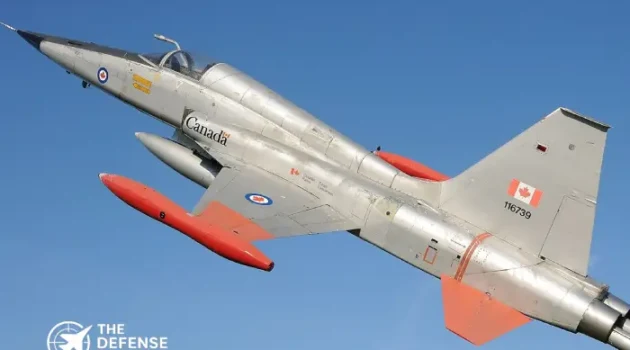
Lockheed Martin has been awarded a $14.5 million U.S. Navy contract to install flight test instrumentation on CF-5 aircraft supporting F-35C testing.
The effort aims to bridge a critical testing gap in carrier suitability trials until dedicated flight sciences aircraft become available.
Lockheed Martin F-35 Contract Targets Testing Gap In Carrier Operations
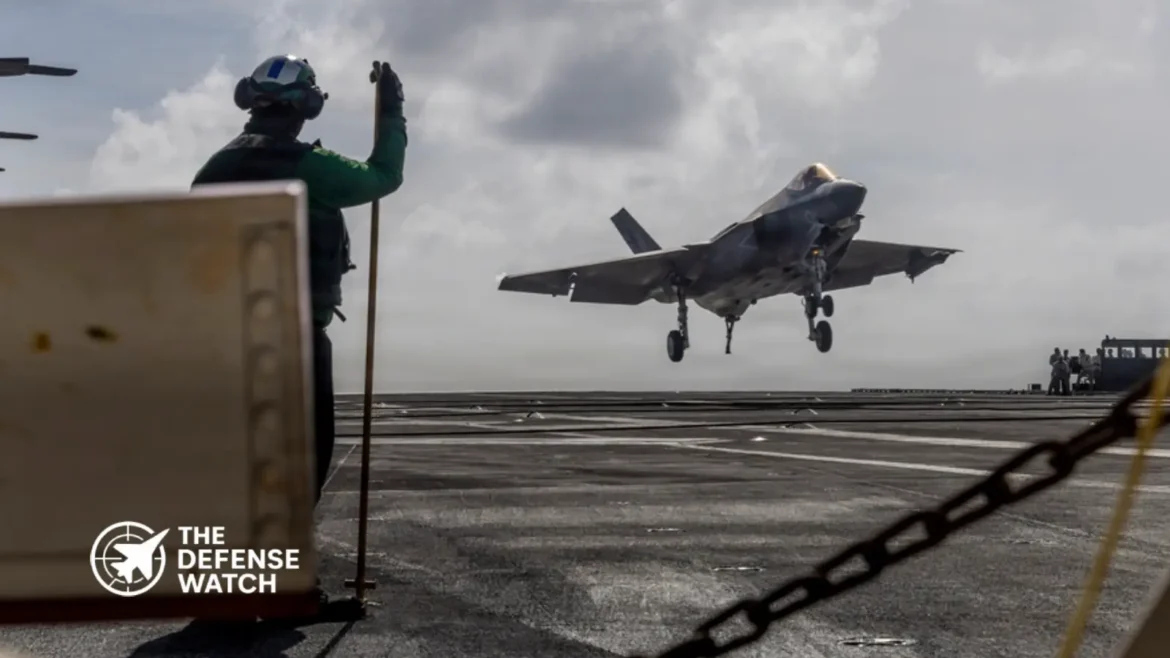
The Lockheed Martin F-35 contract represents a targeted effort by the U.S. Navy to sustain critical flight testing capacity for the carrier-based F-35C variant. Valued at $14.5 million, the contract focuses on integrating advanced flight test instrumentation onto CF-5 aircraft to support ongoing ship suitability testing.
Awarded as a cost-plus-incentive-fee order under an existing agreement, the work addresses a near-term shortfall in specialized flight sciences aircraft used for high-risk and complex testing scenarios. The Naval Air Systems Command (NAVAIR), based in Patuxent River, Maryland, is overseeing the effort.
This move reflects a broader pattern in U.S. defense acquisition, where interim solutions are deployed to maintain program momentum amid platform delays or capability gaps.
Bridging The F-35C Ship Suitability Testing Gap
Carrier suitability testing is one of the most demanding phases in naval aviation development. It evaluates how aircraft perform during catapult launches, arrested landings, and deck operations under real-world conditions.
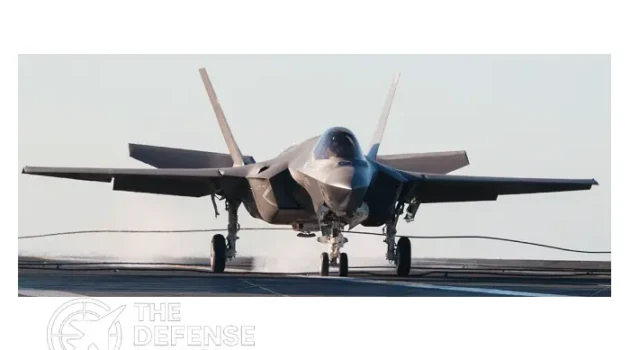
The F-35C, the carrier variant of the Joint Strike Fighter, requires extensive instrumentation to capture aerodynamic data, structural loads, and system performance during these tests. However, delays in delivering dedicated flight sciences aircraft created a bottleneck.
By modifying CF-5 aircraft with flight test instrumentation, the Navy is effectively creating a stopgap platform. This ensures continuity in testing without slowing the broader F-35C operational timeline.
From an operational standpoint, this is a pragmatic decision. Testing delays in carrier aviation can ripple across deployment schedules, pilot training pipelines, and carrier air wing readiness.
Contract Scope And Industrial Footprint
Under the Lockheed Martin F-35 contract, work will be distributed across multiple locations:
- Fort Worth, Texas (primary workshare)
- Orlando, Florida
- Linthicum, Maryland
- Nashua, New Hampshire
- San Diego and El Segundo, California
- Samlesbury, United Kingdom
- Additional CONUS and international locations
The geographic spread highlights the complexity of modern defense programs, which rely on a distributed industrial base spanning avionics, sensors, software, and integration expertise.
Fort Worth remains the center of gravity, consistent with its role as the primary F-35 production hub.
Funding Structure And Timeline
The Navy has obligated $4 million in Fiscal Year 2025 research, development, test, and evaluation (RDT&E) funds at the time of award. Notably, these funds will not expire at the end of the fiscal year, providing flexibility for execution.
The contract runs through May 2028, aligning with expected timelines for the delivery and operational readiness of dedicated flight sciences aircraft.
The use of a cost-plus-incentive-fee structure suggests technical complexity and evolving requirements. It allows the government to incentivize performance while accommodating uncertainties inherent in test instrumentation integration.
Why This Matters For The F-35 Program
The Lockheed Martin F-35 contract underscores a key reality of large-scale defense programs: testing infrastructure can be as critical as the platform itself.
The F-35 program, one of the most complex and expensive in history, depends heavily on continuous testing to validate upgrades, software blocks, and operational capabilities. Any disruption in testing capacity can delay capability delivery across the fleet.
By addressing the testing gap proactively, the Navy is:
- Preserving schedule integrity for F-35C deployment cycles
- Maintaining data continuity for certification and upgrades
- Reducing risk in carrier integration operations
This also reflects lessons learned from earlier phases of the program, where bottlenecks in testing and integration contributed to delays.
Strategic Context: Carrier Air Wing Modernization
The F-35C is central to the future of U.S. Navy carrier air wings. Designed for longer range, enhanced survivability, and advanced sensor fusion, it significantly expands the operational reach of carrier strike groups.
Ensuring uninterrupted testing is essential as the Navy transitions from legacy platforms like the F/A-18C/D to a more networked, fifth-generation force.
In this context, the contract is not just a technical fix. It is part of a broader effort to sustain momentum in carrier aviation modernization amid evolving global threats and operational demands.
Programmatic Insight: Interim Solutions In Defense Acquisition
The reliance on modified CF-5 aircraft highlights a recurring theme in defense programs: the need for interim capability solutions.
Rather than waiting for purpose-built platforms, the Navy is leveraging existing assets to maintain operational tempo. This approach:
- Reduces downtime in critical testing phases
- Maximizes use of available resources
- Mitigates risk associated with single-point failures in acquisition timelines
Such strategies are increasingly common as defense programs grow more complex and timelines extend.
Conclusion
The Lockheed Martin F-35 contract for flight test instrumentation may appear modest in value, but its impact is significant. By bridging a critical testing gap, it ensures continuity in one of the most demanding phases of naval aviation development.
As the F-35C continues to mature into a cornerstone of U.S. carrier operations, maintaining testing capacity remains essential. This contract demonstrates how targeted investments can safeguard broader program objectives and operational readiness.

Executive Summary:
Lockheed Martin has secured a $48 million contract to provide sustainment and logistics support for the U.S. Air Force’s C-130J fleet. The agreement ensures continued operational readiness through engineering, repairs, and program management. The deal reflects ongoing reliance on industry partners for lifecycle aircraft support.
Lockheed Martin Strengthens C-130J Sustainment Capability
Lockheed Martin has been awarded a $48 million indefinite-delivery/indefinite-quantity contract to provide C-130J sustainment contract support for the U.S. Air Force, reinforcing long-term fleet readiness and operational availability.
The contract, issued by the Air Force Life Cycle Management Center at Robins Air Force Base, covers logistics sustainment, engineering services, repairs, and program management for the C-130J Super Hercules aircraft. Work will be carried out across key operational and maintenance hubs, including Marietta, Georgia; Robins Air Force Base; and Hurlburt Field, Florida. The contract is scheduled to run through May 4, 2031.
Initial funding includes $5.01 million from fiscal year 2025 procurement funds and $508,515 from fiscal year 2026 funds obligated at the time of award.
Sustaining a Critical Tactical Airlift Platform
The C-130J sustainment contract highlights the continued importance of lifecycle support for one of the U.S. military’s most versatile tactical airlift platforms. The C-130J Super Hercules plays a central role in global mobility operations, including troop transport, cargo delivery, humanitarian missions, and special operations support.
Unlike procurement-focused contracts, sustainment agreements such as this are designed to ensure long-term aircraft availability, reliability, and mission readiness. This includes predictive maintenance, supply chain management, software updates, and structural repairs.
The sole-source nature of the award reflects Lockheed Martin’s position as the original equipment manufacturer (OEM) and primary sustainment authority for the C-130J platform. This structure is common across major U.S. defense programs, where technical complexity and proprietary systems limit competition in sustainment phases.
Strategic Importance of Sustainment Contracts
While smaller in value compared to large acquisition programs, the C-130J sustainment contract carries significant operational weight. Sustainment typically accounts for the majority of a platform’s lifecycle cost, often exceeding initial procurement expenses over time.
For the U.S. Air Force, maintaining high mission-capable rates is critical amid increasing global operational demands. Aircraft availability directly impacts deployment flexibility, response times, and overall force readiness.
This contract aligns with broader Department of Defense efforts to improve sustainment efficiency and reduce maintenance backlogs. The Air Force Life Cycle Management Center, which oversees the program, has prioritized data-driven maintenance strategies and closer collaboration with industry partners.
Operational Footprint and Support Infrastructure
Work under the contract will span multiple locations, each playing a specific role in the sustainment ecosystem:
- Marietta, Georgia: Primary manufacturing and engineering hub for the C-130J program
- Robins Air Force Base, Georgia: Key depot-level maintenance and logistics center
- Hurlburt Field, Florida: Operational base supporting Air Force Special Operations Command (AFSOC)
This distributed model allows for integrated support across production, maintenance, and operational environments, improving turnaround times and reducing downtime for deployed aircraft.
Analysis: Why This Deal Matters
Although the $48 million value may appear modest compared to multi-billion-dollar defense programs, the C-130J sustainment contract reflects a critical shift in defense priorities toward readiness and lifecycle management.
Modern military strategy increasingly emphasizes sustainment as a force multiplier. Advanced aircraft are only as effective as their availability rates, and sustainment contracts ensure that fleets remain mission-capable in high-demand environments.
This is particularly relevant for the C-130J, which operates across a wide range of mission profiles and geographic regions. Its adaptability makes it a high-utilization asset, increasing wear and maintenance requirements.
The contract also underscores the Pentagon’s reliance on long-term partnerships with defense contractors. By leveraging OEM expertise, the Air Force can maintain technical integrity while streamlining maintenance processes.
Industry Context and Broader Trends
The award comes amid a broader trend of increased investment in sustainment across the U.S. military. As platforms age and operational tempos remain high, sustainment spending is expected to grow steadily over the coming years.
Programs like the C-130J benefit from incremental upgrades and continuous support, extending service life and delaying the need for costly replacement programs.
Lockheed Martin’s sustainment portfolio spans multiple platforms, including fighter aircraft, transport systems, and rotary-wing assets. This positions the company as a key player not only in production but also in long-term defense support services.
Contract Details at a Glance
- Contract Type: Indefinite-delivery/indefinite-quantity (IDIQ)
- Total Value: $48 million
- Completion Date: May 4, 2031
- Work Locations: Marietta, GA; Robins AFB, GA; Hurlburt Field, FL
- Contracting Authority: Air Force Life Cycle Management Center
- Acquisition Method: Sole source
Executive Summary:
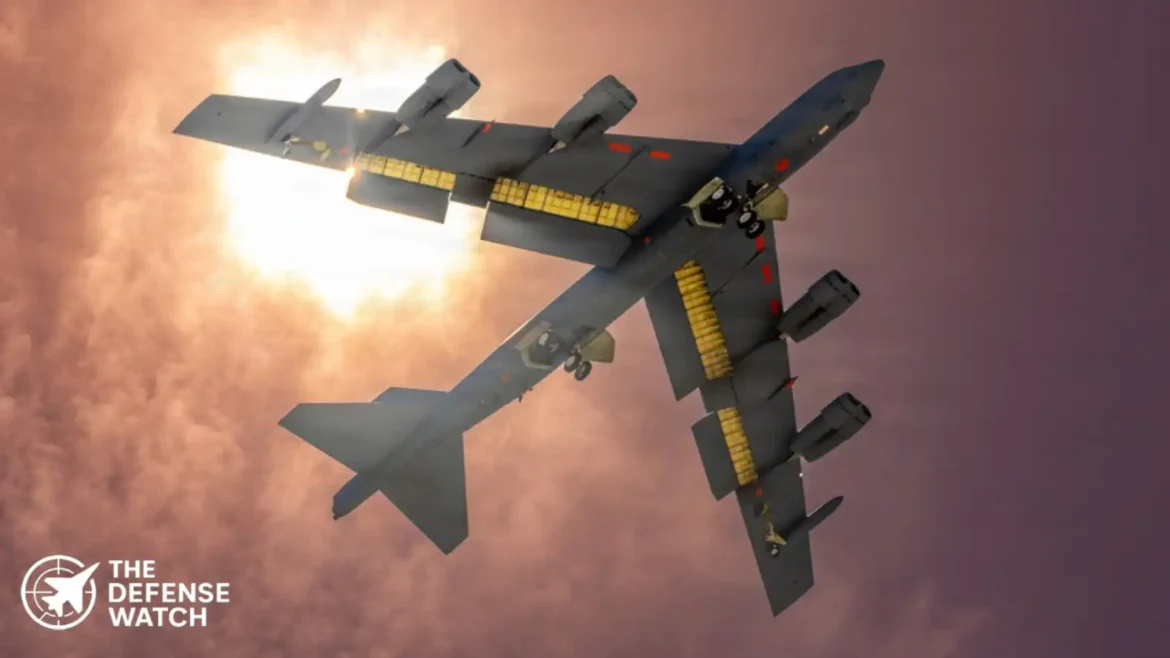
The U.S. Air Force has advanced its B-52J modernization program as the engine replacement effort completes a critical design review milestone. The upgrade, led by Rolls-Royce, will improve fuel efficiency, reliability, and mission capability. The initiative ensures the long-serving B-52 Stratofortress remains operational into the 2050s.
B-52J Engine Upgrade Reaches Critical Milestone
The U.S. Air Force has marked a key step in its long-term bomber modernization strategy with the successful completion of the Critical Design Review (CDR) for the B-52J engine replacement program. This milestone validates the system’s design maturity and clears the path toward production and integration.
The upgrade replaces the aircraft’s aging Pratt & Whitney TF33 engines with the new F130 turbofan engines, developed by Rolls-Royce. The program is part of a broader effort to sustain the B-52 fleet, which has been in service since the 1950s, while significantly improving performance and lifecycle costs.
Key Technical Improvements of the B-52J Upgrade
The B-52J modernization introduces several critical enhancements:
- Up to 30% improved fuel efficiency, reducing operational costs
- Extended unrefueled range, increasing mission flexibility
- Lower maintenance requirements, improving aircraft availability
- Digital engine controls, enhancing performance and diagnostics
- Reduced logistics footprint, simplifying sustainment operations
These improvements are expected to deliver both operational and economic benefits across the bomber fleet.
Comparison: B-52J vs Legacy B-52H Configuration
Feature B-52J (Upgraded) B-52H (Legacy) Range Increased (fuel-efficient engines) Standard range Payload Unchanged (approx. 70,000 lbs) Approx. 70,000 lbs Status In development / upgrade phase Active service Key Technology Rolls-Royce F130 engines, digital controls TF33 engines (1960s-era tech) Strategic Role of the B-52J in Future Warfare
The B-52J is central to the U.S. Air Force’s long-range strike capability. Despite its age, the aircraft remains a highly versatile platform capable of delivering:
- Conventional and nuclear payloads
- Stand-off weapons such as cruise missiles
- Maritime strike capabilities
- Persistent global presence missions
With upgraded engines and avionics, the B-52J will complement newer platforms like the B-21 Raider, providing a mix of stealth and high-capacity strike options.
Industrial and Program Implications
The engine replacement program represents a major industrial effort, involving multiple contractors and long-term sustainment planning. The CDR milestone confirms that the design is stable enough to proceed toward production, reducing technical risk.
The U.S. Air Force plans to retrofit 76 B-52 aircraft, transforming them into the B-52J configuration. The program is expected to span several years, with initial operational capability projected later this decade.
Strategic Context: Sustaining Legacy Platforms in a High-Threat Environment
The B-52J upgrade reflects a broader trend in global defense strategy, where legacy platforms are modernized to meet evolving threats. In an era defined by near-peer competition, particularly with China and Russia, long-range strike assets remain critical.
Key strategic drivers include:
- The need for persistent global strike capability
- Increasing reliance on stand-off weapons in contested environments
- Cost-effective modernization compared to developing entirely new fleets
By extending the service life of the B-52, the U.S. ensures continuity in its strategic bomber force while balancing investment in next-generation systems.
The B-52J program underscores the enduring relevance of legacy platforms when paired with modern technology. As the engine replacement effort progresses beyond the design phase, the upgraded bomber is set to remain a cornerstone of U.S. airpower well into the mid-21st century.

Executive Summary:
Northrop Grumman has delivered the 70th E-2D Advanced Hawkeye to the United States Navy, marking a key milestone in modernizing carrier-based airborne early warning capabilities. The platform enhances situational awareness and battle management across contested environments. The delivery reflects continued investment in network-centric warfare and integrated air and missile defense.
E-2D Hawkeye Delivery Milestone Strengthens U.S. Naval Aviation
The delivery of the 70th E-2D Advanced Hawkeye underscores the U.S. Navy’s sustained effort to modernize its airborne early warning and command-and-control fleet. The aircraft, manufactured by Northrop Grumman, represents the latest evolution of the long-serving Hawkeye family.
The E-2D replaces older variants with a platform designed for operations in highly contested electromagnetic environments. It provides enhanced detection, tracking, and coordination capabilities for carrier strike groups operating across global theaters.
This milestone reflects steady production progress under a multi-year procurement framework aimed at delivering a fully modernized fleet.
Advanced Radar and Network-Centric Warfare Capabilities
At the core of the E-2D’s capability is its AN/APY-9 radar, which enables simultaneous air and surface surveillance over extended ranges. The aircraft is optimized for detecting low-observable and cruise missile threats.
Key Technical Advantages
- 360-degree radar coverage with advanced electronic scanning
- Enhanced detection of low-signature targets, including cruise missiles and UAVs
- Integrated battle management systems for real-time command and control
- Cooperative Engagement Capability (CEC) enabling sensor data sharing across platforms
- Improved data fusion, supporting joint and coalition operations
The aircraft serves as a critical node in the Navy’s broader Naval Integrated Fire Control-Counter Air (NIFC-CA) architecture.
Comparison: E-2D Advanced Hawkeye vs E-2C Hawkeye
Feature E-2D Advanced Hawkeye E-2C Hawkeye Range Extended (>550 km detection) ~400 km detection Payload Advanced radar + upgraded avionics Legacy radar systems Status Active production and deployment Being phased out Key Technology AN/APY-9 AESA radar, CEC, NIFC-CA integration Mechanically scanned radar Operational Role in Carrier Strike Groups
The E-2D operates from U.S. Navy aircraft carriers, providing:
- Early warning of airborne threats
- Battle management for air defense missions
- Coordination of fighter aircraft and interceptors
- Integration with surface and air assets
Its ability to act as an airborne command post makes it indispensable in high-end naval warfare scenarios.
Strategic Context: Countering Modern Threat Environments
The continued fielding of the E-2D comes amid evolving global threats, including:
- Proliferation of long-range anti-ship missiles
- Increased use of low-observable aircraft and drones
- Expansion of peer adversary anti-access/area denial (A2/AD) networks
In this context, the E-2D enhances the U.S. Navy’s ability to:
- Maintain persistent maritime domain awareness
- Coordinate multi-domain operations
- Enable long-range engagement capabilities
The aircraft plays a central role in ensuring carrier strike groups remain viable in contested regions such as the Indo-Pacific and beyond.
Production Outlook and Fleet Expansion
Northrop Grumman continues production under existing contracts, with additional aircraft expected to be delivered in the coming years. The U.S. Navy plans to expand its E-2D fleet to fully replace legacy E-2C variants.
The program also includes international interest, with allied nations evaluating or operating the platform to enhance their own airborne early warning capabilities.
Conclusion
The delivery of the 70th E-2D Advanced Hawkeye marks a significant milestone in U.S. naval aviation. As threats become more complex and contested environments more challenging, the platform provides a critical edge in airborne surveillance, battle management, and networked warfare.

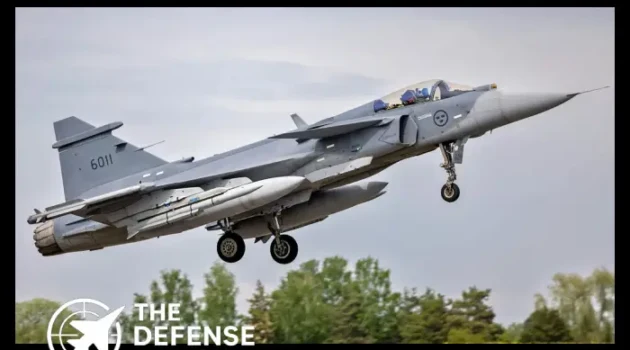
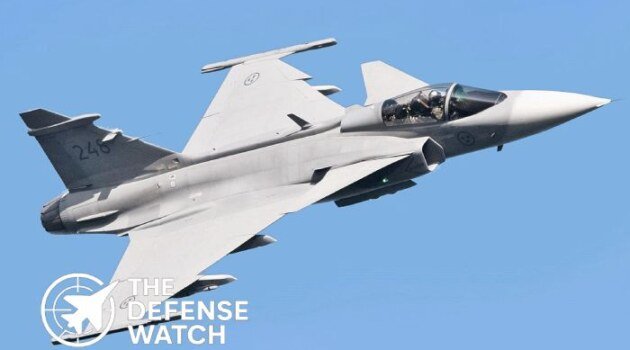
Hungary Gripen Fighters Delivery Strengthens Air Force Fleet
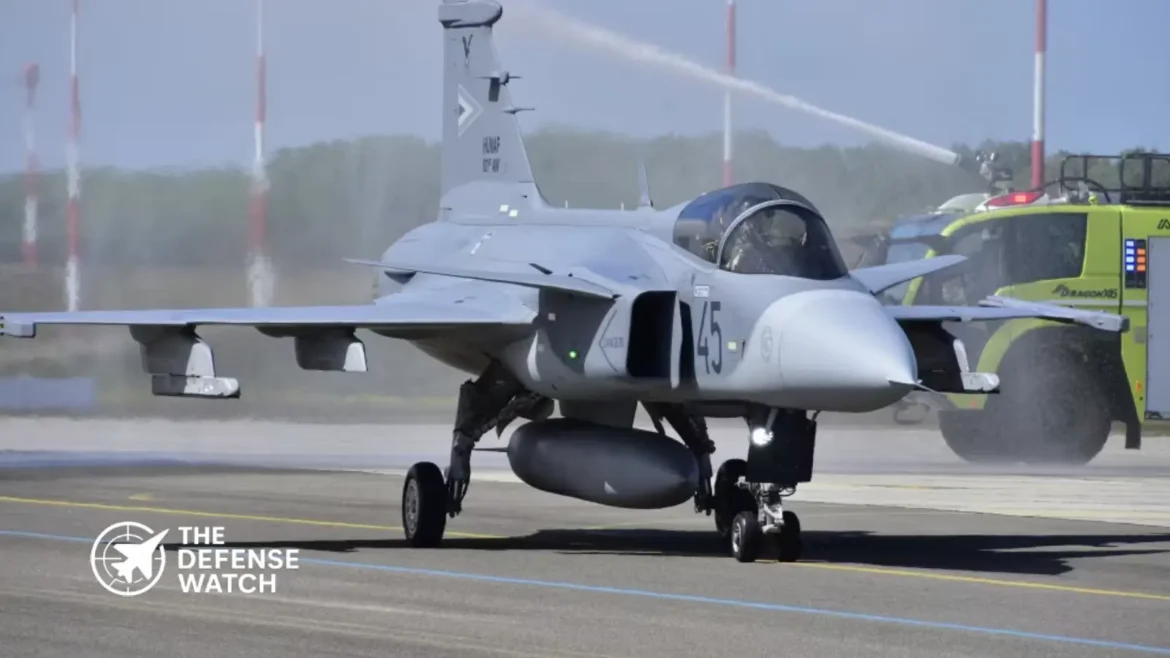
The Hungary Gripen fighters delivery marks a key step in Budapest’s ongoing air force modernization, as two new Gripen C aircraft formally entered service with the Hungarian Defence Forces.
The jets will be operated by the 101st Aviation Wing based at Kecskemét Air Base, reinforcing Hungary’s ability to maintain air policing and NATO interoperability missions across Central Europe.
The delivery follows a contract signed in February 2024 between Hungary’s Ministry of Defence and Swedish Defence Materiel Administration, covering four additional aircraft. The two newly delivered fighters represent the first tranche of that agreement.
- Hungary received two new Gripen C fighter jets for the 101st Aviation Wing at Kecskemét Air Base.
- The delivery follows a February 2024 contract between Hungary’s Ministry of Defence and Sweden’s FMV.
- These are the first two of four additional aircraft ordered under the agreement.
- Hungary will expand its fleet to 18 Gripen C D fighters with upgraded capabilities.
- Saab reaffirmed its commitment to delivery timelines and long term partnership with Hungary.
According to Saab, the timeline underscores its ability to meet customer delivery commitments while supporting long term capability development.
Fleet Expansion And Capability Upgrades
Hungary has operated the Gripen platform since 2006, making it one of the early European adopters of the Swedish-built multirole fighter. With this latest expansion, the country will field a total of 18 Gripen C/D aircraft, all expected to receive incremental upgrades.
The Gripen C/D variant is designed for multirole missions, including air defense, ground attack, and reconnaissance. It is optimized for high sortie rates, dispersed operations, and relatively low lifecycle costs compared to heavier Western fighters.
While the current delivery focuses on fleet size, the broader program includes system upgrades aimed at improving avionics, communications, and weapons integration. These enhancements are critical for maintaining compatibility with NATO standards and evolving operational requirements.
Saab has also indicated plans to invest in an Aviation Development Centre in Hungary. This initiative is expected to deepen local industrial participation and allow Hungary to play a more active role in future Gripen system development.
Strategic Context: NATO Readiness And Regional Security
The Hungary Gripen fighters delivery comes amid heightened focus on air defense readiness across Europe, particularly following Russia’s ongoing military activity in Eastern Europe.
For Hungary, expanding its Gripen fleet is less about numerical advantage and more about ensuring sustained operational availability. A larger fleet allows for better rotation cycles, maintenance flexibility, and readiness for both national and NATO missions.
Hungary contributes to NATO’s Integrated Air and Missile Defence System, including Baltic Air Policing rotations in the past. Maintaining a modern and reliable fighter fleet is central to fulfilling these commitments.
Compared to larger air forces in the alliance, Hungary’s approach emphasizes efficiency and interoperability. The Gripen platform supports this model by offering advanced capabilities without the logistical burden associated with heavier aircraft such as the F-35 or Eurofighter Typhoon.
Saab Partnership And Long Term Industrial Cooperation
The agreement highlights the deepening defense relationship between Hungary and Sweden. Beyond aircraft delivery, the partnership includes training, logistics support, and technology collaboration.
Lars Tossman, head of Saab’s Aeronautics business area, emphasized that Hungary’s long term modernization program and Saab’s local investment plans will enable the country to influence future Gripen development.
This level of industrial cooperation reflects a broader trend in European defense procurement, where countries seek not only platforms but also participation in development and sustainment ecosystems.
For Saab, Hungary remains a key Gripen operator alongside countries such as the Czech Republic and Brazil, reinforcing the platform’s global footprint.
Operational Impact And Future Outlook
The Hungary Gripen fighters delivery will enhance operational resilience for the Hungarian Air Force, particularly in maintaining continuous air policing coverage.
Looking ahead, the remaining two aircraft under the 2024 contract are expected to be delivered on schedule, completing the planned fleet expansion.
While the Gripen C/D remains a capable platform, future decisions may involve transitioning to more advanced variants or integrating next generation systems. For now, Hungary’s focus remains on maximizing the effectiveness of its existing fleet through upgrades and partnerships.
In a European security environment defined by rapid change, incremental capability improvements such as this delivery play a crucial role in sustaining readiness and alliance cohesion.

B-1B Lancer Hypersonic Loadout Signals Shift In U.S. Strike Capability
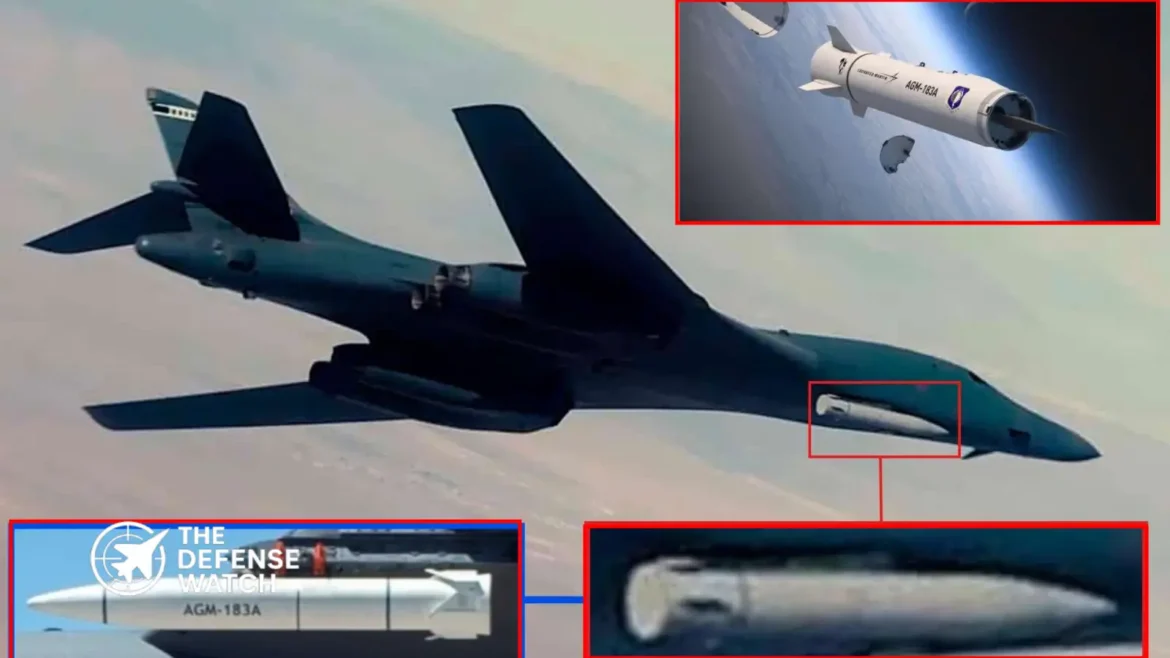
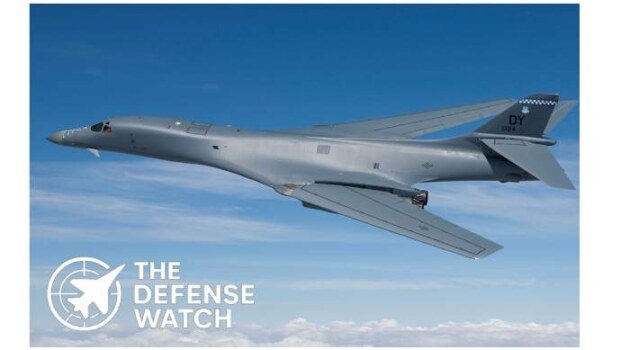
The B-1B Lancer hypersonic loadout revealed by the U.S. Air Force marks a notable step in integrating next-generation weapons into legacy bomber platforms. The configuration, featuring the AGM-183 ARRW, highlights a renewed focus on rapid, long-range strike options designed to penetrate advanced air defenses.
- Iran and Russia reportedly signed a secret 500 million missile deal in December 2025, according to the Financial Times.
- The pact covers delivery of 500 Verba man portable air defense launch units and 2,500 9M336 missiles through 2027 to 2029.
- The Verba systems are infrared guided MANPADS designed to target low altitude threats including drones and cruise missiles.
- The deal follows damage to Iran s air defense network during the 2025 conflict with Israel.
- The agreement reflects deepening military cooperation between Tehran and Moscow.
The updated loadout demonstrates how the B-1B Lancer could carry multiple hypersonic missiles externally, significantly expanding its operational flexibility. The ARRW is designed to reach speeds above Mach 5, enabling it to strike high-value targets with minimal warning.
From Conventional Bomber To Hypersonic Carrier
The B-1B has long served as a conventional strike bomber, optimized for carrying large payloads of guided and unguided munitions. This new B-1B Lancer hypersonic loadout represents a shift toward high-speed precision strike missions.
Unlike stealth bombers such as the B-2, the B-1B relies on speed, payload, and stand-off weapons. Integrating ARRW allows the aircraft to launch from outside heavily defended zones, reducing exposure to modern air defense systems.
This evolution aligns with broader U.S. efforts to adapt existing platforms for hypersonic warfare, rather than waiting for next-generation systems like the B-21 to fully mature.
AGM-183 ARRW: Capability And Challenges
The AGM-183 ARRW program has faced technical hurdles in recent years, including test inconsistencies. However, its core concept remains central to U.S. hypersonic strategy.
The missile uses a boost-glide vehicle, launched by a rocket booster before gliding at hypersonic speeds toward its target. This flight profile complicates interception by traditional missile defense systems.
The introduction of the B-1B Lancer hypersonic loadout suggests continued confidence in ARRW or at least in the broader concept of air-launched hypersonic weapons.
From an operational standpoint, pairing ARRW with the B-1B offers several advantages:
- Rapid deployment from forward bases
- Large payload capacity
- Flexibility in targeting across multiple theaters
Strategic Context: Why It Matters Now
The timing of this reveal is significant. The United States is accelerating efforts to counter hypersonic developments by near-peer competitors, particularly China and Russia.
Both countries have already fielded or tested hypersonic systems, raising concerns about gaps in U.S. strike and deterrence capabilities. The B-1B Lancer hypersonic loadout directly addresses this gap by providing a near-term delivery platform.
This approach reflects a broader Pentagon strategy of incremental modernization. Instead of relying solely on future platforms, the U.S. is upgrading existing assets to maintain operational readiness.
Operational Impact And Future Outlook
If fully operational, the B-1B Lancer hypersonic loadout could reshape how the U.S. conducts long-range strike missions. The ability to launch hypersonic weapons from a proven bomber platform adds a layer of unpredictability and speed to U.S. military planning.
However, several factors will determine its effectiveness:
- Successful maturation of ARRW technology
- Integration with targeting and command systems
- Availability of sufficient missile inventory
There is also the question of survivability. While the B-1B can launch from stand-off distances, it lacks stealth characteristics, which may limit its use in highly contested environments.
Analysis: Bridging The Capability Gap
The decision to equip the B-1B with hypersonic weapons is less about transforming the aircraft and more about bridging a capability gap.
It reflects a pragmatic approach. Instead of waiting for next-generation systems, the U.S. is leveraging what it already has. This reduces risk and accelerates deployment timelines.
At the same time, it underscores the urgency of the hypersonic race. The B-1B Lancer hypersonic loadout is not just a technical upgrade. It is a signal that the U.S. is adapting its force structure to keep pace with evolving threats.

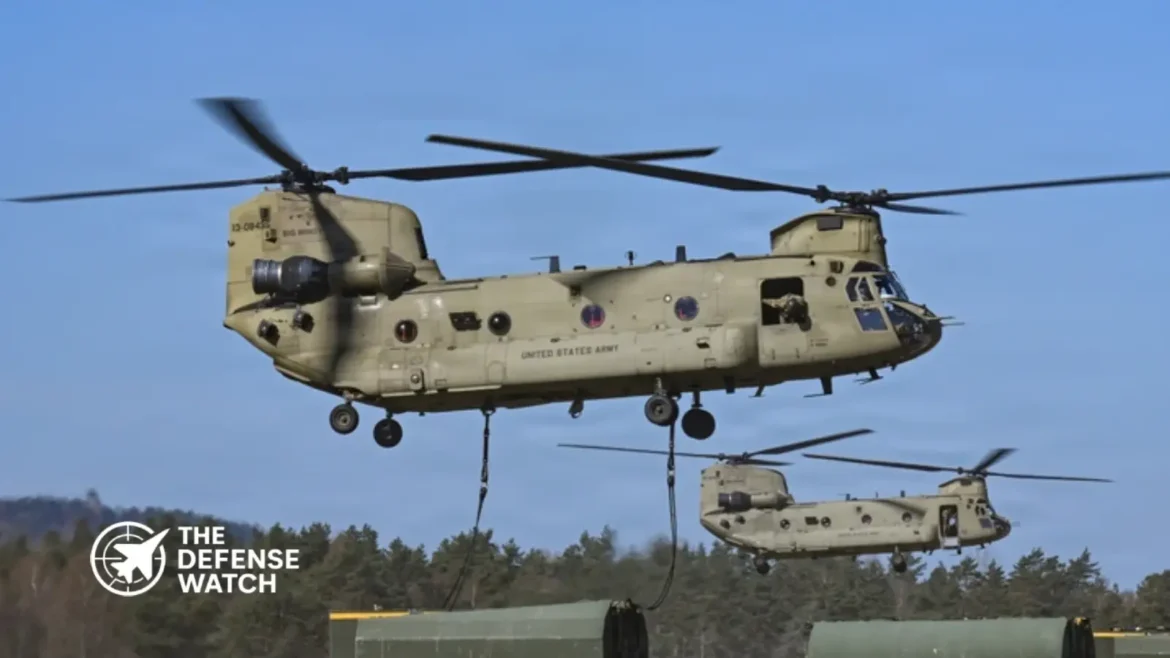
Boeing CH-47F Chinook Reaches New Automation Milestone
The CH-47F Chinook autonomous landing milestone marks a notable step in U.S. Army aviation modernization. Boeing announced that a U.S. Army CH-47F successfully completed a fully automated approach and landing using the company’s Approach-to-X, or A2X, software during recent testing. The aircraft touched down without pilot interaction during the final phase of flight.
- Boeing confirmed a CH-47F Chinook completed its first fully automated approach and landing during recent flight tests.
- The helicopter landed with all four wheels on the runway without pilot control inputs.
- Boeing used its Approach-to-X (A2X) software integrated with the Digital Automated Flight Control System.
- Since January 2026, the system has completed more than 150 automated approaches.
- The capability is aimed at reducing pilot workload and improving tactical landing precision.
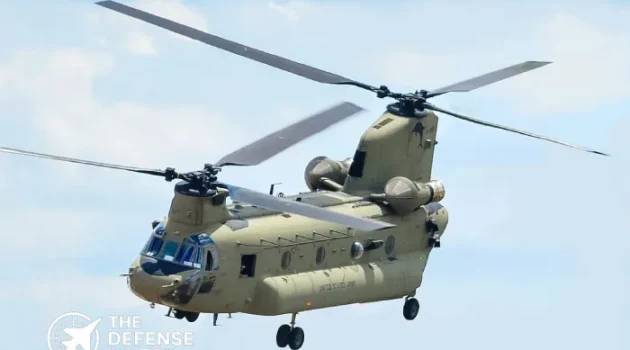
The twin-rotor Chinook remains one of the Army’s most important heavy-lift platforms, used for troop transport, artillery movement, resupply, and disaster response. Adding automation to such a mature platform shows the Pentagon is seeking faster capability gains through software upgrades rather than waiting for entirely new aircraft.
How The System Works
According to Boeing, pilots still set mission parameters such as landing zone, final altitude, approach angle, and entry speed. Once configured, the A2X software manages the flight path and control inputs needed to guide the helicopter to touchdown. Crews can still intervene or adjust course if battlefield conditions change.
That matters because military autonomy is increasingly focused on supervised systems, not pilot replacement. In practical terms, this means reducing crew workload while preserving human judgment.
For transport helicopters operating in dust, low visibility, or contested landing zones, a repeatable automated approach could improve safety and mission timing.
Why It Matters For The U.S. Army
The Army is modernizing the Chinook fleet through the Block II program, which adds greater lift capacity, range, and future growth margin. Combining Block II hardware upgrades with software autonomy could extend Chinook relevance well into coming decades.
This is a cost-effective path. Instead of buying a brand-new heavy-lift fleet, the Army can improve an aircraft already proven in Iraq, Afghanistan, Europe, and humanitarian operations worldwide.
It also aligns with wider Pentagon interest in reduced-crew and optionally crewed aviation systems.
Strategic Analysis
Rivals including China and Russia are investing in electronic warfare, long-range fires, and air defense networks that complicate helicopter operations. Faster, more precise approaches can help aircraft spend less time exposed near landing zones.
Autonomy alone does not solve survivability challenges, but paired with terrain masking, improved sensors, and networked mission planning, it can sharpen battlefield utility.
For Boeing, the successful test also strengthens the long-term case for keeping the Chinook central to U.S. and allied heavy-lift fleets.
What Comes Next
Boeing said additional testing will refine the software before broader fleet integration. If successful, future increments could include degraded-visual-environment landing support, tighter obstacle avoidance, and cooperative operations with uncrewed systems.
The result is clear: the Chinook is not being replaced soon. It is being digitally upgraded.
Indian Air Force Expands Dispersed Air Operations
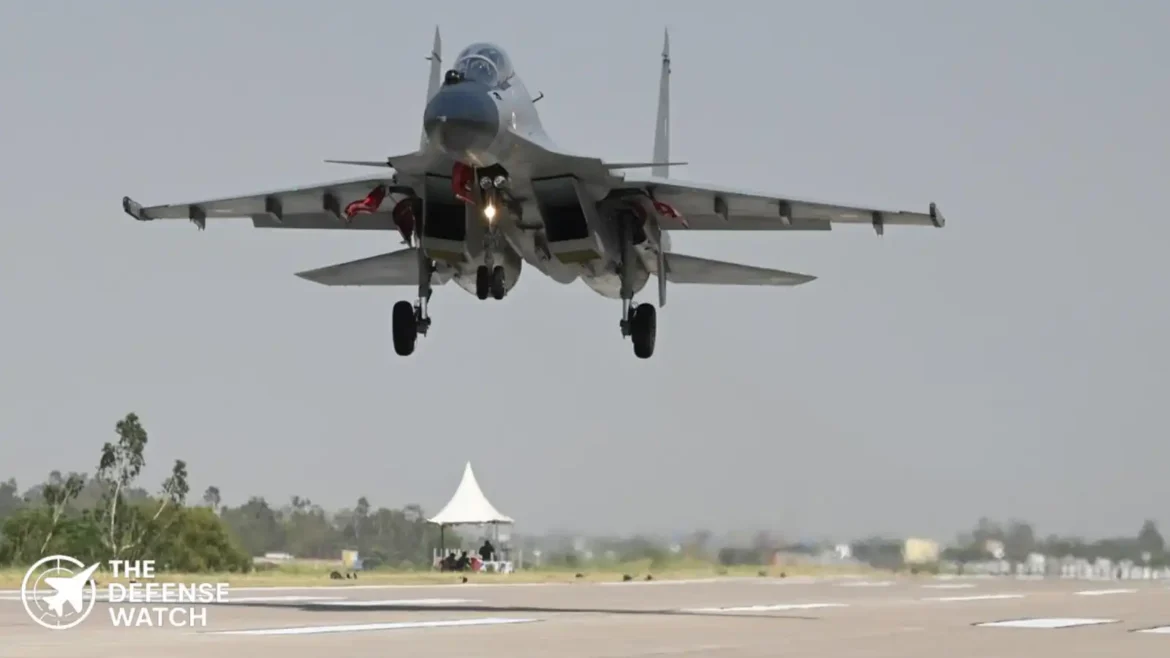
The Indian Air Force Emergency Landing Facility on the Purvanchal Expressway marks another step in India’s push to strengthen operational resilience and wartime flexibility. The newly activated strip allows military aircraft to land, refuel, redeploy, or stage missions from road infrastructure instead of relying solely on fixed airbases.
According to official statements, the drill demonstrated the IAF’s ability to operate beyond conventional airfields while reinforcing rapid disaster response capability. Senior attendees included Uttar Pradesh Minister Om Prakash Rajbhar, Air Marshal B Manikantan, Air Officer Commanding-in-Chief of Central Air Command, and UPEIDA CEO Deepak Kumar.
- Indian Air Force operationalised an Emergency Landing Facility on the Purvanchal Expressway in Uttar Pradesh.
- The facility enables military aircraft to use highway infrastructure when conventional airbases are unavailable or under pressure.
- The exercise highlighted rapid deployment capability, civil-military coordination, and disaster response readiness.
- Senior officials attending included Air Marshal B Manikantan and Uttar Pradesh minister Om Prakash Rajbhar.
- Highway landing strips are increasingly viewed as survivability assets in modern air warfare.
The event also showcased coordination between civilian state authorities and the military, an increasingly important factor in crisis response and national mobilization.
Why Highway Runways Matter In Modern Warfare
The Indian Air Force Emergency Landing Facility concept reflects a wider military trend. Fixed airbases are high-value targets in any conflict, especially under missile and drone attack. Dispersed operations using highways, auxiliary strips, and temporary bases can complicate enemy targeting and preserve sortie generation.
Several air forces, including those in Europe and Asia, regularly practice road-base operations for this reason. For India, the need is amplified by a two-front strategic environment involving both western and northern borders.
The Purvanchal Expressway site gives the IAF another option in northern India, where rapid aircraft movement can be critical during contingencies.
Purvanchal Expressway Adds Strategic Utility
The Purvanchal Expressway in Uttar Pradesh is already one of India’s major transport corridors. Converting sections into military-use landing strips adds dual-use strategic value to civilian infrastructure.
That model offers three advantages:
- Lower cost than building new dedicated airbases
- Faster expansion of emergency operating locations
- Improved military logistics during natural disasters or conflict
India has previously used expressways for fighter aircraft demonstrations and landing trials, but each new operationalised facility increases practical readiness rather than symbolic capability.
Beyond Combat, A Disaster Response Asset
The Indian Air Force Emergency Landing Facility is not only a wartime asset. It can support humanitarian relief after floods, earthquakes, or infrastructure failures by allowing transport aircraft and helicopters to stage closer to affected areas.
For a country with large geography and weather-related emergencies, this gives planners added flexibility. Military mobility often plays a decisive role in domestic disaster relief, especially when conventional airports are congested or damaged.
Regional Signaling And Readiness
The timing also matters. Across Asia, air forces are investing in survivability, mobility, and distributed basing. Precision strike weapons have changed the value of traditional large airbases. India’s investment in highway runway networks suggests planners are adapting to that reality.
While no specific threat was cited, the message is clear: the IAF wants the ability to continue operations even if standard infrastructure is disrupted.
That is a practical deterrence signal as much as a logistics upgrade.
Outlook
The Indian Air Force Emergency Landing Facility on the Purvanchal Expressway is a relatively low-cost capability with outsized strategic value. It enhances combat endurance, improves emergency response, and strengthens India’s dispersed air operations model.
As regional militaries modernize, infrastructure that can serve both civilian and military purposes is likely to become more common. India appears determined to stay ahead of that curve.