

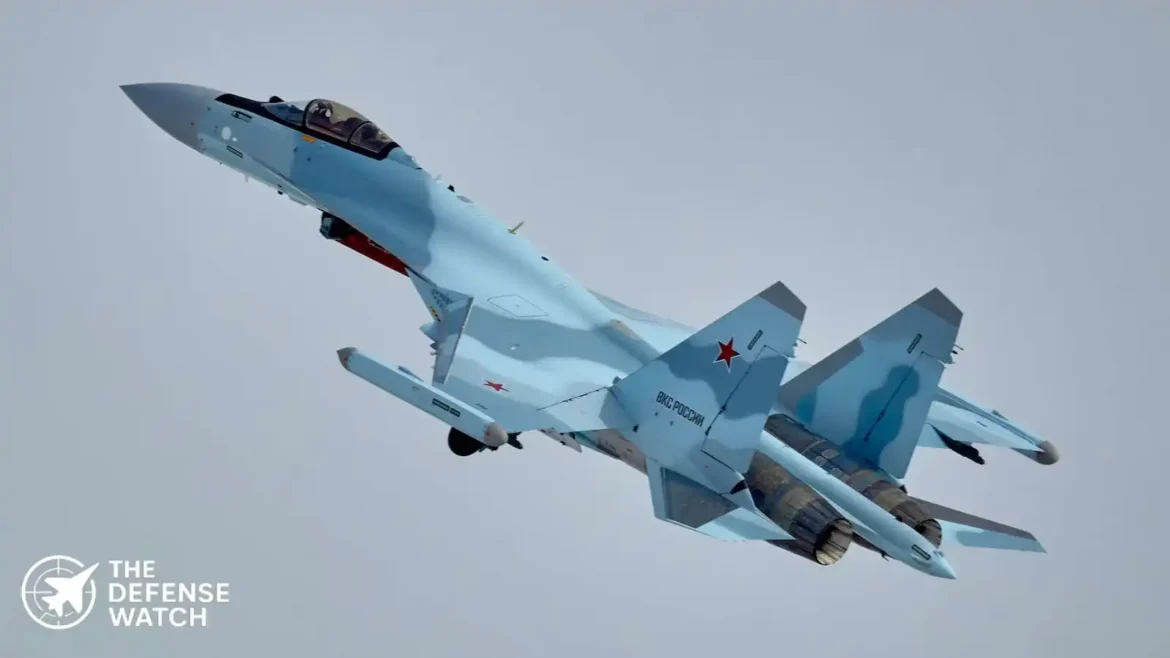
Russia Receives New Su-35S Fighters To Sustain Combat Air Power
Russia Su-35S fighters are entering service again as Moscow accepts a fresh batch of aircraft intended to reinforce tactical aviation forces. The latest delivery involves newly built Su-35S fighters transferred from Russian industry under the national defense procurement program.
The handover signals that Russia continues to prioritize fighter aircraft production despite wartime attrition, sanctions pressure, and heavy demand across multiple defense sectors. In practical terms, keeping fighter assembly lines active may matter as much as battlefield use, because replacing losses and rotating worn aircraft are now central to long-duration force planning.
- Russia has reportedly received a new batch of Su-35S multirole fighter aircraft from domestic industry.
- The aircraft were produced by United Aircraft Corporation under the state defense order.
- Su-35S fighters are designed for air superiority, long-range interception, and precision strike missions.
- Deliveries suggest Russia is prioritizing tactical aviation fleet replacement and sustainment.
- Continued fighter production remains strategically important amid ongoing operational pressure.
The Su-35S is one of Russia’s most capable non-stealth combat aircraft. Developed as an advanced derivative of the Su-27 family, it combines long range, high maneuverability, powerful radar systems, and a large weapons payload.
Why The New Su-35S Delivery Matters
New Su-35S delivery announcements often carry political and industrial messaging beyond the aircraft themselves. They show domestic production continuity, signal confidence in the aerospace sector, and reassure military planners that replenishment pipelines remain open.
That matters because modern fighter fleets consume readiness quickly during sustained operations. Airframes require maintenance cycles, engines need overhaul periods, and avionics support becomes increasingly important over time. Even if aircraft losses are limited, operational wear can reduce available combat numbers.
For Russia, adding new Su-35S fighters can help in several ways:
- Replace damaged or retired aircraft
- Support homeland air defense patrols
- Escort strike packages
- Extend long-range air presence
- Preserve readiness of other fighter types
Su-35S Capabilities And Operational Role
The Su-35S is generally categorized as a 4++ generation fighter, bridging older fourth-generation designs and fifth-generation stealth platforms. It uses thrust-vectoring engines, advanced sensors, and can carry air-to-air missiles, guided bombs, and anti-ship weapons.
Its strongest advantage is range and payload. Compared with lighter fighters, the aircraft can remain on station longer and carry more weapons. That makes it useful for large-area patrols or stand-off strike missions.
However, modern air combat increasingly favors stealth, networked targeting, and survivability against dense air defenses. While powerful, the Su-35S still reflects a design philosophy centered on kinematics and weapons load rather than low observability.
Industrial And Strategic Context
The latest Russia Su-35S fighters delivery also reflects the resilience of the country’s defense-industrial base. Western sanctions aimed to restrict access to components, finance, and aerospace technology. Continued aircraft output suggests Moscow has either adapted supply chains, substituted parts, or prioritized resources for key programs.
Still, sustaining production is different from expanding it. Analysts often watch delivery tempo, fleet modernization rates, and maintenance quality more closely than headline announcements.
If deliveries remain steady, Russia can preserve a credible tactical aviation force. If output slows, pressure on existing fleets could increase sharply.
Outlook
The arrival of additional Su-35S fighters indicates Russia intends to maintain airpower depth while broader modernization efforts continue. Though stealth aircraft attract most attention globally, proven multirole fighters still form the backbone of many air forces.
For now, the Su-35S remains a central pillar of Russia’s combat aviation inventory.

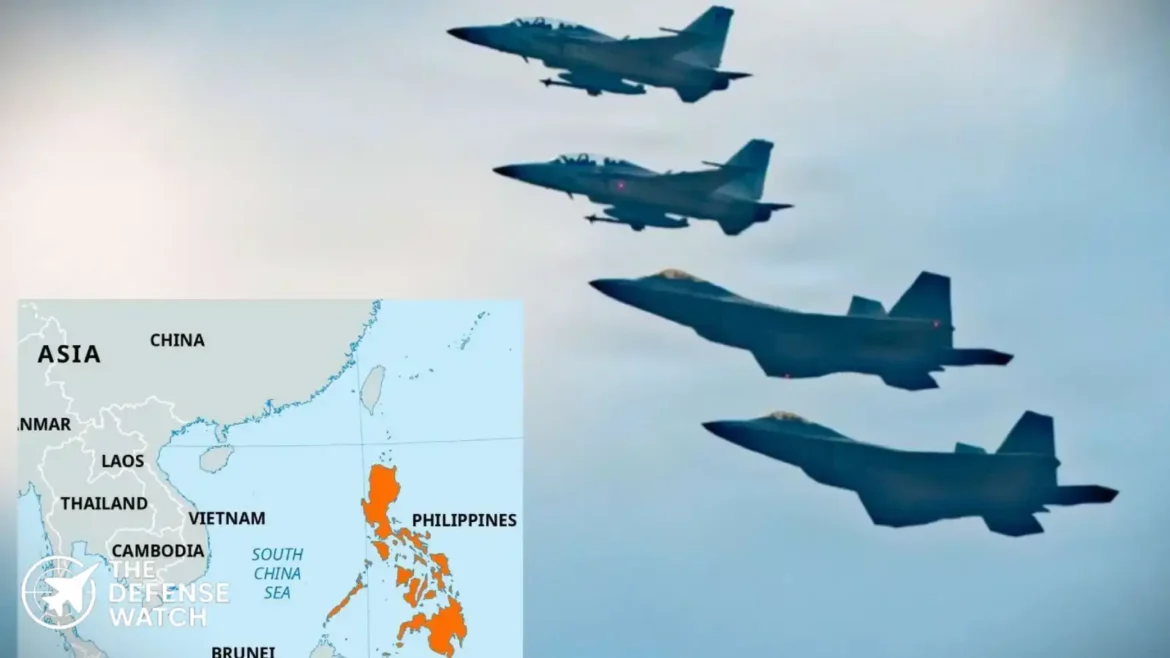
U.S. F-22 Raptors Deepen Indo-Pacific Interoperability With Philippine FA-50PHs
U.S. F-22 Raptors have conducted joint air combat interoperability training with Philippine Air Force FA-50PH fighter aircraft, marking another step in expanding allied airpower cooperation across the Indo-Pacific. The exercise underscores Washington and Manila’s growing focus on readiness, deterrence, and combined operations.
- U.S. F-22 Raptors trained alongside Philippine Air Force FA-50PH fighters in new bilateral air combat exercises.
- The drills focused on interoperability, tactical coordination, and joint mission execution.
- F-22 Raptors bring stealth, sensor fusion, and air dominance capabilities to allied operations.
- Philippine FA-50PH aircraft provide multirole combat capability and rapid-response flexibility.
- The exercise highlights growing U.S.-Philippine defense cooperation in the Indo-Pacific.
The training comes as regional security concerns continue to shape military planning across the South China Sea and wider Pacific theater. For both countries, practical integration between air forces is increasingly valuable.
Why The Drill Matters Now
Joint training between fifth-generation U.S. fighters and regional partner aircraft offers more than symbolic value. It creates real-world familiarity between pilots, mission planners, maintainers, and command structures.
The U.S. F-22 Raptors remain one of the world’s premier air superiority platforms. Combining stealth shaping, high-end sensors, supercruise speed, and advanced data awareness, the aircraft is designed to dominate contested airspace.
For the Philippines, operating alongside the F-22 helps expose crews to advanced tactical procedures that can improve national air defense operations. Even limited interactions with such aircraft can raise standards in mission planning, communications discipline, and air battle management.
FA-50PH Role In Philippine Defense Strategy
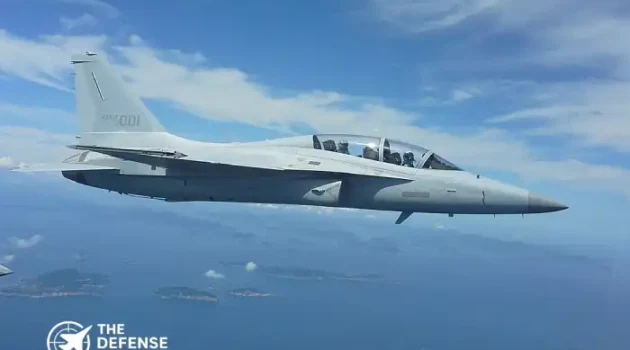
The Philippine Air Force’s FA-50PH fleet has become a central part of Manila’s modern combat aviation capability. Derived from the South Korean FA-50 platform, the aircraft can perform air defense, strike, training, and patrol missions.
While it is not in the same class as stealth fighters, the FA-50PH gives the Philippines a flexible and cost-effective fast jet fleet that can respond quickly to security events.
Its participation in exercises with U.S. F-22 Raptors also reflects a broader strategy, pairing national assets with allied high-end systems to improve layered deterrence.
Strategic Message Across The Indo-Pacific
The timing of such exercises matters. U.S.-Philippine military ties have accelerated in recent years through expanded base access, rotational deployments, maritime patrols, and combined exercises.
Airpower cooperation sends a visible signal that alliance commitments are backed by operational activity, not only policy statements.
For regional observers, the presence of F-22 aircraft in exercises suggests the U.S. is willing to deploy premier combat assets forward when required. That can shape deterrence calculations among competitors and reassure partners.
What Interoperability Really Means
Interoperability is often used as a broad term, but in military aviation it has direct operational meaning:
- Shared radio procedures
- Common tactical language
- Coordinated target identification
- Deconflicted airspace management
- Faster mission handoff between aircraft types
- Better response during crises or natural disasters
These foundations become critical during real contingencies, when reaction time is limited.
Outlook For Future U.S.-Philippine Air Cooperation
As the Philippines continues military modernization, future exercises could expand into maritime strike coordination, integrated air defense drills, and larger multinational events.
The U.S. F-22 Raptors training with Philippine FA-50PHs indicates a maturing defense relationship centered on practical readiness. In a region where distance, speed, and air control matter, that cooperation carries growing strategic weight.
Ukrainian F-16 Fighter Jet Transfer Signals Continued Fleet Growth
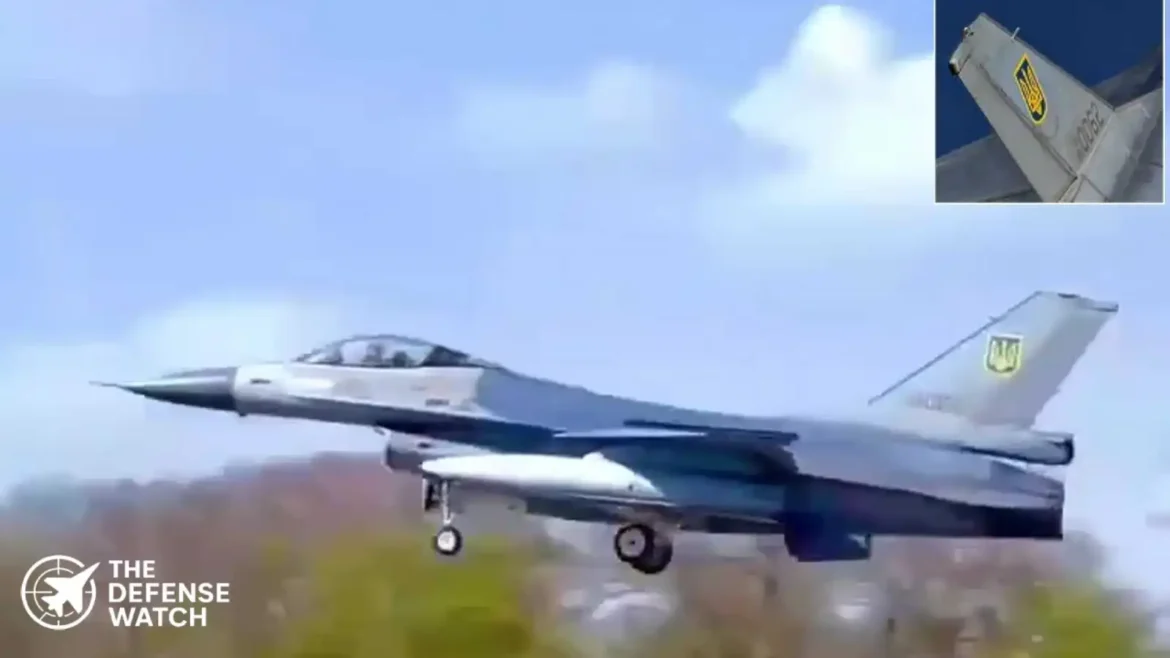
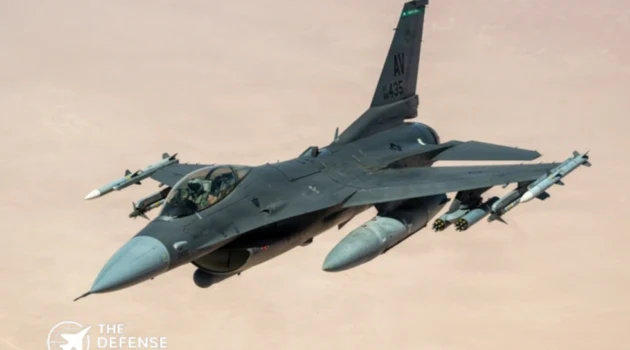
A Ukrainian F-16 fighter jet reportedly transferred by the Netherlands has been observed departing a Belgian airport, according to reporting by Army Recognition. While official authorities did not publicly identify the specific aircraft movement, the sighting points to continued progress in Kyiv’s effort to build a modern Western fighter fleet.
The transfer matters because each additional F-16 increases Ukraine’s ability to defend airspace, intercept cruise missiles, and conduct more accurate strike missions. Unlike Soviet-era aircraft still in Ukrainian service, the F-16 offers stronger radar performance, broader weapons integration, and easier access to NATO-standard maintenance and training pipelines.
- A Ukrainian F-16 fighter jet transferred by the Netherlands was reportedly spotted departing a Belgian airport.
- The aircraft is believed to be part of the multinational NATO-backed program supplying F-16s to Ukraine.
- Belgium has become a key logistics and training hub for European F-16 transition efforts.
- Additional aircraft deliveries would strengthen Ukraine’s air defense and precision strike capacity.
- The Netherlands remains one of Kyiv’s leading European combat aviation donors.
The Netherlands has been among the most committed European supporters of the fighter transfer initiative. Dutch officials previously pledged multiple retired F-16 aircraft after transitioning to the F-35 fleet. Those airframes are now being used for direct transfer, spare parts support, or training programs depending on condition and readiness.
Why Belgium Matters In The F-16 Pipeline
Belgium’s role is strategically important even when it is not the donor nation. Belgian air bases and aerospace infrastructure provide a practical transit point for aircraft refurbishment, pilot conversion activity, technical preparation, and onward movement.
This suggests the reported departure may be part of a larger coordinated logistics chain rather than a simple one-time handover. Western fighter transfers require inspections, software alignment, documentation, mission system checks, and coordination with training schedules.
For Ukraine, receiving aircraft is only one part of the equation. Sustainable combat power depends on:
- Pilot conversion training
- Ground crew certification
- Spare engines and parts
- Weapons stock integration
- Hardened basing and dispersal planning
- Secure command and control links
That means every visible aircraft movement can represent months of behind-the-scenes preparation.
What The Ukrainian F-16 Fighter Jet Adds To Combat Operations
The Ukrainian F-16 fighter jet program is designed to gradually replace aging Soviet aircraft such as the MiG-29 and Su-27 in selected roles. While no single fighter can change the war alone, the F-16 offers several practical advantages:
Air Defense Intercepts
The aircraft can respond faster to missile and drone threats when paired with modern sensors and guided missiles.
Precision Strike Missions
The F-16 can employ a wide range of Western-guided munitions, improving target accuracy.
Survivability
Modern electronic warfare systems and situational awareness tools can improve pilot survivability in contested airspace.
NATO Interoperability
Shared standards simplify future training, sustainment, and coalition support.
Strategic Limits Still Remain
Even with more deliveries, Ukraine’s F-16 fleet will operate under constraints. Russian long-range air defenses, electronic warfare systems, and missile threats continue to shape mission planning. Aircraft numbers also remain limited compared with prewar major air forces.
That means the best use of the Ukrainian F-16 fighter jet fleet may be selective, high-value missions rather than constant front-line exposure. Intercepts, defensive patrols, and stand-off strike roles are likely to remain priorities.
Netherlands Support Carries Political Weight
The Dutch decision to continue transfers also carries political significance. It signals that long-term military assistance to Ukraine remains active among key European NATO members. Fighter donations are more complex than artillery or vehicles because they involve years of training, sustainment, and security commitments.
Each successful aircraft delivery therefore demonstrates not just hardware support, but enduring coalition coordination.
Outlook
If additional sightings and confirmations follow, Ukraine’s F-16 inventory will continue to expand incrementally through 2026. That slow but steady approach may prove more valuable than rapid one-time deliveries, because trained crews, spare parts, and combat readiness can grow together.
For Kyiv, every added aircraft increases options. For Europe, every transfer reinforces the message that advanced support programs remain in motion.
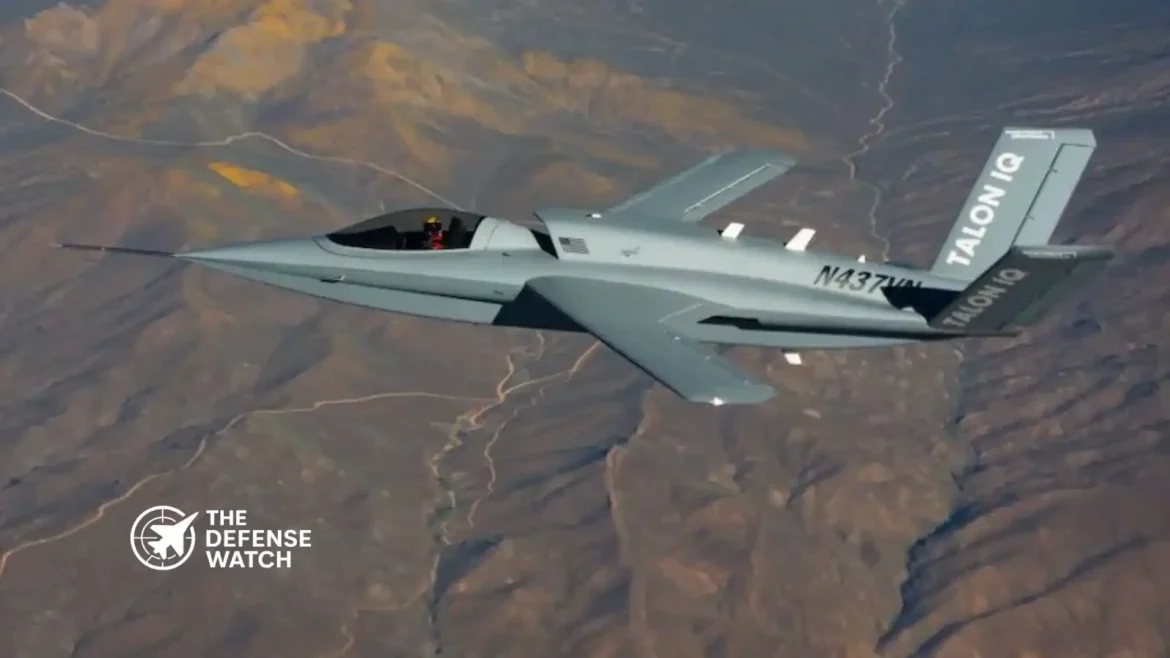
- Northrop Grumman successfully demonstrated mid-flight autonomy software swapping on its Talon IQ testbed aircraft.
- The test enables real-time updates to onboard autonomy systems without landing or interrupting missions.
- The capability supports modular open systems architecture for faster integration of new software and mission tools.
- Demonstration aligns with U.S. military efforts to accelerate AI-driven and autonomous combat capabilities.
- The Talon IQ platform serves as a flexible airborne testbed for next-generation autonomy technologies.
Northrop Grumman Autonomy Software Swap Demonstration Signals Shift in Air Combat Flexibility
The Northrop Grumman autonomy software swap demonstration marks a significant step toward real-time adaptability in military aviation, as the company successfully executed a mid-flight software update on its Talon IQ airborne test platform.
According to reporting from Northrop Grumman, the test proved that autonomy software can be modified and replaced during flight without interrupting operations. The demonstration was conducted on the Talon IQ, a platform designed to evaluate next-generation autonomous and AI-driven capabilities.
This milestone highlights a broader push across the U.S. defense sector to adopt modular, software-defined architectures that can evolve rapidly in response to emerging threats.
Real-Time Software Updates Without Mission Disruption
The core achievement of the test lies in its ability to perform a seamless software transition while airborne. Traditionally, updates to mission systems require aircraft to be grounded, tested, and redeployed. That process can take hours or even days.
By contrast, the demonstrated capability allows operators to swap autonomy algorithms mid-mission. This opens the door to dynamic mission adaptation, where aircraft can adjust behavior based on changing battlefield conditions.
From an operational standpoint, this could allow:
- Rapid updates to threat recognition algorithms
- Integration of new mission parameters during flight
- Real-time testing and validation of AI models
This approach reflects the growing importance of software dominance in modern warfare, where adaptability can outweigh raw hardware performance.
Modular Open Systems Architecture Gains Momentum
The Northrop Grumman autonomy software swap test aligns with the U.S. Department of Defense push for Modular Open Systems Architecture, often referred to as MOSA.
MOSA aims to decouple hardware and software development, allowing components to be upgraded independently. In practical terms, this reduces vendor lock-in and accelerates innovation cycles.
The Talon IQ testbed is built to support this concept. It acts as a flying laboratory where different autonomy stacks, sensors, and mission systems can be integrated and evaluated without redesigning the entire platform.
This modular approach is increasingly seen as essential for programs such as:
- Collaborative combat aircraft
- Loyal wingman drones
- AI-enabled ISR platforms
The ability to update systems mid-flight reinforces the viability of MOSA in real-world operations, not just controlled test environments.
Strategic Implications for Autonomous Warfare
The successful demonstration of a Northrop Grumman autonomy software swap has broader implications beyond a single test.
First, it supports the shift toward software-defined warfare. In this model, the effectiveness of a platform depends less on its physical configuration and more on its software capabilities.
Second, it enables faster iteration cycles. Military developers can deploy, test, and refine autonomy algorithms in operational conditions, shortening the feedback loop significantly.
Third, it enhances resilience. If a vulnerability or performance issue is identified, updates can be deployed immediately without waiting for the platform to return to base.
This capability becomes especially relevant in contested environments where communications and logistics may be degraded.3
Talon IQ as a Testbed for Future Combat Systems
The Talon IQ platform plays a central role in this development. Designed as a flexible and reconfigurable testbed, it allows engineers to experiment with advanced autonomy concepts in a real-world flight environment.
Unlike traditional test aircraft, Talon IQ emphasizes rapid integration and experimentation. This makes it well-suited for evaluating emerging technologies tied to artificial intelligence, machine learning, and autonomous decision-making.
The platform’s role is expected to expand as the U.S. military continues investing in next-generation air combat systems, including unmanned and optionally crewed aircraft.
Industry Context and Competitive Landscape
The Northrop Grumman autonomy software swap demonstration comes at a time when defense contractors are racing to define the future of autonomous airpower.
Companies across the U.S. and allied nations are developing systems capable of operating with increasing levels of independence. Programs such as collaborative combat aircraft and swarm-enabled drones rely heavily on adaptable software frameworks.
In this environment, the ability to update autonomy systems in flight could provide a competitive edge. It allows operators to maintain technological relevance even as threats evolve rapidly.
Moreover, it aligns with Pentagon priorities around agile development and continuous capability delivery.
Why This Matters Now
The timing of this demonstration is notable. As geopolitical tensions rise and air defense systems become more sophisticated, the demand for adaptable and resilient platforms is increasing.
Autonomous systems are expected to operate in highly contested environments where pre-programmed behavior may not be sufficient. Real-time updates offer a way to maintain effectiveness under these conditions.
The Northrop Grumman autonomy software swap capability directly addresses this need, providing a pathway toward more responsive and flexible air operations.
Finland F-35A Training Marks Key Step Toward Operational Capability
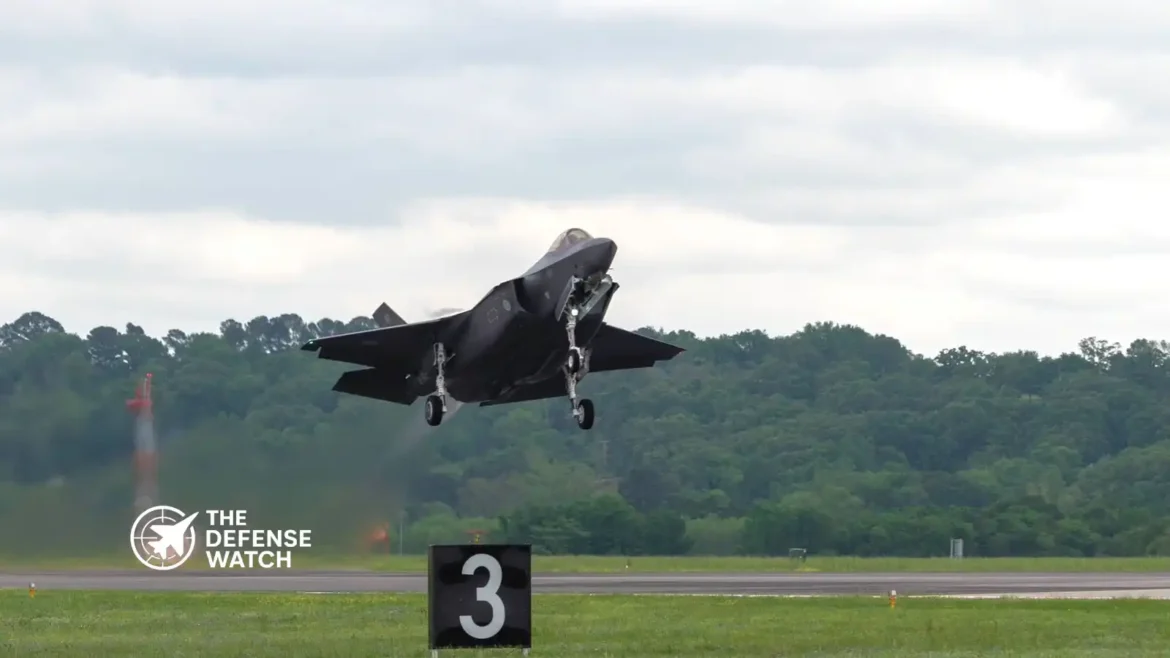
Finland F-35A training has reached a critical milestone after a Finnish Air Force pilot completed the country’s first flight in the F-35A in the United States, signaling steady progress toward operational readiness. The development was reported by Defence Industry Europe, highlighting the growing pace of Finland’s transition to fifth-generation airpower.
The flight forms part of a structured training pipeline conducted in close coordination with the U.S. Air Force. Finnish pilots and ground crews are undergoing comprehensive instruction designed to prepare them for the complexities of operating the stealth fighter, including sensor fusion, network-centric warfare, and advanced mission planning.
This milestone is not symbolic. It reflects a tangible shift from procurement to capability development.
- A Finnish Air Force pilot has completed the first F-35A flight in the United States as part of Finland’s training program.
- The training is being conducted in cooperation with the U.S. Air Force to prepare Finnish crews for operational deployment.
- Finland selected the F-35A in 2021 to replace its legacy F/A-18 Hornet fleet under the HX fighter program.
- Initial operational capability is expected later this decade as aircraft deliveries and training progress.
- The milestone reflects Finland’s broader integration into NATO airpower and advanced combat aviation networks.
Transition From Legacy Fighters To Fifth-Generation Capability
Finland selected the F-35A Lightning II in 2021 under its HX fighter program to replace its aging fleet of F/A-18 Hornets. The decision aligned Helsinki with a growing group of European operators adopting the platform to maintain technological parity with near-peer competitors.
The Finland F-35A training effort is central to that transition. Unlike legacy aircraft, the F-35A requires a different operational mindset. Pilots must manage large volumes of fused data while operating in contested environments where stealth and electronic warfare play decisive roles.
Training in the United States allows Finnish personnel to integrate directly into an established ecosystem. This includes exposure to U.S. operational doctrine, maintenance practices, and joint mission scenarios. Such integration reduces the time needed to achieve effective combat readiness once the aircraft are delivered to Finland.
Strategic Context: NATO Integration And Regional Deterrence
The timing of Finland’s F-35A training progress is significant. Following its accession to NATO, Finland is rapidly aligning its defense posture with alliance standards. The F-35A is widely regarded as a cornerstone of NATO’s future airpower architecture due to its ability to operate as a force multiplier across domains.
From a strategic perspective, Finland’s adoption of the F-35A enhances deterrence in Northern Europe. The aircraft’s stealth characteristics and advanced sensors improve situational awareness across the Baltic region, an area of increasing military activity.
The Finland F-35A training program also supports interoperability. Finnish pilots trained alongside U.S. and allied counterparts will be better positioned to participate in joint operations, exercises, and integrated air defense missions.
This interoperability is critical. Modern conflicts are unlikely to be fought in isolation, and shared platforms simplify coordination at both tactical and operational levels.
Building Toward Operational Readiness
While the first flight marks a major milestone, Finland’s path to full operational capability remains phased. Training will continue in the United States before transitioning to domestic operations as aircraft deliveries begin.
Ground crews, logistics personnel, and command structures must also adapt. The F-35A introduces new maintenance requirements and digital infrastructure, including secure data systems that support mission planning and real-time updates.
The Finland F-35A training framework is designed to address these challenges early. By building expertise ahead of aircraft delivery, Finland aims to avoid capability gaps during the transition period.
Initial operational capability is expected later in the decade, with full operational capability to follow as more aircraft enter service and training cycles mature.
Analysis: Why This Milestone Matters
The first Finnish F-35A flight represents more than pilot proficiency. It demonstrates that Finland is effectively executing one of Europe’s most significant fighter modernization programs.
From an operational standpoint, early training milestones reduce long-term risk. Countries that delay training often face bottlenecks when aircraft deliveries accelerate. Finland’s approach suggests a deliberate effort to synchronize training, infrastructure, and procurement timelines.
There is also a broader geopolitical signal. By advancing its F-35A training in partnership with the United States, Finland reinforces its commitment to transatlantic defense cooperation. This is particularly relevant given evolving security dynamics in Northern and Eastern Europe.
At the same time, the reliance on U.S.-based training highlights the continued importance of American infrastructure in enabling allied capability development. Even as European defense initiatives expand, U.S. platforms and training ecosystems remain central to NATO’s operational readiness.
France Armed Drone Squadrons Mark Strategic Airpower Shift
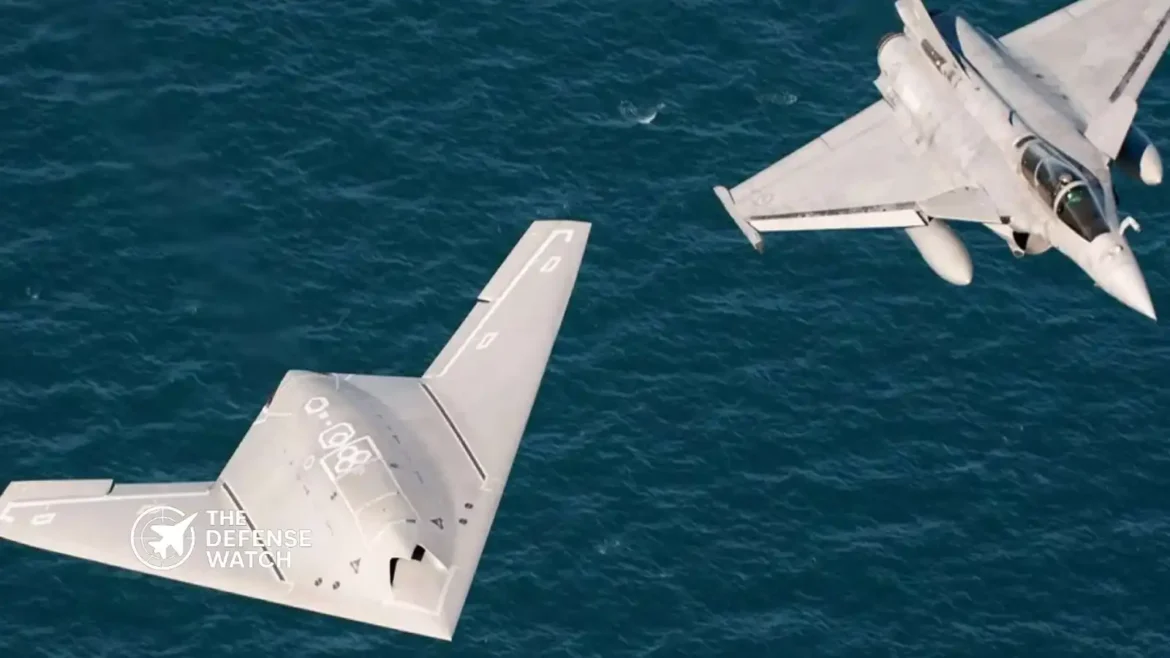
France armed drone squadrons are becoming a central pillar of the country’s evolving air combat doctrine, as the French Air and Space Force moves to integrate unmanned systems and loyal wingman concepts into frontline operations.
Paris is restructuring its aerial force posture to include dedicated armed drone units capable of executing strike, surveillance, and support missions alongside manned aircraft.
This shift reflects a broader reassessment of modern warfare, where unmanned platforms are increasingly shaping battlefield outcomes.
- France is restructuring its air force with dedicated armed drone squadrons to enhance combat flexibility and endurance.
- The strategy includes integration of loyal wingman drones to operate alongside manned fighter aircraft.
- Unmanned systems are expected to support ISR, strike missions, and electronic warfare roles.
- The shift aligns with broader European efforts to modernize air combat under future combat air system programs.
- The move reflects lessons from recent conflicts where drones have played a decisive operational role.
From ISR Platforms to Armed Combat Assets
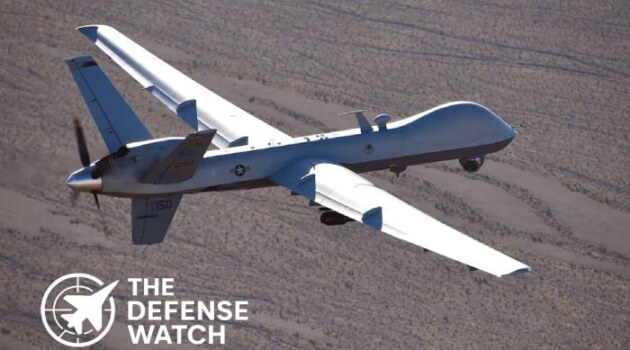
France has long operated drones primarily for intelligence, surveillance, and reconnaissance missions. Platforms like the MQ-9 Reaper have been used extensively in overseas operations, particularly in Africa’s Sahel region.
However, the expansion of France armed drone squadrons signals a transition toward more offensive roles. Armed UAVs are now expected to conduct precision strikes, persistent overwatch, and target designation in contested environments.
This mirrors operational trends seen in conflicts such as Ukraine, where drones have proven critical for both tactical and strategic missions.
Loyal Wingmen Concept Gains Momentum
A key component of the new strategy is the adoption of loyal wingman drones, unmanned systems designed to operate in coordination with manned fighter jets like the Dassault Rafale.
These drones can perform high risk tasks, including electronic warfare, suppression of enemy air defenses, and forward reconnaissance, reducing pilot exposure to threats.
Programs tied to Europe’s Future Combat Air System, led by Dassault Aviation and Airbus, are expected to play a major role in developing these capabilities.
The integration of loyal wingmen is not just a technological upgrade. It represents a doctrinal shift toward networked, distributed air combat operations.
Operational Impact and Strategic Context
The expansion of France armed drone squadrons comes amid rising security challenges in Europe and beyond. NATO air forces are adapting to increasingly contested airspace, where advanced air defenses and electronic warfare systems limit traditional manned operations.
By deploying unmanned systems, France can maintain operational reach while reducing risk to personnel and lowering mission costs over time.
From an operational standpoint, drones provide endurance that manned aircraft cannot match. They can loiter over targets for extended periods, gather intelligence, and strike when conditions are optimal.
This capability is especially relevant for expeditionary operations and hybrid conflict scenarios.
Analysis: Closing the Capability Gap
France’s move highlights a growing recognition that future air dominance will depend on manned unmanned teaming.
The United States, through programs like the U.S. Air Force’s collaborative combat aircraft initiative, and countries such as Australia and the United Kingdom, have already invested heavily in loyal wingman technologies.
France’s approach suggests it aims to close this gap while aligning with European defense initiatives.
At the same time, the success of this strategy will depend on integration, not just acquisition. Command and control systems, secure data links, and artificial intelligence will determine how effectively these drones operate in complex combat environments.
There is also the question of scale. Building a few drone units is not enough. Sustained investment will be required to field a credible unmanned force that can operate alongside advanced fighters.
European Defense and Future Outlook
France armed drone squadrons are likely to influence broader European defense planning. As part of the Future Combat Air System framework, these capabilities could eventually be shared or integrated across allied air forces.
The shift also reinforces Europe’s push for strategic autonomy in defense technology, reducing reliance on external suppliers for critical systems.
Looking ahead, France is positioning itself to operate in a hybrid air combat environment where manned jets, drones, and space based assets work together in a unified network.
This transformation is still underway, but the direction is clear. Airpower is becoming more distributed, more automated, and increasingly reliant on unmanned systems.
US Air Force Advances B-21 Raider Aerial Refueling Capability
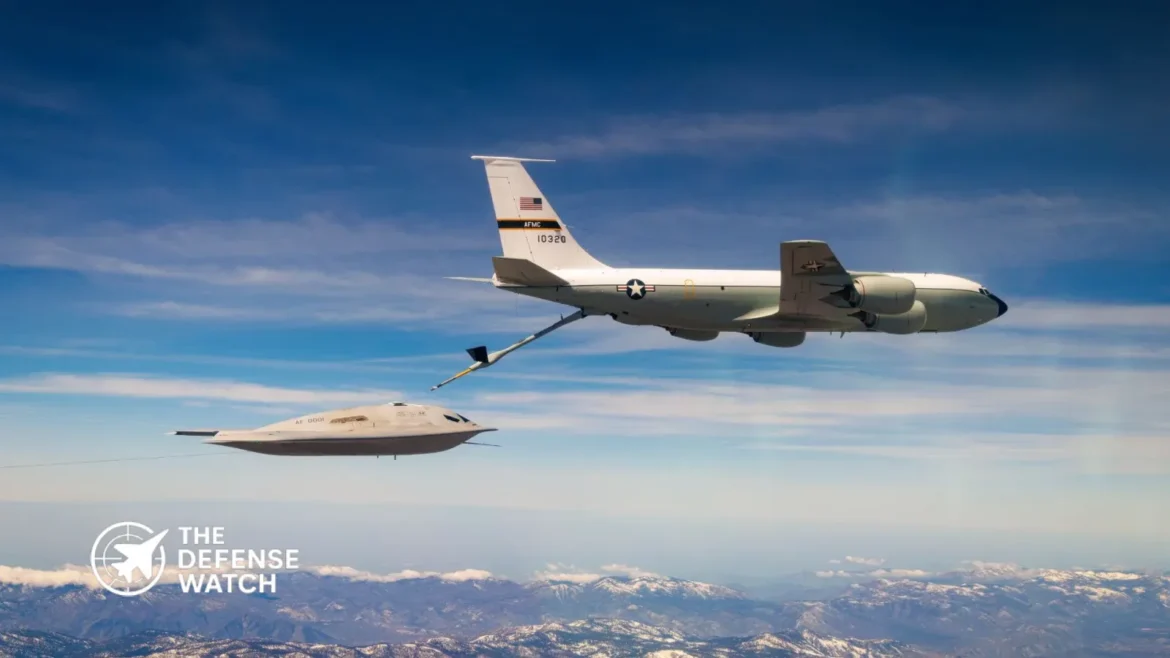
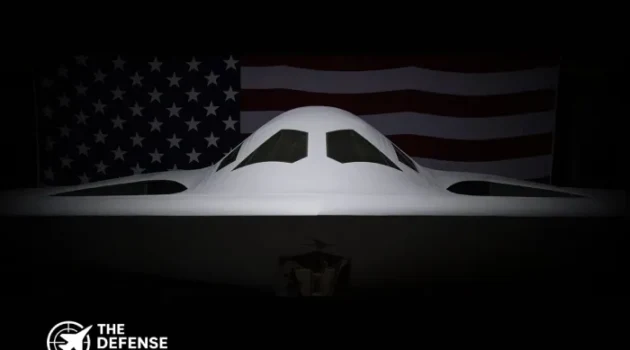
The B-21 Raider aerial refueling program has reached a critical milestone as the US Air Force completed its first in-flight refueling tests with the next-generation stealth bomber, significantly expanding its projected global strike reach.
The trials confirm that the B-21 can successfully integrate with existing aerial refueling infrastructure, a requirement for sustained long-range operations across contested theaters.
This development marks a key step toward operational readiness for the aircraft, which is expected to replace portions of the aging bomber fleet while enhancing survivability in high-threat environments.
- The US Air Force has conducted its first aerial refueling tests with the B-21 Raider stealth bomber.
- The tests validate the aircraft’s ability to extend range and endurance for global strike missions.
- The B-21 is designed to penetrate advanced air defenses and operate in contested environments.
- Aerial refueling integration is critical for the bomber’s operational deployment and nuclear mission readiness.
- The milestone supports the USAF’s broader modernization of its long-range strike and deterrence capabilities.
Extending Range for Global Strike Missions
Aerial refueling is central to the B-21’s mission profile. By enabling extended endurance, the bomber can conduct intercontinental missions without relying heavily on forward basing, a growing concern amid evolving geopolitical tensions.
The B-21 Raider aerial refueling capability allows the platform to remain airborne longer, increasing mission flexibility and reducing predictability, both critical in modern warfare scenarios.
The aircraft is designed to operate alongside tanker platforms such as the KC-46 Pegasus and KC-135 Stratotanker, ensuring compatibility with the Air Force’s existing logistics backbone.
From an operational standpoint, this integration enhances the United States’ ability to project power globally while maintaining a lower forward footprint, a strategic advantage in contested regions like the Indo-Pacific.
Supporting Stealth Penetration and Survivability
The B-21 Raider is engineered for deep penetration missions against advanced integrated air defense systems. Its stealth characteristics, combined with extended range through refueling, allow it to strike high-value targets without early detection.
The B-21 Raider aerial refueling milestone reinforces the aircraft’s role in penetrating heavily defended airspace, where access to forward bases may be limited or denied.
Unlike legacy bombers, the B-21 is expected to operate in highly contested environments from the outset, reflecting a shift in US doctrine toward survivability and resilience.
This also aligns with the Pentagon’s emphasis on distributed operations, where platforms must operate across vast distances while remaining adaptable to rapidly changing threat conditions.
Strategic Implications for Nuclear and Conventional Deterrence
The B-21 Raider will play a dual role in both conventional and nuclear missions, forming a core component of the US nuclear triad. Aerial refueling is essential for ensuring that the bomber can meet the endurance requirements of strategic deterrence patrols.
By validating the B-21 Raider aerial refueling capability, the Air Force moves closer to certifying the aircraft for nuclear operations, a process that requires rigorous testing and integration.
This capability also enhances deterrence credibility. A bomber that can reach targets globally without relying on vulnerable bases complicates adversary planning and increases strategic uncertainty.
In practical terms, it strengthens the United States’ ability to respond rapidly to crises while maintaining a persistent deterrent posture.
Program Progress and Modernization Context
The B-21 Raider program is one of the Air Force’s top modernization priorities, aimed at replacing older platforms such as the B-1B Lancer and B-2 Spirit over time.
The successful aerial refueling tests indicate steady progress in flight testing and system integration, suggesting that the program is moving closer to initial operational capability.
The B-21 Raider aerial refueling milestone also reflects broader efforts to modernize the US bomber fleet in response to evolving threats from near-peer competitors.
Defense analysts note that range, survivability, and flexibility are becoming increasingly important as adversaries invest in anti-access and area denial systems designed to limit US power projection.
Analysis: Why This Milestone Matters Now
This development is more than a routine test milestone. It highlights a broader shift in how the US Air Force plans to conduct long-range strike operations.
First, reliance on aerial refueling reduces dependence on overseas bases, many of which are within range of adversary missile systems. This lowers vulnerability and increases operational resilience.
Second, it reinforces the concept of dynamic force employment, where assets can be repositioned rapidly without fixed infrastructure constraints.
Third, it underscores the importance of integrating new platforms into existing support networks. The ability of the B-21 to seamlessly connect with current tanker fleets reduces the need for costly new infrastructure.
Finally, the timing is notable. As strategic competition intensifies, particularly in the Indo-Pacific and Europe, the ability to conduct long-range, survivable strike missions becomes a central pillar of deterrence.
RAF Tests Low Cost Typhoon Weapon Against Drone Threats
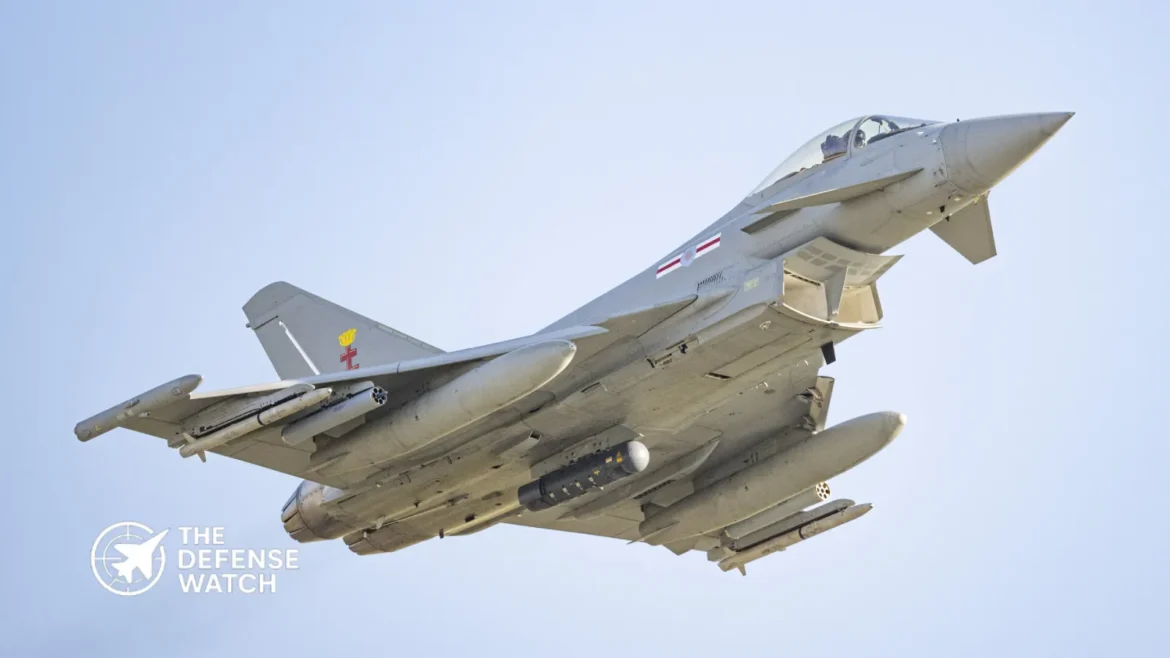
The Typhoon low cost weapon test marks a significant step in adapting modern fighter aircraft to counter the growing threat posed by unmanned aerial systems, according to reporting from UK Defence Journal.
The Royal Air Force has conducted trials of a new low cost weapon integrated onto the Eurofighter Typhoon, aimed specifically at defeating drones in a more cost effective manner. The initiative reflects a broader shift across Western air forces, which are increasingly seeking scalable solutions to counter large numbers of low cost aerial threats.
Unlike traditional air to air missiles, which can cost hundreds of thousands or even millions of dollars per shot, the new system is designed to provide a more economical option when engaging relatively inexpensive drones.
- The RAF has tested a new low cost weapon on the Typhoon to counter emerging drone threats.
- The system is designed to provide an affordable alternative to expensive air to air missiles.
- The test reflects growing concern over mass drone attacks in modern conflicts.
- Typhoon’s integration highlights a shift toward scalable and sustainable air defense solutions.
- The development aligns with broader Western efforts to adapt fighter aircraft to counter UAV swarms.
Addressing The Cost Imbalance In Air Combat
One of the central challenges in modern air defense is the cost imbalance between offensive and defensive systems. Adversaries can deploy large numbers of low cost drones, forcing defenders to expend high value munitions to neutralize them.
The Typhoon low cost weapon test directly addresses this issue. By equipping frontline fighters with cheaper intercept options, the RAF aims to preserve its high end missile inventory for more advanced threats such as enemy aircraft or cruise missiles.
This approach has become increasingly relevant following recent conflicts where drone swarms have overwhelmed traditional air defense systems. Lessons from Ukraine and the Middle East have underscored the need for layered, cost efficient responses.
Expanding Typhoon’s Operational Role
The integration of a low cost weapon also expands the operational flexibility of the Typhoon platform. Traditionally optimized for air superiority and strike missions, the aircraft is now being adapted for persistent counter drone operations.
This evolution reflects a broader trend in airpower doctrine. Fighters are no longer limited to high intensity engagements against peer adversaries. Instead, they are expected to operate across a spectrum of threats, including irregular and asymmetric challenges.
By incorporating affordable interceptors, the Typhoon can remain on station longer and engage multiple targets without rapidly depleting expensive munitions. This is particularly important in scenarios involving sustained drone activity.
Strategic Implications For NATO Air Forces
The Typhoon low cost weapon test has implications beyond the United Kingdom. NATO air forces are facing similar challenges, especially as drone proliferation accelerates across multiple regions.
Developing cost effective countermeasures is becoming a priority. High end systems alone are not sufficient to address the volume and diversity of modern aerial threats. Instead, a layered approach combining advanced missiles, electronic warfare, and low cost interceptors is emerging as the preferred model.
The RAF’s effort could serve as a template for other operators of the Typhoon and similar aircraft. If successfully fielded, the system may be adopted more widely across allied fleets.
Industry And Technology Considerations
While specific technical details of the low cost weapon remain limited, the concept aligns with ongoing industry efforts to develop modular, adaptable munitions. These systems often emphasize reduced unit cost, simplified guidance, and rapid production.
The focus is not necessarily on achieving the same performance as high end missiles, but rather on delivering sufficient capability against lower tier threats. This trade off is increasingly seen as acceptable given the operational context.
Additionally, integrating such weapons onto existing platforms like the Typhoon avoids the need for entirely new systems, accelerating deployment timelines and reducing overall costs.
Analysis: A Shift Toward Sustainable Air Defense
The Typhoon low cost weapon test highlights a broader transformation in air warfare. The emphasis is shifting from purely technological superiority to sustainable combat operations.
Air forces must now consider not only whether they can defeat a threat, but whether they can do so repeatedly and affordably over time. This is especially critical in prolonged conflicts where resupply and production capacity become decisive factors.
In this context, low cost weapons are not just a tactical innovation. They represent a strategic necessity. By enabling fighters to counter drones without exhausting high value munitions, they help ensure long term operational resilience.
The RAF’s initiative suggests that future air combat will be defined as much by economics and scalability as by performance.

Saab Canada Fighter Partnership Targets Future Airpower Strategy
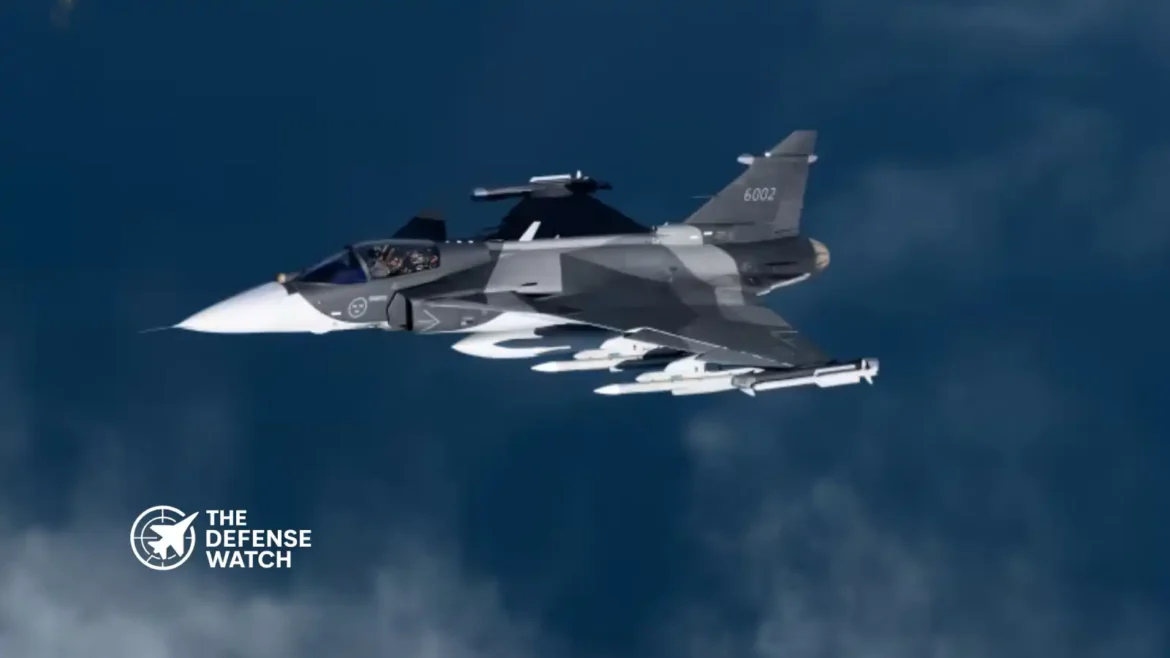
Sweden’s Saab is actively pursuing a Saab Canada fighter partnership aimed at supporting Ottawa’s long-term next-generation fighter development, signaling a strategic push to remain relevant in Canada’s evolving airpower landscape.
Saab is positioning itself as a partner not only for aircraft platforms but also for broader defense industrial collaboration, including technology transfer and domestic production capabilities. The effort comes even as Canada proceeds with its acquisition of the F-35, underscoring Saab’s focus on future opportunities rather than past procurement outcomes.
- Saab is seeking a long-term partnership with Canada on next-generation fighter development and industrial cooperation.
- The move comes despite Canada’s selection of the F-35, signaling Saab’s continued interest in future programs.
- Saab is offering technology collaboration, domestic industry participation, and sovereign capability development.
- Canada is expected to evaluate long-term airpower needs beyond current fifth-generation platforms.
- The proposal reflects growing competition among Western defense firms for future fighter ecosystems.
This approach reflects a broader shift in the global fighter market, where competition increasingly centers on ecosystem partnerships rather than standalone aircraft sales.
Saab’s Strategy: Beyond Aircraft Sales
Saab’s proposal emphasizes industrial cooperation, sovereignty, and long-term capability development. Rather than offering a traditional off-the-shelf fighter solution, the company is promoting a collaborative framework that could allow Canada to shape future systems alongside international partners.
This aligns with Saab’s established export strategy seen in previous campaigns, where it has highlighted technology sharing and local industry participation as key differentiators. The company’s pitch to Canada includes:
- Joint development of next-generation fighter technologies
- Integration of Canadian defense firms into global supply chains
- Support for sovereign maintenance and upgrade capabilities
From an operational standpoint, this model appeals to countries seeking greater control over their defense assets, particularly in an era where supply chain resilience and strategic autonomy are gaining importance.
Canada’s Long-Term Fighter Considerations
While Canada has committed to acquiring the F-35, defense planners continue to assess future requirements beyond fifth-generation platforms. Air forces across NATO and allied nations are already exploring sixth-generation fighter concepts, often involving multinational collaboration.
In this context, Saab’s outreach can be seen as a forward-looking move. By engaging early, the company aims to position itself within any future Canadian-led or multinational fighter initiative.
Canada’s geographic and strategic environment also plays a role. With vast Arctic territories and increasing attention to northern defense, future fighter capabilities may require:
- Extended range and endurance
- Advanced sensor integration
- Interoperability with allied systems
- Adaptability to extreme operating conditions
Saab’s experience in designing aircraft for dispersed operations and austere environments could factor into its pitch, particularly if Canada prioritizes flexibility alongside advanced stealth and sensor capabilities.
Competitive Landscape: A Crowded Field
The Saab Canada fighter partnership initiative enters a highly competitive environment dominated by major defense primes. The F-35 program, led by the United States, already integrates multiple partner nations into a shared development and sustainment framework.
At the same time, emerging sixth-generation programs such as the Global Combat Air Programme (GCAP) and the Future Combat Air System (FCAS) are reshaping the market. These initiatives emphasize networked warfare, artificial intelligence integration, and manned-unmanned teaming.
Saab’s challenge lies in carving out a role within this evolving ecosystem. Unlike larger consortiums backed by multiple governments, Saab may need to leverage niche strengths such as cost efficiency, modular design, and flexible partnership models.
Industrial and Strategic Implications
For Canada, engaging with Saab could offer several potential advantages, even outside a formal aircraft procurement:
- Diversification of defense partnerships
- Increased domestic industrial participation
- Access to alternative technology pathways
However, such collaboration would need to align with Canada’s existing commitments, particularly within the F-35 program and NATO interoperability requirements.
From a geopolitical perspective, Saab’s outreach highlights the intensifying competition among Western defense firms to secure long-term partnerships with allied nations. As military modernization accelerates, early collaboration on future systems is becoming a key battleground.
Analysis: Positioning For The Next Cycle
Saab’s move is less about immediate procurement and more about shaping the next phase of fighter development. By targeting Canada now, the company is attempting to establish relationships that could influence decisions a decade or more into the future.
This reflects a broader industry trend where defense companies seek to embed themselves within national industrial ecosystems early, ensuring relevance as new programs emerge.
For Canada, the decision will ultimately hinge on balancing operational requirements, alliance commitments, and domestic industrial priorities. While the F-35 addresses current needs, future airpower strategies remain open to influence.
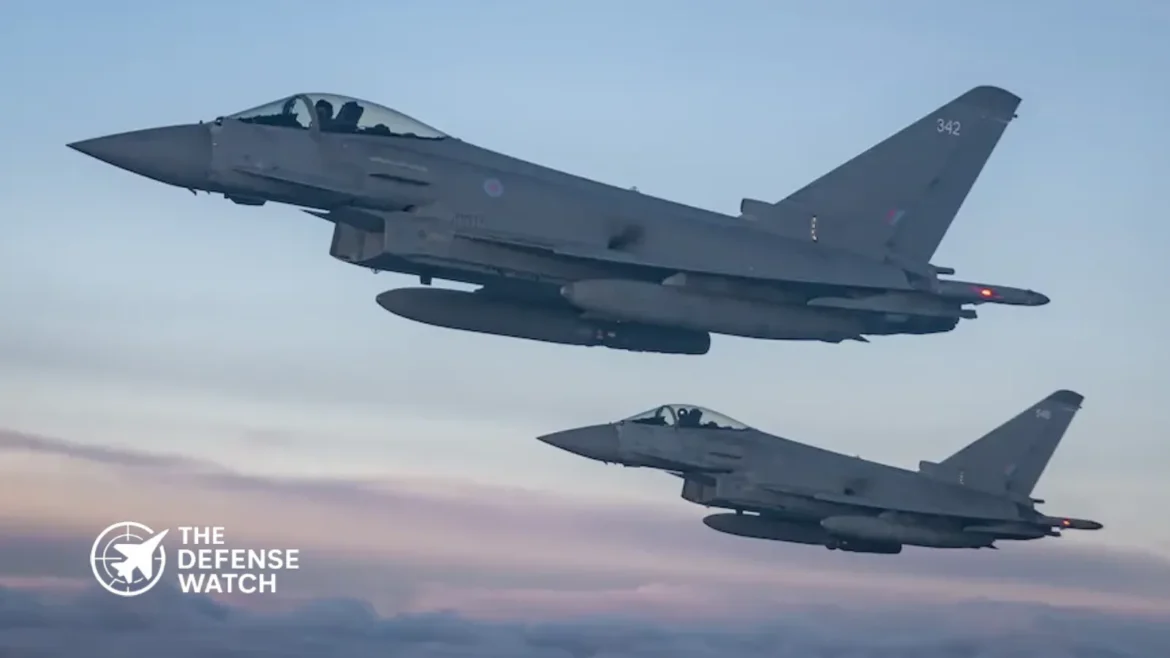
RAF Dogfight Exercise Over Britain Demonstrates Modern Air Combat Readiness
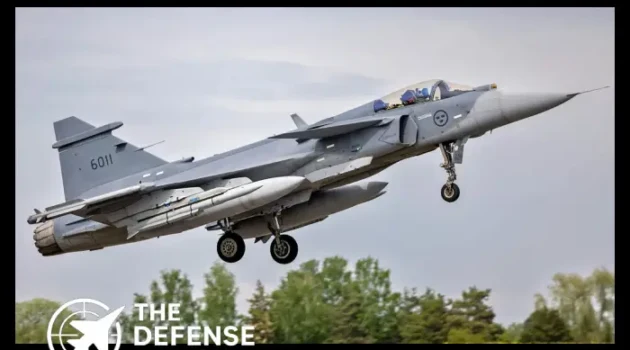
The RAF dogfight exercise over Britain has underscored the United Kingdom’s commitment to maintaining high-end air combat readiness in an increasingly contested security environment. The large-scale aerial engagement brought together multiple fighter aircraft in complex, high-tempo combat scenarios designed to replicate modern peer conflict.
The exercise featured coordinated engagements involving frontline fighter jets, with a particular focus on beyond-visual-range and within-visual-range combat. Such drills are critical as air forces adapt to evolving threats, including advanced enemy aircraft, integrated air defense systems, and electronic warfare environments.
Short, intense dogfighting scenarios were combined with broader mission sets, reflecting how modern air combat is no longer limited to isolated engagements but integrated into networked, multi-domain operations.
- The Royal Air Force conducted a large-scale dogfight exercise over the United Kingdom involving multiple fighter aircraft.
- The drill included complex air combat scenarios simulating high-intensity peer conflict environments.
- Allied aircraft participation highlighted NATO interoperability and joint operational capability.
- Advanced platforms such as Typhoon fighters played a central role in the exercise.
- The exercise reflects growing emphasis on air superiority amid evolving global threats.
High-Intensity Training Reflects Shifting Threat Environment
The scale and complexity of the RAF dogfight exercise over Britain point to a broader strategic shift. Western air forces are increasingly preparing for potential high-end conflict against near-peer adversaries, where air superiority is neither guaranteed nor uncontested.
Exercises of this nature simulate dense threat environments, including contested airspace, electronic jamming, and multi-axis attacks. These conditions mirror operational realities seen in recent conflicts and ongoing geopolitical tensions.
The Royal Air Force’s use of advanced fighter platforms enables pilots to train against both traditional and emerging threats. The Eurofighter Typhoon, for example, continues to receive upgrades in radar, weapons integration, and electronic warfare systems, ensuring its relevance in modern combat scenarios.
From an operational perspective, such exercises help refine tactics, improve pilot decision-making under pressure, and validate command and control structures.
NATO Interoperability and Allied Coordination
A key dimension of the RAF dogfight exercise over Britain was its emphasis on allied integration. Participation or coordination with NATO partners highlights the alliance’s continued focus on collective defense and interoperability.
Modern air operations depend heavily on seamless data sharing, coordinated targeting, and unified command structures. Exercises like this allow participating forces to test communication systems, joint tactics, and interoperability between different aircraft and national doctrines.
This is particularly important in Europe, where NATO air forces must be capable of rapidly integrating in response to emerging crises. The ability to operate as a cohesive unit enhances deterrence by demonstrating readiness and unity.
Operational Lessons and Capability Development
Beyond immediate training value, the RAF dogfight exercise over Britain contributes to long-term capability development. Data collected during these exercises is used to refine tactics, improve training programs, and inform future procurement decisions.
Air combat is becoming increasingly data-driven, with sensor fusion, real-time intelligence, and networked platforms shaping engagement outcomes. Exercises provide a controlled environment to test these systems under realistic conditions.
Additionally, lessons learned feed into broader defense planning, including force structure, readiness cycles, and integration of next-generation technologies such as artificial intelligence and autonomous systems.
Strategic Significance for UK Airpower
The timing of the RAF dogfight exercise over Britain aligns with a period of heightened global security concerns. From Eastern Europe to the Indo-Pacific, airpower remains a critical عنصر in deterrence and rapid response.
For the United Kingdom, maintaining a credible and capable air force is central to both national defense and its role within NATO. Large-scale exercises signal not only preparedness but also resolve, reinforcing the UK’s position as a key contributor to allied airpower.
Moreover, these drills serve as a visible demonstration of capability, sending a clear message to potential adversaries about the readiness and professionalism of Western air forces.