HIMARS Mobility Transforms Indo-Pacific Defense Posture
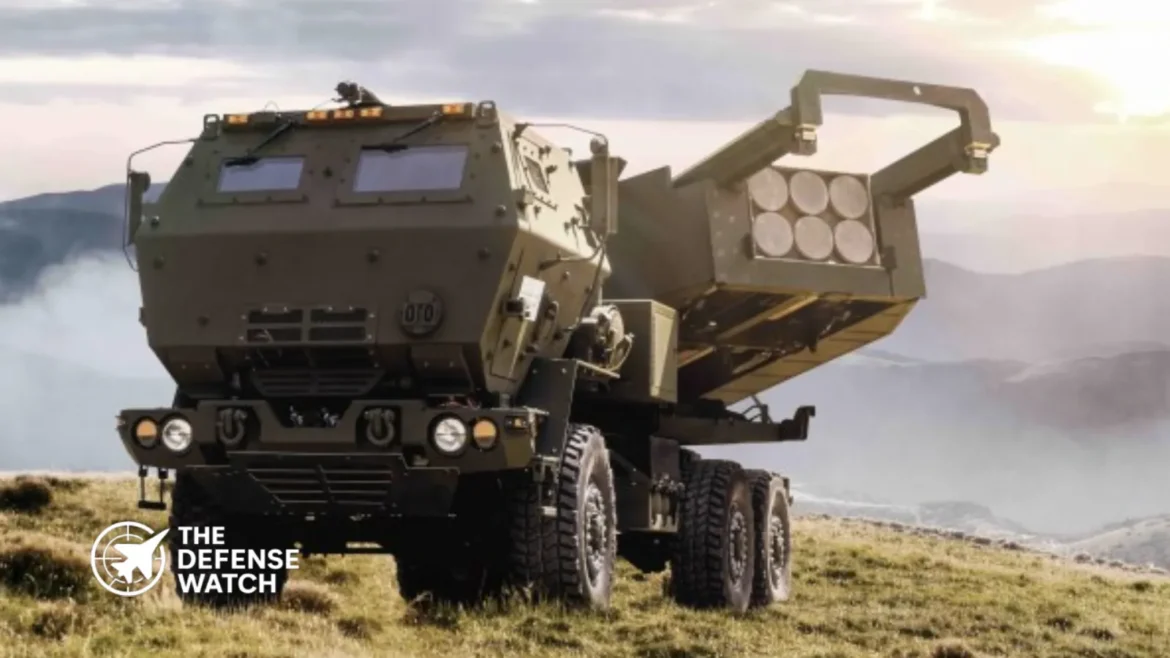
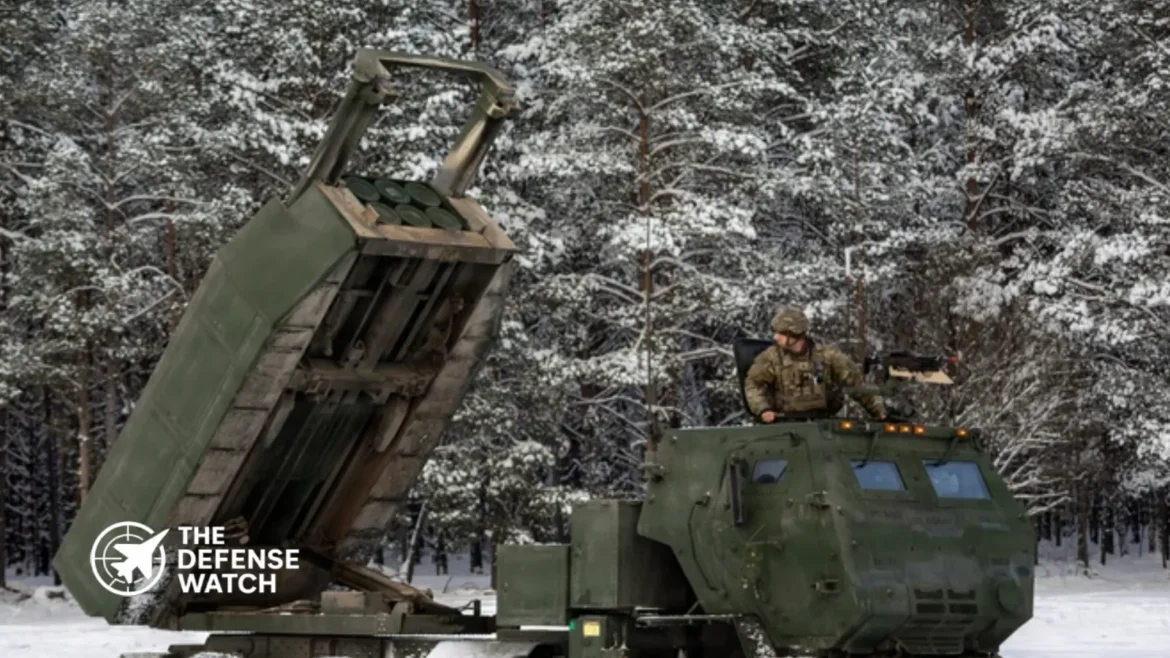
HIMARS mobility Indo-Pacific defense capabilities have emerged as a cornerstone of U.S. military strategy across the Pacific theater, where vast distances and dispersed island chains demand flexible, rapidly deployable fire support systems. Lockheed Martin’s recent analysis underscores how rocket artillery rapid deployment systems like the M142 High Mobility Artillery Rocket System (HIMARS) deliver unique advantages in a region where mobility equals survivability and strategic reach.
The Indo-Pacific’s geographic reality—spanning thousands of miles of ocean dotted with island territories—requires weapon systems that can deploy quickly, strike with precision, and relocate before adversaries can respond. HIMARS-class launchers meet these demands through a combination of strategic mobility, operational flexibility, and lethal firepower.
Strategic Mobility: The Foundation of Expeditionary Firepower
The expeditionary fire support capabilities inherent to HIMARS stem from its fundamental design philosophy: a wheeled launcher system compact enough for rapid airlift yet powerful enough to engage targets at extended ranges. Unlike tracked self-propelled artillery, HIMARS can be transported aboard C-130 aircraft, enabling deployment to austere airfields throughout the Pacific.
This strategic mobility matters in the Indo-Pacific context where U.S. forces must operate across an area larger than the continental United States. The ability to position precision strike assets on short notice—whether to reinforce allies, respond to emerging threats, or support distributed operations—provides commanders with options that heavier systems cannot match.
Lockheed Martin emphasizes that this mobility extends beyond simple transportation. HIMARS crews can conduct shoot-and-scoot operations, firing multiple rockets before relocating to alternate positions. This survivability through movement proves critical when operating within range of adversary counter-battery systems and intelligence, surveillance, and reconnaissance (ISR) platforms.
Reach and Precision: Engaging Targets Across Maritime Domains
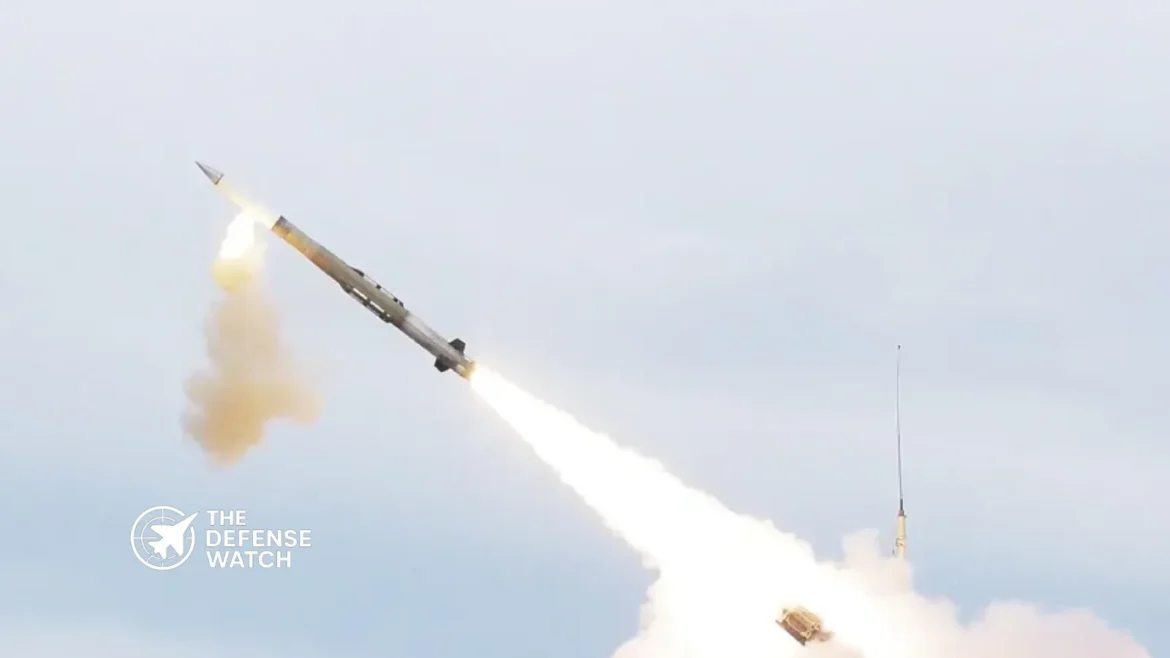
The mobile launcher strategic advantage becomes most apparent when examining HIMARS’ engagement envelope. Armed with Guided Multiple Launch Rocket System (GMLRS) munitions, HIMARS can strike targets at ranges exceeding 70 kilometers with precision measured in meters. Future integration of the Precision Strike Missile (PrSM) will extend this reach beyond 500 kilometers.
In the Indo-Pacific’s maritime environment, this range enables HIMARS to engage naval vessels, conduct anti-access/area denial (A2/AD) operations, and support amphibious forces from positions on islands or coastal areas. The system’s precision reduces collateral damage concerns—critical when operating near civilian populations or in allied territory where political sensitivities demand restraint.
The launcher’s compatibility with multiple munition types provides commanders with scalable response options. From engaging individual high-value targets with single GMLRS rockets to conducting area saturation fires with traditional unguided munitions, HIMARS delivers tactical flexibility that adapts to mission requirements.
Operational Flexibility: Supporting Distributed Maritime Operations
U.S. Marine Corps and Army concepts for operating in contested environments increasingly emphasize distributed operations—spreading forces across multiple locations to complicate adversary targeting while maintaining the ability to mass fires when needed. Precision strike mobility platforms like HIMARS serve as enablers for these concepts.
Marine Littoral Regiments, designed specifically for operations in the Indo-Pacific’s island chains, incorporate HIMARS as organic fires capabilities. These units can establish temporary positions on islands within the first island chain, threaten adversary naval movements through key straits, and relocate before enemy forces can respond.
The U.S. Army’s Multi-Domain Operations concept similarly relies on mobile, long-range fires to create windows of opportunity for joint forces. HIMARS batteries positioned on allied territory or expeditionary locations can suppress enemy air defenses, engage command and control nodes, or provide counter-battery fires supporting broader operations.
Alliance Integration: Strengthening Partner Capabilities
Multiple Indo-Pacific allies and partners have acquired or expressed interest in HIMARS, recognizing how the system complements their defensive strategies. Japan, Singapore, and Australia operate HIMARS launchers, while other nations continue evaluating the platform.
This commonality strengthens interoperability during combined exercises and potential contingencies. Shared logistics, training standards, and tactical procedures enable U.S. forces to operate seamlessly alongside allied HIMARS units. The system’s relative ease of operation—requiring smaller crews than traditional artillery batteries—makes it accessible for nations with limited military manpower.

Lockheed Martin’s commercial approach includes training support, sustainment packages, and technology transfer agreements that help partners develop indigenous maintenance capabilities. This support structure proves essential for geographically isolated nations where logistics chains face inherent challenges.
Challenges and Considerations
Despite its advantages, HIMARS faces operational challenges in the Indo-Pacific. The system requires substantial ammunition stockpiles to sustain operations, and resupply across oceanic distances presents logistical hurdles. GMLRS and PrSM munitions represent significant investments, raising questions about magazine depth during extended conflicts.
Counter-battery threats continue evolving, with potential adversaries fielding sophisticated radar systems and long-range strike capabilities designed to eliminate mobile launchers. Survival requires robust tactical deception, electronic warfare support, and continuous movement—demanding highly trained crews and comprehensive support infrastructure.
The Indo-Pacific’s climate presents environmental challenges. Tropical heat and humidity affect both equipment reliability and crew endurance. Typhoon seasons can ground air transport assets critical for rapid deployment, while jungle and mountainous terrain limit road mobility on many islands.
Future Developments: Extended Range and Enhanced Capabilities
Lockheed Martin and the U.S. Army continue developing extended-range munitions and improved launcher variants. The PrSM program will provide HIMARS with strike ranges approaching 500 kilometers in its initial increment, with future versions potentially exceeding 1,000 kilometers.
Integration of anti-ship variants could transform HIMARS into a dedicated coastal defense system capable of threatening major surface combatants. Such capabilities would significantly enhance land-based A2/AD options for both U.S. forces and regional partners.

Emerging technologies including autonomous resupply systems, improved launcher survivability features, and advanced munitions with enhanced guidance packages promise to maintain HIMARS relevance against evolving threats. Digital fire control systems incorporating artificial intelligence may accelerate targeting cycles and improve first-round hit probabilities.
Strategic Implications for Indo-Pacific Security
The proliferation of HIMARS-class launchers across the Indo-Pacific reflects broader trends in military modernization. Nations increasingly prioritize mobile, survivable, long-range strike systems over traditional mass-armor approaches. This shift acknowledges how modern ISR capabilities and precision munitions have transformed conventional warfare.
For the United States, HIMARS represents a cost-effective capability that provides deterrent value disproportionate to its procurement and operating costs. The system’s presence signals commitment to regional defense while offering allies tangible security assurances. In crisis scenarios, rapid HIMARS deployment demonstrates resolve and provides immediate combat capability.
The platform’s success in Ukraine has validated core design concepts while providing operational lessons applicable to Indo-Pacific scenarios. Real-world performance data confirms HIMARS’ effectiveness against sophisticated adversaries employing advanced air defenses and counter-battery systems.
Conclusion
HIMARS mobility Indo-Pacific defense requirements align precisely with the system’s core capabilities: strategic deployability, operational flexibility, and lethal precision. As the United States and regional partners refine strategies for operating in the world’s largest theater, mobile launcher platforms provide essential capabilities for deterrence, crisis response, and warfighting.
The Indo-Pacific’s unique geography—combining vast distances, maritime chokepoints, and dispersed land masses—creates operational challenges that favor mobile, long-range strike systems. HIMARS-class launchers address these challenges through rapid deployment, survivable operations, and precision engagement capabilities that complement air and naval forces.
Continued investment in HIMARS modernization, munitions development, and allied integration will ensure these systems remain relevant against evolving threats. For nations committed to maintaining free and open access throughout the Indo-Pacific, mobile rocket artillery represents not merely a weapons system but a strategic enabler of broader defense concepts.
Saudi armored vehicle production is expanding as Saudi Arabian Military Industries Qadeer Company advances local manufacturing and technology transfer across multiple land systems programs. The effort reflects Riyadh’s push to strengthen domestic defense capabilities under Vision 2030, with a focus on armored mobility, force protection, and industrial self sufficiency.
Saudi Arabian Military Industries, known as SAMI, has positioned Qadeer Company as a central player in the Kingdom’s land systems strategy. Recent developments include cooperation with U.S. defense firm Flyer Defense on tactical vehicles, alongside indigenous armored platforms designed and produced inside Saudi Arabia.
Authoritative coverage of Saudi defense localization efforts has been reported by SAMI, the Saudi Ministry of Defense, and international defense publications including Defense News and Janes.
Technology Transfer And Localization Of Flyer 72 Tactical Vehicles
SAMI Qadeer is collaborating with U.S. based Flyer Defense to transfer technology and localize production of the Flyer 72 tactical vehicle within Saudi Arabia. The Flyer 72 is a light, high mobility platform designed for special operations, reconnaissance, and rapid response missions.

Under the agreement, manufacturing, assembly, and sustainment activities are expected to be conducted inside the Kingdom. This aligns with Saudi Arabia’s stated objective of localizing more than 50 percent of defense spending by the end of the decade. The program also supports workforce development by enabling Saudi engineers and technicians to gain hands on experience with advanced tactical vehicle systems.
The Flyer 72 has been fielded by several allied militaries and is known for its modular design, off road performance, and compatibility with multiple mission kits. Local production allows the Saudi armed forces to tailor the platform to desert, urban, and border security roles.
AZAL Explosive Ordnance Disposal And Neutralization Vehicle
Another key platform produced by SAMI Qadeer is the AZAL Explosive Ordnance Disposal and Neutralization Vehicle. AZAL is an armored vehicle designed to support bomb disposal units, counter improvised explosive device teams, and internal security forces.
The vehicle features ballistic protection, blast resistance, and integration options for robotic arms, sensors, and remote operated systems. Its design reflects operational requirements identified by Saudi security forces, particularly for urban environments and critical infrastructure protection.
AZAL underscores SAMI Qadeer’s role in developing specialized armored vehicles rather than relying solely on foreign imports. Defense analysts note that indigenous EOD platforms reduce reliance on overseas supply chains while improving responsiveness during domestic security operations.
TARES III 16TC1 Armored Vehicle From Erhaf
Saudi Arabia’s armored vehicle ecosystem also includes the TARES III 16TC1, produced by local defense firm Erhaf. While separate from SAMI, the TARES III program reflects the broader national push to build a competitive land systems sector.
The TARES III 16TC1 is designed for troop transport, patrol, and security missions. It offers armored protection against small arms fire and mine threats, with configurations suitable for military and paramilitary forces.

Industry observers view the coexistence of SAMI Qadeer platforms and Erhaf vehicles as a sign of a maturing defense industrial base. Multiple domestic suppliers increase competition, resilience, and innovation across the Saudi armored vehicle market.
Strategic Context And Defense Industrial Impact
Saudi armored vehicle production plays a growing role in the Kingdom’s military modernization plans. Local manufacturing supports operational readiness by reducing delivery timelines and enabling faster upgrades based on battlefield feedback.
From a geopolitical perspective, partnerships such as the SAMI Qadeer and Flyer Defense collaboration reinforce defense ties between Saudi Arabia and the United States. At the same time, domestic production enhances Saudi strategic autonomy in a region marked by evolving security threats.
According to public statements from SAMI, land systems localization is a priority area alongside aerospace, missiles, and electronics. Armored vehicles are seen as a practical starting point due to high demand, export potential, and clear pathways for technology transfer.
Outlook For Saudi Armored Vehicle Programs
Saudi armored vehicle production is expected to expand further as new requirements emerge from the Saudi Armed Forces, National Guard, and internal security services. Analysts anticipate incremental upgrades to existing platforms rather than rapid introduction of entirely new designs.
Continued collaboration with established Western defense firms, combined with growing local expertise, positions SAMI Qadeer as a long term supplier of tactical and armored vehicles in the Middle East. Export prospects remain limited in the near term but could grow as production quality and support infrastructure mature.
Armenia Indian weapons showcase has, for the first time, publicly revealed key elements of Yerevan latest military acquisitions, highlighting a growing defense relationship with India and a clear focus on long range fires and layered air defense. The display included Indian made ATAGS artillery systems, Trajan truck mounted howitzers, the Pinaka multiple launch rocket system, and the Akash One S air defense system.
The event marks one of the most visible confirmations to date of Armenia recent defense procurement strategy, which has increasingly turned toward non Russian suppliers following recent regional conflicts and evolving security requirements. Defense officials did not announce quantities or deployment timelines, but the systems shown align closely with previously reported contracts and deliveries confirmed by Indian and Armenian sources.
A Clear Signal Of Defense Modernization
The Armenia Indian weapons showcase reflects Yerevan effort to modernize its armed forces with longer range, more mobile, and more precise firepower. According to reporting by Janes and Defense News, Armenia has signed multiple defense agreements with India since 2022, covering artillery, rockets, and air defense systems.
These acquisitions are widely viewed as part of a broader diversification strategy, reducing reliance on legacy Soviet era platforms while addressing battlefield lessons learned from recent conflicts in the South Caucasus.
See also: Armenia Expands Defense Procurement Beyond Traditional Suppliers
ATAGS Artillery Enters Armenian Service
One of the most notable systems on display was the ATAGS, or Advanced Towed Artillery Gun System. The 155 mm howitzer was developed in India through a partnership led by the Defence Research and Development Organisation and private industry.
ATAGS is designed to deliver long range precision fire, with publicly stated ranges exceeding 45 kilometers using extended range ammunition. The system also emphasizes high rates of fire, rapid emplacement, and digital fire control integration.
For Armenia, the ATAGS provides a significant upgrade in counter battery and deep strike capability compared to older 122 mm and 152 mm artillery pieces still in regional inventories.
Trajan Truck Mounted Howitzer Focuses On Mobility
Alongside the towed guns, Armenia displayed the Trajan truck mounted 155 mm 52 caliber howitzer. Produced in India under license, the Trajan places heavy artillery on a high mobility wheeled platform.
The system is optimized for shoot and scoot operations, allowing units to fire and relocate quickly to reduce vulnerability to counter fire and drone surveillance. This approach mirrors trends seen across NATO and other modern armies, where wheeled artillery is favored for rapid response and operational flexibility.
Defense analysts note that such mobility is particularly relevant for Armenia terrain, which includes mountainous and constrained road networks.
Pinaka MLRS Adds Long Range Saturation Fire
The Pinaka multiple launch rocket system was another centerpiece of the Armenia Indian weapons showcase. Pinaka is capable of delivering saturation rocket fire at ranges of up to 75 kilometers, depending on the variant and rocket type.
Developed for the Indian Army, Pinaka has evolved into a modular system with improved accuracy, automated loading, and compatibility with guided munitions. Its inclusion in Armenian service significantly expands the country long range strike options.
According to Army Recognition and official Indian defense statements, Pinaka systems exported to Armenia are expected to include modern fire control and command integration features.
Akash One S Strengthens Air Defense Layer
Armenia also revealed the Akash One S medium range air defense system. Akash One S is an upgraded version of the Akash family, featuring an indigenous seeker designed to improve hit probability and resistance to electronic countermeasures.
The system is intended to counter aircraft, helicopters, unmanned aerial systems, and cruise missiles. Its deployment addresses a critical vulnerability exposed during previous conflicts, where air and drone threats played a decisive role.
Military experts view Akash One S as a key component in building a layered air defense network, complementing shorter range systems already in Armenian service.
Strategic Context And Regional Implications
The Armenia Indian weapons showcase carries broader geopolitical significance. India has steadily expanded its defense exports in recent years, positioning itself as a competitive supplier for countries seeking alternatives to traditional arms providers.
For Armenia, the acquisitions signal a recalibration of defense partnerships amid shifting regional dynamics. While Yerevan continues to maintain ties with long standing partners, the visible presence of Indian systems underscores a more diversified approach.
Breaking Defense and Aviation Week have both highlighted this trend as part of a wider realignment in global arms markets, driven by supply constraints, political considerations, and evolving threat environments.
What Comes Next
While the showcase confirms the presence of these systems, key details remain undisclosed, including unit assignments, operational readiness, and integration timelines. Defense observers will be watching closely for signs of live fire exercises or deployments that could further clarify Armenia operational posture.
What is clear is that the Armenia Indian weapons showcase represents a concrete step in modernizing the country artillery and air defense capabilities, with potential long term implications for regional military balance.
Germany has signed several contracts for IRIS-T guided missiles with the Federal Office of Bundeswehr Equipment, Information Technology and In-Service Support (BAAINBw), expanding procurement of both air-to-air and surface-to-air variants through defence firm Diehl Defence.
Germany expands IRIS-T missile procurement
At the turn of the year, Diehl Defence and BAAINBw finalized multiple contracts covering missiles from the IRIS-T family for the German Armed Forces. These deals include guided missiles for short and medium range roles, both for air-to-air use and for ground-based air defence systems.
The agreements cover the standard IRIS-T air-to-air missile plus the IRIS-T SLS and IRIS-T SLM variants for short and medium range surface air defence.
Multi-role capability and system coverage
The IRIS-T guided missile’s design allows it to perform as a high-agility air-to-air weapon on fighter aircraft or as a surface-to-air missile in defence systems. This multi-role feature provides Germany flexibility in both fighter armament and ground defence layers.
The IRIS-T SLS variant focuses on short and very short range air defence, offering 360-degree coverage against aircraft, cruise missiles, helicopters, and drones. The IRIS-T SLM variant extends the defensive envelope, with an effective range up to about 60 km and altitude coverage near 20 km.
Strategic supply and expanded production
BAAINBw and Diehl Defence highlighted that close cooperation smoothed contracting and will help meet sustained demand for these systems. As part of the contract announcement, Diehl said it is expanding production capacity across its sites with planned investments around 1.5 billion euros to strengthen delivery capability for national and international customers.
The IRIS-T family now counts 21 user nations that have procured either the air-to-air missile or one of the ground-based air defence variants.
Context in wider European defence procurement
Germany has recently placed other large IRIS-T related orders, including a 2023 contract for more than 1,200 missiles covering IRIS-T SL and related variants.
Under the European Sky Shield Initiative, several nations have procured IRIS-T SLM medium range systems through BAAINBw acting as the procurement authority on their behalf, reinforcing an interoperable air defence network across NATO partners.
Earlier deliveries have placed IRIS-T SLM units into service and achieved initial operational capability with the German Air Force, supporting layered defence.
What this means for German defence
These latest contracts reflect Germany’s focus on strengthening air defence stocks and sustainment ahead of evolving threat environments. By ensuring ongoing supply of IRIS-T guided missiles across multiple roles, the German Armed Forces aim to maintain readiness and upgrade both airborne and ground defence capabilities.
HGK 84 Precision Guidance Kits Delivered to Turkish Air Force
Turkey has delivered the first 2026 production batch of HGK 84 Precision Guidance Kits to the Turkish Air Force, marking another step in Ankara’s long running effort to expand indigenous smart munition capabilities. The delivery was completed under a contract between the Ministry of National Defence and state owned defense firm ASFAT, with development support from TUBITAK SAGE.
The kits have entered service with the Turkish Air Force, often referred to domestically as the Steel Eagles of the Sky, and are intended to enhance the accuracy and operational flexibility of existing Mk 84 general purpose bombs.
HGK 84 Program Overview and Role
The HGK 84 Precision Guidance Kit is a GPS and INS based guidance package designed to convert standard 2,000 pound Mk 84 unguided bombs into all weather precision guided weapons. Developed by TUBITAK SAGE, the system has been in Turkish service for more than a decade and continues to receive incremental improvements.
By using satellite aided navigation, the HGK 84 allows Turkish Air Force aircraft to conduct precision strikes without relying on laser designation, which can be degraded by weather, smoke, or battlefield obscurants. This capability is especially relevant for deep strike, fixed target suppression, and strategic infrastructure missions.
The HGK family includes multiple variants, with the HGK 84 tailored specifically for the Mk 84 bomb class, offering extended stand off release profiles when deployed from higher altitudes.
2026 Delivery Under ASFAT Contract
According to the Ministry of National Defence, the newly delivered HGK 84 Precision Guidance Kits represent the first batch produced and handed over in 2026 under an ongoing production agreement with ASFAT. ASFAT is responsible for program coordination, production oversight, and delivery to the Turkish Armed Forces.

The contract reflects Turkey’s broader policy of sustaining domestic production lines for critical air delivered munitions, ensuring continuity of supply without dependence on foreign vendors or export approvals.
Officials emphasized that production was carried out in cooperation with TUBITAK SAGE, which remains the design authority and technical backbone of the HGK program.
Integration With Turkish Air Force Platforms
The HGK 84 Precision Guidance Kit is compatible with several Turkish Air Force aircraft types, including the F 16 Fighting Falcon fleet that forms the backbone of Turkey’s combat aviation force.
Integration with national mission computers and software allows the weapon to be employed using indigenous targeting data, mission planning tools, and command and control systems. This alignment supports Turkey’s push for platform independence and full sovereign control over strike capabilities.
The system has previously been demonstrated in live fire exercises and operational deployments, showing circular error probable values measured in only a few meters under test conditions.
Strategic Importance for Turkey’s Airpower
The continued delivery of HGK 84 kits highlights Turkey’s emphasis on cost effective modernization rather than wholesale replacement of legacy weapons. By upgrading existing bomb stocks with guidance kits, the Turkish Air Force can significantly expand its precision strike inventory at a fraction of the cost of new build smart munitions.
This approach also aligns with NATO operational concepts, where precision engagement and reduced collateral damage are central requirements for modern air operations.
From a geopolitical standpoint, maintaining an independent precision munition production capability gives Turkey operational resilience during periods of political tension, export restrictions, or supply chain disruption.
Turkey’s Broader Smart Munition Ecosystem
The HGK 84 is part of a wider Turkish smart weapons portfolio developed by TUBITAK SAGE and other national firms. This portfolio includes laser guided kits, stand off glide bombs, bunker penetration weapons, and air launched cruise missiles.
Together, these systems support Turkey’s goal of becoming a self sufficient airpower producer, capable of sustaining high tempo operations without reliance on external suppliers.
Defense analysts note that continued serial deliveries such as the 2026 HGK 84 batch signal program maturity rather than experimental development, reinforcing confidence in domestic production quality and lifecycle support.
Outlook
While no new export announcements were made alongside the 2026 delivery, Turkey has previously promoted the HGK family to allied and partner air forces operating Western standard aircraft and Mk series bombs.
For the Turkish Air Force, the latest HGK 84 Precision Guidance Kit delivery ensures sustained availability of proven precision strike tools as Ankara balances fleet modernization, indigenous fighter development, and regional security commitments.
Air Force Demonstrates Rapid Cruise Missile Development With ERAM Test
The U.S. Air Force has successfully conducted a live-warhead test of the Extended Range Attack Munition (ERAM), a next-generation standoff cruise missile designed to provide affordable mass strike capability, according to an official announcement from Eglin Air Force Base. The January 21, 2026 test at the Eglin Test and Training Range in Florida achieved all primary objectives, including full warhead detonation, marking a significant milestone in the service’s efforts to field cost-effective long-range weapons.
The test occurred less than 16 months after the initial contract award, demonstrating what Air Force officials characterize as an accelerated acquisition timeline focused on delivering capability at operationally relevant speeds.
Program Meets All Test Objectives
ERAM is an air-launched cruise missile engineered to strike high-value fixed targets from standoff ranges, reducing aircraft exposure to enemy air defenses. The weapon is designed for rapid production in large quantities, addressing operational requirements for mass in potential high-intensity conflicts.
Brig. Gen. Robert Lyons III, Portfolio Acquisition Executive for Weapons, stated the program demonstrates the ability to “deliver lethal, cost-effective capability at the speed of relevance,” af emphasizing the compressed development timeline from contract to live-fire demonstration.
The test gathered critical performance data necessary to mature the weapon system before operational fielding. Engineers from the Air Force Life Cycle Management Center’s Armament Directorate and the 96th Test Wing conducted the mission from Eglin’s Central Control Facility, utilizing the range’s instrumentation capabilities to collect high-fidelity telemetry.
Cost-Effective Mass Production Focus
Unlike traditional cruise missiles optimized for individual performance, ERAM emphasizes affordability and producibility. The weapon is categorized as an “attritable” system—designed to be effective yet inexpensive enough to employ in large numbers without prohibitive cost constraints.
This approach reflects evolving military doctrine that prioritizes volume alongside precision. Brig. Gen. Mark Massaro, 96th Test Wing commander, noted that “the future fight demands we create an asymmetric advantage by developing cost-effective, attritable systems like ERAM that give commanders the ability to generate mass.” af
The weapon addresses a capability gap identified by combatant commanders seeking long-range strike options that can be employed in sufficient quantities to overwhelm adversary defenses or prosecute multiple target sets simultaneously.
Accelerated Development Timeline
The ERAM program timeline represents a departure from traditional defense acquisition processes, which typically require years between contract award and live-fire testing. The 16-month span from contract to warhead detonation test reflects streamlined development practices and reduced bureaucratic overhead.
Air Force officials have emphasized acquisition reform as a strategic priority, particularly for weapons programs intended to counter near-peer adversaries. The service has implemented various initiatives aimed at reducing development timelines and fielding capabilities before technological advantages erode.
The test involved collaboration between the Air Force Life Cycle Management Center, the 96th Test Wing at Eglin AFB, and unnamed industry contractors. Specific details regarding the prime contractor, weapon specifications, and unit costs have not been publicly disclosed.
Strategic Context and Deterrence
ERAM development occurs within the broader context of U.S. military modernization efforts focused on long-range strike capabilities. The Department of Defense has identified standoff weapons as critical enablers for operations in contested environments where adversary integrated air defense systems threaten manned aircraft.
The weapon’s precision-guidance system enables engagement of fixed targets while maintaining aircraft at safe distances from threat envelopes. This standoff capability is considered essential for operations against technologically advanced adversaries with sophisticated air defense networks.
The emphasis on “affordable mass” reflects military planning scenarios that anticipate high munitions consumption rates in potential large-scale combat operations. Traditional precision-guided munitions, while highly effective, carry unit costs that limit procurement quantities and employment rates.
Next Steps for ERAM Program
Following the successful live-fire test, the ERAM program will proceed through additional developmental testing phases before transitioning to operational testing and evaluation. Air Force officials have not announced specific fielding timelines or initial operational capability dates.
The data collected during the January test will inform design refinements and validate performance models used in mission planning systems. Additional testing will likely examine weapon performance across various employment conditions, target types, and defensive scenarios.
Production decisions and acquisition quantities remain subject to congressional appropriations and evolving operational requirements. The Air Force will need to balance ERAM procurement against competing modernization priorities including next-generation fighters, bombers, and other munitions programs.
Industry Partnership and Manufacturing
While the Air Force announcement did not identify specific contractors, ERAM development involves collaboration between government engineers and defense industry partners. The program structure and contractor selection process have not been publicly detailed.
Manufacturing scalability represents a critical program requirement, as the weapon’s operational concept depends on the ability to produce large quantities rapidly. Defense industrial base capacity for cruise missile production will influence ultimate procurement volumes and deployment timelines.
The Air Force has emphasized the importance of maintaining domestic manufacturing capabilities for critical munitions, particularly amid concerns about production capacity during sustained military operations.
F A 18 Launches AARGM ER Missile in Navy Test
An F A 18 aircraft has successfully launched an Advanced Anti Radiation Guided Missile Extended Range, known as the AARGM ER missile, during a test event at the Point Mugu Sea Range in California. The live fire event was conducted under the oversight of the Naval Air Warfare Center Weapons Division, which leads the U.S. Navy’s efforts in electronic warfare development and testing.
The test marks another step in fielding next generation suppression of enemy air defenses capabilities for U.S. carrier based aviation. According to the U.S. Navy, Point Mugu plays a central role in validating weapons designed to detect, track, and destroy hostile radar systems in contested environments.

Point Mugu and the Navy’s Electronic Warfare Mission
Naval Air Warfare Center Weapons Division at Point Mugu serves as the Navy’s primary center of excellence for electronic warfare. The range supports development, integration, and live testing of sensors, jammers, and precision guided weapons designed to counter advanced air defense networks.
The AARGM ER missile test underscores the range’s role in supporting high end combat readiness. By combining live missile shots with complex threat simulations, Point Mugu allows the Navy to evaluate how new weapons perform against realistic radar and electronic attack conditions.
U.S. Navy officials have repeatedly described electronic warfare as a critical enabler for modern air operations, especially in regions protected by integrated air defense systems.
AARGM ER Missile and Its Role in SEAD Missions
The AARGM ER missile is the latest evolution of the Navy’s anti radiation missile family. It builds on the combat proven AGM 88E AARGM while adding extended range, improved survivability, and enhanced guidance.
Unlike earlier anti radiation missiles that relied mainly on passive homing, the AARGM ER missile combines a multi mode guidance system with a new airframe and propulsion design. This allows the weapon to engage radar emitters even if they shut down or attempt to relocate after launch.
The missile is designed to defeat modern surface to air missile systems by targeting the sensors that enable them. This makes it a key tool for suppression and destruction of enemy air defenses, often referred to as SEAD and DEAD missions.
Integration With the F A 18 Fleet
The F A 18 remains the backbone of U.S. Navy carrier air wings. Integration of the AARGM ER missile onto the aircraft expands its ability to operate in heavily defended airspace.
During the Point Mugu event, the F A 18 demonstrated compatibility with the new missile and the aircraft’s mission systems. Navy engineers use these test launches to validate software, avionics integration, and weapon employment tactics before fleet wide deployment.
The AARGM ER missile is also planned for integration with the F 35C, further extending the Navy’s electronic attack and strike options across multiple platforms.
Strategic Context and Modern Threats
The U.S. military has placed renewed emphasis on electronic warfare and anti radiation weapons in response to the spread of advanced air defense systems worldwide. Potential adversaries continue to invest in mobile, networked radars and long range surface to air missiles designed to deny access to key regions.
By testing and fielding systems like the AARGM ER missile, the Navy aims to preserve freedom of action for carrier strike groups. The ability to neutralize enemy sensors early in a conflict remains essential to protecting aircraft, ships, and joint forces.
Defense analysts note that modern SEAD missions are no longer limited to destroying individual radar sites. They now involve complex electronic battles across land, sea, air, and space domains.
Industry and Program Background
The AARGM ER missile program is led by Northrop Grumman in cooperation with the U.S. Navy. The weapon features a redesigned control section and a rocket motor optimized for internal carriage on stealth aircraft, while still supporting external carriage on platforms like the F A 18.

Program milestones over the past several years have included captive carry flights, guided test shots, and now operationally representative launches. Each event contributes data used to refine performance and support future production decisions.
According to Navy budget documents, the AARGM ER missile is expected to replace older anti radiation variants and remain in service well into the next decade.
Looking Ahead
The successful F A 18 launch at Point Mugu reflects steady progress toward full operational capability for the AARGM ER missile. Additional testing is expected to continue across different aircraft types and mission profiles.
France has officially launched development of the SCALP Mk2 cruise missile, marking the next phase in the modernization of the country’s long range precision strike capability. The program is being led by the French Defense Procurement Agency, known as the DGA, with partial management through the Organisation for Joint Armament Cooperation, or OCCAr.
The SCALP Mk2 cruise missile is intended to build on the combat-proven SCALP EG system currently in service with the French Air and Space Force and several allied nations. According to French defense authorities, the upgraded missile will deliver improved guidance, targeting accuracy, and target acquisition performance, ensuring relevance against modern and future air defense environments.
Program Management and Institutional Oversight
The development effort is being overseen by the DGA, France’s central authority for defense acquisition and technology programs. OCCAr’s involvement reflects a continued European approach to collaborative weapons development, particularly for high value strike systems.
OCCAr has previously managed complex multinational programs such as the A400M transport aircraft and the TIGER attack helicopter. Its participation in the SCALP Mk2 cruise missile program suggests an emphasis on structured development milestones, cost control, and potential future export compatibility with partner nations.
French officials have not disclosed full program timelines or budget figures, but the decision to proceed confirms that cruise missiles remain a core component of France’s air delivered deterrence and conventional strike posture.
Program Management and Institutional Oversight
The development effort is being overseen by the DGA, France’s central authority for defense acquisition and technology programs. OCCAr’s involvement reflects a continued European approach to collaborative weapons development, particularly for high value strike systems.
OCCAr has previously managed complex multinational programs such as the A400M transport aircraft and the TIGER attack helicopter. Its participation in the SCALP Mk2 cruise missile program suggests an emphasis on structured development milestones, cost control, and potential future export compatibility with partner nations.
French officials have not disclosed full program timelines or budget figures, but the decision to proceed confirms that cruise missiles remain a core component of France’s air delivered deterrence and conventional strike posture.
Key Capability Improvements Expected
While detailed technical specifications have not been publicly released, French defense statements indicate several core areas of improvement for the SCALP Mk2 cruise missile.
These include enhanced guidance algorithms, improved target recognition in contested environments, and better acquisition performance against mobile or time sensitive targets. Such upgrades are essential as adversaries increasingly rely on decoys, electronic countermeasures, and layered air defense systems.
The missile is also expected to benefit from improved mission planning interfaces and greater compatibility with modern combat aircraft sensor fusion architectures.
Integration with French Combat Aircraft
The SCALP Mk2 cruise missile is expected to be compatible with France’s current and future combat aircraft fleet, including the Dassault Rafale. Rafale is the primary strike platform for the French Air and Space Force and has been central to France’s expeditionary operations over the past decade.
Ensuring seamless integration with Rafale’s avionics and networking systems will be a key requirement. This includes compatibility with updated mission planning systems and secure data handling environments.
France has not indicated whether the SCALP Mk2 will be cleared for naval aviation platforms, but air launched precision strike remains the program’s central focus.
Strategic Context and European Relevance
The decision to develop the SCALP Mk2 cruise missile comes amid a broader reassessment of long range strike capabilities across Europe. Modern conflicts have reinforced the importance of stand off weapons that allow aircraft to strike defended targets without entering high threat airspace.
France’s investment in cruise missile modernization aligns with its broader defense posture, which emphasizes strategic autonomy, credible deterrence, and the ability to operate independently or within allied coalitions.
By involving OCCAr, the program also leaves open the possibility of future cooperation or commonality with European partners operating similar systems, though no multinational procurement has been announced at this stage.
Outlook and Next Steps
The SCALP Mk2 cruise missile program is still in its early development phase. Further details on testing schedules, production planning, and operational entry timelines are expected as the program matures.
For France, the effort reinforces a long standing commitment to maintaining a high end precision strike capability under national control. As air defense systems grow more sophisticated, incremental upgrades such as those planned for the SCALP Mk2 will play a critical role in sustaining operational effectiveness.
Switzerland Piranha 8×8 Black Hornet 4 Integration
Switzerland is equipping its Piranha 8×8 armored vehicles with Black Hornet 4 nano drones as part of a new reconnaissance and surveillance upgrade for its land forces. The effort is backed by a 17.5 million dollar contract awarded to Teledyne FLIR Defense, according to company and Swiss defense procurement disclosures. The integration provides vehicle crews with organic, real time intelligence, surveillance, and reconnaissance capability while operating in complex terrain.
The move reflects a broader shift among European militaries toward small unit and platform level unmanned aerial systems that improve situational awareness without increasing logistical burden.
Contract and Program Overview
The agreement covers the delivery and integration of Black Hornet 4 nano unmanned aerial systems across Swiss Army Piranha 8×8 platforms. Teledyne FLIR Defense confirmed the contract value at approximately 17.5 million dollars and stated that the systems will be integrated directly into onboard vehicle mission systems.
Swiss defense authorities have emphasized that the drones will be operated by vehicle crews rather than dedicated drone teams, allowing rapid launch and recovery during reconnaissance, patrol, and security missions.
The Piranha 8×8, produced by General Dynamics European Land Systems, is a core wheeled armored platform in Swiss service. It is used for command, transport, and reconnaissance roles, making it a suitable host for organic drone capability.
Black Hornet 4 Capabilities
The Black Hornet 4 is the latest generation of Teledyne FLIR Defense’s palm sized reconnaissance drone family. It weighs only a few dozen grams and is designed for short range intelligence collection at the tactical edge.
Key capabilities include day and night sensors, encrypted data links, and low acoustic and visual signatures. The system can operate at ranges exceeding 3 kilometers, depending on terrain and conditions, while providing real time video and imagery to operators.
Unlike larger tactical drones, the Black Hornet 4 is optimized for rapid deployment and concealment. It can be launched within seconds and is designed to operate in urban areas, forests, mountainous terrain, and confined environments.
Operational Impact for the Swiss Army
By integrating nano drones directly onto armored vehicles, the Swiss Army reduces reliance on external ISR assets and improves decision making at the crew and platoon level.
For Piranha 8×8 crews, the Black Hornet 4 enables reconnaissance beyond line of sight, route clearance checks, and overwatch during dismounted operations. This is particularly relevant for Switzerland’s operating environment, which includes dense urban areas, narrow valleys, and mountainous terrain.
Swiss defense planners have highlighted the importance of situational awareness and force protection in modern operations, especially as small units face increasingly complex threat environments.
Broader Modernization Context
Switzerland’s adoption of the Black Hornet 4 aligns with a wider trend across NATO and partner nations. The nano drone is already in service with multiple allied militaries, including the United States, United Kingdom, and several European armed forces.
Vehicle integrated unmanned systems are increasingly viewed as a cost effective way to enhance battlefield awareness without deploying larger and more vulnerable aerial platforms.
For Teledyne FLIR Defense, the Swiss contract reinforces the Black Hornet 4’s position as a mature and combat proven system suitable for integration across a range of platforms.
RTX Raytheon has completed a successful ballistic test for the U.S. Army’s Next Generation Short Range Interceptor (NGSRI) missile, advancing the program that is meant to replace the Stinger surface-to-air missile. The test showed the interceptor could track target drones and be fired from a man-portable launcher.
Ballistic Test Validates Key NGSRI Performance
Raytheon, a business unit of RTX, said the ballistic test was funded by the company to gather critical technical data and show readiness ahead of planned flight test demonstrations.
The test took place at the company’s facilities in Tucson, Arizona, and demonstrated seeker performance against small aerial targets as well as launch system compatibility for dismounted troops.
Tom Laliberty, president of Land and Air Defense Systems for Raytheon, said the successful event reflects strong partnership with the Army as the program moves closer to broader developmental milestones.
NGSRI: Design and Development in Context
The NGSRI is the Army’s planned replacement for the legacy FIM-92 Stinger missile. Raytheon’s interceptor is designed to fly faster and engage a range of aerial threats including drones and rotary or fixed wing aircraft.
Earlier work on the program included a series of subsystem demonstrations and rocket motor tests using Highly Loaded Grain (HLG) solid propellant technologies, conducted with partner Northrop Grumman. These efforts focused on extending range and energy output over conventional motors.
Independent testing in 2025 included ten subsystem demonstrations covering seeker, guidance, warhead and launch systems. Those milestones helped mature critical components in advance of integrated testing.
Launcher Compatibility and Tactical Role
Raytheon says NGSRI can be fired from both vehicle mounts and shoulder launchers, giving ground forces flexible options for short range air defense.
Army planners see the new interceptor as part of layered air defense, filling gaps against low-altitude threats where systems like Patriot or Sentinel operate at longer ranges.
What Comes Next
With the ballistic test complete, program focus now shifts toward planned flight tests and soldier touchpoint exercises where troops will evaluate handling and integration. Earlier reports indicate a scheduled flight test demonstration later this year.
Raytheon continues to work with the Army to meet scheduled development and production goals as the service seeks to transition from legacy systems to more capable air defense solutions.