Framework Deal to Quadruple THAAD Interceptors
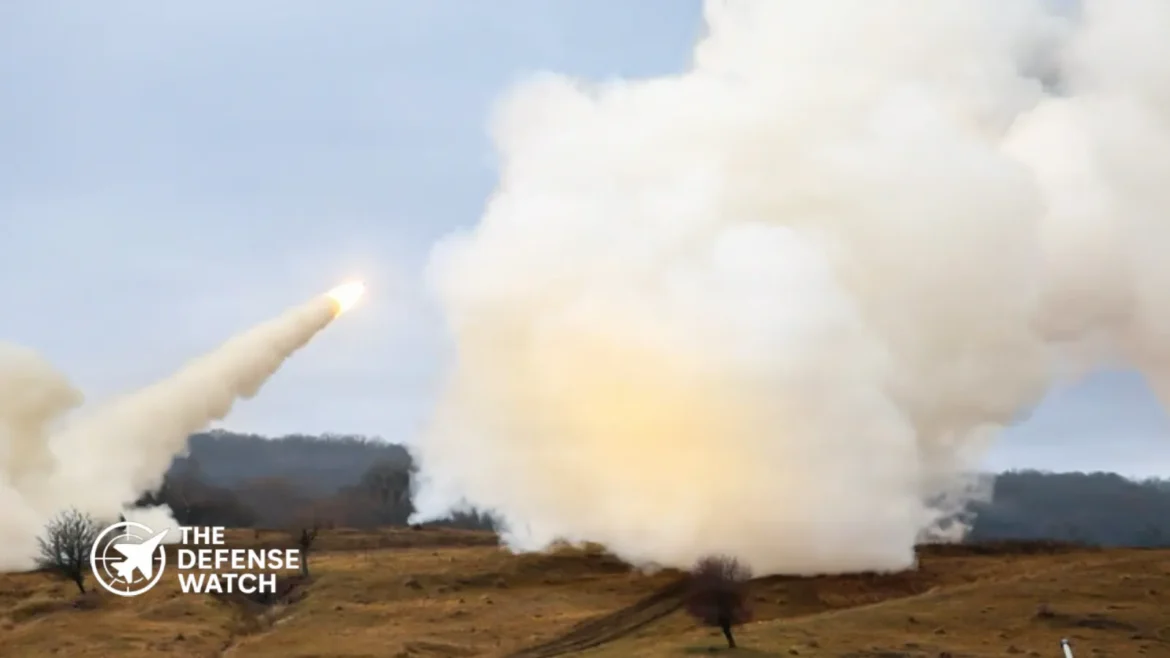
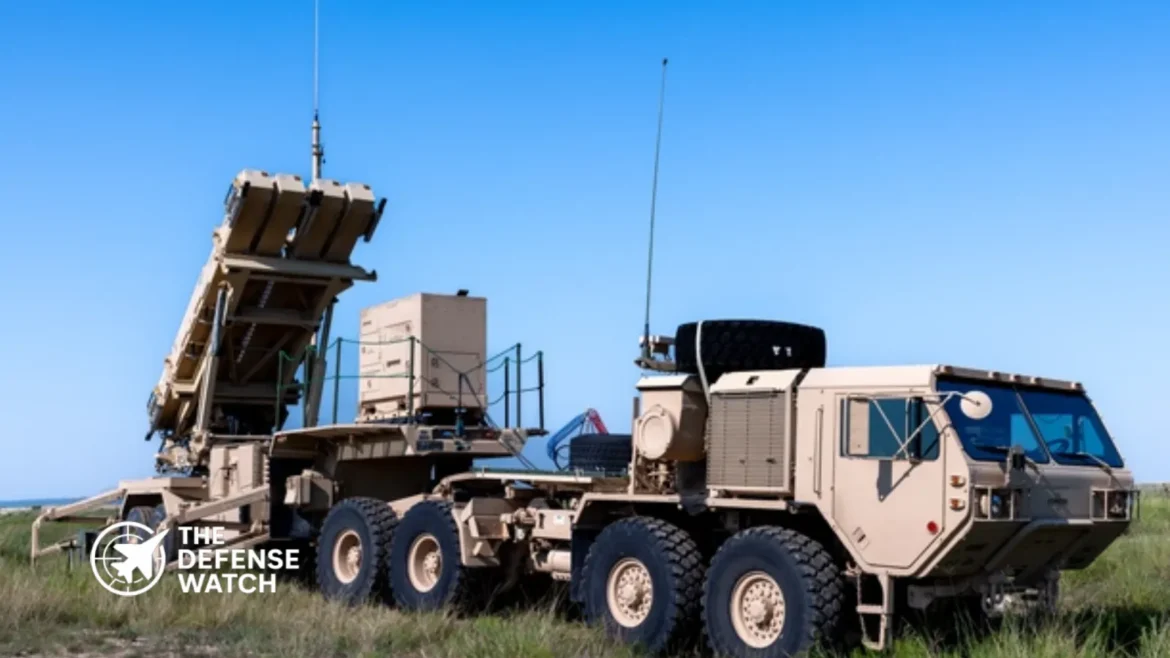
Lockheed Martin and the U.S. Department of War have agreed to scale up production of Terminal High Altitude Area Defense, or THAAD, missile interceptors. The agreement will raise annual output from about 96 to 400 interceptors over the next seven years, part of efforts to strengthen U.S. missile defense supply chains and industrial capacity.
The announcement came in a Jan. 29 release by Lockheed Martin, noting the deal builds on a similar framework reached earlier this month on Patriot PAC-3® Missile Segment Enhancement production.
Boosting U.S. Missile Defense Output
Under the framework agreement, the current THAAD interceptor production capacity will more than quadruple. That change reflects congressional funding cycles expected to finalize contract awards in the final fiscal year 2026 appropriations process.
Lockheed Martin will collaborate with the U.S. government on securing multiyear funding and aligning production goals with defense requirements.
Facility Expansion and Workforce Investment
To support the ramp-up, Lockheed Martin plans to break ground on a new Munitions Acceleration Center in Camden, Arkansas. The facility is designed to train workers and incorporate advanced manufacturing, robotics, and digital tools for building THAAD, PAC-3, and other interceptor systems.
The company also plans broader investments over the next three years to upgrade and expand more than 20 facilities across multiple U.S. states, including Alabama, Florida, Massachusetts, and Texas. These efforts aim to modernize tooling, production lines, and plant layouts to meet rising defense production demands.
U.S. Industrial Base and Jobs
Lockheed Martin noted its efforts are creating tens of thousands of jobs in manufacturing, engineering, and skilled trades, reflecting broader growth in the U.S. defense industrial base tied to increased interceptor production.

Image Credit: lockheedmartin The company said that since 2016 it has increased deliveries of critical munitions by more than 220 percent and plans to push output even higher by 2030 to meet demand.
Context: Evolving Missile Defense Needs
THAAD is a high-altitude missile defense system designed to intercept ballistic missiles inside and outside the atmosphere. It works alongside other systems such as Patriot PAC-3 to provide layered air and missile defense for the U.S. and allied forces. Recent demand for air defense systems has grown amid ongoing global conflicts and rising long-range missile threats.
This framework agreement for THAAD production follows a similar arrangement announced earlier in January aimed at increasing annual PAC-3 MSE output to roughly 2,000 missiles over the next seven years.
What Comes Next
A key step will be congressional appropriation of funds required to turn the framework accord into binding production contracts. Once funding is secured, Lockheed Martin will begin detailed planning for production expansion and facility operations tied to the agreement.
ST Engineering Secures Terrex S5 Infantry Vehicle Contract
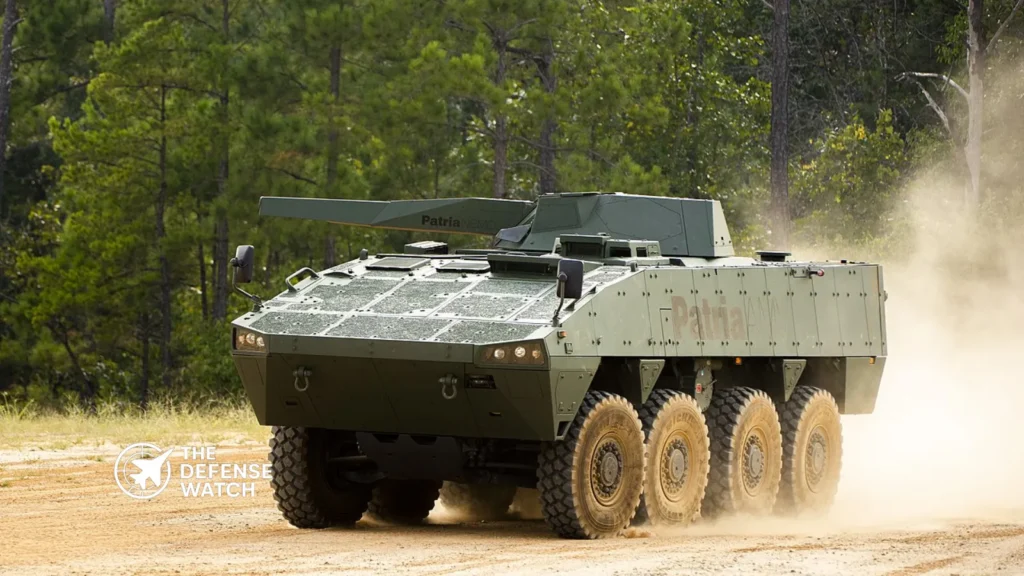
ST Engineering has secured a Singapore defense contract to develop and supply Terrex S5 infantry vehicles for the Singapore Armed Forces, marking the next phase of the Army armored vehicle modernization effort.
The award was confirmed by ST Engineering and first reported by Defence Industry Europe. The Terrex S5 will serve as the next generation infantry vehicle for the Singapore Army, replacing earlier Terrex variants now in service.
The contract value and delivery schedule were not disclosed. The program is led by the Singapore Ministry of Defence in partnership with local industry, reinforcing the country long standing approach of sustaining a strong domestic defense base.
A Digital First Infantry Vehicle
The Terrex S5 infantry vehicles are designed as fully digital platforms, built to operate in data driven and networked combat environments. According to ST Engineering, the vehicle emphasizes digital command systems, onboard computing, and secure communications to support integrated operations across land, air, and unmanned assets.
The platform features an open systems architecture, allowing future upgrades as sensors, mission systems, and software evolve. This approach supports long term fleet relevance while reducing life cycle integration risk.
Mobility and crew protection remain central design priorities. The Terrex S5 is optimized for high mobility across urban and complex terrain while maintaining scalable ballistic and blast protection.
Supporting Singapore Army Modernization
The Terrex S5 infantry vehicles align with the Singapore Army focus on combined arms operations and digital command and control. The new vehicle is expected to improve situational awareness, crew coordination, and integration with other battlefield systems.
ST Engineering stated that the platform is designed to support manned and unmanned teaming concepts, including coordination with unmanned ground and aerial systems. This reflects broader regional trends toward sensor rich and network enabled land forces.
Singapore has steadily upgraded its armored fleet over the past decade, with the Terrex family playing a central role in mechanized infantry operations and overseas deployments.
Industrial and Strategic Significance
The Terrex S5 program reinforces ST Engineering role as Singapore primary land systems provider. It also highlights Singapore emphasis on domestic design and manufacturing for key military platforms.
By retaining development and production within Singapore, the Ministry of Defence aims to maintain control over upgrades, sustainment, and future customization. This approach reduces reliance on foreign suppliers while preserving export potential.
ST Engineering has previously marketed Terrex variants internationally, and the S5 could serve as a reference platform for future export campaigns, subject to government approval.
Regional Context
The award comes as Asia Pacific militaries continue to invest in armored vehicle modernization amid evolving regional security conditions. Infantry vehicles with digital architecture, modular protection, and unmanned integration are increasingly seen as essential for future ground operations.
Singapore decision to field the Terrex S5 places it among a small group of regional forces operating domestically designed next generation infantry platforms.
Estonia Advances Critical Missile Defense Procurement Amid Regional Security Concerns
Estonia is approaching a final decision on acquiring a missile defense system, marking a significant step in the Baltic nation’s military modernization efforts as regional security concerns intensify. The Estonian Defense Forces are evaluating multiple platforms from Israeli, American, and European manufacturers to establish a comprehensive air defense capability.
According to reports from Defense News, the procurement decision comes as Estonia and fellow Baltic states Lithuania and Latvia accelerate defense investments in response to Russia’s continued military activities near NATO’s eastern border. The missile defense system acquisition represents one of Estonia’s most substantial defense procurements in recent years, reflecting the nation’s commitment to territorial defense and NATO interoperability.
Competing Systems Under Evaluation
Estonia’s Ministry of Defense has narrowed its selection to several leading air and missile defense platforms currently deployed by NATO allies and partner nations. While specific system designations remain under evaluation, defense industry sources indicate the competition includes:
Israeli Systems: Rafael Advanced Defense Systems’ Iron Dome and potentially the David’s Sling medium-to-long-range system have emerged as strong contenders. Iron Dome’s proven combat record intercepting rockets, artillery, and short-range threats makes it attractive for Estonia’s operational requirements. The system has demonstrated over 90% interception success rates in Israeli Defense Forces operations.
American Options: U.S. defense contractors have presented variants of the Patriot Advanced Capability (PAC-3) system and potentially the National Advanced Surface-to-Air Missile System (NASAMS), currently protecting Washington, D.C. Both platforms offer deep integration with NATO command and control infrastructure.
European Alternatives: European defense manufacturers are competing with systems including the Franco-Italian SAMP/T (Surface-to-Air Missile Platform/Terrain) and potentially German-Norwegian developments. These options emphasize European defense industrial base cooperation and reduced dependency on non-EU suppliers.
Strategic Context Driving Procurement
The timing of Estonia’s missile defense decision reflects broader Baltic security dynamics following Russia’s full-scale invasion of Ukraine in February 2022. Estonia, with a population of approximately 1.3 million and sharing a 183-mile border with Russia, has consistently maintained one of NATO’s highest defense spending ratios relative to GDP.
Estonian defense officials have emphasized the need for layered air defense capabilities to protect critical infrastructure, military installations, and population centers from potential missile and drone threats. The system must integrate with NATO’s Integrated Air and Missile Defense (IAMD) architecture while providing autonomous defensive capabilities.
Lithuania and Latvia are pursuing parallel air defense modernization programs, creating potential opportunities for coordinated procurement and joint training initiatives among the Baltic states. Such cooperation could enhance regional defense effectiveness while achieving economies of scale in acquisition and sustainment costs.
Technical Requirements and Operational Capabilities
Estonia’s technical specifications reportedly prioritize several key capabilities:
Rapid Deployment: Mobile systems capable of repositioning across Estonia’s compact territory to protect high-value assets and respond to evolving threat scenarios.
Multi-Domain Integration: Seamless connectivity with NATO early warning systems, including airborne surveillance platforms and ground-based radars positioned throughout the Baltic region.
Counter-Precision Strike: Ability to intercept cruise missiles, ballistic missiles, and unmanned aerial systems that could target Estonian defense infrastructure or NATO forces stationed in the country.
Sustainability: Long-term supportability with reliable supply chains for interceptor missiles, maintenance, and system upgrades throughout the platform’s operational lifecycle.
Defense analysts note that Estonia’s choice will likely influence neighboring Baltic procurement decisions, potentially establishing a regional standard for air defense architecture. Interoperability between Estonian, Latvian, and Lithuanian systems would strengthen collective defense capabilities across NATO’s northeastern frontier.
Budget Allocation and Timeline
While Estonian defense officials have not publicly disclosed the specific budget allocation for the missile defense acquisition, the procurement represents a multi-hundred-million-euro investment spread across several fiscal years. Estonia’s defense budget for 2026 exceeds €1.3 billion, with significant portions dedicated to capability development and modernization.
The procurement timeline suggests a contract decision could be announced within the first half of 2026, with initial system deliveries potentially beginning in 2027-2028. Training Estonian personnel on complex air defense operations typically requires 12-18 months, indicating full operational capability may be achieved by 2029.
NATO Support and Allied Cooperation
Estonia’s missile defense procurement aligns with NATO’s broader efforts to strengthen the alliance’s eastern flank following the 2022 NATO Summit in Madrid, where allies committed to enhanced forward defense posture. The United States and other NATO members have increased rotational force deployments to the Baltic states, including air defense assets.
NATO’s Air Policing mission over the Baltic states, conducted continuously since 2004, provides airspace surveillance and quick reaction alert capabilities. However, Estonian officials have emphasized the need for sovereign air defense capabilities that complement rather than replace allied contributions.
The alliance’s Defense Investment Pledge, requiring members to spend at least 2% of GDP on defense with 20% allocated to major equipment procurement, provides the framework supporting Estonia’s acquisition. Estonia has consistently exceeded both thresholds, demonstrating sustained commitment to alliance burden-sharing principles.
Regional Security Implications
Estonia’s missile defense decision carries significant implications for Baltic security architecture and NATO deterrence posture. The deployment of advanced air defense systems in Estonia would complicate potential Russian military planning while demonstrating allied resolve to defend every inch of NATO territory.
Defense experts observe that credible air and missile defense capabilities reduce vulnerabilities that adversaries might exploit during crisis situations. For Estonia, positioned on NATO’s frontier, such capabilities contribute to both deterrence and defense across the spectrum of potential contingencies.
The procurement also reflects broader European defense trends toward increased self-reliance and enhanced territorial defense capabilities. As European nations navigate evolving security environments, investments in air and missile defense represent foundational elements of credible national defense strategies.
Industry Competition and Economic Considerations
The competition among Israeli, American, and European defense contractors involves not only technical performance but also industrial cooperation commitments, technology transfer opportunities, and long-term partnership arrangements. Estonia has emphasized the importance of offset agreements that contribute to domestic defense industrial development.
Successful bidders may commit to establishing maintenance facilities, training centers, or research partnerships within Estonia, creating economic opportunities while building national defense capabilities. Such arrangements align with broader NATO Smart Defence initiatives promoting multinational cooperation and efficient resource allocation.
The final selection will likely balance operational effectiveness, lifecycle costs, alliance interoperability, and strategic partnership considerations. Estonia’s decision-making process reflects the complex calculus facing smaller NATO members seeking to maximize defense capabilities within fiscal constraints.
Conclusion
Estonia’s approaching decision on missile defense system acquisition represents a pivotal moment in Baltic security development. As the nation evaluates Israeli, American, and European platforms, the procurement will establish critical air defense capabilities while reinforcing NATO’s eastern flank defensive posture.
The chosen system will serve Estonian defense requirements for decades while contributing to regional deterrence and alliance collective defense. With a decision expected in coming months, defense industry observers and allied defense planners closely monitor Estonia’s selection process as a bellwether for Baltic air defense modernization.
U.S. Marines Demonstrate Advanced Amphibious Capabilities in Pacific Deployment
The U.S. Marine Corps has successfully conducted ship-to-shore operations using its new Amphibious Combat Vehicle (ACV) from the USS Makin Island, marking a significant milestone in the service’s modernization of amphibious assault capabilities. The exercise demonstrates the Marines’ evolving approach to expeditionary operations in the Indo-Pacific region.
According to Army Recognition, the deployment exercise showcased the ACV’s ability to launch from and recover to amphibious assault ships, a critical capability for Marine expeditionary units operating in contested maritime environments. The USS Makin Island, an America-class amphibious assault ship, served as the platform for these operations.
Enhanced Ship-to-Shore Operational Capabilities
The Amphibious Combat Vehicle represents a generational leap in Marine Corps amphibious mobility. The ACV replaces the aging Assault Amphibious Vehicle (AAV), which has been in service since the 1970s. Unlike its predecessor, the ACV features enhanced armor protection, improved sea-state performance, and modern communications systems.
During the exercise, Marines demonstrated the vehicle’s capability to transition from ship to shore while maintaining operational readiness. The ACV can transport up to 13 embarked Marines plus a crew of three, providing protected mobility from sea to land and continuing inland operations.
The vehicle’s design incorporates lessons learned from decades of amphibious operations. Its enhanced survivability features include improved mine and improvised explosive device protection, while maintaining the amphibious performance necessary for ship-to-shore maneuvers.
USS Makin Island’s Role in Amphibious Operations
The USS Makin Island (LHD-8) serves as an ideal platform for amphibious vehicle operations. As an America-class amphibious assault ship, it features a well deck that allows for the launch and recovery of amphibious vehicles and landing craft. The ship can accommodate multiple ACVs simultaneously, enabling company-sized elements to conduct coordinated ship-to-shore movements.
The vessel’s hybrid propulsion system and advanced mission systems support extended operations in the Indo-Pacific theater, where amphibious capabilities remain central to U.S. military strategy. The Makin Island routinely deploys with Marine Expeditionary Units, providing sea-based crisis response and power projection capabilities.
Strategic Implications for Indo-Pacific Operations
This exercise comes as the Marine Corps continues its Force Design 2030 transformation, which emphasizes distributed maritime operations and island-hopping campaigns. The ACV’s successful integration with amphibious assault ships strengthens the service’s ability to conduct expeditionary advanced base operations across the Pacific.
The deployment of advanced amphibious vehicles aligns with the Department of Defense’s focus on maintaining readiness in the Indo-Pacific region. Ship-to-shore capabilities enable rapid response to crisis situations and support distributed operations across vast oceanic distances.
Marine Corps leaders have consistently emphasized the importance of modernizing amphibious capabilities to address evolving threats in contested littoral environments. The ACV program represents a key component of this modernization effort, providing Marines with protected mobility in both amphibious and land operations.
Technical Specifications and Performance
The Amphibious Combat Vehicle features a modular design that allows for multiple mission configurations. The ACV Command variant includes enhanced communications equipment for command and control operations, while the ACV Recovery variant provides battlefield recovery capabilities.
Powered by a 690-horsepower engine, the ACV achieves speeds of over 45 miles per hour on land. In water, it can reach approximately 6 knots, significantly improving transit times from ship to shore compared to legacy vehicles. The vehicle’s suspension system provides superior cross-country mobility while maintaining crew and passenger comfort.
Advanced armor packages protect occupants from small arms fire, artillery fragments, and mine blasts. The vehicle’s remotely operated weapon station can mount various weapons systems, providing defensive firepower during transit and operations ashore.
Ongoing Fleet Modernization Efforts
The Marine Corps is currently fielding ACVs across multiple battalions, with production continuing to replace the legacy AAV fleet. BAE Systems serves as the prime contractor for the ACV program, with vehicles being delivered to operational units on a scheduled timeline.
Training programs have been established to ensure Marines can effectively operate and maintain the new vehicles. Crews undergo comprehensive instruction on amphibious operations, vehicle systems, and tactical employment before deploying with ACVs.
The successful completion of ship-to-shore exercises demonstrates the readiness of both the vehicles and their crews to conduct real-world amphibious operations. These training evolutions validate tactics, techniques, and procedures while building proficiency across the amphibious force.
Future of Marine Corps Amphibious Operations
The integration of the Amphibious Combat Vehicle with amphibious assault ships represents one element of the Marine Corps’ broader modernization strategy. Future developments may include enhanced unmanned systems integration, improved communications networks, and additional mission modules to expand operational capabilities.
As the Marine Corps continues adapting to meet emerging threats in contested maritime environments, exercises like those conducted from USS Makin Island provide essential validation of new capabilities. The service’s focus on maintaining credible amphibious assault capabilities ensures it remains ready to respond to contingencies across the globe.
The successful deployment and recovery of ACVs from USS Makin Island confirms the vehicle’s operational suitability and demonstrates the Marine Corps’ commitment to maintaining the world’s premier amphibious force. These capabilities remain essential for crisis response, power projection, and deterrence operations in an increasingly complex global security environment.
Germany Strengthens Air Combat Capability with New Meteor Missile Procurement
Germany has placed a new order with European defense manufacturer MBDA for additional Meteor missiles, expanding the country’s stockpile of beyond visual range air-to-air weapons for its Eurofighter Typhoon fleet. The procurement underscores ongoing European efforts to modernize air combat capabilities amid evolving security challenges.
MBDA announced the contract award through its official channels, though specific order quantities and financial details were not disclosed. The Meteor missile represents one of the most advanced air-to-air weapons currently operational, featuring a ramjet propulsion system that provides extended range and sustained high-speed performance throughout flight.
Advanced Ramjet Technology Distinguishes Meteor System
The Meteor beyond visual range missile entered service with multiple European air forces over the past decade, representing a collaborative development program among France, Germany, Italy, Spain, Sweden, and the United Kingdom. Unlike conventional rocket-powered air-to-air missiles, Meteor’s throttleable ducted rocket (ramjet) motor enables the weapon to maintain energy throughout its flight envelope.
This propulsion system provides tactical advantages in engagements against maneuvering targets at extended ranges. The missile reportedly achieves a no-escape zone several times larger than previous-generation weapons, meaning adversary aircraft have significantly reduced opportunities to evade once the weapon is launched within certain parameters.
Germany’s Eurofighter Typhoon fleet has been equipped with Meteor since integration was completed, providing the Luftwaffe with enhanced air superiority capabilities. The weapon measures approximately 3.7 meters in length with a diameter of 178 millimeters and weighs around 190 kilograms.
European Collaborative Defense Manufacturing Model
MBDA defense systems operates as a joint venture among Airbus, BAE Systems, and Leonardo, representing a European collaborative approach to complex weapons development. The company specializes in missile systems across air, land, and naval platforms, with operations in France, Germany, Italy, Spain, and the United Kingdom.
The Meteor program exemplifies multinational defense cooperation, with development costs and industrial workshare distributed among participating nations. Germany’s continued procurement supports domestic industry participation while maintaining interoperability with allied air forces operating the same weapon system.
France, the United Kingdom, Italy, Spain, and Sweden have all integrated Meteor onto their respective fighter aircraft, including Rafale, Eurofighter Typhoon, and Gripen platforms. This commonality simplifies logistics and training across NATO air forces while supporting coalition operations.
Context Within European Defense Spending Trends
The new Meteor missile Germany order arrives as European nations accelerate defense modernization following geopolitical shifts. Germany announced significant increases to defense spending, targeting NATO’s 2% GDP guideline with plans for comprehensive military modernization across all service branches.
Air force modernization forms a critical component of Germany’s defense strategy, with investments in F-35 Lightning II acquisitions, continued Eurofighter upgrades, and munitions stockpiling. The Luftwaffe operates approximately 138 Eurofighter Typhoons across multiple variants, representing the backbone of German air combat capability.
Beyond visual range air-to-air missiles constitute essential inventory for maintaining credible deterrence and air superiority. Modern air combat doctrine emphasizes engagement at extended ranges before entering close-range combat, making weapons like Meteor central to operational effectiveness.
Operational Capabilities and Integration
The Eurofighter Typhoon weapon systems portfolio includes multiple air-to-air and air-to-ground munitions, with Meteor serving as the primary beyond visual range solution. The aircraft’s sensor suite, including CAPTOR-E active electronically scanned array (AESA) radar on newer variants, provides target detection and tracking capabilities to fully exploit Meteor’s performance envelope.
Integration testing and qualification programs ensure compatibility between aircraft systems and weapons. Germany’s Eurofighters have undergone successive upgrade programs, enhancing avionics, defensive systems, and weapons compatibility to maintain technological relevance against evolving threats.
The Meteor’s active radar seeker provides terminal guidance, allowing the missile to prosecute targets independently after launch. This “fire and forget” capability enables launching aircraft to engage multiple targets or maneuver defensively without maintaining target illumination throughout missile flight.
Strategic Implications for European Air Defense
European air defense modernization extends beyond individual weapons procurement to encompass integrated air and missile defense architectures. Germany participates in NATO integrated air defense, contributing aircraft, sensors, and command and control capabilities to collective defense arrangements.
The continued investment in advanced air-to-air capabilities reflects assessments of potential adversary capabilities, including modern fighter aircraft and long-range air-defense systems. Maintaining technological overmatch in air combat requires sustained investment in sensors, platforms, and weapons throughout their operational lifecycles.
MBDA continues development work on future variants and capability enhancements for the Meteor system, ensuring the weapon remains effective against emerging threats. Collaborative European defense programs provide economies of scale while maintaining industrial capabilities across multiple nations.
Industry and Economic Considerations
Defense procurement decisions balance operational requirements with industrial and economic factors. The MBDA Meteor air-to-air missile program supports skilled manufacturing jobs and advanced technology development across participating European nations.
Germany’s defense industrial base includes significant aerospace and weapons manufacturing capabilities, with domestic companies participating in major international programs. Continued orders support production lines and supplier networks while maintaining workforce skills and technological expertise.
The ramjet propulsion technology employed in Meteor represents specialized manufacturing capability with potential applications beyond air-to-air weapons. Maintaining these industrial competencies provides strategic advantages for future development programs and technological independence.
Future Outlook for European Air Combat Capabilities
As sixth-generation fighter programs advance, weapons like Meteor will likely serve as bridge capabilities until next-generation systems achieve operational status. The Future Combat Air System (FCAS), a joint French-German-Spanish development program, includes plans for advanced weapons alongside new aircraft platforms.
Germany’s continued investment in current capabilities ensures operational readiness while future programs mature. The typical service life for modern air-to-air missiles spans multiple decades with periodic upgrades, meaning today’s procurement decisions influence capabilities well into the 2040s and beyond.
NATO air forces conducting combined operations benefit from common weapons inventories, simplifying logistics and interoperability during multinational exercises and potential contingencies. The widespread Meteor adoption across European air forces reinforces this standardization.
Lockheed Martin Advances PAC-3 MSE Component Production in Spain
Lockheed Martin has marked significant progress in advancing PAC-3 MSE component production in Spain through formal agreements and industrial milestones with key Spanish partners Grupo OesÃa and Sener, underscoring growing allied supply chain integration and allied air defense manufacturing capacity.
On January 20, 2026, Lockheed Martin awarded a purchase order to Tecnobit, part of Grupo OesÃa, authorizing the firm to establish a production line for specialized PAC-3 Missile Segment Enhancement (MSE) cables and harnesses. The signing took place in Madrid alongside officials from the Spanish Ministry of Defense, expanding Grupo OesÃa’s role within the PAC-3 MSE supply base.
Earlier the same week, Lockheed Martin participated in a groundbreaking ceremony for Sener’s new Patriot Center of Excellence facility in Tres Cantos, near Madrid. Sener will produce PAC-3 MSE actuators at the site following U.S. government validation of its production line design. The facility, slated to enter service in 2027, reflects expanded industrial participation in the Patriot interceptor supply chain.
Strengthening the PAC-3 Supply Chain
The PAC-3 Missile Segment Enhancement is the latest interceptor variant for the Patriot air defense system, incorporating advanced hit-to-kill technology to defeat tactical ballistic missiles, cruise missiles, hypersonic threats, and aircraft. Spain formalized its acquisition of PAC-3 MSE and associated support equipment with the United States in 2024, becoming the 16th partner nation in the PAC-3 user community.
Lockheed Martin’s integration of Spanish suppliers into the PAC-3 MSE component base aims to enhance supply chain resilience and deliver technology transfer that benefits both U.S. and allied air defense production. According to Brian Kubik, vice president of PAC-3 Programs at Lockheed Martin, Spanish industry involvement strengthens homeland defense cooperation and broadens industrial capabilities.
Industrial and Economic Impact
The Spanish industrial developments are positioned to support a four-year implementation timeline culminating in certified component deliveries to Lockheed Martin’s PAC-3 MSE assembly line in Camden, Arkansas. This phase will include regular progress reviews and technical assistance by Lockheed Martin to its Spanish partners.
Officials from Sener noted that the new building will house all necessary tooling to meet present demand and future growth, producing missile actuators for the global Patriot market. Grupo OesÃa emphasized its enhanced technological and industrial contributions to the international PAC-3 MSE supply chain.
Strategic Context
The expanded cooperation in Spain occurs against a backdrop of U.S. efforts to accelerate PAC-3 MSE production globally. In January 2026, Lockheed Martin and the U.S. Department of War forged a long-term acquisition framework intended to more than triple annual PAC-3 MSE production capacity from roughly 600 to 2,000 missiles per year, in part to meet higher allied demand amid sustained geopolitical tensions.
European partners including Poland and others have also advanced PAC-3 MSE component roles in recent years, reflecting broader allied industrial involvement in air defense manufacturing.
Looking Ahead
As the Spanish facilities ramp up capability, Lockheed Martin’s global PAC-3 supply chain is expected to benefit from enhanced industrial diversity and sovereign manufacturing capacity within allied nations. Continued collaboration with Grupo OesÃa and Sener is set to support delivery schedules and reinforce strategic interoperability across U.S. and allied air defense systems.
BAE Systems Paladin contract activity expanded this week after the company confirmed a 473 million award to continue production of the US Army’s M109A7 Paladin self propelled howitzer and M992A3 ammunition carrier. The deal reinforces the Army’s long term artillery modernization strategy and sustains domestic armored vehicle manufacturing.
The announcement was made by BAE Systems through its official corporate release and reflects ongoing Pentagon investment in conventional firepower and industrial base stability.
Contract Scope and Program Details
Under the new award, BAE Systems will manufacture additional M109A7 Paladin howitzers and M992A3 Carrier Ammunition Tracked vehicles. Both platforms are produced at BAE Systems facilities in the United States, supporting skilled labor and long term production capacity.
The M109A7 Paladin replaces earlier legacy Paladin variants and incorporates a modernized chassis derived from the Bradley fighting vehicle. This commonality improves reliability, sustainment, and parts availability while reducing lifecycle costs for the US Army.
According to BAE Systems, the contract builds on prior production lots and ensures continuity for the Paladin Integrated Management program. The Army has identified the system as a critical element of armored brigade combat teams, particularly for high intensity and large scale combat operations.
Role of the M109A7 Paladin
The BAE Systems Paladin contract centers on a system that remains the backbone of US Army cannon artillery. The M109A7 provides 155mm indirect fire support, capable of delivering precision and volume fires in support of maneuver forces.
Key upgrades over earlier variants include:
- A new powertrain and suspension system
- Improved electrical architecture
- Enhanced survivability and crew protection
- Compatibility with modern fire control and command networks
The accompanying M992A3 ammunition carrier ensures sustained firing operations by transporting projectiles, propellant charges, and fuzes under armor.
Industrial Base and Army Modernization
Senior defense officials have repeatedly emphasized the importance of maintaining hot production lines for critical ground combat systems. The BAE Systems Paladin contract supports this objective by keeping artillery manufacturing active while the Army evaluates future long range fires solutions.
The Paladin program also aligns with broader Army modernization priorities, including mobility parity with armored formations and increased system availability in contested environments.
BAE Systems has been the prime contractor for the Paladin family for decades, positioning the company as a central player in US artillery sustainment and upgrade efforts.
Strategic Context
While the Army continues to invest in emerging technologies such as extended range cannons and precision strike missiles, conventional tube artillery remains essential. Recent operational lessons have reinforced the value of reliable, protected, and mobile howitzers capable of sustained fire.
The continued funding reflected in the BAE Systems Paladin contract signals that cannon artillery will remain a core capability well into the next decade.
Industry and Government Statements
BAE Systems stated that the award highlights ongoing trust between the company and the US Army, as well as the importance of delivering proven systems on schedule. The Army has previously noted that the M109A7 improves readiness rates and reduces maintenance burdens compared to older Paladin variants.
No changes to production quantities or delivery schedules beyond previously planned increments were disclosed.
UK RCH 155 Artillery Program Update
The UK RCH 155 artillery program will reach a major milestone in 2028, when the British Army is set to receive its first RCH 155 artillery demonstrator, according to official statements cited by UK Defence Journal. The delivery marks a key step in the Army’s effort to modernize its long range fires capability and transition to a highly mobile, wheeled artillery force.
The RCH 155 is based on Rheinmetall’s Remote Controlled Howitzer technology and is mounted on the Boxer 8×8 armored vehicle, already in UK service. British defense officials have described the demonstrator as a critical phase in proving the system before a broader fielding decision.
Program Background and Industrial Partners
The RCH 155 system is developed by Rheinmetall, with the UK variant tied closely to the British Army’s Boxer mechanized infantry vehicle program. Rheinmetall BAE Systems Land, the UK based joint venture, is expected to play a central role in any future production and integration work.
The demonstrator vehicle will allow the Ministry of Defence to validate system performance, crew concepts, integration with UK command and control networks, and sustainment requirements. Officials have emphasized that this stage is about reducing technical and operational risk before committing to a full fleet.
Capabilities and Operational Role
RCH 155 is a 155mm, 52 caliber artillery system designed for high mobility and rapid deployment. Unlike traditional tracked self propelled guns, the wheeled design offers faster road movement, lower maintenance demands, and easier strategic transport.
The system is designed to be operated by a small crew from inside the protected cab. Automated loading and firing functions are intended to reduce crew workload while maintaining a high rate of fire. Rheinmetall has previously stated that the platform supports shoot and scoot tactics, allowing units to fire and reposition quickly to avoid counter battery fire.
For the British Army, the RCH 155 artillery concept aligns with lessons drawn from recent conflicts, including the importance of mobility, survivability, and integration with digital fire control networks.
Timeline and Next Steps
According to the information reported by UK Defence Journal, the first RCH 155 artillery demonstrator is scheduled for delivery in 2028. This timeline reflects the complexity of adapting the system to UK requirements and integrating it with Boxer.
Following delivery, the demonstrator is expected to undergo extensive trials and evaluations. These activities will inform decisions on production numbers, configuration, and potential in service dates for operational units.
The Ministry of Defence has not yet confirmed when a full contract decision will be made, nor how many systems could eventually be acquired. However, officials have framed the demonstrator as a necessary step toward replacing or complementing existing artillery assets.
Strategic Context
The UK RCH 155 artillery effort sits within a broader push to modernize British Army fires under the Future Soldier program. As peer adversaries invest heavily in long range precision fires, UK planners have prioritized systems that can keep pace with mechanized forces and operate effectively across dispersed battlefields.
Wheeled artillery also supports NATO interoperability, as several European armies have moved toward similar platforms. Germany has already selected RCH 155 for its own forces, providing an additional reference point for UK evaluators.
Lockheed Martin PAC 3 Missile Contract
Lockheed Martin has been awarded a $202,782,136 contract modification to inspect, recertify, and repair PAC 3 missile interceptors, returning them to full serviceable condition, according to a U.S. Army contract announcement.
The award, issued as modification PZ0009 to contract W31P4Q-22-C-0060, covers sustainment work on PAC 3 missiles operated under the Foreign Military Sales program for Taiwan. The effort supports long term readiness of deployed missile defense assets and extends the operational life of existing interceptor inventories.
The contracting activity is the Army Contracting Command at Redstone Arsenal, Alabama.
Scope of Work and Timeline
Under the contract, Lockheed Martin will conduct detailed inspection, recertification, and repair activities on PAC 3 interceptors. These processes are designed to ensure missiles meet performance, safety, and reliability requirements before being returned to operational units.
All work will be performed at Lockheed Martin facilities in Grand Prairie, Texas. The company is the original manufacturer of the PAC 3 interceptor and the prime contractor for the system’s production and sustainment.
The estimated completion date for the effort is June 30, 2028, reflecting the technical complexity and phased nature of missile recertification programs.
Funding and Foreign Military Sales Details
At the time of the award, $52,382,136 in Fiscal Year 2022 Foreign Military Sales funds for Taiwan were obligated. Additional funding is expected to be applied over the life of the contract as work progresses.
The PAC 3 missile is a key element of Taiwan’s layered air and missile defense architecture. Sustainment and recertification contracts such as this one allow partner nations to maintain credible defensive capabilities without procuring entirely new interceptor inventories.
PAC 3 Missile Role in Missile Defense
The PAC 3 interceptor is designed to defeat tactical ballistic missiles, cruise missiles, and advanced aircraft using hit to kill technology. It is deployed as part of the Patriot air and missile defense system and is operated by the U.S. Army and several allied nations.
PAC 3 missiles require periodic inspection and recertification to address aging components, solid rocket motor integrity, and electronics reliability. These efforts help ensure missiles remain ready for operational use throughout their service life.
Lockheed Martin has previously received similar sustainment awards for both U.S. and foreign PAC 3 inventories, reflecting the ongoing demand for missile life extension and readiness support.
Strategic Context
The contract aligns with broader U.S. efforts to support allied and partner missile defense capabilities through the Foreign Military Sales framework. For Taiwan, maintaining a ready inventory of PAC 3 interceptors is considered central to air and missile defense planning amid evolving regional security challenges.
From an industrial standpoint, the award reinforces Grand Prairie, Texas, as a central hub for U.S. missile defense manufacturing and sustainment activities.
The U.S. Navy has awarded Raytheon a $58.99 million contract modification to provide engineering and technical support for Standard Missile-2 and Standard Missile-6 programs, reinforcing ongoing missile defense cooperation with key allied navies.
The award supports operational readiness and long-term sustainment of the widely deployed SM-2 and SM-6 missile families through the Foreign Military Sales process.
Contract Details and Scope
The cost-plus-fixed-fee modification was issued under an existing contract and exercises options covering continued engineering, logistics, and technical assistance for the SM-2 and SM-6 missile programs. Work will be carried out in Tucson, Arizona, and is scheduled for completion by March 2028.
Funding for the effort comes from a mix of U.S. Navy research, development, test, and evaluation accounts and Foreign Military Sales allocations. Fiscal 2026 Navy RDT and E funding accounts for half of the obligated amount, while the remaining funds are provided by participating partner nations.
The contract supports Foreign Military Sales requirements for Australia, Chile, Denmark, and South Korea. Each of these countries operates or plans to operate SM-2 or SM-6 missiles as part of their naval air defense and integrated air and missile defense architectures.
Importance of SM-2 and SM-6 Support
The SM-2 and SM-6 missiles remain central to U.S. and allied naval air defense. SM-2 variants are widely used for fleet area air defense, while SM-6 offers extended-range and multi-mission capability, including air defense and limited ballistic missile defense roles.
Engineering and technical support contracts such as this one ensure configuration control, software updates, system integration support, and sustainment planning. These services are essential for maintaining interoperability across allied fleets that operate U.S.-designed combat systems and missiles.
For Foreign Military Sales customers, U.S.-based technical support also helps align upgrades and modifications with U.S. Navy standards, reducing lifecycle risk and improving availability during deployments and exercises.
Allied Participation and Cost Sharing
Under the current award, South Korea accounts for 25 percent of the Foreign Military Sales funding, followed by Chile and Denmark at 10 percent each, and Australia at 5 percent. These allocations reflect each customer’s scope of participation and support requirements within the broader missile support framework.
The funding obligated at award will not expire at the end of the current fiscal year, allowing program managers to plan multi-year engineering activities without disruption.
Contracting Authority and Oversight
The contracting activity for the award is Naval Sea Systems Command, based in Washington, D.C. NAVSEA oversees development, acquisition, and sustainment of U.S. Navy surface and undersea systems, including missile programs used across the fleet.
Raytheon, a long-standing supplier of the Standard Missile family, continues to serve as a primary provider of missile engineering, modernization, and sustainment services for the U.S. Navy and partner nations.
Broader Context
The award reflects continued demand among U.S. allies for advanced naval air and missile defense capabilities amid rising regional security challenges. By extending engineering and technical support for SM-2 and SM-6 systems, the U.S. Navy and Raytheon aim to ensure long-term performance, reliability, and interoperability across allied naval forces.
Such contracts also reinforce the role of Foreign Military Sales as a tool for sustaining defense industrial ties and operational alignment between the United States and partner nations.