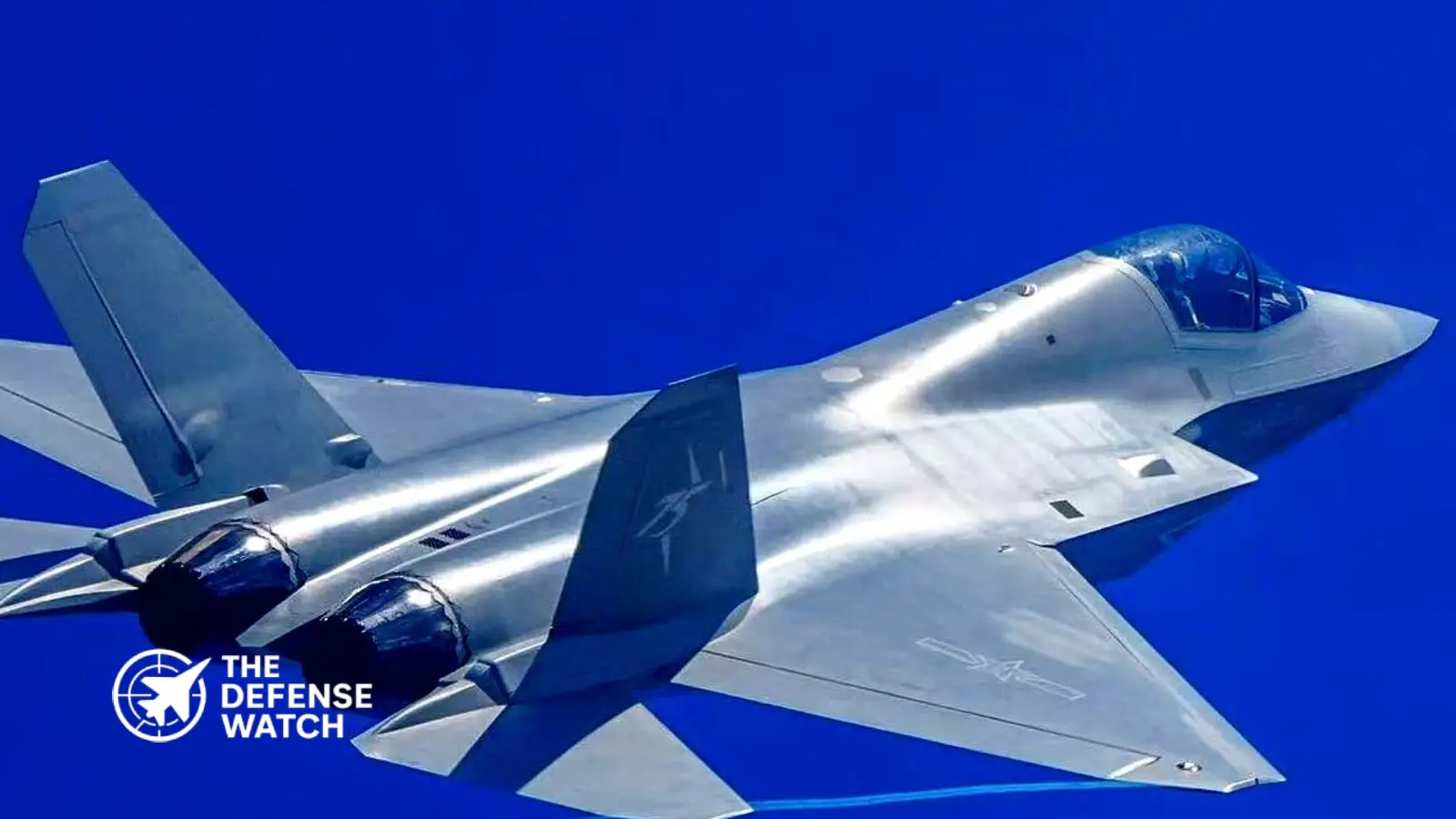
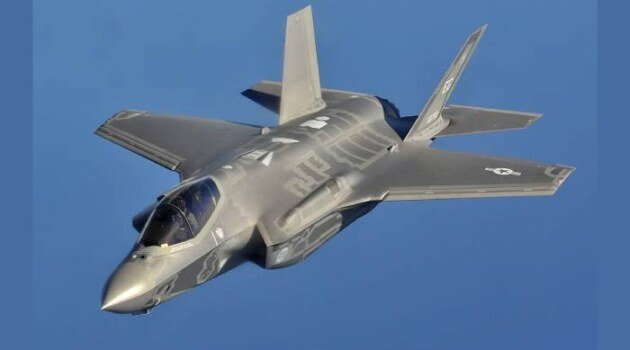
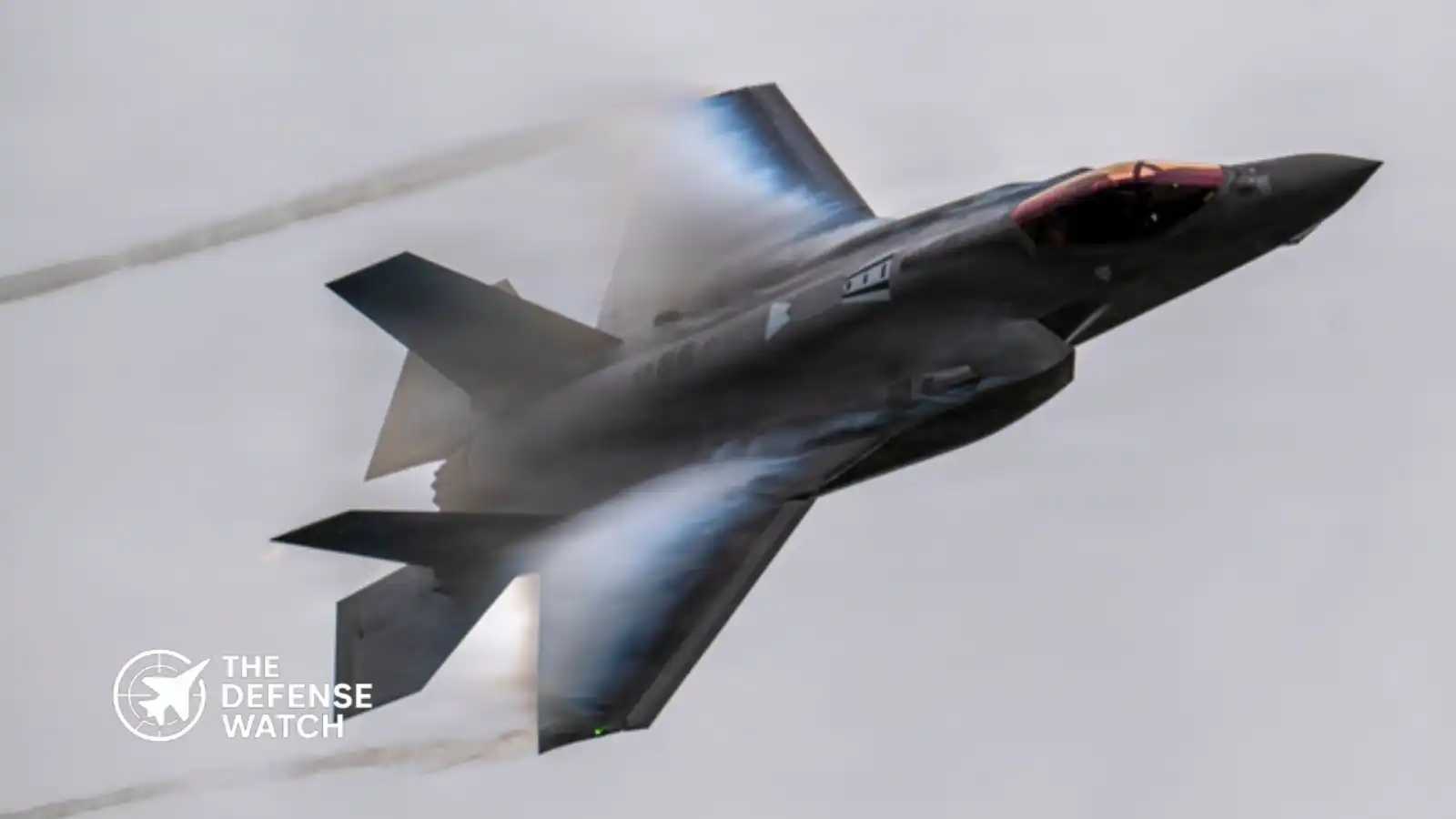
Pakistan is poised to become the first foreign customer of China’s J-35 stealth fighter, according to multiple defense reports and recent government statements. The move would provide the Pakistan Air Force with access to fifth-generation combat aircraft while highlighting China’s growing role as an exporter of advanced military aviation technology.
Multiple defense publications and regional media reports indicate that Islamabad is moving forward with plans to acquire up to 40 Chinese-built J-35 fighter aircraft, potentially making Pakistan the first overseas operator of China’s latest fifth-generation stealth platform. Recent statements linked to Pakistani government channels have also referenced the proposed transfer of J-35 fighters alongside other advanced Chinese defense systems.
While detailed contract terms and delivery schedules have not been publicly disclosed by either Beijing or Islamabad, the growing volume of official and semi-official reporting suggests that discussions have progressed beyond early speculation.
Designed with low-observable characteristics, internal weapons bays, advanced sensors, and networked combat capabilities, the aircraft is intended to perform both air superiority and
Recent footage aired by Chinese state media showed what analysts identified as the export-oriented J-35AE variant carrying Aviation Industry Corporation of China (AVIC) markings rather than People’s Liberation Army Air Force insignia. Defense analysts interpreted the appearance as a signal that Beijing is actively preparing the aircraft for foreign customers.
The emergence of the J-35AE is particularly noteworthy because it demonstrates China’s intention to compete in the global market for advanced combat aircraft, a sector traditionally dominated by the United States and, to a lesser extent, European manufacturers.
Pakistan has long been China’s most important defense partner and already operates several major Chinese-built systems, including the JF-17 Thunder and J-10CE fighter aircraft.
The reported J-35 acquisition would represent the next phase of that partnership. From an operational perspective, the aircraft would provide the Pakistan Air Force with access to stealth capabilities that have not previously existed within its inventory.
Becoming the first foreign operator is also strategically significant for China.
Defense exports serve as both an economic and geopolitical tool. Successfully delivering a fifth-generation fighter to an overseas customer would demonstrate confidence in China’s aerospace industry and could help open additional export opportunities across Asia, the Middle East, and Africa.
This aspect of the deal may ultimately prove as important as the aircraft itself.
The potential introduction of the Pakistan J-35 stealth fighter would inevitably draw attention across South Asia.
India continues to modernize its fighter fleet through a combination of imported and indigenous programs, including the Rafale and the Advanced Medium Combat Aircraft (AMCA) project. The arrival of a fifth-generation Chinese-built fighter in Pakistan would add a new dimension to the region’s evolving air power balance.
However, it is important to separate confirmed facts from speculation.
Although reports have referenced possible aircraft numbers and delivery timelines, neither China nor Pakistan has publicly released a comprehensive acquisition roadmap. Some earlier claims regarding deliveries were later challenged due to a lack of official evidence, highlighting the need for caution when assessing timelines and operational readiness.
China’s Growing Defense Export Ambitions
The J-35 program also reflects a broader trend within China’s defense industry.
Over the past decade, Beijing has steadily expanded exports of military aircraft, drones, missile systems, and air defense platforms. The reported J-35 export effort represents the highest-profile example yet of China’s attempt to enter the elite market for stealth combat aircraft.
If Pakistan formally receives the aircraft, China would achieve a milestone that few nations have reached: exporting an operational fifth-generation fighter to a foreign military customer.
For global defense markets, that development could reshape future competition in advanced military aviation.
Outlook
Although questions remain regarding contract details, financing, production schedules, and delivery timelines, the available reporting points toward a significant expansion of China-Pakistan defense cooperation centered on the J-35 stealth fighter.
Should the acquisition proceed as reported, Pakistan would become the first foreign customer for China’s fifth-generation fighter program, while Beijing would secure a landmark export success for one of its most advanced aerospace platforms.
The coming months will likely provide greater clarity on procurement milestones, training arrangements, and the timeline for the aircraft’s eventual entry into Pakistan Air Force service.
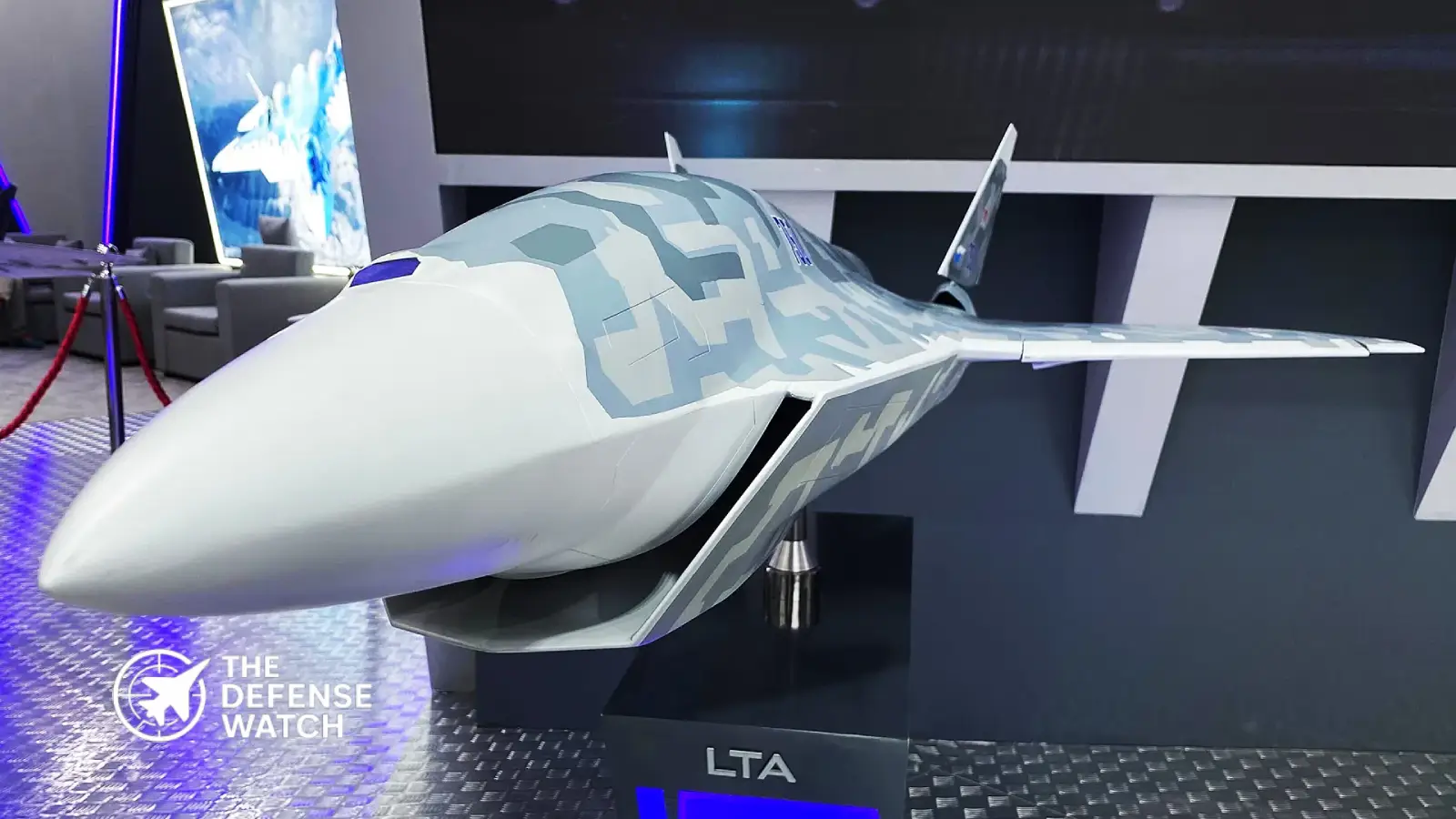
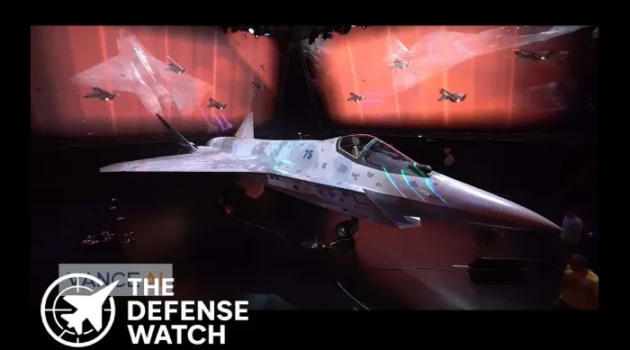
Russia has confirmed that construction of the first flyable prototype of the Su-75 Checkmate has begun, marking the most significant development in the fighter program since its unveiling in 2021. The milestone signals Moscow’s continued effort to field a lower-cost fifth-generation combat aircraft that could complement the Su-57 while targeting export customers seeking a stealth-capable fighter.
Russia Begins Construction of Su-75 Checkmate Prototype
Russia’s Su-75 Checkmate fighter program has entered a new phase after officials confirmed that construction of the aircraft’s first prototype is now underway.
The announcement came from United Aircraft Corporation (UAC) Chief Executive Officer Vadim Badekha, who stated that work on the Su-75 had progressed to the prototype assembly stage. The disclosure was reported by Russian state news agency TASS and subsequently confirmed by multiple defense media outlets.
The development represents the first tangible evidence that the Checkmate program is moving beyond concept demonstrations and static displays that have defined much of its public history since its debut at the 2021 MAKS Air Show.
According to UAC, the aircraft is being developed for both domestic military requirements and potential international customers. The company continues to emphasize the fighter’s single-engine configuration as a key factor in reducing acquisition and operating costs compared with larger twin-engine platforms.
What Is the Su-75 Checkmate?
The Su-75 Checkmate is a proposed fifth-generation light tactical fighter developed by Sukhoi under Russia’s broader military aviation modernization effort.
Unlike the twin-engine Su-57, the Checkmate adopts a single-engine layout intended to provide a lower-cost stealth aircraft while retaining many features associated with modern fifth-generation fighters. The aircraft is expected to perform both air-to-air and air-to-ground missions.
Russian officials have positioned the aircraft as a potential replacement for aging fourth-generation fighters while also serving as a more affordable alternative for export markets that may be unable to acquire higher-priced Western stealth aircraft.
Defense analysts have observed modifications to the rear fuselage, wing root geometry, and aerodynamic surfaces. These changes suggest ongoing efforts to refine the aircraft’s low-observable characteristics, aerodynamic performance, and manufacturability before the start of formal flight testing.
The latest prototype reportedly incorporates lessons learned from years of design refinement as well as advances derived from Russia’s broader fifth-generation aviation programs.
The start of prototype construction is significant because the Su-75 has experienced repeated schedule adjustments since its unveiling.
Initial plans envisioned a first flight several years earlier, but funding pressures, industrial challenges, sanctions-related constraints, and shifting production priorities delayed progress. Russian aerospace manufacturers have simultaneously been tasked with increasing production of existing combat aircraft, including the Su-34, Su-35S, and Su-57.
For defense planners, moving from a display model to a flyable prototype represents a critical transition. It allows engineers to begin validating aerodynamic performance, flight control systems, propulsion integration, and stealth-related design features under real operating conditions.
Without prototype testing, projected performance figures remain theoretical.
Strategic Implications for Russia’s Airpower Modernization
The Russian Aerospace Forces currently rely heavily on twin-engine fighters such as the Su-30SM, Su-35S, and Su-57. While these aircraft provide significant combat capability, they are generally more expensive to acquire and operate than single-engine alternatives.
A successful Checkmate program could provide Moscow with a lighter and potentially more affordable platform for missions that do not require the full capabilities of heavier aircraft.
From an export perspective, the aircraft is equally important.
Historically, Soviet and Russian manufacturers achieved substantial export success with relatively affordable combat aircraft. The Checkmate is intended to reestablish Russia’s presence in the market segment increasingly dominated by advanced Western and Chinese designs.
Technical and Industrial Challenges Remain
Despite the prototype milestone, significant hurdles remain before the aircraft can enter operational service.
The program must still complete ground testing, systems integration, engine validation, flight trials, weapons certification, and low-rate production preparations. These phases traditionally require several years even under favorable industrial conditions.
Questions also remain regarding production timelines, procurement volumes, and export commitments. Publicly available information indicates that no large-scale domestic or foreign orders have yet been confirmed.
In addition, modern fifth-generation fighter development requires advanced avionics, sensors, software integration, and manufacturing capabilities that are among the most demanding challenges in aerospace engineering.
The prototype phase will therefore serve as the first meaningful indicator of whether the Checkmate can transition from a long-promised concept into an operational combat aircraft.
Outlook
The beginning of prototype construction marks the most concrete progress achieved by the Su-75 Checkmate program since its public unveiling nearly five years ago.
While major testing and certification milestones remain ahead, the move demonstrates that Russia continues to invest in a lighter fifth-generation fighter intended to complement the Su-57 and compete in the international combat aircraft market.
Whether the Checkmate ultimately achieves operational service and export success will depend on its performance during upcoming testing campaigns, industrial production capacity, and future customer demand.
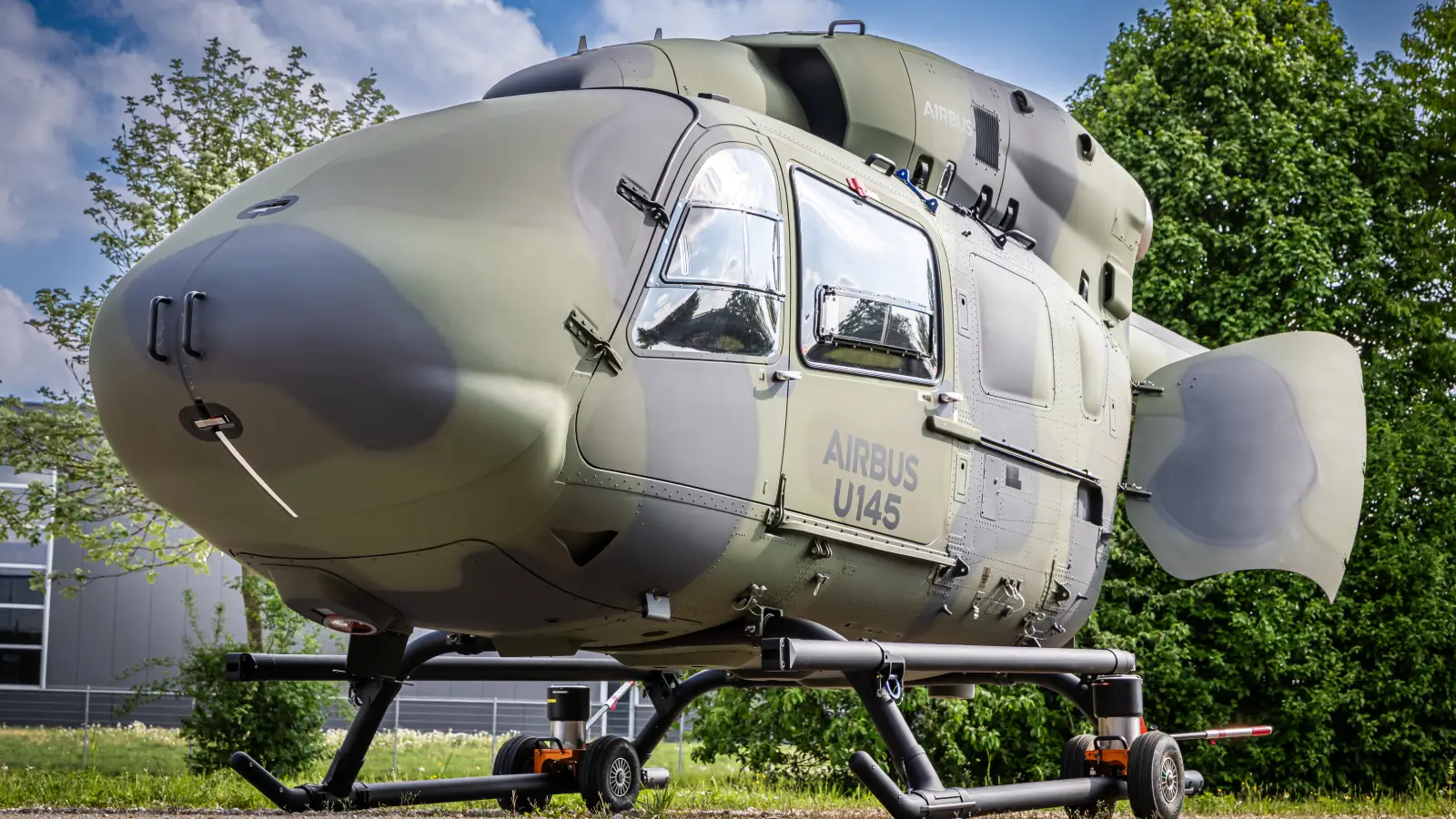
Airbus Helicopters has introduced the U145, an autonomous and uncrewed version of its widely used H145 helicopter. Unveiled at ILA Berlin 2026, the platform is designed to support cargo logistics, surveillance, disaster response, and military operations while advancing Airbus’ broader autonomous aviation strategy.
Airbus Unveils U145 Autonomous Helicopter At ILA Berlin 2026
The Airbus U145 autonomous helicopter marks a significant step in the evolution of rotary-wing unmanned aviation. Revealed by Airbus Helicopters during the ILA Berlin Air Show, the new platform transforms the proven H145 helicopter into an uncrewed aircraft system capable of conducting autonomous missions across military and civilian sectors.
Airbus displayed a full-scale mock-up of the U145 at the event and announced plans for a maiden flight by the end of 2026 with a safety pilot onboard. Entry into operational service is expected in the early 2030s.
According to Airbus Helicopters CEO Matthieu Louvot, the U145 combines the payload capacity, airframe maturity, and operational experience of the H145 with the autonomy capabilities typically associated with advanced unmanned aerial systems.
Designed For Autonomous Cargo And Military Missions
Unlike the conventional H145, the U145 removes the physical cockpit entirely and replaces it with a dedicated sensor suite and artificial intelligence-driven autonomy system. Airbus says the aircraft is being optimized primarily for high-volume cargo transportation, particularly in environments where crewed operations may be risky or inefficient.
The aircraft incorporates several structural modifications, including:
Integrated nose cargo door
Foldable loading table
Dedicated cargo floor
Autonomous navigation and mission management systems
These changes are intended to streamline logistics operations while maximizing payload flexibility.
Although logistics support is the primary focus, Airbus is positioning the U145 as a modular platform capable of supporting a wide range of future missions.
Potential applications include:
Military resupply operations
Armed reconnaissance
Intelligence, surveillance, and reconnaissance (ISR)
Disaster response
Firefighting support
Drone mothership missions
Crewed-uncrewed teaming operations
Airbus confirmed it is working with MBDA on concepts involving air-launched effects and drone mothership capabilities, reflecting growing interest among Western militaries in distributed and networked battlefield operations.
Part Of Airbus’ Broader Autonomous Aviation Strategy
The U145 represents Airbus’ second major effort to convert an existing helicopter into an autonomous platform. It follows the VSR700 program, which adapted the Cabri G2 helicopter into an unmanned system.
The announcement also aligns with Airbus’ ongoing investments in crewed-uncrewed teaming technologies. In 2025, the company unveiled HTeaming, a modular system designed to allow helicopter crews to control unmanned aircraft during flight. Together, these initiatives indicate Airbus is building an integrated ecosystem that connects crewed helicopters, autonomous aircraft, and future battlefield networks.
From a defense modernization perspective, the U145 reflects a broader industry trend toward autonomous logistics and operational support platforms. Armed forces increasingly view uncrewed rotorcraft as a way to reduce personnel risk while maintaining supply chains in contested environments.
The launch of the Airbus U145 autonomous helicopter comes as military organizations across NATO and allied nations accelerate investment in autonomous aviation technologies.
The platform’s reliance on an already established helicopter design could offer several advantages. By leveraging the H145’s extensive operational history, Airbus may reduce technical risk, simplify maintenance planning, and accelerate certification compared with developing a completely new aircraft from scratch. The H145 family currently numbers more than 1,800 aircraft worldwide and has accumulated over 8.5 million flight hours across military, public service, and civilian missions.
As defense planners seek resilient logistics solutions and scalable autonomous capabilities, the U145 could emerge as a notable contender in the growing market for medium-lift uncrewed rotorcraft.
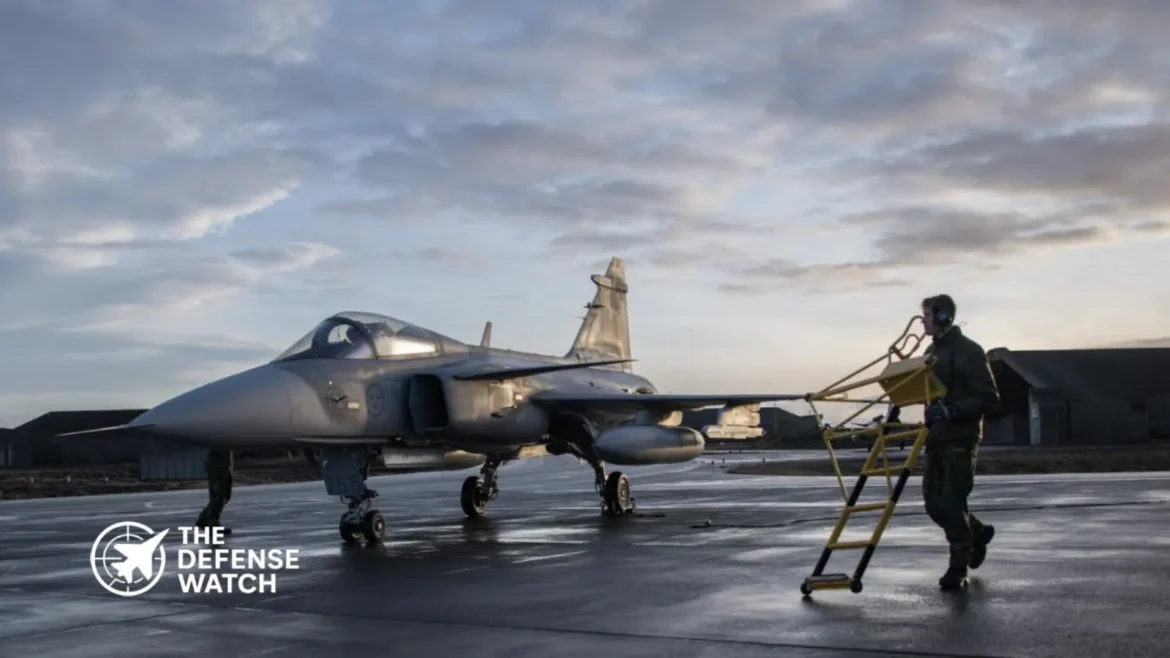
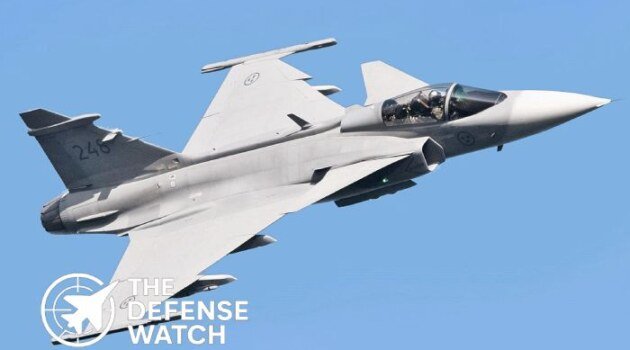
Canada is evaluating a major expansion of its future combat air fleet, potentially combining Lockheed Martin F-35 stealth fighters with Saab Gripen aircraft. The review reflects Ottawa’s effort to balance military capability, Arctic security requirements, industrial benefits, and long-term defense autonomy.
Canada Fighter Fleet Review Signals Major Strategic Shift
Canada fighter fleet modernization plans are entering a critical phase as Ottawa examines options that could significantly expand the Royal Canadian Air Force’s future combat aviation inventory.
According to Canadian media sources, government officials are evaluating a mixed-fleet approach that could combine U.S.-built F-35A Lightning II stealth fighters with Swedish Saab Gripen E aircraft. The proposal would represent one of the most significant changes to Canadian airpower planning in decades.
The review comes as Canada seeks to replace its aging CF-18 Hornet fleet while strengthening its ability to support both North American Aerospace Defense Command (NORAD) and NATO operations. At the same time, policymakers are increasingly weighing industrial and supply-chain considerations alongside traditional military requirements.
Mixed Fleet Concept Could Expand Total Aircraft Numbers
Recent reports indicate that Canadian officials are studying options that could result in a force of approximately 140 fighter aircraft, substantially larger than the original plan centered on 88 F-35s. Under some scenarios being discussed, Canada could retain between 72 and 88 F-35 fighters while also adding as many as 72 Gripen aircraft assembled in Canada.
Other reports suggest Ottawa has also examined a smaller mixed fleet model involving roughly 30 F-35As and approximately 60 Gripen aircraft. No final government decision has been announced.
The expanded fleet concept would allow Canada to maintain advanced fifth-generation capabilities while increasing overall fighter numbers for homeland defense, Arctic patrols, and expeditionary missions.
Why Ottawa Is Reassessing Its Fighter Procurement Strategy
The review extends beyond aircraft performance.
Canadian policymakers are increasingly focused on defense industrial resilience, technology transfer opportunities, and reducing dependence on a single foreign supplier. Recent tensions in trade and defense relations between Ottawa and Washington have added political attention to the issue.
Prime Minister Mark Carney’s broader defense industrial strategy emphasizes greater domestic participation in major military programs. A Gripen acquisition could potentially include local assembly, maintenance, software development, and long-term industrial partnerships within Canada’s aerospace sector.
This trend became more visible following Canada’s decision to pursue Saab’s GlobalEye airborne early warning aircraft rather than Boeing’s E-7 Wedgetail. Analysts view that decision as evidence that industrial participation and sovereign capability are becoming increasingly important factors in Canadian defense procurement.
F-35 Versus Gripen: Different Strengths For Different Missions
The Lockheed Martin F-35A remains one of the world’s most advanced combat aircraft, offering stealth characteristics, sensor fusion, network-centric warfare capabilities, and interoperability with key NATO allies.
For NORAD and coalition operations, the F-35 provides capabilities that many defense planners consider essential for future high-threat environments. Canada has participated in the Joint Strike Fighter program for years, and Canadian companies remain integrated into the broader F-35 industrial ecosystem.
The Saab Gripen E, meanwhile, offers a different value proposition. The aircraft is designed for lower operating costs, rapid turnaround times, dispersed operations, and high availability. Saab has also emphasized extensive technology transfer and domestic production opportunities for Canada.
A mixed fleet would potentially allow Canada to combine the F-35’s advanced combat capabilities with the Gripen’s affordability and industrial advantages.
Analysis: What This Means For Canada’s Future Airpower
The fighter review highlights a broader evolution in defense procurement across many Western nations.
Military capability remains the primary requirement, but governments are increasingly evaluating whether major acquisitions can also strengthen domestic industries, create skilled jobs, and reduce supply-chain vulnerabilities.
For Canada, geography remains a defining factor. The country must defend vast Arctic and northern regions while contributing to NATO operations abroad. A larger fighter fleet could improve operational flexibility, increase aircraft availability, and provide greater resilience during extended crises.
However, operating two fighter types would also introduce additional training, maintenance, logistics, and sustainment costs. Historically, air forces often favor fleet commonality to simplify long-term operations.
The final decision will therefore reflect more than a simple aircraft competition. It will serve as a test of how Canada balances military effectiveness, alliance commitments, industrial policy, and national sovereignty in an increasingly complex security environment.
Canadian officials have not announced a final decision on the future composition of the Royal Canadian Air Force fighter fleet. However, ongoing discussions involving both the F-35 and Gripen indicate that Ottawa is considering options far beyond its original procurement framework.
Whatever path is chosen, the outcome will shape Canadian airpower, aerospace industry development, and defense partnerships for decades to come.
Poland has received and deployed its first F-35A Husarz stealth fighters, becoming the first NATO eastern flank nation to field fifth-generation combat aircraft. The move significantly enhances Poland’s airpower while strengthening NATO’s deterrence and collective defense posture in Eastern Europe.
Poland Deploys First F-35A Husarz Fighters To Strengthen NATO Air Defense
Poland’s first F-35A Husarz fighters have arrived at the 32nd Tactical Air Base in Łask, marking a milestone in the country’s long-term military modernization strategy and strengthening NATO’s eastern flank defense network. The delivery introduces fifth-generation combat aviation capabilities into the Polish Air Force for the first time and expands NATO’s ability to conduct advanced air operations along its most strategically sensitive frontier.
The initial deployment consists of three F-35A Lightning II aircraft manufactured by Lockheed Martin. They are the first aircraft delivered to Poland under a contract signed in 2020 for 32 fighters valued at approximately $4.6 billion, including training, logistics support, and simulator systems. Deliveries are expected to continue through the end of the decade.
Why The F-35A Husarz Matters
The F-35A Husarz represents a significant leap beyond Poland’s legacy Soviet-era combat aircraft and complements the country’s existing fleet of F-16 fighters.
As a fifth-generation platform, the F-35A combines stealth characteristics, advanced sensor fusion, electronic warfare capabilities, and network-centric operations. Its integrated systems allow pilots to detect, identify, and engage threats at longer ranges while maintaining a reduced radar signature. These capabilities are particularly valuable in highly contested environments protected by modern air defense systems.
Unlike traditional fighter aircraft that require pilots to process information from multiple independent sensors, the F-35 fuses battlefield data into a single operational picture. This reduces pilot workload and improves decision-making speed during complex missions.
For Poland, the aircraft is expected to support air superiority missions, precision strikes, intelligence gathering, suppression of enemy air defenses, and joint operations with NATO allies.
Strategic Significance For NATO’s Eastern Flank
The arrival of the F-35A Husarz carries importance beyond Poland’s national defense requirements.
Polish Defense Minister Władysław Kosiniak-Kamysz described the aircraft as the first fifth-generation fighters permanently deployed on NATO’s eastern flank. Their presence enhances the alliance’s ability to monitor, deter, and respond to potential threats across Eastern Europe.
The deployment comes as NATO continues adapting its force posture following Russia’s invasion of Ukraine and growing security concerns across Central and Eastern Europe. Poland has emerged as one of NATO’s highest defense spenders relative to GDP and has accelerated procurement programs across multiple military branches.
The F-35 fleet is expected to integrate closely with Poland’s existing and planned defense assets, including Patriot air defense systems, HIMARS rocket launchers, AH-64E Apache helicopters, and Abrams main battle tanks. Together, these systems create a more interconnected and resilient defense architecture.
The deployment of the F-35A Husarz reflects Poland’s broader effort to transform its armed forces into one of Europe’s most capable military organizations.
While the country’s F-16 fleet continues to provide proven multirole combat capabilities, the F-35 introduces a new level of survivability, intelligence gathering, and networked warfare. Military planners increasingly view the combination of fourth-generation and fifth-generation aircraft as a force multiplier, allowing each platform to perform missions that maximize its strengths.
Poland’s acquisition also deepens interoperability with NATO members already operating the F-35, including United Kingdom, Italy, Norway, Netherlands, Belgium, Denmark, Finland, and Germany. Shared training, logistics networks, and operational procedures improve alliance readiness and support multinational operations.
Analysis: More Than A Fighter Delivery
The arrival of the first F-35A Husarz fighters is not simply an aircraft delivery. It signals Poland’s transition into the group of nations operating advanced fifth-generation combat aircraft and reinforces NATO’s technological advantage along its eastern frontier.
From a strategic perspective, the deployment increases the alliance’s ability to conduct intelligence collection, air defense suppression, and precision strike operations in contested environments. It also demonstrates how NATO members are investing in interoperable platforms that can share data across air, land, and missile defense networks.
As additional aircraft arrive and operational squadrons become fully established, Poland’s F-35 fleet is expected to become a central pillar of both national defense planning and NATO’s broader deterrence strategy in Europe.
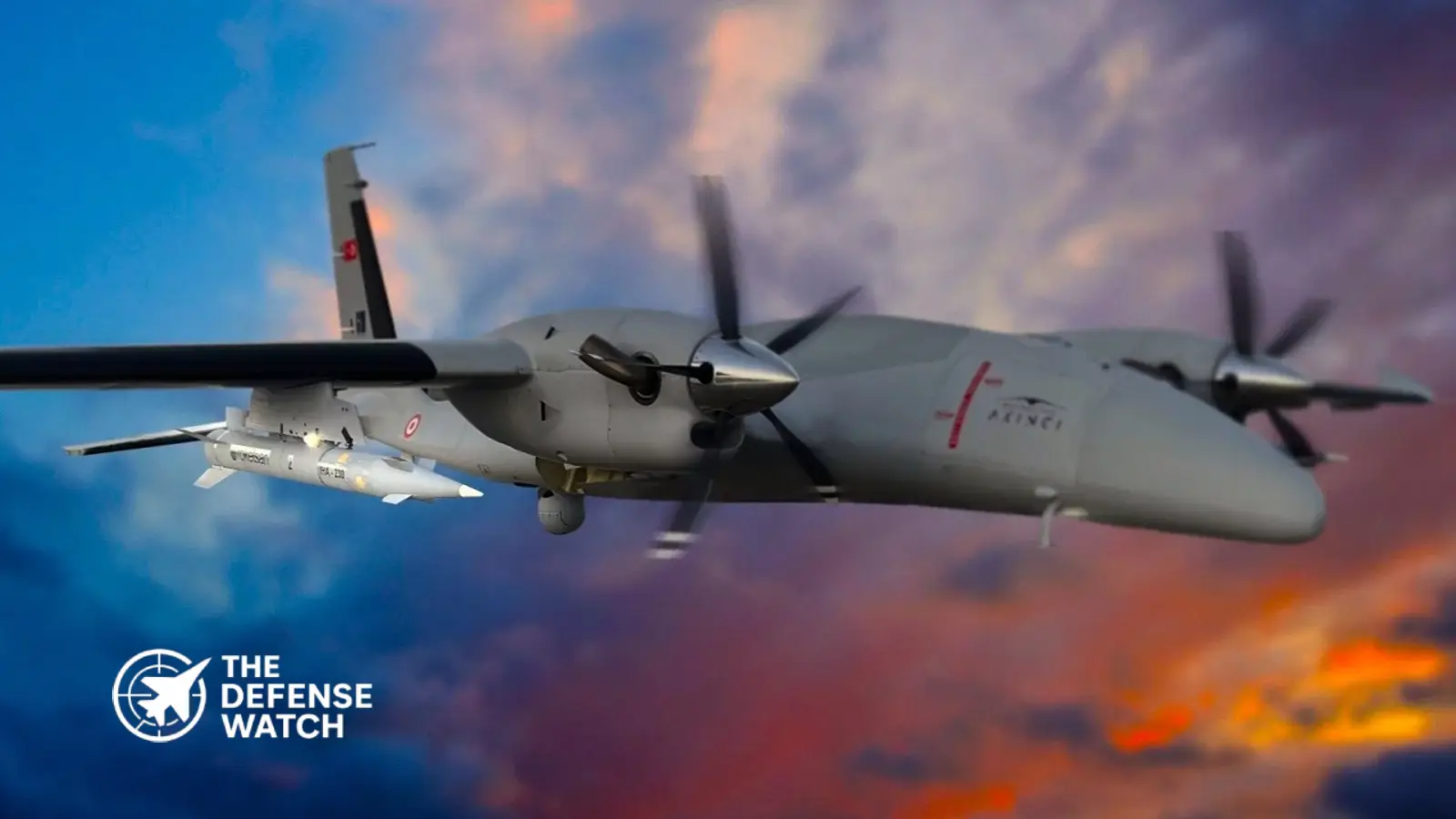
Türkiye has officially inducted the Roketsan IHA-230 air-launched supersonic ballistic missile into service, providing its unmanned combat aircraft with a long-range stand-off strike capability. The development marks a significant evolution in Turkish drone warfare, allowing platforms such as the Bayraktar AKINCI to engage high-value targets from beyond 150 kilometers while remaining outside many air defense engagement zones.
Türkiye Fields IHA-230 Missile On Combat Drones
The IHA-230 missile has entered operational service with the Turkish Land Forces, marking a major step in Türkiye’s effort to expand the combat effectiveness of its unmanned aerial systems. The announcement was made during a Turkish Ministry of National Defence briefing on June 4, confirming that inspection and acceptance procedures had been completed and the missile had been formally inducted into service.
Developed by Roketsan, the IHA-230 is an air-launched derivative of the TRG-230 guided missile family. Unlike the small precision-guided munitions commonly carried by drones, the weapon is designed to deliver long-range, high-speed strikes against critical targets from stand-off distances. According to manufacturer and defense reporting, the missile can engage targets at ranges exceeding 150 kilometers, depending on launch altitude and aircraft speed.
The system is primarily associated with the Bayraktar AKINCI unmanned combat aerial vehicle, though Roketsan has also identified compatibility with the AKSUNGUR and future integration potential for the KIZILELMA unmanned combat aircraft.
Expanding The Role Of Combat Drones
The introduction of the IHA-230 missile reflects a broader shift in how militaries are employing unmanned aircraft.
For more than a decade, armed drones have largely focused on intelligence gathering and precision strikes using relatively lightweight munitions. The addition of a supersonic ballistic missile changes that equation by enabling drones to conduct deeper attacks against command centers, air defense systems, infrastructure, and maritime targets without entering heavily defended airspace.
The missile reportedly combines inertial and satellite navigation systems with anti-jamming features and terminal guidance options, allowing precision engagement of fixed targets. Defense reports indicate the weapon can carry different warhead configurations tailored to mission requirements.
From an operational perspective, the concept offers commanders a faster sensor-to-shooter cycle. A drone can identify a target, launch the missile from stand-off range, and remain on station to assess strike results or support follow-on missions. This capability reduces dependence on manned aircraft for certain strike missions and provides greater operational flexibility.
Why The Capability Matters
The significance of the IHA-230 missile extends beyond the weapon itself.
Türkiye has become one of the world’s leading exporters of armed drones, with systems such as the Bayraktar TB2 and AKINCI seeing widespread international adoption. The integration of a long-range supersonic strike weapon demonstrates the continued maturation of the country’s indigenous defense industry and unmanned warfare doctrine.
For NATO, the development introduces an additional precision-strike capability on the alliance’s southeastern flank. Unmanned platforms equipped with stand-off missiles can contribute to suppression of enemy air defenses, strike operations against high-value targets, and maritime security missions while minimizing risk to aircrews.
The capability also aligns with broader military trends emphasizing distributed operations, networked warfare, and the use of unmanned systems to perform missions traditionally assigned to crewed aircraft.
A New Phase In Turkish Unmanned Warfare
The IHA-230 missile represents more than the addition of a new munition to Türkiye’s arsenal. It signals the emergence of a doctrine in which drones function as long-range strike platforms capable of delivering battlefield effects previously associated with fighter aircraft and ground-based missile forces.
As Türkiye continues integrating advanced weapons across platforms such as AKINCI, AKSUNGUR, and KIZILELMA, its unmanned force structure is evolving into a layered strike network that combines persistence, precision, and stand-off reach.
While operational deployment details remain limited, the induction of the IHA-230 missile demonstrates Ankara’s commitment to expanding indigenous strike capabilities and strengthening its position in the rapidly evolving global unmanned warfare landscape.
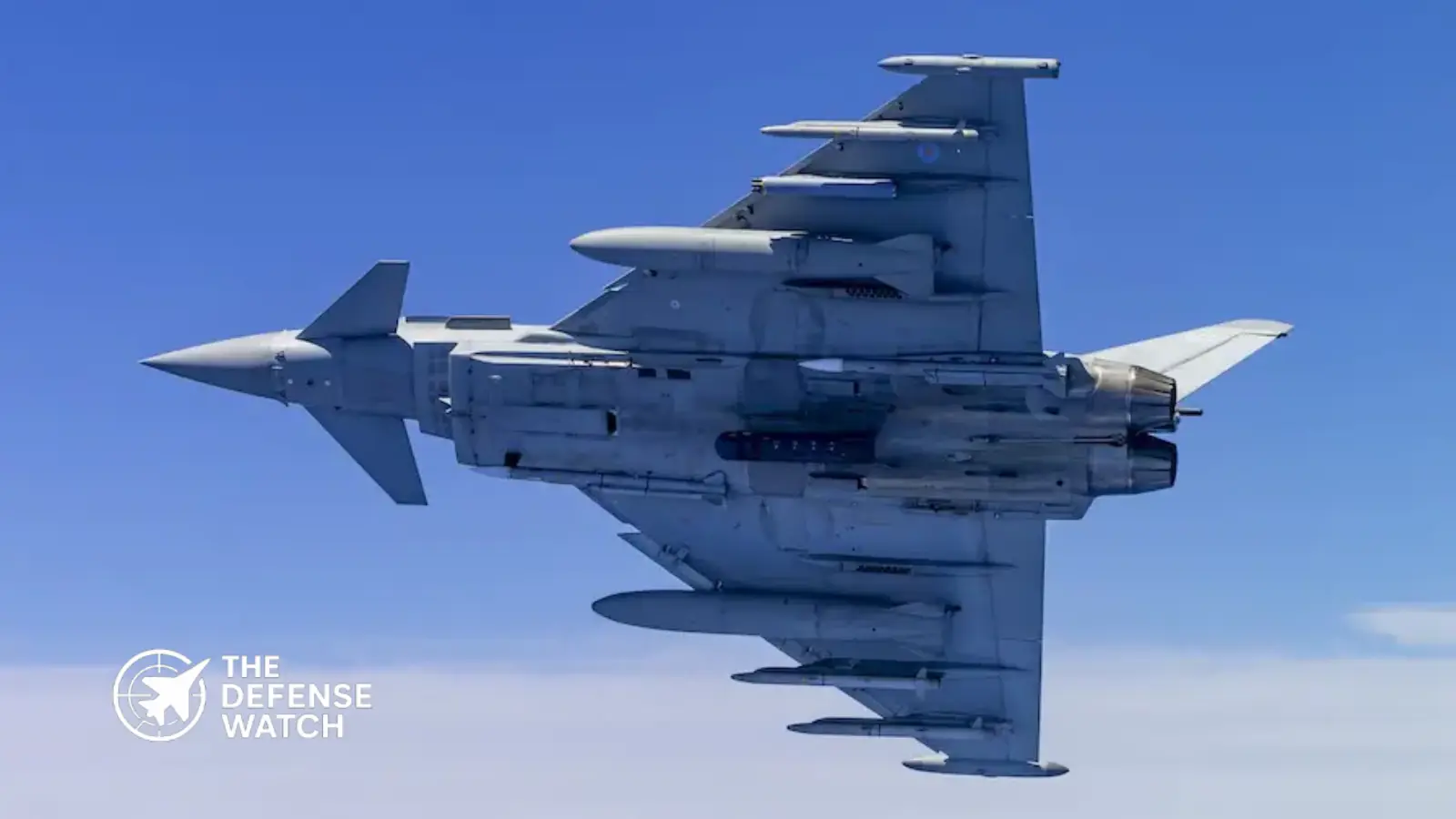
The Royal Air Force has highlighted the operational benefits of the Advanced Precision Kill Weapon System (APKWS), a low cost precision guided weapon now integrated onto Typhoon fighter aircraft. The capability is designed to provide a more affordable and sustainable method of defeating drones and other emerging threats while preserving inventories of higher end air to air missiles.
The system entered operational service in 2026 following an accelerated testing and deployment effort involving the RAF, UK Ministry of Defence, BAE Systems, and QinetiQ.
RAF Highlights APKWS as Key Counter Drone Capability
The Royal Air Force has formally showcased the Advanced Precision Kill Weapon System (APKWS) as a new capability for Eurofighter Typhoon pilots, emphasizing its value against uncrewed aerial systems and other modern battlefield threats.
According to the RAF, APKWS provides a highly accurate and flexible engagement option while significantly reducing the cost of intercepting low value aerial targets. The service described the weapon as part of a broader effort to ensure Typhoon remains effective against rapidly evolving threats, particularly the growing use of inexpensive drones in contested environments.
APKWS converts existing 70 mm Hydra rockets into precision guided munitions through the addition of a laser guidance kit. This approach allows air forces to leverage existing rocket inventories while gaining precision strike capability without the expense associated with traditional missile systems.
Rapid Development Moved Capability From Trials to Operations
One of the most notable aspects of the program was the speed of deployment.
The UK Ministry of Defence, working alongside BAE Systems and QinetiQ, moved the system from testing to operational service in less than two months. Initial ground target trials were completed in March 2026, followed by successful air to air engagements against aerial targets during RAF testing in April. By May, Typhoon aircraft assigned to operational missions in the Middle East were carrying APKWS.
The accelerated fielding effort reflects a growing trend among Western militaries to rapidly integrate proven technologies in response to urgent operational requirements rather than relying exclusively on lengthy procurement cycles.
How APKWS Works
APKWS is manufactured by BAE Systems and is already used across multiple military platforms worldwide.
The weapon uses a laser guidance package installed between the rocket motor and warhead. Once launched, guidance fins deploy and steer the rocket toward a laser designated target.
The growing prevalence of inexpensive drones has created a significant challenge for advanced air forces.
In many recent conflicts, militaries have been forced to use costly air to air missiles against relatively cheap unmanned systems. This creates an unfavorable cost exchange ratio and can quickly deplete missile inventories during prolonged operations.
APKWS addresses that problem by providing a precision engagement option that costs substantially less than traditional interceptor missiles. The RAF specifically highlighted the system’s ability to engage drones at a fraction of the cost of existing air defense methods.
This challenge is not unique to the United Kingdom.
The U.S. Air Force is pursuing its own dual mode APKWS developments aimed at countering large numbers of Group 3 drones and other low cost aerial threats. American officials have identified mass drone attacks as an increasingly urgent operational concern across multiple theaters.
Strategic Implications for NATO and Allied Air Forces
The RAF’s APKWS integration highlights a broader shift occurring across NATO air forces.
For decades, Western fighter aircraft were optimized primarily for high end air combat and strike missions. However, recent conflicts in the Middle East and Eastern Europe have demonstrated that large numbers of low cost drones can impose significant operational and financial burdens on defenders.
The introduction of APKWS offers several advantages:
Preserves inventories of premium air to air missiles such as Meteor and ASRAAM.
Improves affordability during sustained counter drone campaigns.
Expands the number of available engagement opportunities per sortie.
Reduces the risk of overmatching inexpensive threats with costly weapons.
Enhances operational flexibility for deployed fighter units.
Laser guided rockets generally have shorter engagement ranges than dedicated air combat weapons and require target designation throughout the engagement process. As a result, APKWS is best suited for slower aerial targets such as drones, loitering munitions, and lightly protected ground targets rather than high performance fighter aircraft.
The RAF has indicated that further development efforts are already underway. New APKWS variants incorporating additional sensing technologies are being evaluated to improve effectiveness against fast moving and multiple targets while maintaining affordability.
This mirrors ongoing U.S. efforts to develop dual mode APKWS configurations that combine laser guidance with additional seekers to enhance counter UAS performance.
The Royal Air Force’s adoption of APKWS represents more than a new weapon integration. It reflects a wider shift in military thinking about how advanced air forces confront mass drone threats while managing costs and preserving high end munitions.
As drones continue to proliferate across global battlefields, affordable precision weapons are becoming an increasingly important component of air power. For the RAF, APKWS provides a practical answer to that challenge, giving Typhoon pilots a scalable and operationally relevant tool for modern combat environments.
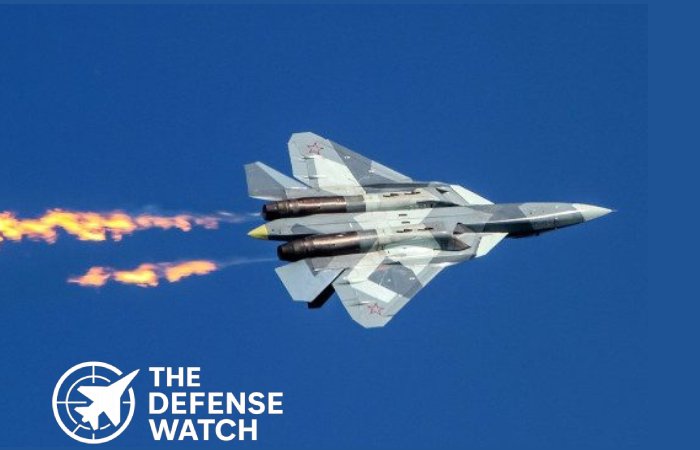
Russian President Vladimir Putin has said Moscow remains open to supplying and jointly developing the Su-57 fighter aircraft with India. His remarks revive discussion of a potential India-Russia fifth-generation fighter partnership years after New Delhi withdrew from the original joint development effort. The statement comes as India evaluates future combat aviation requirements and seeks to expand its indigenous aerospace capabilities.
Putin Reopens Door To Su-57 Cooperation With India
Su-57 fighter jet cooperation between Russia and India has returned to the spotlight after Russian President Vladimir Putin publicly stated that Moscow remains prepared to work with New Delhi on the aircraft’s future development and procurement.
Speaking about the history of the program, Putin noted that Russia had previously proposed a joint effort with India to develop fifth-generation fighter technology. According to his remarks, India chose not to participate at that stage, preferring to observe the aircraft’s development before making a future decision.
As far as the Su-57 goes, at one point we proposed to our Indian friends to work together on this technology,” Putin said. “The aircraft could have been our joint project. We built it independently, but we are ready to work with India in this field, to supply this aircraft and to keep developing it.”
Background Of The India-Russia Fifth-Generation Fighter Program
The comments reference the long-running Fifth Generation Fighter Aircraft (FGFA) initiative, which emerged from cooperation between India and Russia during the late 2000s.
The project was based on technology derived from Russia’s Su-57 stealth fighter, formerly known as the PAK FA program. India was expected to contribute funding and participate in development activities while gaining access to advanced fighter technologies.
However, concerns regarding cost, technology transfer, aircraft performance requirements, and program timelines led India to gradually distance itself from the initiative. By 2018, reports indicated that New Delhi had effectively suspended participation while continuing to monitor the platform’s progress.
Since then, Russia has continued development and production of the Su-57 independently.
Why The Timing Matters
Putin’s remarks come at a notable moment for India’s military aviation modernization efforts.
The Indian Air Force continues to face pressure to maintain combat squadron strength while simultaneously pursuing indigenous aerospace programs. New Delhi is investing heavily in the Advanced Medium Combat Aircraft (AMCA), an indigenous stealth fighter designed to provide India with a domestically developed fifth-generation capability.
At the same time, India continues to evaluate options for bridging future capability gaps as older aircraft retire and regional military competition intensifies.
Russia’s renewed offer appears aimed at positioning the Su-57 fighter jet as a potential option within that broader modernization landscape.
While Putin characterized the aircraft as the world’s best fifth-generation fighter, such assessments remain subjective and are often debated among defense analysts. Independent evaluations typically compare the Su-57 against other fifth-generation platforms based on stealth characteristics, sensor integration, networking capabilities, weapons integration, survivability, and operational maturity.
Su-57 Program Continues To Expand
The Russian stealth fighter remains one of Moscow’s flagship aerospace programs.
Russia has continued deliveries of serial-production Su-57 aircraft to its Aerospace Forces while promoting the platform to international customers. The aircraft is designed to combine reduced radar observability, advanced avionics, high maneuverability, long-range weapons employment, and multi-role mission capabilities.
Moscow has increasingly highlighted export opportunities for the platform as part of its broader defense industry strategy.
Potential cooperation with India would represent a significant development due to the scale of India’s defense market, its longstanding military relationship with Russia, and the possibility of industrial participation beyond simple aircraft procurement.
Putin’s comments underscore Russia’s continued interest in maintaining deep defense-industrial ties with India despite New Delhi’s efforts to diversify military suppliers over the past decade.
For Moscow, a renewed partnership involving the Su-57 fighter jet could strengthen one of its most important defense relationships and potentially support future aircraft production and development efforts.
For India, any decision involving advanced fighter acquisition would need to balance immediate operational requirements, domestic aerospace ambitions, technology transfer considerations, long-term sustainment costs, and strategic autonomy objectives.
No new agreement, negotiations, or procurement decision was announced alongside Putin’s remarks. However, the statement clearly signals that Russia remains willing to reopen discussions surrounding the fifth-generation fighter program should India choose to pursue them.
Defense Analysis
Putin’s statement is significant less because it announces a new deal and more because it publicly reopens a pathway that many observers considered dormant.
The timing suggests Russia is actively seeking opportunities to expand defense cooperation with key partners while promoting the Su-57 fighter jet internationally. For India, the proposal arrives as the country balances near-term fighter requirements against long-term indigenous development goals.
Whether New Delhi revisits the concept will likely depend on how decision-makers assess the aircraft’s operational maturity, technology-sharing prospects, industrial benefits, and compatibility with India’s broader defense modernization strategy.
At present, Putin’s remarks should be viewed as a renewed offer rather than evidence of an imminent procurement decision.
A newly released thermal image captured near Area 51 appears to show an unidentified aircraft with a configuration unlike any publicly known military aircraft.
While no official confirmation exists, the sighting has renewed interest in the U.S. Air Force’s Next Generation Air Dominance (NGAD) efforts and ongoing classified flight testing at Groom Lake.
Unidentified Aircraft Near Area 51 Draws Attention From Aviation Observers
A potential next-generation fighter aircraft has become the focus of aviation and defense discussions after thermal imagery captured near Area 51 revealed a previously unseen aircraft design.
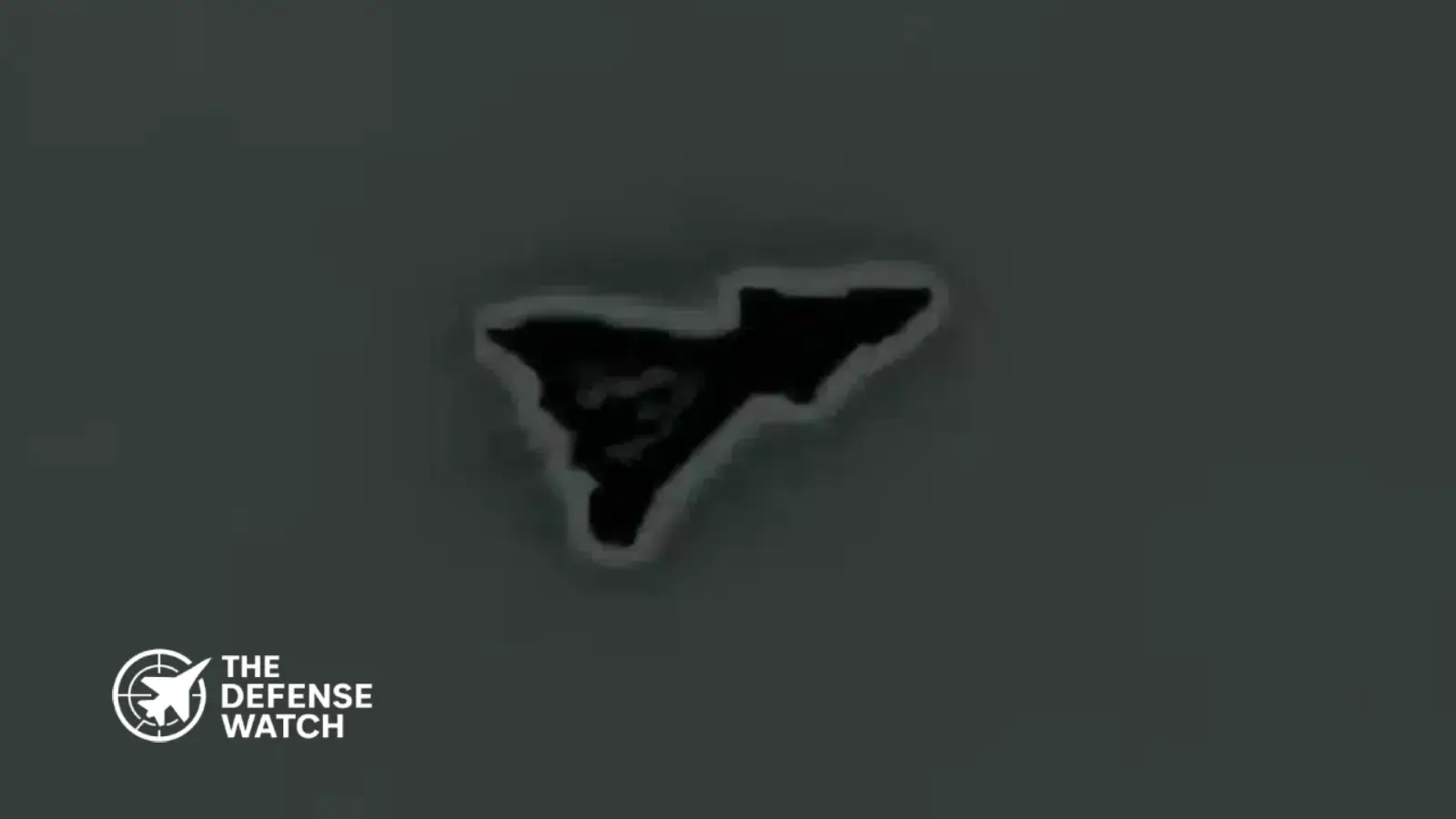
The image appears to show an aircraft operating near Groom Lake, Nevada, the highly classified test facility commonly known as Area 51. The aircraft was recorded using thermal imaging equipment and exhibits a planform that does not match any publicly acknowledged U.S. military aircraft.
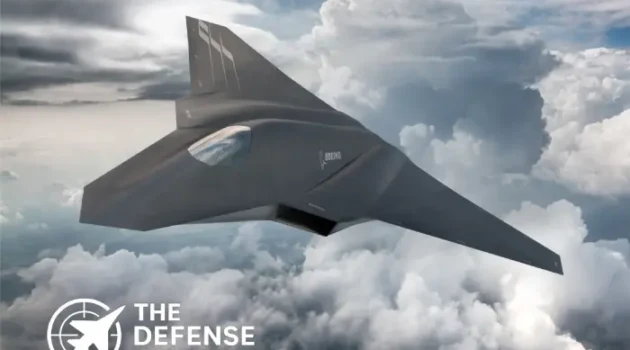
The sighting comes at a time of growing interest in America’s future combat aviation programs, particularly following the U.S. Air Force’s selection of Boeing to develop the F-47 under the Next Generation Air Dominance (NGAD) initiative.
Analysis of the thermal image indicates several unusual design characteristics.
Observers noted what appears to be a cranked-kite wing layout combined with prominent forward canards and a tailless or near-tailless configuration. Such design elements are commonly associated with efforts to reduce radar signatures while improving aerodynamic efficiency and range.
The aircraft’s shape differs significantly from existing operational platforms such as the F-35 Lightning II, F-22 Raptor, and B-21 Raider.
Importantly, no official U.S. government agency has identified the aircraft or confirmed its existence.
The image alone does not provide sufficient evidence to determine whether the platform is a technology demonstrator, experimental aircraft, or part of a classified operational development effort.
Area 51 Remains Central To Advanced U.S. Flight Testing
Area 51 has historically served as the testing ground for some of America’s most significant aerospace programs.
The facility hosted development activities linked to aircraft such as the Lockheed U-2, Lockheed A-12, and Lockheed F-117 Nighthawk before their public disclosure.
Because of that history, sightings of unusual aircraft operating around Groom Lake often attract significant scrutiny from defense analysts and aviation enthusiasts.
Earlier in 2026, another unexplained triangular aircraft, described by observers as “Dorito-shaped,” was reportedly recorded in the same region, further fueling speculation about ongoing classified aviation programs.
The U.S. Air Force has previously disclosed that experimental NGAD demonstrators have already flown, suggesting advanced technologies are undergoing testing well before operational aircraft enter service. However, officials have released very few details regarding the appearance, configuration, or performance characteristics of those demonstrators.
This context makes the latest sighting noteworthy, even if identification remains impossible.
Aviation analysts caution that advanced aerospace programs often rely on multiple prototype and demonstrator aircraft before a final production design emerges. As a result, an aircraft operating near Area 51 may not necessarily represent a future operational fighter in its final form.
That distinction is particularly important as the United States competes with rapidly advancing aerospace programs in countries such as China, where several next-generation combat aircraft concepts have recently emerged in public imagery.
Why The Sighting Matters
Whether the aircraft is linked to NGAD, another classified Air Force initiative, or an experimental technology program, the sighting underscores a broader reality: advanced aerospace development continues largely outside public view.
The United States is investing heavily in future air dominance technologies, including stealth, advanced propulsion, artificial intelligence integration, sensor fusion, and manned-unmanned teaming concepts. Programs supporting those objectives require extensive testing, much of which occurs at secure facilities such as Groom Lake.
The newly released thermal image does not provide definitive answers. However, it offers a rare glimpse into an environment where future generations of military aircraft are often developed years before official acknowledgement.
For now, the aircraft remains unidentified, but its appearance has once again highlighted Area 51’s continuing role at the forefront of American aerospace innovation.
Germany’s first F-35A Lightning II has reached a key production milestone with the installation of its Pratt & Whitney F135 engine at Lockheed Martin’s Fort Worth assembly facility.
The development keeps Berlin’s 35-aircraft F-35 acquisition program on track, supporting Luftwaffe modernization and Germany’s NATO nuclear sharing responsibilities.
Germany’s First F-35A Reaches Major Production Milestone
Germany’s first F-35A Lightning II has entered a critical phase of production after receiving its Pratt & Whitney F135-PW-100 engine at Lockheed Martin’s Fort Worth, Texas, manufacturing facility. The milestone marks another significant step toward the aircraft’s planned delivery later in 2026 and eventual entry into Luftwaffe service.
New images released by Lockheed Martin show technicians integrating the engine into the aircraft designated for Germany, signaling that the jet has progressed beyond structural assembly and into the final stages of production.
The aircraft is the first of 35 F-35A fighters ordered by Germany through the U.S. Foreign Military Sales (FMS) program under a government-to-government agreement approved in December 2022.
From Final Assembly To Flight Testing
The engine installation follows Germany’s first F-35A entering final assembly earlier this year. During that phase, Lockheed Martin joined the aircraft’s four major structural sections, including the wing assembly and the forward, center, and aft fuselage sections, using advanced laser-guided alignment systems.
With the F135 engine now installed, the aircraft will continue through final systems integration, control surface installation, software validation, and low observable finishing processes before beginning ground and flight testing.
The F135 engine remains the most powerful fighter engine currently in operational service, providing the F-35A with the thrust necessary to support its stealth, sensor fusion, and multi-role combat capabilities.
Why Germany Chose The F-35A
Germany selected the F-35A to replace its aging Panavia Tornado IDS fleet, particularly for the nation’s participation in NATO’s nuclear sharing mission. Under this arrangement, allied aircraft maintain the capability to deliver U.S.-supplied B61 nuclear gravity bombs if required by NATO policy.
The decision represented one of the most significant shifts in German combat aviation planning in decades. Rather than pursuing an additional interim fighter solution, Berlin opted for a fifth-generation platform already integrated across a growing number of NATO air forces.
From a strategic perspective, the F-35A provides Germany with capabilities that extend beyond traditional strike missions. The aircraft combines stealth characteristics, advanced electronic warfare functions, sensor fusion, and networked battlefield awareness, allowing it to operate effectively in heavily contested environments.
The acquisition also strengthens interoperability with key NATO allies, including the United States, Italy, the Netherlands, Belgium, Norway, Finland, Poland, and other European operators that are either flying or preparing to field the F-35.
Training Pipeline Already Taking Shape
Before arriving in Germany, the first Luftwaffe F-35As will be stationed at Ebbing Air National Guard Base in Fort Smith, Arkansas. The facility is becoming a major international F-35 training hub and will also support pilot and maintainer training for other European F-35 operators.
The first eight German aircraft are expected to operate from Ebbing during the initial training phase before transferring to Germany. The aircraft will ultimately be based at Büchel Air Base, the future center of Germany’s F-35 operations.
According to program schedules, the first F-35As are expected to arrive at Büchel in 2027, enabling Germany to begin the transition away from the Tornado fleet.
The installation of the F135 engine may appear to be a routine manufacturing event, but it marks a visible transition from assembly to aircraft completion. As Germany’s first F-35A moves closer to rollout and flight testing, the Luftwaffe’s long-planned shift into the fifth-generation fighter era is becoming a reality.