

Executive Summary:
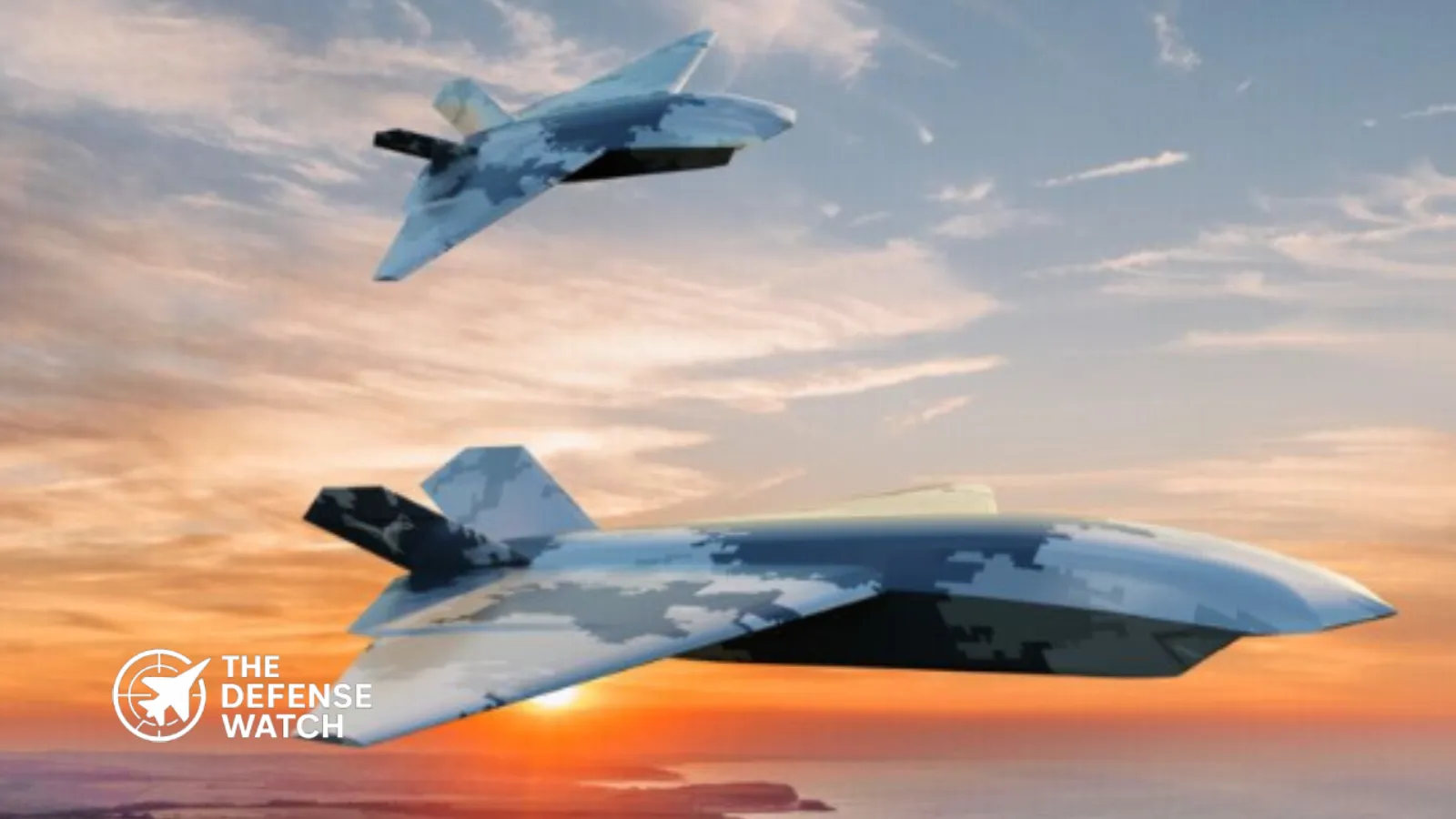
The Royal Air Force has officially launched the Stormfighter Collaborative Combat Aircraft (CCA) program, a major step toward integrating autonomous combat aircraft with crewed fighters. The initiative is intended to accelerate the UK’s transition to what officials describe as Europe’s first sixth generation air force, combining Typhoon, F 35, future GCAP fighters, and AI enabled uncrewed aircraft into a single combat ecosystem.
RAF Launches Stormfighter Collaborative Combat Aircraft Program
The RAF Stormfighter collaborative combat aircraft initiative was formally unveiled during the Global Air and Space Chiefs’ Conference in London as part of the UK’s broader Defense Investment Plan. UK Minister for Defence Readiness and Industry Luke Pollard announced that Stormfighter will become the Royal Air Force’s dedicated Collaborative Combat Aircraft program, designed to operate alongside existing and future fighter fleets.
Rather than replacing crewed aircraft, Stormfighter will function as an autonomous force multiplier capable of extending sensor coverage, carrying additional weapons, conducting electronic warfare, and performing high risk missions that would otherwise expose pilots to danger.
According to the UK government, the initiative forms part of a broader £27.8 billion investment intended to modernize the Royal Air Force over the next four years while supporting Britain’s ambition to become Europe’s first sixth generation air force.
Stormfighter Will Support Typhoon, F 35, And Future Tempest Fighters
British officials describe Stormfighter as an autonomous combat aircraft that can serve both offensive and defensive missions.
Potential operational roles include:
| Capability | Operational Purpose |
|---|---|
| Escort missions | Protect crewed fighters in contested airspace |
| Electronic warfare | Jam or deceive enemy radar systems |
| Intelligence, surveillance and reconnaissance | Extend battlefield awareness |
| Weapons carrier | Increase available missile capacity |
| Decoy operations | Draw enemy air defenses away from crewed aircraft |
| Autonomous strike support | Conduct high risk attacks with limited human exposure |
Government officials characterized Stormfighter as both a “guardian angel” and an “attack dog” for Typhoon, F 35, and future Tempest aircraft, highlighting its expected role in manned and unmanned teaming.
Accelerating Collaborative Combat Aircraft Before GCAP Enters Service
RAF Chief Air Marshal Sir Richard Harv Smyth has indicated that the service intends to field an operational CCA capability before the end of the decade rather than waiting for the Global Combat Air Programme fighter to enter service in the mid 2030s.
The RAF hopes to demonstrate autonomous aircraft flying alongside Eurofighter Typhoons during NATO exercises as early as 2027 before moving toward an operational capability several years later. Officials also expect multiple software and hardware upgrades throughout the program’s lifecycle.
This accelerated timeline reflects growing recognition that software defined autonomy and rapid upgrades may evolve faster than traditional fighter development programs.
Stormfighter Supports The UK’s Sixth Generation Airpower Strategy
Stormfighter represents more than a single aircraft program. It forms one element of a broader combat system centered on the UK’s participation in the Global Combat Air Programme (GCAP) with Japan and Italy.
The future force structure is expected to include:
- GCAP Tempest sixth generation fighter
- Eurofighter Typhoon
- F 35 Lightning fleet
- Stormfighter collaborative combat aircraft
- AI enabled autonomous systems
- Advanced networking and edge computing
- Space enabled command and control
The UK recently awarded a £4.6 billion GCAP development contract while reaffirming plans to introduce the next generation fighter around 2035. Stormfighter is expected to bridge today’s combat aircraft with that future force architecture.
Why Stormfighter Matters For NATO And U.S. Defense Strategy
Stormfighter mirrors a broader shift taking place across Western air forces toward collaborative combat aircraft.
The U.S. Air Force is pursuing its own CCA initiative through platforms such as the YFQ 42A and YFQ 44A, emphasizing autonomous aircraft that operate alongside crewed fighters while separating mission autonomy software from air vehicle development.
Although developed independently, both British and American programs reflect similar operational priorities:
- Increasing combat mass without proportionally expanding fighter fleets.
- Reducing pilot exposure in highly contested environments.
- Rapidly updating mission software instead of waiting for aircraft redesigns.
- Using artificial intelligence to distribute sensing, electronic warfare, and strike missions across multiple platforms.
For NATO, this convergence could improve interoperability by allowing allied air forces to employ compatible concepts of operations for human and machine teaming, even if their aircraft differ technically.
From an industrial perspective, Stormfighter also strengthens the UK’s sovereign aerospace sector by investing in domestic autonomous technologies while supporting the broader GCAP ecosystem involving Britain, Italy, and Japan.
Technical Challenges Still Lie Ahead
Despite the ambitious timeline, significant engineering hurdles remain before Stormfighter reaches operational service.
Among the key challenges are:
- Secure AI decision making in contested electronic warfare environments.
- Reliable human machine teaming during high intensity combat.
- Cyber resilience for autonomous mission systems.
- Integration across Typhoon, F 35, and future GCAP aircraft.
- High bandwidth, low latency communications that remain functional despite enemy jamming.
Successfully solving these issues will determine whether collaborative combat aircraft become trusted wingmen or remain limited support platforms.
Strategic Outlook
The launch of Stormfighter signals that the Royal Air Force intends to accelerate the transition toward autonomous combat aviation rather than waiting for sixth generation fighters alone.
Instead of viewing future airpower as a single advanced aircraft, the RAF is embracing a combat system that combines crewed fighters, autonomous aircraft, artificial intelligence, and networked battle management. If the program meets its planned milestones, Stormfighter could become one of Europe’s earliest operational collaborative combat aircraft and establish the UK as a leading developer of sixth generation air combat concepts.

Executive Summary:
Airbus has successfully completed the maiden flight of Germany’s first Eurofighter Tranche 4 fighter under the Quadriga modernization program. The milestone clears an important step toward delivering 38 advanced fighters to the Luftwaffe, replacing older Tranche 1 aircraft while introducing new radar, avionics, and electronic warfare growth potential.
Airbus Advances German Eurofighter Tranche 4 Program With First Flight
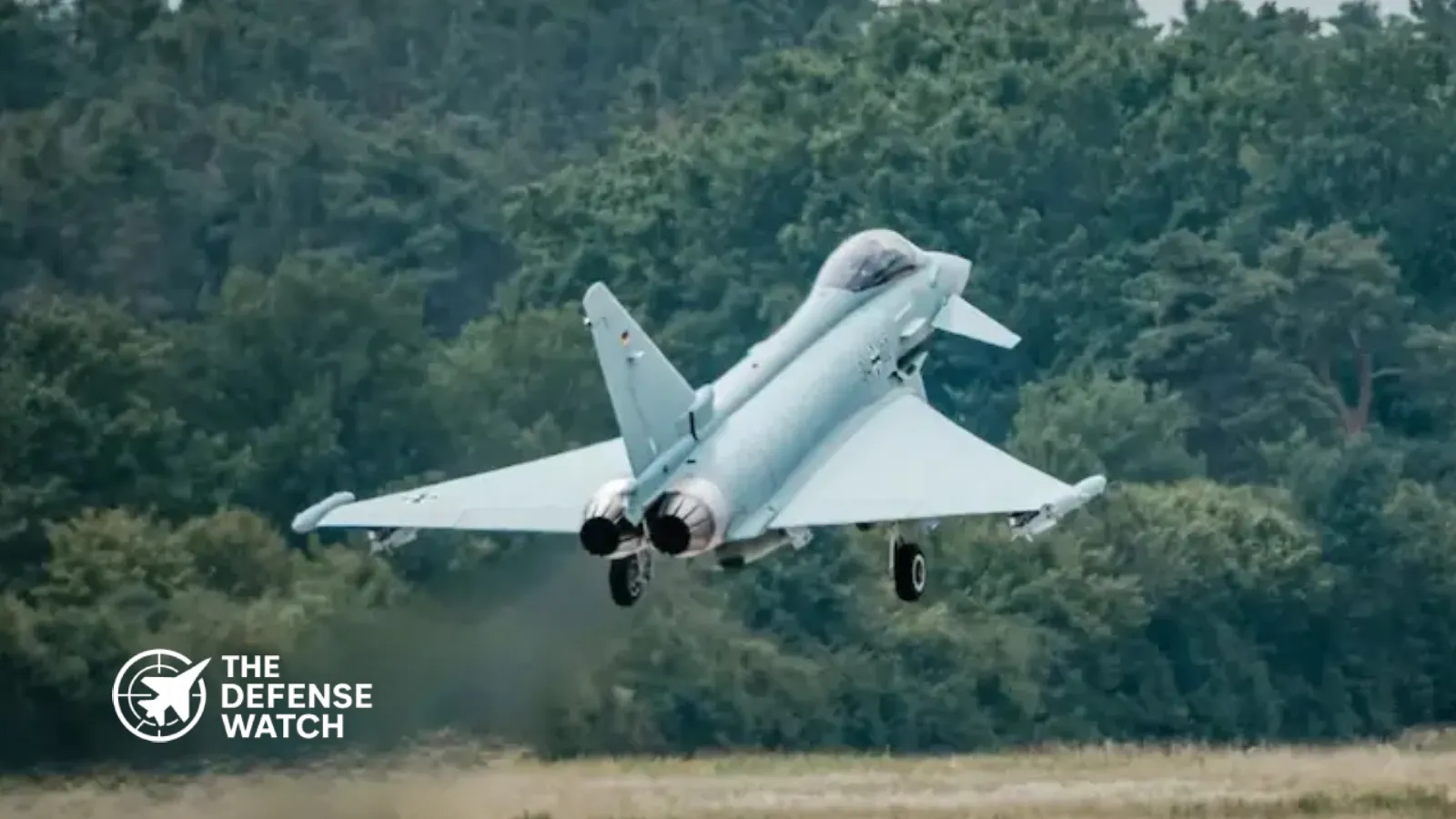
Airbus has completed the first flight of the German Eurofighter Tranche 4, marking a significant milestone in Germany’s Quadriga fighter modernization program. The maiden flight took place on July 14 from Airbus’ Military Aircraft Center in Manching, Germany, and precedes the aircraft’s planned delivery to the German Air Force later in 2026, subject to certification.
The aircraft, carrying German military registration 34+02, remained airborne for approximately one hour during a Production Flight Acceptance Test (PFAT). Airbus test pilot Stefan Auer evaluated flight handling, engine performance, hydraulics, electrical systems, flight controls, and onboard avionics before the aircraft proceeds toward certification.
The achievement represents the first flying example of Germany’s latest Eurofighter configuration and demonstrates steady progress in one of Europe’s largest tactical fighter modernization efforts.
Quadriga Will Replace Germany’s Oldest Eurofighters
Project Quadriga was launched after Germany ordered 38 Eurofighter Tranche 4 aircraft in 2020.
The program includes:
| Program Element | Details |
|---|---|
| Total aircraft | 38 |
| Single-seat fighters | 30 |
| Twin-seat fighters | 8 |
| Primary mission | Replace Tranche 1 Eurofighters |
| Planned deliveries | Through 2030 |
These aircraft are intended to replace the Luftwaffe’s earliest Tranche 1 fighters while maintaining Germany’s combat aviation capabilities well into the coming decades. Airbus states the fleet will support German air power until the eventual transition toward the Future Combat Air System (FCAS).
Germany further expanded its commitment by ordering 20 additional Tranche 5 Eurofighters in 2025, extending production into the next decade.
New Radar And Growth Potential Define Tranche 4
Unlike the earliest Eurofighters, the Tranche 4 configuration introduces substantial improvements designed to keep the aircraft operationally relevant against increasingly sophisticated air threats.
Among the most important upgrades are:
- European Common Radar System (ECRS) Mk1 Step 0 AESA radar
- Improved mission computers
- Enhanced processing capacity
- Future software growth architecture
- Compatibility with future electronic warfare upgrades
According to defense reporting, the aircraft will later transition to ECRS Mk1 Step 1, adding additional capabilities through updated hardware and software. Germany also plans to equip part of the Quadriga fleet with Saab Arexis wingtip electronic warfare pods under the Eurofighter EK program.
These upgrades significantly improve target tracking, resistance to electronic attack, and long term modernization potential compared with earlier production aircraft.
Why The First Flight Matters
Although a maiden flight is primarily a production milestone, it represents much more than a routine factory test.
The successful PFAT confirms that the aircraft’s major flight systems function as designed before entering certification and military acceptance testing. Completing this stage reduces program risk and allows Airbus to move toward serial deliveries.
For Germany, the timing is strategically important.
The Luftwaffe is simultaneously modernizing multiple combat aviation capabilities, including F 35A acquisition for NATO nuclear sharing missions, Eurofighter electronic warfare variants, and future participation in the multinational FCAS program.
The Quadriga aircraft therefore bridge today’s operational requirements while providing an upgrade path that extends into the 2060s.
Strategic Importance For European Air Power
The Tranche 4 milestone reflects a broader resurgence of the Eurofighter program across Europe.
Germany, Italy, and Spain have all committed to new Tranche 4 production, while export interest has also grown. Rather than replacing existing Eurofighters immediately with sixth generation platforms, European operators are investing in advanced variants that can remain credible against modern threats while next generation systems mature.
From a NATO perspective, these aircraft strengthen European combat aviation capacity without relying exclusively on fifth generation fleets. Modern AESA radar, digital avionics, and future electronic warfare capabilities enable the Eurofighter to contribute to air superiority, homeland defense, NATO air policing, and joint coalition operations.
For the United States and allied planners, Germany’s modernization provides another example of NATO members increasing investments in advanced combat aviation while improving interoperability across the alliance.
Looking Ahead
Airbus expects to deliver the first German Tranche 4 aircraft later in 2026 following completion of certification activities. Deliveries of all 38 Quadriga fighters are scheduled to continue through 2030, while production of Germany’s additional Tranche 5 aircraft will extend into the early 2030s.
As older Tranche 1 aircraft retire, the new fighters will become a central element of the Luftwaffe’s future force structure, combining improved survivability, sensor capability, and long term upgrade potential with continued interoperability across NATO air forces.
Executive Summary:
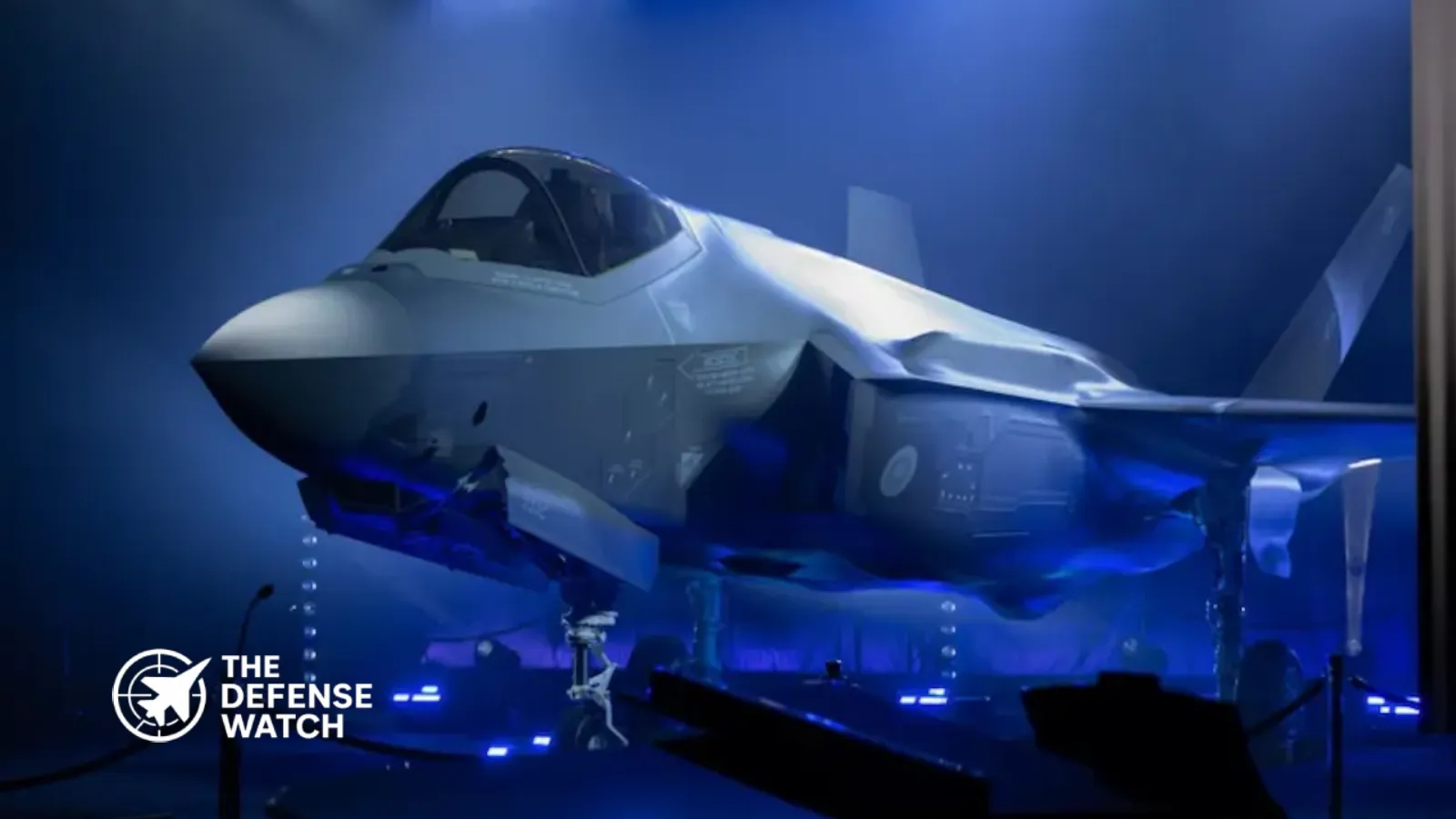
Patria has begun assembling the first F-35 forward fuselage sections in Finland, marking the country’s entry into Lockheed Martin’s global F-35 manufacturing network. The milestone supports Finland’s F-35 procurement program while expanding European industrial participation in one of the world’s largest defense aviation programs.
Patria Begins F-35 Forward Fuselage Production In Finland
Patria has officially started F-35 forward fuselage production in Finland, reaching a significant milestone in the country’s participation in the global F-35 Lightning II program. The announcement follows the arrival of the first forward fuselage structures at Patria’s production facility, where assembly work has now commenced.
The milestone was confirmed by Patria as part of Finland’s industrial participation package linked to its acquisition of 64 F-35A Lightning II fighter aircraft. The production line will manufacture forward fuselage assemblies for the worldwide F-35 fleet rather than solely for Finnish aircraft, making Finland a long term contributor to the multinational fighter program.
The development represents one of the largest aerospace manufacturing investments in Finland’s history and strengthens the country’s position within NATO’s growing defense industrial base.
Finland Expands Its Role In The Global F-35 Enterprise
Finland selected the F-35A Lightning II in December 2021 under its HX Fighter Program, replacing the Finnish Air Force’s fleet of F/A-18 Hornets.
Beyond acquiring new aircraft, Finland negotiated an extensive industrial participation package intended to develop domestic aerospace capabilities and sustain national defense manufacturing over several decades.
Patria’s responsibility includes assembling forward fuselage sections that will be delivered into Lockheed Martin’s international production system. These structures form the front section of the aircraft and integrate numerous critical systems before final assembly.
Unlike offset agreements focused only on local maintenance, Finland’s participation directly supports worldwide F-35 production, ensuring manufacturing work continues regardless of domestic aircraft deliveries.
What The Forward Fuselage Includes
The forward fuselage is among the most technically demanding sections of the F-35 airframe. It houses several critical systems that require extremely precise manufacturing and quality control.
Key elements integrated within the forward fuselage include:
Component Function Cockpit structure Supports pilot controls and avionics installation Nose landing gear bay Houses the aircraft’s forward landing gear Mission systems interfaces Supports sensors, computing systems, and wiring Structural titanium and composite assemblies Provides strength while minimizing weight Precision attachment points Connects the forward fuselage with the center fuselage during final assembly Manufacturing these assemblies requires advanced machining, automated drilling, precision fastening, composite processing, and strict quality assurance procedures that meet Lockheed Martin’s production standards.
A Strategic Industrial Investment For Finland
The new production capability represents more than aircraft manufacturing.
Finland’s participation ensures its aerospace workforce develops expertise in fifth generation fighter production while creating high value engineering and manufacturing jobs expected to continue well beyond the delivery of Finland’s own aircraft.
The industrial package also supports resilience within NATO’s defense supply chain by distributing manufacturing across multiple allied nations rather than concentrating production in a limited number of facilities.
As geopolitical competition increases, diversified production networks have become increasingly important for maintaining aircraft availability and reducing supply chain vulnerabilities.
Strengthening Europe’s Defense Manufacturing Base
Patria’s production line arrives as European governments significantly increase defense investment following Russia’s invasion of Ukraine and Finland’s accession to NATO in 2023.
The F-35 program has become one of NATO’s most widely adopted fighter platforms, with numerous European operators including:
- Finland
- Norway
- Denmark
- Netherlands
- Belgium
- Poland
- Germany
- Italy
- United Kingdom
- Czech Republic (future operator)
Growing European demand has increased the importance of regional suppliers capable of supporting long term production and sustainment.
Patria’s manufacturing capability contributes directly to this expanding industrial ecosystem.
Analysis: Why This Matters Beyond Finland
The launch of forward fuselage production demonstrates an important evolution in how modern fighter programs are structured.
Rather than relying exclusively on domestic production, fifth generation aircraft increasingly depend on distributed manufacturing across allied nations. This approach improves production resilience while strengthening political and industrial cooperation among participating countries.
For the United States, expanding qualified suppliers within allied nations reduces risk across the broader F-35 enterprise. If manufacturing disruptions affect one production site, work can potentially be redistributed across the international network, improving long term program stability.
For Finland, domestic production delivers strategic advantages beyond economic benefits. Developing advanced aerospace manufacturing capabilities enhances national technological expertise while supporting future maintenance, upgrades, and sustainment activities throughout the aircraft’s service life.
The milestone also reflects a broader trend across NATO, where defense procurement increasingly emphasizes industrial resilience alongside military capability. Governments are seeking procurement models that strengthen both operational readiness and domestic industrial capacity.
As F-35 production continues into the coming decades, suppliers such as Patria are expected to play an increasingly important role in supporting aircraft delivered not only to Finland but to operators around the world.
Long Term Outlook
Patria’s entry into forward fuselage production represents the beginning of a long term manufacturing commitment rather than a short duration offset project.
The global F-35 fleet continues to expand, with more than twenty countries participating in procurement or operating the aircraft. As production remains active for years to come, Finnish manufactured assemblies are expected to become a regular part of Lockheed Martin’s worldwide manufacturing pipeline.
The investment also positions Finland to maintain advanced aerospace expertise that could support future defense aviation programs beyond the current generation of fighter aircraft.
Executive Summary:
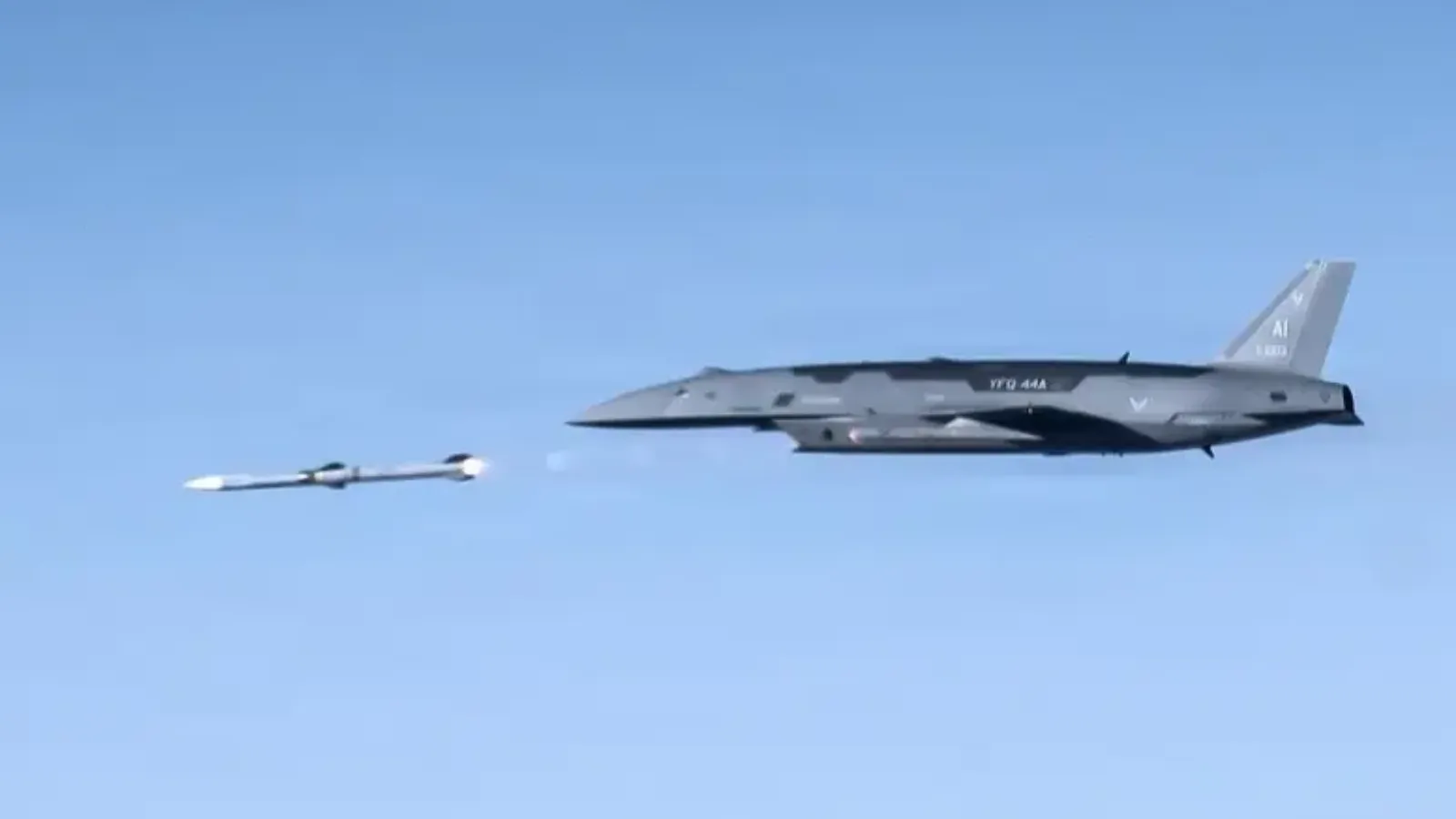
The U.S. Air Force has completed the first live fire missile test of Anduril’s YFQ-44A Collaborative Combat Aircraft, successfully launching an AIM 120 AMRAAM during flight testing. The event represents a significant milestone in validating the semi autonomous fighter drone’s combat capability as the Air Force accelerates development of its next generation human machine teaming concept.
U.S. Air Force Advances YFQ-44A Collaborative Combat Aircraft Through First Live Fire Missile Test
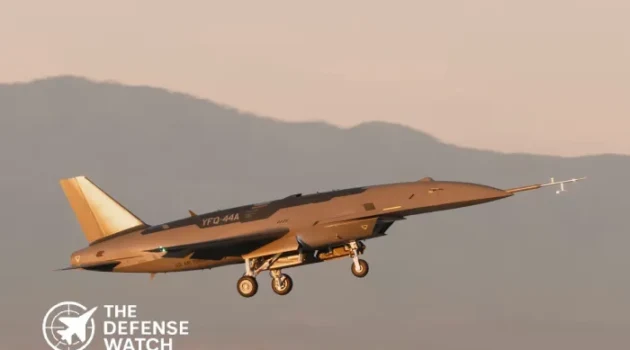
The U.S. Air Force YFQ-44A Collaborative Combat Aircraft (CCA) has achieved another major development milestone after successfully conducting its first live fire launch of an AIM 120 Advanced Medium Range Air to Air Missile (AMRAAM). The test, announced by the U.S. Air Force and Anduril Industries, demonstrates continued progress toward integrating semi autonomous combat drones alongside crewed fighter aircraft under the Collaborative Combat Aircraft initiative.
The live fire event follows the YFQ-44A’s first flight earlier in 2026 and marks the program’s transition from basic flight validation toward operational weapons integration. According to official statements, the missile launch verified the aircraft’s ability to safely employ advanced air to air weapons while collecting extensive flight and telemetry data for further evaluation.
First Weapons Test Demonstrates Growing Maturity
The live fire exercise centered on validating the aircraft’s weapons integration architecture rather than evaluating missile performance itself.
Engineers monitored multiple mission systems throughout the event, including:
- Aircraft flight stability
- Fire control software
- Missile release sequencing
- Weapons bay operation
- Command and control links
- Telemetry and safety systems
Successfully completing these objectives indicates that the aircraft is progressing beyond experimental flight demonstrations toward becoming a viable operational combat platform.
Unlike traditional fighter development programs, the CCA effort emphasizes rapid testing and iterative software improvements, allowing new capabilities to be introduced significantly faster than legacy acquisition timelines.
What Is the YFQ-44A?
The YFQ-44A developed by Anduril Industries, is one of two aircraft selected under Increment 1 of the U.S. Air Force’s Collaborative Combat Aircraft program.
Designed as an affordable, highly survivable unmanned combat aircraft, the platform is intended to operate alongside fighters such as the:
- F 35A Lightning II
- F 22 Raptor
- Future Next Generation Air Dominance (NGAD) platform
Rather than replacing crewed aircraft, the drone functions as an intelligent force multiplier capable of carrying weapons, sensors, electronic warfare payloads, or reconnaissance equipment while remaining under varying levels of human supervision.
Its open architecture software enables rapid upgrades, allowing mission systems to evolve as new threats emerge.
Collaborative Combat Aircraft Strategy
The Collaborative Combat Aircraft program represents one of the Air Force’s most ambitious modernization initiatives.
Instead of relying exclusively on expensive fifth and sixth generation fighters, future combat formations are expected to include multiple autonomous or semi autonomous aircraft supporting each crewed fighter.
Potential missions include:
Mission Operational Benefit Air to air combat Expands missile capacity for fighter formations Electronic warfare Jams enemy radar and communications Intelligence collection Extends sensor coverage Decoy operations Forces adversaries to reveal air defenses Strike missions Delivers precision weapons while reducing pilot risk Escort operations Protects high value airborne assets The Air Force has stated that deploying multiple lower cost CCAs alongside advanced fighters could significantly increase combat mass while reducing operational risk during high intensity conflicts.
Why the AIM-120 Launch Matters
The AIM 120 AMRAAM remains the U.S. military’s primary beyond visual range air to air missile.
Integrating the missile onto the YFQ-44A demonstrates that autonomous aircraft can employ the same frontline weapons used by manned fighters, potentially allowing commanders to distribute offensive capability across a larger number of platforms.
Although the missile itself has long been operational, integrating it with a new autonomous aircraft requires validation across several complex systems, including:
- Fire control software
- Flight management computers
- Secure communications
- Weapons separation characteristics
- Safety certification
- Mission planning integration
Successfully completing these steps substantially reduces technical risk for future operational testing.
Technical Significance Beyond a Missile Launch
The missile release represents more than simply proving that the aircraft can fire a weapon.
Modern autonomous combat aircraft must coordinate numerous software driven functions simultaneously, including sensor fusion, navigation, weapons authorization, threat recognition, and secure communication with nearby aircraft.
Every successful weapons test generates valuable engineering data that improves:
- Artificial intelligence decision support
- Mission autonomy
- Network resilience
- Aircraft survivability
- Human machine interface
- Multi aircraft coordination
These capabilities are central to the Air Force’s long term vision of distributed combat operations across contested environments.
Implications for Future Air Combat
The YFQ-44A is part of a broader transformation in how the U.S. Air Force intends to conduct air warfare over the coming decades.
Potential adversaries continue expanding integrated air defense systems, long range missiles, and advanced fighter fleets. Operating only small numbers of expensive crewed aircraft in such environments presents growing operational challenges.
Collaborative Combat Aircraft seek to address this by increasing force size without proportionally increasing acquisition or personnel costs.
If fielded successfully, formations could include one crewed fighter directing several unmanned aircraft carrying additional missiles, sensors, or electronic warfare payloads. This approach increases operational flexibility while complicating an adversary’s targeting decisions.
The successful live fire event therefore serves as an important demonstration that autonomous combat aircraft are moving beyond technology demonstrations toward practical combat capability. Although further developmental testing, software refinement, and operational evaluation remain ahead, the program continues advancing on an accelerated timeline compared with many previous tactical aircraft developments.
Looking Ahead
The U.S. Air Force is expected to continue expanding flight testing of both Collaborative Combat Aircraft designs throughout 2026 and beyond. Future evaluations will likely examine increasingly complex operational scenarios involving manned and unmanned teaming, autonomous mission execution, sensor integration, and networked combat operations.
As additional weapons, sensors, and mission software are integrated, the YFQ-44A will play an important role in shaping how the Air Force fields affordable autonomous aircraft capable of supporting next generation air superiority missions.
Its first successful AIM 120 live fire test represents an important step toward translating the Collaborative Combat Aircraft concept into an operational capability for future U.S. air combat.

Executive Summary:
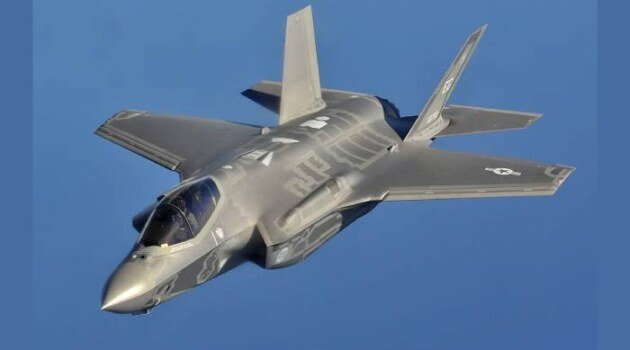
The UK Royal Air Force is conducting analysis to determine the total future fleet size of nuclear-capable F-35A Lightning II aircraft as it prepares to resume an air-launched nuclear role in support of NATO. An initial purchase of 12 F-35As, announced in 2025, will primarily equip an operational conversion unit, separate from the dual-capable mission requirements. This move marks the RAF’s return to NATO’s dual-capable aircraft framework after more than three decades without air-delivered nuclear weapons.
Initial Procurement and Training Focus
The UK Ministry of Defence confirmed the acquisition of 12 F-35A variants alongside 15 additional F-35Bs as part of tranche two procurement plans outlined in the 2025 Strategic Defence Review and subsequent Defence Investment Plan. These conventional take-off and landing (CTOL) aircraft are scheduled to begin arriving in the early 2030s.
Speaking at the Global Air & Space Chiefs’ Conference in London on 15 July 2026, Air Vice-Marshal Jim Beck, RAF Director Capability & Programmes, clarified that the initial dozen F-35As were procured specifically to support the Operational Conversion Unit (OCU) on 207 Squadron, not the nuclear mission. “We did not buy those [F-35As] for dual-capable aircraft [DCA] capability – we bought them for our [operational] conversion unit,” Beck stated.
The F-35A’s greater internal fuel capacity, longer combat radius, and reduced maintenance demands compared to the F-35B make it well-suited for training, enabling longer sorties and higher aircraft availability for pilot instruction.
Path to NATO Dual-Capable Aircraft Integration
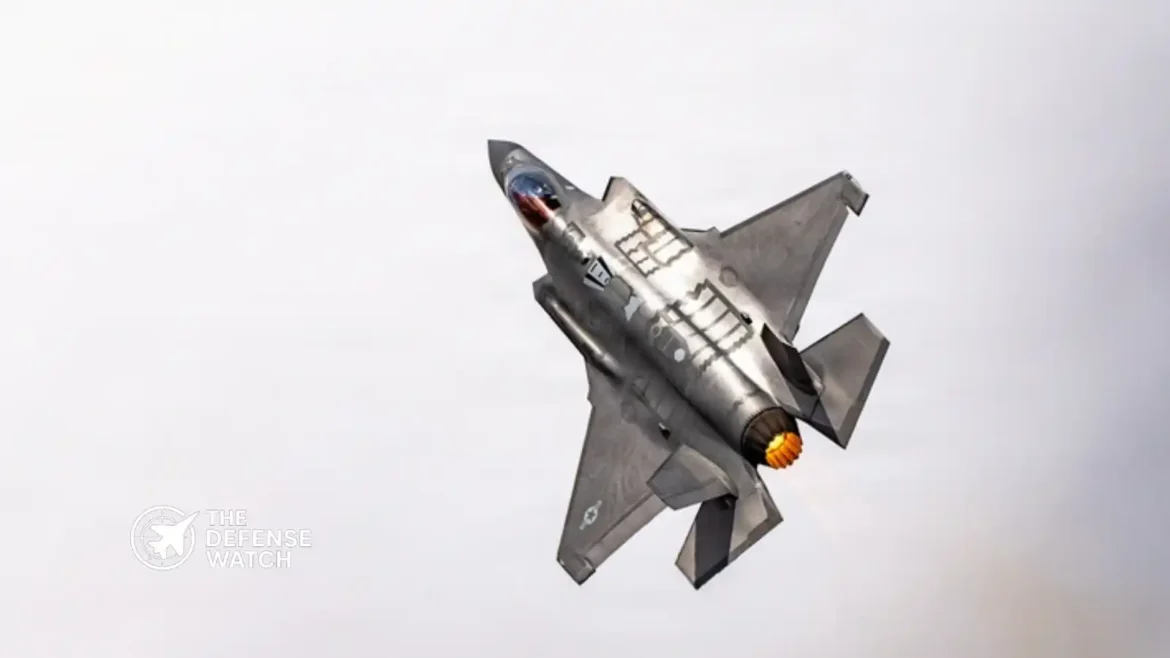
The F-35A is the only variant in the Lightning II family certified to carry the U.S. B61-12 tactical nuclear gravity bomb. UK-operated aircraft would function as dual-capable assets under NATO nuclear burden-sharing arrangements, with warheads remaining under U.S. control until a decision to employ them in a crisis.
This represents a significant policy shift. The RAF last operated air-launched nuclear weapons—the WE177 free-fall bombs on Panavia Tornados—until their retirement in 1998. Reintegration into the DCA mission strengthens NATO’s collective deterrence posture amid heightened threats from Russia and expanding nuclear capabilities in China.
Beck emphasized the analysis underway: “We are doing the analysis to understand the size and posture of the force that we will need to undertake it.” Additional F-35As for the DCA role would require compatible boom-refueling support, currently unavailable in the UK inventory, and standardization with NATO partners.
Technical and Operational Advantages of the F-35A
The F-35A offers notable performance improvements over the STOVL F-35B already in UK service:
Specification F-35A Lightning II F-35B Lightning II Combat Radius (Internal Fuel) >590 n.mi / 1,093 km >450 n.mi / 833 km Range (Internal Fuel) >1,200 n.mi / 2,200 km >900 n.mi / 1,667 km Internal Fuel Capacity 18,250 lb / 8,278 kg 13,100 lb / 5,942 kg Max G-Rating 9.0 7.0 Weapons Payload 18,000 lb / 8,160 kg 15,000 lb / 6,800 kg These attributes provide greater persistence, payload flexibility, and agility for conventional strike and air superiority missions, while enabling nuclear certification. The aircraft will be based at RAF Marham and support a third frontline F-35 squadron.
Strategic Context and Implications for U.S. and NATO Defense
Analysis: This development carries direct relevance for U.S. defense strategy. As the primary provider of nuclear weapons for NATO’s DCA mission, the U.S. benefits from increased allied participation, distributing the burden of nuclear readiness across more platforms and enhancing overall alliance resilience. The UK’s F-35As add redundancy to existing European DCA fleets operated by Belgium, Germany, Italy, and the Netherlands, primarily using F-16s and Tornados (transitioning to newer platforms).
Operationally, integrating F-35A into the nuclear mission introduces complexities. Stealth optimization for nuclear delivery—ensuring external stores or modifications do not compromise low-observable characteristics—remains a noted challenge. Boom aerial refueling infrastructure will require investment or reliance on NATO allies, highlighting interoperability gaps in European air forces.
From a broader geopolitical perspective, the move signals resolve against Russian nuclear saber-rattling and China’s nuclear expansion, projected to reach approximately 1,000 warheads by 2030. It complements the UK’s independent sea-based deterrent while providing flexible, theater-level response options that submarines cannot replicate. For the U.S., this deepens the “special relationship” through shared F-35 logistics and sustainment, potentially influencing future export and upgrade pathways.
The UK’s long-term ambition of up to 138 F-35s total (across variants) suggests potential for fleet growth beyond the initial 12 F-35As, depending on the ongoing analysis. This could influence U.S. production lines and joint sustainment costs across the F-35 enterprise.
Challenges include pilot training pipelines, maintenance infrastructure upgrades for CTOL operations alongside STOVL, and ensuring nuclear certification timelines align with aircraft deliveries in the early 2030s. France’s extensive nuclear exercise regimen, including Operation Poker activities, offers a model for maintaining proficiency that the RAF will likely study.
Broader RAF Combat Air Evolution
The F-35A acquisition fits into a mixed fleet strategy alongside Typhoon, future GCAP (Global Combat Air Programme) sixth-generation fighters, and uncrewed collaborative combat aircraft. This layered approach enhances survivability and mission flexibility in contested environments. The F-35 family already supports UK carrier strike operations, with the A-variant adding land-based depth and range.
Executive Summary:
The U.S. Army has selected RTX to provide key mission systems for the new MV-75 Cheyenne Future Long Range Assault Aircraft, strengthening the platform’s ability to conduct long range air assault missions in contested environments. The integration supports the Army’s broader aviation modernization strategy by improving navigation, communications, survivability, and mission effectiveness for future operations.
U.S. Army MV-75 Cheyenne Gains RTX Mission Systems For Longer Range Assault Missions
The MV-75 Cheyenne program has reached another important milestone as the U.S. Army moves forward with integrating advanced mission systems supplied by RTX for its next generation Future Long Range Assault Aircraft (FLRAA). The latest development reflects the Army’s continued investment in replacing the UH-60 Black Hawk with a faster, longer range platform capable of operating across increasingly contested battlefields.
According to information released by Army Recognition, RTX will provide a comprehensive suite of avionics and mission equipment designed to enhance navigation, communications, sensing, and aircraft survivability for the MV-75 Cheyenne. The capability upgrade aligns with the Army’s modernization priorities for multi domain operations.
RTX Will Supply Core Mission Systems
Rather than focusing solely on airframe performance, the Army is emphasizing integrated mission systems that allow aircraft crews to operate effectively in electronic warfare environments while maintaining connectivity with joint forces.
RTX is expected to deliver several critical technologies, including:
| Capability | Operational Benefit |
|---|---|
| Integrated avionics | Improved pilot workload management |
| Secure communications | Reliable connectivity across joint forces |
| Advanced navigation | Precision operations in GPS challenged environments |
| Survivability systems | Increased protection against modern threats |
| Mission computing | Faster sensor processing and battlefield awareness |
These systems are intended to provide pilots with greater situational awareness while enabling the aircraft to remain operational during complex expeditionary missions.
The MV-75 Cheyenne Is Central To Army Aviation Modernization
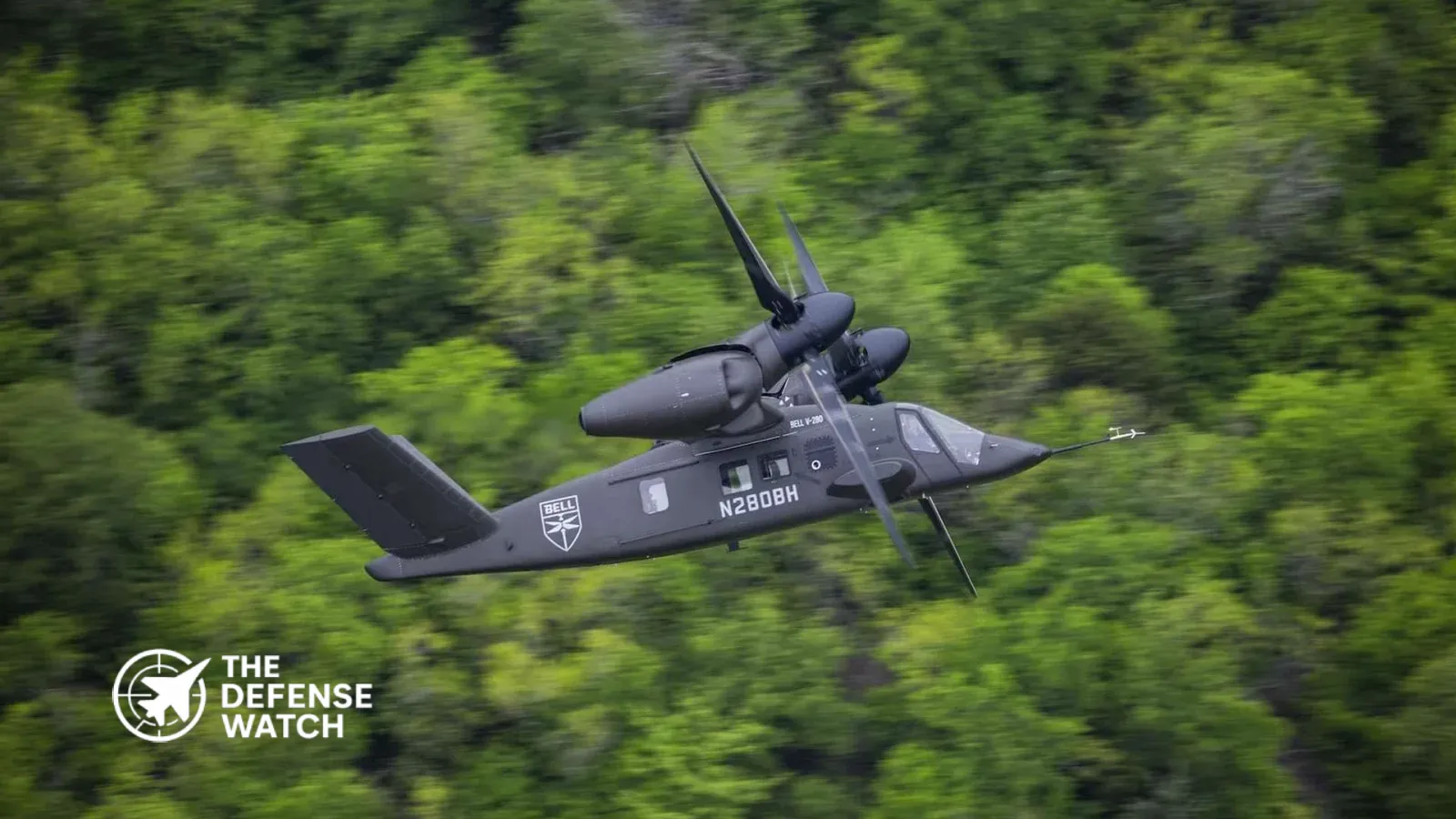
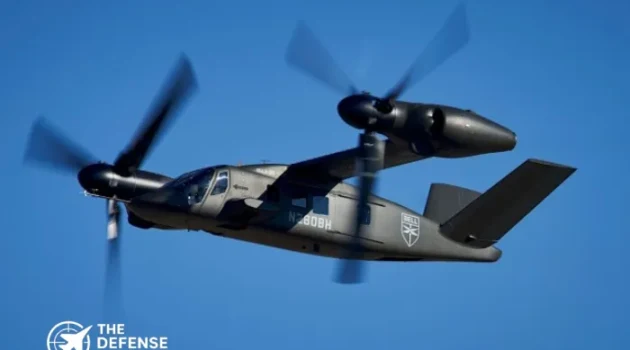
The MV-75 Cheyenne is Bell’s tiltrotor aircraft selected under the Future Long Range Assault Aircraft program, one of the U.S. Army’s highest priority aviation modernization efforts.
The aircraft is designed to replace thousands of UH-60 Black Hawk helicopters over the coming decades.
Compared with legacy helicopters, the MV-75 offers major improvements in:
- Higher cruise speed
- Greater combat radius
- Longer operational range
- Increased payload flexibility
- Improved survivability in contested environments
Its tiltrotor design enables helicopter style vertical takeoff and landing while achieving airplane like cruise performance during long distance missions.
This combination allows commanders to move troops farther, faster, and with fewer forward refueling requirements.
Why Advanced Mission Systems Matter
Modern conflicts increasingly feature sophisticated integrated air defense systems, electronic warfare capabilities, and long range precision weapons.
Aircraft performance alone is no longer sufficient.
Mission systems now determine whether crews can:
- Navigate through GPS denial
- Maintain secure communications
- Detect emerging threats
- Share targeting information
- Coordinate with unmanned systems
- Operate across multiple military services
RTX’s technologies are intended to address these operational challenges by integrating sensors, mission computers, communications, and defensive systems into a unified architecture.
Supporting Multi Domain Operations
The U.S. Army’s modernization strategy centers on Multi Domain Operations (MDO), where land, air, cyber, space, and maritime forces operate as an integrated network.
Within this framework, the MV-75 Cheyenne is expected to perform missions including:
- Long range air assault
- Rapid troop insertion
- Medical evacuation
- Logistics support
- Special operations
- Command and control
- Expeditionary resupply
Advanced mission systems enable these operations by connecting aircraft to wider battlefield networks while improving decision making during high tempo missions.
Technical Overview
Specification MV-75 Cheyenne Manufacturer Bell Textron Program Future Long Range Assault Aircraft (FLRAA) Primary Mission Long range assault transport Configuration Tiltrotor Replacement Aircraft UH-60 Black Hawk Mission Systems Provider RTX Expected Role Army aviation modernization Strategic Importance For The U.S. Army
The MV-75 represents more than a replacement for the Black Hawk.
It reflects a broader shift toward increasing operational reach across the Indo Pacific and other theaters where forces may need to cover much greater distances than in previous conflicts.
The Army has repeatedly identified long range maneuver as a critical requirement for future warfare. Large operational areas reduce reliance on vulnerable forward bases while giving commanders additional options during distributed operations.
The integration of RTX mission systems directly supports this concept by improving mission resilience even when adversaries attempt to disrupt communications or navigation.
As electronic warfare becomes a defining feature of modern combat, resilient avionics and secure communications may prove just as important as aircraft speed or payload capacity.
Industry Collaboration Continues
The FLRAA program also illustrates the growing collaboration between major U.S. defense companies.
Bell provides the aircraft platform while RTX contributes mission systems that leverage decades of experience in avionics, sensors, communications, and airborne survivability technologies.
This approach allows specialized companies to focus on their respective strengths while delivering an integrated capability for the U.S. Army.
As engineering and testing continue, additional subsystem integration and flight evaluations will help validate operational performance before full fielding.
Outlook
The addition of RTX mission systems marks another significant step toward operational deployment of the MV-75 Cheyenne. While the aircraft’s speed and range have attracted considerable attention, its effectiveness in future conflicts will depend equally on its ability to operate within highly contested electromagnetic environments.
For the U.S. Army, combining Bell’s next generation tiltrotor platform with RTX’s advanced mission technologies supports a broader transformation of Army aviation, one aimed at extending operational reach, improving survivability, and enabling faster decision making across increasingly complex battlefields.
Executive Summary:
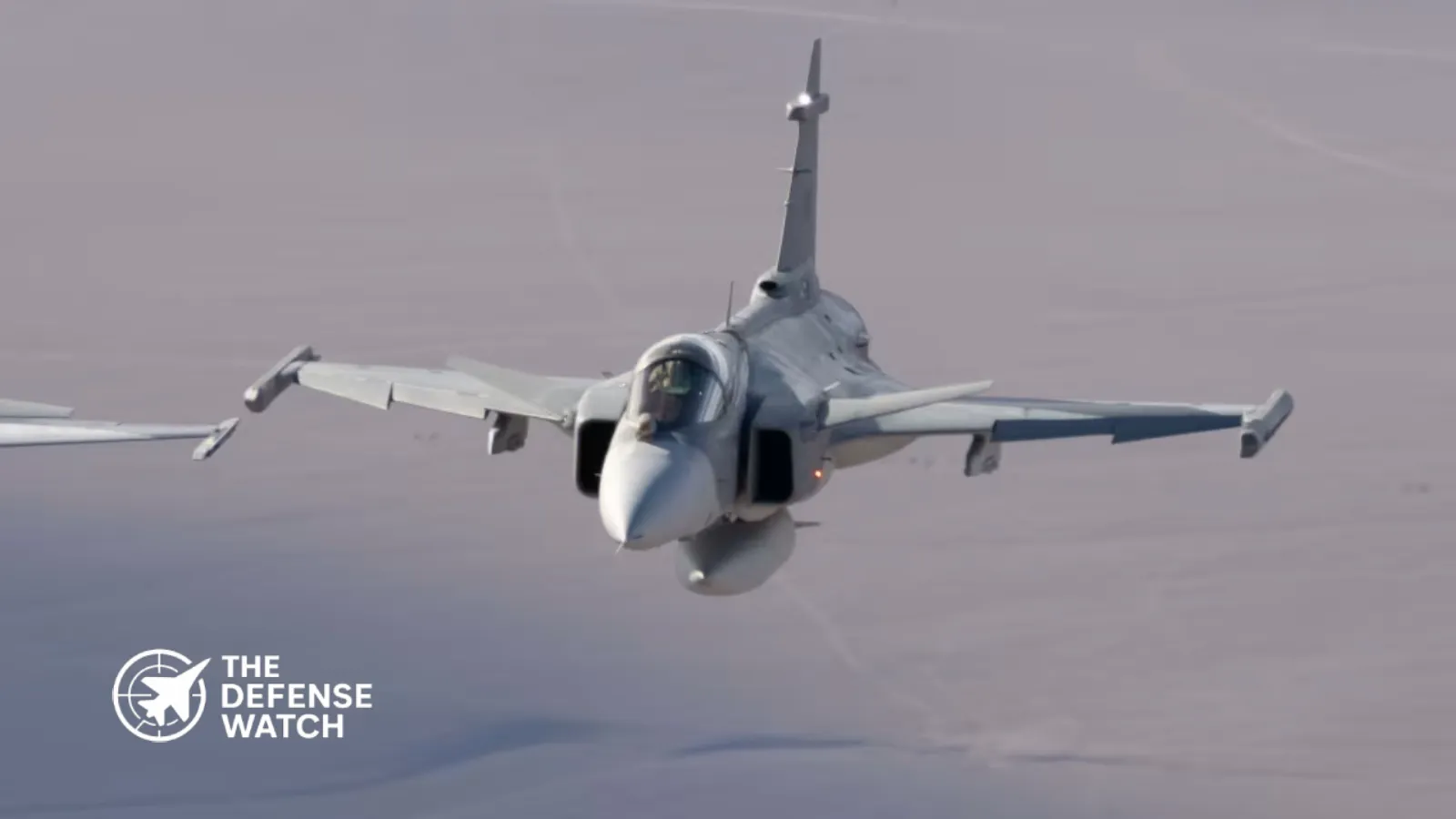
Brazil’s F-39E Gripen fighters have completed their first multinational deployment outside national territory during Exercise SALITRE 2026 in Chile. The exercise brought together six nations, approximately 60 aircraft, and more than 1,500 personnel, providing the Brazilian Air Force with its first opportunity to employ the Gripen E in a coalition air combat environment while demonstrating the aircraft’s growing operational maturity.
Brazil’s Gripen E Fighters Make First Overseas Multinational Exercise Debut During SALITRE 2026
The Brazil Gripen E fighters have completed a significant milestone after participating in Exercise SALITRE 2026 in Chile, marking the aircraft’s first multinational deployment outside Brazil since entering operational service with the Brazilian Air Force (FAB). According to Saab and the Brazilian Air Force, six F-39E Gripen fighters joined coalition air operations alongside aircraft from Chile, Argentina, Colombia, Paraguay, and the United States.
Operating from Cerro Moreno Air Base in Antofagasta, the Brazilian detachment carried out a wide range of missions including combat air patrols, escort operations, offensive sweeps, and integrated air defense. The deployment represents another step in the Brazilian Gripen program as the aircraft transitions from national introduction into multinational operational employment.
Six Nations Conduct Coalition Air Operations
Exercise SALITRE 2026 assembled more than 1,500 military personnel and roughly 60 aircraft, generating over 250 flight hours across multiple mission profiles.
The multinational exercise focused on coalition warfare, with participating air forces operating under a unified command structure. Such scenarios are designed to improve interoperability between allied air forces while testing command and control procedures, tactical communications, and coordinated air operations.
For Brazil, this was the first opportunity to integrate the F-39E Gripen into a multinational command environment outside its own territory.
Gripen E Conducted Air Defense, Escort, And Combat Patrol Missions
Throughout the exercise, Brazilian pilots flew missions representative of modern conventional air warfare.
These included:
Mission Operational Purpose Combat Air Patrol (CAP) Protect friendly airspace Escort Missions Defend strike and support aircraft Fighter Sweep Eliminate opposing fighter threats Air Defense Counter hostile aircraft and maintain air superiority WVR Combat Short range visual engagements BVR Combat Long range missile engagements The aircraft employed several of its most advanced onboard systems during the exercise, including:
- Active Electronically Scanned Array (AESA) radar
- Infrared Search and Track (IRST) sensor
- Integrated electronic warfare suite
- Tactical data sharing capabilities
- Advanced sensor fusion architecture
These systems allowed pilots to detect, classify, and track multiple airborne threats while sharing tactical information across the formation.
Saab Highlights Long Term Brazil Partnership
Peter Dölling, Managing Director of Saab Brazil, described the deployment as another important milestone in Brazil’s Gripen implementation program.
According to Saab, participation in SALITRE 2026 strengthens interoperability among regional partner air forces while reinforcing Brazil’s long term investment in advanced combat aviation capabilities.
The company also emphasized that the program extends beyond aircraft deliveries, incorporating technology transfer, industrial cooperation, and domestic capability development under Brazil’s Gripen acquisition strategy.
Sensor Fusion Remains Gripen E’s Primary Operational Advantage
Lieutenant Colonel Vítor Bombonato, commander of Brazil’s 1st Air Defense Group (1º GDA), highlighted the aircraft’s sensor fusion capabilities as one of its principal strengths during multinational operations.
According to Bombonato, the Gripen E continuously combines data collected from multiple onboard sensors before presenting pilots with a simplified tactical picture. Information can then be shared among other Gripen aircraft, significantly improving situational awareness across the flight.
Rather than relying on individual radar contacts, pilots operate using a common tactical picture that enables faster threat identification and more coordinated engagement decisions.
This network centric approach reflects the broader evolution of modern fourth and fifth generation air combat, where information superiority increasingly determines mission effectiveness.
Extensive Mission Preparation Reduced Deployment Risk
Although Brazilian pilots had never previously operated in northern Chile, preparation for SALITRE began well before deployment.
Brazilian Air Force planners recreated the Antofagasta operating environment inside Gripen simulators located at Anápolis Air Base. Pilots also conducted integrated exercises with other FAB squadrons approximately one month before deployment.
According to Lieutenant Colonel Bombonato, these preparations meant that operational conditions were already familiar when crews arrived in Chile, reducing transition time and improving mission readiness.
Gripen E Demonstrated Operational Range
Another notable aspect of the deployment was the aircraft’s range.
Bombonato stated that the Gripen E possessed sufficient endurance to fly directly from Anápolis to Antofagasta without requiring aerial refueling, illustrating one of the platform’s logistical advantages during regional deployments.
For air forces operating across South America’s vast geography, extended range reduces dependence on tanker aircraft while increasing deployment flexibility.
By the conclusion of SALITRE 2026, the Brazilian Gripens had completed more than 50 sorties and accumulated over 100 flight hours, including ferry flights, while maintaining high aircraft availability.
Why SALITRE 2026 Matters Beyond Brazil
The significance of SALITRE extends beyond a routine multinational exercise.
For the Brazilian Air Force, this deployment demonstrates that the Gripen E is moving from initial operational capability toward mature coalition employment. Operating alongside U.S. and regional partner aircraft validates not only the fighter itself but also Brazil’s command, maintenance, logistics, and mission planning infrastructure.
From a regional security perspective, multinational exercises such as SALITRE enhance interoperability among South American and U.S. air forces without focusing on a specific adversary. Instead, they improve common operating procedures, communications, and tactical coordination that could prove valuable during humanitarian operations, disaster response, or coalition security missions.
Technically, SALITRE also provided an opportunity to evaluate the Gripen E’s advanced digital architecture in realistic coalition scenarios. Modern air combat increasingly depends on information sharing, electronic warfare resilience, and sensor integration rather than aircraft performance alone. Exercises of this type allow participating air forces to refine tactics while identifying procedural improvements before real world contingencies emerge.
As Brazil continues expanding its Gripen fleet, multinational deployments will likely become an increasingly important component of pilot training and operational certification.
Key SALITRE 2026 Figures
Category Details Host Nation Chile Main Operating Base Cerro Moreno Air Base, Antofagasta Brazilian Aircraft Six F-39E Gripen fighters Participating Countries Brazil, Chile, Argentina, Colombia, Paraguay, United States Personnel More than 1,500 Aircraft Approximately 60 Flight Hours More than 250 Brazilian Gripen Sorties Over 50 Brazilian Flight Hours More than 100
Executive Summary:
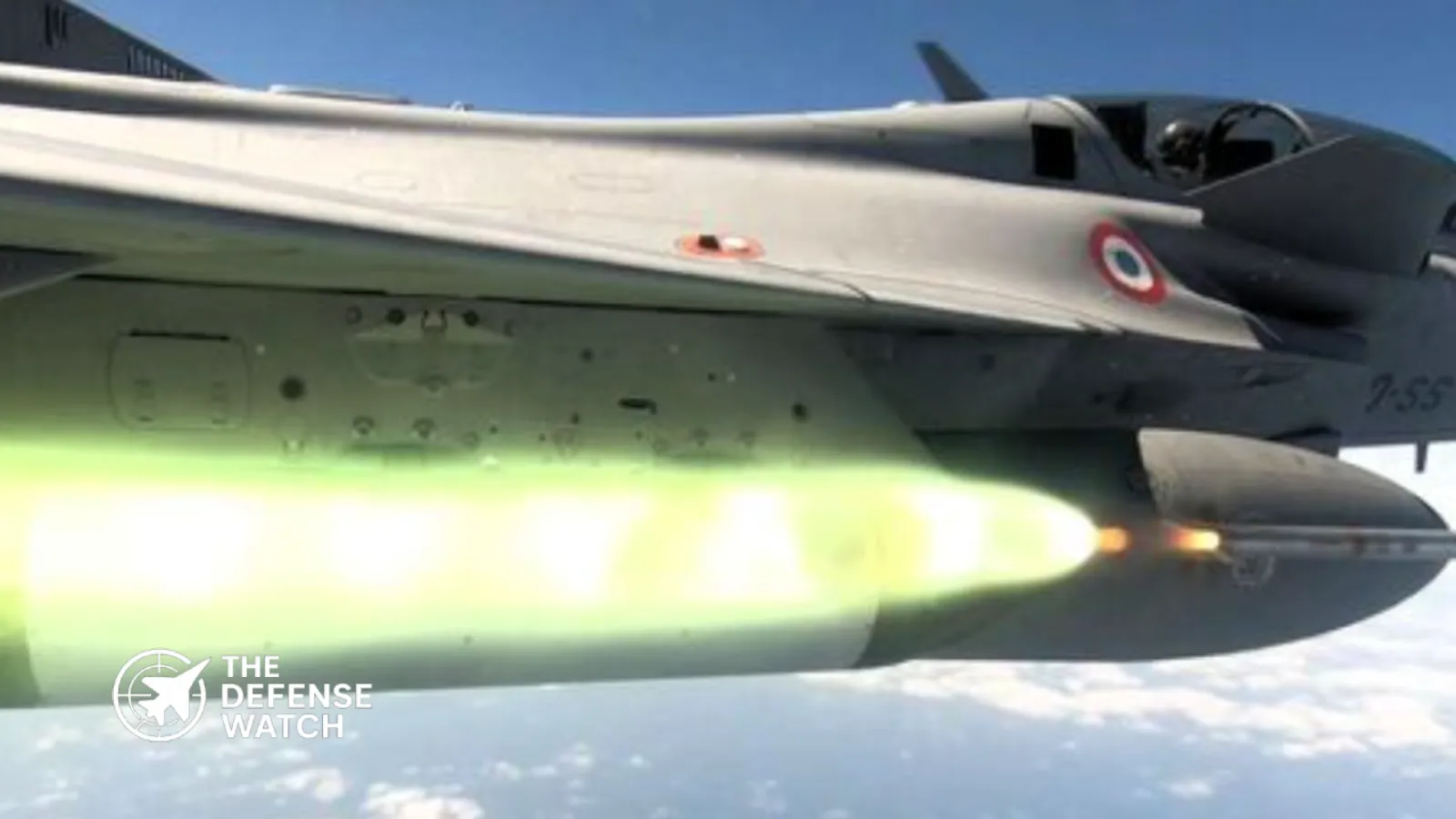
France’s Directorate General of Armament (DGA) announced the successful completion of laser-guided rocket integration on the Dassault Rafale for the counter-unmanned aircraft system (C-UAS) role. The capability, known as LADAC (Lutte antidrone sur avion de combat), equips the multirole fighter with Thales 68mm Aculeus LGRs fired from Telson rocket pods. Rollout to French Air and Space Force and Navy Rafales is underway this summer, addressing the unsustainable use of high-cost missiles against low-cost drones.
France has completed the integration of Thales 68 mm Aculeus laser-guided rockets (LGRs) aboard the Dassault Rafale combat aircraft, marking a significant enhancement to its counter-unmanned aircraft system capabilities.
The DGA confirmed the conclusion of live-fire trials at the Biscarrosse missile test facility on July 7, 2026, following 13 months of development first reported by Janes at the 2025 Paris Air Show.
Technical Details of the LADAC Capability
The system centers on the Thales Aculeus-LG 68mm laser-guided rocket, launched from 12-round Telson JF12 pods using the company’s Induction Rocket Solutions architecture. The rocket, weighing approximately 8.8 kg and measuring 1.4 meters in length, offers a range of around 3.7 to 5 km with semi-active laser guidance.
Integration leverages the Rafale’s RBE2 AESA radar (modified for the role) and the Talios targeting pod for laser designation and tracking. This setup allows precise engagement of small, slow-moving targets like one-way attack drones without relying solely on high-value air-to-air missiles such as the MBDA MICA.
Key Specifications (Aculeus-LG 68mm LGR):
- Caliber: 68 mm
- Guidance: Semi-active laser (compatible with standard designators)
- Range: ~3.7–5 km (air-to-air C-UAS profile)
- Warhead: High-explosive fragmentation suitable for drone targets
- Launcher: Thales Telson JF12 (12 rounds per pod)
- Platform: Dassault Rafale (Air Force and Navy variants)
This configuration provides substantial magazine depth compared to single-shot missiles, with each pylon supporting multiple engagements.
Operational Context and Drivers
The development responds directly to lessons from recent operations, including Rafale deployments protecting UAE airspace against Iranian drone threats in early 2026 under Operation Epic Fury, where dozens of MICA missiles were expended.
French Air and Space Force Chief of Staff Gen. Jérôme Bellanger highlighted the cost disparity: MICA missiles exceed €1 million each, while targets like Shahed-style drones cost far less. The LADAC program, initiated urgently in late 2025, prioritizes sustainable, layered defense.
DGA head Patrick Pailloux confirmed summer 2026 operational readiness to the French National Assembly. Trials involved collaboration between DGA, the Centre d’expertise aérienne militaire (CEAM), Dassault Aviation, and Thales.
Strategic and Technical Analysis
This upgrade represents a pragmatic adaptation to the proliferation of low-cost, attritable aerial threats in modern conflicts. By integrating affordable precision munitions, France addresses a critical vulnerability: the economic asymmetry of using million-dollar missiles against targets orders of magnitude cheaper.
Why it matters for U.S. and allied defense strategy: The U.S. pioneered this approach with the BAE Systems APKWS II 70mm laser-guided rockets on F-15E, F-16, and A-10 platforms, proving highly effective against Houthi and Iranian drones in the Middle East. The UK’s Eurofighter Typhoon followed suit. France’s move aligns European capabilities with this trend, enhancing interoperability in NATO and coalition operations.
Operationally, laser-guided rockets excel against non-maneuvering or predictably behaving targets like loitering munitions and cruise missiles. They reduce risk to high-value assets while preserving expensive missiles for peer threats. Technical hurdles—such as radar modifications for small-target detection and safe engagement geometries—appear resolved through targeted upgrades to the Rafale’s sensor suite.
For export Rafale operators in the Middle East (Qatar, UAE) and potential future users, this capability could be offered as an enhancement, strengthening regional air defense against asymmetric threats. It also positions the Rafale competitively against evolving drone swarms in high-intensity scenarios.
Potential limitations include shorter range compared to dedicated air-to-air missiles and the need for laser designation, which may constrain beyond-visual-range or all-weather use in some conditions. However, the system’s integration with the Rafale’s advanced avionics mitigates many of these through sensor fusion.
Broader Implications for French and Allied Modernization
The LADAC rollout coincides with France’s Military Programming Law (LPM 2024–2030), emphasizing resilience against proliferating UAS threats. It complements ground-based C-UAS systems and enhances the Rafale’s omnirole flexibility across air superiority, ground attack, and defensive counter-air missions.
As conflicts in Ukraine and the Middle East demonstrate the scale of drone employment, such low-cost kinetic solutions are becoming standard. France’s rapid development—from concept to operational rollout in under 18 months—highlights effective industry-government collaboration involving Dassault, Thales, and DGA.
This positions the Rafale fleet for sustained relevance in contested airspace while conserving high-end munitions for decisive engagements.
Executive Summary:
France and Ukraine have agreed on a long term defense cooperation roadmap that outlines the future acquisition of Rafale fighter aircraft, deployment of SAMP/T NG air defense systems, and expansion of licensed defense manufacturing inside Ukraine. The agreement marks another step in Kyiv’s transition toward NATO compatible capabilities while strengthening Europe’s long term defense industrial cooperation.
France And Ukraine Advance Rafale Procurement Roadmap
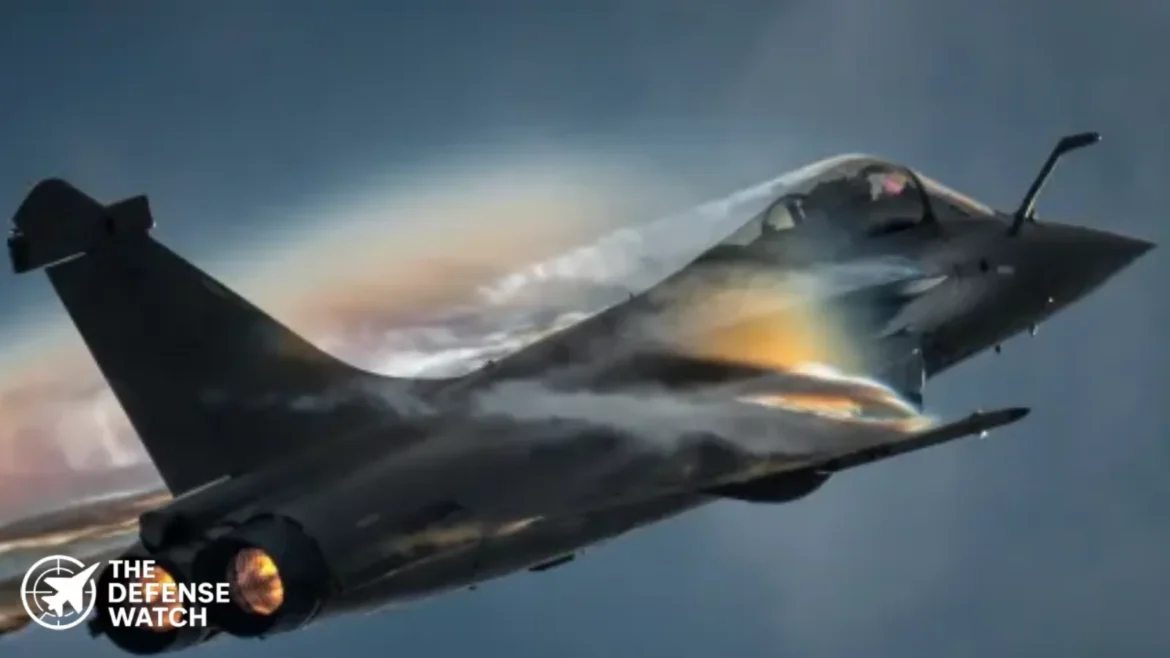
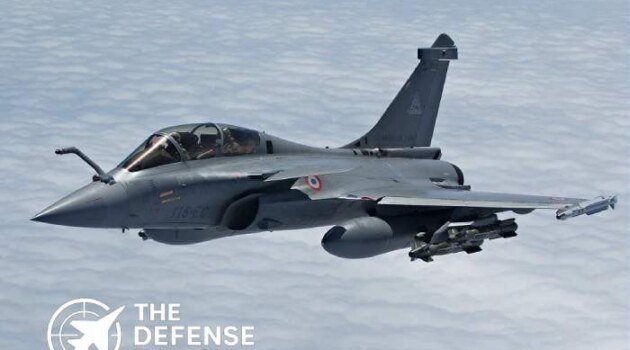
France and Ukraine have agreed on a strategic roadmap that lays the foundation for Ukraine’s future acquisition of Dassault Rafale multirole fighters, establishment of its first Rafale-equipped squadron, procurement of advanced SAMP/T NG air defense systems, and licensed production of selected defense equipment.
The agreement was announced following high level discussions between French and Ukrainian officials and represents one of the most comprehensive defense cooperation frameworks signed since Russia’s full scale invasion. Rather than an immediate procurement contract, the roadmap establishes the political, industrial, and military planning needed for future acquisitions and capability development.
The initiative reflects France’s continued support for rebuilding Ukraine’s long term military capabilities while accelerating Kyiv’s integration with Western defense standards.
Rafale Identified As A Long Term Fighter Capability
The roadmap identifies the Rafale as a future cornerstone of Ukraine’s tactical air power.
Although Ukraine currently operates Western supplied F-16s and is preparing to receive additional combat aircraft from European partners, the Rafale would significantly expand its multirole capabilities by providing advanced air superiority, precision strike, reconnaissance, and electronic warfare functions.
The roadmap reportedly covers preparations for establishing Ukraine’s first Rafale squadron, including:
- Pilot conversion and training
- Ground crew instruction
- Logistics and maintenance planning
- Infrastructure modernization
- Long term sustainment support
No delivery schedule or aircraft quantity has yet been announced.
SAMP/T NG To Strengthen Ukraine’s Integrated Air Defense
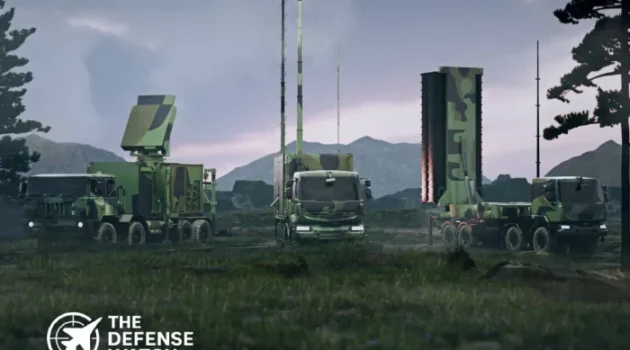
Alongside combat aircraft cooperation, France and Ukraine agreed to pursue the acquisition of the next generation SAMP/T NG air and missile defense system.
The upgraded system represents the latest evolution of the Franco Italian SAMP/T family and is designed to counter a broad spectrum of aerial threats, including:
Capability SAMP/T NG Aircraft interception Yes Cruise missile defense Yes Ballistic missile defense Yes Network-centric operations Yes NATO interoperability High Compared with earlier variants already supplied to Ukraine, the NG version incorporates modern radar technology, upgraded battle management software, and improved interceptor integration, increasing both engagement capacity and reaction speed.
The roadmap envisions eventual deployment of at least one SAMP/T NG battery as Ukraine continues expanding its layered air defense network.
Licensed Weapons Production Expands Industrial Cooperation
Another major element of the agreement focuses on expanding Ukraine’s domestic defense industrial base through licensed weapons production.
Rather than relying solely on imported equipment, Ukraine aims to manufacture selected systems locally in partnership with French industry.
Potential benefits include:
- Faster replacement of battlefield losses
- Reduced dependence on foreign production lines
- Improved supply chain resilience
- Growth of Ukraine’s defense manufacturing sector
- Better long term sustainment of Western equipment
Although specific weapons have not yet been publicly identified, licensed production has become an increasingly important objective for Ukraine as the conflict has demonstrated the importance of maintaining high production rates during prolonged operations.
Rafale Would Complement Ukraine’s Western Aircraft Fleet
The Rafale would not replace Ukraine’s incoming F-16 fleet but instead complement it.
The aircraft offers a broad range of capabilities including:
- Air superiority missions
- Deep precision strike
- Maritime strike
- Intelligence, surveillance, and reconnaissance
- Nuclear delivery capability for French forces (not applicable to Ukraine)
- Advanced electronic warfare through the SPECTRA self protection suite
Its ability to perform multiple mission types during a single sortie has made it one of Europe’s most successful combat aircraft, with operational experience across the Middle East, Africa, and NATO operations.
For Ukraine, operating multiple Western fighter platforms would increase operational flexibility but would also require significant investment in maintenance infrastructure, pilot training, spare parts inventories, and logistics.
Strategic Analysis: Building Ukraine’s Post War Air Force
The roadmap represents more than a future aircraft purchase. It signals a broader transformation of Ukraine’s defense architecture toward full interoperability with European and NATO forces.
Rather than focusing only on replacing wartime equipment losses, France appears to be supporting the development of an entirely modernized Ukrainian air force built around Western operational concepts.
Combining Rafale fighters with SAMP/T NG air defenses creates complementary offensive and defensive capabilities. While the Rafale enhances Ukraine’s ability to conduct precision strike and air superiority missions, SAMP/T NG strengthens protection against aircraft, cruise missiles, and ballistic missile threats.
Equally important is the industrial component. Licensed production reflects a growing European strategy of helping Ukraine rebuild its defense manufacturing capacity instead of depending indefinitely on external military assistance. Domestic production can shorten supply chains, improve maintenance availability, and increase resilience during prolonged conflicts.
For France, the roadmap also reinforces its position as a leading European defense supplier while deepening long term industrial cooperation with Kyiv. If implemented, the program could expand future opportunities for French defense companies across aviation, missile systems, maintenance, training, and technology transfer.
From a broader NATO perspective, the agreement supports allied efforts to standardize Ukraine’s military on Western equipment, reducing reliance on legacy Soviet systems while improving interoperability with partner nations.
What Comes Next
The roadmap establishes a framework rather than a finalized acquisition program.
Several major milestones remain before Rafale aircraft enter Ukrainian service, including:
- Formal procurement negotiations
- Financing arrangements
- Aircraft production scheduling
- Pilot and maintenance training
- Air base modernization
- Weapons integration
- Delivery planning
The timeline will depend on political decisions, industrial capacity, funding mechanisms, and Ukraine’s evolving operational requirements.
If implemented, the roadmap would represent one of the most significant long term defense modernization initiatives undertaken by Ukraine since the beginning of the war, combining advanced combat aviation, next generation missile defense, and domestic industrial production into a unified modernization strategy.
Executive Summary:
Anduril Industries has announced that its Fury FQ-44 autonomous drone fighter has entered production, marking an important milestone in the U.S. Air Force’s Collaborative Combat Aircraft (CCA) initiative. The move demonstrates growing momentum behind autonomous air combat systems designed to operate alongside crewed fighters while increasing combat capacity and reducing operational risk.
Anduril Fury FQ-44 Drone Fighter Enters Production
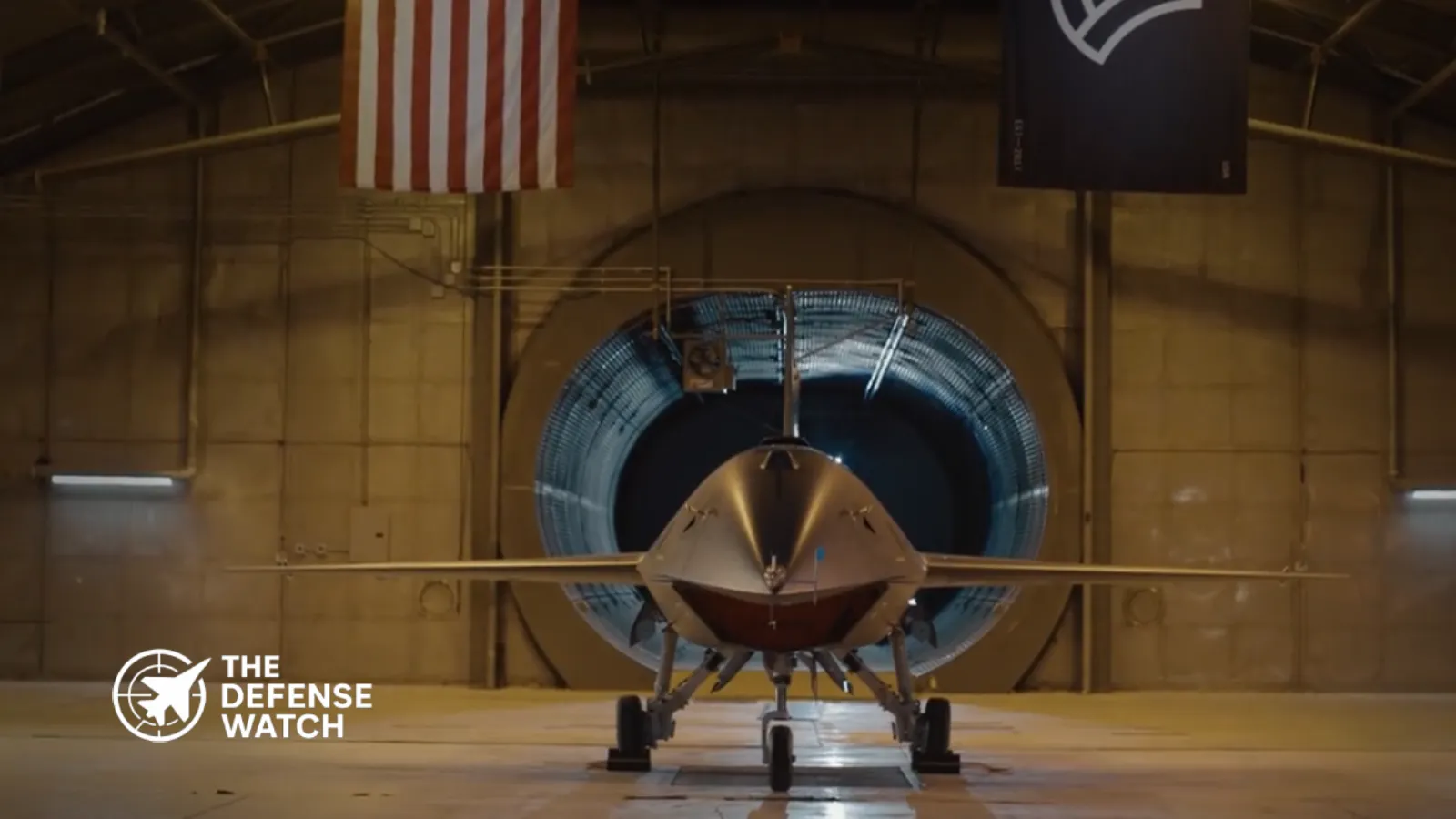
Anduril’s Fury FQ-44 drone fighter has officially moved into production, representing one of the most significant developments in the U.S. Air Force’s Collaborative Combat Aircraft (CCA) program. The announcement, made by the company and reported by multiple defense publications, signals that autonomous combat aircraft are transitioning from prototype demonstrations toward operational manufacturing.
The production milestone comes as the U.S. Department of the Air Force accelerates efforts to field autonomous aircraft capable of flying alongside fifth and sixth generation fighters. Rather than replacing human pilots, these aircraft are intended to expand combat mass, improve survivability, and perform high risk missions without exposing aircrews to unnecessary danger.
Fury Is Designed For The Collaborative Combat Aircraft Mission
The Fury FQ-44 was developed specifically to meet the operational requirements of the Air Force’s Collaborative Combat Aircraft concept.
Unlike traditional unmanned aerial vehicles focused on surveillance or precision strikes, Fury is designed as an autonomous tactical aircraft capable of operating as a loyal wingman alongside crewed fighters including the F-35A Lightning II and the future Next Generation Air Dominance (NGAD) platform.
The aircraft combines high performance flight characteristics with advanced onboard autonomy, allowing it to execute assigned missions while remaining under human command and supervision.
According to Anduril, the aircraft has been engineered for rapid manufacturing, lower operating costs, and scalable production, enabling the Air Force to acquire larger autonomous fleets than would be economically feasible with traditional fighter aircraft.
Production Marks A Shift From Demonstration To Manufacturing
Moving into production represents more than a manufacturing milestone.
It demonstrates that Anduril has progressed beyond design validation and prototype testing toward establishing an industrial production capability capable of supporting future government procurement.
The company has emphasized digital engineering, software defined architecture, and advanced manufacturing techniques to reduce development timelines while enabling continuous software upgrades throughout the aircraft’s operational life.
This approach mirrors broader Department of Defense efforts to modernize defense acquisition through rapid development cycles rather than traditional decade long procurement programs.
Key Characteristics Of The Fury FQ-44
Capability Details Manufacturer Anduril Industries Aircraft Type Autonomous Collaborative Combat Aircraft Primary Role Loyal wingman and autonomous combat aircraft Mission Set Air to air support, strike support, electronic warfare, ISR Program U.S. Air Force Collaborative Combat Aircraft Design Philosophy Software defined, modular, scalable production Why Collaborative Combat Aircraft Matter
The Collaborative Combat Aircraft initiative represents one of the Air Force’s highest modernization priorities.
Future air operations are expected to involve highly contested environments protected by integrated air defense systems, advanced electronic warfare, and long range missile threats.
Instead of relying solely on expensive crewed fighters, commanders envision formations where multiple autonomous aircraft accompany each pilot.
These drones can perform missions including:
- Forward reconnaissance
- Electronic attack
- Decoy operations
- Missile carrying
- Air defense suppression
- Precision strike support
Because autonomous aircraft are expected to cost significantly less than advanced fighters, larger fleets can be deployed to increase combat mass while preserving high value crewed aircraft.
Analysis: Production Is The Real Strategic Milestone
While prototype flights often attract headlines, manufacturing readiness may ultimately prove more important.
Numerous autonomous aircraft programs have demonstrated promising technology, but relatively few have progressed into production capable of supporting sustained military procurement.
The Fury’s transition toward manufacturing indicates confidence in both its technical maturity and Anduril’s industrial capacity.
For the Department of the Air Force, this reduces one of the largest risks facing emerging autonomous programs: the gap between successful demonstrations and large scale fielding.
Equally important is the company’s emphasis on software defined development. Unlike conventional aircraft that receive major capability upgrades every several years, software centric autonomous platforms can potentially receive more frequent updates, allowing them to adapt more rapidly to evolving threats.
Expanding The U.S. Defense Industrial Base
The production announcement also reflects broader Pentagon efforts to diversify the American defense industrial base.
Traditional military aircraft manufacturing has long been dominated by a small number of major aerospace contractors.
The emergence of companies such as Anduril introduces additional manufacturing capacity, digital engineering approaches, and faster acquisition models that defense officials increasingly view as necessary to maintain technological competitiveness.
The Collaborative Combat Aircraft program itself has encouraged participation from both established defense companies and newer technology firms capable of delivering innovative autonomous systems.
Operational Implications
Once fielded, autonomous combat aircraft like Fury could significantly alter how future air campaigns are conducted.
Rather than deploying only limited numbers of expensive fighters, commanders could employ mixed formations consisting of crewed aircraft controlling multiple autonomous teammates.
Potential operational benefits include:
- Increased aircraft available during combat operations
- Greater survivability for human pilots
- Expanded missile capacity
- Distributed sensing across larger areas
- Faster response to evolving battlefield conditions
- Lower operating costs compared with additional crewed fighters
Although autonomous aircraft remain under human oversight, advances in onboard artificial intelligence enable them to execute many routine tactical tasks while reducing pilot workload.
Outlook
The Fury FQ-44’s transition into production represents an important step for both Anduril Industries and the U.S. Air Force’s broader autonomous aviation strategy.
As the Collaborative Combat Aircraft program progresses through testing, integration, and eventual operational deployment, production readiness will become an increasingly important measure of program maturity.
The United States continues investing heavily in autonomous combat aviation as part of its long term effort to maintain air superiority against increasingly capable peer competitors. The ability to manufacture these systems at scale may ultimately prove just as critical as the aircraft’s autonomous capabilities themselves.
