

atOptions = { ‘key’ : ‘3d48d603f906e3fe9f205be3c4433835’, ‘format’ : ‘iframe’, ‘height’ : 250, ‘width’ : 300, ‘params’ : {} };Executive Summary:
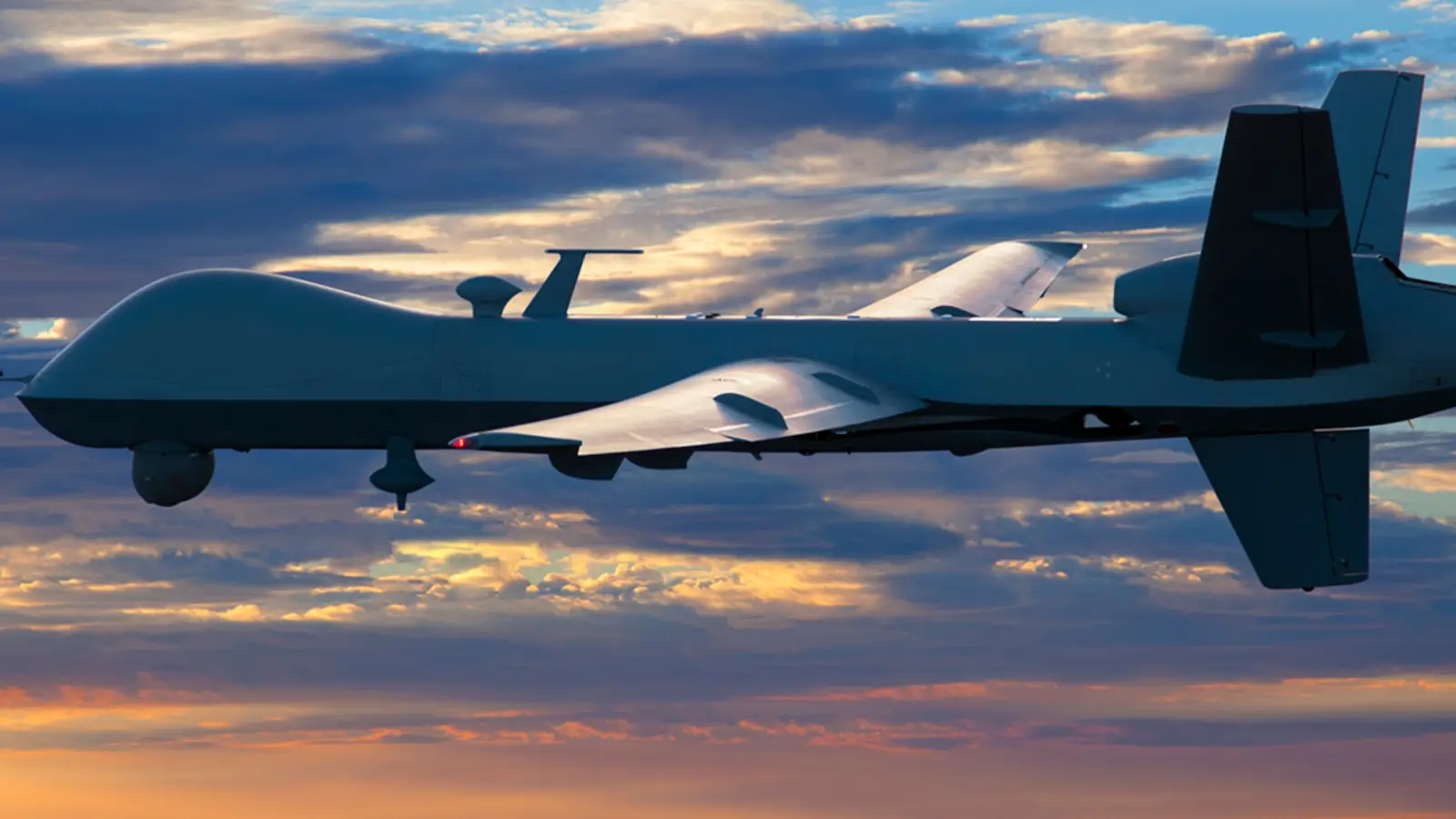
The U.S. Defense Innovation Unit has launched a new effort to develop an affordable successor to the MQ-9A Reaper through its Massed Modular Aircraft program. The initiative reflects growing Pentagon concerns that expensive, high value drones are increasingly vulnerable in contested airspace and must be replaced by systems that can be produced rapidly and in large numbers.
Pentagon Opens Competition For A Low Cost MQ-9A Successor
The Pentagon has formally begun searching for a low cost successor to the MQ-9A Reaper, signaling a significant shift in how the U.S. military intends to conduct long range intelligence, surveillance, strike, and electronic warfare missions in future conflicts. The new effort, led by the Defense Innovation Unit (DIU), seeks an aircraft that can perform many of the Reaper’s missions while costing substantially less and being available in far greater numbers.
Rather than pursuing another highly sophisticated, expensive unmanned aircraft, DIU is requesting proposals for what it calls the Massed Modular Aircraft (MMA), a platform specifically designed for affordability, modularity, and rapid production. According to the solicitation, today’s reliance on low density, high value aircraft has become increasingly unsustainable against modern integrated air defense systems.
(adsbygoogle = window.adsbygoogle || []).push({});Why The Pentagon Wants A New Reaper
The MQ-9A Reaper has served as the U.S. military’s premier medium altitude long endurance unmanned aircraft for more than two decades, supporting operations across Afghanistan, Iraq, Syria, Africa, and the Middle East.
However, recent combat experience has reinforced concerns about its survivability in contested environments protected by modern surface to air missiles and electronic warfare systems. Pentagon officials increasingly believe that future conflicts against peer competitors will require large numbers of affordable aircraft rather than a limited fleet of costly platforms.
DIU’s solicitation specifically argues that future unmanned aircraft must be designed with the expectation that some will be lost during combat while remaining inexpensive enough to replace quickly.
Key Requirements For The Massed Modular Aircraft
The solicitation outlines demanding operational requirements despite the emphasis on affordability.
Requirement Target Capability Payload At least 2,800 pounds Combat Radius Minimum 2,300 nautical miles One Way Transfer Range At least 8,000 nautical miles Cruise Speed Over 200 mph Power Available 25 kW Cooling Capacity 5 kW Operations Conventional runways and austere airfields Autonomy One operator controlling multiple aircraft The aircraft must also feature an open, modular architecture capable of rapidly integrating different payloads for intelligence gathering, strike missions, electronic warfare, communications relay, and other evolving mission sets.
Rapid Timeline Targets Operational Capability By 2031
DIU is pursuing an aggressive acquisition schedule.
According to the solicitation, contractors are expected to demonstrate full scale prototype flight testing within 21 months after contract award. The Pentagon is targeting an Initial Operational Capability during Fiscal Year 2031 consisting of approximately 20 mission ready aircraft delivered to an operational unit.
That schedule reflects growing urgency across the Department of Defense to field new autonomous systems before potential future conflicts require significantly greater operational mass.
Strategic Analysis: A Shift From Exquisite Platforms To Combat Mass
The Massed Modular Aircraft initiative represents more than a replacement for the MQ-9A. It illustrates a broader transformation underway across the U.S. military.
(adsbygoogle = window.adsbygoogle || []).push({});For decades, American airpower emphasized technologically superior platforms that delivered exceptional capability but required enormous investment. While these aircraft remain highly effective, they are increasingly challenged by adversaries deploying layered air defenses, inexpensive interceptors, electronic warfare, and large numbers of drones.
The Pentagon is now moving toward a force structure built around combat mass, where affordability becomes a military advantage rather than simply a budget objective.
This philosophy is also visible in other modernization efforts, including the Air Force’s Collaborative Combat Aircraft program, autonomous loyal wingmen, and numerous low cost strike drone initiatives. Together, these programs seek to distribute combat capability across many aircraft instead of concentrating it within a few expensive platforms.
Modularity is another important aspect of the MMA concept. Rather than permanently installing costly sensors and mission equipment, operators could configure aircraft for specific missions, reducing procurement costs while allowing faster technology upgrades as threats evolve.
Operational Implications For Future Warfare
If successfully developed, the Massed Modular Aircraft could reshape how U.S. forces conduct long endurance operations.
Instead of relying on a relatively small fleet of expensive Reapers, commanders could deploy significantly larger numbers of modular aircraft capable of:
- Intelligence, surveillance, and reconnaissance
- Precision strike missions
- Electronic warfare
- Communications relay
- Distributed sensing
- Theater level persistence
Operating larger fleets also complicates enemy targeting decisions. Even if some aircraft are destroyed, remaining platforms could continue executing missions while imposing substantial costs on opposing air defense networks.
The concept reflects lessons emerging from recent conflicts, where relatively inexpensive air defense weapons have increasingly threatened larger, slower unmanned aircraft.
Outlook
The Pentagon’s Massed Modular Aircraft initiative marks one of the clearest indications yet that future U.S. unmanned aviation will prioritize affordability, production scale, and adaptability alongside capability.
Although the MQ-9A Reaper remains an important operational asset, defense planners increasingly view future conflicts as requiring aircraft that can be fielded rapidly, upgraded easily, and replaced without imposing prohibitive costs. If the program remains on schedule, the first operational MMA aircraft could begin entering service early in the next decade, fundamentally changing how the United States approaches long range unmanned operations.
atOptions = { ‘key’ : ‘e7d18db8b7513fb2a224cf4c3f18bbf0’, ‘format’ : ‘iframe’, ‘height’ : 90, ‘width’ : 728, ‘params’ : {} };Executive Summary:
The Danish Ministry of Defence confirmed the acquisition of two Boeing P-8A Poseidon maritime patrol aircraft from the United States. The purchase, part of the 2024-2033 Danish Defence Agreement, aims to rebuild Denmark’s long-range maritime surveillance and anti-submarine warfare (ASW) capabilities across Greenland, the Faroe Islands, and the North Atlantic. This move addresses critical gaps in monitoring vast Arctic approaches and supports NATO objectives for tracking Russian submarines through the GIUK gap.
Denmark Procures P-8A Poseidon for Arctic Sovereignty
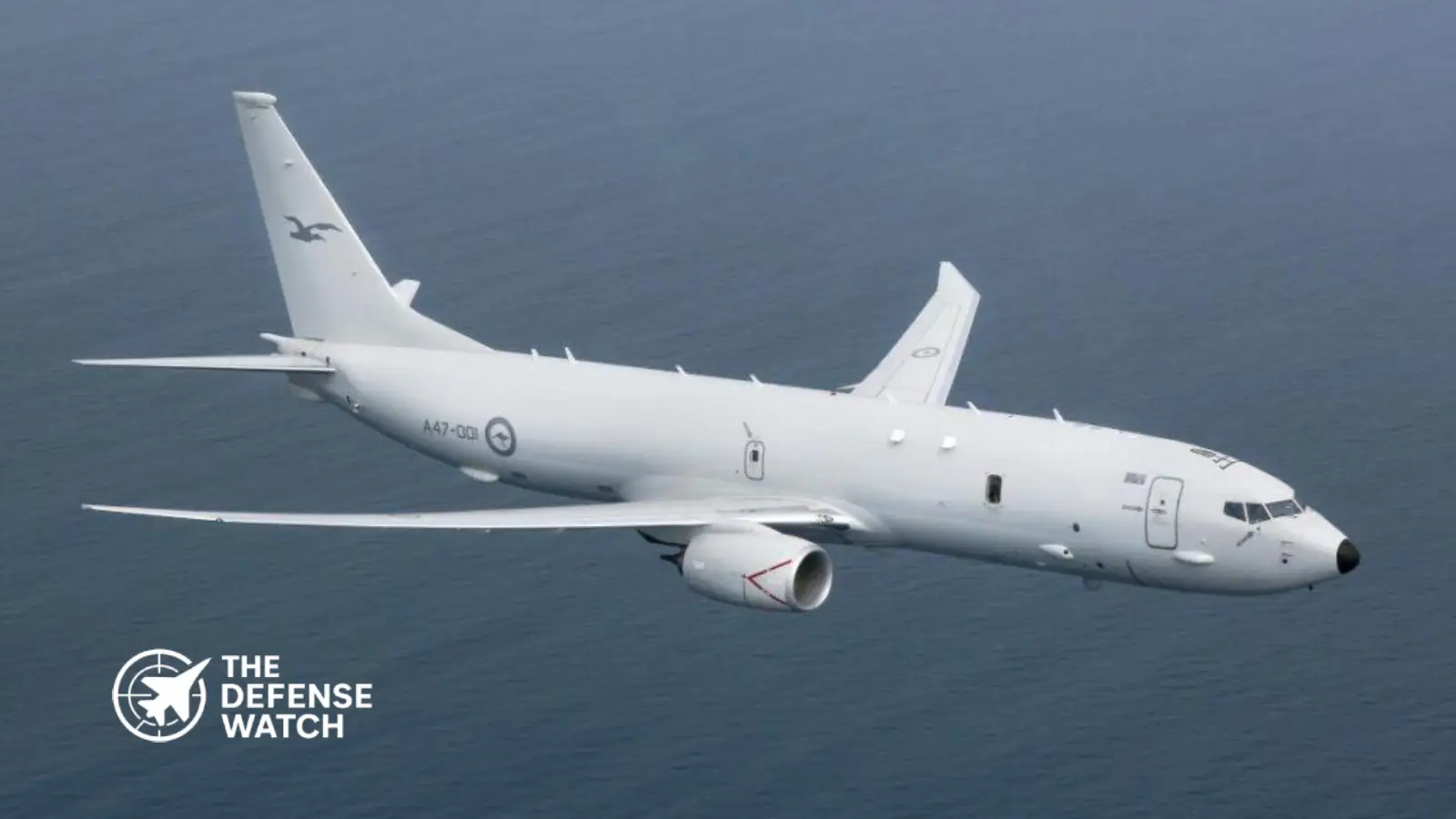
The Danish Ministry of Defence announced, that it will purchase two Boeing P-8A Poseidon aircraft to enhance its ability to conduct persistent maritime surveillance and anti-submarine operations in strategically vital northern waters.
This decision fulfills priorities outlined in Denmark’s 2024-2033 Defence Agreement, particularly its Arctic and North Atlantic components, which emphasize strengthened sovereignty enforcement and information dominance in regions beyond the reach of surface ships and helicopters.
Background and Procurement Timeline
Denmark’s interest in the P-8A dates back to at least September 2025, when Defence Minister Troels Lund Poulsen publicly discussed the need for advanced maritime patrol aircraft. The U.S. State Department approved a potential Foreign Military Sale of up to three P-8A aircraft and associated systems on December 29, 2025, with an estimated value of $1.8 billion.
Copenhagen has opted for an initial batch of two airframes, leaving open the possibility of acquiring the third approved aircraft later. The rapid timeline—from evaluation to acquisition in under a year—reflects heightened urgency driven by evolving security dynamics in the High North.
- (adsbygoogle = window.adsbygoogle || []).push({});
P-8A Poseidon Capabilities and Technical Specifications
The P-8A Poseidon, derived from the Boeing 737-800 commercial airliner, provides a significant leap in performance over legacy maritime patrol platforms. Key specifications include:
- Crew: 9 (2 flight crew + 7 mission specialists)
- Engines: 2 × CFM56-7B turbofans (27,300 lbf thrust each)
- Maximum Speed: 490 knots
- Ceiling: 41,000 feet
- Range: Over 1,200 nautical miles radius with 4+ hours on station
- Sensors: AN/APY-10 multi-mode radar, MX-20HD electro-optical/infrared turret, AN/AAQ-2(V) acoustic processing system, and advanced electronic support measures
- Armament: Internal bays for Mk 54 lightweight torpedoes (weapons not included in initial Danish package)
These features enable high-altitude, long-endurance patrols with superior sensor fusion for detecting submerged and surface threats.
Capability P-8A Poseidon Advantage Altitude & Speed Operates above weather and commercial traffic for broader sensor coverage Sensor Suite Integrated radar, acoustics, and EO/IR for multi-domain maritime domain awareness Endurance Extended loiter time over remote Arctic areas Interoperability NATO-compatible data links for shared operational picture Strategic Context: The GIUK Gap and Russian Submarine Threat
The acquisition directly supports NATO’s focus on the Greenland-Iceland-United Kingdom (GIUK) gap, a critical chokepoint for Russian submarines transiting from the Kola Peninsula into the Atlantic. Denmark’s responsibilities for Greenland and the Faroe Islands place it at the forefront of monitoring these expansive maritime domains, where traditional assets struggle to maintain continuous presence.
(adsbygoogle = window.adsbygoogle || []).push({});Chief of Defence General Michael Wiggers Hyldgaard highlighted the need for long-range information gathering to defend the entire Kingdom of Denmark. The P-8A will complement existing assets and reduce dependence on allied aircraft for routine patrols.
Analysis: Implications for U.S. and NATO Strategy
This procurement strengthens NATO’s collective ASW posture in the North Atlantic at a time when Russian undersea activity has increased. For the United States, it bolsters a key ally’s capabilities while promoting interoperability across the P-8 operator community, which includes the U.S. Navy, UK, Norway, Australia, and others. Shared maintenance and training arrangements could emerge, enhancing overall alliance efficiency.
Operationally, the P-8A’s high-altitude operations and advanced acoustics offer advantages in the challenging Arctic environment, though cold-weather performance and logistical support in remote areas present technical hurdles that Denmark and Boeing/Terma will need to address through their existing MoU for potential local MRO capabilities.
From a U.S. perspective, the sale reinforces American defense exports and industrial base while advancing shared security interests without direct American forward presence. It also signals to adversaries that NATO members are investing in high-end capabilities to close surveillance gaps.
Future Outlook and Potential Expansion
Denmark’s initial two-aircraft fleet provides a foundational capability, with potential for growth to three or more depending on availability requirements for training, maintenance, and sustained operations. Integration with NATO command structures and data-sharing networks will be key to maximizing effectiveness.
(adsbygoogle = window.adsbygoogle || []).push({});The program also includes significant support elements such as training, logistics, and systems like the AN/APY-10 radar and acoustic processors, ensuring rapid operational readiness.
Executive Summary:
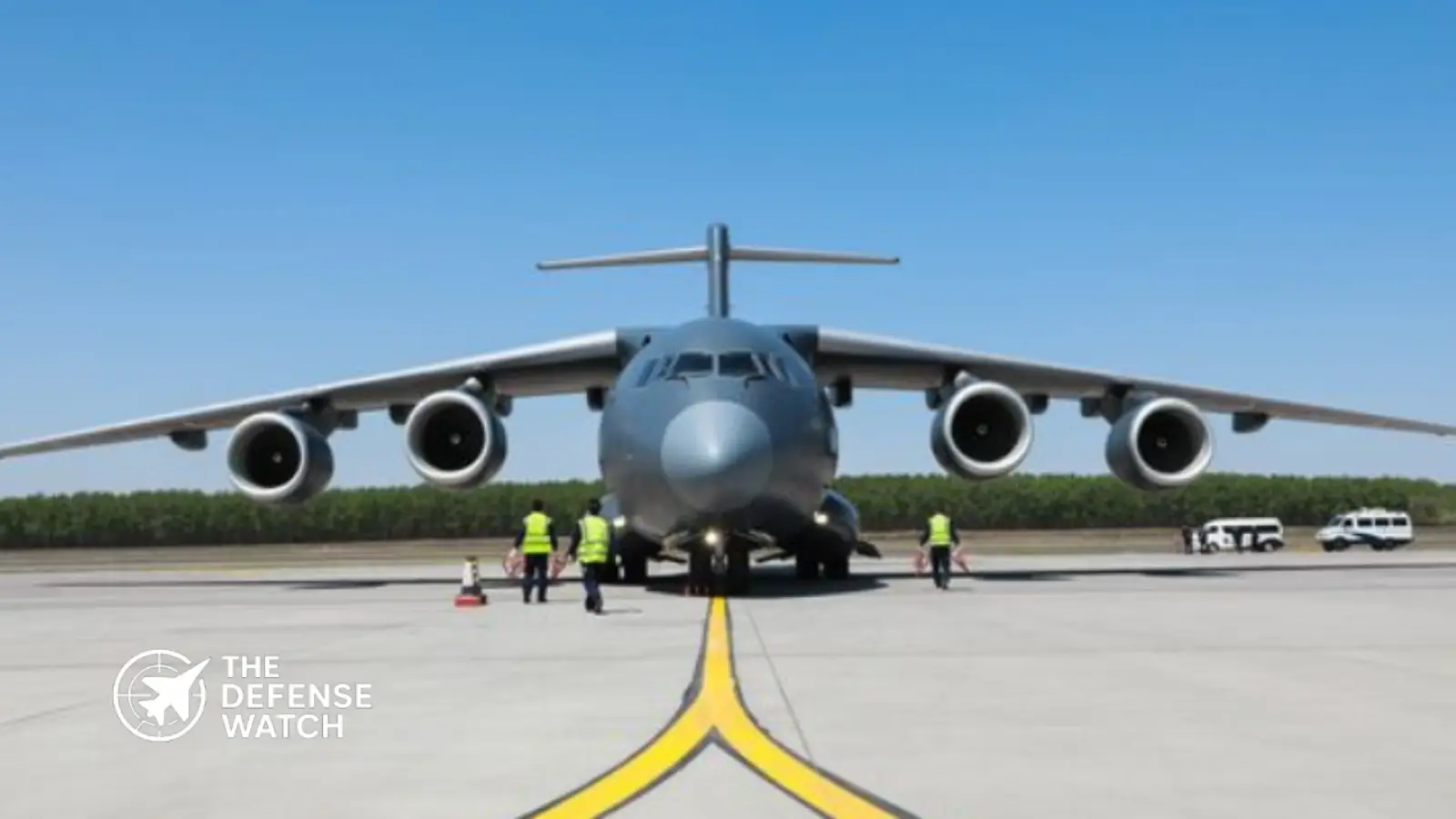
China is continuing to expand its fleet of Y 20B strategic transport aircraft, with new aircraft entering service equipped with domestically developed WS 20 turbofan engines. The growing fleet strengthens the People’s Liberation Army Air Force’s ability to conduct long range airlift, humanitarian assistance, overseas deployments, and joint military operations while reducing reliance on foreign engine technology.
China Expands Y 20B Transport Aircraft Fleet
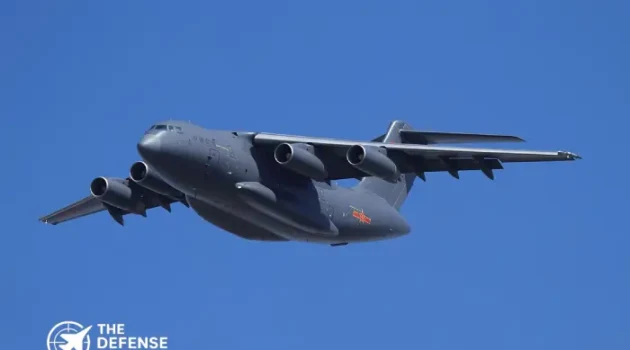
China’s Y 20B transport aircraft fleet continues to grow as the People’s Liberation Army Air Force (PLAAF) fields additional aircraft powered by indigenous WS 20 turbofan engines. According to recent reporting by Janes, newly produced aircraft have been observed entering operational service, highlighting Beijing’s ongoing effort to modernize its strategic air mobility capability.
The expansion represents another milestone in China’s broader military modernization program, which prioritizes increased strategic reach, improved logistics, and greater operational independence through domestically developed aerospace technologies.
Unlike earlier production variants that relied on Russian supplied engines, the Y 20B incorporates China’s WS 20 high bypass turbofan, reducing dependence on foreign suppliers while improving aircraft performance.
Indigenous WS 20 Engines Mark a Major Capability Upgrade
The most significant improvement in the Y 20B is its propulsion system.
Earlier Y 20 aircraft were powered by Russian Soloviev D 30KP 2 turbofan engines. While reliable, these engines limited both efficiency and payload performance and required continued access to overseas supply chains.
The WS 20 engine addresses several of these limitations by offering:
Capability Earlier Y 20 Y 20B Engine Russian D 30KP 2 Indigenous WS 20 Engine source Imported Domestic production Fuel efficiency Lower Improved Payload performance Standard Enhanced Strategic independence Limited Significantly improved Domestic engine production also simplifies long term maintenance, logistics, and future fleet expansion, key priorities for China’s aviation industry.
Expanding China’s Strategic Airlift Network
The Y 20 serves as the backbone of China’s heavy airlift fleet.
Comparable in role to the U.S. Air Force’s C 17 Globemaster III, although differing in design and operational history, the aircraft is intended to transport:
- Heavy military equipment
- Armored vehicles
- Troops
- Humanitarian assistance supplies
- Disaster relief cargo
- Medical evacuation equipment
The aircraft enables rapid movement of forces across China’s vast territory while supporting deployments beyond its borders.
As China’s overseas interests continue to expand, strategic airlift has become increasingly important for military diplomacy, peacekeeping missions, evacuation operations, and logistics support.
Production Appears to Be Accelerating
Recent imagery and aircraft observations indicate that additional Y 20B aircraft are entering operational units.
Although Chinese authorities have not publicly disclosed production totals, outside analysts assess that manufacturing has accelerated in recent years as domestic engine production has matured.
A larger fleet allows the PLAAF to sustain simultaneous operations while improving readiness for:
- Large scale military exercises
- Joint force deployments
- Humanitarian assistance
- International peacekeeping missions
- Long distance logistics operations
The steady increase also reflects growing confidence in China’s domestic aerospace manufacturing base.
Strategic Importance Beyond Transportation
Strategic transport aircraft provide more than cargo capacity.
Modern militaries rely on heavy airlifters to maintain operational tempo by rapidly moving personnel, equipment, and supplies across multiple theaters.
For China, additional Y 20Bs enhance several key capabilities:
- Faster reinforcement of remote military regions
- Improved support for naval operations
- Greater flexibility during disaster response
- Increased support for overseas military activities
- Better logistics for joint force operations
These capabilities become increasingly important as China’s military conducts more complex exercises involving multiple service branches.
Supporting Future Specialized Variants
The Y 20 airframe is also becoming the foundation for multiple specialized aircraft.
China has already adapted the platform into the YY 20 aerial refueling tanker, substantially increasing the operational range of PLAAF fighter aircraft.
Defense analysts also expect the platform to support additional mission variants over time, potentially including:
- Airborne command and control
- Electronic warfare
- Intelligence collection
- Specialized logistics support
Using a common airframe across multiple missions reduces development costs while simplifying maintenance and training.
What the Fleet Expansion Means
The continued expansion of the Y 20B fleet illustrates China’s long term approach to building a self sufficient strategic air mobility capability.
While fighter aircraft and missiles often receive greater public attention, transport aircraft are essential for sustaining military operations over extended distances. Without adequate airlift capacity, even advanced combat forces face significant logistical constraints.
For the United States and regional defense planners, the growing Y 20B inventory reflects China’s increasing ability to deploy personnel and equipment rapidly across the Indo Pacific and beyond. It also demonstrates continued progress in China’s domestic aerospace industry, particularly in the successful fielding of large turbofan engines, an area that historically depended on foreign technology.
As production continues, the Y 20B is expected to remain central to PLAAF modernization, supporting everything from military exercises and humanitarian missions to overseas logistics and joint operations. Its combination of indigenous propulsion, expanding production, and multi mission adaptability makes it one of the most important enabling platforms in China’s evolving air power strategy.
Executive Summary:
NATO has selected Saab’s GlobalEye as its preferred next generation Airborne Early Warning and Control (AEW&C) platform and will begin formal contract negotiations for up to ten aircraft. The decision marks a major modernization effort aimed at replacing the Alliance’s aging airborne surveillance capability with a more advanced multi-domain system capable of tracking air, maritime, and ground threats.
NATO Selects Saab GlobalEye For Future AEW&C Fleet
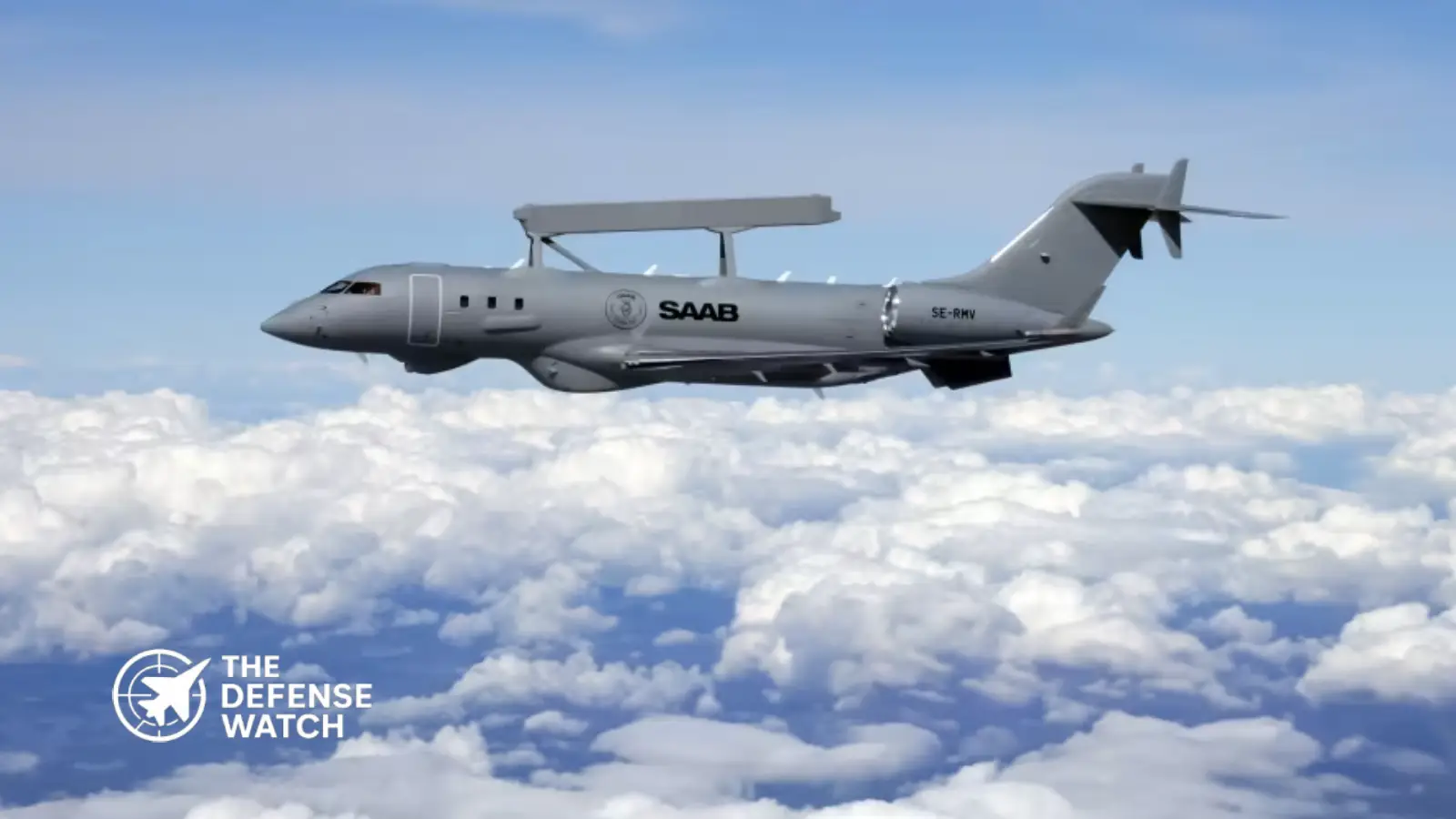
NATO has chosen Saab’s GlobalEye Airborne Early Warning and Control (AEW&C) system as the Alliance’s future airborne surveillance platform, marking one of the most significant modernization decisions for NATO’s command and control architecture in recent years.
The announcement was made by NATO Secretary General Mark Rutte during the NATO Summit in Ankara, Türkiye. According to Saab, NATO will now enter formal negotiations with the NATO Support and Procurement Agency (NSPA) regarding the acquisition of up to ten GlobalEye aircraft.
While Saab emphasized that no contract has yet been signed and no formal order has been placed, the announcement confirms that GlobalEye has been selected as NATO’s preferred solution to replace its current airborne early warning capability.
The procurement forms part of the Alliance’s broader effort to modernize intelligence, surveillance, reconnaissance (ISR), and command and control capabilities in response to an increasingly complex security environment.
GlobalEye Selected To Replace NATO’s Aging Airborne Warning Fleet
NATO’s existing airborne early warning capability has been provided for decades by the Boeing E-3A AWACS fleet. Although repeatedly modernized, those aircraft entered service during the Cold War and face growing maintenance challenges as they age.
GlobalEye represents a generational leap in airborne surveillance technology.
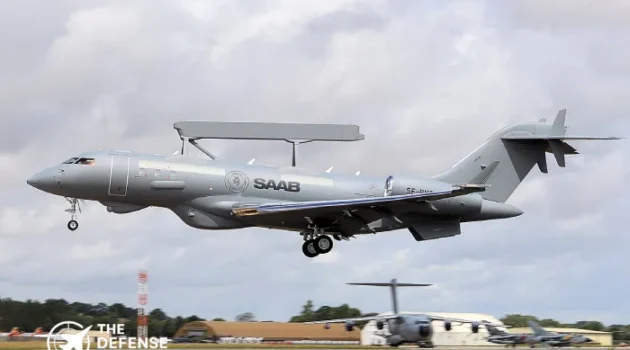
Rather than relying on an aging commercial airframe, Saab integrates its mission system onto the modern Bombardier Global 6500 business jet, providing greater fuel efficiency, lower operating costs, higher availability, and extended endurance.
The aircraft combines multiple sensor systems into a single command and control platform capable of simultaneously monitoring:
- Airspace
- Maritime activity
- Ground movements
This multi-domain capability enables commanders to build a more complete operational picture across large geographic areas.
Advanced Erieye Extended Range Radar
At the center of GlobalEye is Saab’s Erieye Extended Range (ER) active electronically scanned array (AESA) radar.
Unlike traditional mechanically rotating radar systems, the electronically scanned radar provides rapid target updates while maintaining long-range surveillance.
According to Saab, GlobalEye can detect and track:
Capability Operational Benefit Conventional aircraft Long-range air surveillance Low-observable aircraft Improved detection of stealth targets Cruise missiles Early warning against low-altitude threats Ballistic missiles Enhanced missile warning capability Hypersonic missiles Earlier tracking during high-speed engagements Small drones Counter-UAS situational awareness Maritime vessels Surface surveillance across large sea areas The platform is also designed to operate in highly contested electromagnetic environments, where electronic jamming and signal interference can significantly degrade older radar systems.
Integrated Multi-Domain Command And Control
GlobalEye is more than a radar aircraft.
It serves as an airborne command and control node capable of collecting information from multiple sensors and distributing that information to commanders across NATO networks.
The aircraft integrates:
- Erieye Extended Range radar
- Maritime surveillance radar
- Electro-optical and infrared sensors
- Electronic support measures
- Identification Friend or Foe (IFF) systems
- Advanced communications and data links
Together, these systems enable operators to monitor simultaneous air, land, and maritime operations while providing commanders with near real-time situational awareness.
Why NATO’s Decision Matters
Selecting GlobalEye reflects changing operational requirements across Europe.
Since Russia’s full-scale invasion of Ukraine, NATO has significantly expanded airborne surveillance missions along its eastern flank while also increasing maritime monitoring in the Baltic Sea, North Sea, Arctic, Mediterranean, and Black Sea regions.
Modern military operations increasingly involve:
- Long-range cruise missiles
- Small unmanned aerial systems
- Electronic warfare
- Hypersonic weapons
- Multi-domain operations
These threats demand faster sensor updates, improved target discrimination, and stronger resistance to electronic attack than legacy AWACS platforms were originally designed to provide.
GlobalEye addresses many of these emerging operational requirements through its modern sensor suite and digital mission architecture.
Strategic Importance For NATO And The United States
Although GlobalEye is manufactured by Sweden’s Saab, its selection has broader implications for NATO’s collective defense posture, including U.S.-led operations.
Airborne early warning aircraft act as force multipliers by extending radar coverage far beyond ground-based sensors. They enable fighter aircraft, missile defense units, naval forces, and ground commanders to share a common operational picture over large areas.
For the United States and other NATO members, a modernized AEW&C fleet improves interoperability during coalition operations while reducing dependence on increasingly costly legacy aircraft.
The decision also reflects NATO’s emphasis on distributed sensing, resilient command networks, and integrated air and missile defense. As Russia and China continue investing in long-range precision weapons and electronic warfare capabilities, NATO is prioritizing systems capable of maintaining situational awareness in contested environments.
From an industrial perspective, the selection represents a significant milestone for Saab. If negotiations conclude successfully, a fleet of up to ten aircraft would become one of the company’s largest AEW&C programs and further establish GlobalEye as a leading airborne surveillance platform on the international market.
Contract Negotiations Begin
Following the announcement, Saab will enter formal negotiations with the NATO Support and Procurement Agency (NSPA).
The negotiations will determine:
- Final contract value
- Number of aircraft
- Delivery schedule
- Sustainment and logistics support
- Training requirements
- Mission system integration
Saab reiterated that no procurement contract has yet been awarded, and financial details have not been released.
Should negotiations conclude successfully, GlobalEye will become NATO’s next generation airborne early warning and control platform, replacing one of the Alliance’s longest-serving airborne surveillance capabilities with a modern system designed for the evolving threat environment.
Executive Summary:
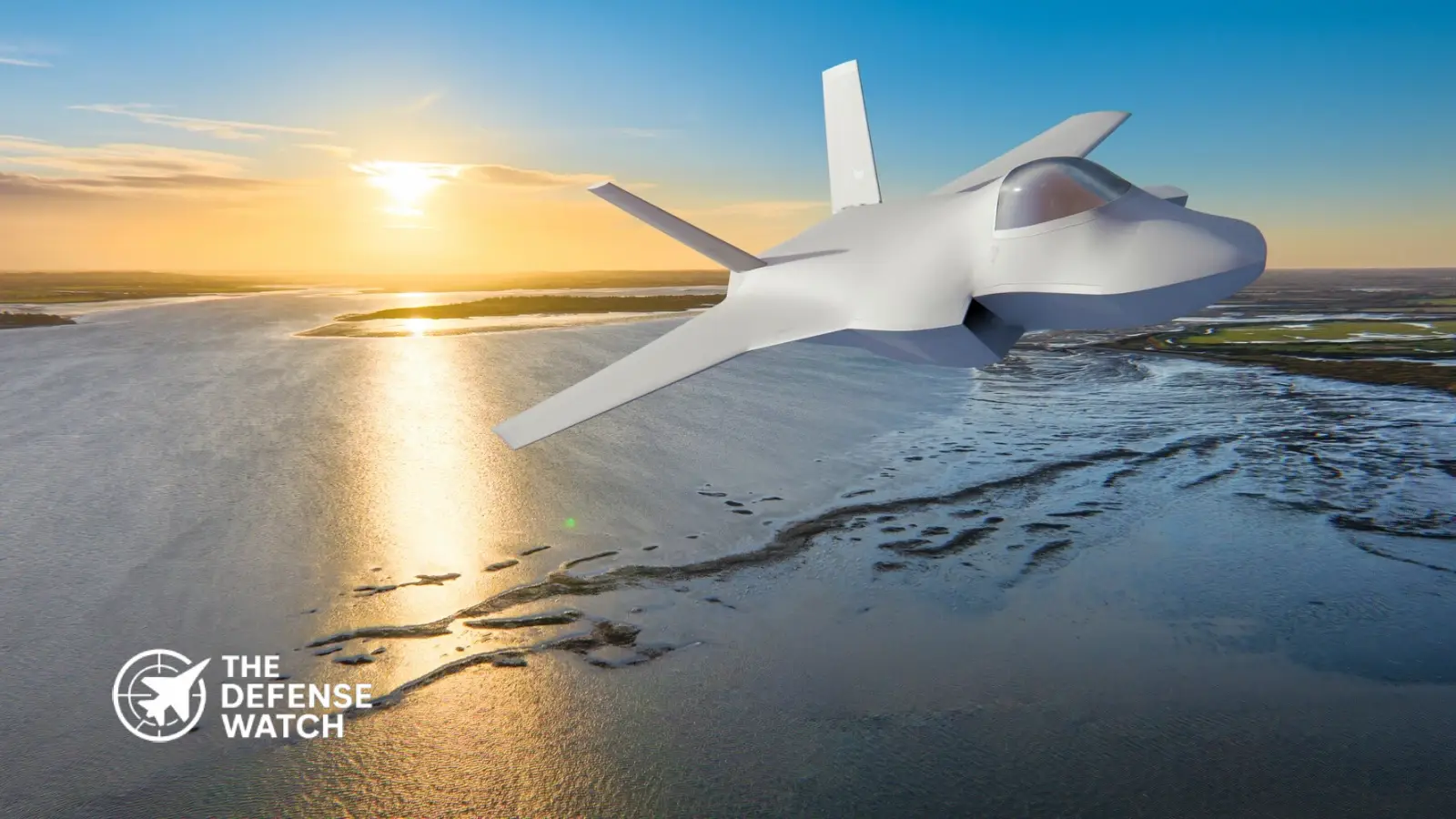
The UK Ministry of Defence has confirmed that the Tempest Combat Air Flying Demonstrator is expected to begin testing key capabilities by mid 2028. While officials did not provide a firm maiden flight date, the demonstrator remains a central technology risk reduction platform supporting the UK, Italy, and Japan’s Global Combat Air Programme (GCAP) scheduled to deliver an operational sixth generation fighter from 2035.
Tempest Demonstrator Enters Next Phase Of Development
The Tempest demonstrator is expected to begin testing critical technologies by mid 2028, according to a written parliamentary response from the UK Ministry of Defence. The update provides the clearest official indication yet of the next major milestone for Britain’s first domestically developed supersonic combat aircraft in more than four decades.
Responding to a parliamentary question from Shadow Defence Secretary James Cartlidge, Minister for Defence Readiness and Industry Luke Pollard stated:
The Combat Air Flying Demonstrator is expected to begin testing key capabilities by mid 2028. The timing of the first flight will be confirmed closer to the milestone to ensure maximum value is delivered in support of GCAP development.
The ministry stopped short of announcing a specific first flight date, despite previous public statements indicating the demonstrator was expected to fly during 2027.
No Official Delay Confirmed
Although the latest statement references capability testing beginning by mid 2028, it does not necessarily represent a formal schedule delay.
Industry reporting over the past year has consistently indicated that:
- Aircraft assembly is well advanced.
- Rollout remains targeted around late 2027.
- Ground testing would precede the maiden flight.
- Flight trials would gradually expand into broader capability demonstrations.
As a result, a late 2027 rollout followed by extensive ground qualification and an early 2028 first flight remains broadly compatible with the government’s latest statement.
First British Supersonic Combat Demonstrator In Four Decades
The Combat Air Flying Demonstrator represents Britain’s first crewed supersonic combat aircraft development program since the Experimental Aircraft Programme (EAP), which helped pave the way for the Eurofighter Typhoon.
The aircraft is not intended to become an operational fighter. Instead, it serves as a technology demonstrator designed to validate critical systems before they are incorporated into the production aircraft under the Global Combat Air Programme.
According to BAE Systems and the Ministry of Defence, planned evaluations include:
Capability Purpose Low observable technologies Validate stealth design techniques Internal weapons bay Test missile carriage and release Flight control systems Evaluate handling and software integration Digital engineering methods Accelerate future aircraft development Pilot-machine interface Support sixth generation combat concepts The demonstrator is powered by twin Eurojet EJ200 engines and incorporates advanced digital design methods intended to shorten development timelines for future combat aircraft.
Supporting The Global Combat Air Programme
Although the demonstrator is a UK national project, its findings will directly support the Global Combat Air Programme (GCAP), the trilateral effort involving the United Kingdom, Italy, and Japan.
GCAP aims to field a sixth generation combat aircraft beginning in 2035, replacing:
- Royal Air Force Eurofighter Typhoon aircraft
- Italian Air Force Typhoons
- Japan Air Self-Defense Force Mitsubishi F-2 fighters
The program recently entered another major phase after the award of a multibillion pound development contract to Edgewing, the industrial joint venture established by BAE Systems, Leonardo, and Japan Aircraft Industrial Enhancement Company.
Why The Demonstrator Matters
Unlike traditional prototype aircraft, the Tempest demonstrator is primarily intended to reduce technical and manufacturing risk before the operational aircraft enters full-scale development.
Engineers are using the platform to validate:
- Digital engineering techniques
- Advanced flight control software
- Composite manufacturing methods
- Stealth shaping
- Systems integration
- Human-machine teaming concepts
The program also allows developers to compare digital simulations with real-world flight data, improving confidence before committing to production designs. This approach reflects a broader shift toward model-based engineering that is increasingly used across advanced aerospace programs.
For GCAP partners, reducing technical uncertainty early is particularly important because the aircraft must integrate next generation sensors, electronic warfare systems, artificial intelligence-enabled mission management, and future weapons while remaining adaptable throughout its planned service life into the 2070s.
Strategic Importance Beyond The United Kingdom
The demonstrator’s progress has implications extending beyond British aerospace.
GCAP is one of only a handful of sixth generation fighter programs currently under active development worldwide, alongside the U.S. Next Generation Air Dominance effort and Europe’s Future Combat Air System.
Maintaining progress on the demonstrator helps preserve schedule confidence for the broader multinational program while strengthening industrial cooperation between the UK, Italy, and Japan. It also sustains advanced combat aircraft design expertise within the British aerospace sector, an industrial capability not exercised on a wholly new crewed combat aircraft since the Typhoon development era.
Although officials have not confirmed when the demonstrator will conduct its maiden flight, the latest parliamentary statement indicates that capability testing, rather than a single flight milestone, is now the government’s principal benchmark for measuring progress toward GCAP’s 2035 operational objective.

Executive Summary:
The U.S. Air Force has completed a key ground validation event supporting integration of the AGM-158C Long Range Anti-Ship Missile (LRASM) on the B-1B Lancer at Dyess Air Force Base. The effort verified updated pre-flight procedures, aircraft software, and maintenance processes that will accelerate future maritime strike capability and improve operational readiness across the bomber fleet.
U.S. Air Force Validates B-1B LRASM Integration Procedures
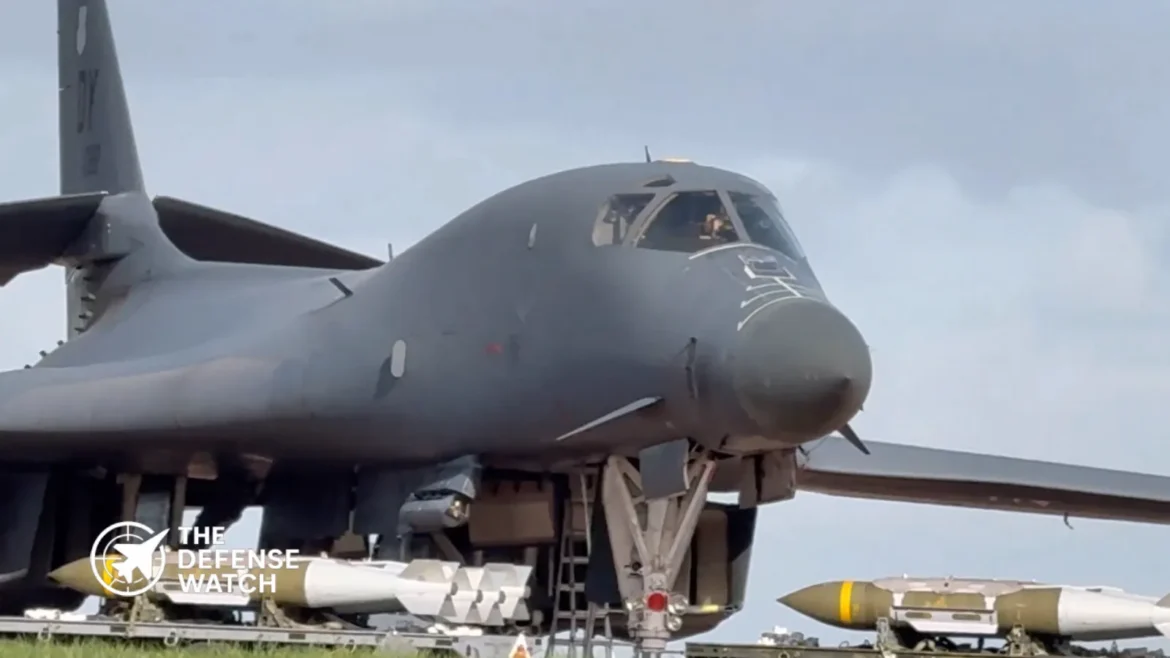
The U.S. Air Force has completed an important milestone in expanding the B-1B Lancer LRASM integration program after conducting a Long Range Anti-Ship Missile (LRASM) Event Zero at Dyess Air Force Base on June 2. According to the U.S. Air Force, the event successfully validated new ground procedures and software updates that will support faster fielding of advanced maritime strike capabilities for the bomber fleet.
The activity was led by the 7th Bomb Wing with participation from maintenance personnel, weapons specialists, evaluators, and aircrews. Rather than serving as a live firing exercise, Event Zero focused on validating critical pre-flight procedures, improving maintenance workflows, and verifying communication between the aircraft and the AGM-158C LRASM using updated hardware and software.
Ground Testing Improves Future Weapons Integration
One of the most notable achievements during the event was the successful connection of a live AGM-158C LRASM to a B-1B Lancer through a locally designed extension cable.
Airmen from the 7th Bomb Wing’s weapons backshop fabricated the specialized cable using U.S. Navy technical specifications. The modification allowed technicians to connect the missile without loading it into the aircraft’s internal weapons bay, simplifying verification work while collecting valuable engineering and operational data.
According to Air Force officials, locally developing the cable reduced dependence on external equipment while enabling more efficient testing. The process also demonstrated the growing technical expertise of maintenance personnel responsible for supporting rapid weapons integration.
Officials stated that the event successfully verified:
Validation Area Operational Benefit Updated aircraft software Supports new weapon compatibility LRASM software verification Improves integration reliability Pre-flight maintenance procedures Reduces preparation time Locally fabricated test equipment Accelerates future validation events Cross-service technical coordination Enhances Air Force and Navy interoperability LRASM Remains Central To Long Range Maritime Strike
The AGM-158C Long Range Anti-Ship Missile has become one of the U.S. military’s premier precision maritime strike weapons.
Derived from the AGM-158 Joint Air-to-Surface Standoff Missile Extended Range (JASSM-ER), LRASM combines low observable characteristics with autonomous target identification, passive sensors, electronic warfare resilience, and long-range precision guidance.
Unlike traditional anti-ship missiles that rely heavily on external targeting information, LRASM is designed to locate, identify, and prioritize hostile vessels even in GPS degraded or electronically contested environments.
Key characteristics include:
- Approximately 1,000-pound penetrating blast fragmentation warhead
- Long-range stand-off engagement capability
- Autonomous target recognition
- Low observable design
- Electronic warfare resistance
- Network-enabled mission capability
These features allow strike aircraft to engage high-value naval targets while remaining outside many enemy air defense envelopes.
Why The B-1B Continues To Play A Critical Role
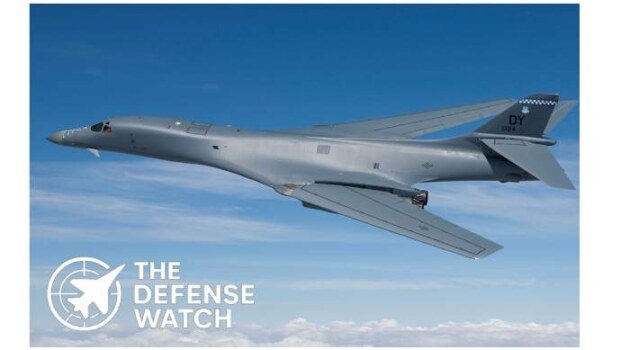
Although originally designed as a strategic bomber during the Cold War, the B-1B Lancer has evolved into one of the U.S. Air Force’s most capable conventional strike aircraft.
The aircraft offers several advantages for maritime operations:
- High payload capacity
- Long operational range
- Supersonic dash capability
- Large internal weapons bays
- Ability to rapidly deploy across theaters
The B-1B became the first operational platform for the LRASM in 2018, giving U.S. Indo-Pacific planners a bomber capable of carrying multiple advanced anti-ship missiles over extended distances. Since then, the platform has remained central to the Air Force’s maritime strike mission while additional aircraft, including the B-2 Spirit, have begun integrating the weapon.
Strategic Significance Beyond Routine Testing
Although Event Zero was a ground validation exercise, its operational significance extends well beyond maintenance procedures.
Modern weapons integration is increasingly driven by software validation, digital interfaces, cybersecurity assurance, and rapid certification rather than solely by flight testing. Every improvement made during ground verification reduces the time required to field new weapons and minimizes risk before operational deployment.
The locally engineered testing solution also illustrates a broader shift within the Air Force toward empowering operational units to solve technical challenges without waiting for lengthy acquisition processes. This approach supports the Department of Defense’s wider emphasis on accelerating capability delivery in response to rapidly evolving threats.
The event further highlights the close cooperation between the U.S. Air Force and the U.S. Navy’s Precision Strike Weapons Program Office. Since LRASM serves both services, common integration standards help reduce duplication while ensuring compatible software, logistics, and maintenance procedures across multiple launch platforms.
Maritime Strike Becomes Increasingly Important
The timing of the validation reflects the growing emphasis on long-range maritime strike as the United States prepares for potential operations in highly contested regions, particularly across the Indo-Pacific.
Potential adversaries continue investing heavily in integrated air defenses, anti-access and area-denial systems, and increasingly capable surface fleets. Long-range stand-off weapons such as LRASM enable U.S. bombers to engage naval targets without entering the most heavily defended zones.
As the Air Force simultaneously modernizes its bomber force through continued B-21 Raider development while extending the operational relevance of legacy bombers, incremental improvements like LRASM integration ensure existing platforms remain credible contributors to future joint operations.
Ground validation events such as this one rarely attract the attention of live missile tests, yet they represent essential steps in delivering reliable combat capability. By refining procedures before operational use, the Air Force reduces technical risk and shortens the timeline for deploying updated weapons systems to frontline units.
Executive Summary:
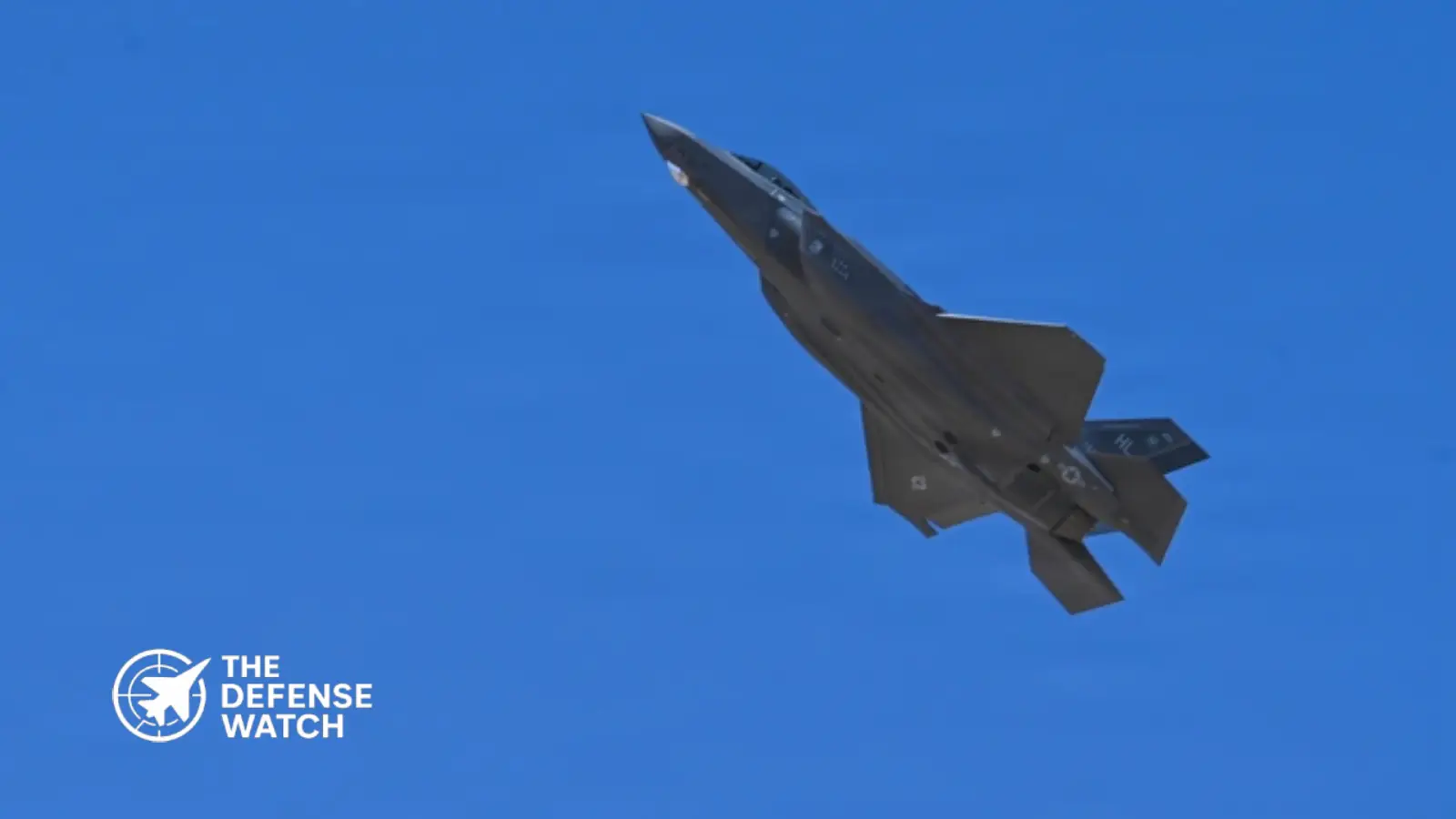
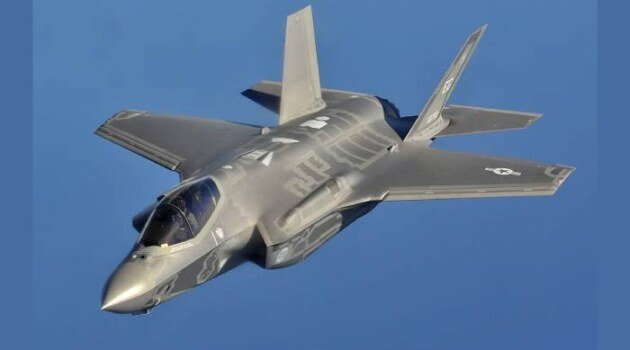
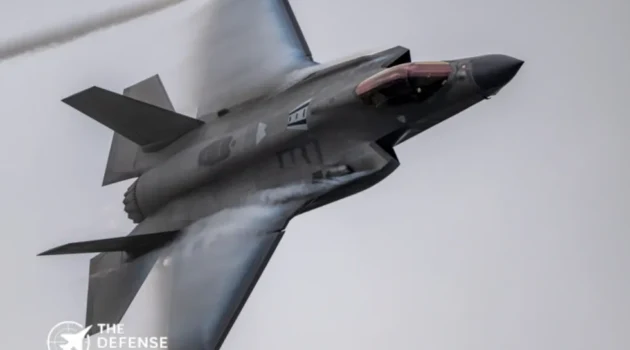
The United Kingdom has confirmed that its next procurement of F 35 fighter aircraft will include the Royal Air Force’s first F 35A conventional takeoff and landing variants. The decision forms part of the 2026 Defence Investment Plan, which combines new combat aircraft procurement with broader investments in Typhoon upgrades, autonomous combat aircraft, and NATO focused air power modernization.
UK Defence Investment Plan Confirms First RAF F 35A Fighters
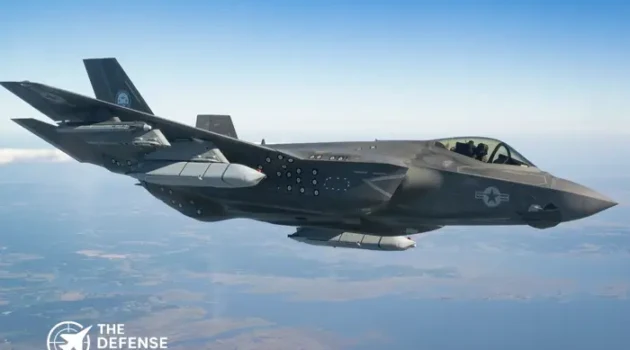
The UK Defence Investment Plan formally confirms that the Royal Air Force will receive its first F 35A Lightning II aircraft as part of the next batch of F 35 procurements, marking a significant evolution in British combat aviation. The announcement was made within the government’s 2026 Defence Investment Plan, which outlines approximately £298 billion in defence spending over the next four years.
Rather than presenting the acquisition as an isolated aircraft purchase, the Ministry of Defence positions the new F 35 order within a broader modernization strategy aimed at strengthening NATO deterrence, expanding British air combat capability, and supporting domestic defence industry participation.
According to the plan, the first F 35A aircraft are expected to enter RAF service during the early 2030s.
F 35A Expands Britain’s Role Within NATO
Unlike the F 35B currently operated jointly by the Royal Air Force and Royal Navy, the F 35A is a conventional runway based fighter offering greater range, higher payload capacity, and lower operating costs.
Perhaps more strategically important, the aircraft enables Britain to participate in NATO’s Dual Capable Aircraft (DCA) mission, allowing certified allied aircraft to support the Alliance’s nuclear deterrence mission during a crisis. The RAF has not maintained an air delivered nuclear role since the retirement of its sovereign tactical nuclear weapons after the Cold War.
The Defence Investment Plan directly links the F 35A acquisition with wider investments in the UK’s Defence Nuclear Enterprise, which will receive more than £20 billion in additional funding over the next four years compared with the previous spending cycle.
Aircraft Modernization Extends Beyond The F 35
The F 35 procurement represents only one component of a broader transformation of British combat aviation.
The investment plan also includes:
Program Investment Purpose Typhoon modernization More than £1.1 billion Sustain and upgrade Eurofighter fleet into the 2040s Collaborative Combat Aircraft £300 million Develop autonomous wingmen supporting manned fighters Global Combat Air Programme (GCAP) £8.6 billion Develop sixth generation combat aircraft with Italy and Japan Additional F 35 procurement Not disclosed Expand fifth generation combat capability Government planners envision these capabilities operating as an integrated force combining fourth generation Typhoons, fifth generation F 35 variants, autonomous aircraft, and the future GCAP sixth generation platform.
Why The F 35A Matters More Than Simply Buying More Fighters
The decision to introduce the F 35A reflects a shift in how Britain intends to employ air power over the next decade.
The RAF currently operates the short takeoff and vertical landing F 35B, which is optimized for operations from the Royal Navy’s Queen Elizabeth class aircraft carriers. While this variant provides exceptional expeditionary flexibility, the conventional F 35A offers several operational advantages for land based missions.
These include:
- Longer combat radius
- Larger internal fuel capacity
- Increased weapons payload
- Lower operating and maintenance costs
- Greater compatibility with most European F 35 operators
These characteristics make the F 35A particularly well suited for sustained NATO air operations across Europe while allowing carrier capable F 35Bs to remain focused on maritime expeditionary missions.
This emerging division of labor could improve overall fleet readiness while reducing pressure on Britain’s existing Lightning Force.
Industrial Benefits Remain Central To Procurement Strategy
The Defence Investment Plan also emphasizes the industrial impact of continued F 35 procurement.
The United Kingdom remains the largest international industrial partner in the multinational F 35 program, with British companies manufacturing critical airframe structures, avionics, electronic warfare systems, and propulsion components.
Government officials describe additional aircraft purchases as supporting thousands of highly skilled aerospace jobs while reinforcing Britain’s long term position within one of the world’s largest combat aircraft production programs.
This industrial dimension aligns with the government’s broader “Backing British” strategy, which links defence procurement with domestic manufacturing, technology development, and workforce investment.
Strategic Analysis
The introduction of the F 35A represents more than a fleet expansion. It reflects a gradual rebalancing of British air power as NATO shifts toward higher readiness in response to Europe’s changing security environment.
From an operational standpoint, adding conventional F 35As provides greater flexibility across the RAF. Carrier capable F 35Bs remain essential for maritime strike operations, while the F 35A offers a more economical platform for land based missions, pilot training, and NATO integration.
Equally significant is the aircraft’s role within Britain’s evolving deterrence posture. By preparing to join NATO’s Dual Capable Aircraft mission, London strengthens alliance burden sharing while complementing its existing submarine based nuclear deterrent rather than replacing it.
The investment plan also illustrates that Britain is pursuing a layered modernization strategy instead of relying on a single aircraft program. Continued Typhoon upgrades preserve current combat capability, additional F 35s enhance fifth generation readiness, autonomous Collaborative Combat Aircraft introduce new force multiplying concepts, and GCAP is intended to deliver sixth generation capabilities in the 2035 timeframe.
For U.S. and NATO planners, Britain’s approach reinforces interoperability across allied air forces while ensuring that future combat operations can integrate stealth aircraft, autonomous systems, advanced sensors, and networked targeting into a single operational framework.
Executive Summary:
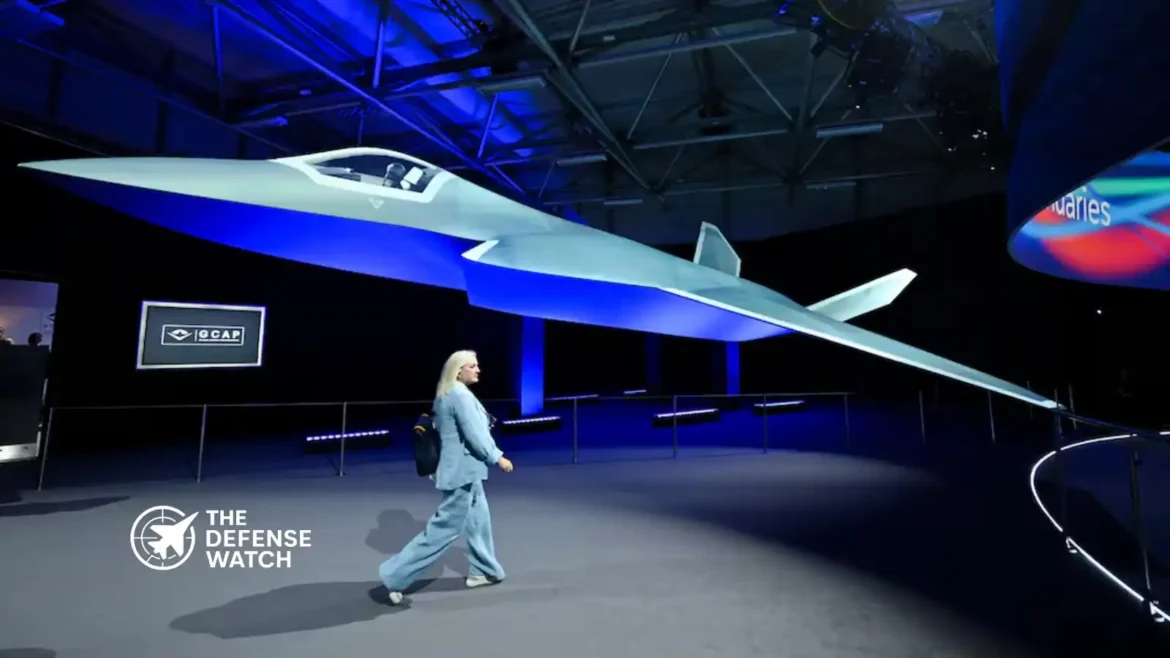
Britain, Italy, and Japan awarded a £4.6 billion ($6.14 billion) contract to the Edgewing joint venture on July 3, 2026, to advance the Global Combat Air Programme (GCAP) fighter jet. The 18-month deal funds the advanced concept, assessment, and detailed design phases following the United Kingdom’s recent commitment of £8.6 billion over four years. The program aims to deliver a sixth-generation stealth fighter for service entry in 2035, enabling the partners to share development costs and maintain sovereign combat air capabilities.
GCAP Program Advances with Major Contract Award
The United Kingdom, Italy, and Japan have taken a significant step forward in their collaborative effort to develop a next-generation combat aircraft. The tri-national Global Combat Air Programme (GCAP) received a £4.6 billion contract to industry joint venture Edgewing, the UK government announced on July 3, 2026.
This contract follows months of budget-related delays in the UK and marks the transition to more substantial detailed design and development work. UK Minister for Defence Readiness Luke Pollard described the award as “a major step forward towards delivery” of a cutting-edge stealth fighter for partner nations’ pilots.
Program Background and Industrial Structure
GCAP merges the UK’s Tempest program with Japan’s F-X initiative and Italian participation. The three nations established the GCAP International Government Organisation (GIGO) to oversee the effort. Edgewing, the prime industrial partner, is a joint venture equally owned by BAE Systems (UK), Leonardo (Italy), and Japan Aircraft Industrial Enhancement Co. Ltd. (linked to Mitsubishi Heavy Industries).
Edgewing will subcontract manufacturing and final assembly to the national champions: BAE Systems, Leonardo, and Mitsubishi Heavy Industries. The joint venture’s headquarters are in the UK, with initial leadership from Italy.
Key Program Milestones (as of 2026):
- Demonstrator aircraft first flight targeted for 2027.
- Production aircraft service entry: 2035.
- Contract scope: 18-month advanced concept, assessment, and detailed design phase.
Technical Ambitions and Capabilities
GCAP is designed as a “system of systems” capable of operating across air, land, sea, space, and cyber domains. The crewed fighter will serve as the core platform, integrated with uncrewed assets through advanced AI, supercomputing, combat cloud architecture, and resilient datalinks.
Anticipated features, based on partner statements and conceptual designs, include:
- Significant size increase over the Eurofighter Typhoon (estimated 3-4 meters longer).
- Advanced stealth characteristics with internal weapons bays.
- Adaptive cycle engines for extended range and performance.
- Sophisticated sensor fusion, electronic warfare capabilities, and potential directed energy weapons integration.
- Interoperability with existing platforms like the F-35 and Typhoon.
The program emphasizes upgradability and adaptability to evolving threats through modular design and digital engineering approaches.
Strategic and Geopolitical Context
For the United Kingdom, GCAP supports post-Brexit defense industrial strategy and sovereign capability in combat air. Italy seeks to sustain its aerospace expertise alongside participation in other European efforts. Japan views the program as critical for replacing aging fleets while building domestic industrial capacity under its evolving defense posture.
The contract award coincides with the collapse of the rival Franco-German FCAS program, potentially opening doors for additional partners. Italy has highlighted interest from nations including Germany, while Saudi Arabia and Canada have also been linked to discussions. Any expansion requires consensus among the founding three members.
Implications for U.S. Defense Strategy and Industry
From a U.S. perspective, GCAP represents both collaboration opportunity and competitive dynamic in the global fighter market. The program operates independently of U.S. platforms like the F-35 and the Next Generation Air Dominance (NGAD) initiative. However, its emphasis on interoperability suggests potential for future joint operations in NATO or Indo-Pacific theaters.
Comparative Context (High-Level):
- GCAP: Trilateral (UK/IT/JP), target 2035 IOC, focus on export potential and sovereign control.
- U.S. NGAD/F-47: Domestic focus with Collaborative Combat Aircraft, earlier prototype activity but facing its own budgetary and requirement reviews.
- F-35: Established fifth-generation backbone with extensive international participation, providing proven interoperability baseline.
GCAP’s success could influence global supply chains, technology standards, and export markets for advanced combat aircraft. For the U.S., it underscores the value of allied innovation while highlighting the need to maintain technological edges in areas like propulsion, sensors, and manned-unmanned teaming.
Challenges and Path Forward
The program has faced funding hurdles, notably in the UK, where budget constraints delayed progress. The recent £8.6 billion UK commitment over four years addresses immediate needs but represents only a portion of the multi-decade, tens-of-billions cost expected for full development and production.
Technical challenges typical of sixth-generation programs include integrating advanced propulsion, achieving required stealth and range, and managing the complexity of AI-driven systems. Industrial integration across three nations with different procurement cultures and priorities adds another layer of complexity.
Analysis: The contract award stabilizes short-term momentum, but long-term success will depend on sustained political commitment through potential economic cycles and evolving threat environments. For the U.S., monitoring GCAP’s progress offers insights into allied priorities and potential areas for technology exchange or burden-sharing in contested regions like the Indo-Pacific.
The 2035 target remains ambitious. Achieving it while delivering promised capabilities will test the partners’ ability to execute complex multinational development efficiently—lessons that could inform broader transatlantic and Pacific defense cooperation.
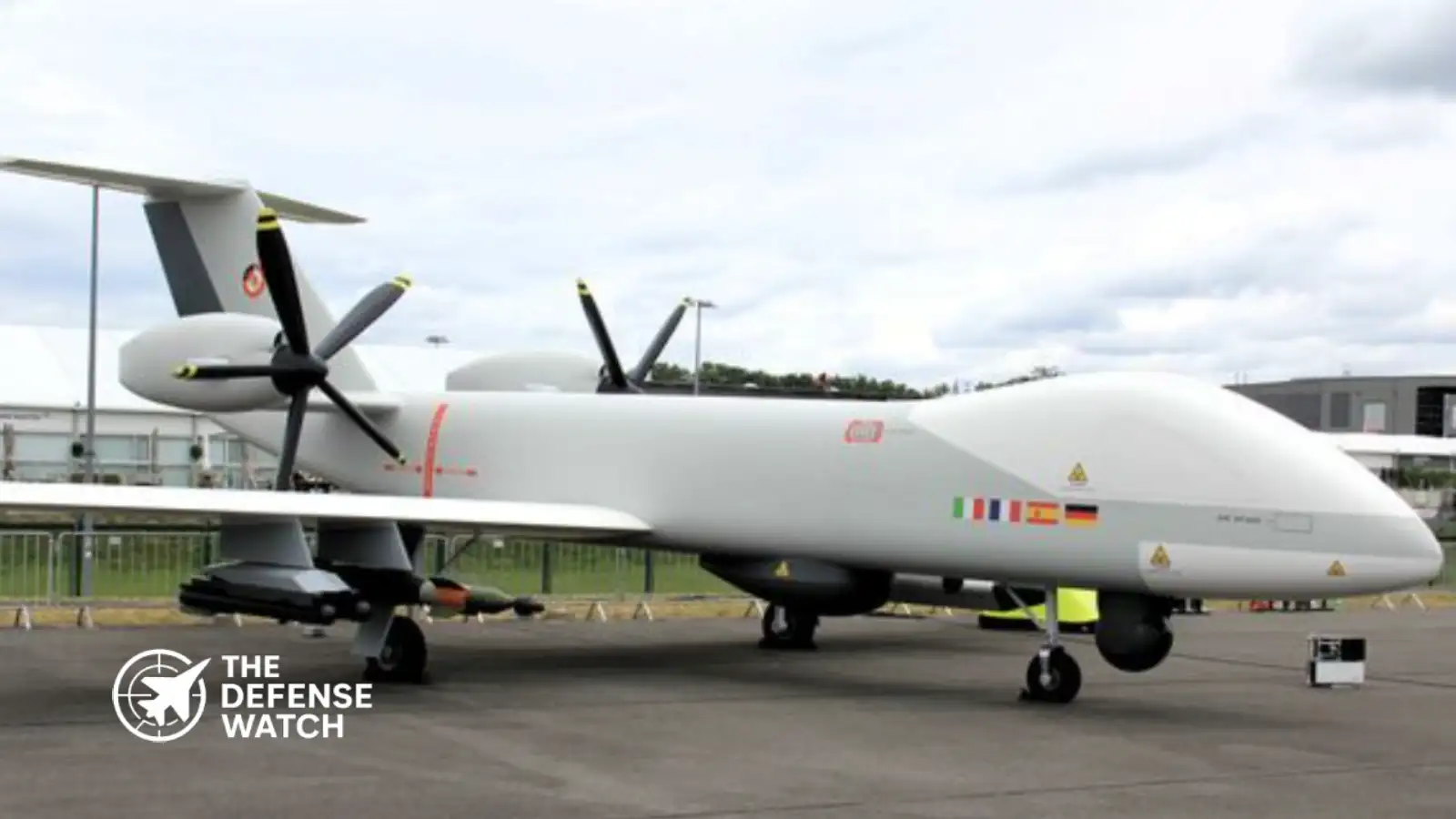
(adsbygoogle = window.adsbygoogle || []).push({});Executive Summary:
Dassault Aviation CEO Éric Trappier stated on July 1, 2026, that the Eurodrone medium-altitude long-endurance (MALE) unmanned aircraft system may prove “a fairly easy target” in future conflicts where air superiority is not assured. The comments, made to the French Senate, come amid ongoing industrial tensions with program leader Airbus and France’s reduced procurement commitments. The remarks underscore broader questions about the program’s alignment with evolving high-intensity warfare requirements.
Eurodrone Program Faces Scrutiny from Key Partner
Dassault Aviation CEO Éric Trappier has publicly questioned the continued operational relevance of the Eurodrone, Europe’s flagship multinational MALE UAS program.
Speaking to the French Senate on July 1, 2026, Trappier highlighted the platform’s potential vulnerabilities in contested environments. While acknowledging its value for long-endurance surveillance in permissive areas like the Sahel, he warned that in armed conflicts without guaranteed air superiority, the Eurodrone could face significant threats from ground-based systems.
The Eurodrone, also known as the European MALE RPAS, is being developed by Airbus Defence and Space (lead), Dassault Aviation, and Leonardo to provide France, Germany, Italy, and Spain with a sovereign alternative to systems like the U.S. MQ-9 Reaper. A full-scale mockup was displayed at the ILA Berlin Airshow in June 2026.
Industrial and Procurement Challenges Mount
The Dassault CEO’s comments arrive against a backdrop of strained relations between the industrial partners. Recent reports indicate Airbus sought to remove Dassault from the program following France’s decision to reduce its planned orders, prompting compensation discussions under “juste retour” work-share principles.
France’s updated 2024-2030 Military Programming Law (LPM), released in April 2026, significantly scaled back commitments to the Eurodrone, prioritizing lower-cost, more attritable tactical drones suited to high-intensity operations. While not a formal withdrawal, the move has fueled speculation about France’s long-term participation.
Originally, the program envisioned 20 systems (60 aircraft total), with Germany taking seven, Italy five, and France and Spain four each. First flight is now targeted for mid-2027, with deliveries expected around 2028, following multiple delays.
(adsbygoogle = window.adsbygoogle || []).push({});Analysis:
These developments highlight persistent challenges in European defense collaboration. Differing national priorities—Germany’s emphasis on safe operations over its territory versus France’s focus on expeditionary combat—have shaped design choices, resulting in a heavier, twin-engine platform (approximately 11,000 kg) that critics argue lacks the agility and cost-effectiveness needed for modern peer conflicts.
Shifting Battlefield Realities
The Ukraine conflict and other recent operations have accelerated the proliferation of low-cost attritable drones, loitering munitions, and advanced air defenses. Large, expensive MALE platforms optimized for permissive environments face increased risks from man-portable air-defense systems (MANPADS), electronic warfare, and integrated air defense networks.
Trappier’s remarks align with a broader European reevaluation of uncrewed systems. Nations are increasingly investing in swarming technologies, loyal wingmen, and smaller tactical UAS that offer better survivability through numbers and lower unit costs.
For the Eurodrone specifically, its design emphasizes safe integration into non-segregated airspace and long-endurance ISR (intelligence, surveillance, reconnaissance) capabilities. Proponents argue it retains value for strategic persistence in semi-contested scenarios and coalition operations.
Analysis: From a U.S. perspective, the Eurodrone saga mirrors lessons learned with the MQ-9 Reaper fleet. While highly successful in counterinsurgency, Reapers have required adaptations—and sometimes escorts—in higher-threat environments. Europe’s push for sovereignty is understandable, yet the industrial frictions and capability questions risk delaying delivery of needed capabilities to partner forces. A more modular, incrementally upgradable approach with greater emphasis on electronic warfare resilience and attritable elements could better address these gaps.
atOptions = { ‘key’ : ‘3d48d603f906e3fe9f205be3c4433835’, ‘format’ : ‘iframe’, ‘height’ : 250, ‘width’ : 300, ‘params’ : {} };Program Status and Path Forward
Despite the controversies, Airbus maintains that France remains committed to the program. Development continues, with focus on meeting the requirements of the four partner nations. India and Japan participate as observers, indicating potential for broader export interest if the platform proves viable.
The program represents a significant investment—estimated in the billions of euros—and a test case for European defense industrial cooperation post-FCAS tensions.
Key Specifications (Current Estimates):
- Twin-turboprop MALE UAS
- Designed for non-segregated airspace operations
- Focus on ISR with potential armament options
- Emphasis on European sovereignty and interoperability
Implications for Transatlantic Defense Cooperation
For U.S. observers, the Eurodrone’s trajectory offers insights into allied capability development. While Europe seeks to reduce reliance on American systems, internal coordination hurdles can slow progress and increase costs. Successful resolution of the Dassault-Airbus disputes and adaptation to high-intensity requirements will be critical for the program’s long-term viability.
The outcome could influence future collaborative efforts in uncrewed systems, a domain where rapid technological evolution demands agility from both industry and governments.

(adsbygoogle = window.adsbygoogle || []).push({});Executive Summary:
The Indonesian Air Force (TNI AU) conducted a successful test firing of the domestically produced Wrap Around Fin Aerial Rocket (WAFAR) RD-702 on June 18, 2026, at the Nanggala Shooting Range in East Java. Developed by PT Dirgantara Indonesia (PTDI), the 70mm unguided rocket supports the service’s Research and Development Directorate in evaluating launch reliability, flight characteristics, and system effectiveness as part of national certification efforts. This trial underscores Indonesia’s ongoing push toward defense industrialization and reduced reliance on foreign munitions under its broader military modernization objectives.
The Indonesian Air Force has test-fired the WAFAR RD-702 rocket, a key milestone in the development of indigenous air-launched munitions by PT Dirgantara Indonesia.
The test, announced by the TNI AU on June 29, 2026, involved personnel from the service’s Research and Development Directorate (Dislitbangau) and focused on a practice variant of the 70mm caliber rocket. It aligns with Indonesia’s long-term strategy to build self-sufficient defense capabilities amid regional security dynamics in Southeast Asia.
Test Details and Objectives
According to official statements, the firing demonstration at Nanggala Range assessed critical performance parameters, including launch reliability, in-flight stability, and overall system effectiveness.
Dislitbangau officials emphasized safety protocols and thorough documentation, with results slated for evaluation to inform subsequent development phases. The WAFAR RD-702 is designed for high flexibility and integration with various aerial platforms, including attack helicopters and fighter aircraft operated by the TNI AU.
(adsbygoogle = window.adsbygoogle || []).push({});Technical Context: WAFAR vs. Traditional FFAR
PTDI has a decades-long history with 70mm rockets, beginning licensed production of Folding Fin Aerial Rockets (FFAR) from Belgium’s Forges de Zeebrugge (FZ) in the 1980s. The company has delivered tens of thousands of units, including Mk 40 and Mk 4 variants.
WAFAR designs, such as the RD-702, feature wrap-around fins that deploy sideways upon launch, differing from traditional forward-folding fins. This configuration, similar to aspects of the U.S. Hydra 70 family, typically provides improved spin stabilization and compatibility with modern launchers while maintaining a compact profile for pod or tube integration.
Specific performance data for the RD-702, including exact range, warhead options, or potential guidance features, remain undisclosed by PTDI and the TNI AU. Earlier related motor certifications (e.g., RD-702 motor in 2021) indicate ongoing maturation of the propulsion system.
atOptions = { ‘key’ : ‘e7d18db8b7513fb2a224cf4c3f18bbf0’, ‘format’ : ‘iframe’, ‘height’ : 90, ‘width’ : 728, ‘params’ : {} };Key Characteristics of PTDI 70mm Rocket Family (Based on Available Data):
- Caliber: 70 mm (2.75 inch)
- Variants: Includes FFAR (e.g., RD-701 series) and WAFAR (RD-702, RD-7011)
- Platforms: Helicopters and fixed-wing aircraft
- Heritage: Licensed FZ technology with increasing domestic content (TKDN 20-40%)
Strategic Importance for Indonesian Defense Modernization
This test occurs within Indonesia’s Minimum Essential Force (MEF) framework, which seeks to develop credible conventional deterrence for an archipelagic nation. While MEF targets have faced delays due to budget constraints, domestic industry involvement remains a priority for technology transfer and self-reliance.
For the TNI AU, which operates a mixed fleet including F-16 variants, Su-27/30 family aircraft, Hawk trainers, and various helicopters (such as H225M and NAS 332), affordable, locally supported air-to-ground munitions enhance operational flexibility for maritime security, counter-insurgency, and territorial defense roles.
Operational Implications:
- Cost and Logistics: Domestic production reduces dependency on imports and simplifies sustainment.
- Export Potential: PTDI has marketed 70mm rockets regionally, including to Malaysia for CN-235 platforms.
- Force Multiplication: Unguided rockets provide volume fire support complementary to precision-guided munitions in lower-intensity scenarios.
Analysis: Implications for U.S. and Regional Defense Posture
From a U.S. perspective, Indonesia’s progress in indigenous munitions development reflects broader trends in Southeast Asian states seeking diversified supply chains. While not directly competing with advanced U.S. systems like the Hydra 70 or APKWS guided rockets in high-end capabilities, it strengthens a key partner nation in the Indo-Pacific.
Indonesia’s archipelagic geography demands robust air and maritime patrol capabilities. Reliable, integrable rockets for existing platforms can improve close air support without immediate requirements for expensive new weapon systems. However, challenges remain in achieving consistent precision, warhead lethality, and integration with modern fire-control systems—areas where further collaboration with established partners could accelerate progress.
This development also signals maturing synergies between Indonesia’s state-owned aerospace sector (PTDI) and the armed forces, potentially positioning the country as a modest exporter of basic aerial ordnance in the region.
Future Outlook
Results from the Nanggala test will guide refinements ahead of potential full operational certification and integration. Continued investment in guided derivatives, as hinted in broader PTDI portfolios (e.g., Merah Putih guided rockets), could mark the next evolution.
As Indonesia pursues post-MEF goals toward more optimal force structures, such incremental advancements in conventional weapons bolster overall deterrence and industrial resilience.