Executive Summary:
France has successfully demonstrated the first operational targeting trial in which the NAMIB unmanned aerial vehicle detected hostile radar emissions and transmitted targeting data to a Rafale F4 fighter conducting a Suppression of Enemy Air Defenses (SEAD) mission. The test marks an important milestone in French efforts to integrate unmanned electronic warfare systems with manned combat aircraft for future high-intensity operations.
French NAMIB Drone Demonstrates New SEAD Capability With Rafale F4
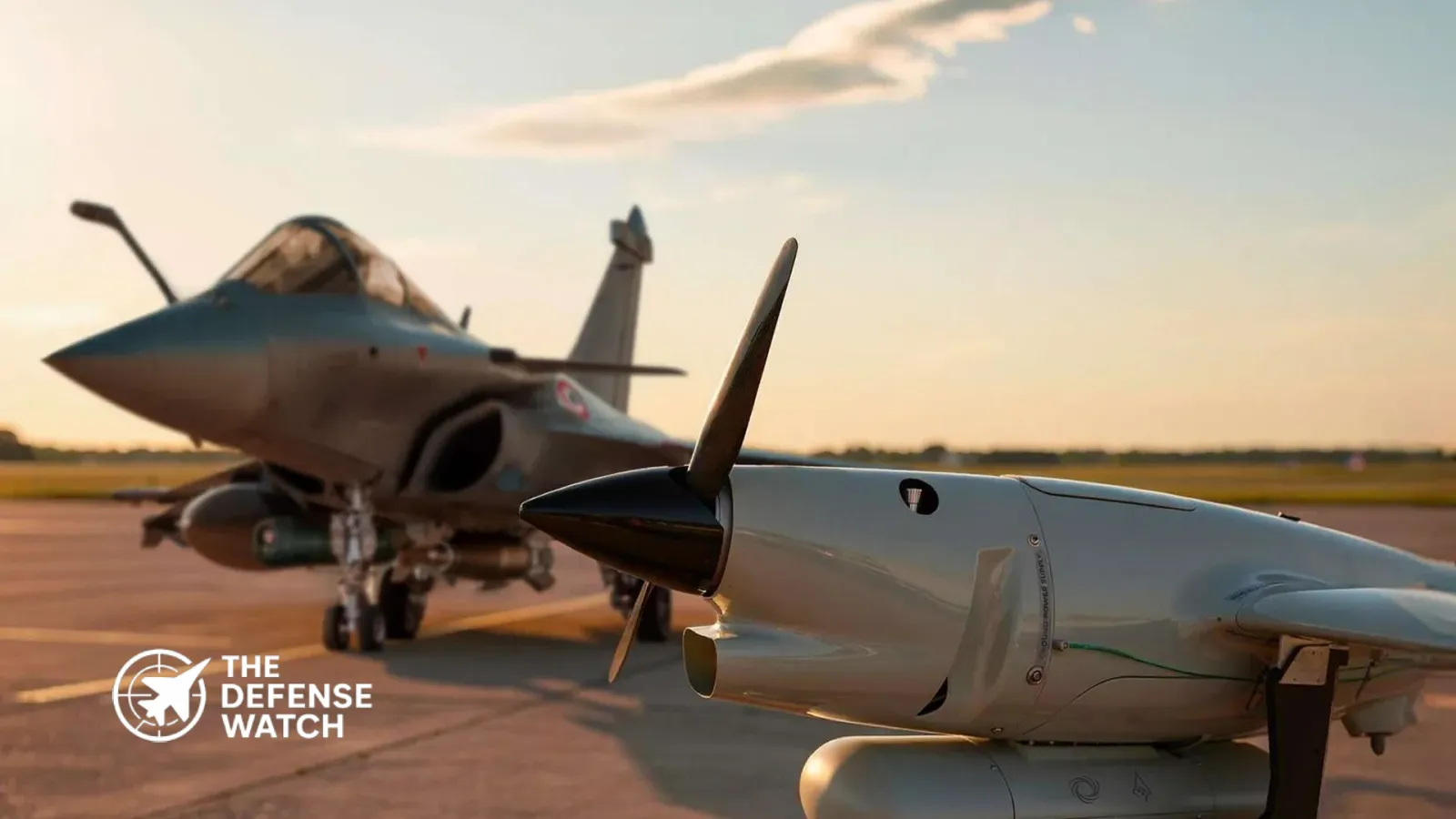
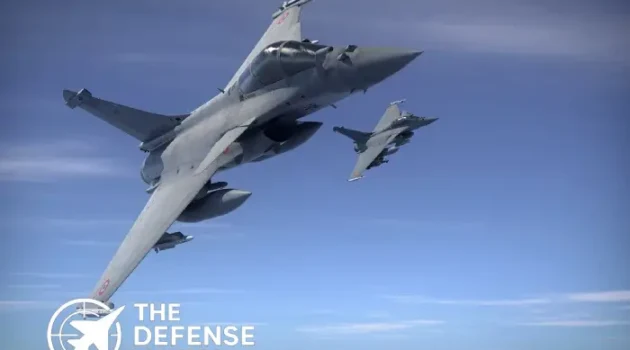
France’s French NAMIB drone has completed its first successful Suppression of Enemy Air Defenses (SEAD) targeting demonstration alongside a Rafale F4 fighter, showcasing a new level of cooperation between unmanned electronic warfare assets and frontline combat aircraft.
The demonstration, announced by French defense industry participants and reported by Army Recognition, showed the NAMIB unmanned system detecting hostile radar emissions, accurately geolocating the source, and transmitting targeting information directly to the Rafale F4. The aircraft then used the data to simulate engagement of the enemy air defense site without exposing the drone or the fighter to unnecessary risk.
The trial forms part of France’s broader modernization effort to improve collaborative combat capabilities for future air operations in heavily defended environments.
Demonstrating Cooperative Electronic Warfare
Modern integrated air defense systems rely heavily on radar networks that can detect, track, and engage aircraft at long ranges. Neutralizing those radars remains one of the first priorities during any air campaign.
Instead of requiring the fighter aircraft to search for hostile emitters independently, the NAMIB drone performed the initial detection task. Operating forward of the manned aircraft, it identified radar emissions, determined their location, and securely relayed the information to the Rafale F4.
This distributed approach allows the fighter to remain farther from the threat while receiving real-time targeting data generated by an unmanned platform.
The demonstration represents an important evolution from traditional reconnaissance missions toward collaborative sensing and targeting.
How The NAMIB System Supports SEAD Missions
SEAD operations are among the most demanding missions conducted by modern air forces. Enemy surface-to-air missile systems frequently employ multiple radar types, mobility, and electronic countermeasures to complicate detection.
According to available information, the NAMIB system is designed to perform passive electronic intelligence functions by monitoring radio frequency emissions without actively transmitting radar signals itself.
Its principal mission includes:
Capability Operational Benefit Passive radar detection Reduces risk of revealing drone position Radar emitter geolocation Identifies precise enemy radar locations Real-time data sharing Provides immediate targeting information Cooperative targeting Supports fighter aircraft engagement decisions Distributed sensing Expands battlefield awareness Because passive sensors do not emit detectable signals, they are generally more difficult for adversaries to locate than active surveillance platforms.
Rafale F4 Gains Greater Networked Combat Capability
The Rafale F4 standard represents France’s latest enhancement of the multirole fighter, emphasizing connectivity, sensor fusion, and collaborative operations.
Unlike earlier fighter concepts that relied primarily on onboard sensors, Rafale F4 is increasingly designed to receive and process information from external platforms including drones, airborne warning aircraft, and other combat assets.
The successful integration with NAMIB highlights several capabilities:
- Improved sensor sharing across multiple platforms
- Faster targeting cycles
- Reduced pilot workload
- Enhanced survivability during operations against advanced air defenses
- Better situational awareness throughout the battlespace
These improvements align with broader trends across NATO air forces toward network-centric operations.
Why Passive Radar Detection Matters
Modern air defense systems are becoming increasingly difficult to defeat.
Advanced systems frequently employ:
- Multiple engagement radars
- Long-range surveillance radars
- Mobile launchers
- Electronic counter-countermeasures
- Networked command-and-control systems
A passive electronic warfare drone can detect these emitters without revealing its own position through active transmissions.
This enables commanders to build an electronic picture of the battlefield before committing expensive fighter aircraft into contested airspace.
The ability to continuously monitor enemy emissions also improves target confirmation and reduces the likelihood of engaging incorrect or decoy targets.
Strategic Importance For French Air Power
The NAMIB demonstration reflects France’s growing emphasis on manned-unmanned teaming, an operational concept becoming central to future air combat.
Rather than replacing fighter aircraft, drones increasingly serve as force multipliers capable of conducting high-risk missions ahead of manned platforms.
For the French Air and Space Force, this approach offers several operational advantages:
- Lower risk to pilots during initial penetration missions
- Expanded reconnaissance coverage
- More efficient allocation of expensive fighter aircraft
- Improved survivability against layered air defenses
- Greater operational flexibility during coalition operations
The demonstration also complements France’s broader investment in next-generation combat aviation technologies while supporting incremental capability improvements before future combat aircraft enter service.
Broader Implications For NATO And Allied Operations
The successful trial mirrors a wider trend among NATO members toward integrating unmanned systems into electronic warfare and strike missions.
Across Europe and the United States, defense programs increasingly focus on collaborative combat aircraft, autonomous sensing platforms, and distributed battlefield networks capable of sharing targeting data in real time.
For coalition operations, systems like NAMIB could contribute to:
- Faster detection of hostile air defense networks
- Shared electronic intelligence among allied forces
- More resilient targeting architectures
- Reduced dependence on single high-value airborne assets
As adversaries continue investing in advanced integrated air defense systems, distributed sensing platforms may become essential components of future suppression campaigns.
Technical Assessment
The demonstration is significant because it validates more than a single drone platform. It demonstrates a complete operational chain involving passive detection, electronic intelligence processing, secure communications, and rapid targeting.
Successfully integrating each stage is technically challenging. Data must be transmitted with minimal latency while maintaining accurate geolocation and protecting communications from jamming or interception.
If matured into operational service, this capability could shorten the sensor-to-shooter timeline during SEAD missions, allowing fighters to engage radar threats more rapidly while remaining outside the most dangerous engagement zones.
The trial also reinforces the growing importance of software-defined architectures and secure tactical networking. As future combat environments become increasingly contested, the effectiveness of military aircraft will depend not only on their onboard sensors but also on how efficiently they exchange information across distributed forces.
Looking Ahead
The first successful cooperation between the NAMIB drone and Rafale F4 represents another step toward integrating unmanned electronic warfare systems into French air operations.
Although additional testing and operational validation are expected before widespread deployment, the demonstration indicates that France is steadily advancing collaborative combat capabilities designed for modern contested environments.
As NATO members continue modernizing their air forces, unmanned sensing platforms capable of supporting SEAD missions are likely to become increasingly important components of future multinational operations.

Executive Summary:
Boeing announced that the U.S. Navy’s first production representative MQ 25A Stingray successfully completed its second developmental flight, marking another step toward carrier based operations. The milestone supports ongoing testing of the Navy’s first operational unmanned aerial refueling aircraft, which is expected to expand the combat reach and endurance of carrier air wings.
MQ 25A Stingray Advances U.S. Navy Carrier Aviation Modernization
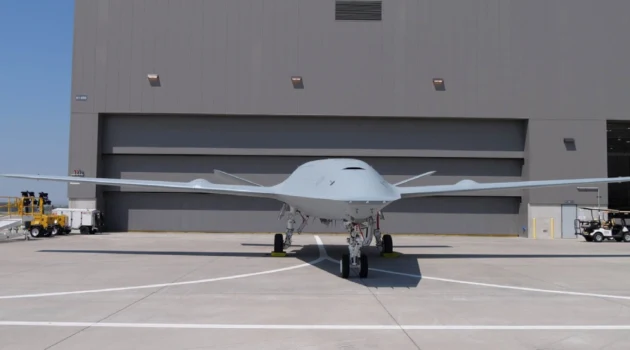
Boeing’s MQ 25A Stingray has completed its second developmental flight, marking continued progress in the U.S. Navy’s effort to introduce its first carrier based unmanned aerial refueling aircraft into operational service. Boeing confirmed the successful test as part of the company’s ongoing flight test campaign supporting the Navy’s future carrier air wing modernization program.
The flight involved the first production representative test aircraft, designated T1, and further validated aircraft performance following its initial flight earlier this year. According to Boeing, engineers collected additional flight data to verify aircraft handling characteristics and onboard system performance before expanding the flight envelope.
The MQ 25A represents one of the Navy’s most significant aviation modernization efforts in decades by introducing an autonomous aircraft specifically designed to conduct aerial refueling missions from aircraft carriers.
Second Flight Expands Developmental Test Campaign
The second flight focused on gathering engineering data needed to certify the aircraft for additional testing phases.
Boeing stated that the aircraft performed as expected throughout the mission while engineers monitored flight controls, propulsion systems, communications, and autonomous flight functions. Data collected during the sortie will support future developmental testing and eventual integration with carrier operations.
The company has been conducting ground evaluations, systems integration, and software validation in parallel with flight testing to reduce technical risks before operational demonstrations begin.
Designed To Extend The Reach Of Carrier Air Wings
Unlike previous unmanned aircraft developed primarily for intelligence or strike missions, the MQ 25A was designed from the outset as an aerial refueling platform.
Its primary mission is to provide fuel to carrier based tactical aircraft, allowing fighters to operate farther from the carrier while reducing the amount of fuel carried during launch.
Key operational objectives include:
Capability Operational Benefit Carrier based aerial refueling Extends combat radius of carrier aircraft Autonomous flight operations Reduces pilot workload and increases mission flexibility Deck compatible design Integrates with existing aircraft carrier operations Networked mission systems Supports future naval aviation networking and mission planning The aircraft is expected to refuel platforms including the F/A 18E/F Super Hornet, EA 18G Growler, and eventually the F-35C Lightning II, allowing those aircraft to dedicate more time to combat missions instead of tanker duties.
Reducing The Fighter Tanking Burden
For years, the U.S. Navy has relied heavily on F/A 18 Super Hornets equipped with external fuel tanks to perform “buddy tanking” missions.
Although effective, this practice consumes valuable flight hours from frontline strike fighters while accelerating wear on expensive combat aircraft.
The MQ 25A is intended to assume much of that refueling workload.
Once operational, Super Hornets can return to their primary strike, air superiority, and fleet defense missions rather than serving as dedicated tankers. This shift is expected to improve aircraft availability across deployed carrier strike groups.
Carrier Integration Remains The Critical Challenge
While flight testing demonstrates continued technical progress, integrating an autonomous aircraft into daily carrier operations remains one of the program’s most demanding phases.
Operating from an aircraft carrier requires precision launch and recovery procedures, coordination with manned aircraft, and reliable autonomous navigation within one of the world’s most complex aviation environments.
Future testing will continue evaluating:
- Catapult launch compatibility
- Arrested carrier landings
- Deck handling procedures
- Autonomous mission management
- Secure communications with carrier battle groups
- Integration with carrier air traffic control systems
Successfully demonstrating these capabilities will be essential before the aircraft enters operational fleet service.
Why The MQ 25A Matters For U.S. Naval Strategy
The MQ 25A is more than a replacement for current aerial refueling practices. It represents a broader transition toward integrating autonomous systems across naval aviation.
As potential adversaries field increasingly capable long range anti access and area denial (A2/AD) systems, U.S. aircraft carriers may need to operate farther from contested coastlines.
That greater operating distance places additional demands on carrier aircraft, particularly fighters conducting long range strike or air defense missions.
An organic carrier based tanker helps address this challenge by extending aircraft range without requiring land based tanker support. This provides carrier strike groups with greater operational independence during high intensity maritime operations.
The aircraft also serves as a technological foundation for future carrier based autonomous systems. Lessons learned from the MQ 25A program are expected to inform future unmanned reconnaissance, electronic warfare, logistics, and potentially combat aircraft designed to operate alongside crewed naval aviation platforms.
Program Continues Toward Fleet Introduction
The second successful flight represents another incremental milestone rather than the program’s final objective.
Boeing and the U.S. Navy will continue developmental testing, systems verification, and carrier integration activities before low rate production aircraft enter operational evaluation.
As testing progresses, the MQ 25A remains central to the Navy’s long term vision of combining crewed and autonomous aircraft within future carrier air wings, improving operational reach while preserving the service life of its frontline fighter fleet.
Although significant testing remains ahead, the latest flight demonstrates steady progress toward delivering a new capability that could reshape how carrier aviation supports sustained operations in contested maritime environments.
Executive Summary:
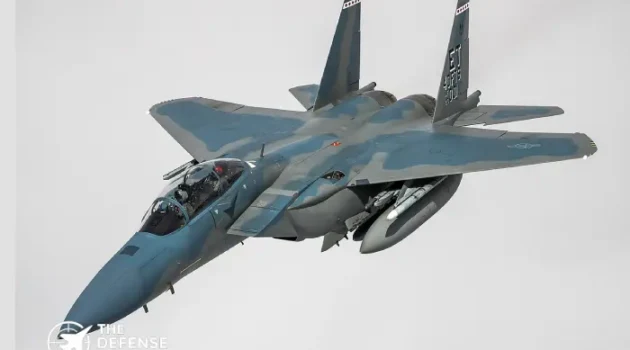
The U.S. Air Force has deployed the F-15EX Eagle II back to Kadena Air Base, Japan, as the service prepares the installation for its future permanent fighter force. The deployment also included operational training with the MQ-28 Ghost Bat during Exercise Valiant Shield, highlighting the Air Force’s growing emphasis on manned and unmanned teaming across the Indo-Pacific.
F-15EX Eagle II Returns To Strengthen Kadena’s Future Mission
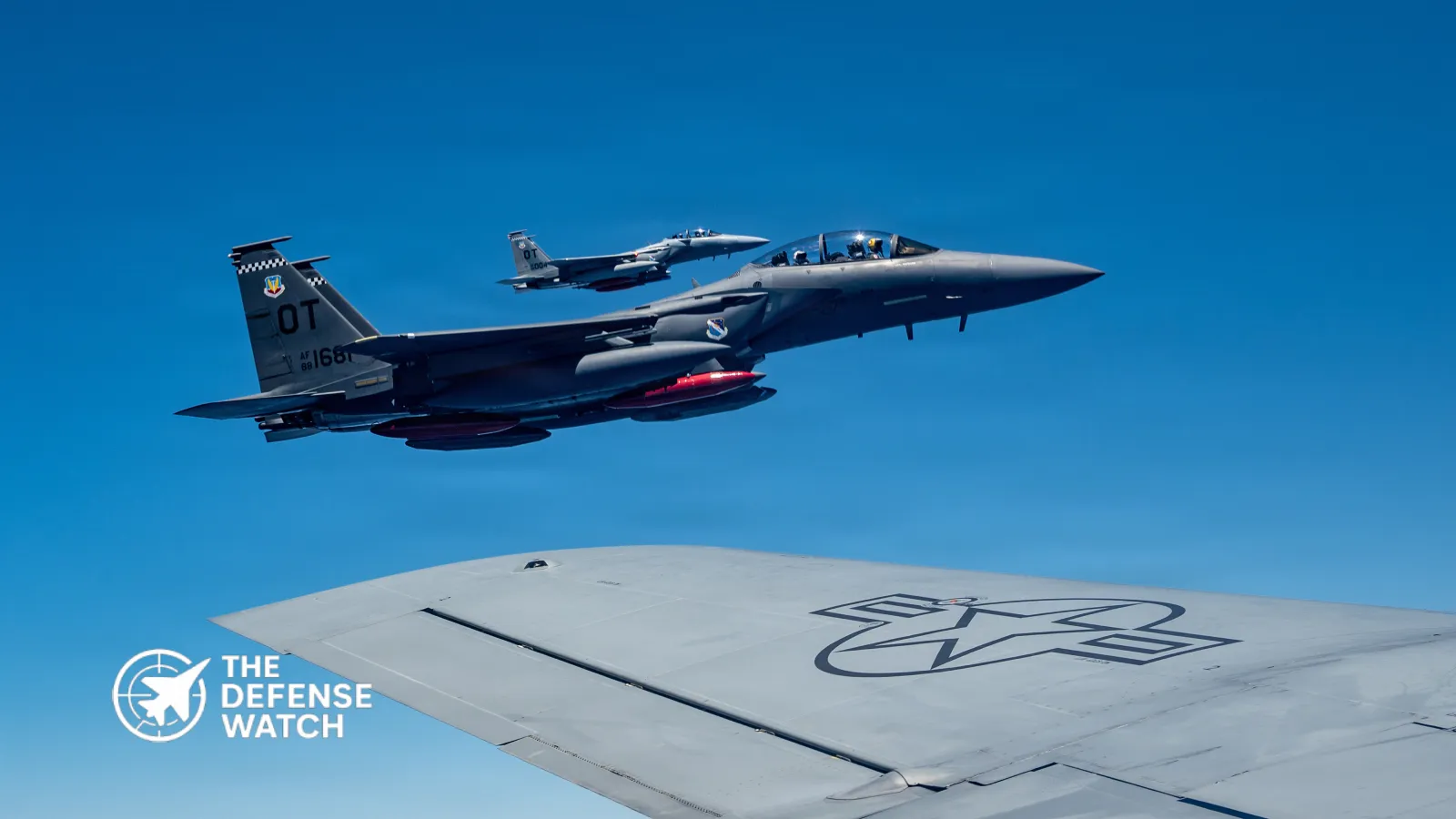
The F-15EX Eagle II has returned to Kadena Air Base in Japan, marking another major step in the U.S. Air Force’s long term modernization of its premier fighter base in the Indo-Pacific. According to the U.S. Air Force, aircraft from the 85th Test and Evaluation Squadron arrived on June 29 alongside two F-15E Strike Eagles to support integration and familiarization activities before the Eagle II enters permanent service at the base.
The deployment builds on the F-15EX’s first visit to Kadena in 2025 and allows pilots, maintainers, and support personnel to gain practical experience with the aircraft’s systems, maintenance requirements, and operational procedures before it officially replaces the aging F-15C/D Eagle fleet.
Lt. Col. Casey Watts, commander of the 85th Test and Evaluation Squadron, said early familiarity with the aircraft will help ensure a smooth transition while improving combat readiness across the Indo-Pacific.
Kadena’s Fighter Transition Continues
The F-15EX forms a central element of the Department of the Air Force’s modernization strategy for Kadena Air Base, one of America’s most strategically important forward operating locations in the Western Pacific.
The 67th Fighter Squadron, which will become Kadena’s first operational F-15EX unit, is using the deployment to build operational knowledge before receiving its own aircraft. Maintenance teams are also validating logistics procedures, combat generation capabilities, and sustainment requirements necessary for long term operations.
Brig. Gen. John Gallemore, commander of the 18th Wing, described the Eagle II as the next chapter of airpower at Kadena, emphasizing its role in supporting combat operations throughout the Indo-Pacific.
MQ-28 Ghost Bat Demonstrates Future Human Machine Teaming
One of the deployment’s most significant developments occurred during Exercise Valiant Shield, where an F-15EX aircrew operated alongside an MQ-28 Ghost Bat uncrewed aircraft over the Philippine Sea.
The mission represented another milestone in the development of Collaborative Combat Aircraft (CCA), an emerging operational concept that pairs crewed fighters with semi autonomous aircraft capable of conducting reconnaissance, electronic warfare, and strike support missions under human supervision.
Maj. Daniel Pesich, Experimental Operations Unit CCA detachment officer in charge, said future airpower will increasingly rely on partnerships between highly trained aircrews and autonomous technologies to improve survivability and combat effectiveness.
Why The F-15EX Remains Important
Although the F-15EX is not a stealth fighter, it has been designed to complement fifth generation platforms rather than replace them.
Key capabilities include:
Capability F-15EX Eagle II Maximum payload Nearly 30,000 pounds of weapons Crew One or two pilots Radar AN/APG-82 AESA radar Electronic warfare EPAWSS digital electronic warfare suite Network capability Advanced data links for joint operations Mission Air superiority, long range strike, homeland defense, missile carrier Its large payload capacity allows the aircraft to carry significantly more air to air missiles and stand off weapons than stealth fighters, making it particularly valuable in high intensity operations where magazine depth becomes critical.
Strategic Analysis: What This Means For Indo-Pacific Deterrence
The latest deployment reflects more than a routine training event.
Kadena Air Base sits at the center of the First Island Chain, placing U.S. fighters within operational reach of the East China Sea, Taiwan Strait, and much of the Western Pacific. As regional military competition continues to intensify, the Air Force is investing in aircraft capable of sustaining high sortie rates while integrating with advanced command and control networks.
The combination of the F-15EX and Collaborative Combat Aircraft points toward a future force structure that emphasizes distributed operations rather than relying solely on stealth. Instead of every aircraft penetrating contested airspace independently, future missions are expected to distribute sensing, electronic warfare, and weapons delivery across both crewed and autonomous platforms.
The MQ-28 Ghost Bat demonstration illustrates this concept in practice. Loyal wingman aircraft can extend sensor coverage, increase available weapons capacity, conduct high risk reconnaissance, or absorb threats that would otherwise endanger crewed fighters. When combined with the F-15EX’s substantial payload and advanced networking systems, the result is a more resilient and scalable combat force capable of operating across vast Indo-Pacific distances.
The deployment also demonstrates that modernization extends beyond acquiring new aircraft. Building maintenance expertise, validating logistics networks, and integrating operations personnel before permanent fielding reduces operational risk and accelerates readiness once the F-15EX enters frontline service at Kadena.

atOptions = { ‘key’ : ‘3d48d603f906e3fe9f205be3c4433835’, ‘format’ : ‘iframe’, ‘height’ : 250, ‘width’ : 300, ‘params’ : {} };Executive Summary:
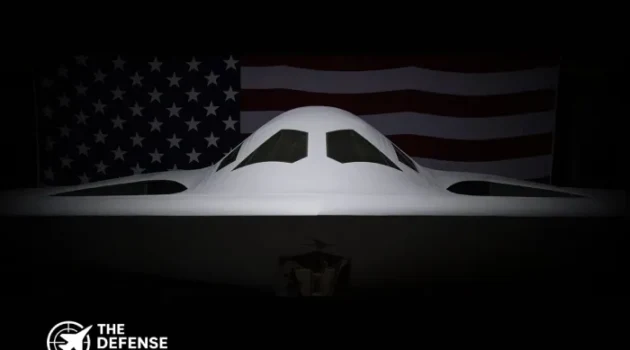
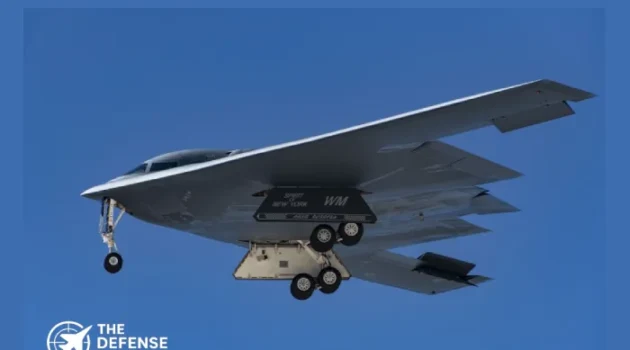
The U.S. Air Force is formalizing a two pilot crew concept for the B 21 Raider as the next generation stealth bomber progresses toward operational service. The decision reflects the aircraft’s central role in future conventional and nuclear long range strike missions while supporting a faster transition from testing to combat readiness.
U.S. Air Force Defines B 21 Raider Crew Concept Ahead Of Operational Service
The B 21 Raider program has reached another important milestone as the U.S. Air Force establishes a standard two pilot crew for its next generation stealth bomber. The move comes as the service continues developmental and operational testing while preparing the aircraft to become the backbone of America’s future long range strike capability.
According to Air Force officials, the B 21 will be operated by two qualified pilots rather than a larger crew. The approach mirrors the operational model used by the B 2 Spirit while taking advantage of the Raider’s highly automated mission systems, advanced avionics, and digital architecture.
The Air Force has emphasized that introducing operational personnel into flight testing earlier than previous aircraft programs will help accelerate the bomber’s transition into frontline service.
Early Operational Testing Changes The Development Process
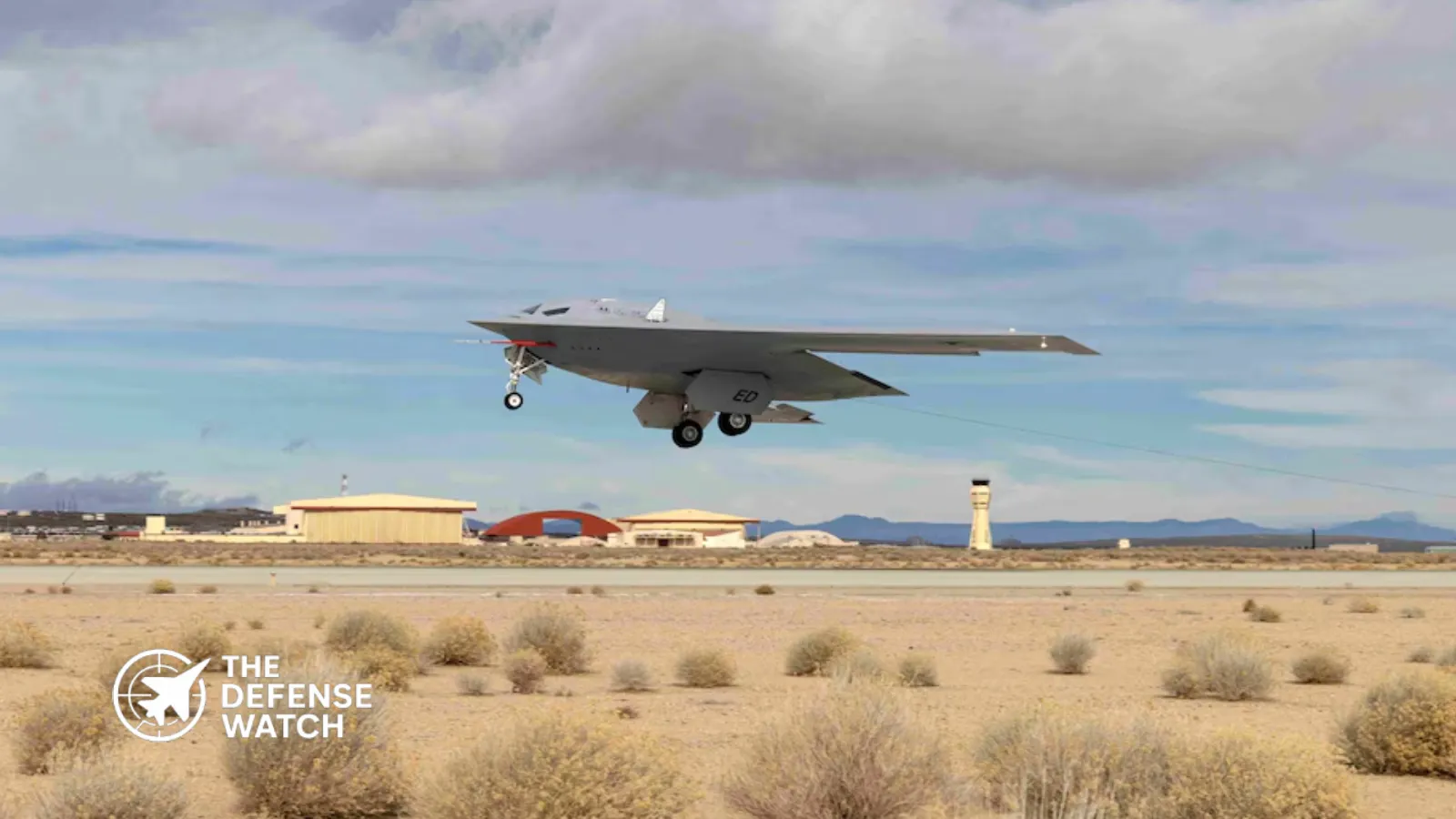
A significant milestone occurred when an operational test pilot flew alongside a developmental test pilot during a B 21 flight at Edwards Air Force Base.
Traditionally, developmental testing and operational testing occur sequentially. For the Raider, however, both communities are working together much earlier in the program, allowing operational feedback to influence testing before production expands. Air Force officials describe the approach as a major change in modern military aircraft acquisition.
The Raider Combined Test Force continues evaluating aircraft performance, mission systems, survivability, and combat suitability while additional test aircraft enter the program. Earlier this year, the program also completed aerial refueling milestones that demonstrated increasing maturity of the aircraft’s systems.
(adsbygoogle = window.adsbygoogle || []).push({});Why A Two Pilot Crew Matters
Although the B 21 incorporates advanced automation and digital mission management, the Air Force has retained two pilots for several operational reasons.
These include:
- Managing complex long duration global strike missions.
- Supporting conventional and nuclear mission requirements.
- Reducing pilot workload during contested operations.
- Improving mission resilience during extended flights.
- Providing redundancy during strategic deterrence missions.
Unlike legacy bombers that relied on larger crews, many navigation, communications, and systems management tasks are now handled through integrated software and highly automated onboard systems. This enables the aircraft to accomplish complex missions with fewer personnel while maintaining operational flexibility.
B 21 Raider Program Status
Program Element Current Status Manufacturer Northrop Grumman Crew Two pilots Role Nuclear and conventional stealth bomber Flight Testing Ongoing Planned Fleet At least 100 aircraft First Operational Base Ellsworth Air Force Base Primary Mission Long range penetrating strike Source: U.S. Air Force and Air & Space Forces Magazine.
(adsbygoogle = window.adsbygoogle || []).push({});Strategic Importance For U.S. Long Range Strike
The two pilot crew announcement is more than a personnel decision. It represents another step toward fielding the Air Force’s future strategic bomber force.
The Raider is expected to gradually replace both the B 1B Lancer and B 2 Spirit while operating alongside the modernized B 52J. Together, these aircraft will provide a layered bomber force capable of conducting conventional precision strike, nuclear deterrence, maritime strike, and long endurance global operations.
The Air Force also intends for the B 21 to operate within a broader family of systems that includes advanced weapons, intelligence networks, electronic warfare capabilities, and future collaborative platforms. Its open systems architecture is designed to allow software driven upgrades throughout the aircraft’s service life, reducing the time required to integrate new capabilities.
Analysis: Preparing The Human Element Of Future Air Warfare
While much attention surrounding the Raider focuses on stealth technology and advanced weapons, defining its crew structure is equally important.
A standardized two pilot concept simplifies training pipelines, operational planning, and long term sustainment. It also reflects confidence that digital automation has matured enough to reduce crew size without sacrificing mission effectiveness.
From an operational perspective, combining developmental and operational testing earlier than previous programs could shorten the timeline between testing and combat deployment. This approach also allows future crews to influence aircraft tactics, procedures, and mission planning before the bomber reaches full operational capability.
For the United States, where long range strike remains a cornerstone of both conventional military power and nuclear deterrence, the human component of the Raider program is becoming as important as its technical performance. As strategic competition with China and Russia continues, preparing qualified crews now ensures the Air Force can rapidly generate combat capable bomber units once production accelerates.
(adsbygoogle = window.adsbygoogle || []).push({});Executive Summary:
RTX’s Collins Aerospace has announced that its Engineering Center of Excellence in Wolverhampton, United Kingdom, is fully operational and focused on advancing next generation electric thrust reverser actuation systems (elecTRAS). The facility introduces a modular testing environment designed to speed aircraft system development, certification, and validation while supporting the aviation industry’s transition toward more electric aircraft architectures.
Collins Aerospace Opens UK Engineering Center to Advance Electric Thrust Reverser Technology
RTX’s Collins Aerospace Engineering Center of Excellence in Wolverhampton has officially entered full operation, marking a significant investment in aircraft electrification technologies. According to the company’s July 2026 announcement, the facility will serve as the primary engineering hub for the continued development, testing, and certification of its electric thrust reverser actuation system, known as elecTRAS.
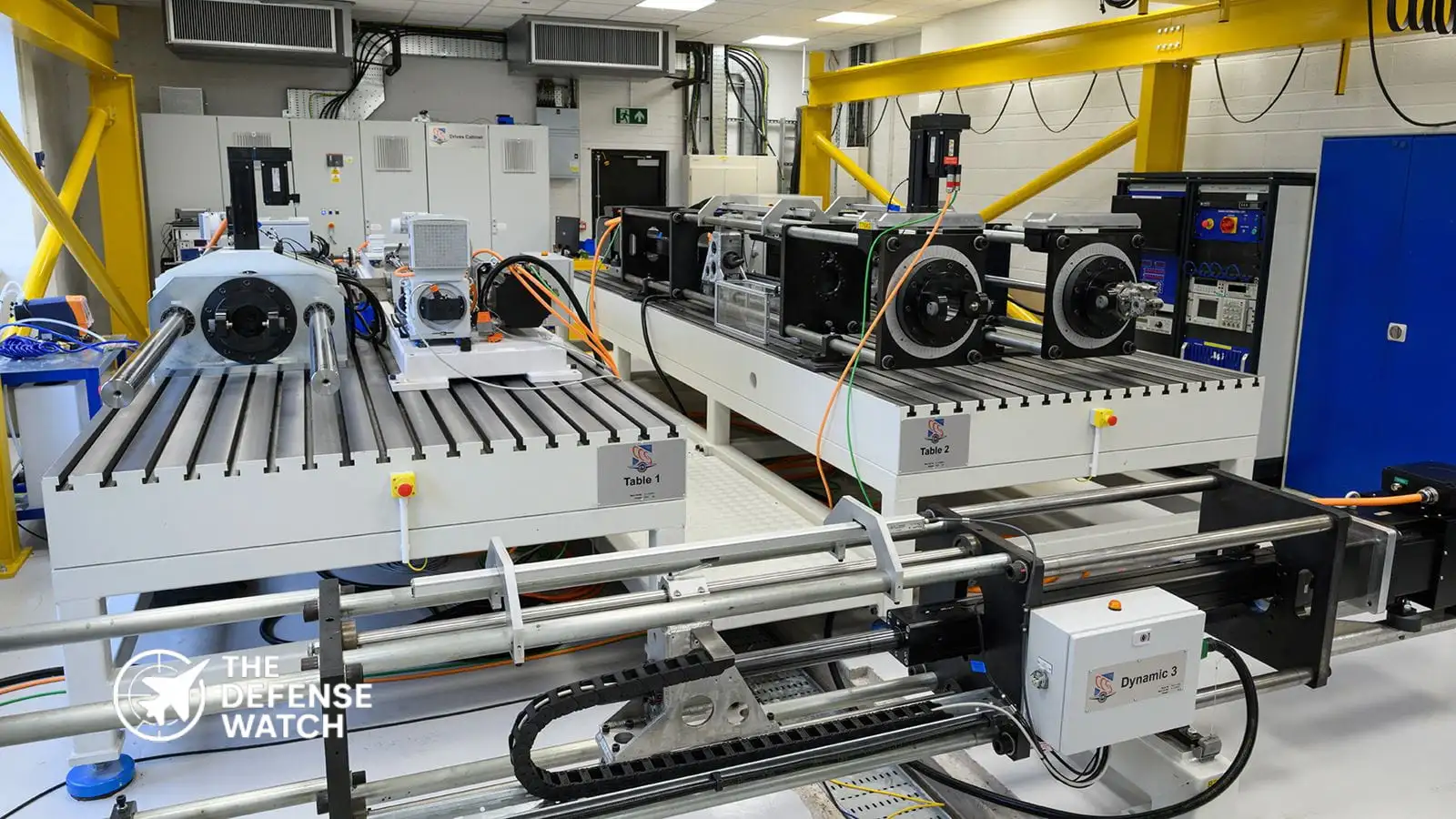
The new center includes a modular and scalable testing laboratory capable of evaluating individual components, actuators, integrated subsystems, and complete aircraft actuation systems under simulated operational conditions. Collins Aerospace says this approach allows engineers to identify design issues earlier in the development cycle, shortening certification timelines while lowering development costs.
atOptions = { ‘key’ : ‘3d48d603f906e3fe9f205be3c4433835’, ‘format’ : ‘iframe’, ‘height’ : 250, ‘width’ : 300, ‘params’ : {} };What Is elecTRAS?
Traditional thrust reverser systems rely heavily on hydraulic power to deploy the nacelle’s reversing mechanisms after landing. Collins Aerospace’s elecTRAS replaces much of this hydraulic architecture with electrically powered actuation.
According to the company, the technology offers several operational advantages:
Capability Benefit Electric actuation Eliminates hydraulic interfaces and fluids Weight reduction Approximately 15 to 20 percent lower nacelle actuation weight Modular architecture Supports multiple aircraft configurations Simplified maintenance Fewer hydraulic components reduce maintenance complexity Scalable testing Faster design validation and certification The company says reducing nacelle actuation weight contributes to improved fuel efficiency while simplifying installation and long term maintenance.
New Facility Designed for Faster Development
The Wolverhampton Engineering Center combines engineering design teams with advanced test infrastructure in a single location.
Its testing capability ranges from individual actuator modules to complete integrated systems, allowing engineers to validate designs throughout the development process rather than waiting until late stage integration.
Collins Aerospace President of Advanced Structures Ajay Mahajan said the facility supports the aerospace industry’s transition toward more electric aircraft while helping manufacturers improve efficiency, operational performance, and lifecycle maintenance.
(adsbygoogle = window.adsbygoogle || []).push({});The company also noted that engineers at the center are developing:
- Electric actuation technologies
- Smart control algorithms
- Motor control architectures
- Future aircraft system integration concepts
These efforts will support both existing aircraft programs and future commercial aviation platforms.
Technology Already Proven in Service
Unlike many emerging aircraft technologies, elecTRAS is already flying on operational aircraft.
Collins Aerospace reports that the system is installed on the Airbus A350 family, where it accumulated:
- More than 15 million flight hours
- More than 2.2 million flight cycles
- Service across over 700 aircraft by the end of 2025
Those operational data provide valuable reliability information that can be applied to future aircraft programs and next generation electric architectures.
Why Aircraft Electrification Matters
The Wolverhampton investment reflects a broader industry shift toward replacing hydraulic and pneumatic systems with electrical alternatives.
Modern aircraft increasingly use electrical power to operate systems that were traditionally hydraulic because electric architectures can:
- Reduce aircraft weight
- Improve fuel efficiency
- Lower maintenance requirements
- Simplify system integration
- Support future hybrid and more electric aircraft designs
For commercial operators, even modest weight reductions can translate into measurable fuel savings across thousands of flight hours. As airlines face pressure to improve operating efficiency and reduce emissions, electric subsystems have become an important area of investment.
Strategic Importance Beyond Commercial Aviation
Although the Wolverhampton center primarily supports commercial aviation, its engineering expertise has broader relevance.
Electric actuation, digital motor controls, and modular system architectures are increasingly influencing military aircraft development. Future combat aircraft, advanced transports, and unmanned systems are expected to rely on higher electrical power generation and more integrated electronic subsystems to support sensors, mission equipment, and survivability systems.
Engineering capabilities developed for commercial programs often provide manufacturing experience and technology maturation that can benefit future defense platforms, particularly as aerospace manufacturers pursue lighter, more efficient, and easier to maintain aircraft.
The facility also strengthens Collins Aerospace’s engineering footprint in Europe while complementing its aerostructures headquarters in Chula Vista, California, and its electronic controls expertise in Solihull, creating a more integrated development network across the United States and United Kingdom.
Outlook
The opening of Collins Aerospace’s fully operational Engineering Center of Excellence represents another step in the aviation industry’s transition toward electrically powered aircraft systems.
Rather than introducing an entirely new product, the facility expands the company’s ability to mature existing elecTRAS technology, accelerate certification activities, and support future aircraft manufacturers seeking lighter and more efficient propulsion support systems. As commercial and military aircraft continue adopting higher levels of electrification, specialized engineering centers such as Wolverhampton are likely to play an increasingly important role in developing next generation aerospace technologies.
(adsbygoogle = window.adsbygoogle || []).push({});Executive Summary:
Switzerland has announced that the industrial offset program tied to its Lockheed Martin F 35A fighter acquisition is now expected to significantly exceed contractual requirements. New offset agreements are projected to raise industrial participation to approximately 73 percent of the contract value, strengthening Swiss defense manufacturing, technology transfer, and long term aerospace capabilities.
Swiss F 35A Offset Program Expected To Surpass Contract Targets
The Swiss government has announced that the industrial offset package supporting its F 35A Lightning II fighter procurement is expected to substantially exceed the participation targets established under the acquisition contract.
According to an official statement released by armasuisse on July 7, 2026, new offset projects agreed with Lockheed Martin are projected to increase total industrial participation to roughly 73 percent of the contract value, well above the required 60 percent established under Switzerland’s Air2030 modernization program.
The announcement represents an important milestone for the industrial side of Switzerland’s largest defense procurement program, which aims not only to field fifth generation fighters but also to expand domestic technological expertise and security related industrial capacity.
(adsbygoogle = window.adsbygoogle || []).push({});New Projects Focus On Critical Defense Capabilities
The latest offset package introduces several projects intended to build long term sovereign capabilities within Switzerland rather than simply generate commercial contracts.
Among the newly identified initiatives are:
Project Intended Benefit F135 engine training system Technical knowledge transfer using a train the trainer model F 35 canopy manufacturing and repair Domestic aerospace production and maintenance capability Cybersecurity training Protection of F 35 related information networks Training ammunition development Increased domestic defense industrial expertise Swiss officials said these projects strengthen security relevant technologies while improving industrial resilience and operational readiness over the long term.
(adsbygoogle = window.adsbygoogle || []).push({});Regional Participation Also Exceeds Expectations
The updated offset package is also expected to outperform regional participation targets established by the Swiss government.
Current projections indicate:
Region Contract Target Expected Share German speaking Switzerland 65% In line with allocation French speaking Switzerland 30% Approximately 43% Italian speaking Switzerland 5% Approximately 12% Officials estimate that French speaking regions will exceed their allocation by roughly 40 percent, while Italian speaking Switzerland could surpass its target by approximately 140 percent if all projects are completed successfully.
atOptions = { ‘key’ : ‘e7d18db8b7513fb2a224cf4c3f18bbf0’, ‘format’ : ‘iframe’, ‘height’ : 90, ‘width’ : 728, ‘params’ : {} };More Than One Billion Dollars Already Credited
As of June 30, 2026, offset transactions worth approximately US$1.03 billion have already been credited to Lockheed Martin under the Swiss offset register.
That represents roughly one third of the company’s total industrial participation obligation, which amounts to approximately US$3 billion.
Swiss authorities emphasized that newly announced projects will only count toward those obligations after they have been fully implemented and independently verified by armasuisse through contracts, invoices, performance documentation, and other supporting evidence.
Why Offset Agreements Matter
Offset agreements have become a central feature of many international fighter aircraft acquisitions.
Rather than serving solely as financial compensation, they allow purchasing nations to gain long term industrial, technological, and workforce benefits from major defense programs.
For Switzerland, the new projects focus on developing expertise in:
- Advanced aerospace manufacturing
- Engine support and maintenance
- Defense cybersecurity
- High technology production
- Aerospace workforce training
These investments are designed to ensure that knowledge generated through the F 35 program remains inside the country while supporting future maintenance and sustainment activities.
Strategic Significance Beyond Aircraft Procurement
The expanded offset package carries importance beyond Switzerland’s defense industry.
For Lockheed Martin, demonstrating successful industrial participation helps reinforce confidence among international F 35 customers at a time when governments increasingly expect defense procurements to generate domestic economic and technological returns.
For Switzerland, the announcement also helps address one of the longstanding political priorities surrounding the Air2030 program, ensuring that the acquisition delivers measurable industrial benefits alongside new military capability.
Although Switzerland has faced budgetary pressures surrounding its F 35 acquisition earlier this year, the government has continued to move forward with production activities. The first Swiss F 35A entered final assembly in the United States in May 2026, with pilot training scheduled to begin in Arkansas before aircraft deliveries to Switzerland from mid 2027.
Broader Defense Industry Implications
The Swiss approach reflects a broader trend in international defense procurement, where industrial participation has become nearly as important as platform performance.
Modern fighter programs increasingly include technology transfer, research partnerships, cybersecurity cooperation, maintenance capability, and advanced manufacturing initiatives that can strengthen national defense ecosystems for decades after aircraft delivery.
If the current offset package is implemented as planned, Switzerland would receive industrial participation well above its contractual requirement, potentially making the F 35 procurement one of the country’s most significant defense industrial development initiatives in recent years.
(adsbygoogle = window.adsbygoogle || []).push({});Executive Summary:
The United Kingdom has confirmed that an autonomous fighter jet demonstrator is expected to fly by at least 2030 as part of a new national Collaborative Combat Air program. The initiative forms part of the UK’s latest Defense Investment Plan and aims to field AI-enabled aircraft capable of operating alongside crewed Royal Air Force fighters in future high-threat environments.
UK Confirms Autonomous Fighter Jet Demonstrator Will Fly By 2030
The UK autonomous fighter jet program has reached an important milestone after the British government confirmed that a demonstrator aircraft is scheduled to fly by at least 2030.
The announcement was included in the UK’s newly released Defense Investment Plan, which outlines long-term investments in autonomous systems, artificial intelligence, electronic warfare, and next-generation air combat capabilities. According to the Ministry of Defence, the aircraft will be developed under a new national Collaborative Combat Air (CCA) program designed to complement, rather than replace, crewed combat aircraft.
The effort represents one of the UK’s largest investments in autonomous military aviation and supports the Royal Air Force’s transition toward mixed fleets of manned and unmanned combat aircraft.
Collaborative Combat Air Program Expands RAF Capabilities
The Collaborative Combat Air initiative envisions autonomous aircraft operating as force multipliers alongside crewed fighters.
According to the Ministry of Defence, these aircraft could perform missions including:
Planned Capability Operational Role Intelligence, surveillance and reconnaissance Extend sensor coverage ahead of crewed aircraft Electronic warfare Jam or disrupt hostile radar and communications Precision strike support Carry additional weapons or attack designated targets Decoy operations Draw enemy fire and complicate adversary targeting Air combat support Increase combat mass without placing additional pilots at risk Government documents indicate the demonstrator will become part of the RAF’s broader Future Combat Air System, which integrates crewed fighters, autonomous aircraft, advanced weapons, AI-enabled command networks, and secure data sharing.
Part Of Britain’s Broader Defense Investment Strategy
The autonomous fighter demonstrator is one element of a wider modernization package announced in the UK’s Defense Investment Plan.
(adsbygoogle = window.adsbygoogle || []).push({});The plan commits more than £5 billion toward autonomous military systems across all three services while also investing heavily in artificial intelligence and digital command systems. Key initiatives include:
- A national Collaborative Combat Air program for the Royal Air Force
- Project NYX autonomous armed aircraft supporting Apache helicopters
- Project Corvus surveillance drones replacing Watchkeeper
- Storm Shroud electronic warfare drones entering RAF service
- New autonomous naval and ground systems across the British Armed Forces
The government says these programs will strengthen sovereign industrial capability while accelerating adoption of autonomous technologies across the military.
Building On Earlier UK Autonomous Flight Demonstrations
The latest announcement follows several years of experimentation with crewed and uncrewed teaming.
In 2024, QinetiQ successfully demonstrated a crewed aircraft controlling an autonomous jet drone during a Ministry of Defence trial involving the Defence Science and Technology Laboratory (Dstl), the Royal Navy, and the Air and Space Warfare Centre.
During that demonstration, a modified Banshee Jet 80 received mission commands directly from a crewed aircraft before autonomously completing assigned tasks, validating key technologies required for future collaborative combat aircraft.
Those experiments provided an important technological foundation for today’s national Collaborative Combat Air program.
Strategic Significance For Future Air Warfare
The UK’s investment reflects a broader shift occurring across NATO and allied air forces.
Rather than relying solely on increasingly expensive crewed fighters, militaries are developing autonomous aircraft capable of carrying sensors, electronic warfare payloads, additional weapons, or decoy systems.
These platforms are expected to provide several operational advantages:
- Increase available combat aircraft without expanding pilot training pipelines.
- Reduce operational risk during high-threat missions.
- Allow crewed fighters to remain farther from advanced air defense systems.
- Improve mission flexibility through distributed operations.
- Increase sortie generation during sustained conflict.
This approach closely mirrors evolving concepts being pursued by several allied nations, where autonomous aircraft act as “loyal wingmen” supporting manned fighters during contested operations.
atOptions = { ‘key’ : ‘e7d18db8b7513fb2a224cf4c3f18bbf0’, ‘format’ : ‘iframe’, ‘height’ : 90, ‘width’ : 728, ‘params’ : {} };Relationship With The Global Combat Air Programme
Although the autonomous demonstrator is a separate development effort, it complements Britain’s participation in the Global Combat Air Programme (GCAP) with Japan and Italy.
GCAP aims to field a sixth-generation crewed fighter around 2035. Government planning documents indicate future autonomous collaborative aircraft will operate as part of the same broader combat ecosystem rather than as independent weapons platforms.
Integrating autonomous aircraft with next-generation fighters could significantly expand combat capacity while allowing expensive crewed platforms to focus on command, sensing, and decision-making.
Technical Challenges Remain
While the timeline establishes a clear objective, substantial technical work remains before operational service.
Major engineering challenges include:
- Secure AI-assisted mission autonomy.
- Resilient communications in contested electromagnetic environments.
- Trusted human oversight for weapons employment.
- Cybersecurity against sophisticated electronic attack.
- Integration with existing RAF command-and-control networks.
Successfully addressing these issues will determine whether autonomous collaborative aircraft can reliably operate alongside crewed fighters during complex combat missions.
Why It Matters
For the United Kingdom, the autonomous fighter demonstrator represents more than a technology project.
It signals a long-term transition toward AI-enabled air operations where autonomous aircraft expand combat mass, improve survivability, and reduce operational risk.
For the United States and other NATO allies, the program also reinforces a broader trend. Modern air forces are increasingly investing in collaborative autonomous aircraft that complement advanced fighters instead of replacing them outright. If successful, Britain’s demonstrator could become an important component of future coalition air operations and strengthen interoperability across allied air forces as autonomous combat systems become a standard feature of next-generation warfare.
(adsbygoogle = window.adsbygoogle || []).push({});Executive Summary:
The United Kingdom has outlined a multi billion pound modernization program for its Eurofighter Typhoon fleet, reinforcing the aircraft’s role as the Royal Air Force’s primary combat platform into the 2040s. The investment focuses on advanced radar technology, expanded weapons integration, digital mission systems, and long term sustainment as Britain prepares for future high intensity operations while transitioning toward the Global Combat Air Programme (GCAP).
UK Details Billions In Typhoon Fighter Upgrades
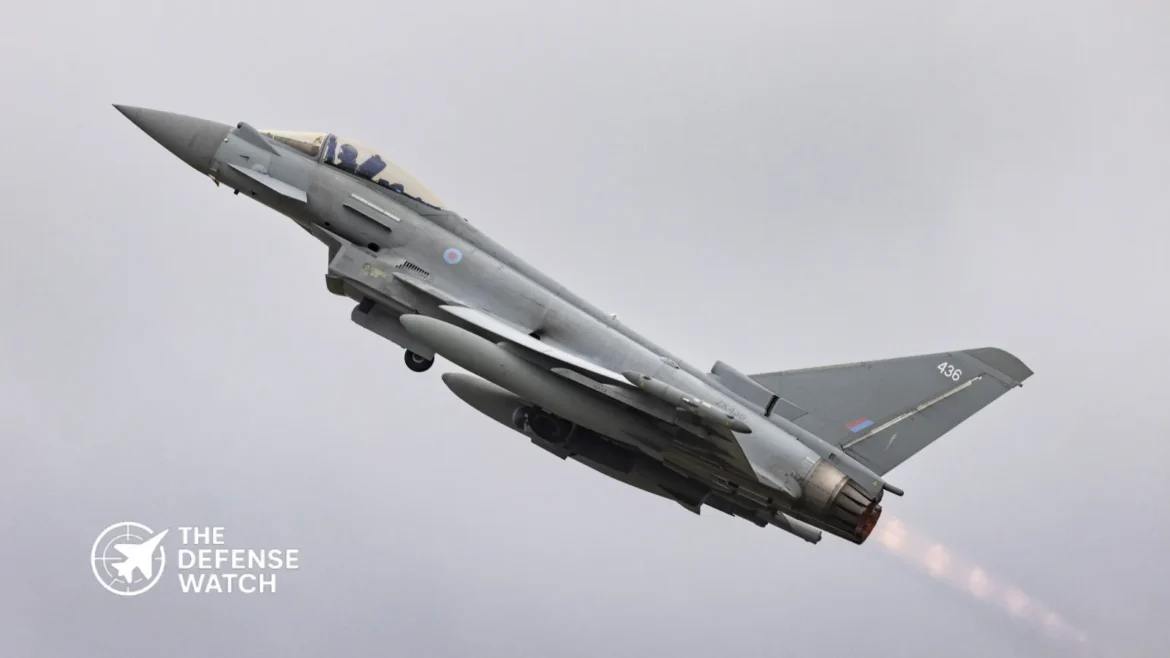
The UK Typhoon fighter upgrades will see the Royal Air Force receive significant capability improvements through a series of modernization projects intended to keep the Eurofighter Typhoon operational for decades. The plans were outlined by the UK Ministry of Defence as part of wider defense investment aimed at maintaining combat readiness amid an increasingly challenging European security environment.
Rather than replacing the Typhoon in the near term, Britain intends to evolve the platform through incremental upgrades while simultaneously developing the sixth generation Global Combat Air Programme with Italy and Japan.
Multi Billion Pound Investment Targets Combat Capability
According to information released by the UK government, the modernization effort includes billions of pounds in planned spending covering aircraft upgrades, weapons integration, avionics modernization, logistics support, and industrial sustainment.
The investment supports both operational readiness and Britain’s domestic aerospace industry, with major work expected to involve BAE Systems, Leonardo UK, Rolls Royce, MBDA UK, and numerous suppliers throughout the national defense industrial base.
Officials emphasized that maintaining Typhoon capability remains essential while GCAP development continues over the coming decade.
atOptions = { ‘key’ : ‘3d48d603f906e3fe9f205be3c4433835’, ‘format’ : ‘iframe’, ‘height’ : 250, ‘width’ : 300, ‘params’ : {} };Key Upgrades Planned For The Typhoon Fleet
The modernization roadmap includes improvements across multiple mission systems designed to enhance survivability and effectiveness against increasingly capable air defense networks.
ECRS Mk2 Radar
One of the most significant enhancements is the introduction of the European Common Radar System Mark 2 (ECRS Mk2) active electronically scanned array radar.
The radar is expected to provide:
Capability Operational Benefit Electronic attack functions Ability to disrupt hostile radar systems Longer detection range Earlier target identification Improved target tracking Enhanced engagement against multiple threats Advanced air to air performance Better effectiveness against modern fighters High resolution mapping Improved strike mission support Unlike conventional fighter radars, the ECRS Mk2 has been designed with electronic warfare capabilities integrated directly into the sensor architecture.
Expanded Weapons Integration
The Typhoon modernization effort also supports continued integration of advanced precision weapons, including:
- Meteor beyond visual range air to air missile
- SPEAR 3 precision strike weapon
- Brimstone precision missile
- Storm Shadow cruise missile
- Paveway IV guided bomb
These weapons provide the aircraft with greater flexibility across air superiority, suppression of enemy air defenses, and deep strike missions.
Digital Mission Systems
The Royal Air Force is also investing in:
- Mission computer improvements
- Software upgrades
- Secure communications
- Enhanced cockpit displays
- Digital mission planning
- Improved electronic warfare capabilities
These upgrades enable faster software updates and improve interoperability with NATO forces.
Supporting NATO Air Power
The modernization comes as European NATO members continue increasing defense investment following Russia’s invasion of Ukraine and broader concerns regarding long term regional security.
The Royal Air Force regularly deploys Typhoon aircraft for:
- NATO Air Policing missions
- Baltic security operations
- Quick Reaction Alert duties
- Expeditionary deployments
- Coalition strike operations
Keeping the aircraft technologically relevant allows Britain to continue contributing advanced air combat capability to NATO without creating capability gaps before sixth generation aircraft become available.
Bridge To The Global Combat Air Programme
While the Typhoon remains Britain’s primary frontline fighter, it also serves as a technology bridge toward the Global Combat Air Programme (GCAP).
(adsbygoogle = window.adsbygoogle || []).push({});GCAP aims to field a sixth generation combat aircraft around 2035 through collaboration between the United Kingdom, Italy, and Japan.
Many technologies being introduced into Typhoon, including digital mission systems, advanced sensors, and network centric warfare capabilities, are expected to inform future GCAP development.
Maintaining an advanced Typhoon fleet also helps preserve critical engineering expertise within Britain’s aerospace industry during the transition.
Why The Investment Matters
From a strategic perspective, Britain’s decision reflects broader trends affecting Western air forces.
Modern fighter aircraft increasingly depend on software, sensors, electronic warfare, and networking rather than aerodynamic performance alone. Upgrading these systems can significantly improve combat effectiveness without requiring an entirely new aircraft.
For NATO, this approach offers several advantages:
- Faster capability improvements than developing new aircraft
- Lower acquisition costs compared with fleet replacement
- Continued interoperability among allied air forces
- Preservation of industrial production capacity
- Reduced operational risk during the transition to sixth generation platforms
For the United States, the UK’s Typhoon modernization complements allied investments in platforms such as the F-35 and future Next Generation Air Dominance initiatives. A more capable RAF fighter force strengthens NATO’s collective air combat capacity, particularly in the European theater, where integrated air and missile defense challenges continue to evolve.
The addition of the ECRS Mk2 radar is especially significant because it moves the Typhoon beyond traditional fighter roles by integrating electronic attack functions that can degrade enemy sensors while simultaneously supporting long range air combat. This capability aligns with modern concepts of multi domain operations, where electronic warfare is increasingly as important as kinetic effects.
Furthermore, continued investment ensures that the Typhoon remains relevant during the decade before GCAP enters service. Without sustained modernization, Britain could face declining operational capability precisely as peer competitors continue introducing advanced fighters, long range missiles, and integrated air defense systems.
Looking Ahead
The UK government has made clear that Typhoon will remain a cornerstone of Royal Air Force combat aviation into the 2040s. As modernization projects mature, upgraded aircraft are expected to deliver improved survivability, expanded mission flexibility, and greater integration with allied forces.
The investment also reinforces Britain’s commitment to sustaining a sovereign aerospace industry while preparing for the transition to sixth generation combat aviation through the Global Combat Air Programme.
Executive Summary:
Modern military helicopters remain indispensable despite the growth of drones and long range precision weapons. The aircraft on this list combine advanced sensors, precision strike capability, battlefield mobility, and survivability, making them essential assets for NATO, the United States, European forces, and militaries across the Indo-Pacific.
Top 10 Helicopter In The World
Modern battlefields demand aircraft capable of operating where fixed wing platforms cannot. Helicopters provide close air support, anti armor warfare, special operations insertion, combat search and rescue, and rapid logistical support in contested environments.
The Top 10 helicopter in the world are ranked based on combat effectiveness, operational flexibility, survivability, sensor technology, payload, modernization potential, and combat record rather than simply speed or size.
Ranking Criteria
Each helicopter was evaluated using the following factors:
- Combat capability
- Firepower
- Survivability
- Avionics and sensors
- Payload capacity
- Operational range
- Reliability
- Export success
- Modernization potential
- Proven combat performance
The Global Military Rotorcraft Baseline
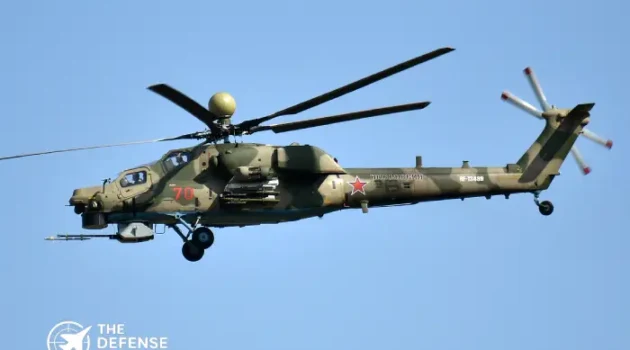
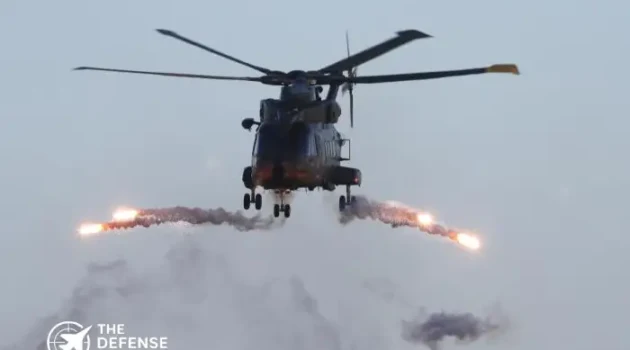
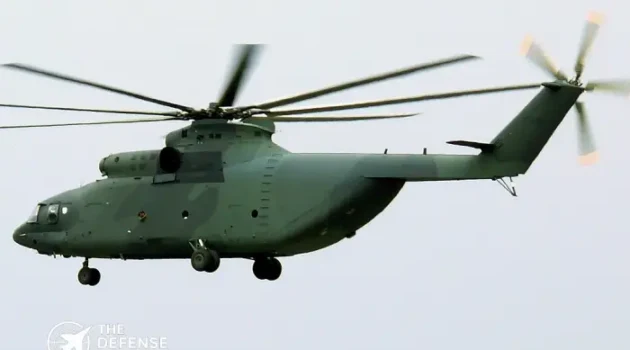
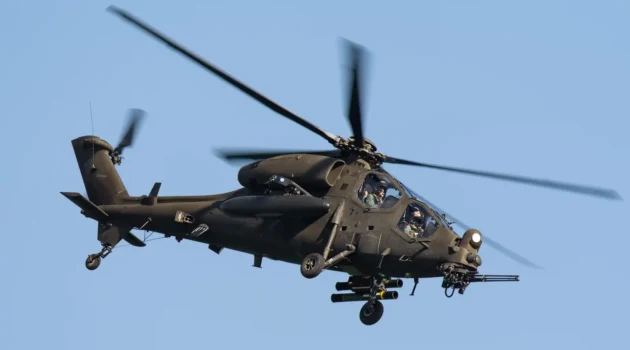
Rank Helicopter Country Primary Role Max Speed 1 AH-64E Apache Guardian United States Attack 293 km/h 2 Ka-52M Alligator Russia Attack 315 km/h 3 AH-1Z Viper United States Attack 296 km/h 4 CH-47F Chinook United States Heavy Lift 315 km/h 5 NH90 NFH/TTH Europe Multi-role 300 km/h 6 Mi-28NM Havoc Russia Attack 300 km/h 7 AW101 Merlin United Kingdom/Italy Multi-role 309 km/h 8 UH-60M Black Hawk United States Utility 295 km/h 9 Mi-26 Halo Russia Heavy Lift 295 km/h 10 T129 ATAK Türkiye Attack 281 km/h 1.Deep-Dive Analysis: The World’s Top 10 Rotorcraft
1. AH-64E Apache Guardian (United States)
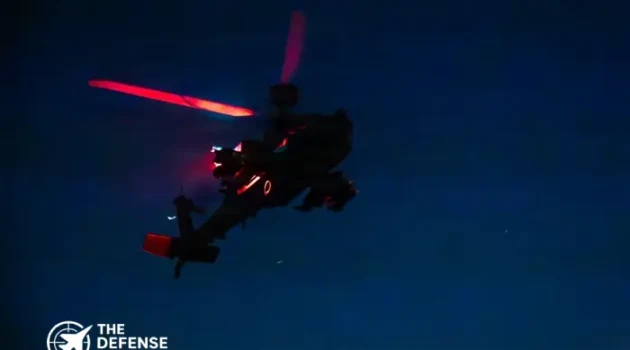
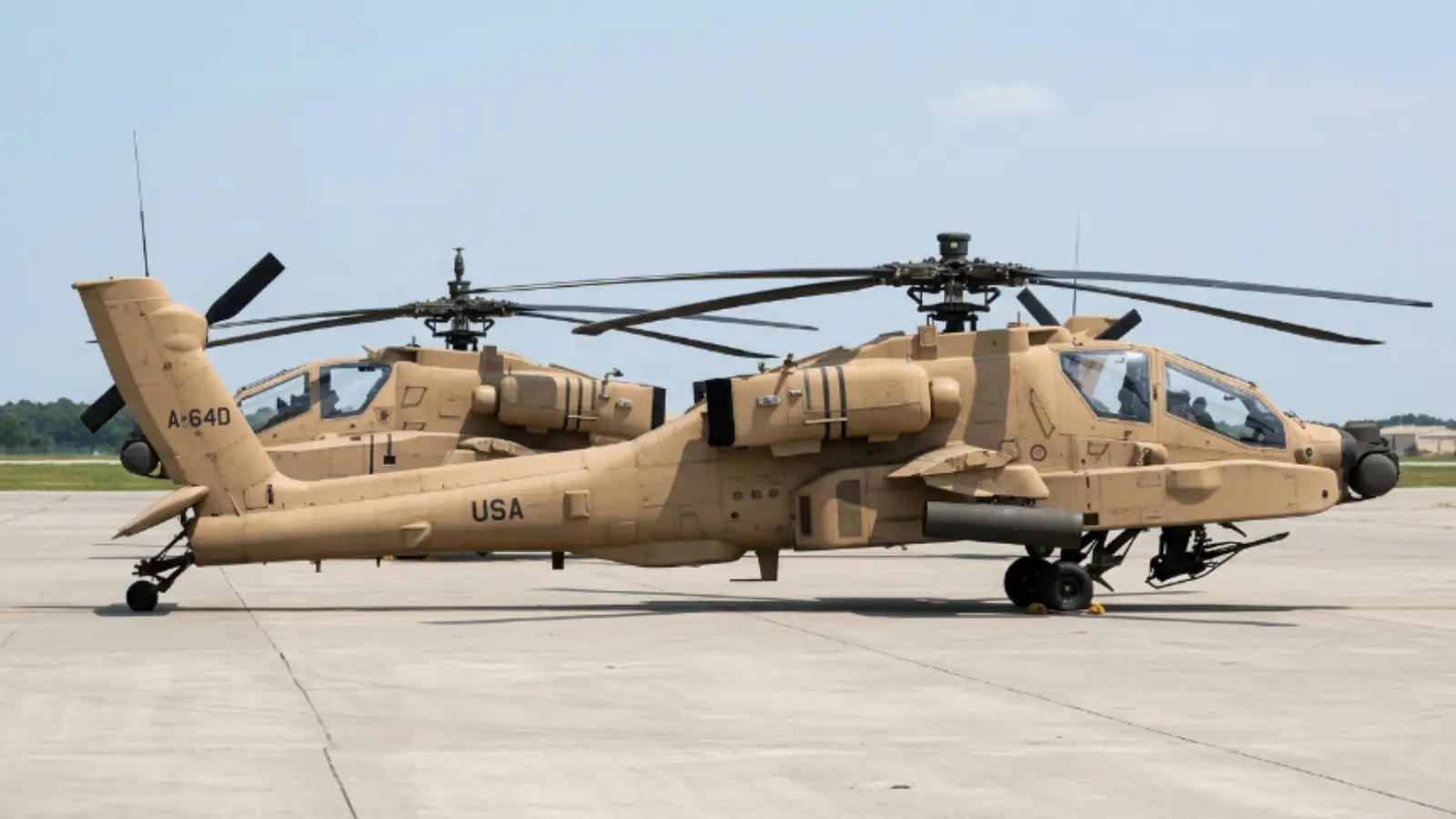
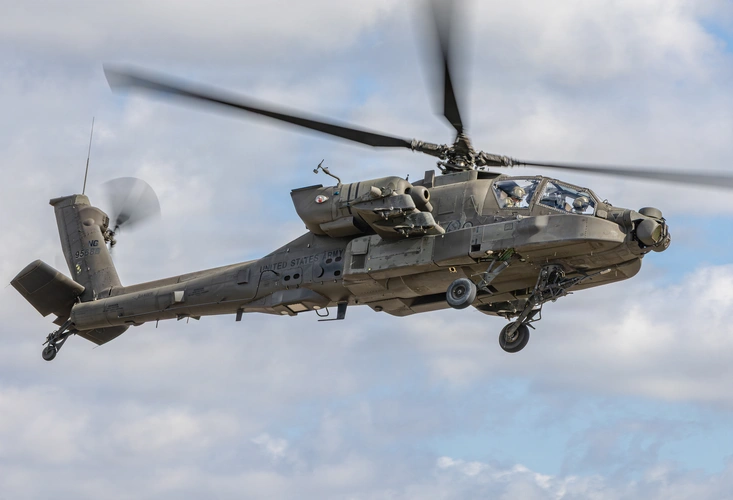
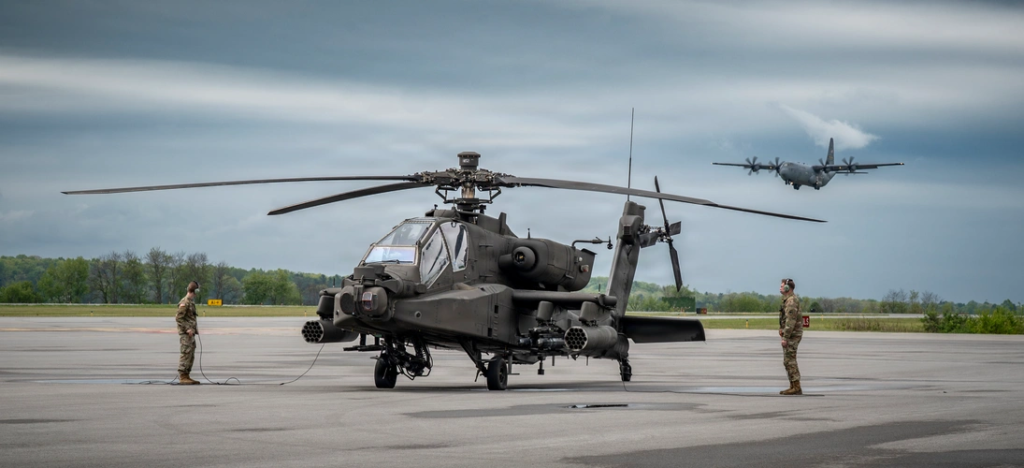
The ah-64e apache attack helicopter remains the undisputed benchmark for modern rotary-wing lethality. Far outclassing the legacy ah-64d apache attack helicopter baseline, the Echo variant transitions the platform from a self-contained gunship into a collaborative battlefield network node.
Key Avionics & Armament Subsystems
- Sensors: Upgraded AN/APG-78 Longbow Fire Control Radar featuring advanced overwater and maritime targeting modes.
- Propulsion: Twin General Electric T700-GE-701D turboshaft engines linked to an enhanced torque transmission system.
- Network Integration: Level 4 Manned-Unmanned Teaming (MUM-T) and secure Link 16 data exchange.
- Ordnance: 30mm M230 Chain Gun, AGM-114R Hellfire, and the dual-mode AGM-179 Joint Air-to-Ground Missile (JAGM).
With Poland finalizing a historic 96-aircraft procurement program and major operators like the UK and the Netherlands consolidating their fleets around this architecture, this specific apache attack helicopter standard forms the backbone of NATO’s forward defense lines. Its ability to command uncrewed assets and route telemetry across the joint force establishes it as the world’s premier attack helicopter.
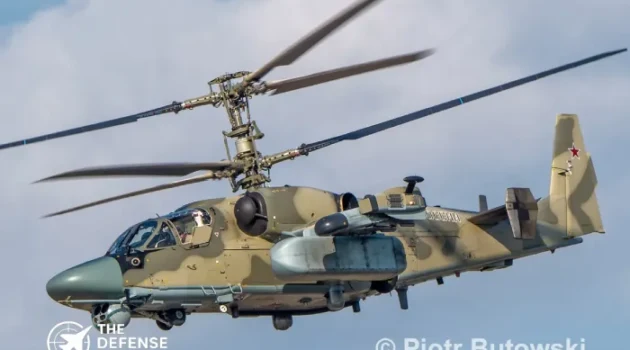
2. Ka-52M Alligator (Russia)
The heavily modified Ka-52M utilizes a distinctive coaxial counter-rotating rotor design, eliminating the need for a traditional tail rotor while providing exceptional agility, high climb rates, and superior hover stability in crosswinds.
Following intensive operational deployments, the “M” variant integrates an upgraded Active Electronically Scanned Array (AESA) radar system alongside a reinforced, combat-hardened hull. It relies on the long-range Izdeliye 305 (LMUR) laser-guided missile and Vikhr anti-tank systems, remaining one of the few combat rotorcraft outfitted with a functional crew ejection seat system.
3. AH-1Z Viper (United States)
Engineered primarily for the United States Marine Corps’ demanding amphibious assault and expeditionary requirements, the AH-1Z Viper excels in austere littoral corridors.
The Viper shares significant drivetrain and component commonality with its utility sibling, the UH-1Y Venom, significantly reducing forward logistical burdens. Featuring a fully integrated glass cockpit, optimized composite four-blade rotor systems, and standard loadouts consisting of AGM-114 Hellfires, APKWS laser-guided rockets, and AIM-9X Sidewinder air-to-air missiles, the platform provides precise, rapid close air support directly from forward-deployed naval decks.
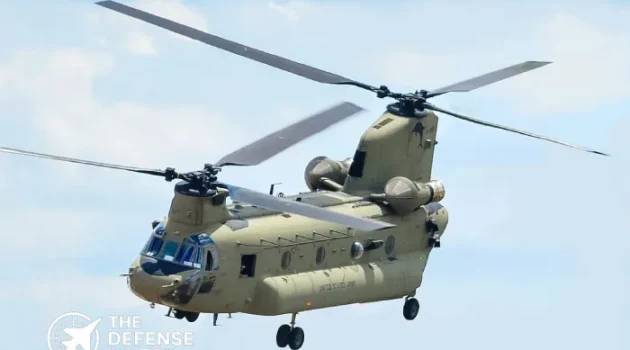
4. CH-47F Chinook (United States)
When evaluating raw tactical mobility and heavy-lift logistics, the tandem-rotor CH-47F Chinook remains unmatched across Western militaries.
Powered by dual Honeywell T55-GA-714A engines, the Chinook easily handles a massive external cargo capacity of up to 10,900 kg. It serves as the primary heavy tactical transport for the US Army, the British Royal Air Force, and various European NATO contingents, specializing in the rapid insertion of artillery batteries, light tactical vehicles, and combat-ready infantry units inside contested areas.
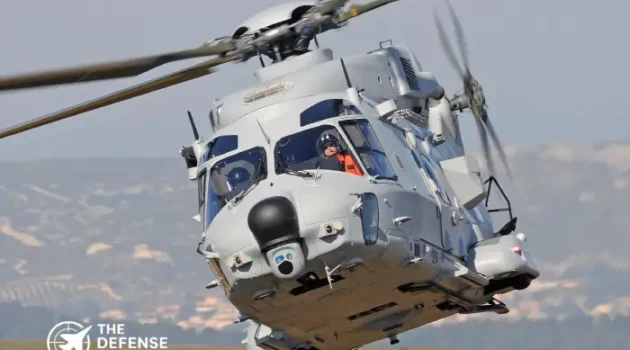
5. NH90 NFH/TTH (Europe)
The NH90 is a product of European industrial cooperation (designed by NHIndustries), serving as a core multi-role asset for multiple NATO forces.
Built with a corrosion-resistant, all-composite fuselage, it features an advanced fly-by-wire flight control architecture that minimizes pilot fatigue during long overwater missions. The platform is divided into two primary operational configurations: the Tactical Transport Helicopter (TTH) for air assault operations and the NATO Frigate Helicopter (NFH), which is equipped with specialized dipping sonar, surface-search radars, and anti-ship torpedoes for complex anti-submarine warfare (ASW).
6. Mi-28NM Havoc (Russia)
The Mi-28NM represents Russia’s dedicated tandem-seat, heavy armored strike platform.
Nicknamed the “Havoc,” the modern “NM” iteration introduces an omnidirectional N025 mast-mounted radar dome and a dual-cockpit flight control system that allows either crew member to pilot the aircraft if the other is incapacitated. Designed around heavy titanium airframe shielding, the platform utilizes Khrizantema-V radio-guided anti-tank missiles and upgraded thermal imaging tracking channels to strike fortified armor formations at extended ranges, night or day.
7. AW101 Merlin (United Kingdom / Italy)
The Leonardo AW101 Merlin stands out due to its unique three-engine propulsion configuration (utilizing Rolls-Royce Turbomeca RTM322 or GE CT7 powerplants), offering an unparalleled level of safety and range for long-range maritime operations.
Extensively deployed by the UK Royal Navy and Italian Navy, the Merlin acts as a premium airborne early warning (AEW) and deep-sea anti-submarine platform. Its spacious internal cabin permits the installation of advanced acoustic processing systems, long-range dipping sonars, and heavy anti-surface weapons.
8. UH-60M Black Hawk (United States)
The UH-60M represents the modern pinnacle of the legendary Sikorsky utility family.
Serving as the primary air assault, medical evacuation (MEDEVAC), and command-and-control platform for the US military and over 35 international partners, the “Mike” variant features digital avionics, a digitized Common Avionics Architecture System (CAAS) cockpit, and wide-chord composite rotor blades that increase lift performance. Its robust airframe survivability and global supply chain make it one of the most successful utility aircraft ever built.
9. Mi-26 Halo (Russia)
The Mi-26 Halo holds the record as the largest and most powerful production helicopter in aviation history.
Driven by two massive Lotarev D-136 turboshaft engines powering an eight-blade main rotor system, the Halo can transport up to 20 metric tons of internal or external cargo. This unique capacity allows it to airlift fully armored personnel carriers, heavy engineering vehicles, or up to 90 combat troops simultaneously—a lifting capability unmatched by any other active vertical-lift platform on Earth.
10. T129 ATAK (Türkiye)
Developed by Turkish Aerospace Industries (TAI) from the AgustaWestland A129 Mangusta baseline, the T129 ATAK has carved out a highly successful niche in the international export market.
Optimized specifically for high-altitude, high-temperature (“hot-and-high”) operating profiles, the T129 balances agile flight performance with low operating costs. It is armed with a nose-mounted 20mm three-barrel rotary cannon, indigenously developed UMTAS long-range anti-tank missiles, and CIRIT laser-guided rockets, drawing significant procurement interest across Africa and Asia.
Close Air Support vs. Strategic Logistics
Understanding the separation between specialized direct-action platforms and logistics platforms is key to analyzing modern fleet composition:
Functional Metric Attack Platforms (e.g., AH-64E, Ka-52M) Transport/Utility Platforms (e.g., CH-47F, UH-60M) Primary Mission Anti-armor, reconnaissance, deep precision strike Troop insertion, heavy equipment delivery, MEDEVAC Airframe Shielding Heavy titanium and Kevlar cockpit/drivetrain armor Selective localized ballistic plating Ordnance Capacity Integrated chin guns, precision guided missiles, rockets Defensive door-mounted machine guns (e.g., M134, M2) Avionics Suite Mast radars, laser designers, target acquisition sights Tactical navigation systems, cargo hooks, hoist electronics Why Helicopters Still Matter
Despite rapid advances in unmanned systems, modern combat helicopters continue to provide capabilities that drones cannot fully replace.
They can:
- React within minutes
- Support troops in close contact
- Operate from austere locations
- Conduct casualty evacuation under fire
- Transport special operations forces
- Deliver precision fires while maintaining direct communication with ground commanders
Recent conflicts have also accelerated investment in electronic warfare protection, infrared suppression systems, active defensive aids, and manned-unmanned teaming concepts that integrate helicopters with reconnaissance drones.
Future Outlook
The next generation of rotorcraft is already reshaping military aviation. The United States is advancing the Future Long Range Assault Aircraft (FLRAA) program, while European manufacturers are investing in high speed compound rotorcraft and next generation vertical lift technologies. At the same time, attack helicopters are evolving to operate alongside autonomous drones, enabling crews to detect, identify, and engage threats from greater distances while reducing exposure to modern air defense systems.
Although future battlefields will become increasingly networked and contested, the best military helicopters will continue to combine mobility, precision firepower, and battlefield flexibility in ways that remain difficult for any other platform to match.
(adsbygoogle = window.adsbygoogle || []).push({});Executive Summary:
The U.S. Army’s transition from the AH-64D Apache attack helicopter to the AH-64E Apache Guardian standard represents far more than an engine swap — it is a shift from a platform-centric gunship to a networked strike node capable of directing unmanned systems and sharing targeting data across the joint force in real time. With Poland fielding the largest non-U.S. Apache fleet on NATO’s eastern flank and South Korea, the UK, and Israel all deepening their Echo-model commitments in 2026, the AH-64E has become the backbone of allied attack aviation even as the U.S. Army’s next-generation FARA program lies canceled.
The Apache’s Second Life as a Networked Strike Node
Attack aviation in 2026 is no longer judged solely by missile count or top speed. It is judged by how fast a crew can move from detection to engagement across a contested, sensor-saturated battlefield — and on that metric, the gap between the AH-64D Apache Longbow and the AH-64E Apache Guardian has become the defining storyline of Western rotary-wing modernization.
What began as an incremental Block III upgrade to the Delta-model airframe has matured into a wholesale redesign of how the Apache fights: a more powerful drivetrain, an open-systems mission computer, and — critically — the ability to receive, process, and act on live sensor feeds from unmanned aircraft without a human ever touching a joystick on the drone end.
The AH-64D Saraf variant introduced the Longbow fire control radar and improved night-fighting capability, but the Echo model added an open systems architecture that enables faster software updates and simpler integration of new sensors and weapons. That architectural leap is why NATO planners increasingly describe the AH-64E not as an upgraded helicopter, but as a different category of weapon system entirely.

From AH-64A to AH-64D: The Longbow Baseline
The AH-64D Apache Longbow entered service in the 1990s built around a single transformative addition: the mast-mounted AN/APG-78 Longbow millimeter-wave fire control radar, developed jointly by Lockheed Martin and Northrop Grumman under the Longbow LLC joint venture.
The radar allowed the Delta-model Apache to track up to 128 targets simultaneously and engage the sixteen highest-priority threats from behind terrain cover, cueing a new radar-guided version of the Hellfire missile. For its era, this was a genuine leap — it let the AH-64D Apache attack helicopter fight in adverse weather and heavy obscurant conditions where earlier A-model Apaches, reliant purely on electro-optical sensors, were effectively blind.
But the Delta-model airframe carried structural and propulsion limitations that became increasingly apparent as combat loads grew heavier and operating theaters expanded from temperate Europe to the “hot-and-high” conditions of Afghanistan and the Gulf. The Army’s own modernization assessment identified engine power, lift capacity, and digital interoperability as the specific shortfalls driving the next-generation requirement — the gaps that would define the AH-64D-to-AH-64E transition.
The AH-64D to AH-64E Transition: What Actually Changed
The AH-64E Apache Guardian was formally redesignated from “AH-64D Block III” in 2012, but the rebrand reflected a genuine platform discontinuity rather than a marketing exercise. Three subsystems account for nearly all of the operational separation between the two variants.
Drivetrain and Powerplant
The AH-64E integrates the Joint Tactical Information Distribution System for enhanced digital connectivity, and is powered by twin General Electric T700-GE-701D engines paired with an upgraded transmission that increases available power and payload capacity, while composite rotor blades improve cruise speed and climb performance.
Those composite blades trace their lineage to the canceled RAH-66 Comanche program — a rare instance of a scrapped Army aviation effort still paying dividends two decades later. The resulting airframe achieves speeds up to 293 km/h (158 knots) and can operate at altitudes exceeding 6,000 meters, materially closing the hot-and-high performance gap that limited the Delta model in Afghanistan-type environments.
South Korea’s ongoing fleet upgrade illustrates how central the powerplant remains to modernization economics: a 2024 U.S. approval for Seoul covered up to 36 additional AH-64Es alongside 76 T700-GE-701D engines, 14 AN/APG-78 radars, and hundreds of Hellfire and Joint Air-to-Ground Missiles — a package that treats the engine as inseparable from the sensor and weapons upgrade rather than a standalone line item.

Sensor Fusion: Longbow Radar and Modernized TADS/PNVS
The AN/APG-78 radar itself did not stand still between the Delta and Echo models. The updated Longbow radar fitted to the AH-64E gained overwater capability, enabling naval and littoral strike missions that the original Delta-model radar could not perform.
This is paired with the Modernized Target Acquisition and Designation Sight/Pilot Night Vision Sensor, which delivers high-resolution thermal imaging, day optics, and laser designation, supplemented by the AGM-179 Joint Air-to-Ground Missile’s dual-mode millimeter-wave radar and semi-active laser guidance — a combination that materially improves effectiveness against moving, concealed, or low-signature aerial targets such as small UAVs, a threat category that barely existed when the Delta model was designed.
(adsbygoogle = window.adsbygoogle || []).push({});Network Architecture and Open-Systems Avionics
This is the least visually obvious but most operationally significant change. The Delta-model Apache was fundamentally a self-contained sensor-shooter platform; the Echo model is a network participant. The AH-64E’s enhanced mission computer, advanced data links, and improved cockpit displays provide greater situational awareness and reduce crew workload during complex strike missions involving multiple targets and friendly forces.
South Korea’s Link 16 integration illustrates the practical effect: the KOR-24A Small Tactical Terminal brings Link 16 data exchange and secure voice to the aircraft, allowing a crew to receive target data from a ground command post, another aircraft, or a drone, update friendly-force awareness, and pass a target location to artillery or combat aircraft — reducing the time between detection, decision, and engagement.
Manned-Unmanned Teaming: The Real Dividing Line
If a single capability separates the AH-64D Apache attack helicopter from its successor, it is manned-unmanned teaming (MUM-T). The Echo model’s kill chain runs through detection by a drone, satellite, or the Longbow radar; automated classification of the contact; network-level prioritization of the threat; assignment of the best-positioned shooter — whether that is the Apache itself, ground artillery, or a fixed-wing aircraft; and execution before the target is aware it has been observed. Unlike earlier Apache variants, which relied on limited or bolted-on solutions to work with unmanned aircraft, the Guardian is designed natively to receive, process, and exploit real-time sensor feeds from unmanned aerial systems.
atOptions = { ‘key’ : ‘3d48d603f906e3fe9f205be3c4433835’, ‘format’ : ‘iframe’, ‘height’ : 250, ‘width’ : 300, ‘params’ : {} };U.S. Army aviation is now pushing that concept further with experimental “launched effects” — small, disposable unmanned systems such as Anduril’s Altius-700 — that scout ahead of the crewed aircraft, relay communications, and can disrupt or strike before the Apache itself enters the most heavily defended airspace. This shifts survivability calculus by extending sensor and strike reach while reducing crew exposure, a change NATO planners view as decisive for future high-intensity operations in Europe.
AH-64D vs. AH-64E: Head-to-Head
System AH-64D Apache Longbow AH-64E Apache Guardian Engines Earlier T700 variants Twin T700-GE-701D turboshafts, upgraded transmission Rotor system Standard four-blade rotor Composite rotor derived from RAH-66 Comanche program Fire control radar AN/APG-78 Longbow (original) AN/APG-78 Longbow (updated, overwater-capable) Sensor suite Original TADS/PNVS Modernized TADS/PNVS, higher resolution Primary anti-armor weapon AGM-114 Hellfire AGM-114R Hellfire and AGM-179 JAGM (dual-mode) Networking Limited/legacy data links Link 16, open-systems mission computer Unmanned integration Minimal, externally bolted-on Native MUM-T, “MUM-TX” drone control Chain gun M230, ~600–650 rounds/min M230E1, same rate, IHADSS-slaved Max speed Comparable airframe limits Up to 293 km/h (158 knots) Service ceiling Lower hot-and-high performance Above 6,000 meters NATO’s Eastern Flank: The Apache Attack Helicopter as Alliance Backbone
Poland’s 96-Aircraft Program
No single procurement decision illustrates the AH-64E’s centrality to European deterrence better than Poland’s. Boeing was awarded a Foreign Military Sales contract worth nearly $4.7 billion in November 2025 to build AH-64E Apache attack helicopters for Poland, marking the largest Apache order ever placed by a country outside the United States.
The Polish Apaches will carry the standard U.S.-export sensor and weapons suite — the mast-mounted Longbow radar, advanced electro-optical systems, and AGM-114 Hellfire or AGM-179 JAGM precision missiles — designed to integrate with Poland’s new M1A2 Abrams and K2 Black Panther tanks, HIMARS and K239 Chunmoo rocket artillery, and Patriot and Narew air-defense systems into a layered, mobile deterrent along the eastern flank. When deliveries begin in 2028, Poland is set to operate the largest Apache fleet outside the United States, replacing a legacy Mi-24 Hind fleet increasingly unsuited to modern combat environments.
(adsbygoogle = window.adsbygoogle || []).push({});The interoperability groundwork is already being laid. In May 2026, U.S. Army AH-64E crews from the 12th Combat Aviation Brigade conducted live-fire training with Polish and British forces near Toruń, Poland, demonstrating the kind of rapid target-sharing and multinational coordination that NATO views as central to deterring a high-intensity conflict along its eastern defense line.
UK Joint Helicopter Command and Allied Interoperability
Britain’s Army Air Corps, operating under the Joint Helicopter Command framework, made its own Delta-to-Echo transition years ahead of Poland. The United Kingdom has operated the AH-64E variant since 2022, transitioning from the legacy WAH-64D model as part of a broader Army Air Corps modernization effort, while the Netherlands has separately been upgrading its own AH-64D fleet to the Echo standard with deliveries expected to complete in 2026.
That shared baseline — Britain, the Netherlands, and soon Poland all operating the same Echo-model architecture — is precisely what makes exercises like the Toruń live-fire tables operationally meaningful rather than symbolic: a British and a Polish Apache attack helicopter crew can now, in principle, receive and act on the same targeting picture as a U.S. Army crew flying the identical airframe.
The FARA/FLRAA Context: Why the Apache Still Carries the Fight
Any account of Apache modernization in 2026 has to reckon with what didn’t happen. The Army’s Future Attack Reconnaissance Aircraft — intended to replace the retired OH-58 Kiowa Warrior in the armed scout role — was canceled in the FY2025 budget request after roughly $2 billion in development spending.
Army leadership framed the cancellation as a reflection of how aerial reconnaissance has changed, citing lessons from Ukraine that sensors and weapons mounted on unmanned systems and in space are more ubiquitous, longer-reaching, and cheaper than a dedicated scout helicopter.
Part of that rebalancing redirected the General Electric T901 engine program away from FARA and toward integration on existing AH-64 Apache and UH-60 Black Hawk fleets instead — meaning the Echo-model Apache is now a direct beneficiary of a canceled program’s engineering investment.
The Future Long-Range Assault Aircraft, by contrast, continues on track. The Army’s Bell-built FLRAA, designated the MV-75, is intended to cruise at up to 280 knots and fly up to 1,700 nautical miles with twelve passengers, with a first prototype flight planned for 2026 and initial fielding targeted for 2030.
FLRAA is a troop-transport and assault-lift replacement for the Black Hawk, not an attack platform — which means the AH-64E Apache Guardian remains, by default, the U.S. Army’s primary crewed attack helicopter for at least the next decade, with no FARA-class successor in the acquisition pipeline.
The Kill-Chain Parallel: Why the Sim-and-Strategy Crowd Should Be Paying Attention
For readers who spend as much time in RTS lobbies and tactical shooters as they do tracking defense procurement, the AH-64E’s MUM-T architecture will feel familiar in structure if not in stakes. The detect-classify-prioritize-assign-execute sequence that now governs Apache targeting is, functionally, the same resource-allocation problem competitive strategy games have modeled for two decades: limited high-value units, a contested information space, and a premium on compressing the decision loop faster than the opponent.
The difference is that the Echo model’s “map” is a real battlefield, its “fog of war” is genuine sensor denial, and its “APM” advantage — the speed at which the network converts a drone contact into a fired JAGM — is measured in human lives rather than a scoreboard.
Strategic Takeaway
The AH-64D-to-AH-64E transition closes out a design lineage that began with the Longbow radar in the 1990s and now terminates in a platform built explicitly to fight as one node among many. With Poland’s 96-aircraft program, South Korea’s $1.2 billion sensor and networking upgrade, and continued British and Dutch fleet modernization all converging on the same Echo-model baseline, the AH-64E Apache Guardian has effectively become NATO’s common attack helicopter standard by default — not because a formal alliance-wide program mandated it, but because FARA’s cancellation left no near-term successor and the Apache’s open-systems architecture proved cheap enough to keep upgrading instead of replacing.
The next inflection point will not be a new airframe; it will be how deeply launched-effects drones and AI-assisted target prioritization get pushed into the existing AH-64E mission computer before FLRAA’s armed variants — if they materialize — arrive at the end of the decade.