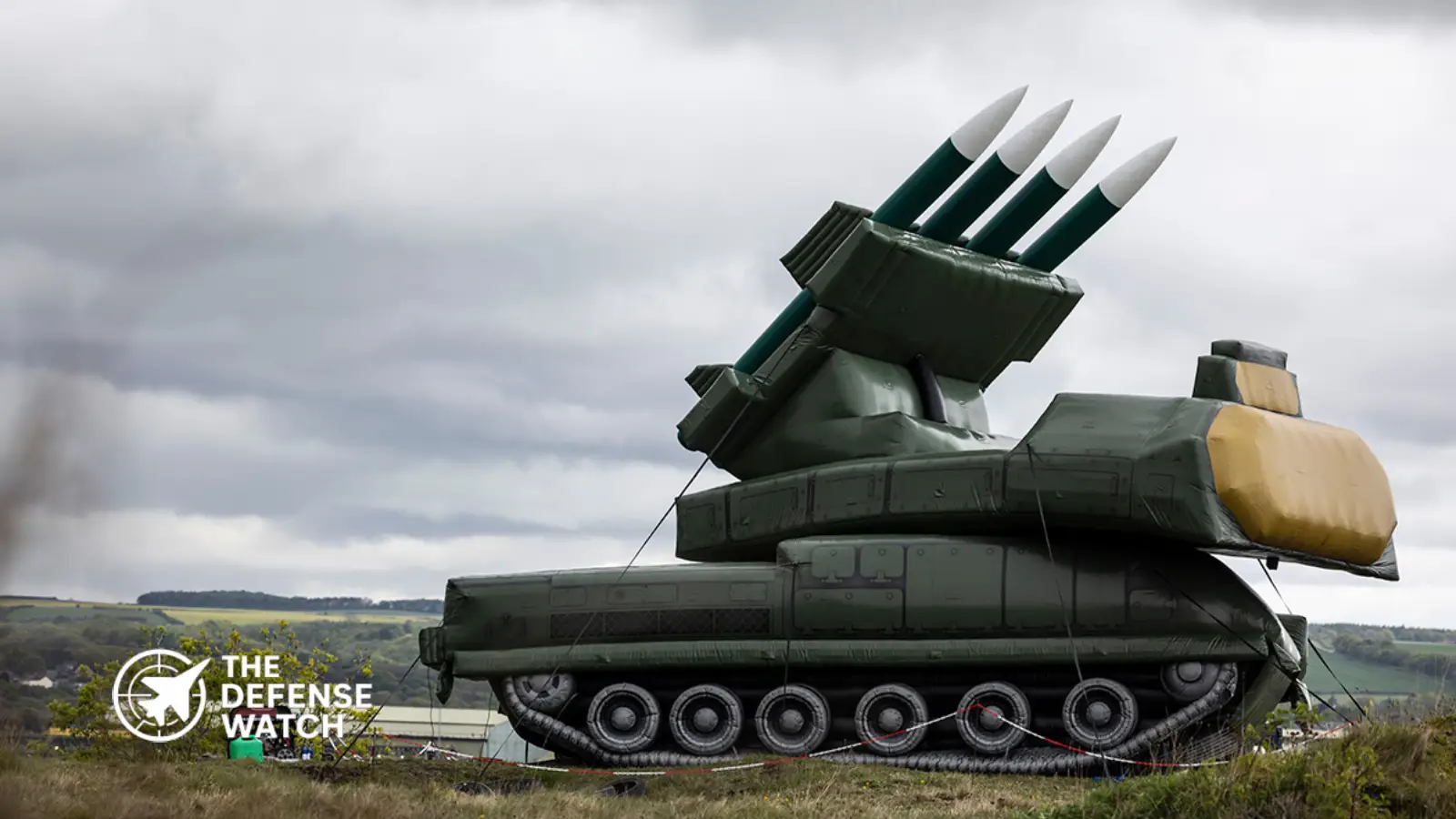
- Iran and Russia reportedly signed a secret €500 million missile deal in December 2025, according to the Financial Times.
- The pact covers delivery of 500 Verba man portable air defense launch units and 2,500 9M336 missiles through 2027 to 2029.
- The Verba systems are infrared guided MANPADS designed to target low altitude threats including drones and cruise missiles.
- The deal follows damage to Iran’s air defense network during the 2025 conflict with Israel.
- The agreement reflects deepening military cooperation between Tehran and Moscow.
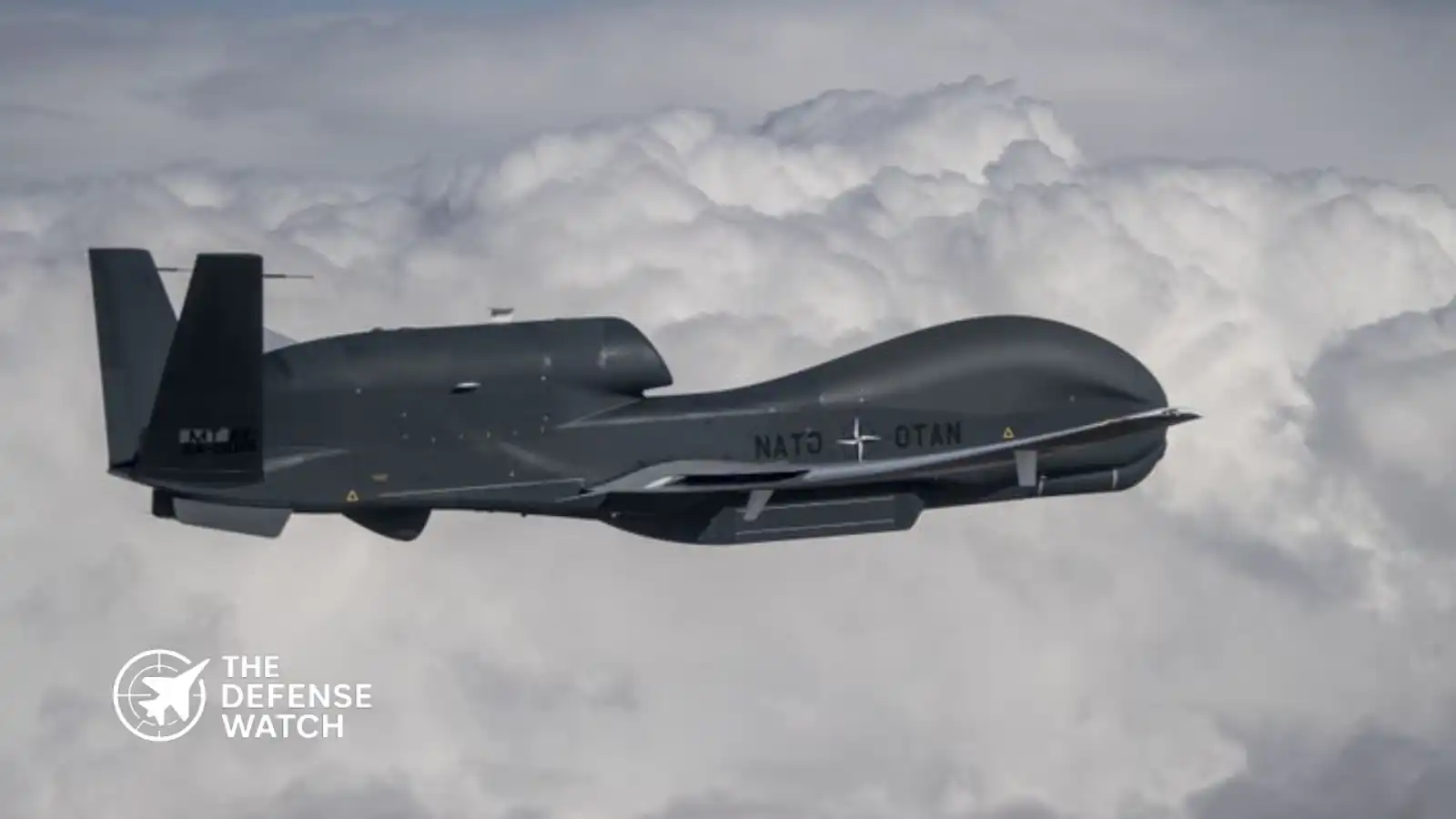
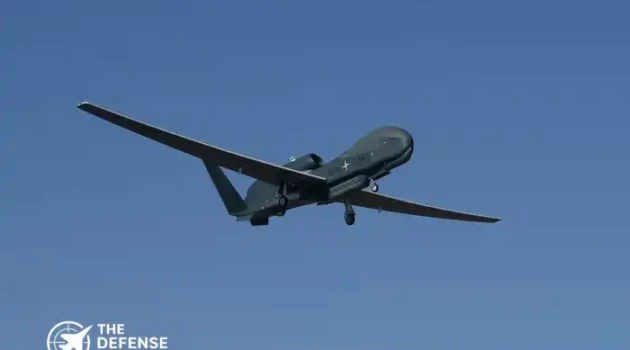
The MQ-28 Ghost Bat Germany evaluation marks a notable step in Europe’s exploration of collaborative combat aircraft to support manned fighter operations. Germany, as part of its broader modernization efforts within the Luftwaffe of Germany, is assessing unmanned systems designed to operate alongside platforms such as the Eurofighter Typhoon to extend sensing, strike, and survivability capabilities.
This move reflects a wider shift among NATO members toward integrating loyal wingman drones into frontline air operations, aiming to improve mission flexibility while reducing risk to pilots.
Germany Advances Loyal Wingman Concept
Germany’s evaluation of the MQ-28 Ghost Bat aligns with ongoing efforts to incorporate autonomous and semi-autonomous systems into European air combat doctrine. Originally developed under Australia’s Collaborative Combat Aircraft program, the MQ-28 is designed to accompany crewed fighters and perform tasks such as reconnaissance, electronic warfare support, and threat engagement.
For Germany, the interest in such a platform highlights the operational need to enhance the capabilities of its Eurofighter fleet without immediately replacing existing aircraft. By pairing manned fighters with unmanned wingmen, the Luftwaffe can potentially expand sensor reach and distribute combat workloads across multiple platforms.
Integration With Eurofighter Typhoon Operations
The Eurofighter Typhoon remains a core component of Germany’s air defense and strike capability. Integrating a loyal wingman like the MQ-28 Ghost Bat could allow Eurofighter pilots to command or coordinate multiple unmanned assets in contested environments.
This concept supports several operational advantages. First, it can extend the radar and sensor footprint of the formation. Second, it may allow unmanned units to take on higher-risk roles such as forward reconnaissance or electronic attack. Third, it can help preserve manned aircraft by shifting certain mission elements to autonomous platforms.
Defense analysts note that pairing advanced fighters with unmanned systems is becoming a standard approach among modern air forces seeking distributed lethality and greater mission resilience.
Strategic Context Within NATO Modernization
Germany’s evaluation is consistent with broader NATO efforts to modernize air combat capabilities in response to evolving threats. Several allied nations are exploring similar collaborative combat aircraft programs, often referred to as loyal wingman systems.
These initiatives aim to address challenges posed by advanced integrated air defense systems, electronic warfare environments, and the increasing use of unmanned platforms in contested airspace. By deploying a mix of crewed and uncrewed assets, air forces can complicate adversary targeting while maintaining operational flexibility.
Within this framework, the MQ-28 Ghost Bat Germany assessment represents an exploratory step rather than a formal procurement decision. It allows German defense planners to examine interoperability, mission roles, and integration requirements with existing NATO systems.
Industrial and Operational Implications
If Germany proceeds beyond evaluation, integration of loyal wingman platforms could influence both operational doctrine and defense industry collaboration. European defense contractors may seek partnerships or adaptations to align similar unmanned systems with existing fighter fleets.
For the Luftwaffe, adopting such systems would require development in areas including command and control, secure data links, and human-machine teaming. Training programs would also need to evolve to enable pilots to effectively manage multiple unmanned assets during missions.
While no final acquisition decision has been announced, the MQ-28 Ghost Bat Germany evaluation underscores growing interest in modular, networked air combat architectures across Europe.
- The United States has reportedly suffered its first-ever combat loss of an E-3 Sentry AWACS aircraft.
- The aircraft was damaged or destroyed during an Iranian strike on Prince Sultan Air Base in Saudi Arabia.
- The E-3 Sentry plays a critical role in airborne early warning, command, and control operations.
- The incident underscores growing threats to high-value airborne and ground-based assets in the Middle East.
- The strike reflects escalating regional tensions and expanding Iranian long-range strike capabilities.
US E-3 Sentry Combat Loss Marks Turning Point In Airpower Vulnerability
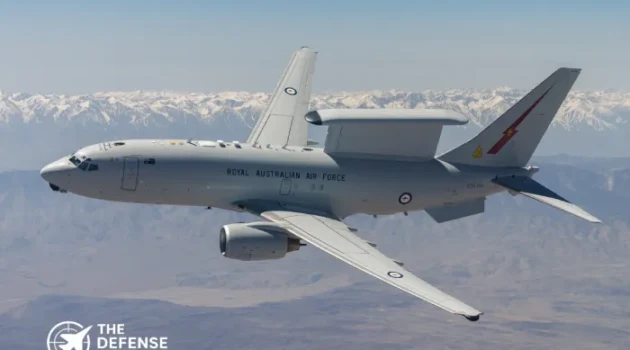
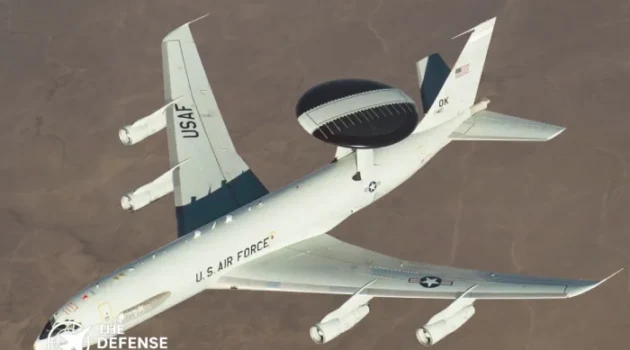
The US E-3 Sentry combat loss marks a significant development in modern air warfare, following an Iranian strike on Prince Sultan Air Base in Saudi Arabia that reportedly damaged or destroyed the high-value airborne early warning aircraft.
According to reports, the incident represents the first confirmed combat loss of an E-3 Sentry since the platform entered service in the late Cold War era. The aircraft, operated by the US Air Force, is a cornerstone of airborne command and control, providing real-time surveillance, battle management, and coordination across joint forces.
While details remain limited, the strike is believed to have targeted the airbase using long-range precision munitions, potentially including ballistic or cruise missiles. The base has served as a key hub for US air operations in the region.
Strategic Role Of The E-3 Sentry In Modern Warfare
The E-3 Sentry, commonly referred to as AWACS, is built on a modified Boeing 707 airframe and equipped with a distinctive rotating radar dome. It can detect and track airborne and maritime threats at extended ranges, while directing friendly aircraft and coordinating complex operations.
Losing such a platform, even on the ground, carries operational and symbolic consequences.
From an operational standpoint, the US E-3 Sentry combat loss reduces available airborne surveillance capacity in a region where persistent monitoring is critical. These aircraft are limited in number, and their replacement is both costly and time-consuming.
From a strategic perspective, the incident highlights a shift in threat environments. High-value assets that were once considered relatively secure at rear-area bases are now increasingly vulnerable to precision strikes.
Iranian Strike Capabilities And Regional Escalation
The reported strike reflects the growing sophistication of Iran’s long-range strike arsenal. Over the past decade, Tehran has invested heavily in ballistic missiles, cruise missiles, and unmanned systems designed to penetrate air defenses and strike high-value targets.
Previous attacks on regional infrastructure, including energy facilities and military installations, have demonstrated both range and accuracy improvements. The ability to target a heavily defended airbase hosting US assets suggests continued refinement of targeting and strike coordination.
The US E-3 Sentry combat loss therefore fits into a broader pattern of evolving asymmetric capabilities aimed at offsetting conventional US military advantages.
Implications For US Force Posture And Base Defense
This incident is likely to trigger a reassessment of US force protection measures across the Middle East.
Airbases that host critical assets such as AWACS, tanker aircraft, and command platforms may require enhanced missile defense coverage, hardened shelters, and dispersal strategies. The vulnerability of fixed infrastructure has been a growing concern, particularly as adversaries expand their precision strike reach.
In practical terms, the US E-3 Sentry combat loss may accelerate efforts to:
- Increase deployment of layered air and missile defense systems
- Disperse high-value aircraft across multiple locations
- Invest in survivable and distributed command-and-control architectures
It also reinforces ongoing discussions about transitioning some AWACS functions to space-based and distributed sensor networks.
Broader Impact On Airborne Early Warning Operations
The loss underscores the enduring importance, and vulnerability, of airborne early warning platforms in contested environments.
While next-generation systems are under development, including more survivable and networked solutions, the E-3 Sentry remains a primary asset for US and allied forces. Any reduction in availability could affect operational tempo and situational awareness in high-risk theaters.
At the same time, adversaries are clearly prioritizing these platforms as high-value targets, both for their operational role and their strategic significance.
- â–º Dutch F-35s deployed to the United States for high-tempo combat training operations.
- â–º Training focuses on complex, large-scale air combat scenarios and interoperability.
- â–º Deployment enhances NATO readiness amid evolving global security challenges.
- â–º U.S.-based training provides access to advanced ranges and joint-force integration.
- ► Move underscores the Netherlands’ commitment to high-end airpower modernization.
Dutch F-35 Deployment To United States Strengthens Combat Readiness
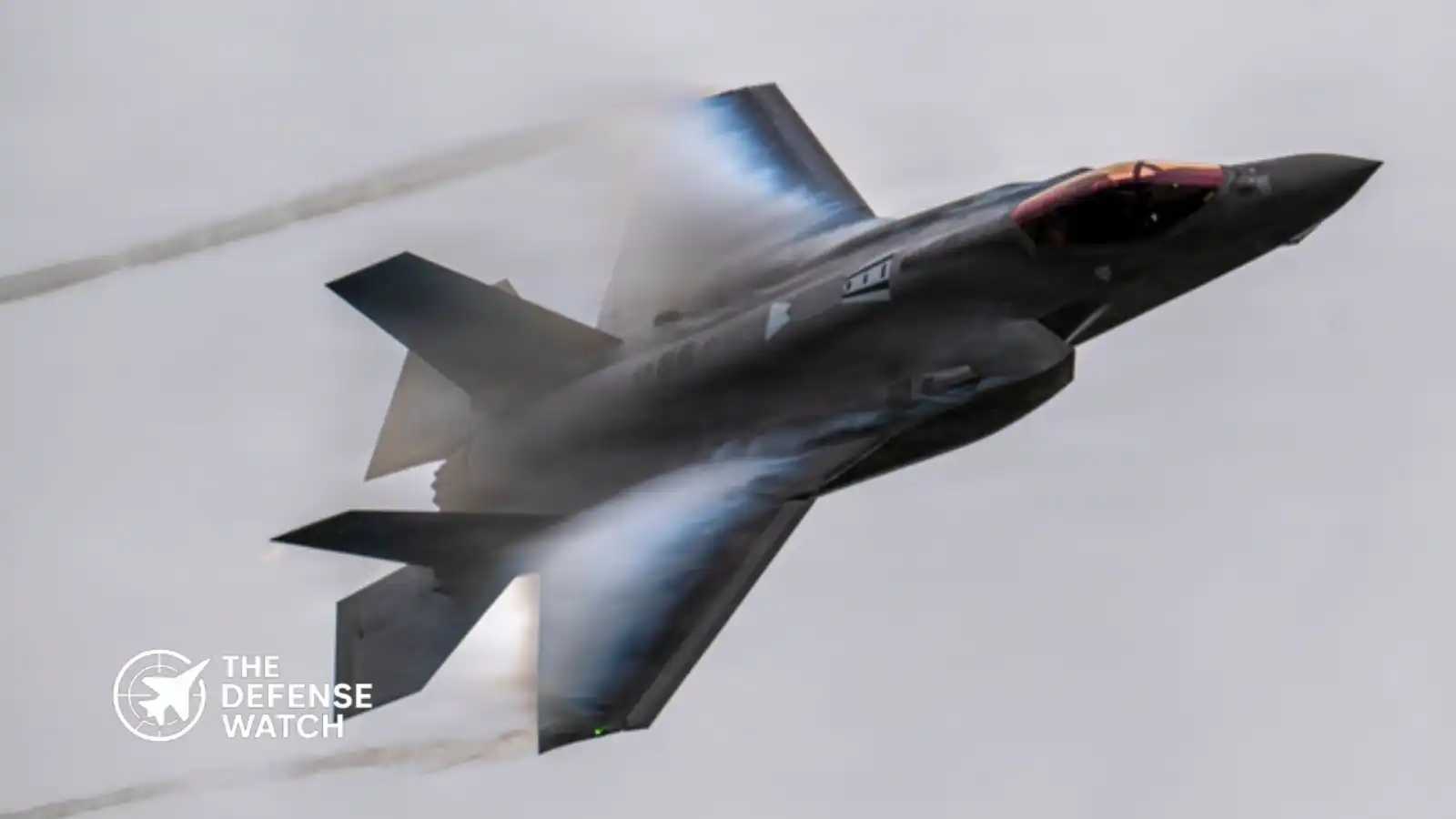
The Dutch F-35 deployment to the United States marks a significant step in advancing high-tempo combat training and operational readiness for the Royal Netherlands Air Force.
The deployment places Dutch fifth-generation fighters in one of the most demanding training environments available to NATO air forces.
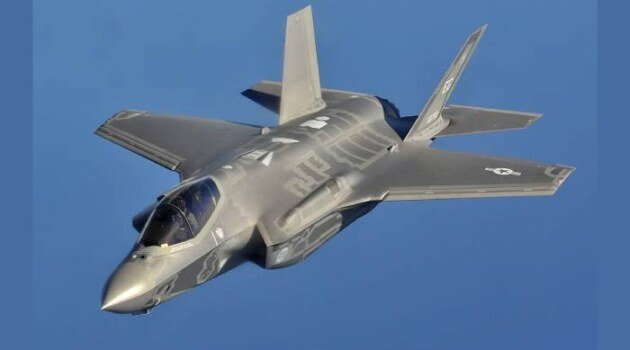
The aircraft involved are the F-35 Lightning II, a platform designed for stealth, sensor fusion, and network-centric warfare. By relocating to the United States, Dutch crews gain access to expansive training ranges and advanced simulation environments not available in Europe.
This move reflects a broader NATO trend of leveraging U.S.-based infrastructure to prepare allied air forces for high-intensity conflict scenarios.
High-Tempo Training Focuses On Complex Combat Scenarios
The primary goal of the deployment is to conduct high-tempo combat training that replicates real-world operational stress. This includes large-force employment exercises, multi-domain integration, and sustained sortie generation under pressure.
Training in the U.S. allows Dutch pilots to operate in complex airspace alongside American and allied aircraft. These environments simulate contested battlespaces, including electronic warfare, integrated air defense systems, and coordinated strike missions.
Such scenarios are critical for modern air warfare. Fifth-generation platforms like the F-35 are designed to operate as part of a network, not as standalone fighters. Training alongside U.S. forces enhances interoperability at both tactical and operational levels.
From an analytical standpoint, this type of training directly supports NATO’s shift toward deterrence by denial. Instead of relying solely on numerical strength, alliance airpower is increasingly focused on technological superiority and coordinated execution.
Strategic Value Of U.S.-Based Training Infrastructure
One of the key advantages of the Dutch F-35 deployment to the United States is access to large-scale training ranges. U.S. facilities offer expansive airspace, advanced threat replication systems, and integrated joint-force participation.
These elements are difficult to replicate in European airspace due to geographic and regulatory constraints.
The U.S. training ecosystem also supports live, virtual, and constructive training environments. This allows pilots to engage simulated threats that mirror near-peer adversary capabilities, including advanced surface-to-air missile systems and electronic attack platforms.
For the Netherlands, this represents a cost-effective way to maintain high readiness without duplicating infrastructure at home.
Enhancing NATO Interoperability And Deterrence
The deployment underscores the Netherlands’ commitment to NATO interoperability. Operating the F-35 within a multinational framework ensures that Dutch forces can seamlessly integrate into allied operations.
This is particularly relevant as more NATO members adopt the F-35 platform. Shared systems, data links, and operational concepts enable coordinated missions across national boundaries.
Interoperability is not just technical. It also involves doctrine, communication, and decision-making processes. Training in the United States accelerates alignment in these areas.
From a geopolitical perspective, such deployments send a clear signal of allied cohesion. They demonstrate that NATO air forces are actively preparing for high-end conflict scenarios, reinforcing deterrence against potential adversaries.
Operational Readiness And Force Generation
High-tempo training also tests the ability of units to sustain operations over time. This includes logistics, maintenance, and personnel endurance.
For the Royal Netherlands Air Force, deploying F-35s overseas provides valuable experience in expeditionary operations. It validates the ability to project airpower beyond national borders and sustain it in demanding conditions.
This is increasingly important as NATO emphasizes rapid response and forward presence.
The deployment also contributes to force generation cycles. Units returning from such training are typically better prepared for operational deployments, having already experienced realistic combat conditions.
Broader Implications For European Airpower
The Dutch F-35 deployment to the United States highlights a broader shift in European defense posture. Air forces are investing in advanced platforms and training methods to address evolving threats.
Fifth-generation aircraft are central to this transformation. However, their effectiveness depends on how they are employed. Training, therefore, becomes as important as procurement.
By integrating into U.S.-based exercises, European allies can accelerate their learning curve and maximize the capabilities of their F-35 fleets.
This approach also strengthens transatlantic defense ties. It reinforces the role of the United States as a central hub for advanced military training and operational integration.
Conclusion
The Dutch F-35 deployment to the United States represents more than a routine training rotation. It is a deliberate effort to enhance combat readiness, interoperability, and strategic deterrence.
As NATO adapts to a more complex security environment, such initiatives will play a critical role in maintaining a credible and capable airpower posture.
¦ KEY FACTS AT A GLANCE- Brazil has assembled its first domestically built supersonic fighter jet under a technology transfer program.
- The aircraft is part of the Gripen E/F program developed with Swedish manufacturer Saab.
- The initiative strengthens Brazil’s defense industrial base and reduces reliance on foreign production.
- Assembly takes place at Embraer’s facility, with full operational capability expected later this decade.
- The program positions Brazil as a regional leader in advanced combat aviation manufacturing.
Brazil Supersonic Fighter Jet Program Moves Into Domestic Assembly Phase
Brazil’s supersonic fighter jet program reached a key milestone with the first aircraft assembled domestically, marking a major step in the country’s long-term airpower modernization strategy.
The development reflects years of industrial cooperation between Brazil and Sweden and signals a shift toward greater self-reliance in advanced military aviation.
The Big Picture
Brazil has steadily expanded its defense industrial base as part of a broader effort to secure technological sovereignty in high-end military systems.
The country’s aerospace sector, led by Embraer, already holds a strong position in transport aircraft and regional jets. Moving into supersonic fighter production places Brazil among a small group of nations capable of assembling advanced combat aircraft domestically.
The program also aligns with global trends where middle powers seek to reduce dependence on external suppliers, especially in critical defense technologies.
What’s Happening
Brazil assembled its first domestically built supersonic fighter jet under the Gripen E/F program, developed in partnership with Swedish defense firm Saab.
The aircraft was assembled at Embraer’s facility in Gavião Peixoto, which serves as the central hub for Brazil’s fighter production and testing activities.

People attend Embraer and Swedish defence company Saab’s presentation of the first Gripen fighter jet assembled in Brazil at the Gaviao Peixoto plant in the state of Sao Paulo, Brazil, March 25, 2026. The program stems from a contract signed in 2014 for 36 Gripen fighters for the Brazilian Air Force. It includes extensive technology transfer provisions, allowing Brazilian engineers and technicians to participate in design, development, and assembly processes.
Initial aircraft were built in Sweden, but production is gradually shifting to Brazil as local capabilities mature.
Why It Matters
Domestic assembly of a supersonic fighter jet significantly enhances Brazil’s defense autonomy.
Local production reduces dependence on foreign supply chains and allows greater control over maintenance, upgrades, and lifecycle costs. It also strengthens Brazil’s ability to adapt the aircraft to specific operational requirements.
The program supports workforce development in advanced engineering fields, including avionics, systems integration, and aerostructures. These capabilities often spill over into civilian aerospace and other high-technology sectors.
For the Brazilian Air Force, the Gripen platform offers modern capabilities such as advanced sensors, network-centric warfare integration, and multirole flexibility.
Strategic Implications
Brazil’s supersonic fighter jet effort reshapes the balance of aerospace capability in Latin America.
The country now holds a unique position as a regional hub for advanced fighter production and sustainment. This capability could support future export opportunities or regional maintenance services.
The program also enhances Brazil’s deterrence posture. A modern fighter fleet equipped with advanced sensors and weapons improves airspace control and response capability.
From a geopolitical perspective, the partnership with Sweden reflects a diversified defense procurement strategy. Brazil avoids overreliance on any single major power while gaining access to high-end Western technology.
Competitor View
Regional competitors are likely to view Brazil’s progress as a significant upgrade in capability rather than a direct threat.
Countries such as Argentina and Chile operate modern aircraft but lack comparable domestic production capacity. Brazil’s industrial edge could translate into long-term operational advantages, particularly in sustainment and upgrades.
Global powers such as China and Russia may interpret the program as part of a broader trend of technology diffusion. However, Brazil’s reliance on Western systems and partnerships limits strategic alignment with those competitors.
What To Watch Next
The next phase focuses on increasing the share of locally produced components and expanding assembly rates.
Brazil will continue testing and certifying domestically assembled aircraft to ensure full operational capability within the Brazilian Air Force.
Future milestones include:
Completion of remaining aircraft deliveries
Integration of additional weapons and systems
Potential follow-on orders or export opportunitiesObservers will also watch whether Brazil expands its role from assembly to deeper design participation in future variants.
Capability Gap
Brazil’s supersonic fighter jet program addresses a long-standing gap in advanced combat aviation capability.
Before the Gripen acquisition, the Brazilian Air Force relied on aging platforms that lacked modern sensors and network integration.
The new aircraft provides improved situational awareness, beyond-visual-range engagement capability, and interoperability with allied systems.
However, limitations remain. Brazil still depends on foreign suppliers for key subsystems, including engines and certain avionics components. Full independence in fighter production remains a long-term objective rather than an immediate reality.
The Bottom Line
Brazil’s domestically assembled supersonic fighter jet marks a decisive step toward aerospace independence and strengthens its position as a leading defense industrial power in Latin America.
¦ KEY FACTS AT A GLANCE- Pentagon is evaluating a second production line for the B-21 Raider stealth bomber.
- The move aims to increase production rates and accelerate delivery timelines.
- Expansion reflects growing demand for long-range strike capabilities amid global competition.
- The B-21 program is central to replacing aging B-1 and B-2 bomber fleets.
- Decision could reshape U.S. strategic deterrence posture over the next decade.
Pentagon Considers Expanding B-21 Raider Production Capacity
The B-21 Raider production line is under review as the Pentagon considers adding a second manufacturing line to accelerate delivery of its next-generation stealth bomber fleet.
The move reflects growing urgency within the U.S. Air Force to expand long-range strike capacity as global security dynamics shift and peer competition intensifies.
The Big Picture
The U.S. military is prioritizing long-range strike capabilities as a cornerstone of its modernization strategy. Stealth bombers remain one of the few platforms capable of penetrating advanced air defense systems operated by near-peer adversaries.
The B-21 Raider program sits at the center of this effort. Designed to replace portions of the aging B-1B Lancer and B-2 Spirit fleets, the aircraft is expected to provide both conventional and nuclear strike options under the U.S. nuclear triad.
Senior defense officials have increasingly emphasized the need for survivable, penetrating platforms that can operate in contested environments, particularly in the Indo-Pacific and European theaters.
What’s Happening
The Pentagon is actively assessing whether to establish a second B-21 Raider production line to increase output beyond current manufacturing capacity.
The aircraft is being developed and produced by Northrop Grumman, with initial production centered at its primary facilities in California. The evaluation comes as the U.S. Air Force signals interest in expanding the planned fleet size beyond earlier projections.
Officials are weighing industrial base capacity, cost implications, and supply chain resilience as part of the decision-making process.
The U.S. Air Force has previously indicated a minimum requirement of 100 B-21 aircraft, though recent discussions suggest that number could increase in response to evolving operational needs.
Why It Matters
The decision to expand B-21 Raider production capacity would directly affect the pace at which the U.S. can modernize its bomber fleet.
Faster production timelines would allow the Air Force to retire legacy aircraft sooner, reducing sustainment costs tied to aging platforms. At the same time, it would accelerate the deployment of stealth capabilities designed to survive in high-threat environments.
The B-21 is also designed with open architecture systems, allowing for rapid upgrades and integration of new technologies. Scaling production earlier in the program lifecycle could help standardize configurations and reduce long-term lifecycle costs.
Strategic Implications
Increasing B-21 production capacity would strengthen U.S. deterrence by improving the availability of long-range strike assets.
A larger stealth bomber fleet enhances operational flexibility. Commanders gain more options for global strike missions, persistent presence, and rapid response scenarios.
The move would also signal a long-term commitment to maintaining technological superiority in stealth and penetrating strike capabilities.
From an industrial perspective, a second production line could improve resilience against supply chain disruptions. It would also distribute workload across multiple facilities, potentially reducing bottlenecks.
Competitor View
China continues to invest heavily in integrated air defense systems and long-range strike capabilities, including its own stealth bomber development efforts. A larger U.S. B-21 fleet would complicate Chinese defense planning by increasing the number of survivable penetrating platforms.
Russia maintains a layered air defense network and is pursuing modernization of its bomber fleet. Increased U.S. stealth bomber production reinforces NATO’s long-range strike capabilities and strengthens deterrence in the European theater.
Both competitors are likely to interpret expanded B-21 production as a signal of sustained U.S. investment in strategic strike dominance.
What To Watch Next
Key milestones will include decisions on funding allocations within upcoming U.S. defense budgets and formal approval of any additional production infrastructure.
Observers will also track production rates as the B-21 transitions from low-rate initial production to full-rate manufacturing.
Testing and operational evaluation phases will remain critical. These will determine how quickly the aircraft can achieve initial operational capability and integrate into active units.
Capability Gap
The B-21 Raider production line expansion aims to address a clear capability gap in long-range, survivable strike capacity.
The current bomber fleet includes aging platforms that face increasing maintenance challenges and limited survivability against advanced air defenses.
However, scaling production introduces risks. Industrial capacity constraints, workforce availability, and supply chain dependencies could affect timelines and costs.
Balancing speed with program stability will remain a key challenge for the Pentagon.
The Bottom Line
Expanding B-21 Raider production would accelerate U.S. bomber modernization and strengthen long-range deterrence against advanced adversaries.
¦ KEY FACTS AT A GLANCE- China is increasing production capacity for both J-20 and J-35 stealth fighters.
- Expanded manufacturing lines aim to accelerate delivery of fifth-generation aircraft to the PLA.
- The move supports China’s broader strategy to compete with U.S. and allied airpower in the Indo-Pacific.
- J-20 production continues to scale, while J-35 is positioned for both naval and export roles.
- China is shifting from limited production to sustained high-rate output of stealth fighters.
China Stealth Fighter Production Expands Rapidly
China stealth fighter production is accelerating as Beijing increases manufacturing capacity for both the J-20 and the emerging J-35 programs, signaling a sustained push to expand its fifth-generation combat aircraft fleet.
The Big Picture
China is moving from incremental modernization to large-scale force expansion. The focus is no longer just on fielding advanced platforms, but on producing them in volume.
The United States has long maintained an advantage in fifth-generation aircraft numbers through the F-22 and F-35 programs. China’s current effort suggests a shift toward narrowing that gap, not only in capability but in fleet size.
The Indo-Pacific remains the central theater for this competition. Air superiority, long-range strike, and survivability against advanced air defenses define operational planning for both sides.
What’s Happening
China is increasing production capacity for the J-20, its primary fifth-generation stealth fighter, while also advancing the J-35, a carrier-capable platform under development.
According to Source, new or expanded production lines are enabling higher output rates. The J-20 program, already in serial production, continues to scale, with improved variants and engine upgrades expected to support sustained manufacturing.
The J-35, often compared to U.S. carrier-based stealth fighters, is progressing toward operational deployment. It is expected to serve both the People’s Liberation Army Air Force and the People’s Liberation Army Navy.
Chinese industry appears to be transitioning toward parallel production of multiple stealth aircraft types, a capability historically associated with mature aerospace powers.
Why It Matters
Higher production capacity directly translates into operational mass. Even the most advanced aircraft cannot shape the battlefield if available in limited numbers.
China’s ability to produce the J-20 at scale strengthens its air dominance strategy. The aircraft’s stealth profile, long-range engagement capability, and networked operations make it central to Beijing’s air combat doctrine.
The addition of the J-35 expands flexibility. A carrier-capable stealth fighter enhances naval aviation, supporting power projection beyond China’s immediate coastline.
This dual-track production model reduces reliance on a single platform and creates redundancy in force structure.
Strategic Implications
China’s expanding stealth fighter production affects regional military balance in several ways.
First, it increases pressure on U.S. and allied air forces to maintain qualitative and quantitative advantages. Countries such as Japan and Australia rely heavily on the F-35 program, but production rates and fleet size remain critical factors.
Second, it strengthens China’s anti-access and area denial strategy. A larger stealth fleet complicates adversary planning by increasing the number of survivable strike and interception assets.
Third, it enhances China’s ability to sustain operations in a prolonged conflict. High production capacity suggests resilience, allowing the replacement of losses and continuous force generation.
Competitor View
The United States and its allies are likely to view China’s production surge as a signal of long-term strategic intent rather than a short-term buildup.
Washington has emphasized distributed operations and advanced networking to offset numerical challenges. However, increased Chinese output could erode that advantage over time.
Regional actors may interpret the J-35’s development as a direct response to carrier-based airpower in the Pacific. Its potential export role could also influence defense partnerships, particularly in regions where access to Western systems is limited.
Russia, while a traditional aerospace competitor, may view China’s industrial scaling as a benchmark for its own production challenges.
What To Watch Next
Key indicators will shape how this development unfolds.
Engine maturity remains critical. Indigenous engine programs will determine whether China can sustain high production rates without foreign dependencies.
Operational deployment timelines for the J-35 will also be closely watched, particularly its integration with aircraft carriers.
Production tempo is another factor. If China maintains consistent output growth, it will signal a durable industrial base rather than a temporary surge.
Export activity could further amplify the impact. If the J-35 enters the international market, it could reshape the global fighter landscape.
Capability Gap
China’s push addresses a clear gap in fleet size relative to the United States and its allies.
While the J-20 provides advanced capabilities, earlier production levels limited overall operational impact. Scaling production helps close that gap.
The J-35 addresses another gap, carrier-based stealth aviation. China’s naval air wing has historically relied on non-stealth platforms, limiting survivability in contested environments.
However, challenges remain. Engine performance, pilot training, and integration into joint operations will determine real-world effectiveness.
The Bottom Line
China’s expansion of J-20 and J-35 production marks a shift toward sustained, high-volume stealth fighter output that could reshape the balance of airpower in the Indo-Pacific.
â– KEY FACTS AT A GLANCE- â–º NASA’s X-59 quiet supersonic aircraft completed engine run testing on March 12, 2026, at Armstrong Flight Research Center, Edwards, California — a critical final ground check before its second flight.
- â–º Test pilot Jim “Clue” Less will fly the X-59 for its second flight, accompanied by NASA pilot Nils Larson in a chase F/A-18.
- â–º The aircraft’s first flight took place on October 28, 2025 — followed by removal and reinstallation of the engine, lower empennage, cockpit seat, and more than 70 inspection panels.
- â–º Second flight will begin envelope expansion, gradually progressing from 230 mph at 12,000 feet toward the X-59’s mission target of Mach 1.4 at 55,000 feet.
- â–º The X-59 is the centerpiece of NASA’s Quesst mission, which aims to replace the traditional sonic boom with a quieter sonic “thump” and eventually open U.S. skies to commercial overland supersonic travel.
NASA’s X-59 Quiet Supersonic Aircraft Prepares for Second Flight, Targeting Mach 1.4
NASA’s X-59 quiet supersonic research aircraft is moving to its next major milestone: a second test flight that will launch the program into its critical envelope expansion phase. According to a NASA announcement published March 17, 2026, ground crews at Armstrong Flight Research Center in Edwards, California, completed engine run testing on March 12 — one of the final verification steps before the aircraft takes to the skies again.
The X-59, NASA’s flagship experimental platform under the agency’s Quesst mission, is designed to fly faster than the speed of sound while generating only a low-level sonic thump rather than a disruptive boom. If successful, the program could fundamentally reshape commercial aviation regulations, potentially reopening the door to overland supersonic passenger travel in the United States for the first time since the Concorde era.
A New Pilot Takes the Controls
NASA test pilot Jim “Clue” Less is set to fly the X-59 for its second sortie, marking his first time at the controls of an X-plane in his career. Less will take off and land at Edwards Air Force Base, operating out of the X-59’s home facility at Armstrong Flight Research Center.
“This will be the first time I’ve flown an X-plane,” Less said in the NASA release. “I think I’ll mostly be focused on getting the test cards done and getting them done correctly. It’ll probably sink in later that I was in the X-59.”
Flying in formation nearby will be Nils Larson — the pilot who made the X-59’s historic first flight on October 28, 2025 — operating a NASA F/A-18 aircraft in a chase and observation role. The structured crew pairing reflects the careful, data-driven methodology that defines the Quesst program. Each flight builds on the last, and no phase proceeds without meticulous review of what came before.
Post-First-Flight Maintenance: A Deep Dive
Following the October 2025 maiden flight, NASA and prime contractor Lockheed Martin undertook an extensive post-flight maintenance campaign. Technicians removed the X-59’s modified General Electric F414-GE-100 engine — the same powerplant used in the F/A-18 Super Hornet — along with a tail section known as the lower empennage, the cockpit seat, and more than 70 individual panels for thorough structural and systems inspections. All components have since been reinstalled and verified.

“These guys know what they’re doing,” Less said. “Nils trusted them for the first flight. I trust them for the second flight and every flight after that.”
Ray Castner, NASA’s X-59 lead propulsion engineer, described the March 12 engine run as an emotionally charged moment for the team. “It’s always exciting to see the X-59 come to life on the ground,” he said. For our team, it’s a moment to pause and appreciate how far this aircraft has come — and how close we are to pushing into the next phase of flight.
What Is Envelope Expansion — and Why Does It Matter?
The concept of “envelope expansion” is standard practice in experimental aircraft testing, but for the X-59 it carries outsized strategic significance. The term refers to the incremental, methodical process of pushing an aircraft progressively faster, higher, and through increasingly demanding flight conditions, verifying safety and performance at each step before advancing further.
For second flight, the X-59 will initially replicate a test condition from the first flight to confirm the aircraft behaves consistently after the maintenance interval. It will then advance to 260 mph at 20,000 feet — a modest but meaningful step beyond the first flight’s performance band.
“Second flight will look a lot like the first flight,” said Cathy Bahm, NASA’s Low Boom Flight Demonstrator project manager. We’ll start the flight at a test condition from first flight to ensure X-59 performs as expected after the maintenance phase, then we’ll start the envelope expansion by testing a little higher and faster.
The long-range mission parameters are ambitious: approximately 925 mph — or Mach 1.4 — at 55,000 feet. Getting there will require dozens of incremental test flights over the coming months, each one carefully analyzed before the next is authorized.
“From here on out, once we’re airborne, we can increase speed and increase altitude in small, measured chunks,” Less explained. Eventually we get to supersonic flight — a few more steps — and we’re out to Mach 1.4 at about 55,000 feet.
The Three Phases of Quesst: A Mission Roadmap
The broader Quesst mission is structured around three sequential phases, and the X-59’s current work represents only the first.
Phase 1 — Envelope Expansion: The ongoing series of test flights at Armstrong, gradually pushing the X-59 to its design limits while gathering performance and systems data.
Phase 2 — Acoustics Validation: Once envelope expansion is complete, engineers will closely examine how the X-59’s unique airframe design — including its elongated, carefully sculpted nose — disperses shockwaves. The goal is to confirm that these shockwaves do not merge into a conventional sonic boom, but instead produce only the intended low-level sound signature.
Phase 3 — Community Overflight Studies: In the program’s most consequential phase, NASA plans to fly the X-59 over selected U.S. communities at supersonic speed. Residents will be surveyed on how they perceive the aircraft’s quieter sound, and that data will be shared with aviation regulators — both domestic (the FAA) and international (ICAO) — to inform potential revisions to rules that have banned overland supersonic commercial flight since 1973.
Analysis: Why the X-59 Program Has Implications Far Beyond Aerospace Research
On the surface, the X-59 looks like a classic NASA research program — incremental, patient, and methodical. But its strategic implications reach well beyond the walls of Armstrong Flight Research Center.
The commercial supersonic aviation market is attracting significant private investment. Companies such as Boom Supersonic, with its Overture airliner concept, and smaller startups are betting that regulatory barriers to overland supersonic flight can eventually be removed. The X-59 is essentially the scientific and regulatory argument that makes that future possible — or blocks it. If the aircraft’s acoustic data convincingly demonstrates that supersonic flight can be made tolerable to communities below, it hands regulators the justification they need to modernize a rule set that has remained frozen since the Concorde era.
There is also a defense-industrial dimension worth noting. Lockheed Martin’s Skunk Works division — one of the most secretive and prestigious advanced aircraft development organizations in the world — built the X-59. The aerodynamic and propulsion innovations embedded in this airframe do not exist in isolation. Technologies validated through programs like the X-59 historically migrate into military applications, influencing next-generation high-speed aircraft design, advanced trainer concepts, and even the aerodynamic shaping of future strike platforms.
For the U.S. aerospace industry, the X-59 represents something larger than a single research aircraft. It is a proof of concept for American leadership in a domain — high-speed civil and military aviation — where competition from foreign programs is intensifying. The stakes of getting the science right are considerable.
Looking Ahead: A Busy 2026 for the X-59 Program
NASA has signaled that second flight is just the starting gun for an accelerating test schedule across 2026. As envelope expansion progresses and the program advances toward supersonic speeds, public and regulatory attention on the X-59 will grow accordingly. Each milestone will be watched closely — not only by aviation enthusiasts, but by airline executives, defense planners, and policymakers weighing the future of high-speed air travel.
For now, the immediate focus is straightforward: get the X-59 airborne for flight number two, execute the test cards correctly, and begin the careful, cumulative work of building toward Mach 1.4. If the aircraft performs as designed, the quiet boom of history may be just around the corner.
FAQs
What is NASA’s X-59 aircraft designed to do?The X-59 is an experimental supersonic aircraft built by Lockheed Martin’s Skunk Works for NASA. Its primary purpose is to demonstrate that a plane can fly faster than the speed of sound while producing only a quiet sonic “thump” rather than a disruptive boom, potentially enabling future overland commercial supersonic flight.
When did the X-59 make its first flight?The X-59 completed its maiden flight on October 28, 2025, piloted by NASA test pilot Nils Larson at Edwards Air Force Base, California.
What is envelope expansion and how does it apply to the X-59?Envelope expansion is the flight test process of incrementally pushing an aircraft to higher speeds and altitudes in measured steps to verify safety and performance. For the X-59, this means gradually working from its second-flight parameters toward the mission goal of Mach 1.4 at 55,000 feet.
What engine does the X-59 use?The X-59 is powered by a modified General Electric F414-GE-100 engine, the same engine family that powers the Boeing F/A-18 Super Hornet fighter jet.
What is NASA’s Quesst mission?Quesst (Quiet SuperSonic Technology) is the NASA mission built around the X-59. Its goal is to gather acoustic data on the aircraft’s reduced boom signature, ultimately sharing findings with U.S. and international aviation regulators to support potential changes to rules banning commercial supersonic flight over land.
Who will pilot the X-59 for its second flight?NASA test pilot Jim “Clue” Less will be at the controls for second flight, with Nils Larson observing from a NASA F/A-18 flying in formation nearby.
¦ KEY FACTS AT A GLANCE- UK deploys its largest number of combat aircraft to the Middle East in 15 years.
- Deployment includes advanced RAF fighter jets and support aircraft for sustained operations.
- Move aims to strengthen deterrence and support allied operations in a volatile region.
- Deployment reflects ongoing UK military commitments and rapid response capability.
- Marks a significant expansion of British air power projection beyond Europe.
UK Deploys Most Jets To Middle East In 15 Years
The UK deploys most jets to Middle East in 15 years, significantly expanding Royal Air Force operations in the region as part of a broader effort to reinforce allied presence and maintain regional stability.
The Big Picture
Britain’s latest air deployment reflects a wider shift in NATO and allied force posture toward persistent presence in strategically critical regions. The Middle East remains central to global energy flows, maritime security, and counterterrorism operations.
The United Kingdom has steadily reoriented its military strategy toward expeditionary operations since the release of its Integrated Review. Forward basing, rapid deployment, and coalition interoperability now define British defense planning.
This surge in aircraft deployment also aligns with broader Western efforts to maintain operational flexibility across multiple theaters, including Eastern Europe and the Indo-Pacific, without overcommitting ground forces.
What’s Happening
The Royal Air Force has deployed its largest contingent of jets to the Middle East in over 15 years, according to official reporting. The deployment includes frontline combat aircraft supported by tanker and surveillance platforms, enabling sustained air operations across extended distances.
The aircraft are operating from established UK and allied bases in the region. These locations provide strategic reach across key operational zones, including the Persian Gulf and surrounding airspace.
The deployment comes amid heightened regional tensions and ongoing military operations involving coalition forces. British aircraft are expected to support a mix of missions, including air policing, deterrence patrols, and potential strike operations if required.
Why It Matters
The decision to deploy the largest RAF air package in 15 years signals a clear intent to reinforce deterrence without escalating to large-scale ground deployments.
Air power offers flexibility. Fighter jets can conduct surveillance, intercept hostile aircraft, and deliver precision strikes with minimal footprint. This makes them a preferred tool in politically sensitive environments where escalation risks must remain controlled.
The presence of advanced aircraft also enhances interoperability with US and allied forces already operating in the region. Joint operations rely heavily on shared air assets, data links, and coordinated command structures.
Strategic Implications
The expanded RAF presence strengthens coalition air dominance in the Middle East. It ensures rapid response capability against emerging threats, including missile attacks, drone incursions, and maritime security challenges.
The deployment also reinforces the UK’s role as a key security partner in the region. By committing high-end air assets, London signals reliability to allies while maintaining influence in regional security discussions.
From a deterrence standpoint, the visible presence of combat aircraft complicates adversary planning. It reduces the likelihood of opportunistic actions by signaling readiness and capability.
Competitor View
Regional actors such as Iran are likely to interpret the increased air presence as part of a broader Western effort to contain and monitor its military activities. Increased air patrols and surveillance flights can directly impact operational freedom in contested airspace.
Russia, which maintains a military footprint in parts of the Middle East, may view the deployment through the lens of NATO expansion of influence. However, the RAF’s presence remains aligned with coalition operations rather than unilateral action.
China, while not a direct military actor in the region, continues to monitor Western force deployments closely as part of its global strategic assessment.
What To Watch Next
Operational tempo will provide the clearest indicator of the deployment’s intent. Increased sortie rates, joint exercises, or expanded mission sets could signal a longer-term commitment.
Future rotations of aircraft and personnel will also reveal whether this surge represents a temporary response or a sustained posture shift.
Defense planners will watch for integration with US-led command structures, particularly in areas such as air defense coordination and intelligence sharing.
Capability Gap
The deployment addresses a key gap in rapid-response air power availability in the Middle East. While the UK maintains a global presence, sustained high-tempo operations require forward-deployed assets.
However, limitations remain. Air power alone cannot secure territory or address underlying political instability. It must operate as part of a broader strategy that includes diplomacy and regional partnerships.
Logistical constraints also shape the deployment. Sustaining large numbers of aircraft overseas requires significant tanker support, maintenance capacity, and secure basing arrangements.
The Bottom Line
The UK’s largest jet deployment to the Middle East in 15 years underscores a renewed focus on air power as a flexible and credible tool for deterrence and regional stability.
¦ KEY FACTS AT A GLANCE- Polish Air Force MiG-29 fighters intercepted a Russian Il-20 reconnaissance aircraft over the Baltic region.
- The Il-20 is a signals intelligence platform designed for electronic surveillance and battlefield awareness.
- The intercept reflects increasing NATO-Russia intelligence competition near allied airspace.
- Incident occurred amid ongoing NATO air policing missions and heightened regional alert levels in 2026.
- The encounter underscores persistent ISR activity shaping the Baltic security environment.
Polish MiG-29 Intercept Russian Il-20 Highlights Rising Baltic Tensions
The Polish MiG-29 intercept Russian Il-20 incident underscores growing intelligence competition over the Baltic Sea, as NATO air policing forces respond to increased Russian surveillance activity near allied airspace.
The Big Picture
NATO’s eastern flank has become a focal point for persistent air and electronic surveillance operations since the escalation of tensions with Russia following the Ukraine war.
Baltic airspace now serves as a contested intelligence environment. NATO allies routinely scramble fighters to monitor Russian aircraft operating near or along alliance boundaries. These missions are part of a broader deterrence posture designed to maintain situational awareness and signal readiness.
Poland plays a central role in this effort. Its air force supports NATO’s Baltic Air Policing mission while also defending national airspace. The continued use of legacy Soviet-era platforms such as the MiG-29 alongside newer Western systems reflects a transitional force structure adapting to evolving threats.
What’s Happening
Polish Air Force MiG-29 fighters intercepted a Russian Il-20 reconnaissance aircraft during a recent mission over the Baltic region.
The Russian Il-20, a modified electronic intelligence aircraft, conducted a flight pattern consistent with signals collection near NATO airspace. Polish authorities scrambled their aircraft in response, in line with standard NATO quick reaction alert procedures.
The intercept occurred in international airspace but close enough to NATO territory to trigger monitoring and escort actions. Such encounters remain routine but carry operational significance due to the sensitive nature of ISR activity.
The Il-20 platform is equipped with radar and electronic surveillance systems designed to collect communications and emissions data. These capabilities allow Russia to map NATO radar coverage, track aircraft movements, and assess response times.
Why It Matters
The Polish MiG-29 intercept Russian Il-20 event highlights the central role of intelligence gathering in modern military competition.
ISR missions like those conducted by the Il-20 provide critical data that can shape future operations. By probing NATO air defenses, Russia can identify vulnerabilities and refine electronic warfare tactics.
For NATO, intercepting these aircraft ensures transparency and control. It prevents unmonitored surveillance near sensitive areas and reinforces the credibility of allied air defense systems.
The encounter also reflects the normalization of close military interactions in contested airspace. While professional and controlled, these operations increase the risk of miscalculation if procedures are not strictly followed.
Strategic Implications
Persistent ISR activity over the Baltic region strengthens Russia’s situational awareness while testing NATO readiness.
NATO’s response, including rapid interception by Polish MiG-29 fighters, demonstrates operational discipline and alliance cohesion. It sends a clear signal that allied airspace remains actively defended.
The interaction also contributes to a broader pattern of strategic signaling. Russia uses reconnaissance flights to assert presence and gather intelligence. NATO uses intercepts to reinforce deterrence without escalation.
This dynamic creates a continuous cycle of observation and response, shaping the regional balance of power.
Competitor View
Russia likely views these missions as essential for maintaining visibility into NATO force posture and movements.
From Moscow’s perspective, the Il-20 provides a relatively low-risk method of collecting valuable intelligence without crossing into NATO airspace. The presence of intercepting fighters is expected and factored into mission planning.
At the same time, Russia may interpret frequent NATO intercepts as confirmation of heightened alert levels and defensive sensitivity along the alliance’s eastern flank.
Other actors, including China, observe these interactions as part of broader lessons on ISR competition and airspace management between major military blocs.
What To Watch Next
NATO will likely continue to increase the tempo of air policing missions across the Baltic region.
Poland is also advancing modernization efforts, including transitioning from MiG-29 fighters to more advanced platforms such as the F-35. This shift will enhance detection, tracking, and response capabilities against ISR aircraft.
Future encounters may involve more advanced aircraft and electronic warfare measures, reflecting the evolving nature of aerial surveillance competition.
Monitoring changes in flight frequency, routes, and escort behavior will provide insight into shifting operational patterns.
Capability Gap
The continued reliance on MiG-29 aircraft highlights a capability gap in legacy platform survivability and sensor integration.
While effective for interception, the MiG-29 lacks the advanced sensor fusion and networked warfare capabilities of fifth-generation fighters. This limits its ability to fully exploit or counter sophisticated ISR platforms like the Il-20.
Poland’s ongoing modernization aims to close this gap by integrating stealth aircraft and advanced command and control systems.
However, until the transition is complete, NATO operations will depend on a mix of legacy and modern assets.
The Bottom Line
The Polish MiG-29 intercept Russian Il-20 incident reflects a sustained and intensifying intelligence contest over the Baltic that is shaping NATO’s deterrence posture.
¦ KEY FACTS AT A GLANCE- Poland has operated F-16 fighter jets for 20 years, forming the backbone of its modern air force.
- The fleet supports NATO missions, including air policing and joint exercises in Eastern Europe.
- Lockheed Martin highlights interoperability and modernization as key advantages of the platform.
- Polish F-16s have been upgraded to maintain compatibility with evolving NATO standards.
- The milestone reflects Poland’s growing role in NATO’s eastern flank defense strategy.
Polish F-16 Service Strengthens NATO Airpower
The Polish F-16 service NATO milestone has reached a significant point as Poland marks 20 years of operating its F-16 fighter fleet, with Lockheed Martin emphasizing the aircraft’s role in strengthening NATO airpower and regional security. Since entering service in the mid-2000s, Poland’s F-16s have become a central pillar of its air defense and a key contributor to alliance operations across Eastern Europe.
According to the original report, Lockheed Martin highlighted how Poland’s investment in the F-16 platform has enhanced interoperability within NATO while ensuring a credible deterrent posture along the alliance’s eastern flank.
Two Decades of Polish F-16 Operations
Poland introduced the F-16 Fighting Falcon as part of a broader modernization effort to transition from Soviet-era platforms to NATO-compatible systems. The aircraft quickly became a cornerstone of the Polish Air Force, enabling the country to participate fully in allied missions and joint operations.
Over the past two decades, Polish F-16s have taken part in air policing missions, multinational exercises, and deterrence operations. Their presence has been particularly important in reinforcing NATO’s eastern defenses, especially amid heightened tensions in Eastern Europe.
The aircraft’s multirole capability allows Poland to conduct air superiority, ground attack, and reconnaissance missions using a single platform. This flexibility has proven critical as NATO adapts to a more complex threat environment that includes both conventional and hybrid warfare.
Interoperability and NATO Integration
One of the most important aspects of the Polish F-16 service NATO framework is interoperability. From the outset, Poland’s F-16 fleet was designed to integrate seamlessly with NATO command structures, communication systems, and operational procedures.
This compatibility allows Polish pilots to operate alongside other NATO air forces without technical or procedural barriers. Joint exercises, such as large-scale air drills across Europe, have further strengthened coordination and readiness.
Lockheed Martin noted that the F-16 platform continues to evolve through upgrades in avionics, weapons integration, and data-sharing capabilities. These enhancements ensure that the aircraft remains relevant in modern network-centric warfare environments.
Modernization and Capability Enhancements
To maintain operational effectiveness, Poland has pursued continuous upgrades to its F-16 fleet. These improvements include advanced radar systems, precision-guided munitions, and enhanced electronic warfare capabilities.
Modernization efforts also focus on improving survivability and mission effectiveness in contested environments. As threats evolve, particularly in the form of advanced air defense systems and electronic warfare, maintaining a technological edge remains essential.
The ongoing upgrades align with NATO’s broader push to modernize its air forces and ensure collective defense capabilities remain credible. Poland’s commitment to upgrading its F-16s reflects a long-term strategy to sustain high readiness levels.
Strategic Importance for Eastern Europe
Poland’s geographic position places it at the center of NATO’s eastern flank, making its airpower capabilities especially critical. The Polish F-16 service NATO framework contributes directly to regional stability by providing rapid response and deterrence capabilities.
The presence of a capable and modern air force helps deter potential adversaries and reassures neighboring NATO members. In recent years, the importance of airpower in Eastern Europe has grown significantly due to shifting geopolitical dynamics.
Poland’s F-16 fleet also supports rotational deployments and allied exercises, reinforcing NATO’s collective defense posture. This role has become increasingly important as the alliance seeks to maintain readiness in a rapidly changing security environment.
Analysis: Why the F-16 Still Matters in NATO
Even as fifth-generation aircraft like the F-35 Lightning II enter service, the F-16 remains a critical asset for NATO. Its proven reliability, lower operating costs, and upgrade potential make it a practical choice for many member states.
For Poland, the F-16 provides a balance between capability and affordability. While newer platforms offer advanced stealth features, the F-16 continues to deliver strong performance in most operational scenarios, especially when supported by modern upgrades.
This layered approach, combining legacy platforms with next-generation systems, reflects NATO’s broader strategy. It allows the alliance to maintain a large, capable force while gradually integrating more advanced technologies.
Analysis: Long-Term Implications for NATO Airpower
Looking ahead, Poland’s experience with the F-16 highlights the importance of sustained investment in airpower. Rather than relying solely on new acquisitions, continuous modernization of existing fleets can deliver significant strategic value.
The Polish F-16 service NATO model demonstrates how mid-life upgrades can extend the operational life of aircraft while maintaining high levels of readiness. This approach is particularly relevant for countries balancing budget constraints with growing security demands.
At the same time, Poland’s ongoing defense investments, including future integration of advanced platforms, suggest a dual-track strategy. Maintaining a strong F-16 fleet while preparing for next-generation capabilities ensures long-term resilience within NATO.
FAQs
How long has Poland operated F-16 fighter jets?Poland has operated F-16 aircraft for approximately 20 years since their introduction in the mid-2000s.
Why are Polish F-16s important for NATO?They enhance interoperability, support joint missions, and strengthen NATO’s eastern flank defense.
Are Poland’s F-16s still modern?Yes, they have undergone continuous upgrades to remain compatible with modern NATO standards.
Will Poland replace its F-16 fleet?Poland is adding newer platforms but is expected to keep upgraded F-16s in service for years.
What role do F-16s play in modern warfare?They provide multirole capabilities including air defense, strike missions, and reconnaissance.