Executive Summary:
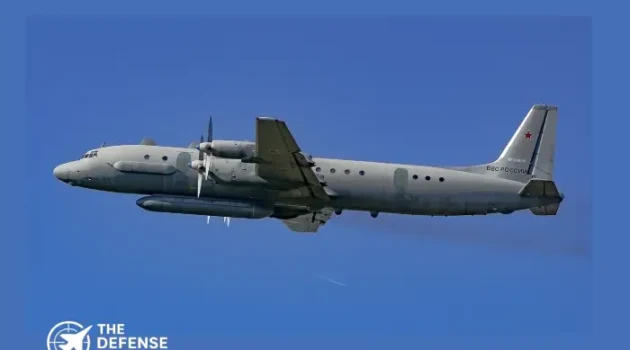
Poland intercepted a Russian IL-20M electronic intelligence aircraft operating near NATO-controlled Baltic airspace, prompting a rapid response from the Polish Air Force.
The incident highlights growing surveillance activity around NATO’s eastern flank and increasing pressure on regional air defense operations.
Poland Intercepts Russian IL-20M Spy Aircraft Near NATO Airspace
Poland intercepted a Russian IL-20M electronic intelligence aircraft near NATO Baltic airspace in the latest sign of mounting military friction along the alliance’s eastern frontier. Polish fighter aircraft were scrambled after the Russian surveillance platform approached sensitive airspace zones over the Baltic region.
The interception reflects continued NATO concerns over Russian aerial reconnaissance missions near allied territory, particularly around the Baltic Sea, where military activity has intensified since the start of the war in Ukraine.
The Russian aircraft involved was identified as the Ilyushin Il-20M, a specialized electronic intelligence and signals collection platform derived from the Soviet-era Il-18 airliner. The aircraft is designed to gather communications intelligence, radar emissions, and electronic signatures during reconnaissance operations.
Polish Air Force Responds To Baltic Surveillance Activity
Polish defense authorities reportedly ordered fighter aircraft to visually identify and monitor the Russian platform as it operated near NATO-controlled airspace corridors. While the aircraft did not reportedly violate sovereign Polish airspace, the proximity of the mission triggered standard NATO interception procedures.
The interception underscores how NATO member states continue to maintain elevated quick reaction alert operations across Eastern Europe. Poland has become one of the alliance’s most active frontline states due to its geographic position bordering both Belarus and the Russian exclave of Kaliningrad.
The Polish Air Force regularly conducts air policing missions alongside NATO partners, including the United States and other allied air forces operating in the Baltic theater.
What The Russian IL-20M Is Designed To Do
The Ilyushin Il-20M plays a central role in Russia’s airborne intelligence gathering network. Equipped with side-looking airborne radar, electronic surveillance sensors, and signals interception systems, the aircraft is primarily used for monitoring military communications and radar activity.
Unlike conventional bomber or fighter aircraft, the IL-20M operates as a strategic intelligence collection platform. Its missions often focus on mapping air defense networks, collecting electromagnetic signatures, and monitoring military exercises.
Western defense analysts have repeatedly noted increased Russian ISR, intelligence, surveillance, and reconnaissance, flights near NATO borders over the past several years. These flights allow Moscow to monitor alliance deployments, naval movements, and regional air defense readiness.
The Baltic Sea region remains particularly sensitive because it connects several NATO member states while also bordering heavily militarized Russian territory.
NATO Airspace Pressure Continues To Increase
The latest Poland intercepts Russian aircraft incident comes amid broader concerns about military escalation and persistent aerial probing near NATO borders. Russian military aviation activity has remained elevated across the Baltic and Black Sea regions despite ongoing international sanctions and diplomatic pressure.
NATO has responded by expanding rotational deployments, increasing radar coverage, and strengthening integrated air and missile defense networks across Eastern Europe.
Poland, in particular, has accelerated major defense modernization programs involving advanced fighter aircraft, missile defense systems, and airborne surveillance capabilities. Warsaw has emerged as one of NATO’s fastest-growing military powers, driven largely by security concerns linked to Russia’s regional posture.
The repeated appearance of Russian reconnaissance aircraft near allied territory also places sustained operational demands on NATO quick reaction alert forces. Interception missions require continuous readiness, coordination between allied command structures, and rapid deployment capability.
Electronic Warfare And Intelligence Competition Intensify
The interception also highlights the growing importance of electronic warfare and intelligence operations in modern military competition. Aircraft such as the Ilyushin Il-20M are increasingly used to collect battlefield-relevant data without directly entering hostile airspace.
This type of intelligence gathering allows military planners to assess radar coverage, communication networks, and air defense response times. NATO air policing missions are therefore not only about territorial defense but also about protecting sensitive operational signatures from foreign surveillance.
Military analysts increasingly view the Baltic region as one of Europe’s most electronically contested environments, where both NATO and Russian forces conduct persistent monitoring activities.
Strategic Implications For NATO’s Eastern Flank
Poland’s interception operation demonstrates the alliance’s continued emphasis on deterrence and rapid response along NATO’s eastern flank. The Baltic region remains strategically critical because it links Northern and Central European defense corridors while sitting adjacent to Russian military infrastructure.
Although such intercepts are not uncommon, their frequency illustrates the sustained level of military tension between NATO and Russia. Surveillance missions, air policing operations, and intelligence flights have become routine components of the broader security competition unfolding across Europe.
For NATO members, maintaining constant readiness against reconnaissance and electronic intelligence missions remains a key operational priority.
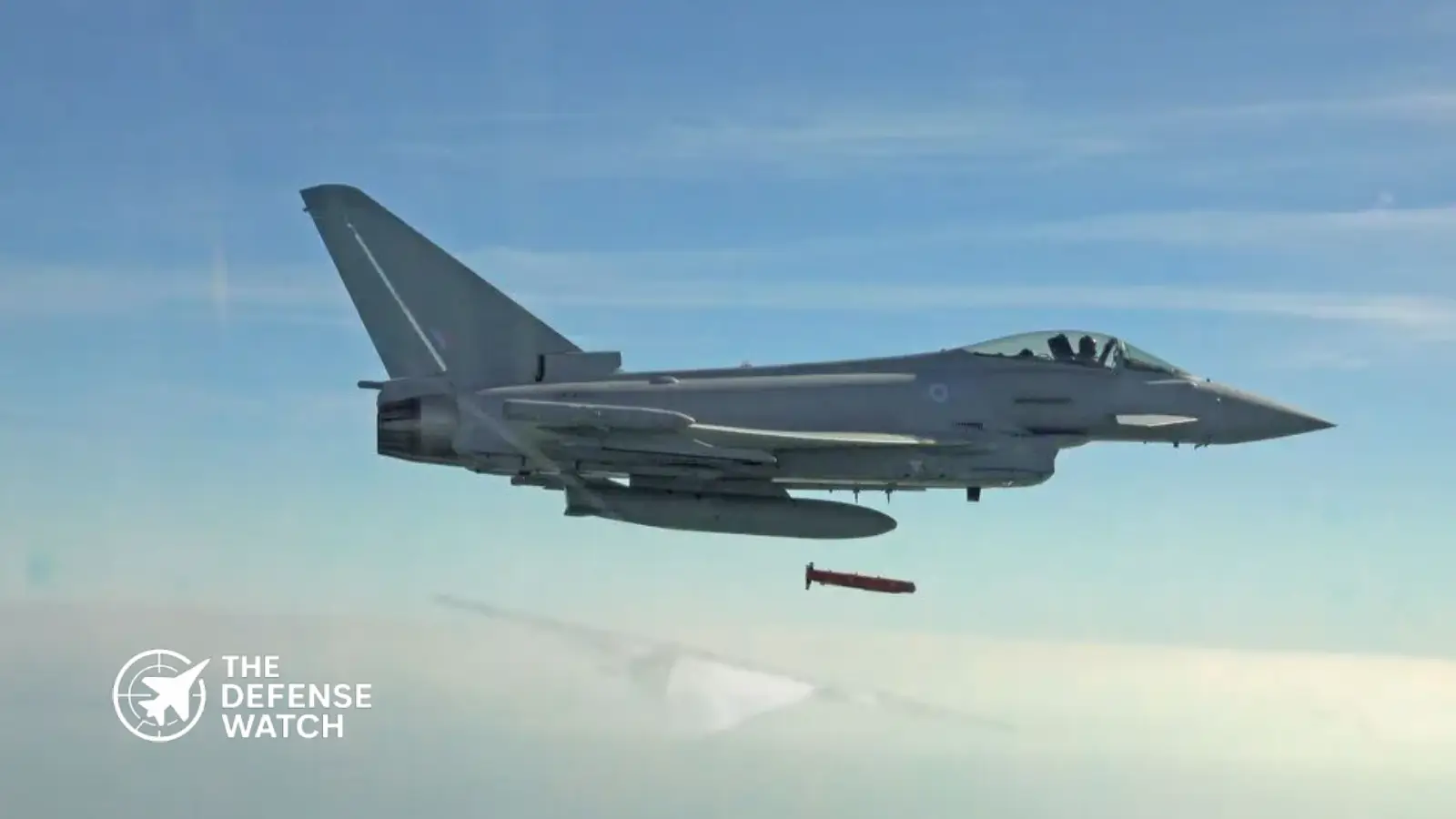
Executive Summary
The UK Ministry of Defence has approved the purchase of the GBU-53/B StormBreaker precision-guided bomb for the F-35B fleet. The move is intended to provide an interim standoff strike capability while the domestically developed SPEAR 3 missile remains delayed.The decision highlights ongoing pressure on Britain’s F-35 weapons integration roadmap and reflects growing concern over maintaining credible strike options in contested airspace.
UK Confirms F-35 Standoff Bomb Buy
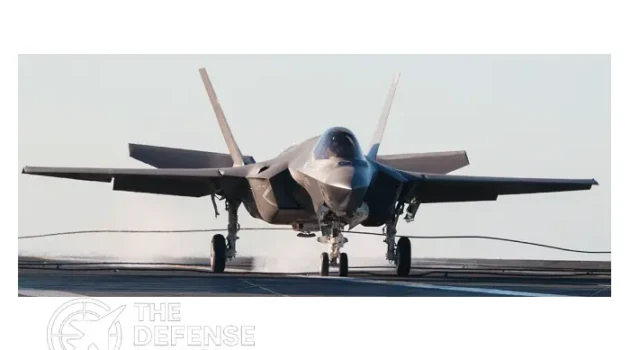
The UK F-35 standoff bomb acquisition marks a significant shift in Britain’s approach to sustaining operational strike capability for its fifth-generation fighter fleet.
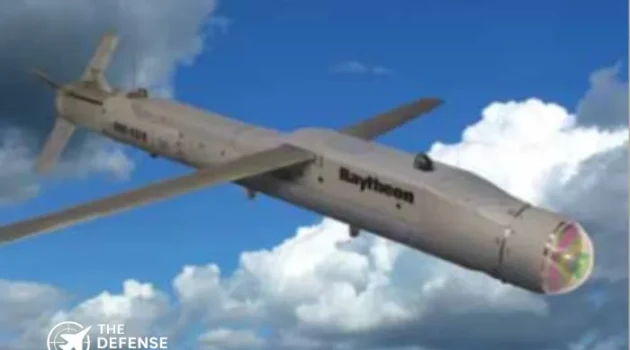
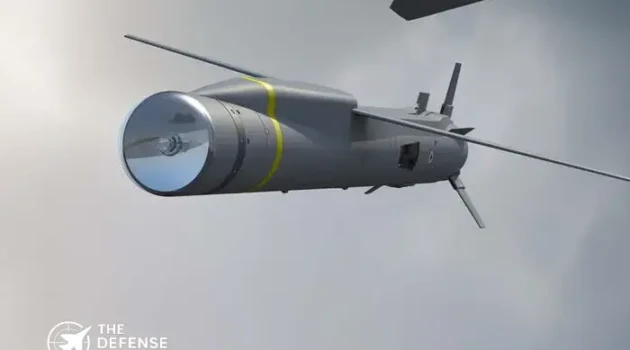
Britain has approved the procurement of the U.S.-made GBU-53/B Small Diameter Bomb II, also known as StormBreaker, through the Foreign Military Sales process. The weapon will serve as an interim solution until the delayed MBDA SPEAR 3 missile enters operational service.
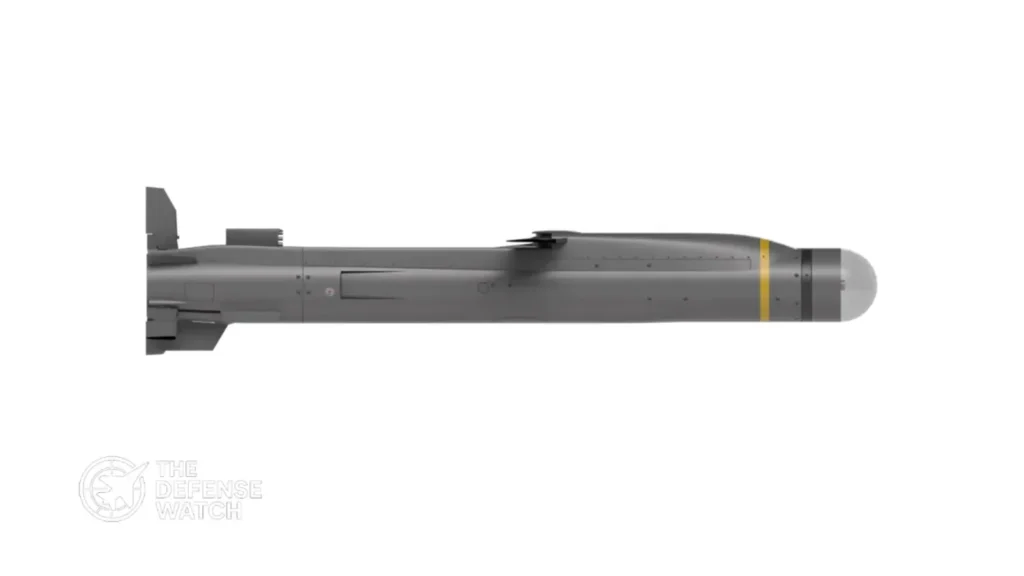
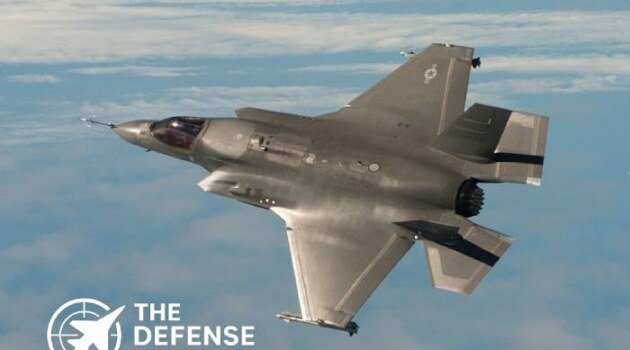
The decision follows mounting scrutiny over the limited air-to-ground weapons currently available to the UK’s F-35B Lightning II aircraft. At present, British F-35Bs primarily rely on the Paveway IV precision-guided bomb for strike missions. Analysts and parliamentary oversight bodies have repeatedly warned that the aircraft lacks sufficient long-range standoff capability against advanced air defense systems.
Why Britain Is Buying StormBreaker
The StormBreaker weapon offers the UK an immediate capability increase without waiting for SPEAR 3 integration to be completed.
Manufactured by RTX, the GBU-53/B is designed to engage moving and stationary targets in poor weather and contested environments. The weapon combines millimeter-wave radar, infrared imaging, semi-active laser guidance, and GPS-assisted navigation. Its glide capability allows engagement ranges exceeding 100 kilometers under optimal launch conditions.
For the UK, the purchase addresses a growing operational gap.
SPEAR 3 was originally intended to become the primary precision strike weapon for British F-35Bs. The missile, developed by MBDA, features a turbojet-powered design with a reported range exceeding 140 kilometers. It was specifically engineered for internal carriage inside the F-35B weapons bay to preserve stealth characteristics.
However, the program has experienced repeated delays tied to integration challenges, supplier performance issues, and broader schedule adjustments associated with F-35 Block 4 modernization efforts. British officials now expect SPEAR 3 operational deployment to begin around fiscal year 2028-29, while some reports suggest full service entry could slip further into the early 2030s.
Strategic Impact On UK Carrier Strike Operations
The purchase has direct implications for Britain’s carrier strike strategy.
The Royal Navy’s Queen Elizabeth-class aircraft carriers depend heavily on the F-35B as their principal strike aircraft. Without an effective long-range precision weapon, the survivability and operational flexibility of carrier-based air wings could be constrained in high-threat environments.
StormBreaker provides a temporary solution that allows British F-35Bs to engage targets from safer stand-off distances while preserving low observable characteristics. The acquisition also aligns the UK more closely with U.S. F-35 operational weapon standards, potentially simplifying coalition interoperability during NATO operations.
The move also reflects a broader pattern among Western militaries seeking near-term capability solutions while next-generation weapons programs face development delays.
Pressure On Britain’s F-35 Modernization Plans
The UK F-35 standoff bomb decision also exposes wider challenges surrounding Britain’s combat air modernization timeline.
Britain completed delivery of its first 48 F-35B aircraft earlier this year and continues evaluating future procurement plans tied to broader defense spending reviews.
Yet weapons integration has emerged as a persistent weakness within the program.
While other F-35 operators have integrated a wider range of stand-off munitions, the UK’s aircraft have remained comparatively limited in strike flexibility. Parliamentary oversight bodies and defense analysts have increasingly questioned whether delays to SPEAR 3 risk undermining the long-term effectiveness of Britain’s carrier strike force.
The interim StormBreaker acquisition suggests the Ministry of Defence is prioritizing immediate operational readiness over waiting for a fully sovereign solution.
At the same time, Britain continues investing heavily in SPEAR 3 development. The missile remains central to the UK’s long-term concept for deep precision strike operations and future combat air integration.
Broader NATO And Operational Relevance
The decision comes amid renewed focus across NATO on survivability in contested airspace.
Modern integrated air defense systems, including long-range surface-to-air missile networks, have reinforced demand for air-launched precision weapons capable of engaging targets from outside high-risk engagement zones.
By moving ahead with the StormBreaker acquisition, the UK ensures its F-35B fleet retains a relevant strike capability while more advanced domestic weapons continue development.
The procurement also reflects the increasing importance of rapid capability adaptation in current defense planning cycles, particularly as European militaries seek to close gaps exposed by recent operational assessments and evolving regional security threats.

A routine Air Force Reserve training flight turned into a real-world Atlantic Ocean rescue mission that saved 11 survivors after a civilian aircraft went down off Florida’s coast.
Executive Summary:
Air Force Reserve personnel from the 920th Rescue Wing rescued 11 survivors after a civilian aircraft crashed into the Atlantic Ocean east of Melbourne, Florida. The mission demonstrated the wing’s rapid response capability and coordination with U.S. Coast Guard rescue assets during a real-world emergency operation.Air Force Reserve Rescue Wing Responds To Atlantic Ocean Aircraft Emergency
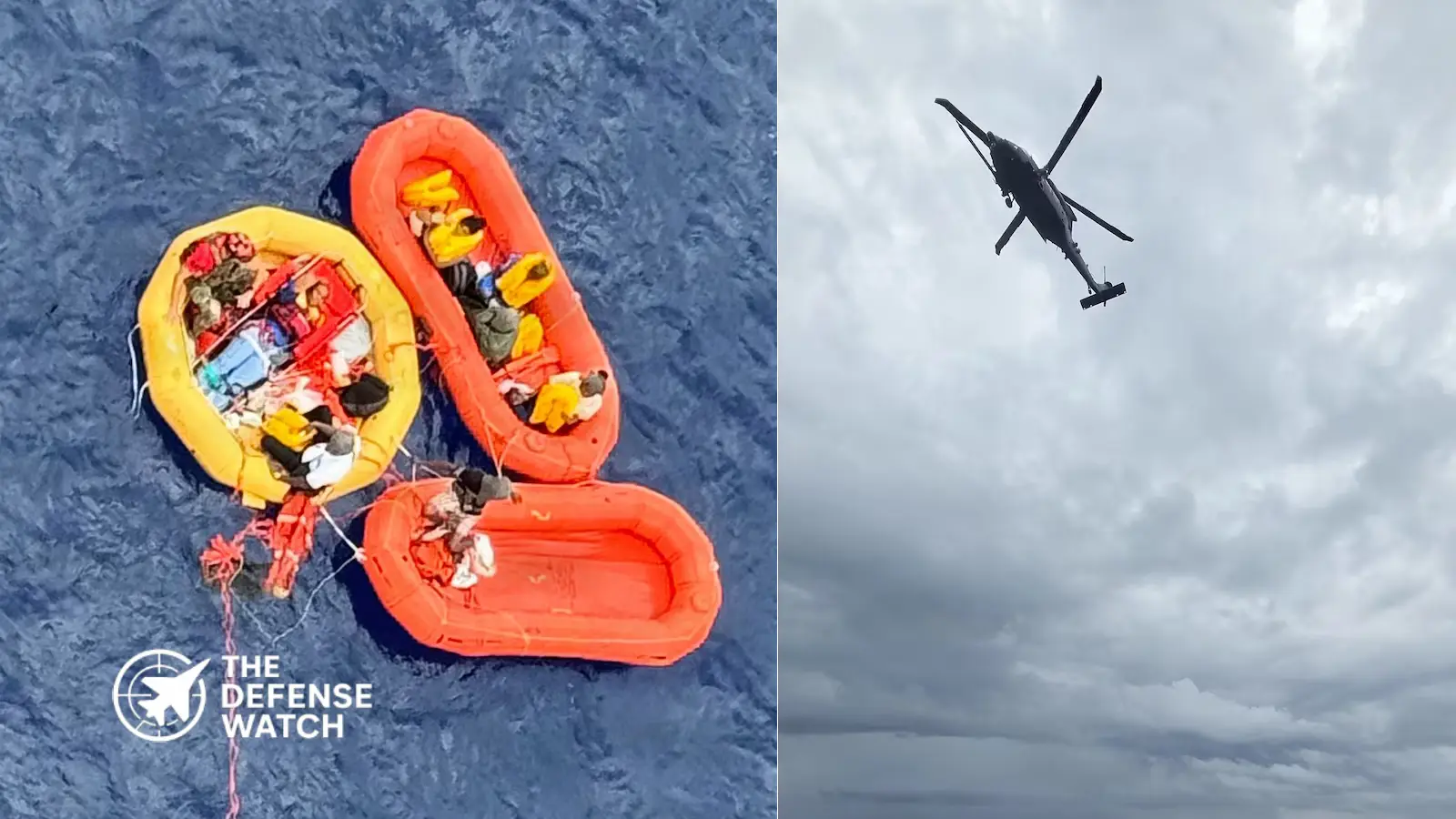
The Air Force Reserve rescue mission off the Florida coast on May 12 highlighted the operational readiness of the U.S. military’s dedicated combat search and rescue forces. Airmen assigned to the 920th Rescue Wing assisted in rescuing 11 survivors after a civilian aircraft went down approximately 80 miles east of Melbourne, Florida.
According to official details released by the U.S. Air Force, the rescue effort began after Coast Guard Southeast District watch standers detected an emergency locator transmitter signal from a small aircraft operating over the Atlantic Ocean.
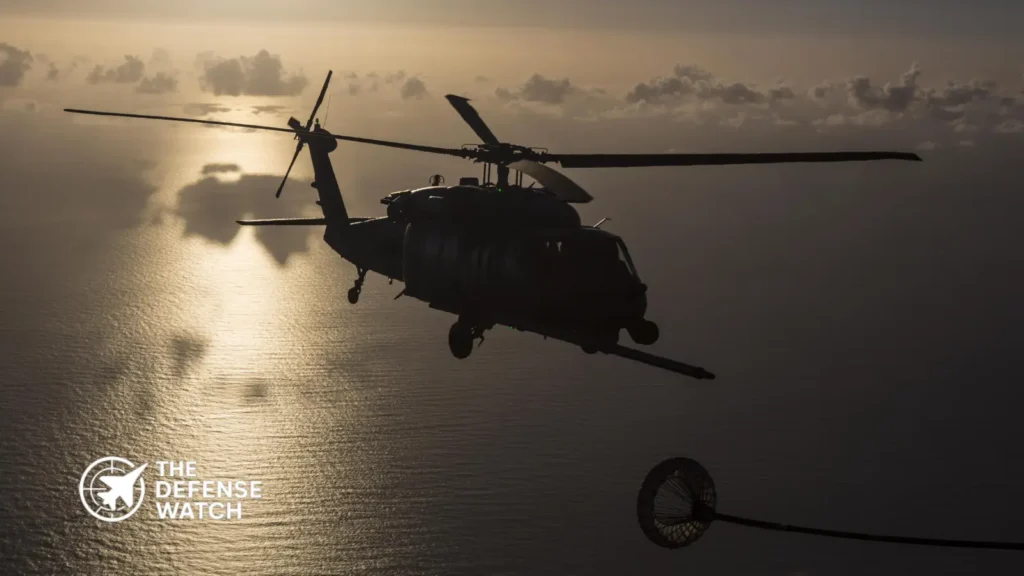
At the time of the alert, a U.S. Air Force HH-60W Jolly Green II helicopter crew from the reserve wing was already airborne conducting a routine training mission. The crew was immediately redirected to support the developing search and rescue operation.

Image Source : Dow The rescue mission quickly evolved into a coordinated interagency response involving the U.S. Coast Guard and multiple Air Force rescue aircraft. Working together, crews located a life raft near the downed civilian aircraft and recovered 11 Bahamian adults stranded at sea.
Airmen aboard the HH-60W helicopter conducted hoist operations to safely recover all survivors before transporting them to emergency medical personnel waiting at Melbourne Orlando International Airport.
Officials stated that all 11 individuals were reported in stable condition following the rescue.
The aircraft involved reportedly departed Marsh Harbour in the Bahamas and was traveling to Freeport when it suffered engine failure over the Atlantic. Bahamian authorities are expected to investigate the incident.
920th Rescue Wing Demonstrates Operational Readiness
The operation underscored the importance of maintaining dedicated combat search and rescue units capable of rapidly transitioning from training scenarios to live emergency operations.
Air Force Col. Chadd Bloomstine, commander of the 920th Operations Group, said the rescue reflected the professionalism and interoperability that rescue aircrews train for regularly.
The incident also demonstrated how Air Force Reserve rescue assets continue to support civilian emergency response missions in addition to military operations. While the 920th Rescue Wing primarily supports combat search and rescue requirements, its crews are routinely tasked with assisting civil authorities during maritime emergencies, humanitarian operations, and disaster response efforts.
Image Source : Dow That dual-role capability has become increasingly important as the U.S. military expands domestic support coordination with agencies such as the U.S. Coast Guard and FEMA.
Multiple Rescue Aircraft Supported Search Effort
Additional support came from a United States Coast Guard Air Station Clearwater C-27 Spartan aircrew and an HC-130J Combat King II aircraft operating from Patrick Space Force Base.
The HC-130J Combat King II serves as one of the Air Force’s primary long-range personnel recovery platforms, designed to coordinate rescue missions in contested and remote environments. In operations such as the Florida rescue mission, the aircraft provides extended search coverage, airborne command-and-control support, and refueling coordination for rotary-wing rescue assets.
The successful rescue also highlighted the expanding operational role of the HH-60W Jolly Green II helicopter fleet. Developed to replace aging HH-60G Pave Hawk helicopters, the aircraft provides improved survivability, advanced communications systems, expanded fuel capacity, and greater operational range for combat and civilian rescue missions.
While primarily designed for contested combat rescue operations, the platform continues proving valuable in domestic emergency response missions across U.S. coastal regions.
Strategic Importance Of Combat Search And Rescue Forces
The 920th Rescue Wing remains the Air Force Reserve’s only combat search and rescue wing, making it a critical component of U.S. personnel recovery operations.
Its mission set includes:
- Combat search and rescue
- Maritime emergency response
- Humanitarian assistance
- Disaster relief support
- Civil authority assistance operations
The rescue off Florida illustrates how military aviation assets frequently provide immediate response capability during civilian emergencies, particularly in maritime regions where response times can determine survival outcomes.
For the U.S. Air Force, these operations also reinforce the operational relevance of personnel recovery forces at a time when the Pentagon continues emphasizing rapid-response capabilities across multiple theaters.
Executive Summary:
The U.S. Air Force has launched a long-term KC-46A readiness initiative aimed at increasing tanker aircraft availability by 20% by 2030. The effort focuses on sustainment, maintenance efficiency, and fleet modernization as aerial refueling demand expands across multiple theaters.U.S. Air Force Launches KC-46A Readiness Initiative
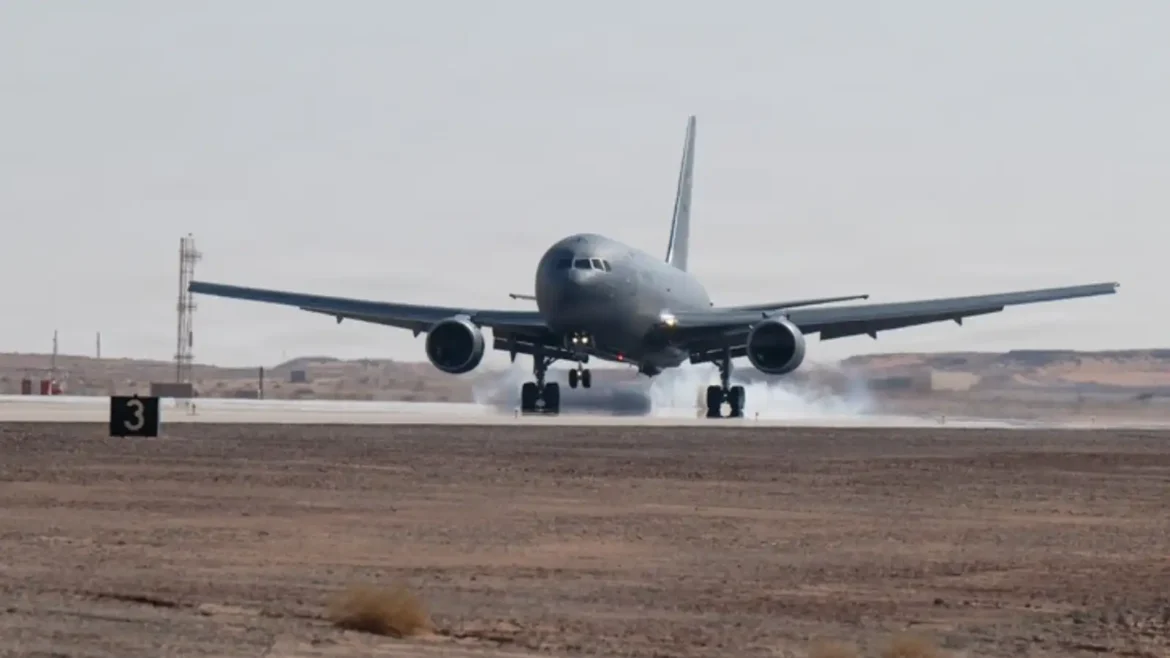
The U.S. Air Force has introduced a new KC-46A readiness plan designed to improve operational availability of its growing aerial refueling fleet by 20% before the end of the decade. The initiative reflects increasing demand for tanker support across Indo-Pacific, European, and Middle Eastern operational environments.
The effort centers on sustainment reform, predictive maintenance, supply chain optimization, and stronger coordination between the Air Force and industry partners.
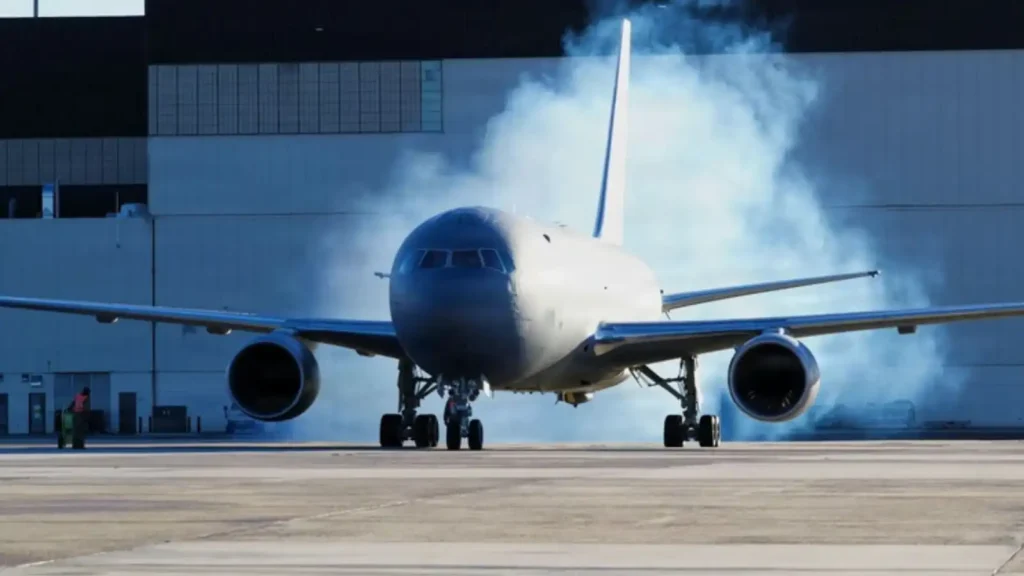
The KC-46A Pegasus, developed by Boeing, is intended to gradually replace portions of the aging KC-135 Stratotanker fleet while expanding modern aerial refueling capabilities for joint and allied operations.
Why The KC-46A Fleet Matters
The KC-46A has become one of the Air Force’s most strategically important aviation programs. Modern U.S. military operations depend heavily on aerial refueling to sustain long-range fighter patrols, bomber deployments, intelligence missions, and rapid force projection.
As tensions continue to rise in the Indo-Pacific region and Europe, tanker aircraft availability has become increasingly critical. The Air Force has repeatedly identified aerial refueling capacity as a major enabler for distributed combat operations and long-range deterrence missions.
The new readiness plan appears designed not only to improve aircraft availability rates, but also to reduce maintenance bottlenecks that have affected fleet performance during the platform’s early operational years.
Sustainment And Maintenance Reforms
The KC-46A readiness plan reportedly includes several operational improvements focused on increasing aircraft mission-capable rates.
These measures include:
- Expanded predictive maintenance tools
- Improved spare parts availability
- Reduced depot maintenance delays
- Streamlined logistics coordination
- Enhanced digital sustainment systems
The Air Force is also expected to increase data-driven maintenance planning to reduce unplanned downtime and improve sortie generation rates.
Image : U.S. Air Force This approach mirrors broader Pentagon-wide efforts to modernize aircraft sustainment using digital logistics management and condition-based maintenance technologies.
KC-46A Program Continues To Mature
The KC-46A program has experienced a difficult development path since its initial contract award. The aircraft faced years of technical deficiencies involving its Remote Vision System (RVS), refueling boom performance, and other operational systems.
However, the platform has gradually expanded operational deployments while supporting real-world missions for U.S. and allied forces.
The tanker is capable of refueling a wide range of aircraft, including:
- F-35 Lightning II
- F-22 Raptor
- B-52 Stratofortress
- C-17 Globemaster III
- Allied NATO aircraft
The aircraft also provides cargo transport, aeromedical evacuation, and command-and-control support capabilities.
The Air Force continues working with Boeing on the upgraded Remote Vision System 2.0, which remains one of the most important remaining modernization efforts for the platform.
Strategic Pressure Driving Tanker Modernization
The KC-46A readiness initiative comes as the Air Force faces growing operational pressure in multiple regions simultaneously.
In the Indo-Pacific, tanker aircraft are considered essential for sustaining combat aircraft over long distances where forward basing options may be limited during a conflict scenario involving China.
In Europe, NATO air operations supporting deterrence missions against Russia have increased demand for aerial refueling support since the outbreak of the Ukraine war.
At the same time, Middle East operations continue requiring persistent tanker support for surveillance, strike coordination, and regional force protection missions.
This operational environment is forcing the Air Force to maximize availability across its tanker inventory while accelerating modernization of aging fleets.
Industrial And Budget Implications
The readiness initiative may also carry significant implications for defense industry sustainment contracts over the coming years.
Improving fleet readiness often requires expanded partnerships between the Air Force, aircraft manufacturers, and logistics suppliers. Boeing and associated contractors are expected to remain heavily involved in sustainment optimization efforts tied to the KC-46A program.
The Air Force has already accepted dozens of KC-46A aircraft and plans to continue expanding the fleet under existing procurement schedules.
Despite earlier technical setbacks, the service continues treating the Pegasus as the backbone of its future aerial refueling architecture.
Operational Analysis
The Air Force’s decision to prioritize KC-46A readiness highlights a broader shift in Pentagon planning toward sustainment resilience rather than purely platform acquisition.
Aircraft availability rates increasingly matter as much as fleet size. A tanker fleet with low mission-capable rates can significantly reduce combat airpower projection during high-tempo operations.
The 20% availability target by 2030 suggests the Air Force is attempting to address readiness concerns before the KC-46A becomes fully central to U.S. global tanker operations.
The initiative also reflects lessons learned from recent operational demands, where logistics and sustainment capacity have become major strategic factors in prolonged military deployments.
Executive Summary:
RS-Intercept has expanded its intelligence, surveillance, and reconnaissance fleet through the acquisition of former U.S. Air Force U-28A Draco and PC-12 aircraft. The move highlights growing demand for adaptable ISR platforms capable of supporting government, defense, and special mission operations.RS-Intercept Expands ISR Fleet With USAF U-28A Draco And PC-12 Aircraft
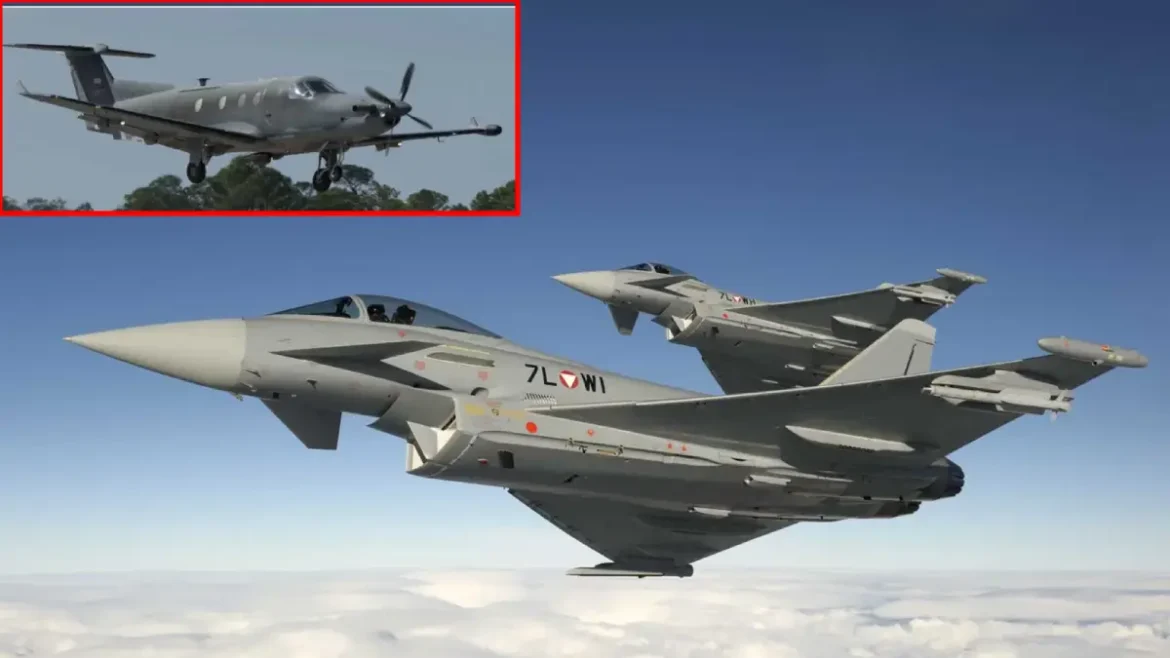
RS-Intercept’s acquisition of former USAF U-28A Draco and PC-12 aircraft marks another step in the growing secondary market for proven intelligence, surveillance, and reconnaissance platforms. The aircraft, previously associated with U.S. Air Force special operations missions, are expected to support a range of airborne ISR and special mission roles.
The U-28A Draco is a militarized variant of the Pilatus PC-12 aircraft and has long served within U.S. Special Operations Command. The aircraft is widely recognized for supporting intelligence gathering, battlefield surveillance, target tracking, and personnel recovery missions in contested and remote operating environments.
The acquisition reflects a broader trend in which private defense aviation companies increasingly seek retired military ISR aircraft to support government agencies, partner nations, and contractor-operated missions.
Why The U-28A Draco Remains Relevant
The U-28A Draco remains one of the most versatile light ISR aircraft in service history. Operated primarily by the U.S. Air Force Special Operations Command (AFSOC), the platform gained prominence during operations in the Middle East, Africa, and other irregular warfare environments.
Unlike larger surveillance aircraft, the U-28A combines low operating costs with the ability to deploy rapidly from austere airfields. The aircraft can carry advanced electro-optical and infrared sensor systems, secure communications equipment, and mission-specific surveillance payloads.
Its endurance and flexibility made it particularly valuable during counterterrorism operations, where persistent airborne surveillance was required without deploying larger and more expensive aircraft.
The PC-12 platform itself has established a strong reputation globally for reliability, long endurance, and operational flexibility. Multiple military and law enforcement organizations use modified PC-12 aircraft for border security, maritime patrol, ISR, and transport missions.
Growing Demand For Contractor-Operated ISR Aircraft
RS-Intercept’s expansion comes at a time when contractor-operated ISR services are becoming increasingly important across defense and security sectors.
Governments and military organizations are seeking cost-effective ISR solutions that can be deployed quickly without requiring large force structures. As a result, retired military aircraft with established operational records are attracting renewed interest.
Aircraft such as the U-28A Draco offer several advantages in this environment:
- Proven operational performance
- Existing logistics and maintenance knowledge
- Compatibility with ISR mission systems
- Lower procurement costs compared to new-build platforms
- Flexibility for both domestic and overseas missions
The transfer of former military aircraft into the commercial defense aviation market also reflects changing operational priorities. Many nations are focusing on persistent surveillance, border monitoring, maritime security, and irregular warfare support rather than relying solely on high-end combat aviation assets.
ISR Aircraft Continue To Shape Modern Operations
The demand for airborne ISR platforms has accelerated due to evolving security challenges, including regional instability, unmanned systems proliferation, and transnational threats.
Light surveillance aircraft remain particularly effective because they can sustain long-duration missions while operating at significantly lower costs than larger jet-powered ISR aircraft.
Platforms derived from civilian aircraft designs, including the Pilatus PC-12, are increasingly favored for missions requiring discretion, endurance, and operational efficiency.
Industry analysts note that the reuse of retired military ISR aircraft also shortens deployment timelines. Operators can integrate mission systems into proven airframes rather than waiting years for newly manufactured aircraft deliveries.
For RS-Intercept, the addition of the U-28A Draco and PC-12 aircraft likely strengthens its ability to support intelligence collection, airborne surveillance, training, and specialized aviation missions across multiple operational environments.
Strategic Significance Of The Acquisition
The acquisition underscores how ISR capabilities continue to play a central role in modern defense planning. Surveillance aircraft are now essential not only during major conflicts, but also in peacetime security operations, border enforcement, disaster response, and counter-smuggling missions.
Former U.S. military ISR aircraft remain especially attractive due to their combat-proven reliability and established mission pedigree.
The U-28A Draco, in particular, represents a platform with years of operational experience supporting special operations forces in demanding theaters. Its continued use outside direct military service demonstrates the long-term value of adaptable ISR aircraft in today’s security environment.
Executive Summary:
Hanwha Aerospace has confirmed participation in South Korea’s indigenous long-range air-to-air missile program aimed at replacing the MBDA Meteor missile in Republic of Korea Air Force service.
The missile will support the KF-21 fighter program and reflects Seoul’s broader push for defense self-reliance and advanced aerospace weapons development.Hanwha Long-Range Air-To-Air Missile Program Advances
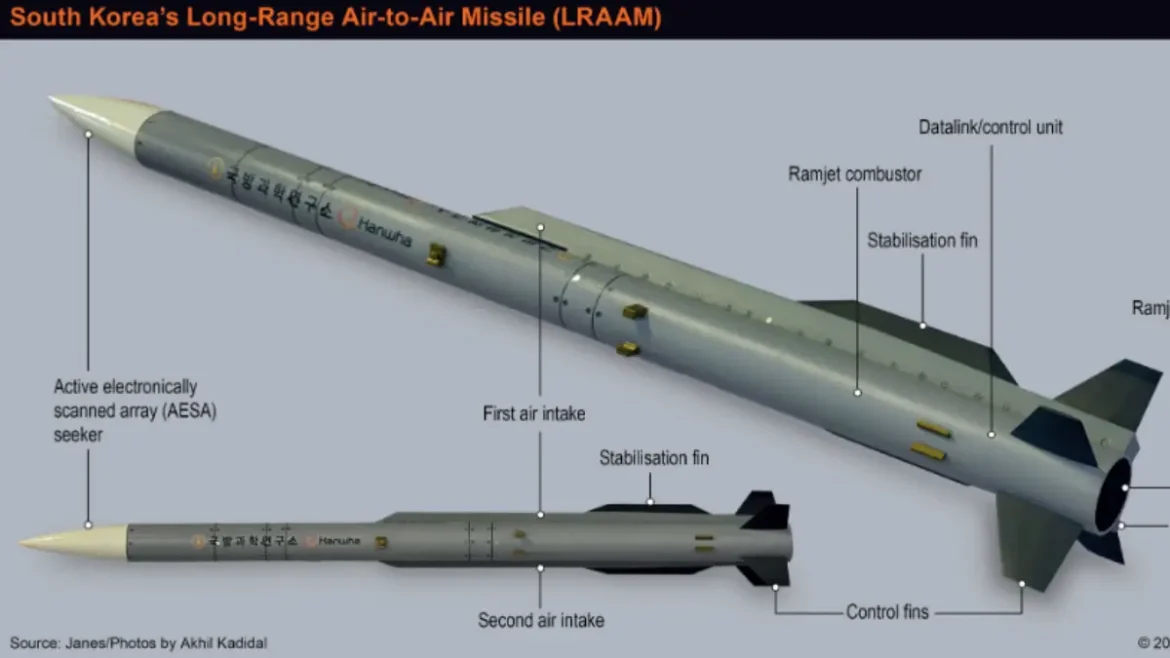
South Korea’s new long-range air-to-air missile program is moving into full development as Hanwha Aerospace works alongside the country’s defense authorities to build an indigenous beyond-visual-range weapon comparable to the European Meteor missile.
The missile is intended to eventually replace imported Meteor BVRAAMs currently planned for South Korea’s next-generation fighter fleet.
The long-range air-to-air missile program is being led by South Korea’s Agency for Defense Development (ADD), while Hanwha Aerospace is contributing propulsion and missile technologies developed over nearly two decades of ramjet research.
Development is scheduled to run from 2026 through 2033 under a government-led framework. The effort follows approval from South Korea’s Defense Acquisition Program Committee in late 2025.
Designed To Support KF-21 Air Combat Capability
The new missile is expected to become a key component of the KF-21 Boramae fighter program, which remains central to Seoul’s long-term military aviation modernization strategy.
South Korea currently relies on foreign suppliers for advanced air-to-air missiles, including the MBDA Meteor. While the Meteor remains one of the most capable ramjet-powered BVRAAMs in operational service, Seoul increasingly views domestic missile production as strategically necessary.
The Hanwha long-range air-to-air missile is expected to use a solid-fuel ducted ramjet propulsion system. That propulsion architecture is designed to sustain energy over long distances, allowing missiles to retain maneuverability and speed deeper into engagement envelopes compared with conventional rocket-powered systems.
A concept model displayed during Seoul ADEX 2025 showed a missile design visually similar to Meteor, including dual ramjet air intakes. However, the South Korean concept also included stabilizing fins around the intake section, indicating possible aerodynamic modifications tailored to domestic requirements.
Why The Program Matters Strategically
The missile project highlights a broader trend across Asia in which regional powers are attempting to reduce dependence on imported precision weapons and aerospace systems.
South Korea has already invested heavily in indigenous missile defense systems, including the L-SAM and L-SAM II programs. Hanwha Aerospace has become one of the country’s most prominent defense manufacturers through programs involving artillery rockets, missile defense, armored systems, and aerospace technologies.
The air-to-air missile effort also aligns with Seoul’s ambitions to improve export competitiveness for the KF-21 fighter. Export customers increasingly seek aircraft packages that include sovereign weapons integration rather than dependence on third-party missile approvals.
That issue has become more important globally as geopolitical tensions reshape defense supply chains and governments seek greater control over sustainment and munitions availability.
Analysts also note that ramjet-powered air-to-air missiles remain among the most technically demanding classes of guided weapons because they combine high-speed propulsion, advanced seekers, datalink integration, and long-range engagement requirements.
South Korea Expands Indigenous Missile Portfolio
The long-range missile program is not operating in isolation. South Korea is simultaneously pursuing a domestically developed short-range air-to-air missile program intended for the KF-21 platform.
Together, the short-range and long-range missile initiatives suggest Seoul is attempting to establish a fully domestic air combat weapons ecosystem for future fighter operations.
Hanwha Systems has also reportedly begun work tied to advanced missile seekers for future air-launched weapons.
At the same time, South Korean defense firms continue expanding internationally. Hanwha Aerospace recently secured major export agreements in Europe involving rocket artillery and missile production partnerships, strengthening the company’s position in the global defense market.
Outlook
The Hanwha long-range air-to-air missile remains years away from operational deployment, but the program represents an important step in South Korea’s broader aerospace and defense modernization effort.
If development proceeds on schedule, the missile could provide the Republic of Korea Air Force with an indigenous long-range air combat capability while reducing reliance on foreign missile suppliers for future KF-21 operations.
The project also signals South Korea’s growing ambition to compete in advanced guided weapon technologies traditionally dominated by the United States and major European defense manufacturers.
Executive Summary:
GE Aerospace has completed the Assembly Readiness Review for its XA102 adaptive cycle engine under the U.S. Air Force Next Generation Adaptive Propulsion program. The milestone confirms the engine design is ready for prototype assembly as the Pentagon pushes forward with sixth generation air dominance capabilities.GE Aerospace Advances XA102 Engine For U.S. Air Force NGAP Program
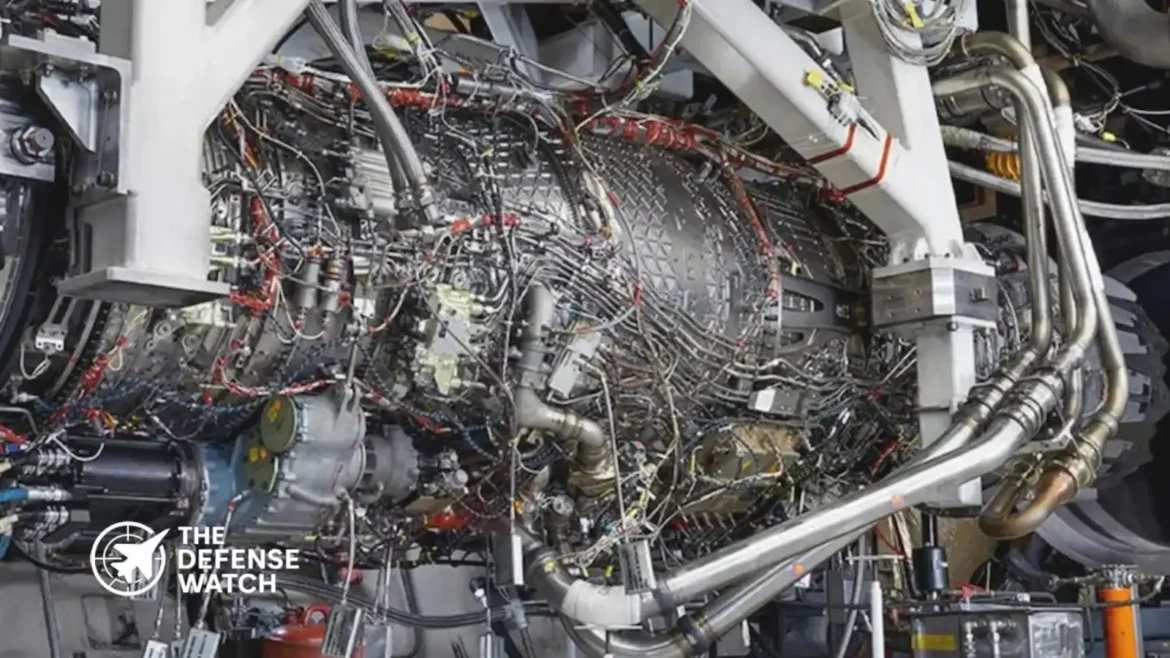
GE Aerospace has completed the Assembly Readiness Review (ARR) for its XA102 adaptive cycle engine, marking a significant step in the U.S. Air Force’s Next Generation Adaptive Propulsion (NGAP) initiative. The milestone confirms the engine program is transitioning from design and component validation into the assembly phase for a full scale demonstrator engine.
The XA102 engine is being developed to support future sixth generation combat aircraft expected to operate under the U.S. Air Force’s broader Next Generation Air Dominance (NGAD) effort. Adaptive cycle propulsion is viewed as a key enabling technology for future fighter aircraft because it promises greater fuel efficiency, increased thrust, and improved thermal management compared to current fighter engines.
According to GE Aerospace, the ARR validated manufacturing processes, tooling, supply chain readiness, and assembly planning needed to begin integrating the prototype powerplant. The review is considered a critical gate before full engine assembly operations can proceed.
Adaptive Engine Technology Remains Central To Future Air Combat
The XA102 is based on adaptive cycle engine technology, which allows airflow to be dynamically adjusted depending on mission requirements. Unlike conventional fighter engines that operate on a fixed cycle, adaptive engines can optimize between fuel efficiency and high performance thrust during different phases of flight.
That capability is increasingly important as future combat aircraft are expected to support larger onboard sensors, electronic warfare suites, artificial intelligence systems, and long range operations across contested regions such as the Indo Pacific.
The U.S. Air Force has repeatedly identified propulsion as one of the most important technologies for maintaining air superiority against near peer competitors. The NGAP effort specifically focuses on engines capable of powering future crewed combat aircraft while reducing fuel consumption and increasing operational range.
GE Aerospace stated that the XA102 incorporates advanced materials, digital engineering techniques, and thermal management systems intended to support the growing power demands of next generation platforms.
NGAP Program Reflects Broader Pentagon Modernization Goals
The NGAP initiative emerged after years of research conducted through the Adaptive Engine Transition Program (AETP), which previously supported the development of prototype engines from both GE Aerospace and Pratt & Whitney.
While earlier adaptive engine efforts explored re-engining existing fighters such as the Lockheed Martin F-35 Lightning II, the Pentagon later shifted focus toward propulsion systems designed specifically for future sixth generation aircraft.
That shift reflects evolving operational priorities. Future air combat concepts emphasize extended range, distributed operations, and survivability in heavily contested environments where aerial refueling and forward basing may be limited.
The XA102 program is therefore not simply an engine upgrade effort. It represents part of a broader redesign of how future American combat aircraft will operate in high threat theaters.
Industry analysts note that propulsion technology increasingly shapes the overall capability envelope of modern combat aircraft. Greater thermal capacity allows advanced sensors and directed energy systems to function more effectively, while improved fuel efficiency extends mission endurance and reduces tanker dependence.
Assembly Milestone Signals Program Momentum
Completion of the ARR suggests GE Aerospace has achieved sufficient maturity across both engineering and production planning to move toward demonstrator assembly and eventual testing.
Although the U.S. Air Force has released limited public details regarding NGAP timelines, propulsion development remains on a compressed schedule as the Pentagon seeks to field next generation systems during the 2030s.
The engine competition also remains strategically important for the U.S. defense industrial base. Maintaining multiple advanced propulsion manufacturers is viewed by defense officials as essential for sustaining innovation and long term production capacity.
GE Aerospace has continued investing heavily in military propulsion technologies across both conventional and advanced engine programs. The company argues adaptive propulsion could provide significant operational advantages for future combat aviation, particularly in scenarios requiring long range penetration and high electrical power generation.
At the same time, rising development costs and uncertainty surrounding future NGAD procurement levels continue to shape debate within the defense sector. Analysts have questioned how many sixth generation aircraft the Pentagon will ultimately acquire and whether production costs can remain sustainable.
Even so, propulsion development has remained a protected priority because engine technology typically requires long lead times and extensive testing before operational deployment.
Strategic Importance Of Adaptive Engines
The XA102 program underscores how propulsion technology has become a central element of military competition between major powers.
China and other competitors are also investing heavily in advanced combat aviation programs designed to challenge U.S. air superiority in future conflicts. As a result, the Pentagon sees next generation propulsion as critical not only for performance improvements but also for maintaining strategic deterrence.
Adaptive engines may ultimately allow future combat aircraft to fly farther, carry larger payloads, and support increasingly sophisticated onboard mission systems without sacrificing survivability.
For the U.S. Air Force, the successful transition of the XA102 into assembly represents another step toward developing the propulsion architecture needed for future air dominance operations.
Embraer Moves To Expand C-390 Sales In Colombia And Chile As Latin America Modernization Accelerates
Executive Summary: Embraer is seeking to expand sales of its C-390 Millennium military transport aircraft in Latin America, with Colombia and Chile identified as key potential buyers. The move reflects growing regional demand for modern tactical airlift capabilities. The strategy highlights intensifying competition in the medium military transport market.
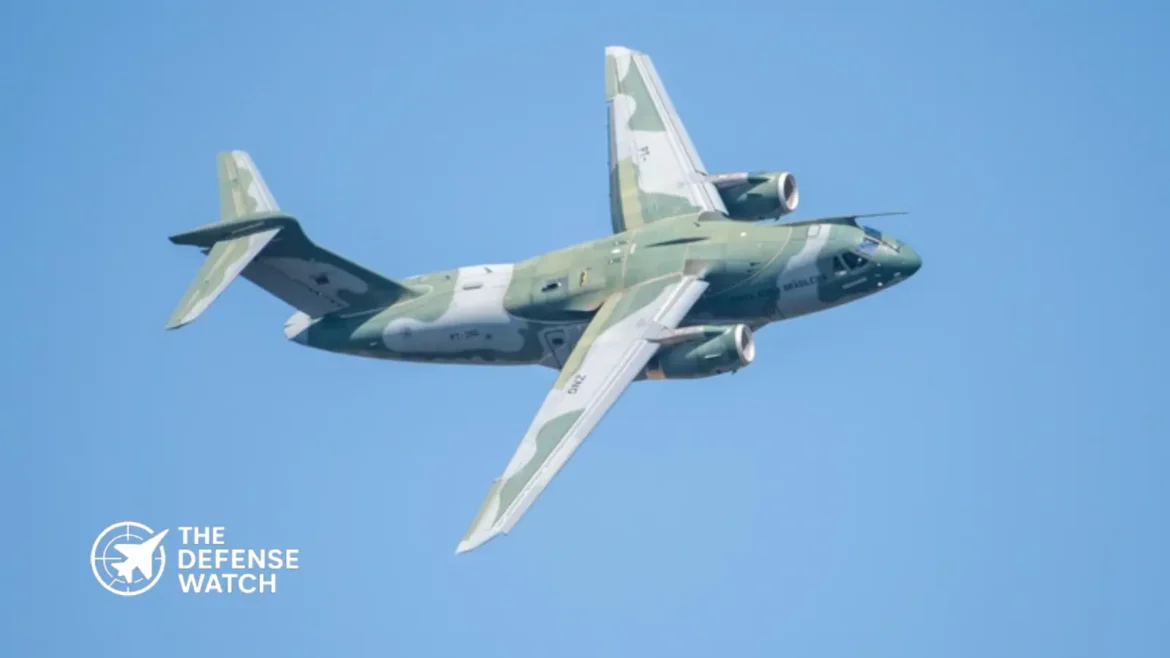
Embraer C-390 military aircraft is at the center of a renewed push by Embraer to expand its defense footprint in Latin America, with Colombia and Chile emerging as priority markets.
The company is positioning the C-390 Millennium as a next generation alternative in the tactical airlift segment, aiming to meet growing regional requirements for mobility, logistics support, and multi mission operations.
Latin America Becomes Key Growth Market For C-390 Military Aircraft
Embraer is actively pursuing new export opportunities for the Embraer C-390 military aircraft as several Latin American air forces assess modernization plans for aging transport fleets.
The C-390 Millennium is designed to perform a wide range of missions including troop transport, cargo delivery, medical evacuation, and aerial refueling. It is increasingly being marketed as a versatile replacement for legacy platforms such as older C-130 variants used across the region.
The companys strategy reflects a broader shift in defense procurement trends in Latin America, where countries are balancing limited budgets with the need for multi role capability aircraft.
Colombia And Chile Emerge As Strategic Targets
Colombia has been evaluating options to modernize its military transport fleet as it continues to operate aging aircraft that require higher maintenance and reduced operational availability. The Embraer C-390 military aircraft is seen as a candidate capable of improving readiness and reducing lifecycle costs.
Chile is also assessing long term replacement options for its air mobility fleet. The C-390 offers interoperability with NATO standards, which is increasingly relevant as Chile expands cooperation with Western defense partners.
Both nations represent strategically important customers for Embraer as it seeks to expand beyond its existing operators in Europe and Asia.
Competitive Positioning In Global Tactical Airlift Market
The Embraer C-390 military aircraft competes in a segment traditionally dominated by established Western platforms. However, Embraer has positioned the aircraft as a more modern and cost efficient solution with higher cruise speed and payload flexibility compared to legacy designs.
Unlike older turboprop based transports, the C-390 uses a twin engine jet configuration that allows faster deployment over long distances. This performance profile is particularly relevant for countries with large geographic territories or dispersed operational theaters.
The aircraft is also designed for interoperability in multinational operations, a factor that is becoming increasingly important in joint military exercises and coalition logistics planning.
Regional Defense Modernization Drives Demand
Across Latin America, defense forces are gradually increasing investment in mobility and logistics capabilities. This trend is driven by disaster response needs, border security requirements, and participation in multinational peacekeeping missions.
The Embraer C-390 military aircraft aligns with these priorities due to its multi mission flexibility and ability to operate from semi prepared airfields.
For Embraer, expanding sales in the region strengthens its position as a global competitor in the medium airlift category, where demand is expected to grow steadily over the next decade.
Industrial And Strategic Implications
Embraers push for additional C-390 sales in Colombia and Chile also carries industrial implications. Increased regional adoption could support long term maintenance, training, and logistics networks across South America.
This would reinforce Brazil’s role as a regional aerospace hub and reduce dependency on external suppliers for strategic airlift capabilities.
From a geopolitical perspective, greater adoption of the Embraer C-390 military aircraft may also reflect a gradual diversification of defense procurement sources in Latin America.
Market Outlook For C-390 Millennium
The C-390 Millennium continues to build its export profile, with Embraer focusing on expanding its customer base beyond initial operators. Future sales in Colombia and Chile would further validate the aircrafts positioning in the global market.
While competition remains strong, Embraer is emphasizing operational performance, lower lifecycle costs, and mission flexibility as key differentiators.
Executive Summary:
Parker Hannifin Corp. has received an $11.57 million U.S. Navy contract to overhaul 583 Secondary Bleed Air Pressure Regulating Valves used on F/A-18 aircraft. The effort supports long-term sustainment and operational readiness of the Navy’s carrier-based fighter fleet through December 2028.Parker Hannifin Wins U.S. Navy F/A-18 Sustainment Contract
Parker Hannifin has secured an $11,567,431 firm-fixed-price delivery order from the U.S. Navy for the overhaul of critical valve systems used aboard the Boeing F/A-18 Super Hornet fleet.
The contract covers the overhaul of 583 Secondary Bleed Air Pressure Regulating Valves, a key subsystem supporting aircraft pneumatic and environmental control functions. The award was issued under a previously established basic ordering agreement identified as N00383-24-G-BN01.
According to the Department of Defense announcement, all work will be conducted in Irvine, California, with project completion scheduled for December 2028.
Why The F/A-18 Valve Overhaul Matters
The Secondary Bleed Air Pressure Regulating Valve plays an important role within the F/A-18 aircraft’s bleed air management system. Bleed air systems are used to support several onboard functions, including cabin pressurization, environmental controls, engine-related pneumatic operations, and anti-icing systems.
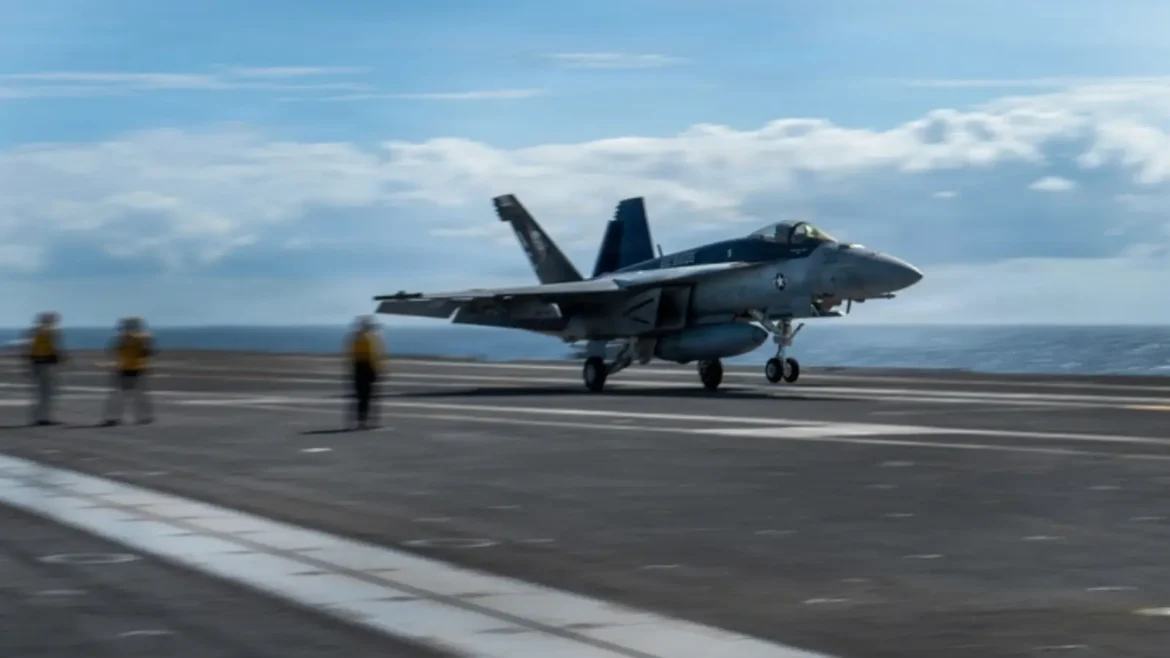
Sustainment contracts of this type are often less visible than new aircraft procurement deals, but they are critical to maintaining fleet readiness and operational availability. The U.S. Navy continues to rely heavily on the F/A-18 platform for carrier air wing operations while newer aircraft such as the Lockheed Martin F-35C Lightning II are introduced in limited numbers.
The latest award highlights how the Navy is investing not only in next-generation systems, but also in maintaining the reliability and service life of existing combat aircraft already deployed worldwide.
Sole-Source Award Reflects Specialized Sustainment Requirements
The contract was awarded on a sole-source basis under the authority of 10 U.S. Code 3204(a)(1), which permits federal agencies to proceed without full competition when only one responsible source is capable of fulfilling requirements.
Only one company was solicited and one offer was received for the requirement.
This arrangement reflects the highly specialized nature of aviation sustainment components, particularly for systems tied to certified aircraft safety and performance standards. Companies already integrated into military aviation supply chains often possess proprietary engineering data, tooling, and certification expertise required for overhaul work.
The contracting activity for the award is the Naval Supply Systems Command Weapon Systems Support in Philadelphia, Pennsylvania.
Broader Context In Naval Aviation Sustainment
The F/A-18 remains one of the Navy’s most heavily utilized tactical aircraft families despite ongoing modernization efforts across naval aviation. Carrier strike groups continue to depend on both legacy Hornets and Super Hornets for air superiority, strike missions, maritime security, and close air support operations.
As operational tempos remain high across the Indo-Pacific, Middle East, and European theaters, sustainment programs are increasingly central to maintaining combat readiness. Maintenance and overhaul contracts help reduce aircraft downtime and ensure mission-capable rates remain stable.
The Navy has also faced ongoing pressure to improve aircraft availability rates amid supply chain challenges and aging fleet concerns. Investments in component overhaul programs, including valves, avionics, landing gear systems, and engine support equipment, are part of a broader readiness strategy.
While the $11.5 million award is relatively modest compared to major aircraft procurement programs, it represents another example of how sustainment funding underpins long-term naval aviation operations.
Funding And Contract Details
Fiscal 2026 Navy working capital funds totaling the full contract value were obligated at the time of award. According to the announcement, those funds will not expire at the end of the current fiscal year.
The firm-fixed-price structure provides cost certainty for the government while placing performance responsibility on the contractor.
Industry analysts continue to note that sustainment spending across U.S. military aviation remains a major segment of the defense market, especially as platforms remain operational for decades beyond initial production.
Executive Summary:
The U.S. Air Force is aiming to field cargo-launched cruise missiles by 2027 under its Rapid Dragon program. The initiative seeks to transform transport aircraft into stand-off missile carriers, expanding operational flexibility and long-range strike capacity in contested environments, particularly in the Indo-Pacific.U.S. Air Force Accelerates Cargo-Launched Cruise Missile Program
The U.S. Air Force is moving aggressively to deploy cargo-launched cruise missiles by 2027 as part of its broader effort to strengthen long-range strike capabilities against increasingly sophisticated threats.
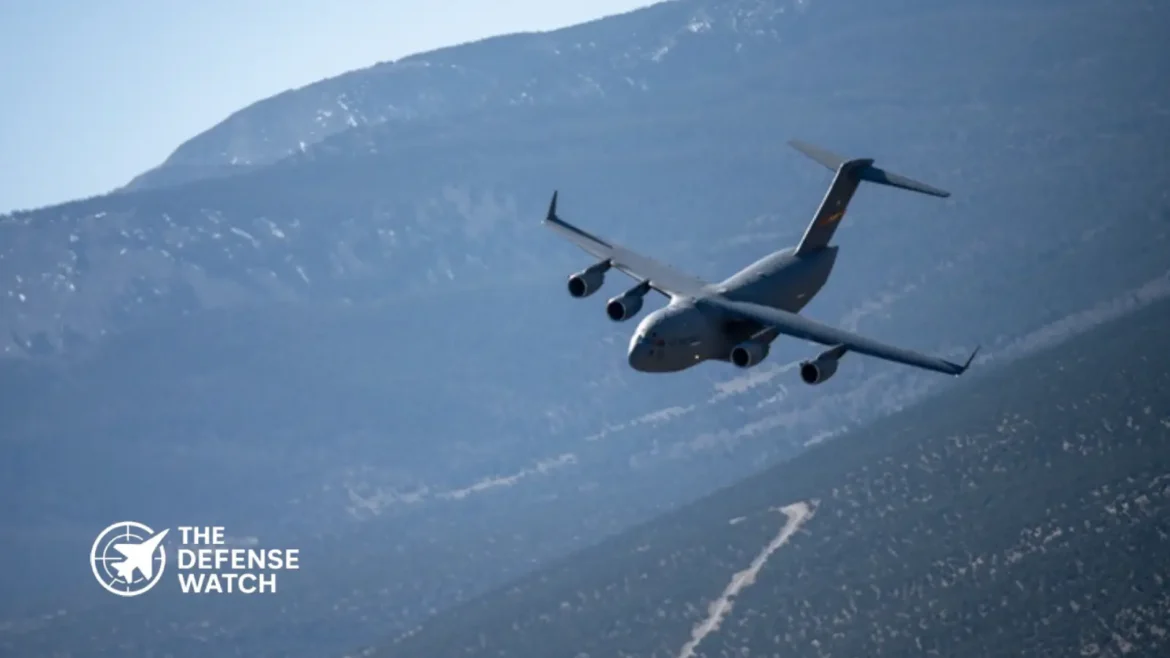
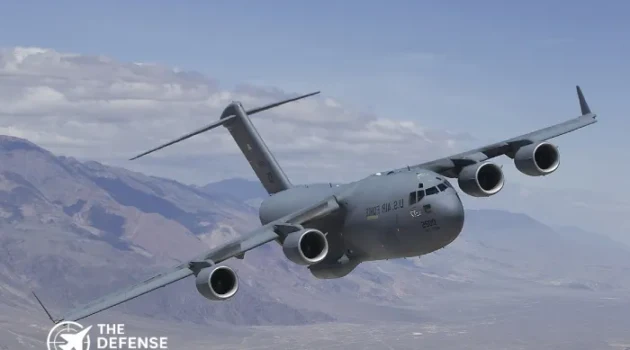
The initiative centers on the Rapid Dragon program, which enables transport aircraft such as the Lockheed Martin C-130J Super Hercules and Boeing C-17 Globemaster III to launch palletized cruise missiles from cargo bays without requiring permanent aircraft modifications.
The concept represents a significant shift in how the U.S. military could conduct stand-off strikes in future conflicts. Instead of relying solely on traditional bombers or fighter aircraft, the system allows mobility aircraft to serve as missile carriers capable of launching large salvos from outside heavily defended airspace.
The Air Force Research Laboratory, working alongside the Pentagon and industry partners, has already demonstrated successful live-fire tests involving palletized missile deployments.
Rapid Dragon Expands Operational Flexibility
The Rapid Dragon system was initially designed to provide a low-cost and rapidly scalable strike capability using existing cargo aircraft fleets.
Under the concept, cruise missiles are loaded onto pallets and dropped from the rear cargo ramp of an aircraft. Once released, parachutes stabilize the pallet before individual missiles separate, ignite, and proceed toward assigned targets.
Previous demonstrations have included launches of the AGM-158B Joint Air-to-Surface Standoff Missile Extended Range, commonly known as JASSM-ER. The missile offers long-range precision strike capability against high-value targets while allowing launch aircraft to remain outside hostile air defense coverage.
The operational advantage is substantial. The U.S. Air Force maintains a far larger fleet of transport aircraft than dedicated bombers. Converting cargo aircraft into temporary missile launch platforms could dramatically increase available strike capacity during a major conflict.
Military planners increasingly view this flexibility as essential for operations across the Indo-Pacific, where long distances and growing anti-access and area-denial networks present major challenges for conventional air operations.
Indo-Pacific Strategy Driving Development
The cargo-launched cruise missile effort aligns closely with evolving U.S. defense strategy focused on the Indo-Pacific region.
Chinese investments in advanced integrated air defenses, anti-ship ballistic missiles, and long-range sensors have forced the Pentagon to rethink traditional airpower deployment concepts. Distributed operations and survivable strike platforms are now central to American military planning.
By dispersing launch capability across multiple cargo aircraft, the Rapid Dragon system complicates enemy targeting calculations. Transport aircraft can also operate from a wider network of airfields than large bomber fleets, increasing operational resilience.
This approach supports the Pentagon’s broader Agile Combat Employment strategy, which emphasizes mobility, dispersion, and unpredictability in contested theaters.
The system could also offer strategic benefits beyond the Pacific. In Europe or the Middle East, palletized cruise missile launch capability would provide commanders with additional options during high-intensity operations without requiring forward deployment of specialized strike aircraft.
Air Force Seeks Faster Fielding Timeline
The U.S. Air Force’s reported goal of achieving operational deployment by 2027 reflects growing urgency within the Pentagon to accelerate modernization programs.
Defense officials have repeatedly warned that future conflicts could involve massed missile exchanges and rapidly contested airspace. Expanding launch capacity using existing aircraft inventories offers a comparatively affordable way to increase combat power without waiting for entirely new aircraft programs.
Unlike traditional weapons integration efforts, the Rapid Dragon concept minimizes structural aircraft modifications, reducing certification timelines and logistical complexity.
The system may also strengthen allied interoperability. Several partner nations already operate C-130 aircraft, potentially allowing compatible missile deployment concepts across coalition forces in future joint operations.
While the program remains in development, its progress underscores how the Pentagon is prioritizing adaptable and scalable strike solutions as geopolitical competition intensifies.
Strategic Analysis
The cargo-launched cruise missile program reflects a broader transformation in modern air warfare, where survivability and distributed lethality increasingly outweigh traditional force structure models.
For decades, strategic strike missions depended heavily on expensive bomber fleets and forward-based tactical aircraft. Rapid Dragon challenges that framework by converting support aircraft into operational strike assets with minimal preparation.
The concept also addresses a growing concern within the U.S. defense community: missile inventory depth. In a prolonged conflict against a near-peer adversary, sustaining large-scale precision strike operations may require far more launch platforms than current bomber numbers can provide.
Another key advantage lies in operational ambiguity. Cargo aircraft conducting routine transport missions are less predictable than dedicated strike aircraft, potentially complicating adversary intelligence and targeting efforts.
However, vulnerabilities remain. Transport aircraft are slower and less survivable than stealth bombers in highly contested environments. Their effectiveness would still depend heavily on stand-off launch distances, escort support, electronic warfare protection, and access to secure operating locations.
Even so, the Rapid Dragon initiative demonstrates how the Pentagon is seeking practical methods to expand combat capacity rapidly while controlling procurement costs.