• Home
  • About
  • Defense Systems
  • Manufacturer
  • Comparisons
  • Compare 
  • Tools
TheDefenseWatch.com
  • Aerospace & Aviation
  • Military & Ordnance
  • Naval & Maritime
  • Cyber & Space Defense
  • Policy & Strategy
  • Global News
  • Tools Library
    • Smart Calculator
    • Drone Flight Time Calculator
    • Drone Range Calculator
    • Counter-Drone Jammer Effective Range Calculator
    • Counter-Battery Radar Detection Calculator
    • Artillery Fire Correction Calculator
    • Thermal Camera Detection Range Calculator
    • Missile Range & Time-of-Flight Calculator
    • Radar Detection Range Calculator
    • FPV Strike Drone Payload vs Range Calculator
    • Loitering Munition Endurance Calculator
    • Sniper Ballistic Drop & Windage Calculator
    • Bullet Drop Calculator
    • U.S. Army Combat Fitness Test (ACFT) Calculator
    • Military Pension Calculator
    • Military Retirement Calculator
    • Military Pension Calculator
    • Large Number Calculator
Font ResizerAa

TheDefenseWatch.com

The Defense Watch | U.S. & Global Defense News, Analysis & Military Updates

Search
  • Home
  • About
  • Defense Systems
  • Manufacturer
  • Comparisons
  • Compare 
  • Tools

Stay Updated

Get the latest update

Subscribe

Explore

  • Drone
  • Fighter Jets & Military Aircraft
  • Hypersonic Weapons
  • Aircraft Carriers
  • Strategic History & Missions
  • Tools Library
Home » Trump Signals United States Could Strike Iran Again Over Nuclear Program
Policy & Strategy

Trump Signals United States Could Strike Iran Again Over Nuclear Program

TeamDefenseWatch
Last updated: December 13, 2025 8:33 am
TeamDefenseWatch
Share
2 Min Read
US may strike Iran again
SHARE

Trump Says US May Strike Iran Again If Necessary

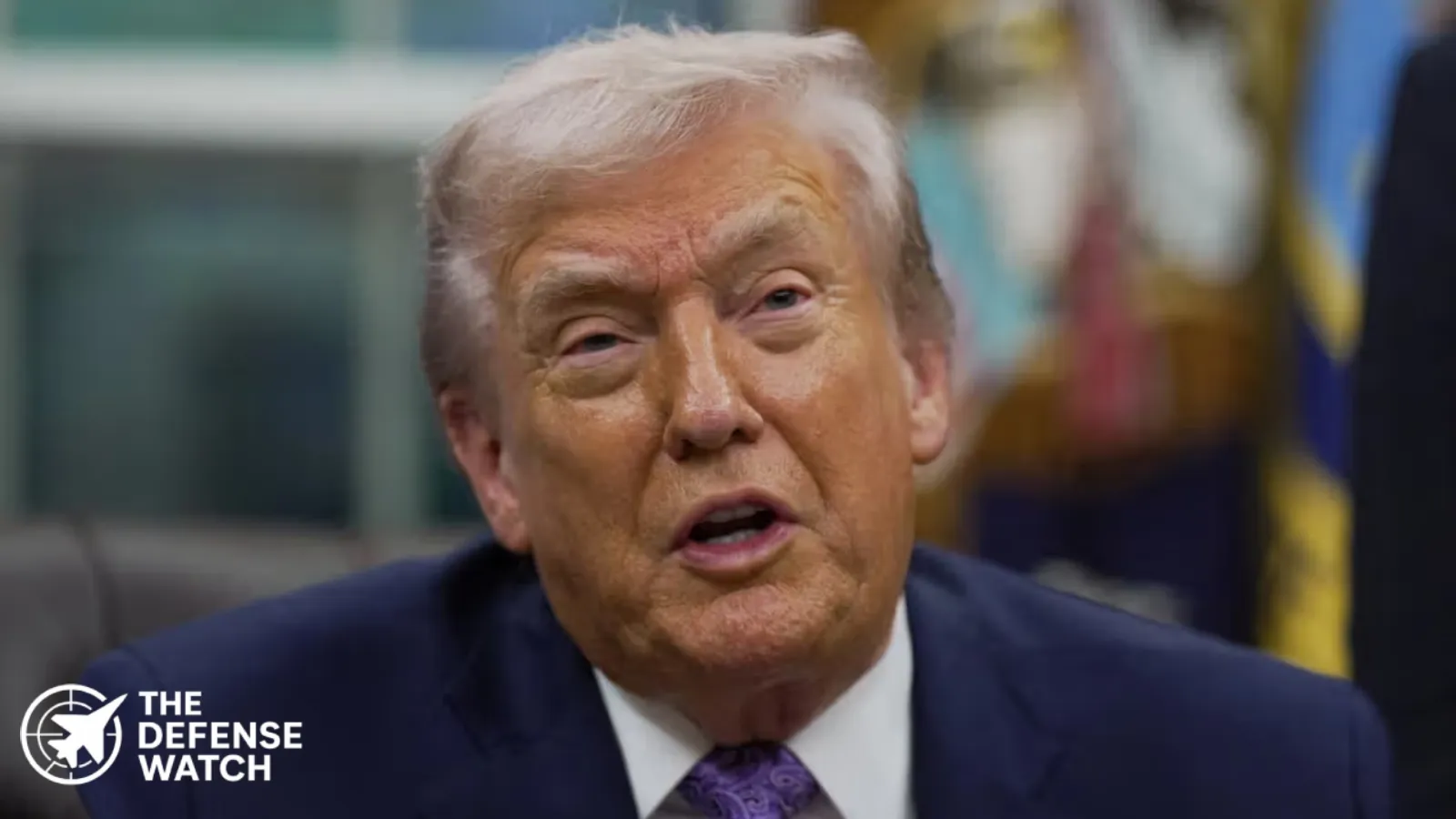
US President Donald Trump said the United States could strike Iran again if Tehran continues its nuclear and missile programs without reaching an agreement with Washington, according to an announcement during a White House press event. Trump framed the threat as contingent on Iran’s actions and its willingness to accept terms set by the United States.

Contents
Trump Says US May Strike Iran Again If NecessaryRecent Comments at the White HouseBackground: US-Iran Military Tensions in 2025International and Diplomatic ImplicationsUS Policy and Strategic ContextRegional and Global ImpactWhat’s Next

The comments underscore rising tensions between the United States and Iran more than five months after a major US military operation targeted Iranian nuclear facilities. Trump referenced previous US strikes on Iran’s nuclear infrastructure at Fordow, Natanz, and Isfahan, saying they were necessary to halt Tehran’s progress and would be repeated if Iran did not negotiate a settlement acceptable to Washington.

Recent Comments at the White House

Trump’s statement came during an unscheduled briefing with reporters at the White House. According to the president, Iran “may try” to continue its nuclear program, and if it does so outside of a diplomatic agreement, the US is prepared to destroy key components of its missile and nuclear infrastructure. He said the US military could “destroy their missiles very quickly,” though he did not provide specifics on timing or means.

Trump also argued that past US action had prevented a broader Middle East crisis, suggesting that a settlement would have been impossible without the earlier strikes on Iran’s nuclear sites.

- Advertisement -

Background: US-Iran Military Tensions in 2025

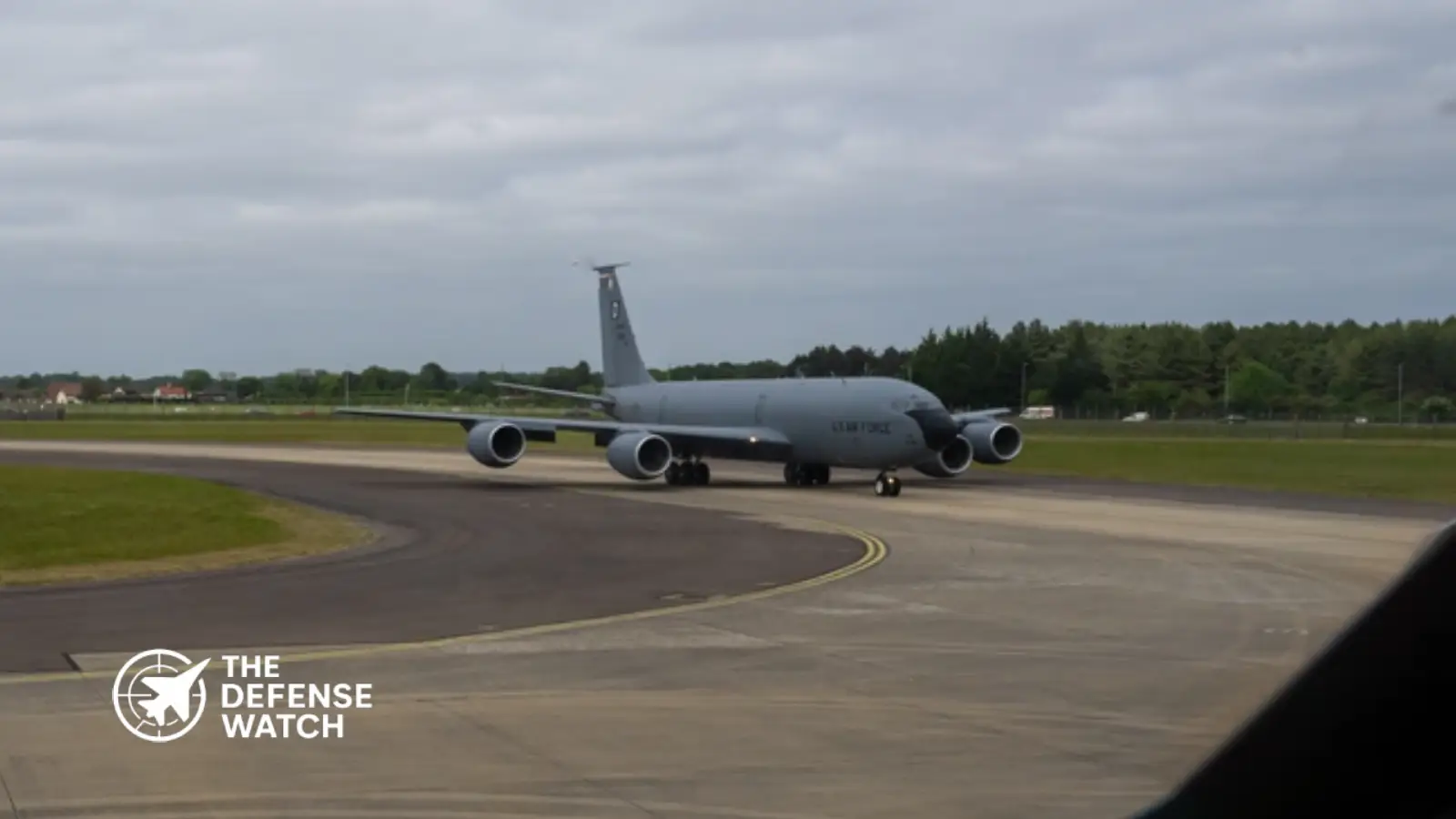
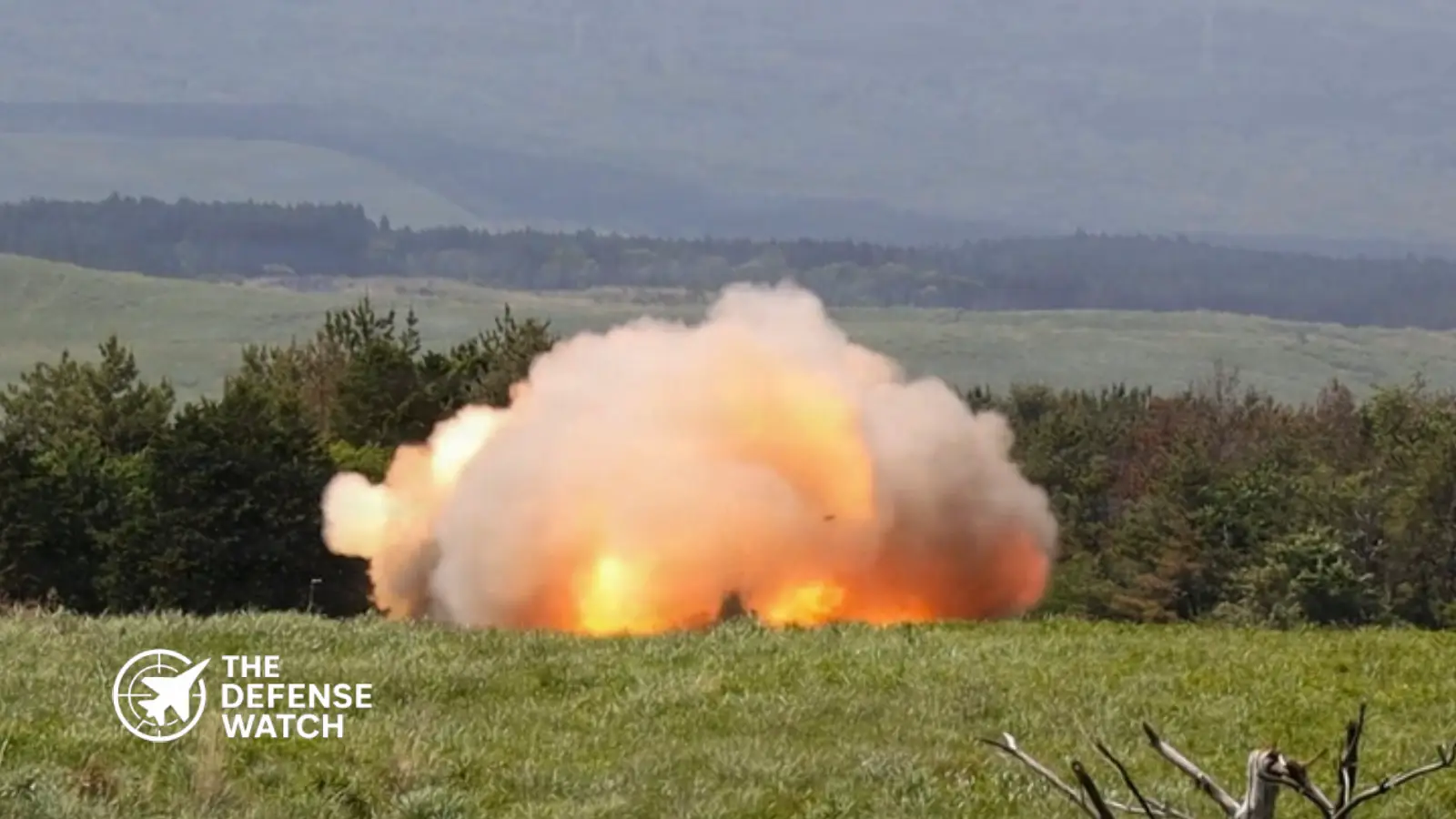
The US has already engaged directly in military action against Iranian nuclear targets in June 2025. American forces struck three major nuclear sites at the Fordow uranium enrichment plant, the Natanz facility, and the Isfahan nuclear complex in a large-scale operation, according to US government announcements.

The White House said the bombardment was intended to seriously degrade Iran’s nuclear capabilities. US President Trump claimed that these critical enrichment facilities had been “completely and totally obliterated,” and issued a warning that further attacks could follow if Tehran resisted peace negotiations.

However, international assessments and US intelligence reviews painted a more complex picture. Some reports suggested that the strikes may have set back Iran’s nuclear program by only months rather than permanently eliminating it. The International Atomic Energy Agency’s ability to assess damage was limited, and Iranian facilities buried deep underground may have sustained limited operational impairment.

International and Diplomatic Implications

Iran’s leadership has publicly denied any intent to build nuclear weapons and has criticized the strikes and subsequent threats as violations of international law. Supreme Leader Ayatollah Ali Khamenei called portions of the US narrative “enemy propaganda,” framing ongoing tensions as part of a broader ideological conflict rather than a purely military standoff.

Diplomatic efforts have been mixed. The United States and European powers have discussed potential negotiations, and Iran has engaged in talks with European nations over its nuclear program. Some reports indicate that Tehran may consider resuming discussions with European intermediaries even as tensions with Washington remain high.

Analysts warn that a strategy based heavily on military threats could further erode trust and complicate future diplomacy. The use of force against heavily protected and safeguarded nuclear sites was seen by some as a precedent that might undermine the global nonproliferation regime, especially if measured gains in slowing nuclear progress prove short-lived.

US Policy and Strategic Context

Trump’s statements reflect a broader US policy approach that blends military readiness with diplomatic leverage. The administration frames potential military action as part of a range of options to compel Iran into compliance on nuclear restrictions, missile limitations, and wider regional security concerns. However, critics argue that threats of further strikes risk escalation without guaranteeing Tehran’s agreement to significant concessions.

Within the US political system, debates persist over executive authority for military operations without explicit congressional authorization. Past strikes and current threats have drawn scrutiny from lawmakers questioning whether the president can unilaterally initiate actions that could draw the US deeper into conflict without legislative oversight.

- Advertisement -

Regional and Global Impact

The possibility of renewed US strikes on Iran carries implications well beyond bilateral relations. Neighboring states in the Middle East have expressed concern that escalations in US-Iran tensions could destabilize a region already grappling with multiple conflicts. Some regional governments have called for restraint and the resumption of diplomacy. Meanwhile, international organizations have urged all parties to deescalate and return to negotiated solutions.

Iran’s geopolitical partners, including Russia and China, have also weighed in, calling for respect for sovereignty and cautioning against actions that could trigger broader confrontation.

What’s Next

Trump’s warning signals that US policy toward Iran remains on a knife-edge. The United States may continue to pursue a strategy that links the threat of force to diplomatic engagement. The trajectory of this policy will depend on Iran’s military and diplomatic decisions as well as responses from global and regional actors.

Both Washington and Tehran face domestic pressure over their approaches, adding layers of complexity to the prospects for either renewed conflict or meaningful negotiation in coming months.


TAGGED:Middle East securitynuclear weaponsTrump foreign policyUS military strategyUS-Iran tensions
Share This Article
Facebook Copy Link Print
ByTeamDefenseWatch
TeamDefenseWatch is the official editorial byline of TheDefenseWatch.com. Working under one umbrella, TheDefenseWatch.com, the team delivers verified, factual reporting on global defense, military technology, aerospace systems, and security developments. Articles are sourced from official statements, defense industry releases, and trusted media, with editorial review to ensure accuracy and clarity.Contact: info@TheDefenseWtach.com
2 Comments
  • Pingback: US Reinforces Forces in Middle East, Iran Strike Option Persists | TheDefenseWatch.com
  • Pingback: US and China Refuse to Sign Military AI Declaration at REAIM Summit 2026 | TheDefenseWatch.com

Leave a Reply Cancel reply

Your email address will not be published. Required fields are marked *

Search Defense Systems

Latest Defense Systems

  • B61 Nuclear Bomb B61 Nuclear Bomb
  • Japan E-767 Airborne Japan E-767 Airborne
  • Remington 870 Shotgun Remington 870 Shotgun
  • RUTA B1 Cruise Missile RUTA B1 Cruise Missile
  • XQ-67A Drone XQ-67A Drone
  • B-25 Mitchell Bomber B-25 Mitchell Bomber
  • F-100 Super Sabre F-100 Super Sabre
  • North American F-86 Sabre North American F-86 Sabre
  • North American XB-70 Valkyrie North American XB-70 Valkyrie

Recent Compares

  • J-10C vs JF-17 Thunder: Which Fighter Is More Capable? J-10C vs JF-17 Thunder: Which Fighter Is More Capable? View Comparison →
  • Tejas vs Gripen: Key Differences and Capabilities Tejas vs Gripen: Key Differences and Capabilities View Comparison →
  • Tejas vs MiG-21 Bison: How India Replaced Its Iconic Supersonic Fighter Tejas vs MiG-21 Bison: How India Replaced Its Iconic Supersonic Fighter View Comparison →
  • F-35 vs F-16: Stealth, Sensors and Combat Roles F-35 vs F-16: Stealth, Sensors and Combat Roles View Comparison →
  • Tejas Fighter Jet vs F-16 Fighting Falcon: Capability Compared Tejas Fighter Jet vs F-16 Fighting Falcon: Capability Compared View Comparison →
  • Rafale Fighter Jet vs F-16 Fighting Falcon : Which Fighter Has the Edge? Rafale Fighter Jet vs F-16 Fighting Falcon : Which Fighter Has the Edge? View Comparison →
  • Su-57 Fighter Jet vs J-20 Fighter Jet: Stealth and Air Combat Compared Su-57 Fighter Jet vs J-20 Fighter Jet: Stealth and Air Combat Compared View Comparison →
  • Mirage 2000 vs Tejas Mk1A: Legacy Combat Power vs Indigenous Modernization Mirage 2000 vs Tejas Mk1A: Legacy Combat Power vs Indigenous Modernization View Comparison →
  • Rafale Fighter Jet vs F-22 Raptor: Which Air Dominance Fighter Has the Edge? Rafale Fighter Jet vs F-22 Raptor: Which Air Dominance Fighter Has the Edge? View Comparison →
  • Tejas Fighter Jet vs. Rafale Fighter Jet: India’s Indigenous Fighter Meets France’s Proven Multirole Combat Aircraft Tejas Fighter Jet vs. Rafale Fighter Jet: India’s Indigenous Fighter Meets France’s Proven Multirole Combat Aircraft View Comparison →

Recent Posts

  • General Atomics to Supply Components for U.S. Army and Navy Hypersonic Weapons
  • Lockheed Martin Tests Mk21A Reentry Vehicle for Sentinel ICBM
  • Lockheed Martin Wins $122.4 Million Trident II Navigation Contract
  • Pentagon Prepares Review of Military Legal System and JAG Corps
  • U.S. and Colombia Launch Southern Vanguard 2027 Exercise

You Might Also Like

Pentagon communication policy
Defense Budgets & PolicyPolicy & Strategy

Pentagon Tightens Communication Rules Under Secretary Hegseth, Raising Transparency Concerns

October 31, 2025
U.S. Air Force E-4B Nightwatch aircraft parked at Offutt Air Force Base amid heightened security scrutiny.
Geopolitical & Strategic DoctrinesPolicy & Strategy

Chinese Student Admits Photographing U.S. Military Aircraft At Strategic Air Force Base

September 12, 2026
Unarmed Minuteman III intercontinental ballistic missile launches from Vandenberg Space Force Base during a U.S. Air Force operational test.
Geopolitical & Strategic DoctrinesPolicy & Strategy

Air Force Global Strike Command Launches Minuteman III ICBM To Sustain U.S. Nuclear Deterrence

September 10, 2026
Operation Epic Fury US strikes
Global News

US Strikes On Iran Intensify Under Operation Epic Fury As Iranian Attacks Decline

September 7, 2026

Logo

Copyright © 2026 TheDefenseWatch.com

Helpful Links

  • Home
  • About Us
  • Privacy Policy
  • Terms of Use / Disclaimer
  • U.S. Privacy Notice – CCPA Compliance

Defense Systems

  • Defense Systems
  • Comparisons 
  • Manufacturer
  • Tactical Calculators

Popuplar

Which 5 Air Forces Possess the Costliest Fighter Jet Fleets in the World
Evolving Strategic Value: Carrier Strike Groups in the Indo-Pacific’s Future Security Architecture
Autonomous Weapon Systems Spark U.S. Ethics Debate Amid Rapid Military AI Integration

We report on developments involving military forces, governments, defense companies, research organizations, and security institutions around the world. 

Welcome Back!

Sign in to your account

Username or Email Address
Password

Lost your password?