Saab to Equip Sweden’s Four New FDI Frigates With Missiles and Sensors
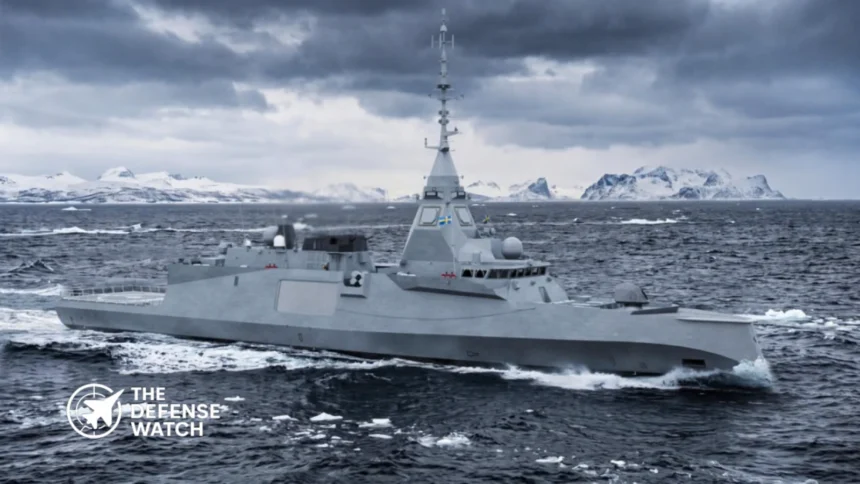
Swedish defense manufacturer Saab has secured a contract worth approximately SEK 2 billion (about $210 million) from French shipbuilder Naval Group to supply and integrate weapons, fire-control equipment and surveillance sensors for Sweden’s four future FDI frigates.
Announced on November 6, 2026, the agreement covers several Swedish-developed systems intended for the Royal Swedish Navy’s new Luleå-class frigates. Saab will deliver the equipment to Naval Group between 2027 and 2034, supporting the construction and integration of the four ships.
The contract brings Saab into a central role in equipping Sweden’s next-generation surface combatants, combining French shipbuilding expertise with Swedish weapons and sensor technology.
According to Saab, the agreement includes a Weapon Control System, Ceros fire-control director, EOS 500, RBS15 anti-ship missile system, Saab Lightweight Torpedo, Trackfire Remote Weapon Station and Sea Giraffe 1X surveillance radar.
Seven Saab Systems for the Luleå-Class Frigates
The equipment package covers several areas of naval warfare, including anti-surface operations, underwater threat response, surveillance and weapon control.
Its main components include:
- Weapon Control System: Provides the weapon-control element for the frigates’ combat capabilities.
- Ceros Fire Control Director: Supports weapon fire-control functions and engagement operations.
- EOS 500: An additional Saab sensor system included in the frigates’ equipment package.
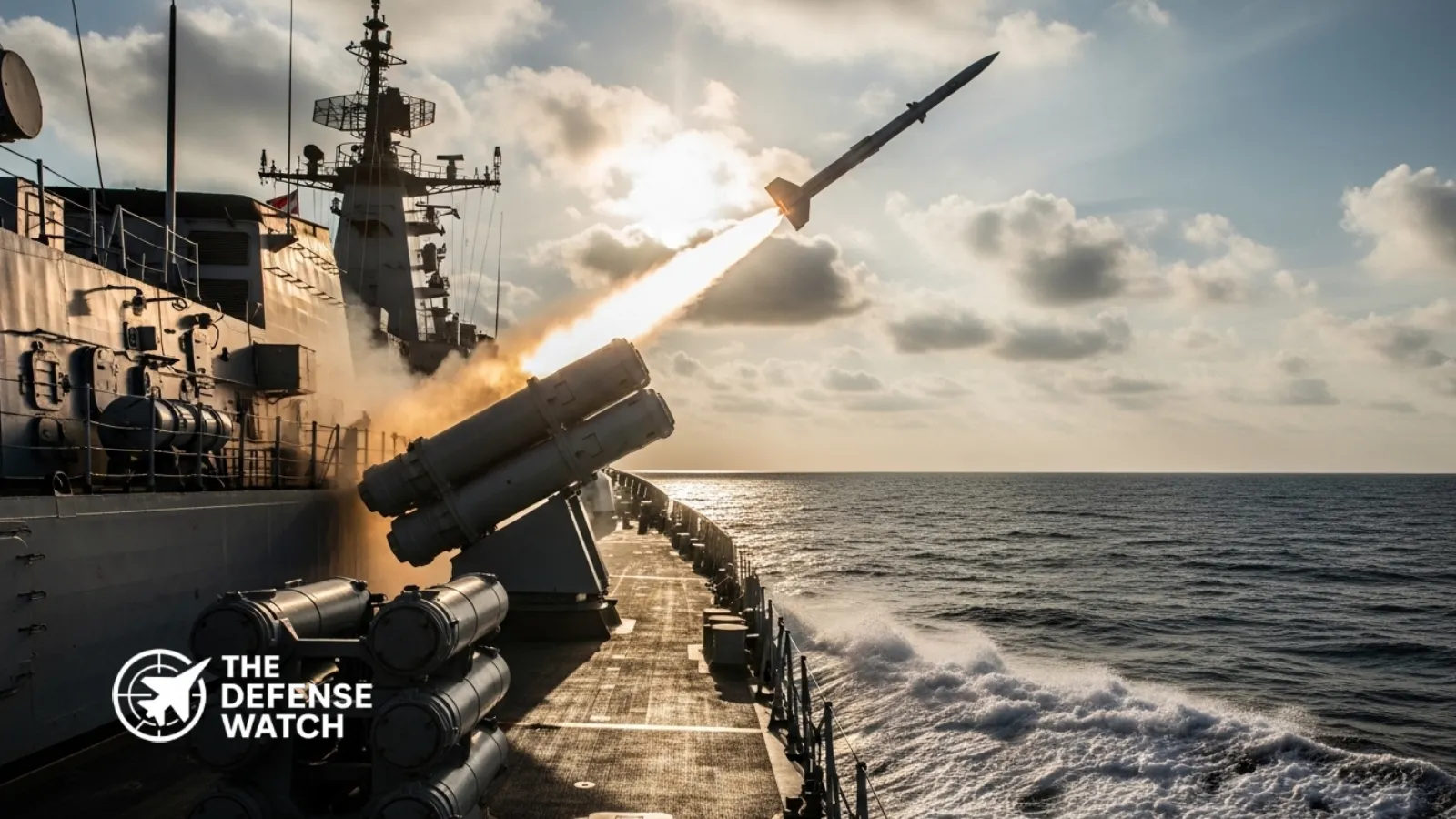
- RBS15 Anti-Ship Missile: Gives the frigates a Swedish-developed capability to engage surface vessels.
- Saab Lightweight Torpedo: Provides an underwater warfare capability, particularly relevant to anti-submarine operations.
- Trackfire Remote Weapon Station: Adds remotely operated weapon capability for naval security and engagement tasks.
- Sea Giraffe 1X Radar: Provides lightweight, multi-mission surveillance capability for detecting and tracking relevant targets.
The combination is important because modern frigates must manage several types of threats simultaneously. Surface vessels, submarines, aircraft, incoming weapons and smaller asymmetric threats require different sensors, engagement systems and operational responses.
Saab’s package contributes to these functions, although the company has not publicly disclosed detailed equipment configurations, quantities, individual system prices or the precise integration architecture for the Swedish ships.
French Ship Design, Swedish Weapons and Sensors
The Saab agreement is part of Sweden’s wider effort to modernize its naval forces through international cooperation while retaining a significant role for domestic defense manufacturers.
Sweden selected Naval Group’s FDI (Frégate de Défense et d’Intervention) design for its four future frigates in May 2026. The vessels will operate under the Swedish Luleå-class designation.
The Swedish government subsequently signed the main procurement agreement with Naval Group through the Swedish Defence Materiel Administration on August 31, 2026. The contract allows construction and personnel training to begin, with delivery of the first frigate planned for 2030 and the remaining ships scheduled to follow.
The Saab contract now provides a more detailed picture of how Swedish equipment will be incorporated into the French-designed ships.
Sweden had previously identified several domestic systems for the frigates, including the RBS15 anti-ship missile, Saab lightweight torpedo, Sea Giraffe 1X radar and Trackfire remote weapon station. The government also identified naval guns from BAE Systems Bofors as part of the planned Swedish industrial contribution.
The November agreement moves Saab’s participation beyond the earlier equipment plans into a signed supply and integration contract with Naval Group.
This arrangement also creates a working relationship between the Swedish defense industry and a major French naval shipbuilder throughout the frigates’ construction period.
Why the Saab Contract Matters for Sweden’s Naval Modernization
The four frigates are intended to strengthen Sweden’s ability to defend its maritime approaches and contribute to NATO operations across Northern Europe.
The Baltic Sea presents particular operational challenges. Its relatively confined geography, proximity to potential military threats and importance to regional shipping place considerable demands on naval surveillance, air defense and anti-submarine warfare capabilities.
The new frigates are intended to provide a more substantial surface combat capability than Sweden’s existing smaller warships.
The Saab equipment package addresses several parts of that requirement. RBS15 provides an anti-surface strike capability, while the lightweight torpedo supports underwater warfare. Radar and fire-control equipment contribute to the ship’s ability to identify, track and engage threats.
However, Saab’s announced contract should not be confused with the frigates’ complete air-defense architecture. The Swedish government has described the ships as air-defense frigates and identified advanced air defense as a central reason for selecting the FDI design. The Saab announcement specifically details its own weapon-control and sensor contributions, not the complete missile-defense configuration.
The distinction matters because the ships’ effectiveness will depend on the integration of multiple systems supplied by different manufacturers, rather than any single equipment package.
The Swedish government has previously assessed that the four frigates will triple the country’s current air-defense capabilities. It also expects the vessels to contribute to NATO’s integrated air and missile defense capability.
A Long-Term Industrial Partnership With Naval Group
The delivery schedule gives Saab a role in the frigate program over an extended period.
Saab’s deliveries are planned between 2027 and 2034, while the first ship is scheduled for delivery in 2030. This means equipment supply and integration will overlap with the construction of the vessels and continue through the later stages of the program.
For Naval Group, the agreement provides access to Swedish-developed weapons and sensor technologies required for the Swedish configuration of the FDI design.
For Saab, the contract strengthens its position as a supplier of naval combat systems, weapons and sensors within a major European shipbuilding program.
Mats Wicksell, head of Saab’s Naval business area, said the agreement would give the Swedish Navy integrated capabilities to detect, deter and respond to threats above and below the surface.
The SEK 2 billion award is a substantial addition to the industrial work associated with Sweden’s frigate acquisition. However, Saab has not provided a breakdown of the contract value among the individual systems or disclosed how much of the work will involve equipment manufacturing versus integration activities.
The next important stage will be the integration of Saab’s equipment into Naval Group’s FDI platform. Successful delivery will depend on coordination between the shipbuilder, Swedish suppliers and the Swedish Defence Materiel Administration as the four Luleå-class frigates move toward their planned entry into service.