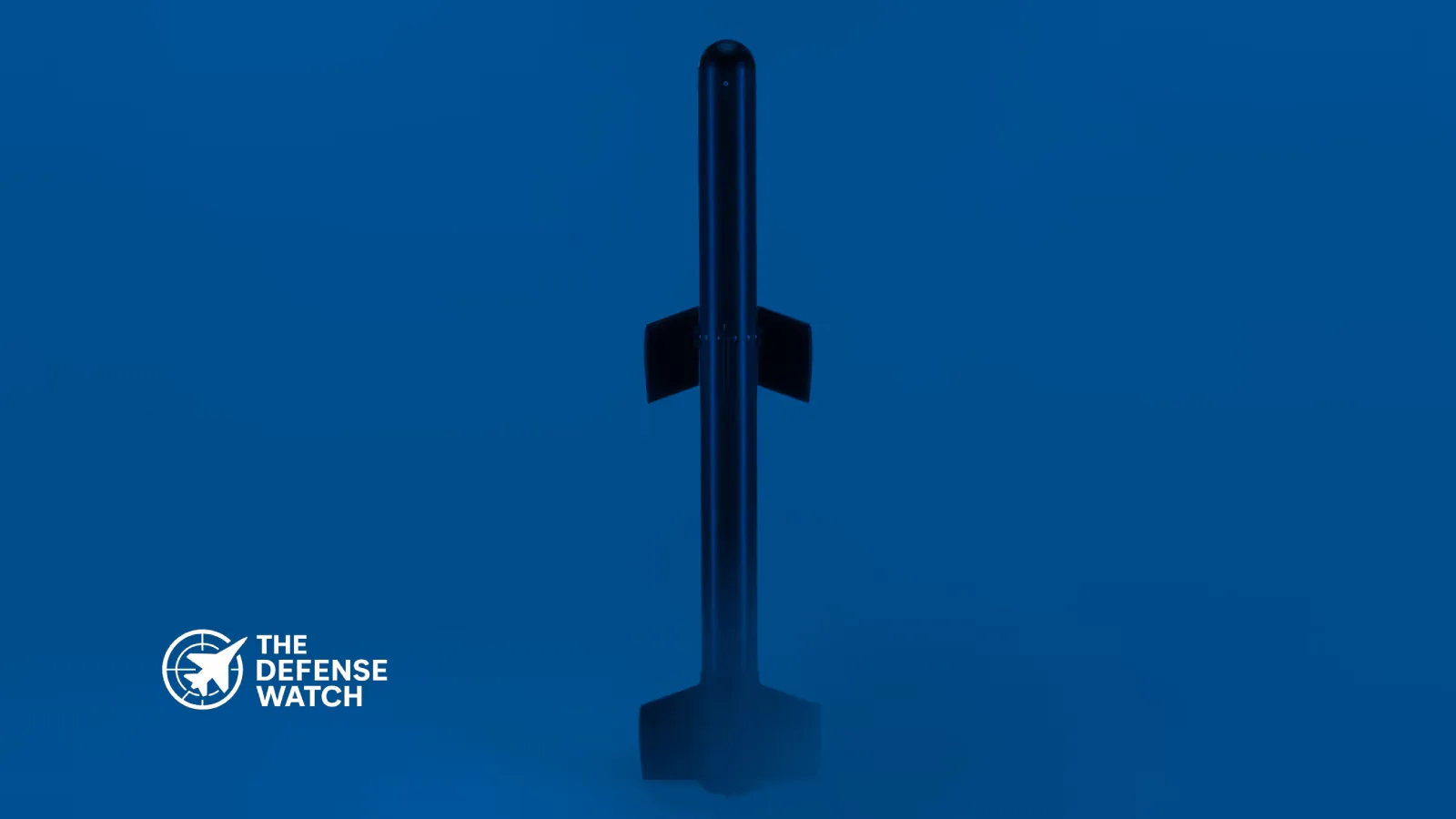
Lockheed Martin and the U.S. Air Force have completed another flight test of the developmental Mk21A reentry vehicle, advancing work on a critical component of the United States’ next-generation intercontinental ballistic missile system.
The unarmed vehicle was launched over the Pacific Ocean from Vandenberg Space Force Base in California, according to a Lockheed Martin announcement dated November 4, 2026. The company said the test demonstrated the maturity of the vehicle’s architecture and provided additional flight data for ongoing design improvements.
The Mk21A is being developed for the U.S. Air Force’s LGM-35A Sentinel program, which is intended to replace the aging LGM-30G Minuteman III intercontinental ballistic missile fleet.
The latest test advances the reentry vehicle development effort, although it does not demonstrate that the complete Sentinel missile is ready for operational deployment.
Mk21A Development Moves Through Flight Testing
The Mk21A is an upgraded reentry vehicle derived from the legacy Mk21 design. Its primary function is to protect the nuclear payload during the missile’s flight through space and atmospheric reentry.
Lockheed Martin is responsible for developing the system under an Air Force contract managed by the Air Force Nuclear Weapons Center.
The November flight follows an earlier Mk21A test conducted on October 9, 2026, when the Air Force launched a developmental vehicle aboard a Northrop Grumman Minotaur I rocket from Vandenberg. That test also involved an unarmed vehicle.
Lockheed Martin has not publicly disclosed the detailed flight profile, test duration, reentry conditions or specific performance measurements from its November announcement.
The company said information collected during the latest flight would support further design refinements and subsequent testing.
This distinction matters because a successful developmental flight does not establish that every subsystem has completed qualification or that the vehicle has met all operational requirements.
A Critical Component of the Sentinel Nuclear Missile
The Mk21A is part of the payload modernization effort supporting the Sentinel ICBM.
The Sentinel program is intended to replace the Minuteman III, which has served as the land-based component of the U.S. nuclear triad for decades.
The new missile is being developed by Northrop Grumman as the program’s prime contractor, while Lockheed Martin is responsible for the Mk21A reentry vehicle.
The reentry vehicle forms the protective structure around the nuclear payload. It must withstand the extreme thermal and mechanical conditions associated with high-speed atmospheric reentry while maintaining the required safety and delivery functions.
The Mk21A is being developed in conjunction with the W87-1 nuclear warhead program.
However, the Air Force Nuclear Weapons Center identifies an important transition detail: Sentinel is initially planned to use the existing Mk21 reentry vehicle before being upgraded to the Mk21A. This means the new vehicle’s development and the initial fielding of the Sentinel missile are related but distinct milestones.
More Than $1.4 Billion in Contractual Commitments
The Mk21A development effort has received substantial funding as the Air Force works toward completing its engineering and testing requirements.
In October 2023, the Air Force awarded Lockheed Martin an initial contract worth approximately $996.2 million for the Mk21A program.
A November 2025 contract modification added approximately $454 million, bringing the cumulative contract value to approximately $1.483 billion.
According to the Department of War’s contract announcement, the work is expected to continue through September 29, 2032. No additional funds were obligated at the time of that particular modification.
Lockheed Martin separately described the November 2026 flight as being conducted under a prime military contract valued at more than $1 billion.
The financial commitment reflects the complexity of developing a modernized reentry vehicle for a strategic nuclear weapon system. Its development involves more than the physical structure, including payload integration, protective systems, electronics and testing.
Sentinel Still Faces Wider Program Challenges
Despite progress in Mk21A flight testing, the broader Sentinel program continues to face significant acquisition and engineering challenges.
The program experienced a major cost increase that triggered a Nunn-McCurdy review in 2024. The Defense Department subsequently rescinded the program’s previous Milestone B approval and associated acquisition baselines, requiring the Air Force to restructure its development approach.
A February 2026 Government Accountability Office assessment identified continuing risks involving program management, software development, infrastructure design and the transition from Minuteman III.
The GAO also highlighted the need for more reliable cost and schedule estimates as the Air Force works toward obtaining a new acquisition approval.
Its July 2026 Weapon Systems Annual Assessment provided further details about the revised development strategy.
According to the GAO, the Sentinel program adopted an alternative flight-test approach, with its first five missile flights planned from an above-ground launch pad beginning in 2027. The first silo-based launch was moved to the third quarter of fiscal 2030.
The assessment also identified continuing software development concerns and design work involving launch facilities and other major infrastructure components.
These challenges demonstrate why the Mk21A test should be viewed as progress within one part of a much larger modernization effort rather than evidence that the Sentinel program has resolved its wider development problems.
Testing Ahead of the Next Design Review
Lockheed Martin said the latest flight data would inform the next stage of Mk21A design refinement and testing.
Air & Space Forces Magazine previously reported that a critical design review for the Mk21A system was planned by March 2027. The review concerns the reentry vehicle system, not the entire Sentinel ICBM.
Air & Space Forces Magazine
The Air Force will still need to complete the remaining development, integration and qualification work before the Mk21A can enter operational service.
For the United States, modernizing the land-based nuclear deterrent requires the coordinated development of missiles, warheads, reentry vehicles, launch facilities and command infrastructure.
The latest Lockheed Martin test provides additional flight-test evidence for the Mk21A effort. Whether that progress translates into timely operational availability will depend on the remaining technical milestones and the Air Force’s ability to bring the wider Sentinel program back within a credible cost and schedule framework.