Saab has launched the Allied Mission System (AMS), a cloud-based software platform designed to combine space surveillance data, automated analysis, mission management and command and control in a single operating environment. Announced on October 20, 2026, the system has been developed in Australia for potential deployment to customers worldwide.
The platform is intended to help military and security operators build a clearer picture of activity in orbit, assess relevant events and coordinate responses using information from multiple sensors and external data providers. Saab says AMS will be delivered as Software as a Service (SaaS), allowing customers to adapt its capabilities to their operational needs.
The announcement does not identify a customer contract, a confirmed operational deployment or a delivery schedule. It also does not disclose pricing, specific sensor integrations or the extent to which the platform has completed testing and evaluation.
A common operating picture for space activity
Space operations depend on more than tracking satellites. Military organizations must assess the behavior of objects in orbit, distinguish routine activity from potentially significant events, and understand how changes in the space environment could affect their missions.
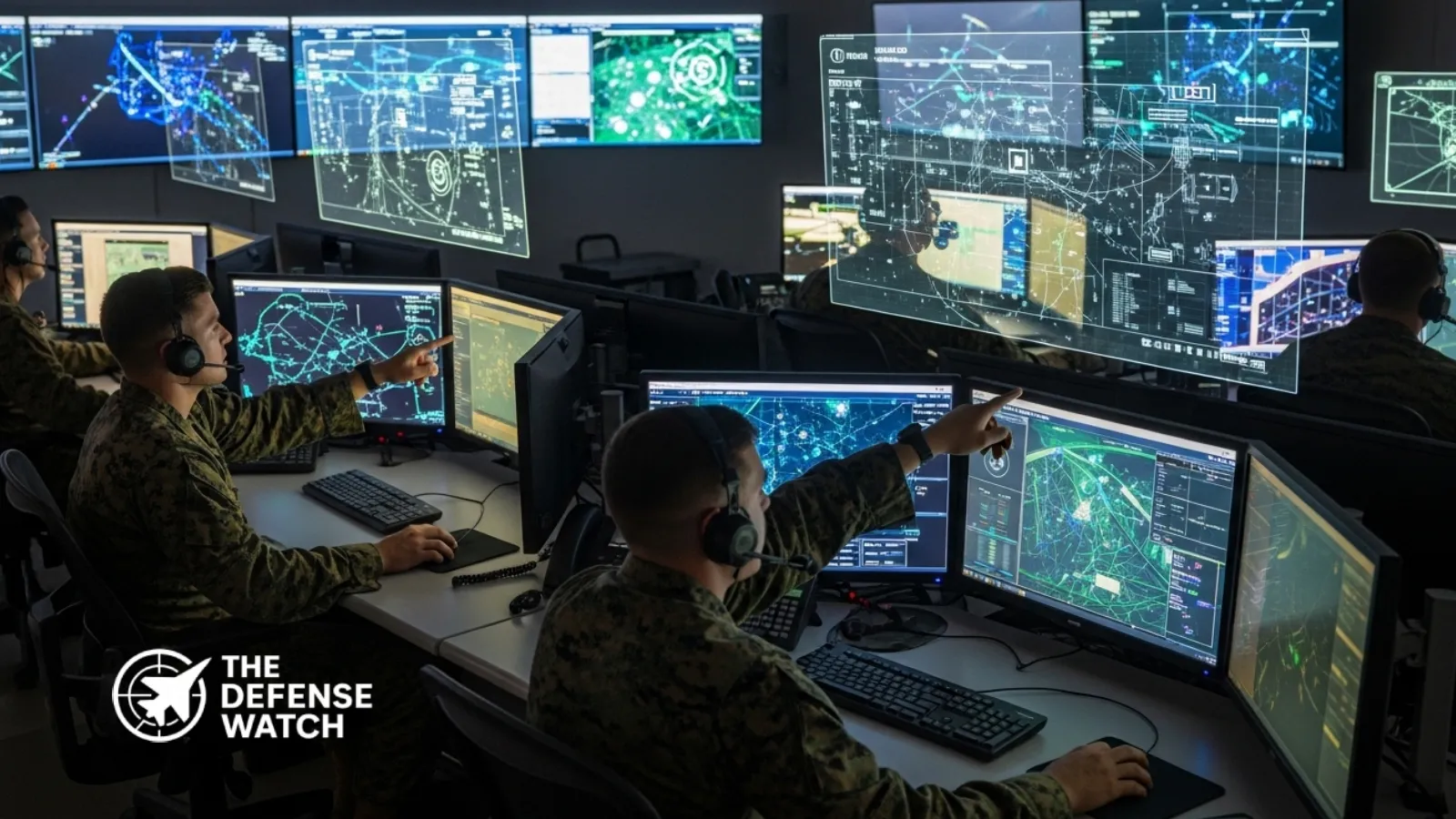
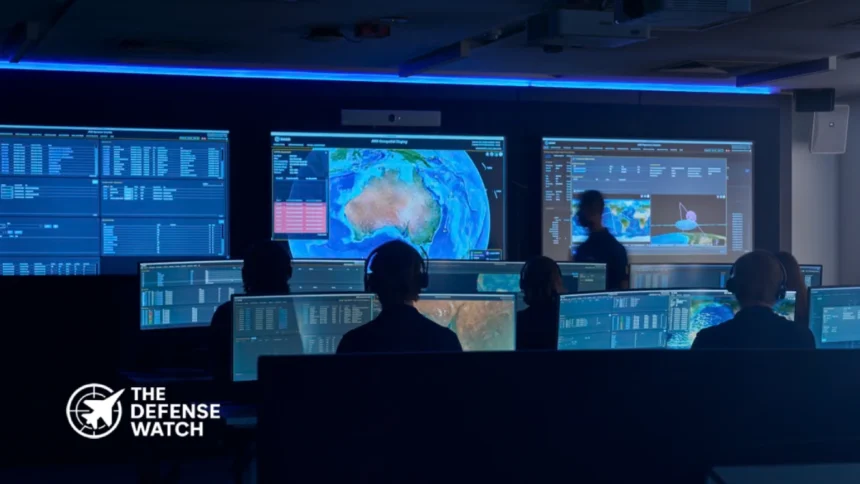
AMS is designed to bring those tasks into a shared software environment. According to Saab, the platform combines information from integrated sensors and third-party assets, processes the data through automated analysis and provides decision-support functions alongside mission planning and command and control.
The intended workflow links several functions that can otherwise be distributed across separate systems:
- Data integration: Bringing observations and information from different sensors and providers into a common environment.
- Analysis and decision support: Processing incoming information to help operators identify relevant activity and assess its significance.
- Mission management: Supporting the planning and coordination of space-related activities.
- Command and control: Enabling operators to coordinate assets and assign tasks to connected systems.
These are the capabilities described by Saab. The company has not publicly specified the full sensor inventory, data-processing performance or operational limits of the new platform.
The distinction matters because software that consolidates information is not itself a space surveillance sensor. Its effectiveness will depend partly on the quality, timeliness and coverage of the data it receives, as well as the accuracy of its analysis and the reliability of its connections to other systems.
Why space domain awareness matters to Australia
The platform arrives as Australia continues to develop its military space capabilities. The Australian Department of Defence identifies space-based communications, intelligence, surveillance, reconnaissance, targeting and positioning, navigation and timing as important dependencies for the armed forces.
Australia already operates space surveillance capabilities with international partners, including the C-Band Radar and Space Surveillance Telescope, alongside the Deep-space Advanced Radar Capability. These systems contribute to the country’s ability to monitor objects and activity in orbit.
AMS addresses a different part of the problem. Rather than being presented as a new radar or telescope, it is a software platform intended to organize information from sensors and other sources and help operators turn that information into coordinated decisions.
That distinction is important for military planning. Detecting an object is only one step in understanding its significance. Operators also need to compare observations over time, assess unusual behavior, prioritize events and determine whether further monitoring or action is necessary.
A common software environment could help connect those stages, although the actual operational benefit will depend on the quality of its data integrations, analytical tools and links to the systems used by military operators.
Modular design targets future upgrades
Saab says AMS uses an open, modular architecture that allows its data services, mission services and applications to develop independently. The company intends this design to make it easier to integrate new sensors, analytical functions and customer-developed applications without rebuilding the entire platform.
For defense organizations, that approach could reduce the need to replace an entire mission system whenever new data sources or operational requirements emerge. It may also provide a way to connect space operations with wider military command-and-control networks.
However, an open architecture does not automatically guarantee interoperability. Integration still depends on compatible data formats, interface specifications, security controls and the permissions governing access to information from different providers.
Saab has also identified integration with broader multi-domain operations environments as a future capability. This could allow space-derived information to support activities involving air, land and maritime forces, but the company has not announced specific integrations or named customers for the new system.
Software as a Service raises deployment questions
Saab plans to provide AMS through a Software as a Service model, with customers able to tailor and expand capabilities to meet their requirements. The company says the platform was designed and built in Australia for deployment internationally.
The commercial model offers a way to update software and introduce additional functions over time. For military customers, however, the details of hosting, data sovereignty, cybersecurity, service availability and access during communications disruptions will be important considerations.
Space operations can involve sensitive information about satellite behavior, surveillance coverage and potential threats. Customers will need to understand how such information is stored, protected and shared, particularly when systems depend on external data providers or cloud infrastructure.
Saab has not publicly detailed the AMS hosting arrangements, security accreditation, classified-data handling provisions or operating requirements for disconnected environments. Those details will help determine which defense organizations can use the system and how it could fit into existing operational networks.
Australian development with international ambitions
The launch also reflects Saab Australia’s role in developing locally built defense technology. Andy Keough, managing director of Saab Australia, said the platform draws on the company’s experience in command and control across multiple operational domains and supports Australia’s development of sovereign capabilities.
South Australian Minister for Defence and Space Industries Chris Picton welcomed the system as an example of space technology being developed in the state. His comments emphasized the potential contribution of local companies to national security capabilities and skilled employment.
The launch announcement, however, does not disclose the development cost, planned investment, expected workforce or projected sales. Nor does it identify an Australian Defence Force order tied to the introduction of AMS.
The international opportunity will depend on whether Saab can demonstrate that the platform meets customers’ technical and security requirements, integrates with existing surveillance networks and provides useful decision support under operational conditions.
For now, AMS is a newly announced software platform rather than a publicly confirmed operational deployment. Its importance will become clearer as Saab releases further information on testing, customer adoption, integrations and fielding.