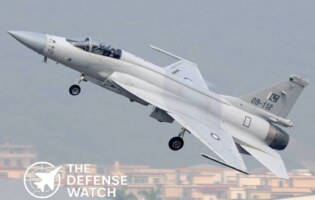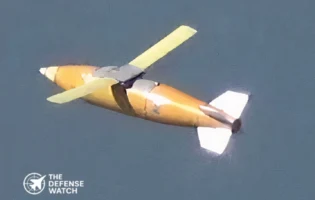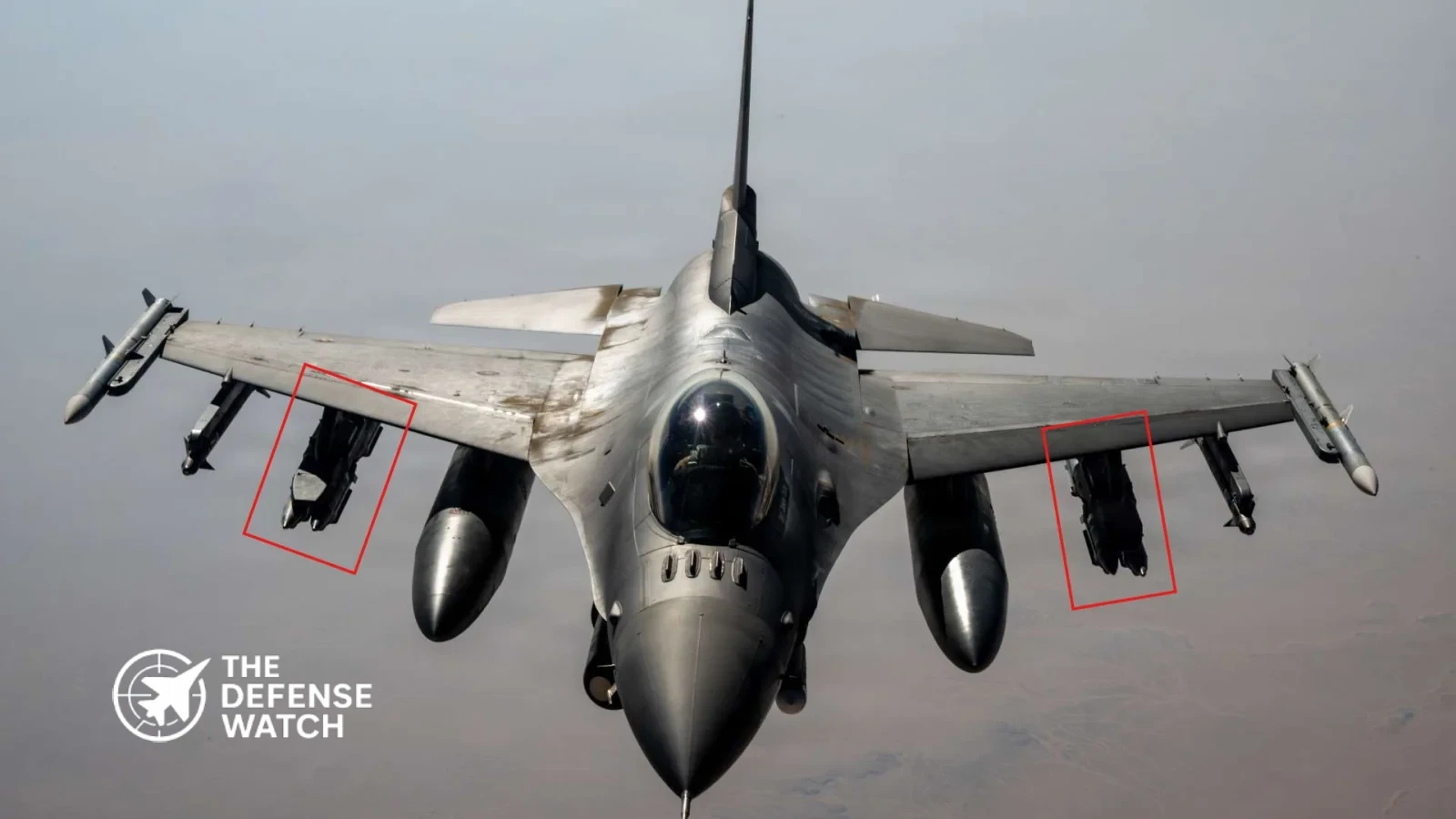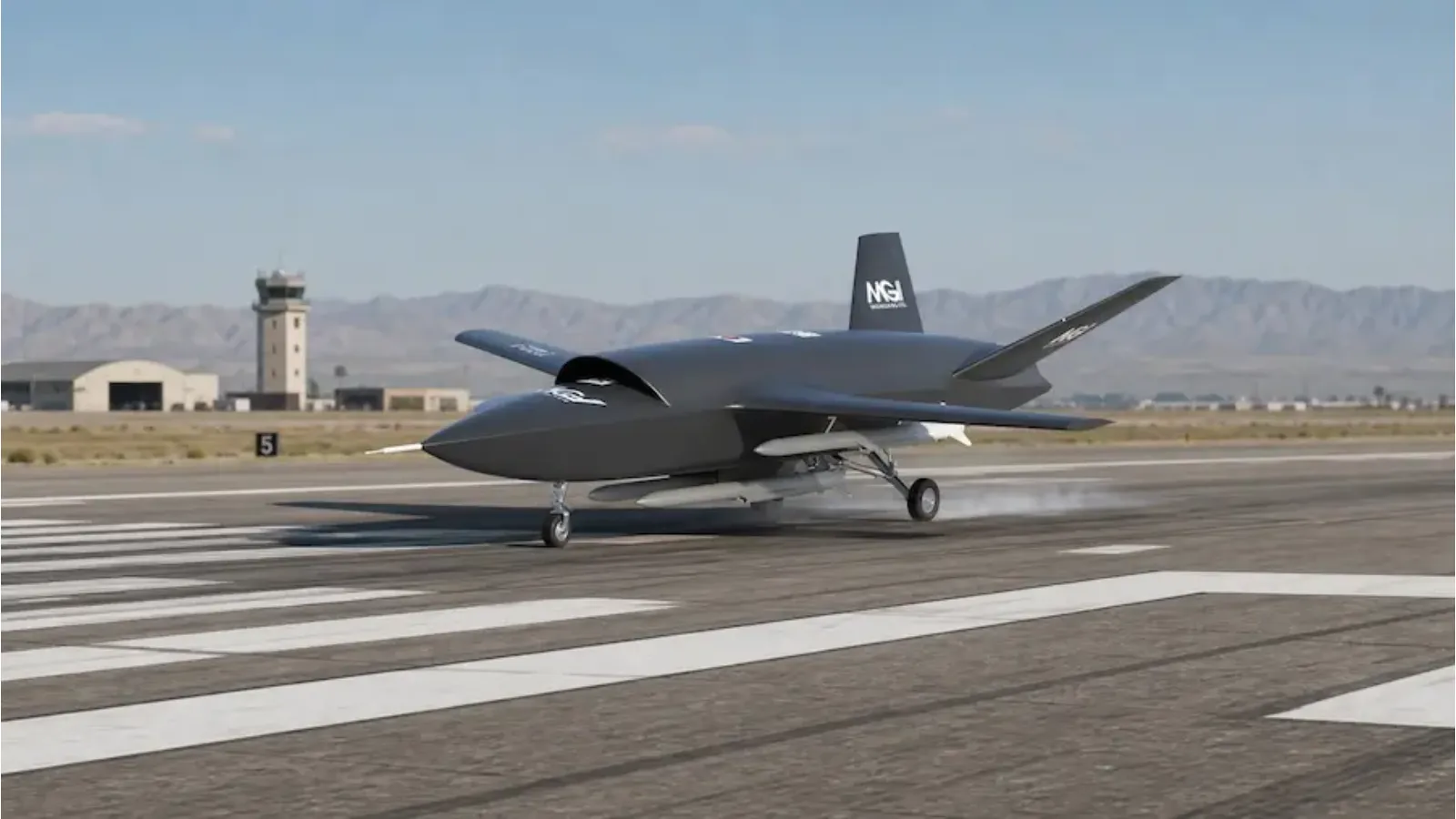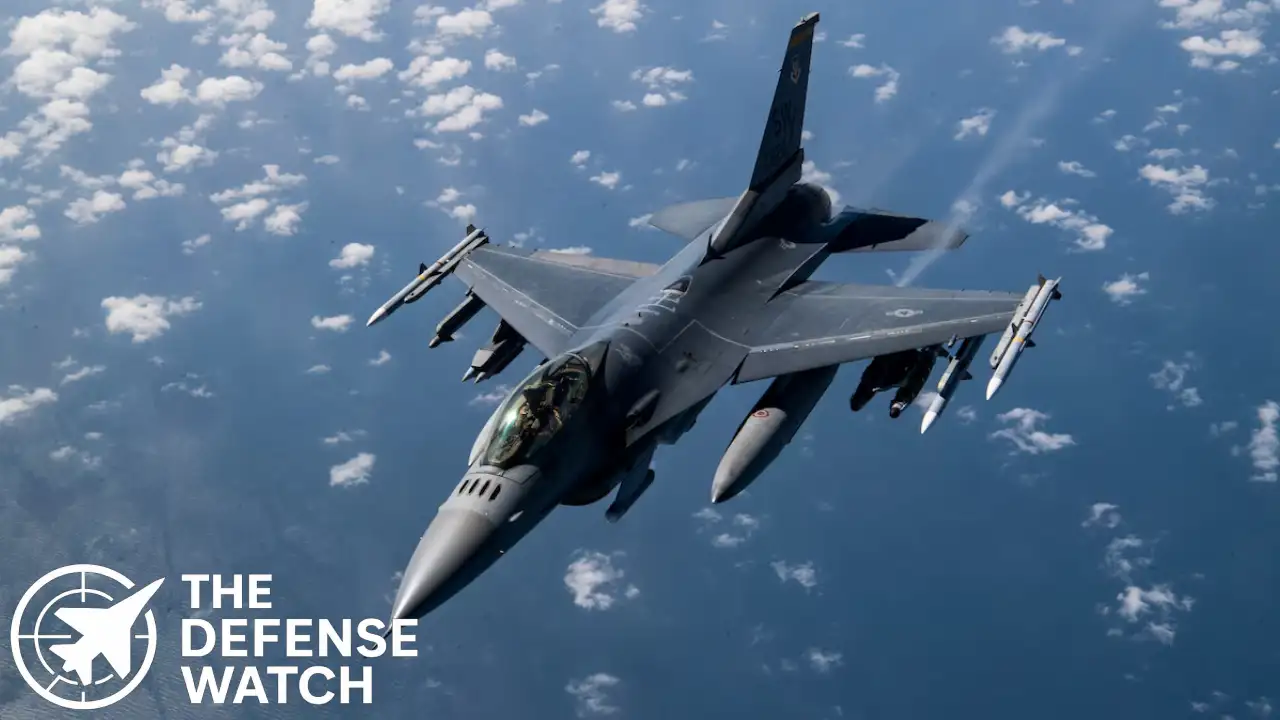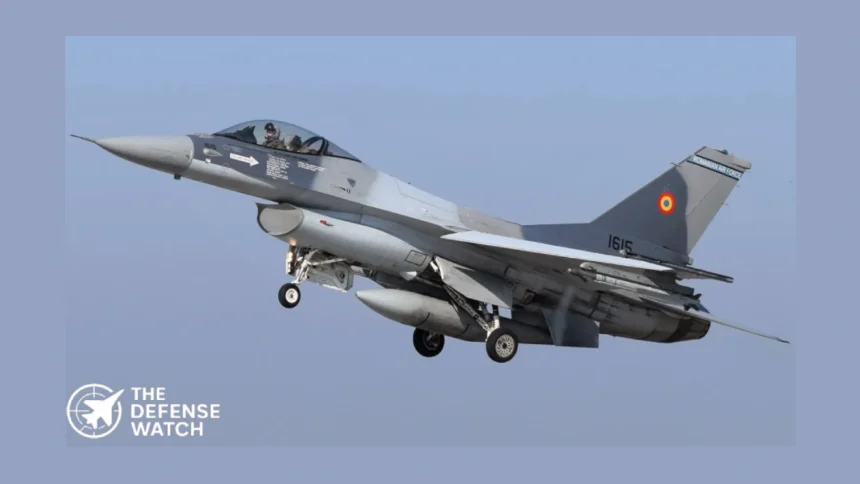
Romanian Air Force F-16 Fighting Falcon fighters shot down two attack drones over the Black Sea on October 17, 2026, after the unmanned aircraft entered Romanian national airspace near the Danube Delta. Romania’s Ministry of National Defence later identified the targets as jet-powered attack drones from the Geran family, which Russia uses in its war against Ukraine.
The interceptions occurred near Sulina, a Romanian port close to the Ukrainian border and the entrance to the Danube shipping route. The incident followed a series of drone attacks on commercial vessels in the Black Sea, including two chemical tankers damaged near Romania earlier in the week.
The Romanian military said its aircraft engaged the drones over the country’s territorial waters. Their precise launch locations and intended targets were not publicly established in the initial reports.
Two drones intercepted within minutes
According to Romania’s Ministry of National Defence, radar surveillance systems detected a group of aerial targets approximately 120 kilometers east of Snake Island, heading southwest, on Saturday evening.
Two Romanian Air Force F-16s were scrambled from the 86th Air Base at Borcea to investigate and respond to the approaching aircraft.
Interim Defence Minister Radu Miruță provided the following timeline:
- 5:59 p.m. local time: The first drone entered Romanian national airspace.
- Within two minutes: Romanian pilots shot down the first drone approximately 25 kilometers southeast of Sulina.
- 6:05 p.m. local time: The second drone was reported shot down approximately 20 kilometers east of Sulina, five minutes after entering national airspace.
The ministry subsequently identified the targets as jet-powered attack drones belonging to the Geran family. Russia uses that designation for attack drones associated with the Iranian-designed Shahed series.
The Romanian account establishes that the aircraft were intercepted and destroyed, but it does not independently establish where the drones were launched or the precise circumstances of their flight before entering Romanian airspace.
Why Romania used F-16 fighters
The F-16 Fighting Falcon is a multirole combat aircraft used by Romania for air policing, interception and other air operations. Its radar, onboard sensors and air-to-air weapons allow pilots to identify and engage airborne threats when directed to do so.
In this incident, the fighters responded to radar-detected targets that had approached Romanian territory. The aircraft were scrambled from Borcea, one of Romania’s principal military aviation bases.
Using fighters against attack drones provides a rapid response option when an aerial threat crosses a national boundary. However, it also raises questions about the cost and efficiency of defending against relatively inexpensive unmanned aircraft.
The Romanian Ministry of National Defence did not disclose the weapons used in the interceptions or the cost of the engagements in the initial reporting. It would therefore be premature to assign a specific financial cost to the operation.
The incident also demonstrates the importance of coordination between ground-based surveillance systems, military command centers and fighter crews. Detecting a target is only the first step. Authorities must also determine whether it presents a threat, establish its location and direct an appropriate response before it reaches a sensitive area.
Black Sea shipping faces growing risks
The interceptions occurred amid mounting concern over the safety of commercial shipping near Romania and Bulgaria.
On October 14 and 15, two chemical tankers, the Yara J and the Wine Trader, were reported damaged by drone attacks or suspected drone strikes near Romania’s Black Sea coast. Fires broke out aboard both vessels, and seven crew members were reported missing from the Wine Trader.
Romanian authorities launched search and rescue operations following the incidents. The attacks added to a series of reported strikes against commercial vessels in the Black Sea during October.
Reuters reported that a NATO military source attributed the drones involved in the tanker incidents to Russia. Romanian officials, however, did not publicly establish a complete account of responsibility for the attacks at the time of the initial reports.
The tanker incidents and the subsequent airspace incursions should not automatically be treated as a single coordinated operation. Public information does not establish that the two drones shot down by Romanian F-16s were responsible for the attacks on commercial shipping.
The geographic connection is nevertheless important. Sulina lies near the mouth of the Danube, a waterway that provides Ukraine with an important export route. Disruptions around the delta can complicate maritime traffic, increase risks for civilian crews and place additional demands on Romanian surveillance and response forces.
What the incident means for NATO’s eastern flank
Romania is a member of both NATO and the European Union. Its position along the western Black Sea makes it particularly exposed to the spillover effects of Russia’s war against Ukraine.
The repeated appearance of drones near Romanian territory presents a difficult air-defense problem. Military planners must protect national airspace while avoiding unnecessary escalation and maintaining sufficient resources for other operational requirements.
F-16 interceptions offer one response, but fighter aircraft are not the only option. Ground-based air defenses, electronic warfare, short-range counter-drone systems and improved radar coverage can contribute to a layered defense. The appropriate response depends on the drone’s characteristics, flight path, threat level and proximity to populated areas or critical infrastructure.
The choice of interception method also involves cost, readiness and risk. Using a combat aircraft may be appropriate when a target is difficult to identify or poses an immediate threat, while other systems could be more suitable for some lower-altitude or slower-moving targets.
Romania’s response will also depend on information sharing with NATO allies. Allied surveillance, air policing missions and coordinated threat assessments can help distinguish isolated incursions from recurring patterns that require a broader response.
NATO consultations and unresolved questions
Romanian Foreign Minister Oana Toiu said NATO would discuss Black Sea defense and deterrence at an upcoming North Atlantic Council meeting scheduled for Tuesday, October 20, according to her public statement reported by Euronews.
The meeting is expected to provide an opportunity for allied governments to discuss the regional security situation. Its specific decisions and any resulting changes to NATO deployments or air-defense arrangements should not be assumed before they are announced.
Several details surrounding the interceptions remain unresolved. Romanian authorities have identified the drones as members of the Geran family, but public reporting has not established their exact launch points, intended targets or operational tasking.
The central issue for Romania is not simply whether its fighters can destroy drones that enter national airspace. It is whether surveillance, command systems and defensive measures can consistently protect Romanian territory and nearby shipping as the war continues.
The October 17 interceptions demonstrate that Romanian forces can respond directly to an airspace violation. They do not, by themselves, establish how the country will address the wider and continuing threat to Black Sea navigation.