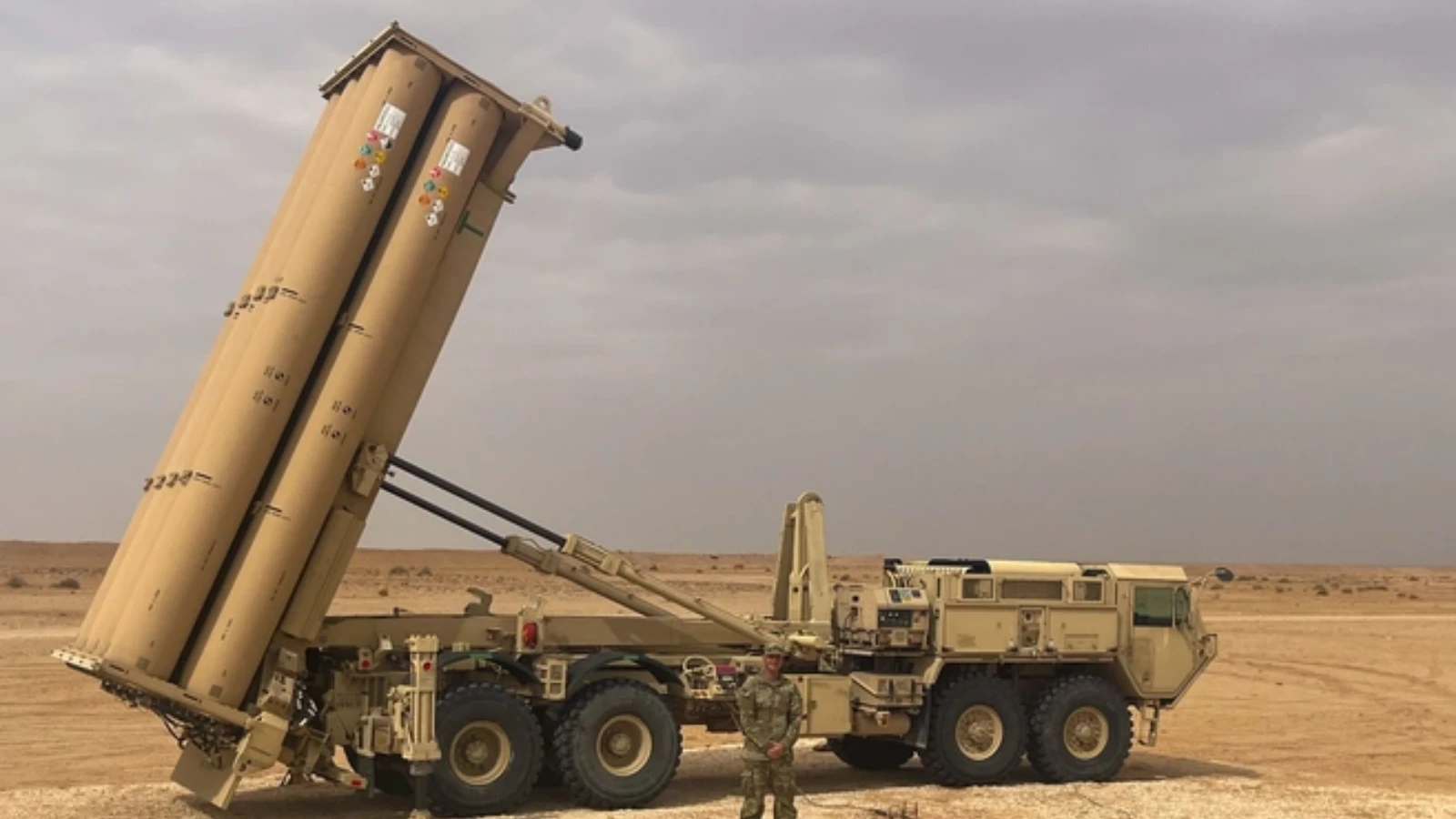
Lockheed Martin Space has received a $211.4 million contract modification to manufacture new Configuration 3 (C3) THAAD launchers for the United Arab Emirates, extending a long-running U.S. Foreign Military Sales program through January 2031.
The Missile Defense Agency (MDA) in Huntsville, Alabama, is the contracting activity. The modification, designated P00082 under contract HQ0147-19-C-5001, increases the cumulative value of the contract to $1.0545 billion. UAE FMS funds will finance the full $211.4 million obligation.
Deep Technical & Strategic Context Analysis
The award is significant because it moves the UAE THAAD program beyond sustainment of its existing batteries and into production of newer launcher hardware. THAAD is designed to intercept short, medium and limited intermediate-range ballistic missiles during their terminal flight phase, both inside and outside the atmosphere. Its hit-to-kill interceptor destroys the incoming target through direct kinetic impact rather than relying on a conventional explosive warhead.
A THAAD battery combines mobile launchers, interceptors, the AN/TPY-2 X-band radar and fire-control equipment. The launcher is a critical part of the system’s operational capacity because it determines how many interceptors can be positioned, fired and reloaded during an engagement sequence. MDA identifies Configuration 3 hardware as part of THAAD System Build 5.0, which also includes mission-assurance updates. The agency has planned the integration of C3 hardware into the THAAD operational baseline as part of the system’s continuing modernization.
The UAE has particular operational relevance to the program. It operates two THAAD batteries, and MDA says the UAE achieved the first operational THAAD intercept in combat in January 2022. That gives the UAE a unique position among THAAD’s international users and demonstrates that the system is not simply an acquisition program, but an actively employed layer of the country’s ballistic missile defense architecture.
The new launcher production also comes as regional demand for integrated missile defense remains high. Saudi Arabia has signed FMS cases for seven THAAD batteries, while Lockheed Martin currently identifies the UAE and Saudi Arabia as THAAD’s two international customers.
Contract Breakdown & Details
What Lockheed Martin Is Receiving
According to the MDA contract announcement, the modification provides:
- Contract value: $211,435,067
- Cumulative contract value: $1,054,537,337
- Contract modification: P00082
- Original contract: HQ0147-19-C-5001
- Prime contractor: Lockheed Martin Space
- Contractor location: Sunnyvale, California
- Customer: United Arab Emirates
- Acquisition mechanism: Foreign Military Sales
- Contracting activity: Missile Defense Agency, Huntsville, Alabama
- Offers solicited: One
- Offers received: One
- Performance period: August 2026 through January 2031
What Is Being Produced?
The central requirement is the manufacture and production of new Configuration 3 THAAD launchers.
This is different from a conventional maintenance award. Previous modifications under the same contract have supported the UAE’s existing THAAD force through maintenance, logistics, training, repair, software and hardware sustainment, engineering and other technical services. A December 2025 modification, for example, provided continued sustainment support for the UAE’s two THAAD batteries through August 2028.
The latest award therefore adds a significant production component to the continuing UAE support relationship.
Why Configuration 3 Matters
THAAD System Build 5.0 incorporates Configuration 3 hardware alongside mission-assurance improvements. MDA describes the broader THAAD modernization effort as an effort to improve capability and performance against current and evolving missile threats.
For the UAE, new C3 launchers can provide a path toward keeping the ground segment aligned with the evolving THAAD architecture rather than allowing launcher hardware to become a limiting factor as other elements of the weapon system are modernized.
The distinction is important. A missile defense battery is not simply a collection of interceptors. Radar detection, target tracking, discrimination, fire control, communications and launcher availability all have to function as an integrated engagement chain. Maintaining modern launcher hardware is therefore directly connected to the system’s ability to generate usable firing capacity.
FMS Funding And Geographic Work Breakdown
The announcement identifies UAE FMS funding of $211,435,067, meaning the full amount obligated under this modification comes from the UAE’s Foreign Military Sales case.
The announcement provided in the award notice does not specify percentage allocations by work location. Accordingly, assigning geographic percentages to California, Alabama, Texas or other locations would not be supported by the available contract data.
The documented information establishes:
- Funding source: 100% UAE FMS funds for the obligated modification
- Primary contractor location: Sunnyvale, California
- Contracting authority: MDA, Huntsville, Alabama
- Geographic percentage split: Not publicly specified in the announcement
What One Offer Received Means
The notice states that one offer was solicited and one offer was received. That figure should not automatically be interpreted as evidence of a conventional competitive procurement.
THAAD is a highly integrated weapon system with proprietary design information, established production processes and extensive government-industry interfaces. Lockheed Martin is the system’s prime contractor, making the company’s established technical position particularly relevant to modifications involving specific THAAD configurations.
The key point is that the procurement record identifies one offer, while the award is being executed as a modification to an existing THAAD contract.
UAE THAAD Capability Continues To Expand
The UAE’s relationship with THAAD dates back more than a decade. Lockheed Martin delivered the first UAE THAAD battery in 2015, making the country the system’s first international customer. The UAE already operated Patriot PAC-3 before adding THAAD, creating a layered missile defense architecture with different engagement capabilities.
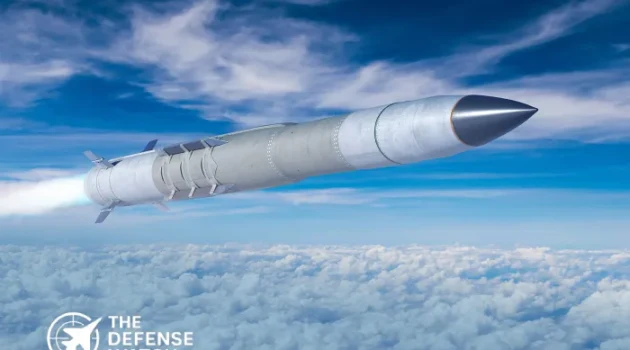
THAAD also has an established integration path with Patriot. Lockheed Martin and the U.S. Army demonstrated the integration of PAC-3 MSE launchers with THAAD, allowing Patriot interceptors to benefit from the broader THAAD radar and fire-control architecture.
That layered approach is increasingly important as regional missile threats become more diverse. THAAD is optimized for ballistic missile defense, while lower-tier systems such as Patriot can provide additional engagement opportunities against targets within their respective performance envelopes. The result is a networked defense architecture rather than reliance on a single interceptor or launcher type.
Strategic Significance
The $211.4 million award represents a shift from simply keeping the UAE’s existing THAAD batteries operational toward modernizing the physical launcher component of the force.
For Lockheed Martin, the modification also reinforces the long-term nature of the UAE THAAD relationship. For the MDA, continued international investment in THAAD provides another mechanism for maintaining a common weapon-system architecture among U.S. and allied operators.
The January 2031 performance endpoint also gives the UAE a multi-year production horizon for C3 launcher modernization. Combined with ongoing sustainment and the broader THAAD System Build 5.0 effort, the contract indicates that the UAE intends to maintain THAAD as a core component of its ballistic missile defense architecture well into the next decade.