Executive Summary:
Israel has officially taken delivery of the INS Drakon, the newest and final Dolphin II class submarine built by Germany’s Thyssenkrupp Marine Systems. The vessel introduces a redesigned configuration that could expand Israel’s strategic naval capabilities while reinforcing its long standing underwater deterrence in the Middle East.
INS Drakon Strengthens Israel’s Underwater Fleet
Israel has officially received the INS Drakon submarine, marking the delivery of the sixth and final Dolphin II class submarine built by Germany’s Thyssenkrupp Marine Systems (TKMS). The transfer represents another milestone in the long standing defense partnership between Germany and Israel and further enhances the Israeli Navy’s strategic undersea capabilities.
The submarine was handed over at TKMS’s shipyard in Kiel, Germany. Unlike previous deliveries, the transfer was completed without a public ceremony. Following the handover, the submarine departed under the Israeli flag for the first time before beginning preparations for operational service.
A Significantly Redesigned Dolphin II
The INS Drakon submarine differs noticeably from earlier Dolphin II boats.
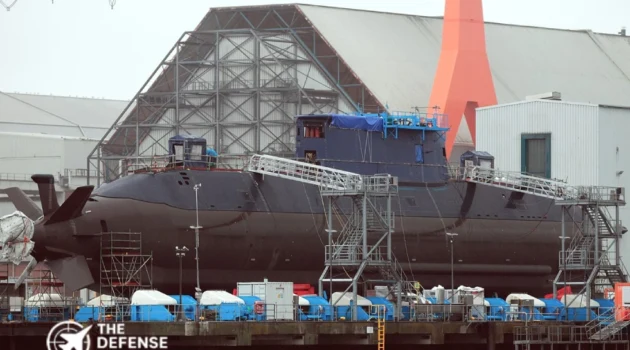
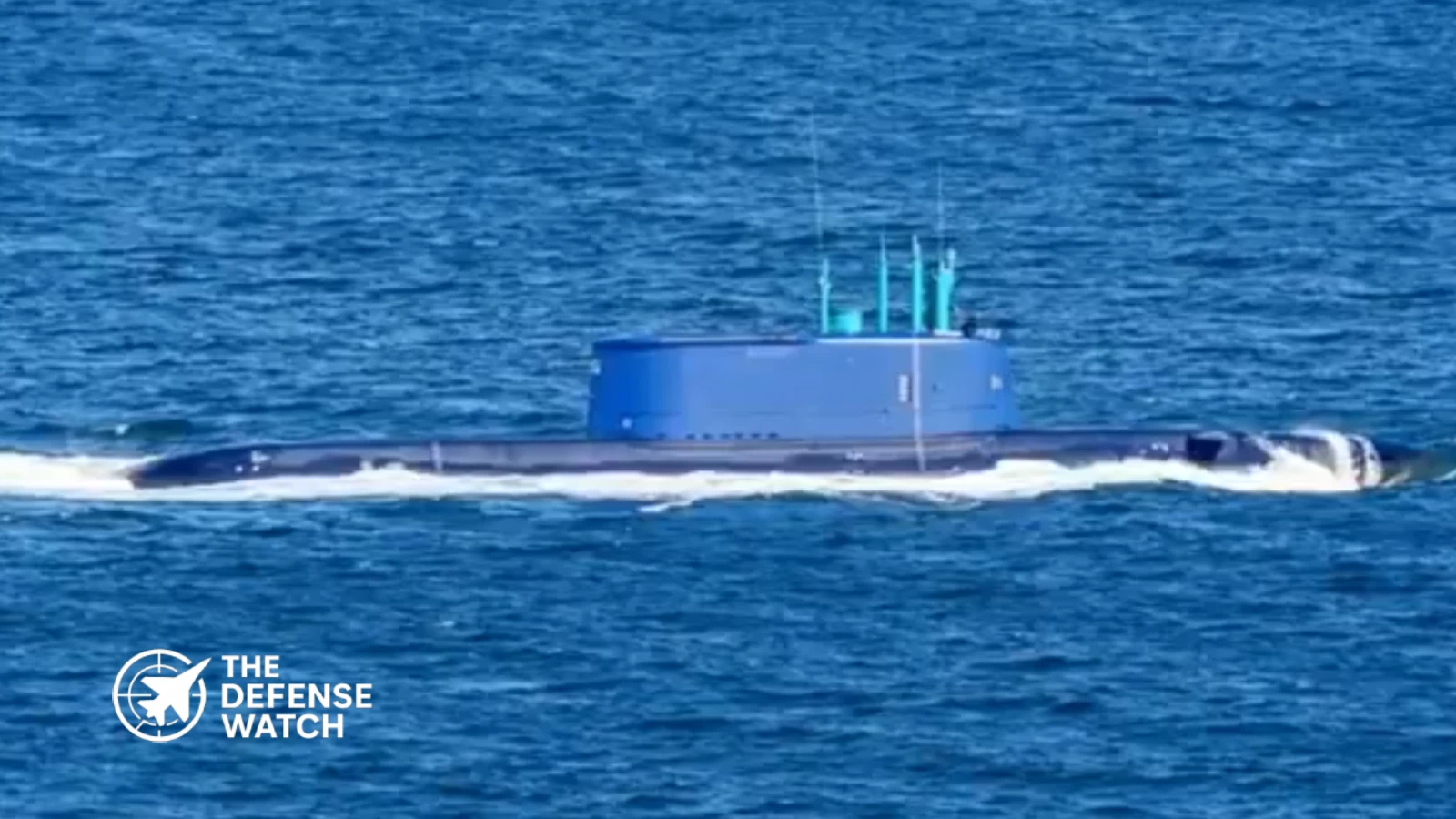
Its overall length has increased from approximately 68.6 meters to 73 meters, making it the largest submarine in Israel’s current fleet. The redesigned hull and a substantially enlarged sail distinguish the vessel from previous Dolphin II submarines.
Neither the Israeli Ministry of Defense nor TKMS has disclosed the exact purpose of the enlarged sail. However, defense analysts note that the revised design indicates the integration of new mission systems beyond those carried by earlier boats.
While some analysts have suggested the sail could accommodate vertical launch systems (VLS), neither government has confirmed that capability. Without official confirmation, the submarine’s internal configuration remains classified.
Advanced Weapons Configuration
What has been confirmed is the submarine’s bow armament.
The INS Drakon is equipped with 10 torpedo tubes, consisting of:
- Six 533 mm torpedo tubes
- Four larger 650 mm torpedo tubes
The larger tubes offer greater flexibility for deploying heavyweight weapons, specialized payloads, unmanned underwater vehicles, or equipment supporting special operations missions.
The Dolphin II class is also known for its air independent propulsion (AIP) system, allowing submarines to remain submerged for extended periods compared with conventionally powered submarines. This significantly improves survivability and operational endurance during intelligence gathering, surveillance, and deterrence patrols.
Strategic Importance For Israel
The arrival of the INS Drakon comes as maritime security remains a growing priority across the Eastern Mediterranean and the wider Middle East.
Israel has steadily modernized its submarine force over the past two decades, viewing undersea platforms as a key element of national defense. Submarines provide persistent intelligence collection, covert surveillance, long range strike potential, and strategic deterrence while remaining difficult to detect.
The addition of Drakon strengthens those capabilities by introducing an updated platform that appears designed for evolving operational requirements.
Although many details remain classified, the submarine’s new configuration suggests Israel intends to maintain a technological advantage in underwater operations as regional naval capabilities continue to evolve.
Germany And Israel Continue Defense Cooperation
Germany has played a central role in developing Israel’s modern submarine fleet.
TKMS has built every Dolphin class submarine operated by the Israeli Navy, with several vessels partially funded by the German government as part of bilateral security cooperation.
The INS Drakon represents the final submarine of the Dolphin II generation before Israel begins transitioning toward the next generation Dakar class submarines, which are expected to introduce additional technological improvements later this decade.
The continued cooperation reflects one of Europe’s longest running naval industrial partnerships and highlights Germany’s role in supporting Israel’s maritime modernization efforts.
Analysis
Beyond the submarine itself, the delivery carries broader strategic significance.
Submarine fleets are among the most difficult military capabilities to build and sustain because they require advanced industrial expertise, highly trained crews, and long term logistical support. The INS Drakon reinforces Israel’s ability to conduct persistent underwater operations across multiple maritime theaters while maintaining a credible deterrent.
The submarine’s enlarged sail has attracted considerable attention because it represents the most visible design change within the Dolphin II family. However, without official confirmation from Israel or TKMS, assessments regarding vertical launch systems or other new capabilities remain speculative.
What is clear is that the vessel reflects an evolution in Israeli naval requirements. Whether supporting intelligence collection, special operations, or long duration patrols, the INS Drakon expands the operational flexibility of one of the Middle East’s most advanced submarine fleets.
As regional naval competition continues to grow, investments in survivable undersea platforms are likely to remain a central component of Israel’s long term defense strategy.