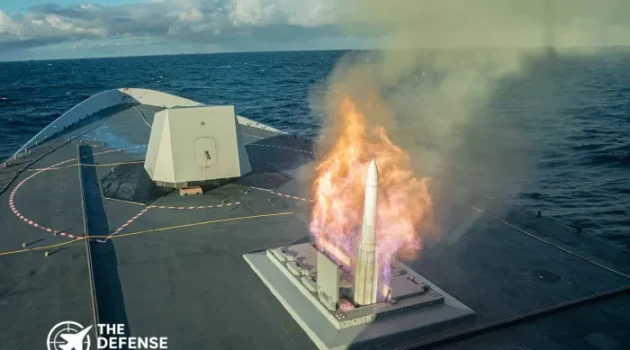
- Raytheon received an $18.98 million U.S. Navy contract modification to provide engineering support for the ESSM and NATO SeaSparrow missile programs.
- The work will continue through December 2030, supporting U.S. Navy requirements alongside eleven NATO nations and Japan.
- Engineering services include technical design authority, system integration, configuration management, and long term missile sustainment.
- The contract reflects continued multinational investment in naval air defense against cruise missiles, aircraft, and increasingly complex drone threats.
- NAVSEA is managing the program under a cost plus fixed fee contract that shares technical development risk with the government.
The U.S. Navy has awarded Raytheon an $18.98 million cost plus fixed fee contract modification to continue providing technical and design agent engineering support for the Evolved SeaSparrow Missile (ESSM) and NATO SeaSparrow Missile System (NSSMS) programs. The award was announced by the Naval Sea Systems Command (NAVSEA) in Washington, D.C., which serves as the contracting activity for the multinational missile program.
According to NAVSEA, the modification extends engineering support through December 2030 and covers both U.S. Navy requirements and participating allied nations. The procurement includes funding from the U.S. Navy, eleven NATO SeaSparrow consortium members, and Japan through the Foreign Military Sales (FMS) program, highlighting the missile’s importance as one of the world’s most widely deployed naval air defense systems.
Deep Technical & Strategic Context Analysis
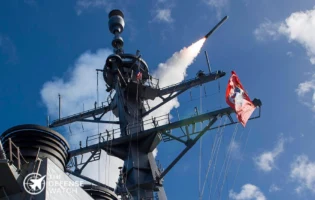
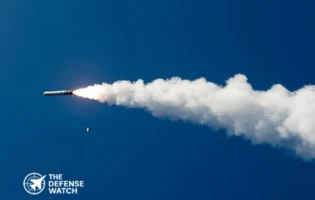
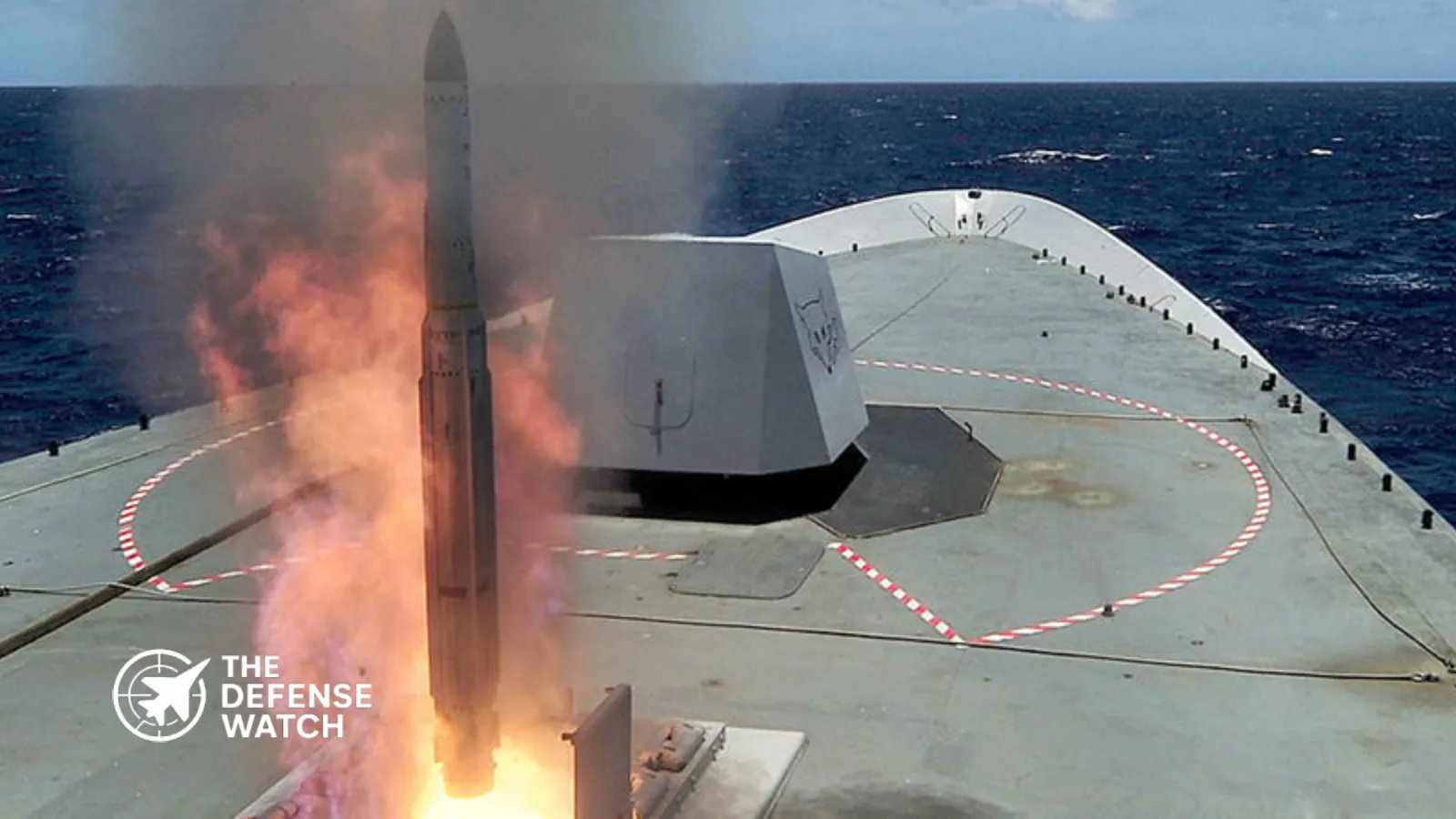
The Evolved SeaSparrow Missile (ESSM) is the primary medium range shipborne air defense interceptor used aboard numerous NATO and allied surface combatants. Designed to defeat highly maneuverable anti-ship cruise missiles, fixed wing aircraft, helicopters, and increasingly unmanned aerial threats, ESSM forms the inner layer of many naval integrated air and missile defense architectures. The latest ESSM Block 2 introduced an active radar seeker, allowing the missile to independently acquire and engage targets during the terminal phase without relying solely on continuous shipboard radar illumination. This significantly improves a warship’s ability to counter saturation attacks involving multiple incoming threats.
The engineering work funded under this contract is as strategically important as missile production itself. Rather than purchasing additional interceptors, NAVSEA is investing in the technical backbone that keeps the weapon system operational for decades. As the designated technical and design agent, Raytheon will provide configuration management, software and hardware engineering, system integration, reliability improvements, testing support, and lifecycle sustainment. These activities ensure that the missile remains compatible with evolving combat management systems, sensors, launchers, and emerging naval threats.
The cost plus fixed fee contract structure is commonly used for highly specialized engineering work where the exact technical requirements may evolve throughout the project. Under this arrangement, the government reimburses allowable development costs while paying a predetermined fixed fee, reducing contractor incentives to cut corners during complex research, design validation, and long term systems engineering efforts.
Contract Breakdown & Details
Contract Value
- Total Modification: $18,977,361
- Contract Type: Cost Plus Fixed Fee (CPFF)
- Original Contract: N00024-26-C-5434
- Completion Date: December 2030
Work Locations
- Tucson, Arizona:85%
- Raytheon’s primary missile engineering and design center.
- Portsmouth, Rhode Island:15%
- Naval systems engineering and program support.
Participating Customers
United States Navy
- Accounts for 36% of total funding.
NATO SeaSparrow Consortium
- Represents approximately 63% of contract funding.
- Participating nations include:
Foreign Military Sales
- Japan: Approximately 1% of total funding.
Major Funding Sources
- Other Customer Funds: Largest funding component supporting allied consortium partners.
- Weapons Procurement, Navy (WPN): Supports missile system modernization.
- Other Procurement, Navy (OPN): Funds associated equipment and sustainment.
- Operations & Maintenance, Navy (O&M): Supports operational readiness and engineering services.
- Foreign Military Sales Funds: Supports Japanese participation.
Why This Contract Matters
Although modest in value compared with missile production contracts, engineering support agreements are essential to maintaining combat readiness across multinational fleets. More than a dozen navies operate ESSM aboard destroyers, frigates, amphibious ships, and aircraft carriers, making software updates, system integration, and technical support critical as naval threats continue to evolve.
The award also underscores the enduring success of the NATO SeaSparrow Consortium, one of the defense industry’s longest running multinational cooperative acquisition programs. By pooling engineering resources and sharing development costs, consortium members maintain common missile standards while improving interoperability across allied fleets operating in the Indo-Pacific, North Atlantic, Mediterranean, and other contested maritime regions.
As global naval forces place greater emphasis on defending against cruise missiles, low flying drones, and high speed precision weapons, sustained engineering investment ensures ESSM remains an effective component of layered maritime air defense well into the next decade.