• Home
  • About
  • Defense Systems
  • Manufacturer
  • Comparisons
  • Compare 
  • Tools
TheDefenseWatch.com
  • Aerospace & Aviation
  • Military & Ordnance
  • Naval & Maritime
  • Cyber & Space Defense
  • Policy & Strategy
  • Global News
  • Tools Library
    • Smart Calculator
    • Drone Flight Time Calculator
    • Drone Range Calculator
    • Counter-Drone Jammer Effective Range Calculator
    • Counter-Battery Radar Detection Calculator
    • Artillery Fire Correction Calculator
    • Thermal Camera Detection Range Calculator
    • Missile Range & Time-of-Flight Calculator
    • Radar Detection Range Calculator
    • FPV Strike Drone Payload vs Range Calculator
    • Loitering Munition Endurance Calculator
    • Sniper Ballistic Drop & Windage Calculator
    • Bullet Drop Calculator
    • U.S. Army Combat Fitness Test (ACFT) Calculator
    • Military Pension Calculator
    • Military Retirement Calculator
    • Military Pension Calculator
    • Large Number Calculator
Font ResizerAa

TheDefenseWatch.com

The Defense Watch | U.S. & Global Defense News, Analysis & Military Updates

Search
  • Home
  • About
  • Defense Systems
  • Manufacturer
  • Comparisons
  • Compare 
  • Tools

Stay Updated

Get the latest update

Subscribe

Explore

  • Drone
  • Fighter Jets & Military Aircraft
  • Hypersonic Weapons
  • Aircraft Carriers
  • Strategic History & Missions
  • Tools Library
Home » Türkiye Moves To Explore S-400 Air Defense System Sale As Effort To Reopen Path To U.S. F-35 Program
Alliances & DoctrinesPolicy & Strategy

Türkiye Moves To Explore S-400 Air Defense System Sale As Effort To Reopen Path To U.S. F-35 Program

Samuel Drake | Defense Analyst
Last updated: September 7, 2026 4:40 am
Samuel Drake | Defense Analyst
Share
3 Min Read
Türkiye S 400 sale
SHARE
Follow The Defense Watch on Google:

Executive Summary:

Türkiye is reportedly examining the sale of its Russian built S-400 air defense system to a Gulf nation as Ankara attempts to remove one of the main obstacles preventing its return to the U.S. led F-35 Joint Strike Fighter program. The reported discussions highlight Türkiye’s broader effort to restore defense cooperation with Washington while balancing regional security partnerships and its existing military capabilities.

Türkiye Explores S-400 Sale As It Seeks Return To F-35 Program

Türkiye’s reported effort to sell its Russian made S-400 air defense system marks one of the clearest indications that Ankara is looking for a long term solution to one of its most contentious defense disputes with the United States.

Contents
Türkiye Explores S-400 Sale As It Seeks Return To F-35 ProgramWhy The S-400 Became A Major IssuePotential Gulf Transfer Could Change The Strategic LandscapeWhy The F-35 Still Matters To TürkiyeTechnical And Political Challenges RemainAnalysis: Why This Matters Beyond TürkiyeOutlook

According to reporting by Army Recognition, Turkish officials are exploring the possibility of transferring the S-400 system to a Gulf country, potentially removing the issue that led Washington to suspend Türkiye from the multinational F-35 Joint Strike Fighter program.

The report comes as relations between Ankara and Washington have gradually improved through expanded defense dialogue, NATO cooperation, and negotiations over other military procurement programs.

Why The S-400 Became A Major Issue

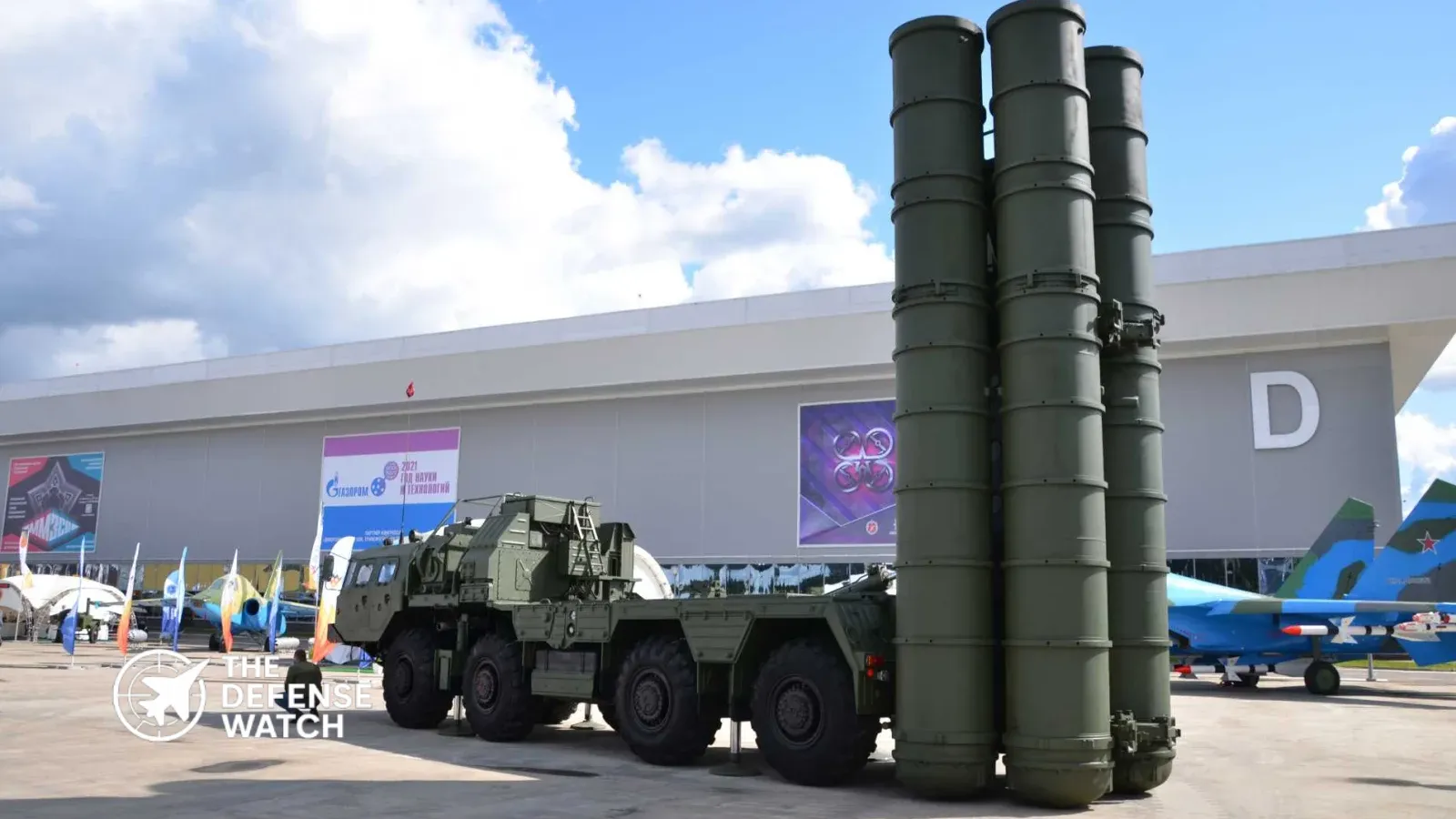
Türkiye signed its agreement with Russia to purchase the S-400 Triumf long range air defense system in 2017, with deliveries beginning in 2019.

- Advertisement -
  • S-400 Triumf Air Defense System

    S-400 Triumf Air Defense System

    • Maximum Range: 400 km
    • Maximum Altitude: 30 km
    • Radar Detection Range: 600 km
    • Missile Speed: Mach 14
    • View Details →
    8.0

    The acquisition immediately raised concerns within NATO because the advanced Russian radar system could potentially collect sensitive electronic data on Western combat aircraft, particularly the stealth characteristics of the F-35 Lightning II.

    The United States argued that operating both systems together would create unacceptable intelligence risks. As a result, Washington removed Türkiye from the multinational F-35 production and acquisition program in 2019.

    Additional measures followed under the Countering America’s Adversaries Through Sanctions Act (CAATSA), which imposed sanctions on Türkiye’s Presidency of Defense Industries (SSB) and limited future defense cooperation.

    Potential Gulf Transfer Could Change The Strategic Landscape

    Although no agreement has been officially announced, transferring the S-400 system to a Gulf nation could represent a significant diplomatic breakthrough if accepted by all parties involved.

    Several Gulf countries continue to modernize their integrated air and missile defense networks as regional missile and drone threats evolve. However, any transfer would likely require Russian approval because export agreements for advanced military systems generally contain end user restrictions.

    The United States has not publicly indicated whether removing the S-400 from Turkish service alone would automatically restore Türkiye’s eligibility for the F-35 program.

    Why The F-35 Still Matters To Türkiye

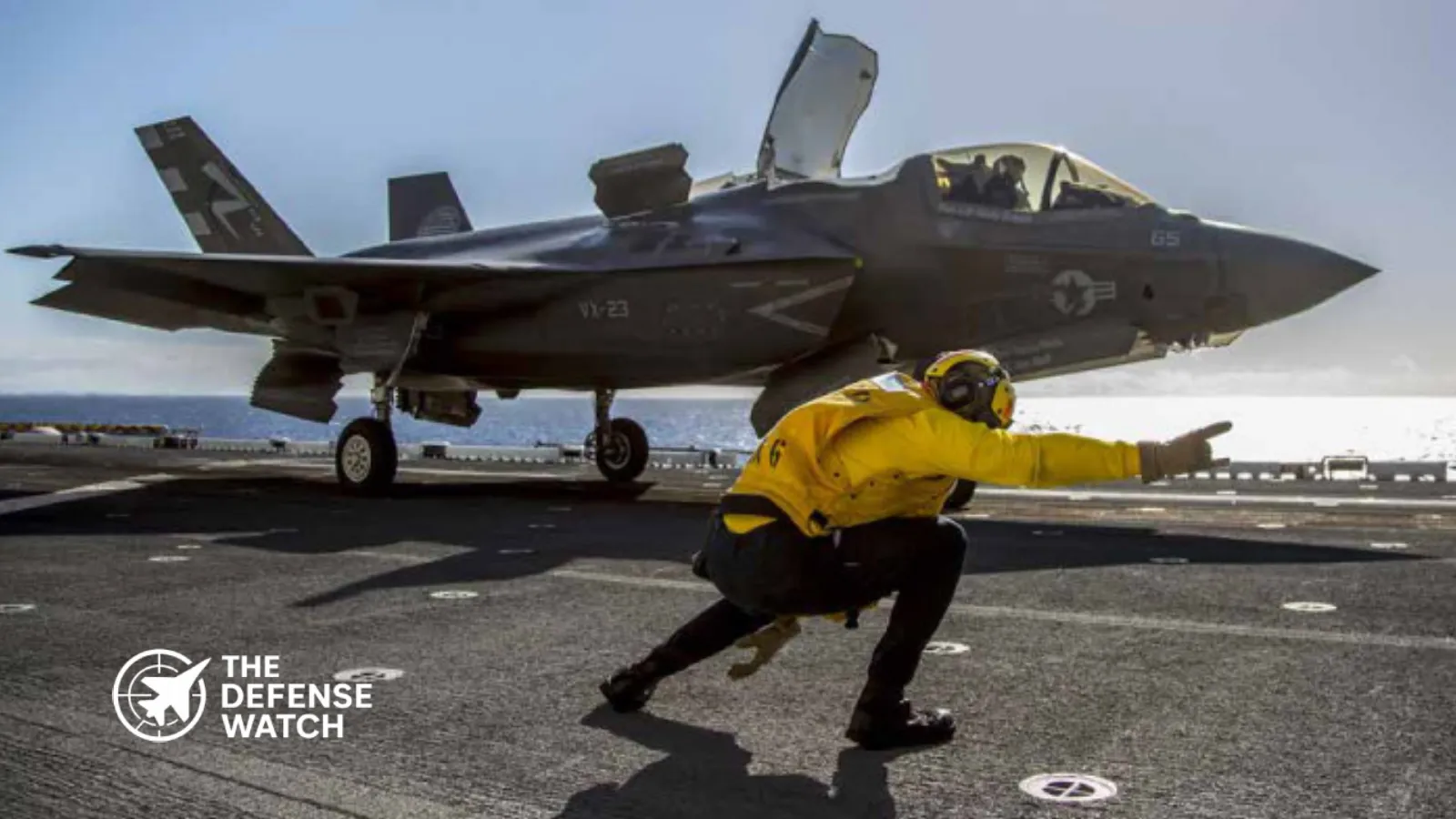
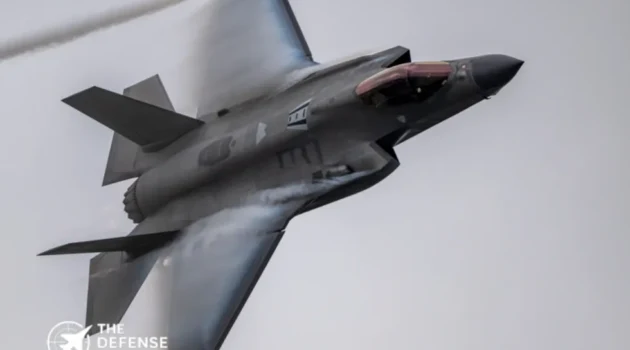
    The F-35 remains one of the world’s most advanced fifth generation multirole fighters, combining stealth, sensor fusion, advanced networking, and precision strike capabilities.

    Before its removal, Türkiye was both a development partner and industrial participant in the program.

    • F-35 Lightning II Fighter Jet

      F-35 Lightning II Fighter Jet

      • Generation: 5th
      • Maximum Speed: Mach 1.6 (1,200 mph / 1,930 km/h)
      • No. of Engines: 1
      • Radar Range: ~150+ km (AN/APG-81 AESA)
      • View Details →
      8.8

      Turkish aerospace companies manufactured hundreds of aircraft components, including structural assemblies, landing gear elements, and engine parts, before production responsibilities were redistributed among other suppliers following Ankara’s suspension.

      A return to the program would provide several strategic benefits.

      CapabilityStrategic Value
      Fifth generation stealthEnhanced survivability against advanced air defenses
      NATO interoperabilityImproved coalition operations
      Industrial participationHigh value aerospace manufacturing opportunities
      Long term fleet modernizationReplacement for aging fighter aircraft

      Technical And Political Challenges Remain

      Even if Türkiye ultimately transfers the S-400 system, several political and legal hurdles would remain before rejoining the F-35 enterprise.

      Among the major issues are:

      • U.S. congressional approval for any policy reversal.
      • Resolution of CAATSA related restrictions.
      • Security verification regarding previous S-400 operations.
      • Agreement among existing F-35 partner nations.
      • Potential Russian objections to transferring the system.

      Each factor would require extensive diplomatic negotiations extending beyond the physical removal of the missile system.

      Analysis: Why This Matters Beyond Türkiye

      The reported proposal reflects a broader transformation in regional defense relationships rather than a simple arms transaction.

      For Washington, restoring closer defense ties with Türkiye would strengthen NATO’s southern flank at a time when the alliance faces simultaneous security challenges from Russia, instability across the Middle East, and increasing military competition in the Black Sea region.

      Türkiye occupies one of NATO’s most strategically important geographic positions, controlling access to the Black Sea through the Turkish Straits while maintaining military operations across Europe, the Eastern Mediterranean, the Middle East, and the Caucasus.

      From an operational perspective, reintroducing Türkiye into advanced Western defense programs could improve alliance interoperability, logistics, and collective deterrence. Turkish industry has also expanded significantly since its removal from the F-35 supply chain, making future industrial cooperation potentially valuable for both NATO and U.S. defense manufacturing.

      At the same time, any decision involving the S-400 would remain politically sensitive. The system has become a symbol of Ankara’s effort to pursue a more independent defense procurement policy while maintaining NATO membership. A transfer would therefore represent not only a military decision but also a strategic signal regarding Türkiye’s future alignment with Western defense structures.

      For Gulf states, acquiring such a system would also require careful consideration of existing U.S. supplied missile defense architectures, including Patriot and THAAD batteries, interoperability requirements, sustainment costs, and the broader political implications of introducing Russian equipment into predominantly Western defense networks.

      Outlook

      No official announcement has confirmed that an S-400 transfer agreement has been finalized, and neither U.S. nor Turkish authorities have publicly outlined a roadmap for Türkiye’s possible return to the F-35 program.

      Nevertheless, the reported discussions indicate that Ankara continues exploring options to resolve one of the most significant disputes affecting U.S. Türkiye defense relations. Whether those efforts ultimately lead to renewed participation in the F-35 program will depend on diplomatic negotiations, congressional decisions in Washington, and broader NATO security considerations.

Enjoying our coverage?

Make The Defense Watch a preferred source on Google to see more of our geopolitical and defense insights when relevant to you.

TAGGED:F-35 ProgramTürkiye
Share This Article
Facebook Copy Link Print
BySamuel Drake | Defense Analyst
Follow:
Samuel Drake is a defense analyst at TheDefenseWatch.com covering naval warfare, military ordnance, maritime technology, fleet modernization, and defense procurement. His reporting focuses on documented capabilities, procurement programs, and military technology.
Leave a Comment

Leave a Reply Cancel reply

Your email address will not be published. Required fields are marked *

Search Defense Systems

Latest Defense Systems

  • KN-23 Ballistic Missile KN-23 Ballistic Missile
  • Su-75 Checkmate Fighter Jet Su-75 Checkmate Fighter Jet
  • Ilyushin Il-20 Coot Aircraft Ilyushin Il-20 Coot Aircraft
  • FGM-148 Javelin Anti-Tank Missile FGM-148 Javelin Anti-Tank Missile
  • F-104 Starfighter F-104 Starfighter
  • F-15J Eagle Fighter Jet F-15J Eagle Fighter Jet
  • China’s GJ-21 Stealth Drone China’s GJ-21 Stealth Drone
  • China’s GJ-11 Stealth Drone China’s GJ-11 Stealth Drone
  • F-15EX Eagle Fighter Jet F-15EX Eagle Fighter Jet

Recent Compares

  • J-10C vs JF-17 Thunder: Which Fighter Is More Capable? J-10C vs JF-17 Thunder: Which Fighter Is More Capable? View Comparison →
  • Tejas vs Gripen: Key Differences and Capabilities Tejas vs Gripen: Key Differences and Capabilities View Comparison →
  • Tejas vs MiG-21 Bison: How India Replaced Its Iconic Supersonic Fighter Tejas vs MiG-21 Bison: How India Replaced Its Iconic Supersonic Fighter View Comparison →
  • F-35 vs F-16: Stealth, Sensors and Combat Roles F-35 vs F-16: Stealth, Sensors and Combat Roles View Comparison →
  • Tejas Fighter Jet vs F-16 Fighting Falcon: Capability Compared Tejas Fighter Jet vs F-16 Fighting Falcon: Capability Compared View Comparison →
  • Rafale Fighter Jet vs F-16 Fighting Falcon : Which Fighter Has the Edge? Rafale Fighter Jet vs F-16 Fighting Falcon : Which Fighter Has the Edge? View Comparison →
  • Su-57 Fighter Jet vs J-20 Fighter Jet: Stealth and Air Combat Compared Su-57 Fighter Jet vs J-20 Fighter Jet: Stealth and Air Combat Compared View Comparison →
  • Mirage 2000 vs Tejas Mk1A: Legacy Combat Power vs Indigenous Modernization Mirage 2000 vs Tejas Mk1A: Legacy Combat Power vs Indigenous Modernization View Comparison →
  • Rafale Fighter Jet vs F-22 Raptor: Which Air Dominance Fighter Has the Edge? Rafale Fighter Jet vs F-22 Raptor: Which Air Dominance Fighter Has the Edge? View Comparison →
  • Tejas Fighter Jet vs. Rafale Fighter Jet: India’s Indigenous Fighter Meets France’s Proven Multirole Combat Aircraft Tejas Fighter Jet vs. Rafale Fighter Jet: India’s Indigenous Fighter Meets France’s Proven Multirole Combat Aircraft View Comparison →

Recent Posts

  • Is the US Planning a 7th-Generation Fighter Jet?
  • NATO Jets Scrambled After Drone Breaches Latvian Airspace
  • North Korea Reportedly Suspends Missile and Artillery Deliveries to Russia
  • U.S. Navy Conducts Hovercraft Operations With USS Boxer in Middle East
  • Russia Shows Possible Su-75 Checkmate Prototype Progress at KnAAZ Aircraft Plant

You Might Also Like

Trump arms executives meeting
Geopolitical & Strategic DoctrinesPolicy & Strategy

Trump Moves To Extend Iran Ceasefire As Peace Talks Hang In Balance

April 22, 2026
Project Agincourt autonomous warfare
Geopolitical & Strategic DoctrinesPolicy & Strategy

Project Agincourt Pushes Pentagon to Speed Up Autonomous Weapons Fielding

October 24, 2026
NATO defense production
Alliances & DoctrinesPolicy & Strategy

NATO Moves To Expand Defense Production As Türkiye Positions Itself As A Key Industrial Partner

September 17, 2026
Germany F-35 Lightning II order
Defense Budgets & PolicyPolicy & Strategy

Germany Weighs Additional F-35 Lightning II Order, Deepening U.S. Defense Ties

September 8, 2026

Logo

Copyright © 2026 TheDefenseWatch.com

Helpful Links

  • Home
  • About Us
  • Privacy Policy
  • Terms of Use / Disclaimer
  • U.S. Privacy Notice – CCPA Compliance

Defense Systems

  • Defense Systems
  • Comparisons 
  • Manufacturer
  • Tactical Calculators

Popuplar

Which 5 Air Forces Possess the Costliest Fighter Jet Fleets in the World
Evolving Strategic Value: Carrier Strike Groups in the Indo-Pacific’s Future Security Architecture
Autonomous Weapon Systems Spark U.S. Ethics Debate Amid Rapid Military AI Integration

We report on developments involving military forces, governments, defense companies, research organizations, and security institutions around the world. 

Welcome Back!

Sign in to your account

Username or Email Address
Password

Lost your password?

Enjoying our coverage?

Make The Defense Watch a preferred source on Google to see more insights.