U.S. Funds $4.6 Billion Sentinel ICBM Program
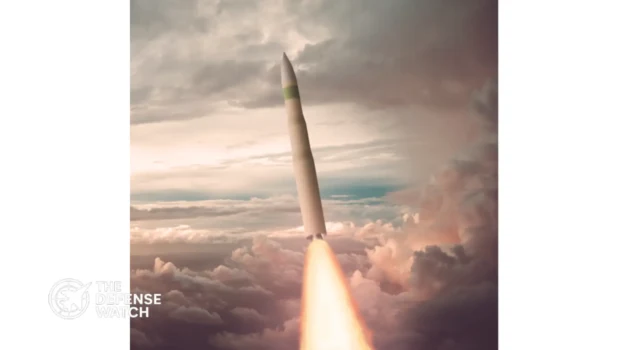
The Sentinel ICBM program has received a new $4.6 billion funding boost, underlining Washington’s commitment to replace the aging LGM-30G Minuteman III missile force with the next-generation LGM-35A Sentinel system.
- The United States is allocating $4.6 billion for the Sentinel ICBM program in the latest defense budget cycle.
- Sentinel is designed to replace the aging Minuteman III missile force first deployed in 1970.
- The program is led by :contentReference[oaicite:0]{index=0} and includes missile, launch control, and silo infrastructure upgrades.
- Initial operational capability is now expected in the early 2030s after delays and restructuring.
- Sentinel remains central to the land-based leg of the U.S. nuclear triad.
The funding, highlighted in recent defense reporting, comes as the Pentagon works to stabilize one of its most complex modernization efforts. Sentinel is intended to renew the ground-based component of the U.S. nuclear triad, alongside ballistic missile submarines and strategic bombers.
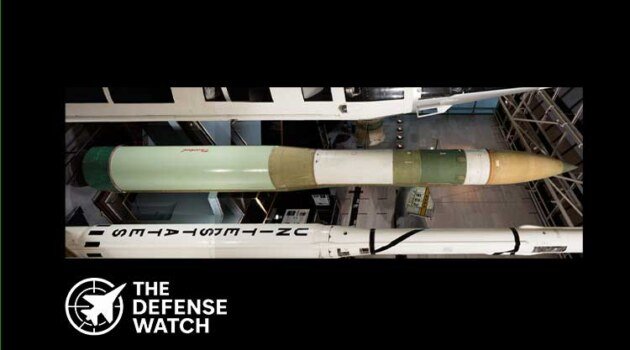
For U.S. planners, replacing Minuteman III is no longer optional. The missile entered service in 1970 and has remained operational through repeated life-extension efforts. Many of its core support systems, launch facilities, and command networks date back decades.
Why Sentinel Matters
Unlike a simple missile swap, Sentinel is a full system rebuild. It includes:
- New solid-fuel intercontinental ballistic missiles
- Modernized launch control centers
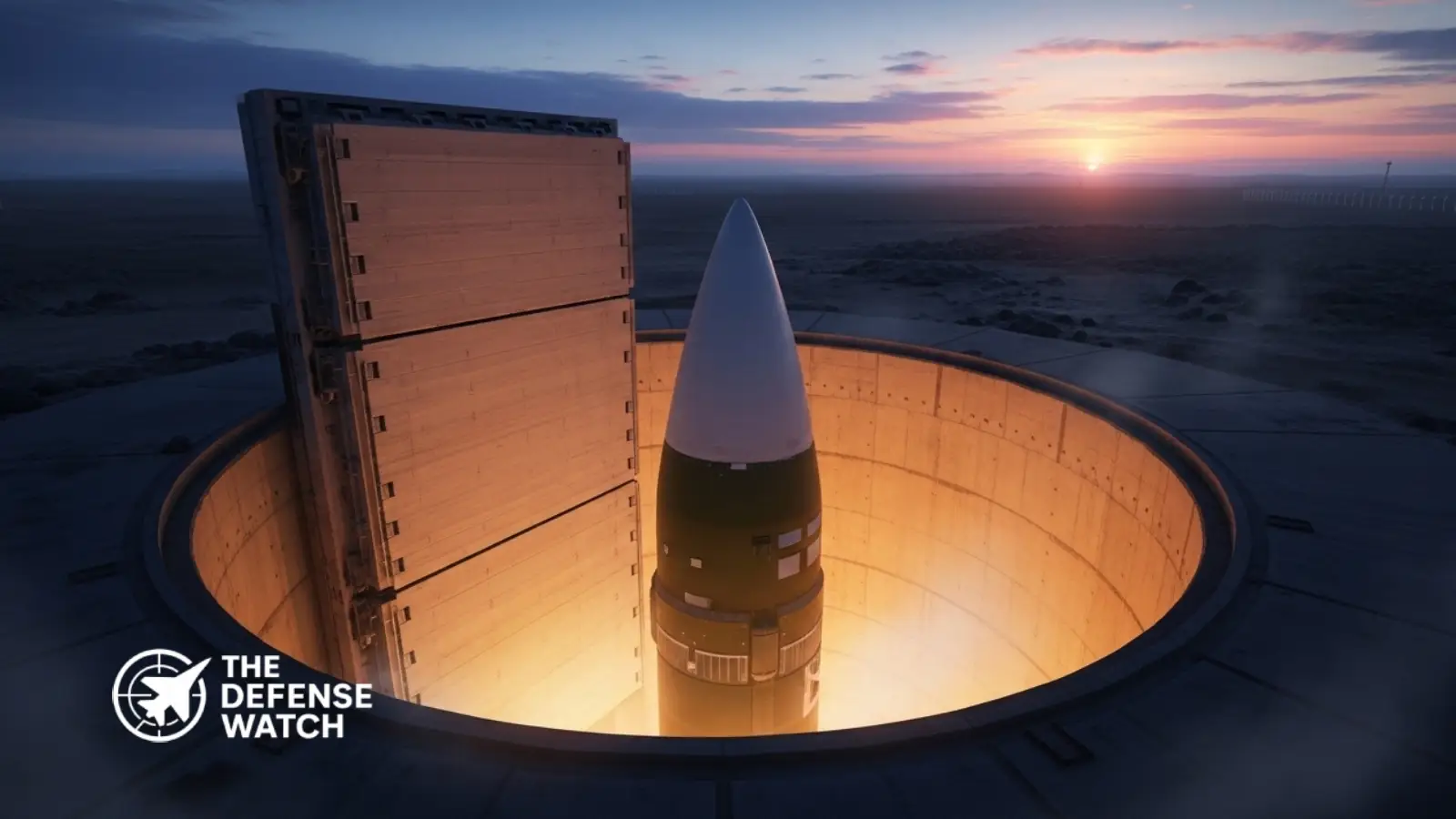
- Refreshed underground silos and support sites
- Updated communications and command links
- Cyber-resilient digital architecture
Congressional research notes the existing Minuteman III infrastructure includes facilities originating in the 1960s, which adds urgency to replacement timelines.
That broader scope explains why Sentinel has become one of the Pentagon’s most expensive strategic programs.
Delays And Rising Costs
The Sentinel program has faced schedule pressure and major cost growth. In 2024, the Pentagon acknowledged the effort was significantly over budget, triggering a Nunn-McCurdy review process for troubled acquisition programs. Reuters previously reported total program estimates above $140 billion.
More recently, the U.S. Government Accountability Office said the first missile flight has slipped roughly four years from earlier plans, with testing now expected in 2028.
Still, the Air Force says initial capability is targeted for the early 2030s.
Strategic Analysis
The latest $4.6 billion Sentinel ICBM allocation suggests the U.S. government has chosen continuity over delay despite mounting costs.
That matters for three reasons:
First, Washington sees land-based missiles as a core deterrent against peer nuclear rivals such as Russia and China.
Second, abandoning Sentinel would likely require another expensive life-extension for Minuteman III, itself an aging system with shrinking industrial support.
Third, the program supports a specialized industrial base tied to solid rocket motors, hardened infrastructure, and nuclear command systems.
In short, Sentinel is costly, but cancellation would also carry strategic and financial risks.
What Comes Next
The next milestones to watch include:
- Completion of program restructuring
- New acquisition baseline approval
- First pad launch testing
- 2028 flight test progress
- Infrastructure construction across missile fields
If these steps hold, the Sentinel ICBM could begin replacing Minuteman III during the next decade.
Get real time update about this post category directly on your device, subscribe now.