Türkiye Defense Industry Expansion Gains Pace Amid Global Demand
The Türkiye defense industry expansion is entering a new phase as Türkiye rolls out a series of coordinated moves aimed at boosting exports, strengthening partnerships, and scaling production capacity.
Ankara is pursuing three parallel efforts that signal a broader strategic shift. These include expanding international defense agreements, deepening industrial cooperation with foreign partners, and accelerating domestic manufacturing output across key sectors.
The developments come as global demand for cost-effective and combat-proven systems continues to rise, particularly in emerging markets.
- Türkiye announced three major moves to expand its defense industry’s global reach.
- The initiatives include new export agreements, industrial partnerships, and increased production capacity.
- Turkish defense firms continue to gain traction in Europe, Asia, and the Middle East.
- The expansion aligns with Ankara’s goal of reducing foreign dependency in defense systems.
- Officials highlight sustained demand for drones, armored vehicles, and naval platforms.
Export Growth Drives Strategic Momentum
At the core of the Türkiye defense industry expansion is a sustained push to increase exports. Turkish defense firms have gained visibility in recent years through platforms such as unmanned aerial vehicles, armored vehicles, and naval systems.
Officials have pointed to growing interest from countries in Europe, Asia, and the Middle East. This reflects a broader trend where buyers seek alternatives to traditional Western suppliers, often balancing cost, delivery timelines, and operational performance.
Analysis:
Türkiye’s export-driven model mirrors strategies used by established defense exporters but with a key difference. Turkish systems are often marketed as modular, adaptable, and competitively priced. This positioning has allowed Ankara to penetrate markets where budget constraints limit access to high-end Western platforms.
In practical terms, export growth is not just about revenue. It also strengthens political ties, expands logistical networks, and builds long-term maintenance relationships, all of which reinforce Türkiye’s strategic influence.
Industrial Partnerships Expand Global Reach
Another pillar of the Türkiye defense industry expansion is the emphasis on partnerships and joint production agreements. Turkish firms are increasingly entering co-production deals, technology-sharing arrangements, and localized manufacturing initiatives.
These partnerships serve two purposes. First, they help overcome export restrictions and regulatory barriers. Second, they align with partner nations’ goals of developing domestic defense capabilities.
Analysis:
This approach reflects a shift from traditional arms sales toward collaborative defense ecosystems. By offering co-production, Türkiye positions itself as a long-term partner rather than a transactional supplier. This model is especially attractive to countries seeking industrial development alongside military capability.
It also reduces political risk. Shared production creates mutual dependency, making defense relationships more resilient to diplomatic fluctuations.
Production Scaling Signals Long-Term Ambition
The third component of the Türkiye defense industry expansion involves scaling up production capacity across multiple sectors. Increased manufacturing output is essential to meet rising international demand and fulfill existing contracts.
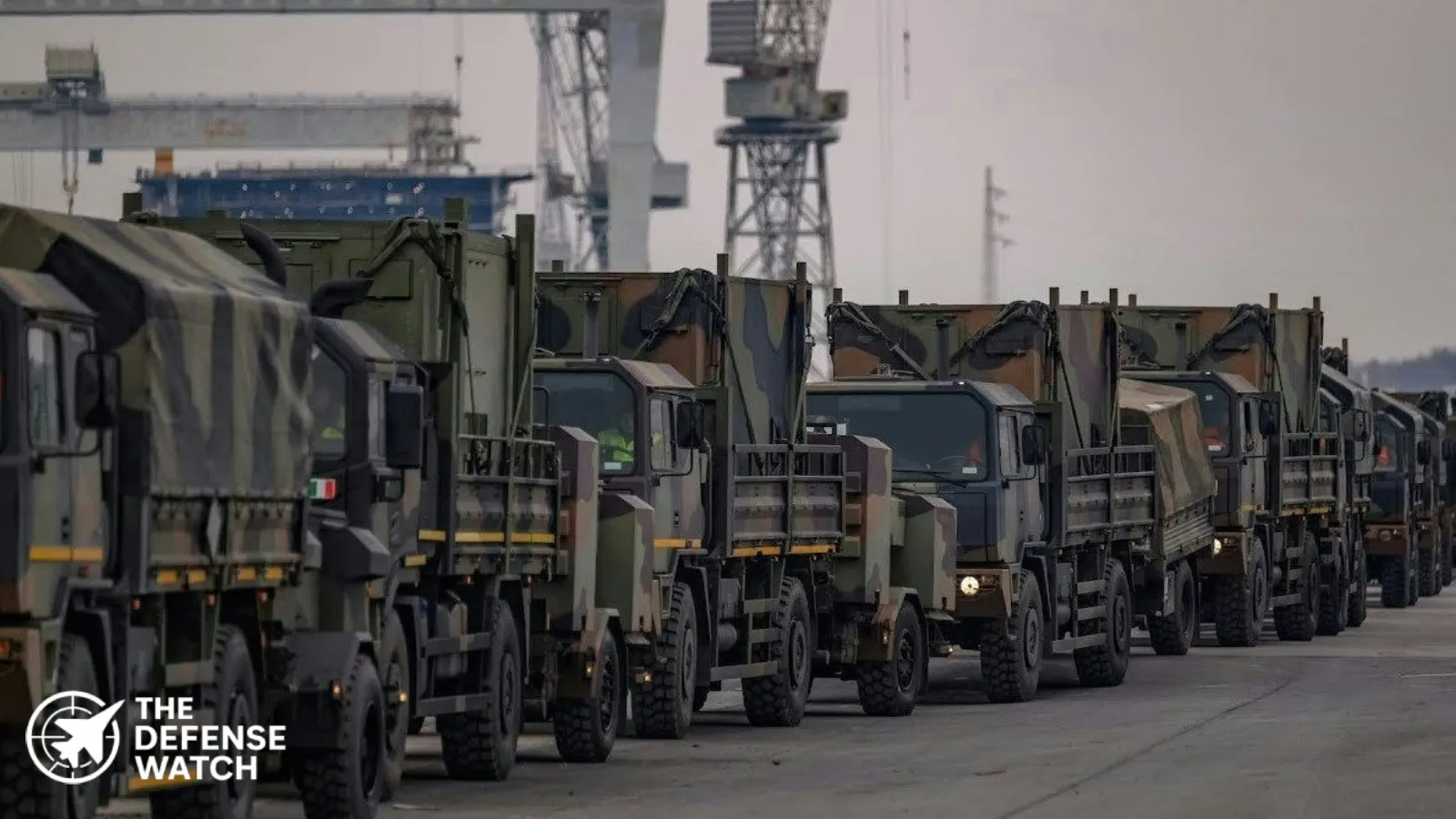
Turkish defense companies are investing in infrastructure, workforce development, and supply chain resilience. This includes expanding facilities for UAV production, armored vehicle assembly, and naval shipbuilding.
Analysis:
Scaling production is a critical test for any emerging defense exporter. Rapid growth can strain supply chains and quality control systems. Türkiye’s ability to maintain delivery timelines while preserving performance standards will determine whether it can compete consistently with established players.
Moreover, production capacity is closely tied to strategic autonomy. By strengthening domestic manufacturing, Ankara reduces reliance on foreign components and mitigates the impact of export restrictions imposed by allied nations.
Strategic Context: Balancing Autonomy And Alliance Commitments
The Türkiye defense industry expansion is unfolding within a complex geopolitical environment. As a NATO member, Türkiye must balance alliance commitments with its ambition to build an independent defense industrial base.
Recent years have seen tensions over procurement decisions and technology transfers. In response, Ankara has doubled down on indigenous development and diversified its supplier network.
Analysis:
This dual-track strategy reflects a broader trend among middle powers seeking greater strategic autonomy. Türkiye is not abandoning its alliances but is clearly reducing vulnerabilities linked to external dependencies.
The result is a more flexible defense posture, one that allows Ankara to respond to regional threats while maintaining leverage in international negotiations.
Market Position And Competitive Outlook
Türkiye’s defense sector is increasingly positioned as a mid-tier alternative between high-cost Western systems and lower-cost competitors with limited technological depth.
Its success in UAV exports, in particular, has reshaped perceptions of Turkish defense capabilities. This momentum is now extending to other domains, including naval platforms and land systems.
Analysis:
Sustaining this trajectory will depend on innovation, reliability, and after-sales support. As more countries adopt Turkish systems, expectations around interoperability and lifecycle management will rise.
If Türkiye can meet these demands, it is likely to secure a lasting role in the global defense market.