

Executive Summary:
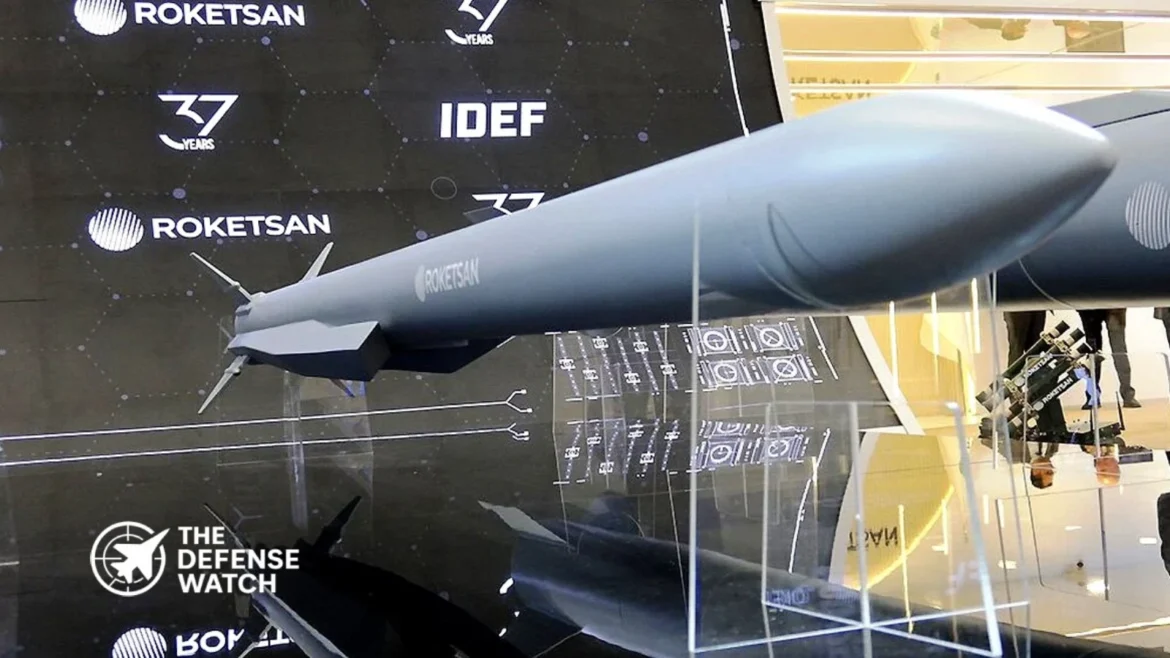
Türkiye is developing GÖKHAN as a national ramjet-powered beyond-visual-range air-to-air missile for long-range air combat. Developed by TÜBİTAK SAGE under a program launched in 2021, GÖKHAN has moved through conceptual and preliminary design, with ground testing underway and additional range and capability development contracts signed in 2025.
The GÖKHAN missile is Türkiye’s indigenous ramjet-powered air-to-air missile program, developed by TÜBİTAK SAGE to provide the Turkish defense industry with a strategic long-range beyond-visual-range air combat weapon. The development contract between Türkiye’s Ministry of National Defense and TÜBİTAK SAGE was signed on May 21, 2021.
The program is intended to engage air targets at long distances while supporting air superiority, protecting high-value aircraft and allowing strike aircraft to contribute to their own survivability.
TÜBİTAK SAGE says the conceptual design and preliminary design phases have been completed, while ground trial activities are being conducted. The next stages include subsystem and system verification, followed by flight and firing tests.
GÖKHAN Represents a New Class of Turkish Air-to-Air Weapon
The central technological feature of GÖKHAN is its ramjet propulsion system.
Unlike a conventional rocket motor, a ramjet uses atmospheric oxygen during powered flight. This allows the propulsion system to sustain thrust over a longer portion of the missile’s flight, subject to the missile’s flight regime and propulsion design.
For a long-range air-to-air weapon, maintaining energy during the engagement is particularly important. A missile that retains sufficient speed and maneuverability during the terminal phase can have greater opportunity to respond to a maneuvering target.
However, propulsion alone does not determine an air-to-air missile’s effectiveness. Seeker performance, guidance algorithms, electronic counter-countermeasures, data links, navigation, flight-control systems, warhead and fuze technology all contribute to the overall weapon capability.
GÖKHAN Builds on Türkiye’s GÖKDOĞAN and BOZDOĞAN Programs
GÖKHAN is not being developed independently of Türkiye’s earlier air-to-air missile work.
TÜBİTAK SAGE says the program benefits from knowledge gained through the GÖKDOĞAN and BOZDOĞAN projects. At IDEF 2025, the institute identified GÖKHAN as Türkiye’s first national ramjet-powered air-to-air missile and highlighted its ramjet propulsion, high maneuverability and two-way data-link capability.
GÖKDOĞAN is already established as Türkiye’s beyond-visual-range air-to-air missile. TÜBİTAK SAGE lists the missile with an active radar seeker, solid-fuel rocket propulsion, a published range of more than 65 kilometers, target-update capability through a data link and advanced counter-countermeasure features.
GÖKHAN is intended to move the Turkish air-to-air missile family toward a longer-range ramjet-powered capability.
Türkiye Expands the GÖKHAN Program
A significant development came during IDEF 2025 in Istanbul.
TÜBİTAK SAGE announced an amendment to the existing GÖKHAN development contract for increased range and capability. It also signed a separate contract for the development of a long-range GÖKHAN configuration.
The institute said these agreements are intended to increase GÖKHAN’s range performance and maneuverability, with the long-term objective of making it one of the longest-range air-to-air missiles in the NATO inventory.
This is an important distinction from simply describing GÖKHAN as a missile with a fixed publicly confirmed maximum range. TÜBİTAK SAGE has not released a complete official specification table establishing a final maximum range, terminal speed or warhead weight.
Consequently, numerical performance figures circulating in secondary reporting should not be treated as confirmed specifications unless Türkiye’s defense authorities or TÜBİTAK SAGE officially release them.
What Makes the Ramjet Approach Important?
The primary advantage sought through ramjet propulsion is sustained energy.
In a long-range engagement, a missile may travel a substantial distance before reaching the target’s vicinity. During that time, aerodynamic drag reduces speed and maneuvering can consume additional energy.
A ramjet-powered design is intended to continue producing thrust during the appropriate portion of the flight. This can support higher retained energy and potentially improve the missile’s ability to maneuver during the terminal engagement.
The actual operational advantage, however, will only become clear through flight and firing trials.
GÖKHAN must demonstrate reliable propulsion, guidance, seeker performance, control and target engagement under realistic conditions before its full capability can be assessed.
GÖKHAN and Türkiye’s Broader Air Combat Modernization
The missile forms part of a wider Turkish effort to develop an increasingly independent air combat ecosystem.
Türkiye is simultaneously developing advanced aircraft, unmanned combat aircraft, sensors, electronic warfare capabilities and domestic weapons. An indigenous long-range air-to-air missile gives the country greater control over the development and integration of its air combat weapons.
This also has implications for Türkiye’s future fighter fleet.
As Turkish combat aircraft programs mature, an indigenous air-to-air missile can be developed alongside the aircraft rather than being dependent entirely on foreign weapons integration schedules.
The approach also gives Turkish defense companies and research institutions experience in areas such as ramjet propulsion, active guidance, data links, flight control and weapons integration.
GÖKHAN’s Current Development Status
The missile remains a development program rather than an operationally deployed weapon.
Feature Publicly Confirmed Information Missile GÖKHAN Country Türkiye Developer TÜBİTAK SAGE Weapon type Beyond-visual-range air-to-air missile Propulsion Ramjet Development contract May 21, 2021 Design status Conceptual and preliminary design completed Current testing Ground trials Future testing Flight and firing tests Data link Two-way data link publicly identified Range Final official figure not publicly disclosed TÜBİTAK SAGE’s official program page confirms that ground trials are underway and that future flight and firing tests will be used for subsystem and system verification.
Why GÖKHAN Matters to Türkiye
The significance of GÖKHAN extends beyond the missile itself.
Türkiye is seeking to build greater domestic control over critical air combat technologies. Developing a ramjet-powered air-to-air missile requires expertise in propulsion, aerodynamics, guidance, seeker technology, flight control and systems integration.
The program therefore represents another step in the development of Türkiye’s indigenous precision-weapons industry.
TÜBİTAK SAGE has also stated that GÖKHAN is intended to place Türkiye among NATO member states capable of producing ramjet-powered air-to-air missiles.
That makes the program relevant not only to Türkiye’s air force modernization but also to the broader evolution of NATO’s domestic missile technology base.
What Comes Next for GÖKHAN
The next major milestone will be testing.
Ground trials must establish the reliability of the missile’s propulsion, guidance, control and other subsystems before the program progresses through flight testing and live firing.
The outcome of those trials will provide the first substantial evidence of GÖKHAN’s real-world performance.
For now, the most defensible assessment is that Türkiye is developing a national ramjet-powered beyond-visual-range air-to-air missile with an expanded range and capability effort underway.
GÖKHAN should therefore be viewed as part of Türkiye’s long-term effort to build an indigenous, networked air combat capability rather than as an already operational missile with publicly established performance figures.
Executive Summary:
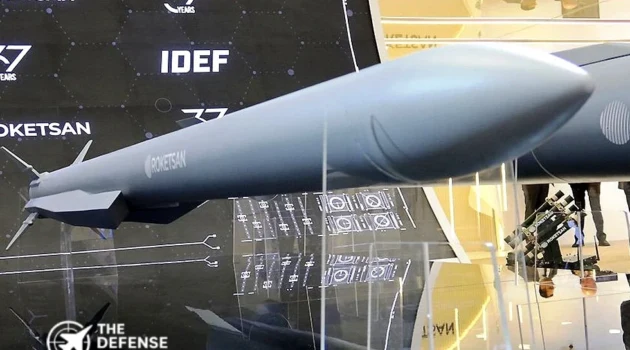
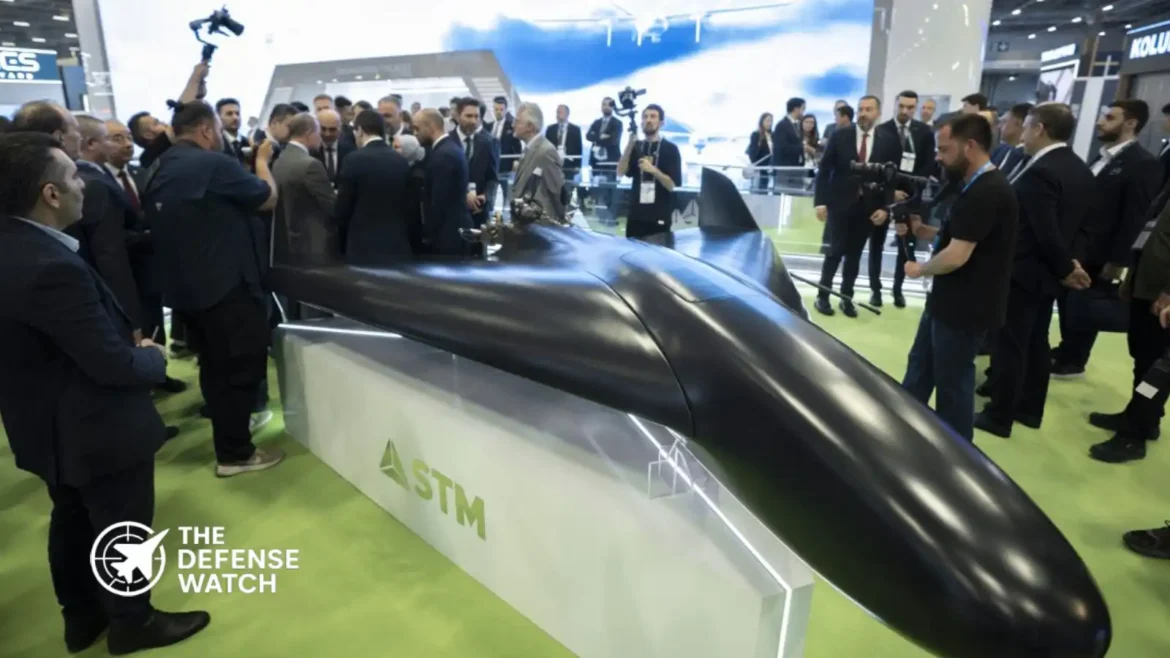
Türkiye has unveiled a new kamikaze drone with a reported range exceeding 1,000 kilometers, marking a major step in its long-range strike capabilities. The system enhances Ankara’s ability to conduct deep precision attacks and reflects a broader shift toward autonomous, cost-effective warfare solutions.
Türkiye Expands Long-Range Strike Capabilities with New UAV
Türkiye has introduced a next-generation loitering munition capable of operating at ranges beyond 1,000 km, placing it among a growing class of long-endurance kamikaze drones designed for strategic strike missions.
The system, revealed in 2026, underscores Ankara’s continued investment in indigenous unmanned systems. Turkish defense firms have steadily expanded their portfolio from tactical UAVs to more advanced platforms capable of penetrating contested environments.
Unlike earlier short-range loitering munitions, this new platform is designed for extended missions, enabling operators to engage high-value targets deep behind enemy lines without relying on manned aircraft.
Key Features and Technical Advantages
Extended Operational Reach
- Range exceeding 1,000 km, significantly higher than most conventional loitering munitions
- Enables deep-strike missions without forward deployment
Precision Strike Capability
- Designed for high-accuracy terminal engagement
- Likely integrates advanced guidance and navigation systems
Cost-Effective Force Multiplier
- Lower cost compared to cruise missiles or manned sorties
- Suitable for attritable warfare concepts
Flexible Deployment
- Potential for ground-based launch systems
- Can be used in swarm or coordinated attack scenarios
Comparison with Existing Systems
System Range Payload Status Key Technology New Turkish Kamikaze Drone 1,000+ km Classified Development/Unveiled Long-range loitering, precision strike IAI Harop (Israel) ~1,000 km ~23 kg Operational Anti-radiation seeker, loitering munition Switchblade 600 (US) ~40 km Light anti-armor Operational Portable loitering strike system Shahed-136 (Iran) ~2,000 km (est.) Explosive warhead Operational Low-cost, long-range strike drone Strategic Implications for Regional Security
Shift Toward Deep Precision Strike
The introduction of a 1,000+ km loitering munition reflects a shift from tactical UAV use toward strategic strike roles, traditionally dominated by cruise missiles.
Enhanced Deterrence Posture
Türkiye’s ability to conduct long-range unmanned strikes strengthens its deterrence across the Middle East, Eastern Mediterranean, and beyond.
Countering Air Defense Systems
Such drones are increasingly used to:
- Saturate air defenses
- Target radar and missile systems
- Conduct persistent surveillance before strike
Influence on Modern Warfare Trends
The system aligns with broader global trends, including:
- Increased reliance on autonomous and semi-autonomous weapons
- Growing use of loitering munitions in conflicts such as Ukraine
- Emphasis on cost-efficient precision strike platforms
Broader Context: Türkiye’s UAV Ecosystem
Türkiye has emerged as a leading exporter of UAV systems, with platforms already deployed in multiple theaters. The development of long-range kamikaze drones complements its existing fleet of armed UAVs and signals a move toward multi-layered unmanned warfare capabilities.
This latest unveiling suggests Ankara aims to compete directly with established loitering munition producers while addressing evolving battlefield demands, particularly in environments where air superiority is contested.
Outlook
As development progresses, key areas to monitor include:
- Integration with network-centric warfare systems
- Potential export interest from allied nations
- Operational deployment timelines
If successfully fielded, the system could redefine Türkiye’s role in long-range unmanned strike operations and further accelerate the global adoption of loitering munitions as strategic weapons.
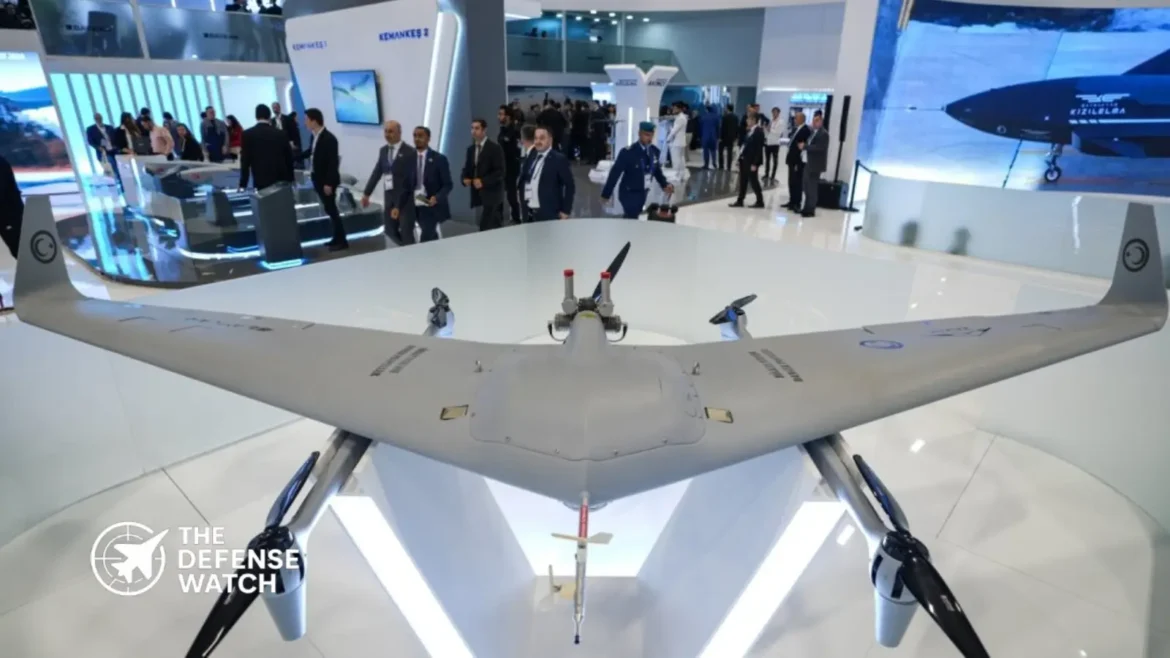
Executive Summary:
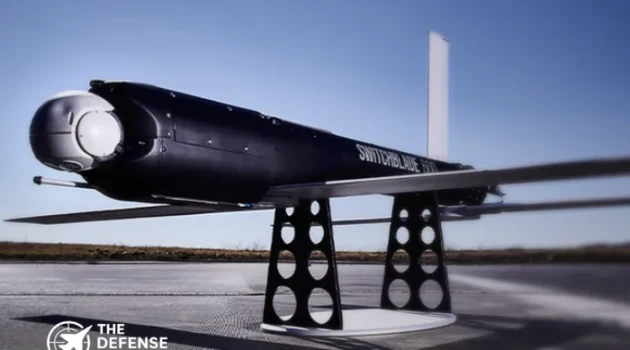
SAHA Expo 2026 has opened in Istanbul, bringing together leading global defense and aerospace companies. The event highlights emerging military technologies and international collaboration. It underscores Türkiye’s growing role in the global defense industry.
SAHA Expo 2026 Opens With Global Defense Industry Focus
SAHA Expo 2026 has officially opened its doors in Istanbul, positioning itself as a major international platform for defense and aerospace cooperation. Organized with participation from leading global firms and government delegations, the event reflects accelerating momentum in military modernization and cross-border defense collaboration.
Features a wide range of technologies, from advanced unmanned systems to next-generation aerospace platforms. With hundreds of companies and officials attending, SAHA Expo 2026 reinforces Türkiye’s ambition to serve as a central hub for defense innovation and exports.
Unlike earlier editions, this year’s event places stronger emphasis on joint development programs and supply chain integration, signaling a shift from purely domestic capability building toward broader international engagement.
Strategic Significance For Türkiye And Global Defense Markets
SAHA Expo 2026 arrives at a time of heightened geopolitical tension and increased defense spending worldwide. Countries across Europe, the Middle East, and Asia are accelerating procurement cycles, driven by evolving security challenges and lessons from recent conflicts.
For Türkiye, the exhibition serves both economic and strategic purposes. The country has steadily expanded its indigenous defense industry, aiming to reduce reliance on foreign suppliers while increasing export competitiveness. Events like SAHA Expo provide a platform to showcase these capabilities to international buyers and partners.
The presence of multinational firms highlights a broader trend: defense supply chains are becoming more interconnected. Companies are increasingly seeking partnerships to mitigate risks, access new markets, and accelerate innovation timelines.
From an industry perspective, SAHA Expo 2026 functions as more than a trade show. It acts as a deal-making environment where governments and contractors align on future procurement priorities and collaborative programs.
Key Technologies On Display
A major draw at SAHA Expo 2026 is the breadth of technologies being showcased. These include:
- Advanced unmanned aerial systems and loitering munitions
- Next-generation fighter aircraft subsystems
- Missile and air defense technologies
- Electronic warfare and cyber defense solutions
- Space and satellite systems
The diversity reflects the changing nature of modern warfare, where integrated systems and multi-domain operations are increasingly critical.
Particular attention has been given to unmanned systems, which have seen extensive operational use in recent conflicts. Their prominence at the exhibition underscores their growing importance in both tactical and strategic roles.
Additionally, electronic warfare and cyber capabilities are gaining visibility, reflecting a shift toward non-kinetic domains that can shape battlefield outcomes without direct engagement.
Growing Emphasis On International Collaboration
One of the defining themes of SAHA Expo 2026 is international collaboration. Defense companies are actively pursuing joint ventures, technology transfers, and co-production agreements.
This trend is driven by several factors:
- Rising development costs for advanced military systems
- Increasing demand for localized production
- Political considerations influencing defense procurement
For emerging defense producers like Türkiye, collaboration offers a pathway to integrate into global supply chains while enhancing domestic capabilities.
For established defense exporters, partnerships provide access to new markets and help navigate regulatory and political constraints.
The result is a more networked defense ecosystem, where innovation is increasingly distributed across multiple countries and organizations.
Industry And Policy Implications
SAHA Expo 2026 highlights several broader trends shaping the defense sector:
First, defense exhibitions are evolving into strategic platforms rather than purely commercial events. Governments use them to signal policy priorities and strengthen diplomatic ties.
Second, the line between civilian and military technologies continues to blur. Dual-use innovations, particularly in aerospace and electronics, are playing a larger role in defense development.
Third, regional players are gaining influence. Türkiye’s growing presence in the defense market reflects a shift toward a more multipolar industry landscape, where traditional suppliers face increasing competition.
From a U.S. perspective, events like SAHA Expo offer insight into emerging competitors and potential partners. Monitoring these developments is essential for maintaining technological and strategic advantages.
Outlook For SAHA Expo And The Defense Industry
As SAHA Expo 2026 continues, further announcements related to contracts, partnerships, and technology demonstrations are expected. These developments will provide a clearer picture of how global defense priorities are evolving.
Looking ahead, the role of international exhibitions is likely to expand. They will remain critical venues for aligning industry capabilities with national security objectives.
SAHA Expo’s growth reflects broader shifts in the defense sector, including increased globalization, rapid technological change, and rising geopolitical competition.
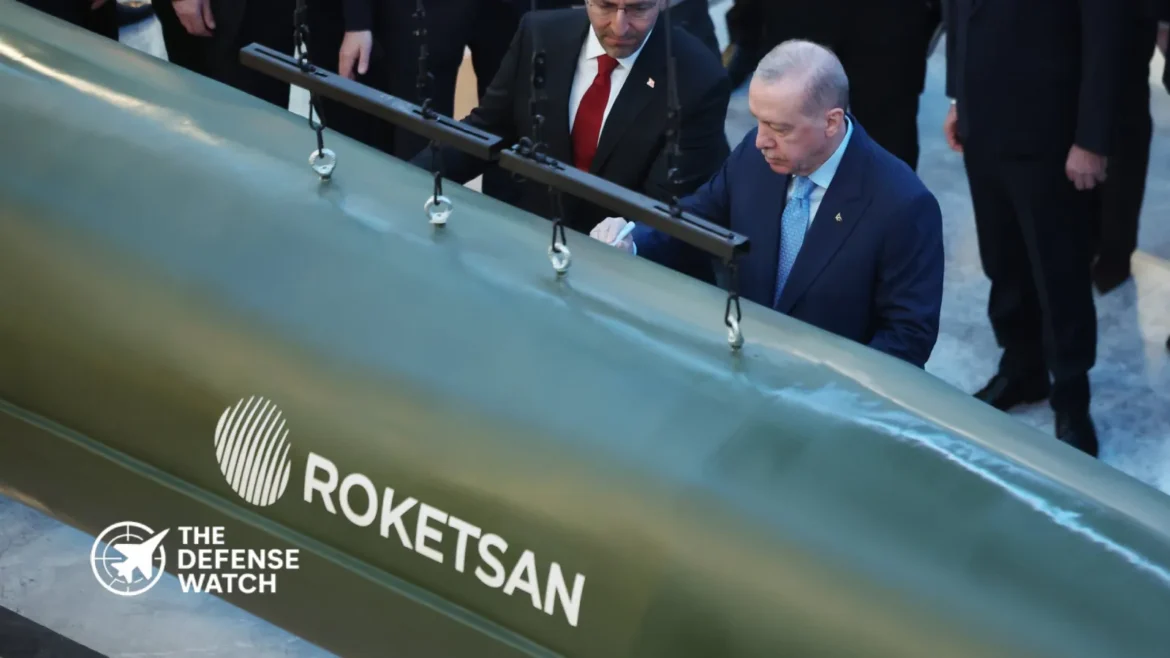
Türkiye Defense Industry Expansion Gains Pace Amid Global Demand
The Türkiye defense industry expansion is entering a new phase as Türkiye rolls out a series of coordinated moves aimed at boosting exports, strengthening partnerships, and scaling production capacity.
Ankara is pursuing three parallel efforts that signal a broader strategic shift. These include expanding international defense agreements, deepening industrial cooperation with foreign partners, and accelerating domestic manufacturing output across key sectors.
The developments come as global demand for cost-effective and combat-proven systems continues to rise, particularly in emerging markets.
- Türkiye announced three major moves to expand its defense industry’s global reach.
- The initiatives include new export agreements, industrial partnerships, and increased production capacity.
- Turkish defense firms continue to gain traction in Europe, Asia, and the Middle East.
- The expansion aligns with Ankara’s goal of reducing foreign dependency in defense systems.
- Officials highlight sustained demand for drones, armored vehicles, and naval platforms.
Export Growth Drives Strategic Momentum
At the core of the Türkiye defense industry expansion is a sustained push to increase exports. Turkish defense firms have gained visibility in recent years through platforms such as unmanned aerial vehicles, armored vehicles, and naval systems.
Officials have pointed to growing interest from countries in Europe, Asia, and the Middle East. This reflects a broader trend where buyers seek alternatives to traditional Western suppliers, often balancing cost, delivery timelines, and operational performance.
Analysis:
Türkiye’s export-driven model mirrors strategies used by established defense exporters but with a key difference. Turkish systems are often marketed as modular, adaptable, and competitively priced. This positioning has allowed Ankara to penetrate markets where budget constraints limit access to high-end Western platforms.
In practical terms, export growth is not just about revenue. It also strengthens political ties, expands logistical networks, and builds long-term maintenance relationships, all of which reinforce Türkiye’s strategic influence.
Industrial Partnerships Expand Global Reach
Another pillar of the Türkiye defense industry expansion is the emphasis on partnerships and joint production agreements. Turkish firms are increasingly entering co-production deals, technology-sharing arrangements, and localized manufacturing initiatives.
These partnerships serve two purposes. First, they help overcome export restrictions and regulatory barriers. Second, they align with partner nations’ goals of developing domestic defense capabilities.
Analysis:
This approach reflects a shift from traditional arms sales toward collaborative defense ecosystems. By offering co-production, Türkiye positions itself as a long-term partner rather than a transactional supplier. This model is especially attractive to countries seeking industrial development alongside military capability.
It also reduces political risk. Shared production creates mutual dependency, making defense relationships more resilient to diplomatic fluctuations.
Production Scaling Signals Long-Term Ambition
The third component of the Türkiye defense industry expansion involves scaling up production capacity across multiple sectors. Increased manufacturing output is essential to meet rising international demand and fulfill existing contracts.
Turkish defense companies are investing in infrastructure, workforce development, and supply chain resilience. This includes expanding facilities for UAV production, armored vehicle assembly, and naval shipbuilding.
Analysis:
Scaling production is a critical test for any emerging defense exporter. Rapid growth can strain supply chains and quality control systems. Türkiye’s ability to maintain delivery timelines while preserving performance standards will determine whether it can compete consistently with established players.
Moreover, production capacity is closely tied to strategic autonomy. By strengthening domestic manufacturing, Ankara reduces reliance on foreign components and mitigates the impact of export restrictions imposed by allied nations.
Strategic Context: Balancing Autonomy And Alliance Commitments
The Türkiye defense industry expansion is unfolding within a complex geopolitical environment. As a NATO member, Türkiye must balance alliance commitments with its ambition to build an independent defense industrial base.
Recent years have seen tensions over procurement decisions and technology transfers. In response, Ankara has doubled down on indigenous development and diversified its supplier network.
Analysis:
This dual-track strategy reflects a broader trend among middle powers seeking greater strategic autonomy. Türkiye is not abandoning its alliances but is clearly reducing vulnerabilities linked to external dependencies.
The result is a more flexible defense posture, one that allows Ankara to respond to regional threats while maintaining leverage in international negotiations.
Market Position And Competitive Outlook
Türkiye’s defense sector is increasingly positioned as a mid-tier alternative between high-cost Western systems and lower-cost competitors with limited technological depth.
Its success in UAV exports, in particular, has reshaped perceptions of Turkish defense capabilities. This momentum is now extending to other domains, including naval platforms and land systems.
Analysis:
Sustaining this trajectory will depend on innovation, reliability, and after-sales support. As more countries adopt Turkish systems, expectations around interoperability and lifecycle management will rise.
If Türkiye can meet these demands, it is likely to secure a lasting role in the global defense market.
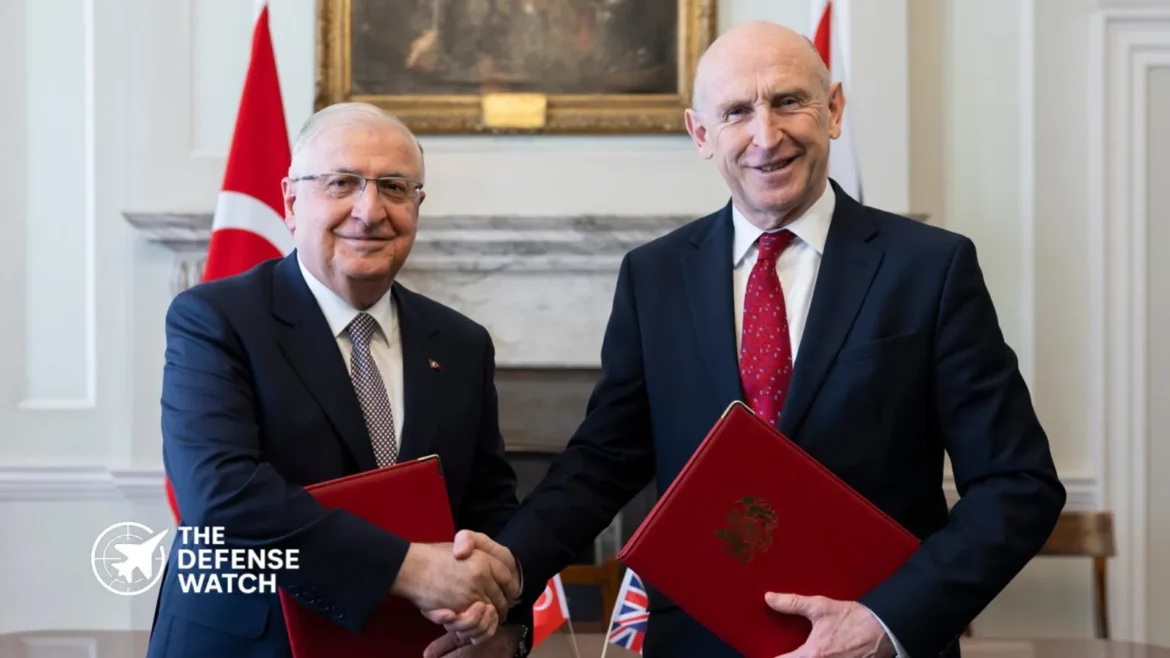
- BAE Systems signed a contract to provide Typhoon support and training services to Türkiye.
- The agreement focuses on maintenance, sustainment, and pilot training for the Eurofighter Typhoon fleet.
- The contract supports operational readiness and long-term sovereign sustainment capabilities.
- The UK Royal Air Force is also involved in supporting Türkiye under the agreement.
- Türkiye is positioning the Typhoon as a central pillar of its future combat airpower.
BAE Systems Türkiye Typhoon Support Contract Expands Airpower Capability
The BAE Systems Türkiye Typhoon support contract marks a significant step in strengthening Ankara’s combat aviation capabilities, focusing on sustainment, training, and long-term operational readiness of the Eurofighter Typhoon fleet.
Announced by BAE Systems, the agreement will deliver a comprehensive package of support services, including maintenance expertise and advanced pilot training. The contract underscores Türkiye’s continued investment in modernizing its air force and ensuring high readiness levels amid evolving regional security challenges.
In an official statement, BAE Systems emphasized the broader impact of the deal, noting that the work will support the Turkish Air Force in delivering operational readiness while progressively increasing its sovereign ability to sustain the fleet. The company added that, together with the Royal Air Force, it is supporting Türkiye as it becomes the latest air force to position the Typhoon as the backbone of its combat aviation capability.
Strengthening Eurofighter Typhoon Operations
The Eurofighter Typhoon remains one of the most advanced multirole fighter platforms in service across Europe and allied nations. Its effectiveness depends not only on platform performance but also on sustainment infrastructure and pilot proficiency.
Under the BAE Systems Türkiye Typhoon support contract, the integration of maintenance and training services is designed to ensure high availability rates and mission readiness. This reflects a broader shift in modern airpower, where lifecycle support is critical to operational success.
BAE Systems continues to play a central role in the Typhoon program, providing design expertise, upgrades, and in-service support across multiple operator nations.
Training And Sovereign Capability Development
A key aspect of the agreement is the development of Türkiye’s sovereign support capabilities. By transferring knowledge and enhancing local expertise, the contract aims to reduce reliance on external support over time.

Training initiatives will include advanced pilot instruction, simulation systems, and operational doctrine development. These elements are essential for maximizing the effectiveness of a fourth-generation-plus fighter such as the Typhoon.
This approach aligns with global trends, where nations seek greater control over maintenance, logistics, and training to ensure resilience during crises or supply chain disruptions.
Strategic Context: Türkiye’s Airpower Modernization
Türkiye continues to prioritize airpower modernization as part of its broader defense strategy. The integration of the Typhoon into its force structure reflects a focus on maintaining a capable and flexible fighter fleet.
The aircraft’s interoperability with NATO-aligned systems enhances Türkiye’s ability to participate in joint operations and coalition missions. At the same time, building sovereign sustainment capabilities supports long-term strategic autonomy.
Industrial And Geopolitical Implications
The BAE Systems Türkiye Typhoon support contract also carries significant industrial and geopolitical weight.
For BAE Systems, the deal strengthens its position as a global leader in defense sustainment and training solutions. Long-term support contracts provide consistent engagement with partner nations and reinforce industrial ties.
From a geopolitical perspective, the agreement highlights continued defense cooperation between Türkiye and European partners. Such collaboration plays a role in shaping regional security dynamics and maintaining interoperability within allied frameworks.
Analysis: Sustainment As The Core Of Modern Airpower
The BAE Systems Türkiye Typhoon support contract reflects a broader evolution in defense procurement, where sustainment and training are as critical as platform acquisition.
Modern fighter aircraft require continuous upgrades, predictive maintenance, and highly trained personnel. Without these elements, even advanced platforms risk reduced readiness.
For Türkiye, the focus on sovereign capability development is particularly significant. It enables greater control over operational readiness and reduces vulnerability to external constraints.
For BAE Systems, the agreement reinforces a strategic shift toward integrated service offerings, combining hardware, software, and human capital development.
Outlook
As global air forces adapt to increasingly complex operational environments, contracts like the BAE Systems Türkiye Typhoon support contract are expected to grow in importance.
For Türkiye, the deal supports both immediate readiness and long-term modernization goals. For the Eurofighter program, it demonstrates continued relevance in a competitive global market.

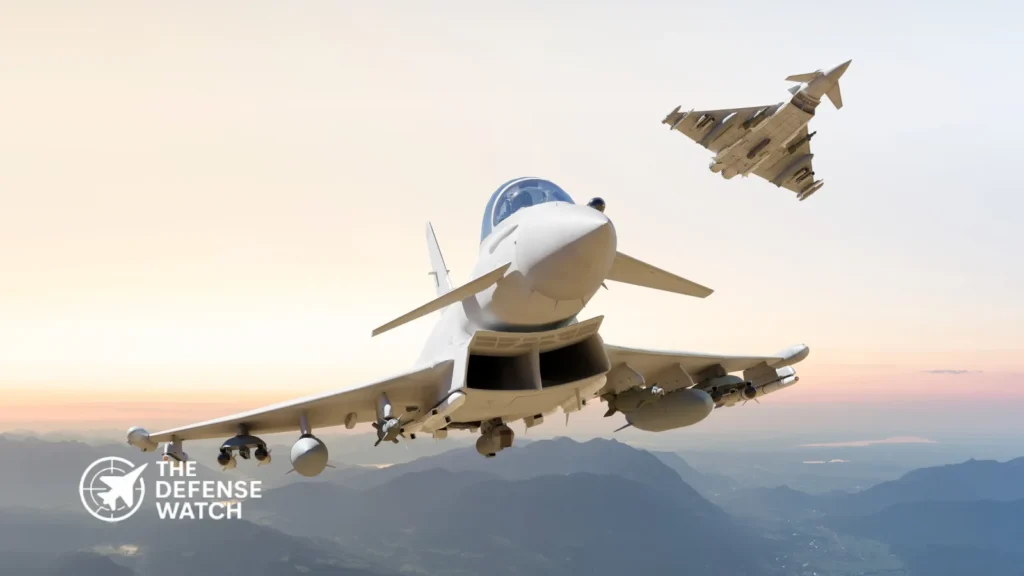
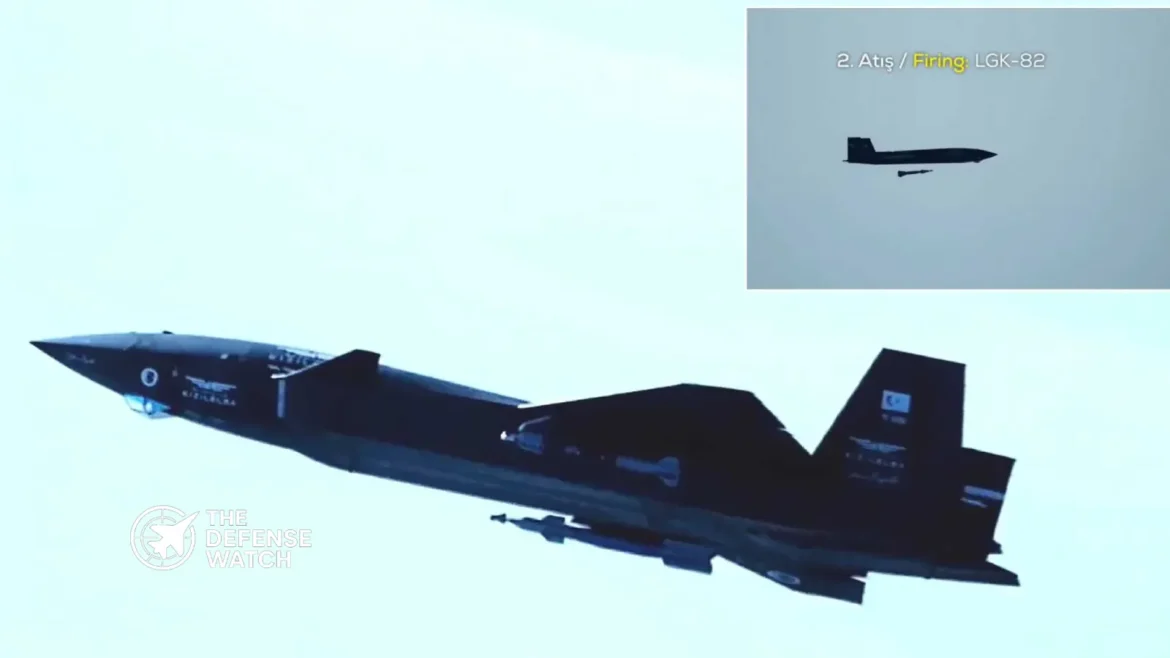
- Türkiye successfully tested the Bayraktar Kizilelma unmanned fighter jet with a precision guided bomb strike.
- The stealth oriented UCAV is designed for air to air and air to ground combat missions.
- Kizilelma forms part of Türkiye’s effort to build an independent next generation combat aviation ecosystem.
- The aircraft is expected to operate from short runway aircraft carriers such as the TCG Anadolu.
- The test highlights the rapid evolution of high performance unmanned combat aircraft globally.
Türkiye Advances Bayraktar Kizilelma Unmanned Fighter Jet Strike Capability
The Bayraktar Kizilelma unmanned fighter jet has completed a new test demonstrating precision guided bomb strike capability, marking a significant milestone in Türkiye’s effort to field a next generation unmanned combat aircraft. The test highlights the growing maturity of the Kizilelma program and signals Türkiye’s intent to integrate high performance combat drones into frontline operations.
Developed by Turkish defense company Baykar, the aircraft represents one of the most ambitious unmanned combat air vehicle (UCAV) programs currently under development. The latest flight test demonstrated the platform’s ability to conduct precision air to ground strikes, an essential step toward operational deployment.
The Big Picture
Unmanned combat aircraft are rapidly reshaping military aviation. Nations are increasingly investing in systems capable of performing missions traditionally handled by manned fighter jets, including precision strike, intelligence gathering, and even air to air combat.
Türkiye has become one of the most active developers in this sector. Over the past decade, Turkish industry has expanded its drone capabilities with systems such as the Bayraktar TB2 and the Akinci UCAV. These platforms have seen operational use in multiple conflict zones and have helped establish Türkiye as a major exporter of unmanned aerial systems.
The Bayraktar Kizilelma unmanned fighter jet represents the next stage of this evolution. Unlike earlier drones optimized primarily for surveillance and strike missions, Kizilelma is designed as a high performance combat aircraft capable of operating in contested airspace.
Its development also reflects Türkiye’s broader strategy to reduce dependence on foreign defense suppliers and build a domestically controlled aerospace ecosystem.
What Is Happening
The latest test flight involved the Bayraktar Kizilelma unmanned fighter jet conducting a precision guided bomb strike against a designated ground target. According to defense reporting, the aircraft successfully released and guided the munition during the flight test.
The demonstration verified the aircraft’s ability to perform precision strike missions using guided munitions, one of the key operational roles envisioned for the platform.
Kizilelma features several design characteristics intended to enhance survivability and combat performance. The aircraft incorporates a stealth influenced airframe with reduced radar signature, internal weapon carriage for certain configurations, and high subsonic or potentially supersonic flight performance depending on the engine configuration.
The aircraft is designed to carry a range of Turkish produced munitions, including precision guided bombs and air to air missiles.
A key design objective is compatibility with short runway and carrier operations. Turkish officials have previously indicated that the aircraft could operate from the amphibious assault ship TCG Anadolu, which Türkiye has positioned as a drone carrier after the removal of plans to operate the F 35B fighter aircraft.
Why It Matters
The successful precision strike test demonstrates that the Bayraktar Kizilelma unmanned fighter jet is moving beyond early flight testing and toward operational capability.
Strike capability is a core requirement for any UCAV intended to operate as a frontline combat aircraft. Precision guided bomb delivery confirms that the aircraft’s fire control, targeting systems, and weapons integration are progressing.
This capability is particularly important because unmanned systems can conduct high risk missions without exposing pilots to danger. They can also remain on station for longer periods than many manned aircraft.
For Türkiye, this test strengthens its position as a leading producer of combat drones and highlights the country’s ambition to compete in the emerging market for high performance UCAVs.
Suggested Internal Link
(Add link to related article on TheDefenseWatch)
Article about Turkish Bayraktar TB2 combat drone operationsStrategic Implications
The development of aircraft such as the Bayraktar Kizilelma unmanned fighter jet signals a broader shift in the future of air warfare.
Modern air forces increasingly view unmanned platforms as force multipliers capable of operating alongside manned aircraft. In some concepts of operation, unmanned aircraft can perform high risk strike missions, electronic warfare tasks, or reconnaissance roles while manned fighters focus on command and control.
The Kizilelma program may also help Türkiye fill capability gaps created by its removal from the F 35 Joint Strike Fighter program. By investing heavily in indigenous platforms, Türkiye aims to sustain advanced aerospace capabilities despite limitations on access to certain Western technologies.
Carrier capable drones represent another strategic dimension. Operating UCAVs from ships such as TCG Anadolu could provide Türkiye with flexible expeditionary air power without requiring a traditional aircraft carrier.
If successful, this model could influence how medium sized naval powers approach carrier aviation.
Competitor View
Regional and global competitors will closely monitor the progress of the Bayraktar Kizilelma unmanned fighter jet.
Russia and China are both investing heavily in advanced unmanned combat aircraft. China in particular has already demonstrated several stealth UAV designs, including systems intended to operate alongside manned fighters.
European nations and the United States are also pursuing collaborative combat aircraft concepts, often referred to as loyal wingman systems.
Türkiye’s program stands out because it combines relatively rapid development timelines with a focus on operational deployment rather than long term research programs.
The growing export success of Turkish drones could also raise concerns among regional rivals that such technologies may become widely available in global defense markets.
What To Watch Next
The next phase of development for the Bayraktar Kizilelma unmanned fighter jet will likely involve expanded weapons integration and operational testing.
Upcoming milestones could include:
Expanded flight envelope testing
Integration of additional air to air and air to ground weapons
Testing of autonomous mission capabilities
Carrier compatible launch and recovery trials
Potential operational evaluation with the Turkish Armed ForcesThese steps will determine how quickly the aircraft can transition from prototype testing to operational deployment.
Suggested Internal Link
(Add link to related article on TheDefenseWatch)
Article about Türkiye’s Akinci high altitude UCAV programCapability Gap
The Kizilelma program addresses a specific operational challenge faced by many air forces. Traditional manned fighters are expensive to operate and place pilots at risk during high threat missions.
Advanced unmanned combat aircraft can conduct dangerous operations such as deep strike or suppression of enemy air defenses with lower risk.
However, UCAVs still face limitations. Autonomous decision making, electronic warfare survivability, and integration with existing command networks remain complex technical challenges.
Operational doctrine for high performance combat drones is also still evolving in many militaries.
The Bottom Line
The Bayraktar Kizilelma unmanned fighter jet precision strike test marks a significant step toward operationalizing a new generation of high performance combat drones that could reshape future air warfare.
