• Home
  • About
  • Defense Systems
  • Manufacturer
  • Comparisons
  • Compare 
  • Tools
TheDefenseWatch.com
  • Aerospace & Aviation
  • Military & Ordnance
  • Naval & Maritime
  • Cyber & Space Defense
  • Policy & Strategy
  • Global News
  • Tools Library
    • Smart Calculator
    • Drone Flight Time Calculator
    • Drone Range Calculator
    • Counter-Drone Jammer Effective Range Calculator
    • Counter-Battery Radar Detection Calculator
    • Artillery Fire Correction Calculator
    • Thermal Camera Detection Range Calculator
    • Missile Range & Time-of-Flight Calculator
    • Radar Detection Range Calculator
    • FPV Strike Drone Payload vs Range Calculator
    • Loitering Munition Endurance Calculator
    • Sniper Ballistic Drop & Windage Calculator
    • Bullet Drop Calculator
    • U.S. Army Combat Fitness Test (ACFT) Calculator
    • Military Pension Calculator
    • Military Retirement Calculator
    • Military Pension Calculator
    • Large Number Calculator
Font ResizerAa

TheDefenseWatch.com

The Defense Watch | U.S. & Global Defense News, Analysis & Military Updates

Search
  • Home
  • About
  • Defense Systems
  • Manufacturer
  • Comparisons
  • Compare 
  • Tools

Stay Updated

Get the latest update

Subscribe

Explore

  • Drone
  • Fighter Jets & Military Aircraft
  • Hypersonic Weapons
  • Aircraft Carriers
  • Strategic History & Missions
  • Tools Library
Home » US Sustains 500 Daily Air Strikes On Iran As Campaign Shifts To Long Term Operations
Global News

US Sustains 500 Daily Air Strikes On Iran As Campaign Shifts To Long Term Operations

Kaleem Sheikh | Regional Defense Correspondent
Last updated: March 31, 2026 7:56 am
Kaleem Sheikh | Regional Defense Correspondent
Share
2 Min Read
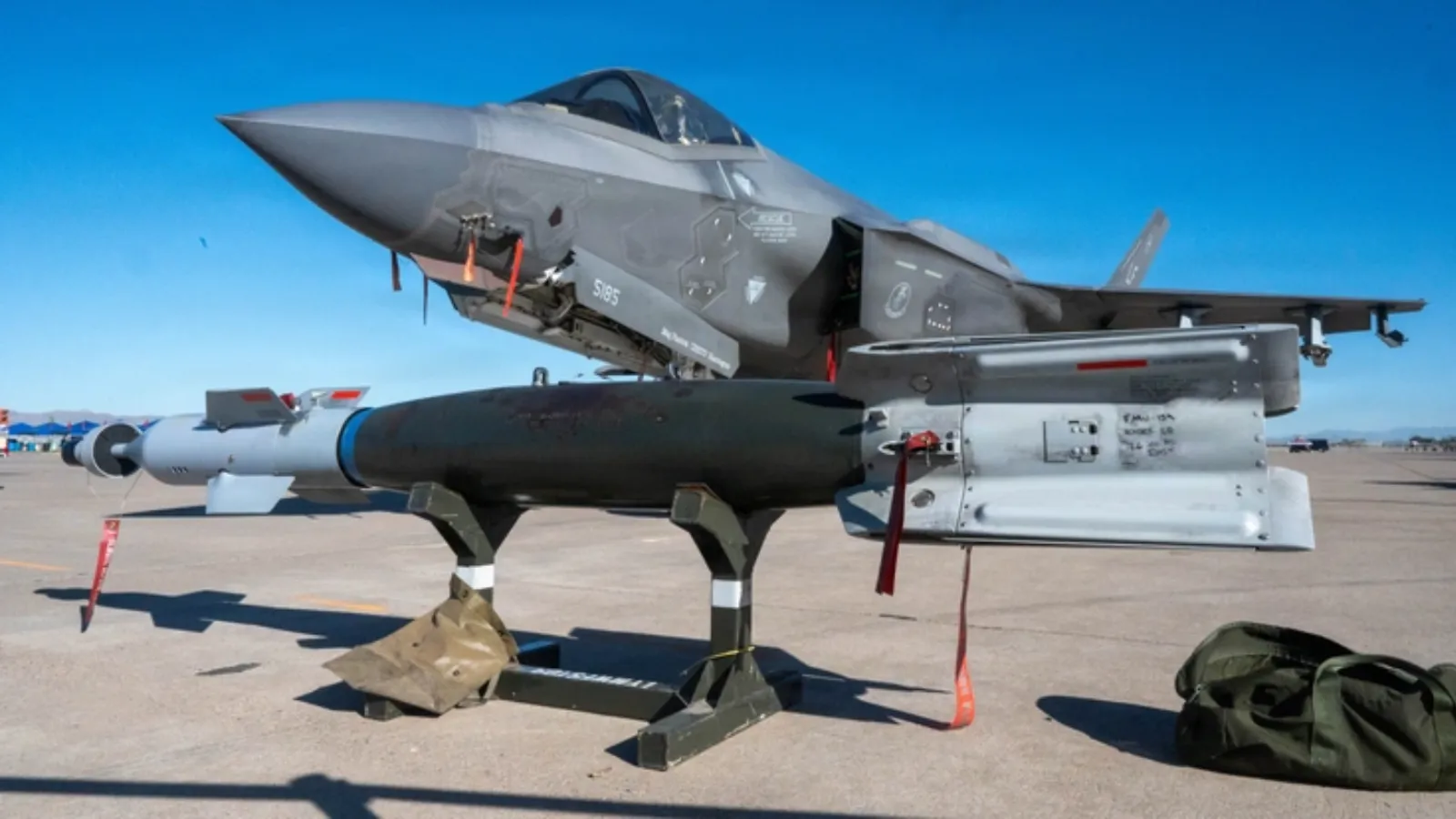
US air strikes on Iran
Image : U.S. Air Force
SHARE
¦ KEY FACTS AT A GLANCE
  • The United States is sustaining approximately 500 daily air strikes on Iranian targets.
  • Operations are transitioning from initial high intensity strikes to a long term campaign.
  • The campaign aims to degrade Iran’s military infrastructure and operational capacity.
  • The tempo suggests a sustained airpower strategy rather than short duration punitive strikes.
  • The shift signals a broader regional and strategic recalibration by the Pentagon.

US Air Strikes On Iran Expand Into Sustained Campaign

US air strikes on Iran have reached a sustained tempo of roughly 500 daily sorties, marking a clear transition from initial strike operations to a long term air campaign, according to reporting from Army Recognition.

Contents
US Air Strikes On Iran Expand Into Sustained CampaignThe Big PictureWhat’s HappeningWhy It MattersStrategic ImplicationsCompetitor ViewWhat To Watch NextCapability GapThe Bottom Line

The Big Picture

The United States is shifting toward a sustained airpower model that reflects lessons from past campaigns in Iraq, Syria, and Afghanistan. High volume daily strike operations indicate a move beyond short term deterrence toward systematic degradation of an adversary’s military capabilities.

  • F-35 Lightning II Fighter Jet

    F-35 Lightning II Fighter Jet

    • Generation: 5th
    • Maximum Speed: Mach 1.6 (1,200 mph / 1,930 km/h)
    • No. of Engines: 1
    • Radar Range: ~150+ km (AN/APG-81 AESA)
    • View Details →
    8.8

    This approach aligns with broader US military doctrine that prioritizes persistent pressure, precision targeting, and operational endurance. It also reflects the Pentagon’s ability to project continuous airpower at scale across long distances.

    In the Middle East, such a shift signals that Washington views the conflict not as a limited escalation but as part of a longer strategic contest involving regional stability, deterrence, and force posture.

    What’s Happening

    The United States is reportedly conducting around 500 air strikes per day against Iranian targets. These operations are no longer limited to initial high intensity phases but are now transitioning into a sustained operational framework.

    The strikes target a range of military infrastructure, likely including command and control nodes, air defense systems, logistics hubs, and possibly missile-related facilities. The scale of operations suggests the use of multiple platforms, including fighter aircraft, long range bombers, and possibly unmanned systems.

    The tempo indicates a coordinated effort involving multiple US combatant commands and forward deployed assets in the region.

    Why It Matters

    Sustaining 500 daily air strikes on Iran represents a significant operational commitment. It requires robust logistics, aerial refueling, intelligence support, and continuous targeting cycles.

    This level of activity suggests that the United States aims to systematically weaken Iran’s ability to sustain military operations. Rather than a one time punitive strike, the campaign appears designed to create cumulative effects over time.

    The shift also reflects confidence in US air superiority and the ability to operate in contested environments. Maintaining such a tempo implies that Iranian air defenses have either been degraded or are being effectively suppressed.

    Strategic Implications

    The sustained air campaign reshapes the regional military balance. Continuous strikes reduce Iran’s operational flexibility and complicate its ability to coordinate responses.

    This approach strengthens US deterrence by demonstrating both capability and intent. It signals to regional actors that the United States is willing to commit to prolonged operations when required.

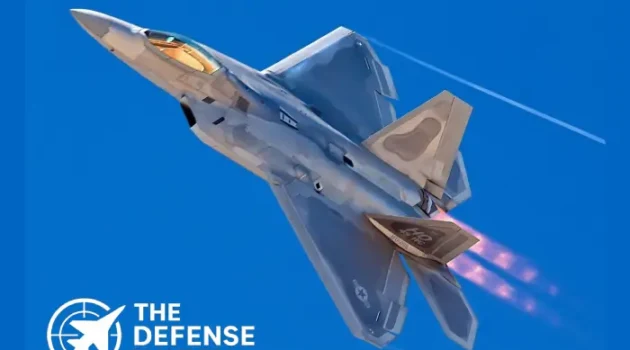
    • F-22 Raptor Fighter Jet

      F-22 Raptor Fighter Jet

      • Generation: 5th Generation
      • Maximum Speed: Mach 2.25 (2,414 km/h)
      • No. of Engines: 2 × Pratt & Whitney F119-PW-100
      • Radar Range: 125+ miles (200+ km)
      • View Details →
      8.0

      At the same time, maintaining such a high operational tempo places demands on US resources, including munitions stockpiles and platform availability. It also requires sustained political and military coordination.

      The campaign could also influence allied and partner nations, reinforcing US security commitments while raising concerns about escalation risks.

      Competitor View

      Iran is likely to interpret the sustained air strikes as an effort to erode its military infrastructure over time rather than force immediate capitulation. This may lead Tehran to adapt by dispersing assets, increasing reliance on asymmetric tactics, or leveraging proxy forces.

      China and Russia may view the campaign as a demonstration of US global strike capability. Both countries closely monitor US operational patterns to assess readiness, logistics capacity, and combat sustainability.

      Regional actors will likely assess the campaign in terms of both security assurances and potential spillover risks. Gulf states, in particular, may see increased urgency in strengthening air and missile defense systems.

      What To Watch Next

      The next phase of operations will likely focus on sustainment. Key indicators include:

      • Changes in strike tempo or targeting priorities
      • Deployment of additional US air and naval assets
      • Evidence of Iranian adaptation or countermeasures
      • Statements from the US Department of Defense regarding campaign objectives

      Monitoring munitions usage and resupply will also provide insight into how long the United States can maintain this operational pace.

      Capability Gap

      The sustained air campaign aims to address gaps in suppressing and degrading Iranian military capabilities, particularly in areas such as air defense, missile deployment, and command networks.

      By maintaining constant pressure, US forces seek to limit Iran’s ability to regroup, rearm, or coordinate effective responses.

      However, air campaigns alone have limitations. They may not fully neutralize dispersed or hardened targets, and they depend heavily on accurate intelligence. Long term success often requires integration with other military and diplomatic tools.

      The Bottom Line

      The United States has shifted from rapid strikes to a sustained air campaign against Iran, signaling a long term strategy focused on persistent pressure and strategic degradation.
TAGGED:air strikesIran conflictMiddle East securityPentagon StrategyUS military
Share This Article
Facebook Copy Link Print
ByKaleem Sheikh | Regional Defense Correspondent
Follow:
Kaleem Sheikh is a regional defense correspondent at TheDefenseWatch.com covering defense and security developments across Asia and the Middle East, including military operations, procurement, and regional security issues.
Leave a Comment

Leave a Reply Cancel reply

Your email address will not be published. Required fields are marked *

Search Defense Systems

Latest Defense Systems

  • TRML-4D Radar TRML-4D Radar
  • F-47A Fighter Jet F-47A Fighter Jet
  • China DF-61 Missile China DF-61 Missile
  • B61 Nuclear Bomb B61 Nuclear Bomb
  • Japan E-767 Airborne Japan E-767 Airborne
  • Remington 870 Shotgun Remington 870 Shotgun
  • RUTA B1 Cruise Missile RUTA B1 Cruise Missile
  • XQ-67A Drone XQ-67A Drone
  • B-25 Mitchell Bomber B-25 Mitchell Bomber

Recent Compares

  • J-10C vs JF-17 Thunder: Which Fighter Is More Capable? J-10C vs JF-17 Thunder: Which Fighter Is More Capable? View Comparison →
  • Tejas vs Gripen: Key Differences and Capabilities Tejas vs Gripen: Key Differences and Capabilities View Comparison →
  • Tejas vs MiG-21 Bison: How India Replaced Its Iconic Supersonic Fighter Tejas vs MiG-21 Bison: How India Replaced Its Iconic Supersonic Fighter View Comparison →
  • F-35 vs F-16: Stealth, Sensors and Combat Roles F-35 vs F-16: Stealth, Sensors and Combat Roles View Comparison →
  • Tejas Fighter Jet vs F-16 Fighting Falcon: Capability Compared Tejas Fighter Jet vs F-16 Fighting Falcon: Capability Compared View Comparison →
  • Rafale Fighter Jet vs F-16 Fighting Falcon : Which Fighter Has the Edge? Rafale Fighter Jet vs F-16 Fighting Falcon : Which Fighter Has the Edge? View Comparison →
  • Su-57 Fighter Jet vs J-20 Fighter Jet: Stealth and Air Combat Compared Su-57 Fighter Jet vs J-20 Fighter Jet: Stealth and Air Combat Compared View Comparison →
  • Mirage 2000 vs Tejas Mk1A: Legacy Combat Power vs Indigenous Modernization Mirage 2000 vs Tejas Mk1A: Legacy Combat Power vs Indigenous Modernization View Comparison →
  • Rafale Fighter Jet vs F-22 Raptor: Which Air Dominance Fighter Has the Edge? Rafale Fighter Jet vs F-22 Raptor: Which Air Dominance Fighter Has the Edge? View Comparison →
  • Tejas Fighter Jet vs. Rafale Fighter Jet: India’s Indigenous Fighter Meets France’s Proven Multirole Combat Aircraft Tejas Fighter Jet vs. Rafale Fighter Jet: India’s Indigenous Fighter Meets France’s Proven Multirole Combat Aircraft View Comparison →

Recent Posts

  • US Military vs Indian Military: How Their Armed Forces Compare
  • USA Army vs Pakistan Army: Troops, Tanks and Military Capabilities
  • SpaceX Targets First Starship Spacecraft Recovery After Booster Catch Failure
  • Zelensky Escalates Criticism of SpaceX Over Starshield Speed Restrictions
  • Jensen Huang’s Nvidia Exit Raises New Questions for U.S.-China AI Competition

You Might Also Like

IVEWS
Global News

Northrop Grumman Advances IVEWS Production for F-16 Fleet with First Units Assigned to Middle East Deployment

November 1, 2025
Iron Beam laser interceptor deployment
Global News

Israel Set to Deploy Iron Beam Laser Interceptors by Month’s End

September 8, 2026
French Army hydrogen UGV
Global News

French Army Tests Hydrogen Powered Hermione UGV for First AI Led Combat Unit

January 15, 2026
British Army armored unit coordinating with drones in live battlefield exercise
Global News

British Army Tests Integrated Drone–Armor Combat Concept

May 5, 2026

Logo

Copyright © 2026 TheDefenseWatch.com

Helpful Links

  • Home
  • About Us
  • Privacy Policy
  • Terms of Use / Disclaimer
  • U.S. Privacy Notice – CCPA Compliance

Defense Systems

  • Defense Systems
  • Comparisons 
  • Manufacturer
  • Tactical Calculators

Popuplar

Which 5 Air Forces Possess the Costliest Fighter Jet Fleets in the World
Evolving Strategic Value: Carrier Strike Groups in the Indo-Pacific’s Future Security Architecture
Autonomous Weapon Systems Spark U.S. Ethics Debate Amid Rapid Military AI Integration

We report on developments involving military forces, governments, defense companies, research organizations, and security institutions around the world. 

Welcome Back!

Sign in to your account

Username or Email Address
Password

Lost your password?