France Investigates Rafale Assembly Line Espionage Allegations
French authorities have launched an investigation into suspected espionage on the Rafale assembly line after a 19 year old temporary worker was reportedly found wearing glasses capable of recording video at a Dassault Aviation facility.
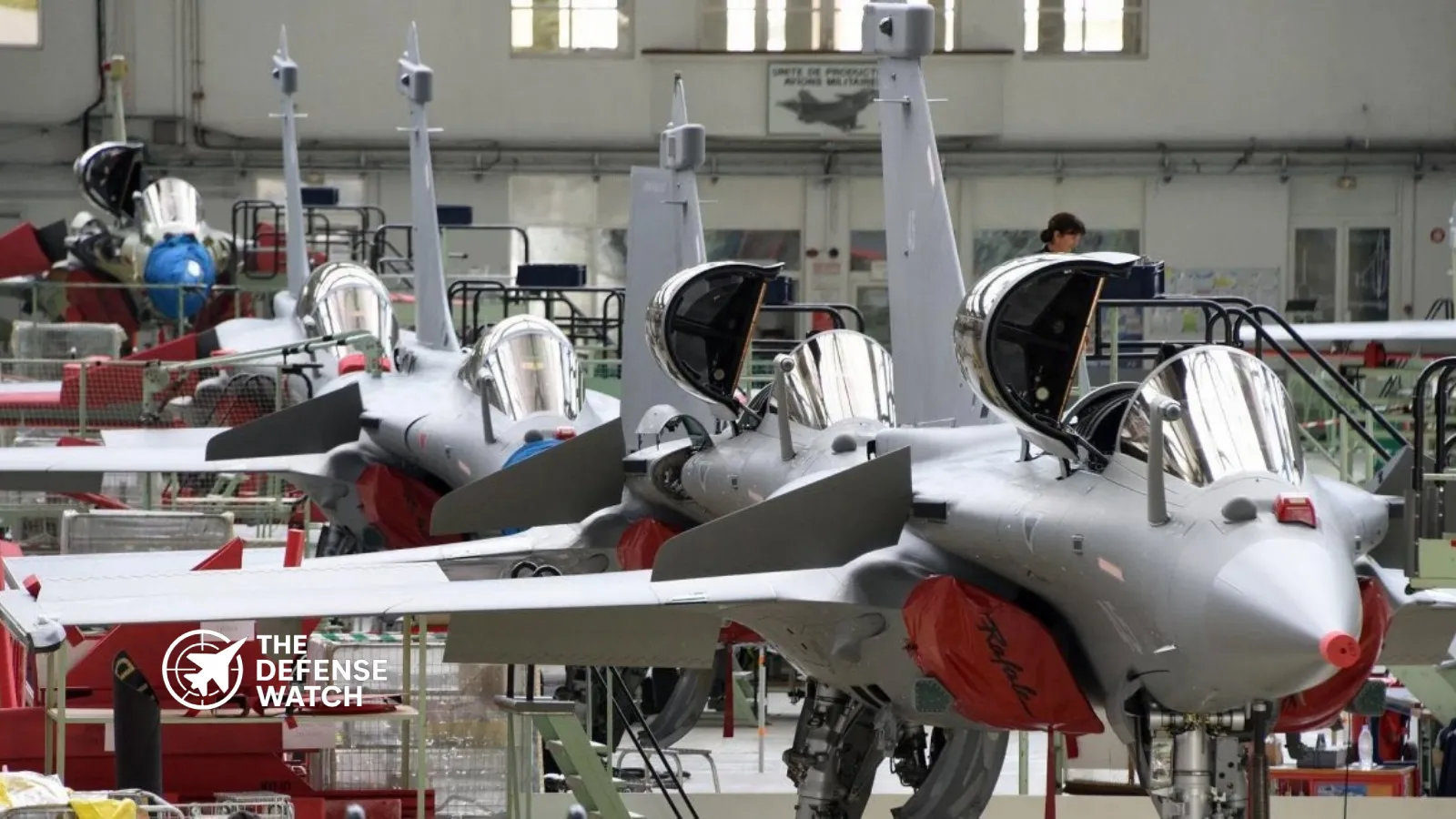
The incident occurred at a production site operated by Dassault Aviation, where the Dassault Rafale fighter jet is assembled. According to French media reports, prosecutors are examining whether the case falls under offenses related to harming the nation’s fundamental interests.
Authorities are working to determine whether sensitive sections of the Rafale assembly line were recorded and whether the act constitutes an intelligence operation.
National Security Concerns At A Strategic Defense Facility
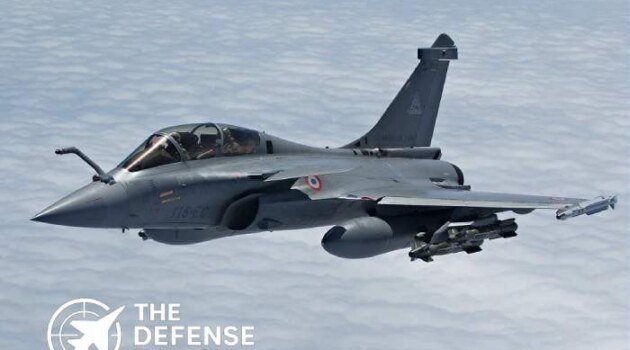
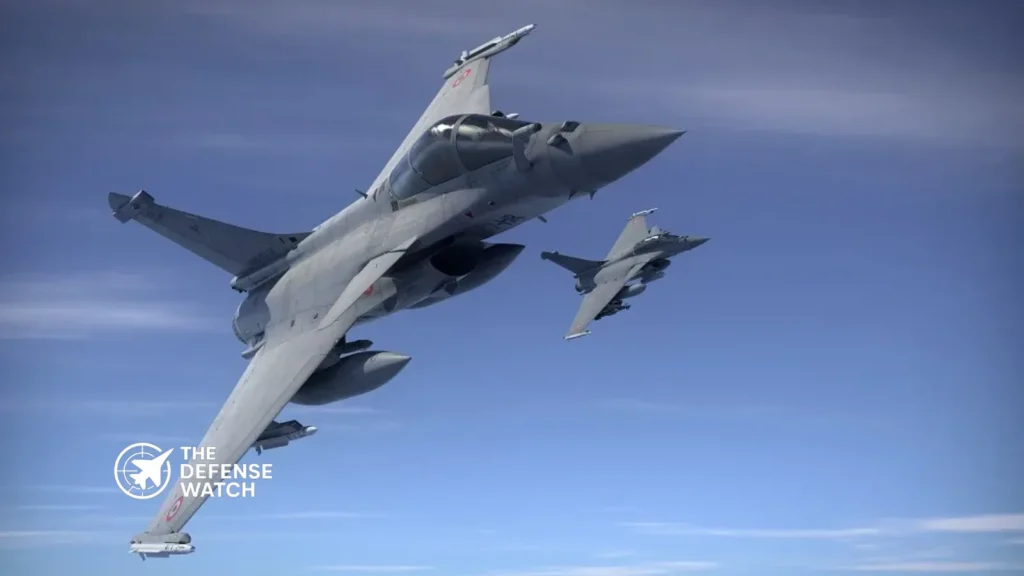
The Rafale assembly line represents one of France’s most sensitive defense industrial assets. The Rafale is a twin engine, multirole combat aircraft that forms the backbone of the French Air and Space Force and French Navy. It is also exported to countries including India, Egypt, Qatar, Greece, and the United Arab Emirates.
Production facilities tied to advanced combat aircraft programs are subject to strict security protocols due to the classified nature of manufacturing processes, avionics integration, radar systems, electronic warfare suites, and weapons interfaces.

Image: Dassault Aviation Under French law, investigations involving potential threats to strategic defense interests can be prosecuted under statutes addressing national security violations. The reported probe is said to fall within that framework.
(adsbygoogle = window.adsbygoogle || []).push({});At the time of writing, French authorities have not publicly confirmed whether any classified material was compromised.
What Investigators Are Assessing
Officials are focused on several key questions:
- Whether the recording capable glasses were actively used inside restricted areas
- Whether sensitive components or processes were captured
- Whether the individual acted independently or under direction
- Whether any data was transmitted or shared
The Rafale assembly line integrates highly sensitive technologies, including the RBE2 AESA radar, electronic warfare systems such as SPECTRA, and mission systems integration. Even partial documentation of layout, assembly sequences, or integration techniques could hold value to foreign intelligence services.
French prosecutors are expected to determine if the case meets the legal threshold for charges related to undermining national defense interests.
(adsbygoogle = window.adsbygoogle || []).push({});Rafale Program Significance
The Dassault Rafale is central to France’s airpower and defense export strategy. Developed by Dassault Aviation, the aircraft supports air superiority, strike, reconnaissance, and nuclear deterrence missions.
Recent export contracts have strengthened its global presence. The United Arab Emirates signed a landmark Rafale deal in 2021, while India continues to expand its fleet. Greece and Croatia have also acquired Rafales as part of European defense modernization efforts.
(adsbygoogle = window.adsbygoogle || []).push({});Given its export footprint, industrial security around Rafale production sites carries both military and economic importance.
See also: France Expands Rafale Exports Amid Rising European Defense Demand
Growing Focus On Industrial Security In Defense Sector
The incident highlights broader concerns about industrial espionage in the global defense sector. Advanced aerospace production lines are high value intelligence targets due to:
- Proprietary manufacturing techniques
- Sensor integration methods
- Electronic warfare configurations
- Structural design details
European defense firms have increased internal security measures in recent years, particularly as geopolitical tensions have intensified following Russia’s invasion of Ukraine and rising strategic competition globally.
Facilities that produce advanced combat aircraft operate under layered access control systems, background checks, compartmentalization protocols, and electronic surveillance safeguards.
(adsbygoogle = window.adsbygoogle || []).push({});The reported use of recording capable wearable technology introduces a modern security challenge. Consumer devices with embedded cameras are widely available, raising questions about screening procedures inside sensitive defense environments.
Legal Framework And Potential Charges
French authorities are reportedly evaluating the case under legal provisions tied to protecting fundamental national interests. These statutes can apply when actions potentially compromise defense secrets or strategic industrial capabilities.
It remains unclear whether the temporary worker had authorized access to sensitive areas or whether internal controls were bypassed.
Investigators are expected to assess digital forensic evidence, access logs, and potential data transmission activity.
At this stage, no official statement has confirmed espionage. The inquiry remains ongoing.
Impact On Dassault And Rafale Production
There is no indication that Rafale production has been disrupted. Dassault Aviation continues to fulfill domestic and international orders as part of its established delivery schedule.
The company has not publicly detailed internal security adjustments following the incident.
(adsbygoogle = window.adsbygoogle || []).push({});Given the strategic importance of the Rafale assembly line, any confirmed breach would likely prompt a review of access protocols and device screening procedures across French defense manufacturing facilities.
Broader Strategic Context
France positions its defense industry as a pillar of national sovereignty. Maintaining control over sensitive aerospace technologies supports both operational independence and export competitiveness.
The Rafale program is closely linked to future initiatives, including the Future Combat Air System effort with Germany and Spain. Industrial security therefore extends beyond current production and into next generation aerospace development.
Any confirmed intelligence breach could carry diplomatic and strategic implications, depending on investigative findings.
For now, authorities emphasize that the investigation remains active and that conclusions have not been reached.
What Happens Next
The French judiciary will determine whether formal charges are warranted. Investigators are likely to:
- Review surveillance footage
- Conduct forensic analysis of the recording device
- Examine communications records
- Assess intent and possible affiliations
Until findings are released, officials are avoiding definitive conclusions.
The case underscores the continued vulnerability of advanced defense programs to insider risks and modern surveillance technologies.