Raytheon Wins $6.34 Billion Contract to Produce SM-3 Block IB Interceptors
Raytheon has received a multiyear U.S. Missile Defense Agency contract with a potential value of $6.34 billion to manufacture and assemble Standard Missile-3 (SM-3) Block IB interceptors, expanding the procurement commitment for a key component of U.S. ballistic missile defense.
The contract, awarded on October 7, 2026, carries a base value of $4.43 billion, with options increasing the total potential value to $6.34 billion. The U.S. Department of Defense listed the award under contract number HQ0851-27-C-E001 in its October 8 contract announcements.
The Missile Defense Agency (MDA), based in Huntsville, Alabama, is the contracting activity. Work will take place in Tucson, Arizona, and Huntsville, with completion estimated for October 31, 2034.
The award is structured as a noncompetitive, multiyear undefinitized contract action. The government is obligating $454.2 million in fiscal 2026 procurement funds at the time of the award. That initial obligation is substantially below the contract’s full potential value and should not be interpreted as the total amount immediately paid to Raytheon.
A multiyear commitment to interceptor production
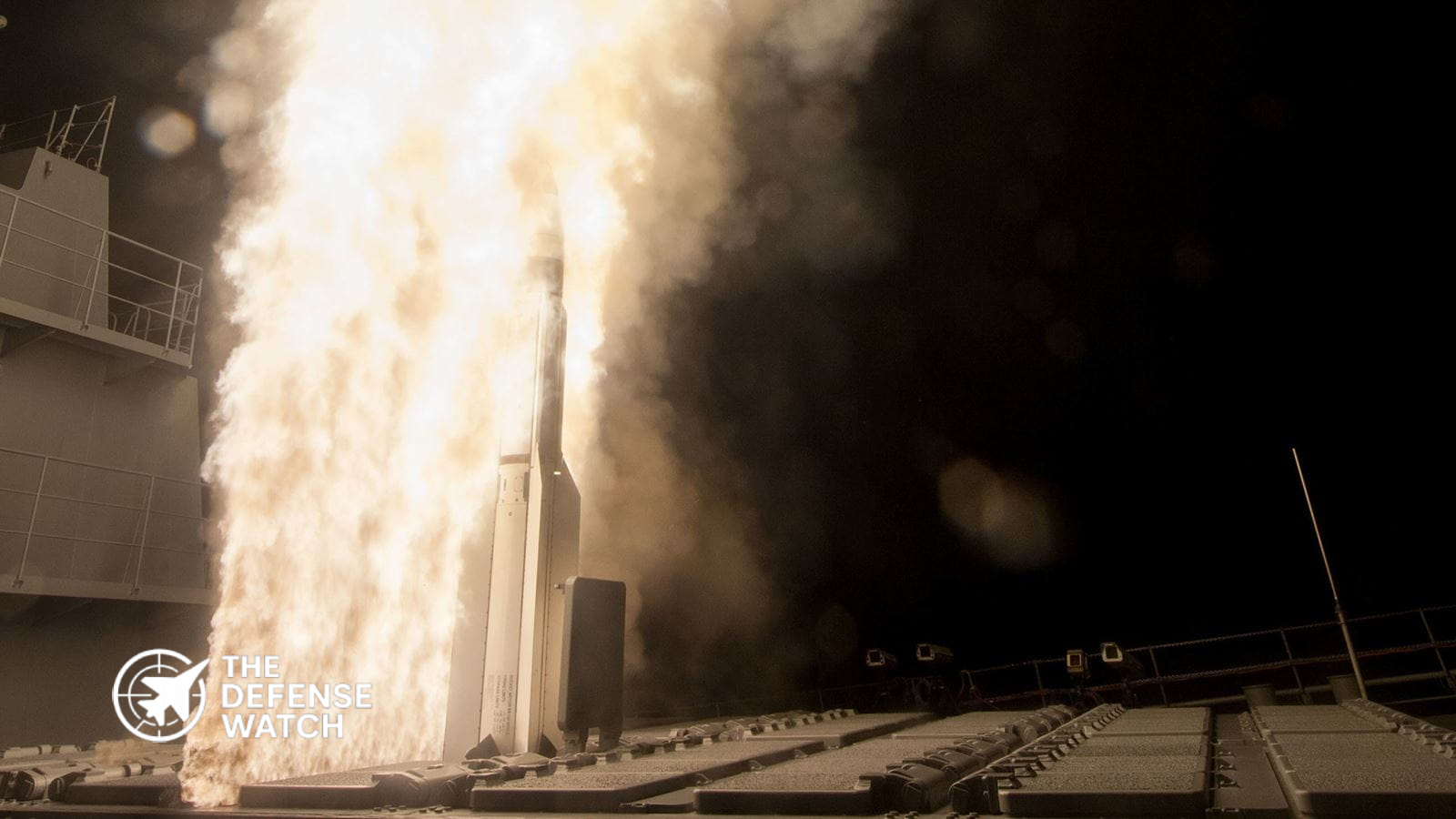
The contract establishes a long-term production commitment for the SM-3 Block IB, an interceptor designed to engage ballistic missiles during the midcourse phase of flight, outside the atmosphere.
Raytheon, an RTX business, said on October 8 that the agreement covers production and sustainment over a five-year period, with two additional option years. The company’s announcement described the contract as part of broader agreements with the U.S. Department of War intended to support missile inventory replenishment.
The government award specifies the manufacture and assembly of SM-3 Block IB All-Up-Rounds. An All-Up-Round is a complete missile assembled for delivery, rather than an individual component or subsystem. The announcement does not disclose the number of interceptors to be produced, a unit price, or a year-by-year delivery schedule.
The distinction matters because the contract’s headline value alone does not establish how many missiles the government will receive or when they will enter operational inventories. Those details would be needed to assess the award’s effect on interceptor availability and production output.
What the SM-3 Block IB does
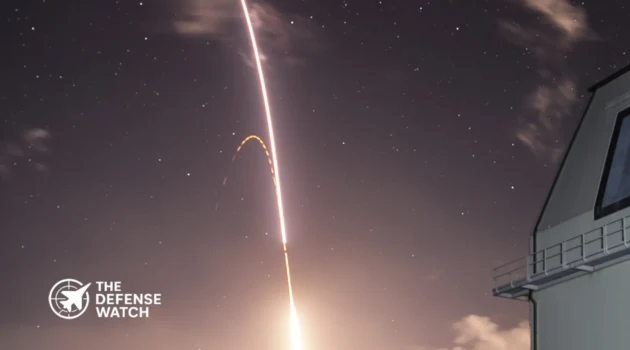
The SM-3 Block IB is part of the Aegis Ballistic Missile Defense architecture, which combines shipboard sensors, combat systems and interceptor missiles to engage ballistic missile threats.
Unlike interceptors designed primarily to destroy aircraft or cruise missiles within the atmosphere, the SM-3 family is intended to intercept ballistic missiles during the midcourse portion of their trajectories. The interceptor uses hit-to-kill technology, relying on the kinetic energy of a direct collision rather than a conventional explosive fragmentation warhead.
The MDA and U.S. Navy have demonstrated the Block IB in flight tests. In November 2022, the MDA announced a Japanese missile defense exercise in which an SM-3 Block IB launched from the Japan Maritime Self-Defense Force destroyer JS Haguro participated in a successful integrated missile defense scenario.
The Block IB is not the only version of the interceptor in service. The SM-3 Block IIA, developed through U.S.-Japanese cooperation, is a later variant with additional performance improvements. The MDA awarded Raytheon a separate production contract for Block IIA interceptors in June 2022. The two variants should not be treated as interchangeable in every engagement, because their capabilities and integration requirements differ.
Why the award matters for missile defense
The procurement commitment supports the availability of interceptors for U.S. and allied ballistic missile defense forces. Aegis-equipped Navy ships provide a mobile missile defense capability, while the broader Aegis architecture also supports land-based installations.
Interceptor availability is an important part of the system’s effectiveness. Sensors and command systems must detect, track and characterize an incoming threat, but the force also needs suitable missiles available when an engagement is authorized. Production contracts help sustain that inventory, although the size of the actual increase depends on manufacturing output, deliveries and operational expenditure.
The award’s multiyear structure could also give Raytheon greater visibility into future production requirements. A longer procurement horizon can help manufacturers plan labor, supplier orders and production capacity. However, the public award does not establish a specific increase in annual production rates or confirm that supply-chain constraints have been eliminated.
The planned work in Tucson and Huntsville places the contract within Raytheon’s existing missile production network. Maintaining output over several years will depend on the availability of components, manufacturing capacity, quality assurance and government funding across the contract period.
Contract value does not equal delivered capability
The $6.34 billion figure represents the contract’s total potential value, including options. The $4.43 billion base value is the initial contract value stated in the award, while the $454.2 million in fiscal 2026 funds represents the amount obligated at award.
These figures measure different aspects of the procurement and should not be used interchangeably. The award notice does not provide a detailed funding profile for subsequent years or establish the precise quantities associated with the base and option periods.
The use of an undefinitized contract action also means that the contractual terms have not yet been fully finalized. Such arrangements allow work to proceed before all terms are settled, subject to applicable government acquisition rules. The notice does not specify when the contract will be definitized or identify the outstanding terms.
For the MDA, the immediate objective is to secure production and assembly of SM-3 Block IB interceptors under a long-term arrangement. The award establishes a substantial procurement commitment, but its eventual contribution to missile defense capacity will be measured by completed deliveries, funding and the number of operational interceptors available to the force.
Get real time update about this post category directly on your device, subscribe now.