

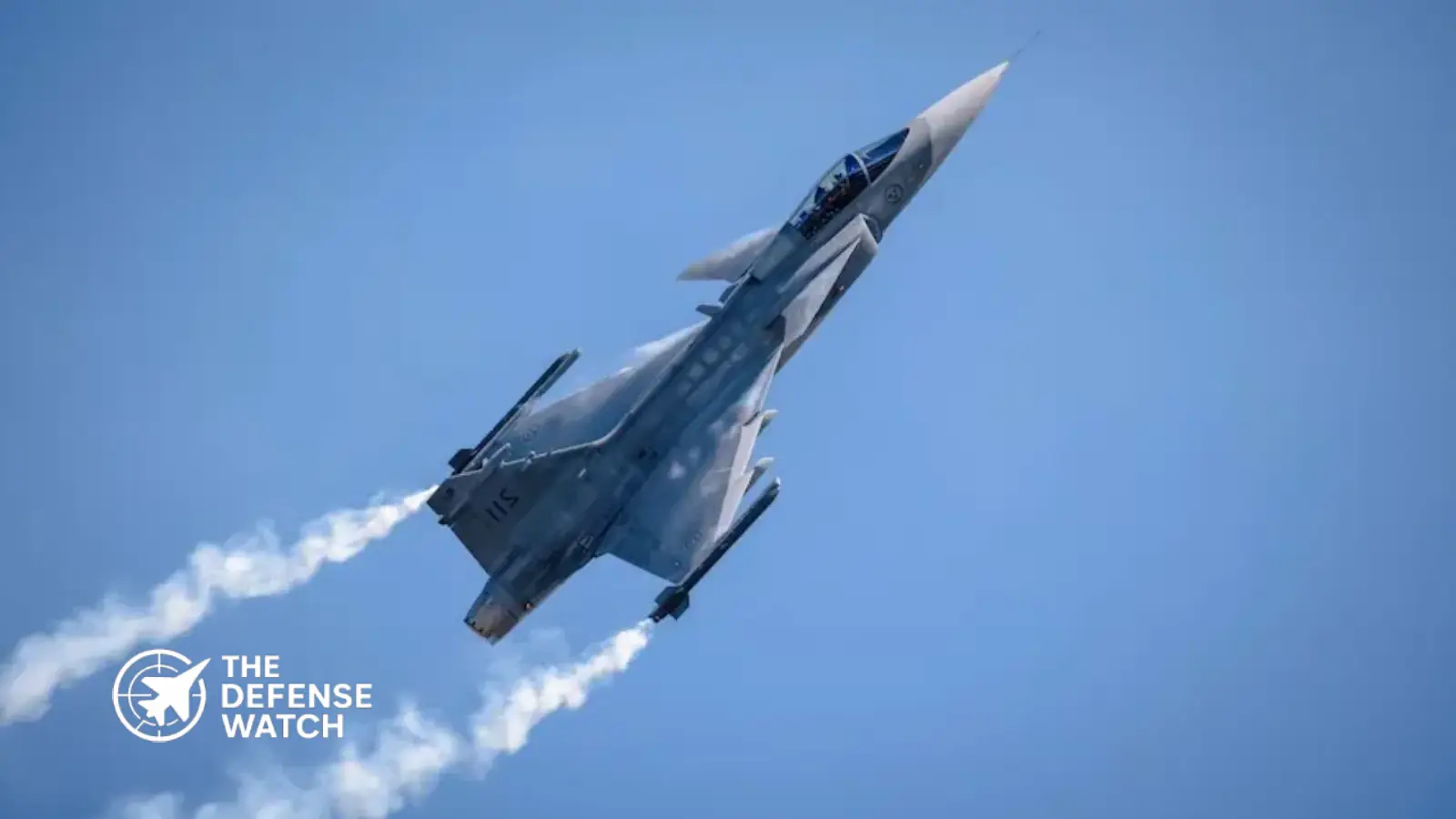
(adsbygoogle = window.adsbygoogle || []).push({});Executive Summary: The United Kingdom has expressed support for a potential Swedish Saab Gripen fighter arrangement for Ukraine, signaling continued Western efforts to strengthen Kyiv’s long term air combat capability. The move reflects growing coordination among European allies as Ukraine seeks to diversify beyond F-16 platforms and improve operational resilience.
United Kingdom Backs Gripen Fighter Deal For Ukraine
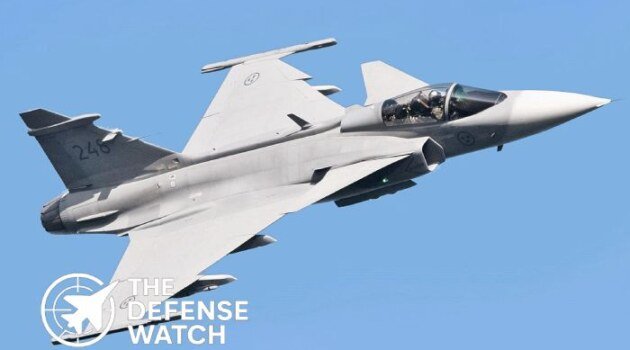
The United Kingdom’s support for a potential Swedish Gripen fighter transfer to Ukraine marks another step in the broader Western effort to modernize Kyiv’s combat aviation capability. According to reports, British officials have indicated support for discussions involving the possible supply of Saab JAS 39 Gripen aircraft to the Ukrainian Air Force.
The development comes as Ukraine continues integrating Western combat aircraft into operations while seeking a more sustainable and dispersed fighter structure capable of operating under wartime conditions. The Saab Gripen has increasingly drawn attention among defense planners because of its ability to operate from short and improvised runways, relatively low maintenance demands, and compatibility with NATO-standard systems.
Unlike larger Western fighter platforms that often require extensive logistics infrastructure, the Gripen was originally designed by Sweden for high survivability in a contested European environment. That operational concept aligns closely with Ukraine’s current battlefield conditions, where airbases remain vulnerable to Russian missile and drone strikes.
(adsbygoogle = window.adsbygoogle || []).push({});Why The Gripen Matters For Ukraine
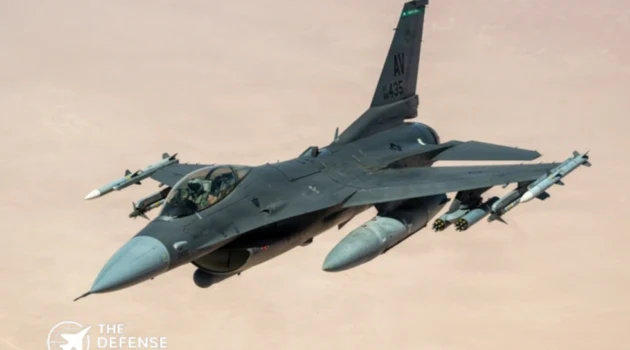
The potential Gripen fighter deal carries strategic significance beyond the aircraft itself. Ukraine’s current Western fighter transition has largely centered on the Lockheed Martin F-16, supported by several NATO members. However, military analysts have consistently noted that maintaining a diverse fleet could improve operational flexibility and reduce dependence on a single supply and training ecosystem.
The Saab Gripen offers several capabilities that could complement Ukraine’s existing and planned air assets. The aircraft is equipped for air defense, precision strike, and reconnaissance missions while maintaining relatively low operating costs compared to heavier multirole fighters.
One of the aircraft’s key advantages is its rapid turnaround capability. Swedish doctrine allows small ground crews and conscript personnel to rearm and refuel the aircraft quickly from dispersed locations. In Ukraine’s operational environment, where survivability and mobility are critical, such a concept could provide meaningful advantages.
The aircraft’s integration with advanced European air-to-air missiles, including the MBDA Meteor beyond visual range missile, is also viewed as strategically important. If approved for export and integration into Ukrainian operations, such systems could potentially strengthen Ukraine’s long range aerial engagement capability.
(adsbygoogle = window.adsbygoogle || []).push({});Britain’s Role In The Discussions
The United Kingdom has played a central role in building international support for Ukraine’s airpower modernization. British officials have previously assisted in pilot training initiatives and coalition building efforts involving Western combat aircraft.
London’s backing of a Gripen-related arrangement also reflects broader European defense coordination. Sweden, now a NATO member, has gradually expanded military support to Ukraine while balancing domestic defense requirements and alliance commitments.
Any formal transfer of Gripen fighters would likely require extensive multinational coordination involving pilot training, sustainment support, spare parts, and weapons integration. Export approvals from Sweden and consultations among NATO partners would also be necessary before any operational deployment.
British support could therefore help accelerate diplomatic and logistical planning even if a final aircraft transfer decision remains under discussion.
(adsbygoogle = window.adsbygoogle || []).push({});Saab Gripen’s Operational Profile
The Saab JAS 39 Gripen was developed during the Cold War to defend Sweden against a technologically advanced adversary while operating in austere conditions. That background shaped an aircraft optimized for dispersed basing, survivability, and reduced maintenance complexity.
The fighter combines modern avionics, electronic warfare systems, and multirole capability within a relatively lightweight design. Current Gripen variants are capable of conducting air superiority missions, electronic attack operations, and precision strikes using NATO-compatible munitions.
Defense analysts have repeatedly compared the aircraft favorably in environments where runway vulnerability and rapid sortie generation are major operational concerns. Ukraine’s continued exposure to long range Russian strikes has renewed attention on these characteristics.
The Gripen also offers interoperability advantages with broader European defense infrastructure. Several NATO and partner nations already operate or have evaluated the aircraft, creating potential opportunities for training and sustainment cooperation.
(adsbygoogle = window.adsbygoogle || []).push({});Strategic Implications For Europe
The United Kingdom’s support for the Gripen proposal highlights a wider European shift toward long term defense planning for Ukraine rather than short term battlefield assistance alone.
Western governments increasingly appear focused on helping Ukraine establish a durable post Soviet military structure integrated with NATO standards. Combat aviation remains one of the most complex parts of that transition because of the training timelines, maintenance requirements, and operational integration challenges involved.
A potential Gripen arrangement would also deepen defense industrial cooperation between Britain, Sweden, and allied European partners. It may further reinforce Europe’s effort to expand regional defense production and reduce dependence on limited aircraft inventories.
At the same time, officials remain cautious regarding escalation risks and force availability. Sweden must balance support for Ukraine against maintaining readiness for its own armed forces during a period of heightened regional security concerns in Northern Europe and the Baltic region.
(adsbygoogle = window.adsbygoogle || []).push({});Outlook
No final agreement on a Gripen transfer to Ukraine has been publicly confirmed. However, British support for the discussions signals continued momentum behind Ukraine’s long term airpower modernization effort.
As the conflict evolves, Western governments are increasingly prioritizing systems that can survive in heavily contested environments while remaining sustainable over extended periods. In that context, the Saab Gripen’s dispersed operations model and lower logistical footprint continue to attract attention among defense planners evaluating future support options for Ukraine.
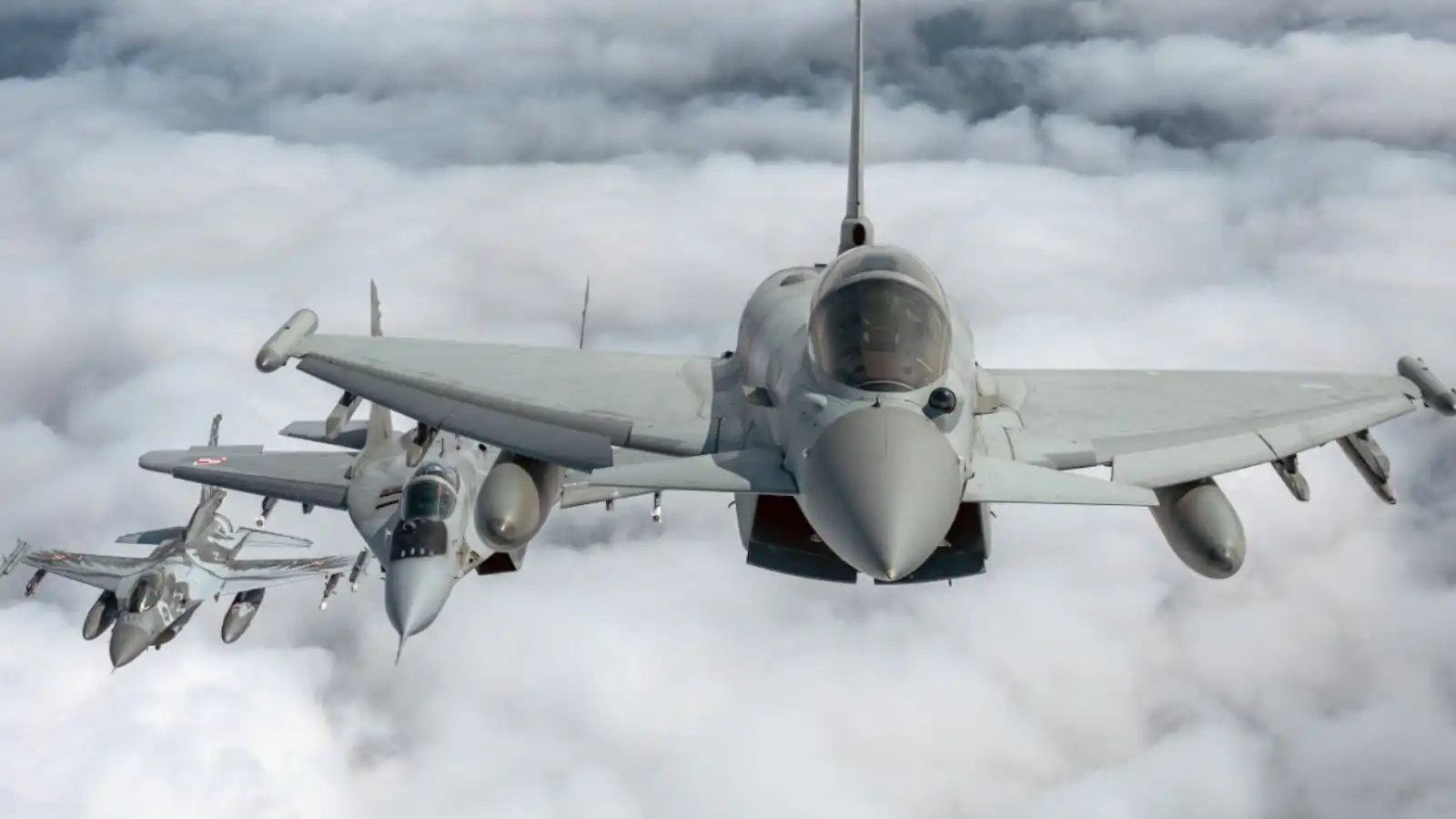
The United Kingdom and Poland have signed a new bilateral defense treaty aimed at strengthening military cooperation and reinforcing NATO’s eastern defenses against growing Russian pressure.
(adsbygoogle = window.adsbygoogle || []).push({});Executive Summary:
The United Kingdom and Poland have signed a new defense treaty designed to expand military cooperation and strengthen NATO’s eastern flank. The agreement reflects growing concern across Europe over Russia’s military posture and regional security threats.
UK Poland Defense Treaty Signals Deeper NATO Coordination
The new UK Poland defense treaty marks another step in Europe’s broader effort to reinforce collective security against Russian aggression. Signed amid heightened tensions across Eastern Europe, the agreement strengthens defense cooperation between two of NATO’s most active military contributors on the alliance’s eastern flank.
The treaty focuses on expanding military coordination, defense industrial cooperation, joint exercises, intelligence sharing, and long term strategic planning between London and Warsaw.
The agreement comes as NATO members continue adapting their force posture following Russia’s war in Ukraine and Moscow’s continued military activity near alliance borders.
Poland has emerged as one of Europe’s fastest growing military powers in recent years. Warsaw has significantly increased defense spending, accelerated procurement of advanced military systems, and expanded troop modernization programs. The country is now positioned as a critical logistical and operational hub supporting NATO operations in Eastern Europe.
The United Kingdom has also increased its military presence in the region through deployments, training missions, and NATO readiness initiatives.
Why The Treaty Matters
The UK Poland defense treaty carries strategic significance beyond bilateral cooperation. It highlights a broader shift within NATO toward stronger regional defense arrangements among frontline allies facing direct pressure from Russia.
(adsbygoogle = window.adsbygoogle || []).push({});Poland’s geographic position bordering Belarus, Kaliningrad, and close proximity to Ukraine gives Warsaw major importance within NATO’s deterrence strategy. British military planners increasingly view Poland as essential to alliance operations in the Baltic and Central European theaters.
The treaty also reflects London’s effort to maintain a leading European security role after Brexit. Britain has expanded defense partnerships across Northern and Eastern Europe, particularly with nations prioritizing rapid military modernization and stronger deterrence measures.
The agreement reportedly includes commitments related to:
- Joint military exercises
- Defense technology cooperation
- Intelligence sharing
- Strategic consultations
- Defense industrial collaboration
- Enhanced interoperability between armed forces
These areas align closely with NATO’s long term focus on readiness, rapid deployment capability, and integrated deterrence.
Poland’s Expanding Military Modernization
Poland continues one of the largest military modernization programs in Europe. Warsaw has committed major investments across land, air, missile defense, and armored warfare capabilities.
Recent acquisitions include:
- M1A2 Abrams tanks from the United States
- K2 Black Panther tanks from South Korea
- HIMARS rocket artillery systems
- Patriot air defense systems
- F-35A stealth fighter aircraft
- AH-64 Apache attack helicopters
Poland has also increased defense spending above NATO targets, aiming to build one of Europe’s strongest conventional land forces.
The UK Poland defense treaty may create new opportunities for industrial cooperation involving missile systems, armored vehicle support, advanced munitions, and battlefield technology integration.
British defense firms have increasingly targeted Central and Eastern European markets as regional governments accelerate military procurement programs.
(adsbygoogle = window.adsbygoogle || []).push({});Britain’s Strategic Position In Europe
For the United Kingdom, the treaty reinforces its role as a leading European military power despite no longer being part of the European Union.
London remains heavily involved in NATO operations, intelligence cooperation, and multinational deployments across Europe. British forces currently contribute to NATO enhanced forward presence missions and maintain rapid response capabilities designed to support eastern allies during crises.
The UK has also been among Ukraine’s strongest military supporters since the start of Russia’s full scale invasion in 2022. British military aid, training programs, and intelligence support have positioned London as one of Kyiv’s most important Western partners.
Strengthening ties with Poland supports Britain’s broader regional security strategy focused on:
- Countering Russian influence
- Strengthening NATO deterrence
- Expanding defense industrial partnerships
- Enhancing operational interoperability
- Supporting Eastern European allies
Broader NATO Implications
The treaty reflects wider concerns among NATO members about the long term European security environment. Russia’s military posture, missile deployments, hybrid warfare activities, and continued pressure on neighboring states have driven alliance members to accelerate defense planning.
Regional bilateral agreements like the UK Poland defense treaty increasingly complement NATO structures by improving military coordination between key allies before potential crises emerge.
Defense analysts note that such partnerships can improve operational speed, reduce coordination delays, and strengthen regional deterrence credibility.
The agreement may also support NATO’s evolving regional defense plans, which emphasize pre-positioned forces, faster mobilization, integrated air defense, and multinational combat readiness across Eastern Europe.
Defense Industrial Cooperation Could Expand
One of the most important long term aspects of the treaty could involve defense industrial cooperation.
(adsbygoogle = window.adsbygoogle || []).push({});Europe’s defense sector is currently under heavy demand due to:
- Increased ammunition production requirements
- Expanded missile procurement
- Air defense modernization
- Armored vehicle replacement programs
- Long term sustainment needs for Ukraine
Poland’s rapid modernization and Britain’s advanced defense manufacturing capabilities create potential opportunities for joint production, maintenance support, and technology sharing.
British companies involved in missile systems, electronic warfare, radar technology, and advanced munitions may benefit from deeper industrial engagement with Warsaw.
Strategic Analysis
The UK Poland defense treaty underscores how NATO’s eastern flank has become the central focus of European defense planning.
Unlike previous decades when many European militaries prioritized expeditionary operations, alliance members are now concentrating heavily on territorial defense, large scale conventional warfare readiness, and high intensity conflict preparation.
Poland’s growing military power and Britain’s operational experience make the partnership strategically valuable for NATO.
(adsbygoogle = window.adsbygoogle || []).push({});The agreement also demonstrates how European security dynamics continue shifting toward stronger regional coalitions designed to supplement broader alliance structures.
As Russia maintains military pressure across Eastern Europe, bilateral defense arrangements like this treaty are likely to become increasingly important components of NATO’s overall deterrence architecture.

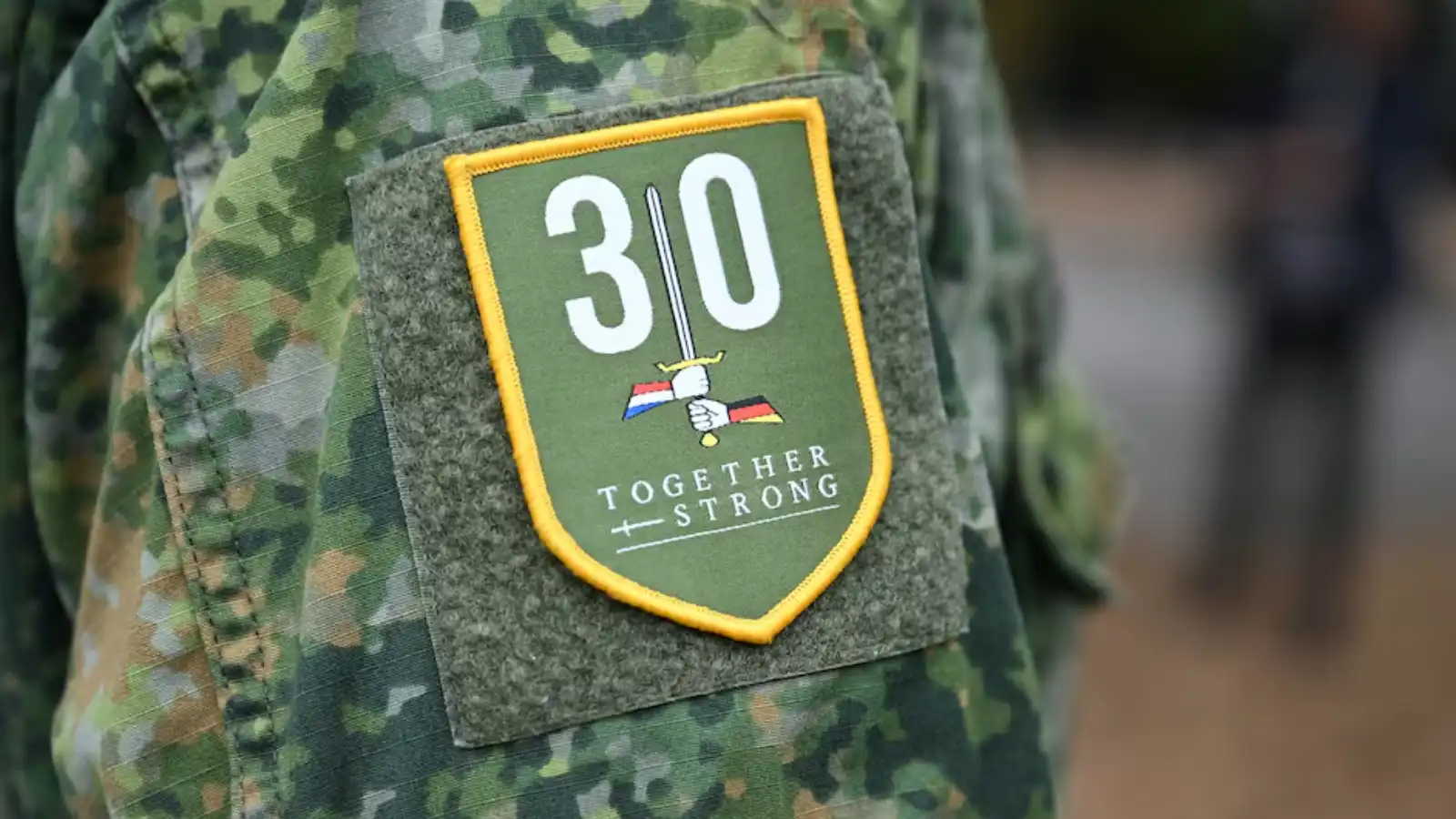
NATO expands Baltic defense as the German-Netherlands Corps takes a command role in Estonia and Latvia amid regional security tensions.
Executive Summary:
NATO has assigned the German-Netherlands Corps a command role overseeing alliance land forces in Estonia and Latvia. The move strengthens NATO’s eastern flank posture as European allies continue adapting military structures in response to Russia’s long-term security challenge in the Baltic region.
NATO Baltic Defense Expands With New Command Role
NATO Baltic defense efforts entered a new phase after Germany confirmed that the German-Netherlands Corps has formally assumed a command role for alliance forces operating in Estonia and Latvia.
According to Germany’s defense ministry, the multinational corps will coordinate NATO land component operations in the two Baltic states, reinforcing alliance readiness and command integration along NATO’s northeastern frontier.
The development comes as NATO continues restructuring its regional defense plans following Russia’s invasion of Ukraine and the alliance’s broader shift from deterrence by presence to deterrence by forward defense.
Germany stated that the headquarters role is designed to improve operational coordination, force deployment speed, and multinational interoperability in the Baltic theater.
Reuters first reported the announcement on May 28, citing statements from German officials regarding the command transition.
Why The Baltic Region Matters To NATO
Estonia and Latvia occupy a strategically sensitive position on NATO’s eastern flank, bordering Russia and located near the heavily militarized Kaliningrad region.
Since 2022, NATO has significantly expanded troop deployments, air policing missions, logistics infrastructure, and command structures across Eastern Europe. The Baltic states have repeatedly urged allies to increase permanent force presence and improve rapid reinforcement capabilities.
The German-Netherlands Corps, headquartered in Münster, Germany, is one of NATO’s High Readiness Forces headquarters. The corps has experience leading multinational operations and coordinating large-scale land formations under alliance command structures.
By assigning the corps operational responsibilities in Estonia and Latvia, NATO aims to streamline battlefield coordination during both peacetime exercises and potential crisis scenarios.
Defense analysts view the move as part of NATO’s broader effort to establish region-specific command frameworks capable of responding faster to high-intensity conflict.
Germany Expands Its Leadership Role In NATO
Germany has steadily increased its military leadership responsibilities within NATO over the past several years.
Berlin currently leads NATO’s multinational battlegroup in Lithuania and has pledged additional investments in regional defense infrastructure, armored formations, and logistics support capabilities.
The expanded Baltic command role reflects Germany’s effort to position itself as a central military coordinator within Europe’s collective defense structure.
The Netherlands also remains deeply integrated into NATO multinational operations, particularly through combined land force structures with Germany.
The German-Netherlands Corps itself represents one of Europe’s longest-standing multinational military headquarters, integrating personnel, planning, and operational functions from both countries.
The new assignment demonstrates NATO’s preference for multinational command structures that reduce duplication while improving interoperability between allied forces.
NATO Shifts Toward Forward Defense
Before 2022, NATO’s eastern deployments largely focused on tripwire deterrence, using relatively small battlegroups to signal alliance commitment.
That approach has evolved significantly.
NATO now emphasizes forward defense concepts designed to hold territory immediately in the event of conflict rather than relying solely on reinforcement after an attack begins.
This requires larger command networks, prepositioned equipment, integrated logistics systems, and more robust regional planning.
The Baltic region has become one of the alliance’s most heavily monitored operational theaters due to its proximity to Russian military assets and strategic maritime routes in the Baltic Sea.
Recent NATO exercises in Northern and Eastern Europe have increasingly focused on rapid mobilization, air defense coordination, and cross-border reinforcement operations.
The addition of the German-Netherlands Corps to Baltic command responsibilities supports these evolving operational requirements.
Operational Impact On NATO’s Eastern Flank
The operational significance of the move lies less in troop numbers and more in command integration.
Modern military operations depend heavily on synchronized communications, intelligence sharing, logistics coordination, and rapid decision-making across multinational formations.
Assigning a dedicated corps headquarters to oversee Baltic land operations helps NATO reduce fragmentation between national contingents stationed across the region.
Military planners have increasingly emphasized that command readiness can be as important as force size during the early stages of a conflict.
The corps headquarters structure also allows NATO to scale operations more efficiently during exercises or emergencies.
This approach aligns with alliance efforts to create more flexible regional defense architectures capable of responding to multiple simultaneous threats.
Strategic Message To Moscow
Although NATO officials consistently describe alliance deployments as defensive, the expanded command role sends a broader strategic signal regarding allied unity and preparedness.
Russia has repeatedly criticized NATO force expansion near its borders, while alliance members argue the deployments are necessary to deter aggression and reassure eastern allies.
The Baltic states remain among NATO’s strongest advocates for enhanced regional defense planning due to geographic exposure and historical concerns over Russian military activity.
By placing a multinational corps in a formal command position, NATO demonstrates long-term commitment to maintaining operational readiness in the region.
The decision also highlights the growing importance of European-led defense coordination inside the alliance framework.
Executive Summary: Finland operates the most comprehensive civil defense shelter network in the NATO alliance, with 50,500 facilities capable of protecting approximately 4.8 million of its 5.6 million citizens. As Russia’s war in Ukraine enters its fourth year and European governments scramble to rebuild civilian preparedness infrastructure neglected since the Cold War, Helsinki’s decades-long investment in dual-use underground shelters has become a mandatory reference point — drawing delegations, defense planners, and heads of state from across the continent.
Finland’s Underground Civil Defense Network Draws Global Interest As Europe Scrambles For Shelter
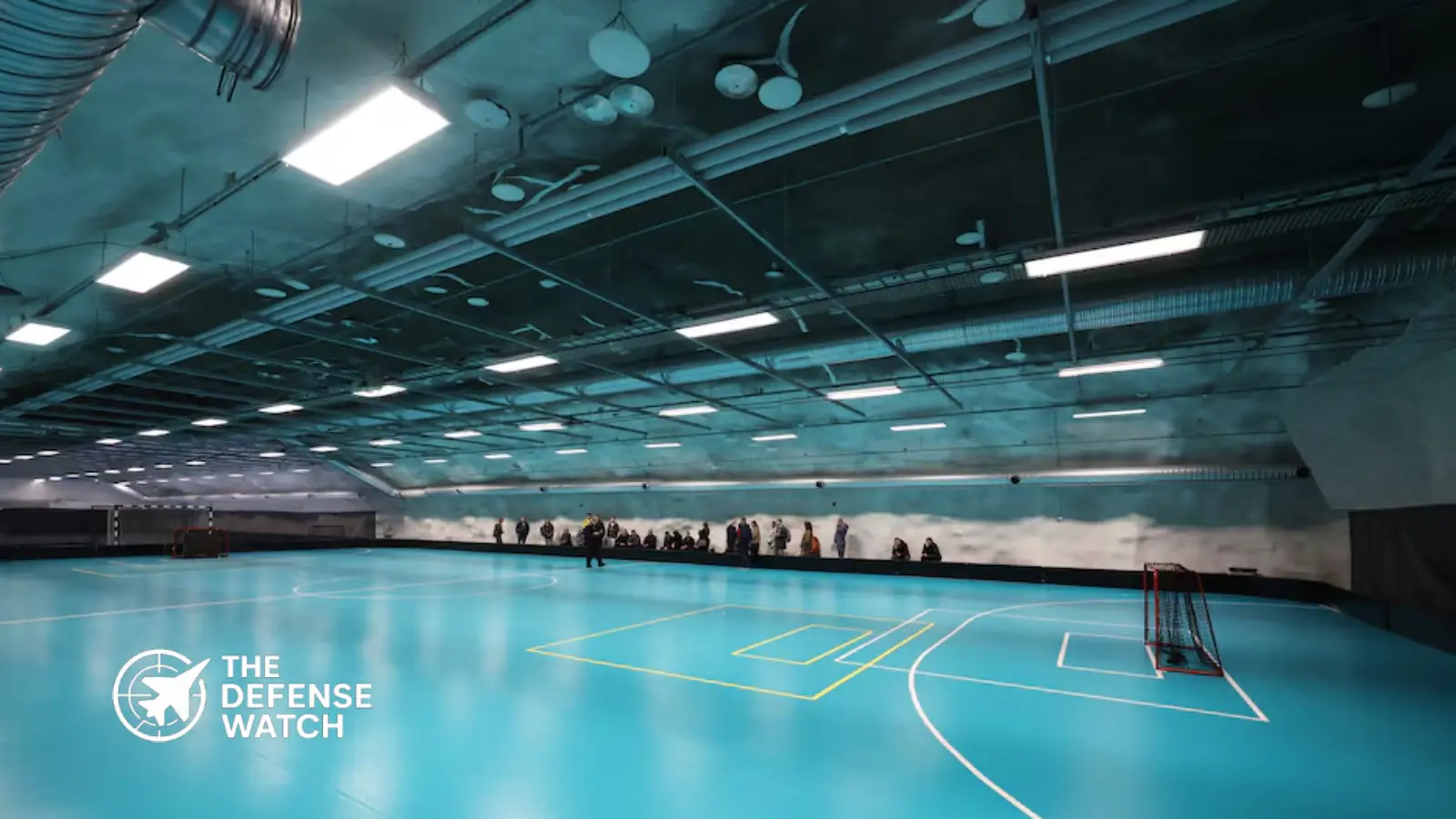
Beneath Helsinki’s streets, families swim laps and children play on jungle gyms. Dozens of meters below the surface, carved into billion-year-old granodiorite bedrock, those same recreational spaces are engineered to become bombproof refuges within 72 hours. That combination — civilian normality layered over wartime readiness — is why defense planners, NATO officials, and heads of state are traveling to Finland to understand how it works.
Finland’s civil defense shelter network has become one of the most studied defense infrastructure models in the Western alliance. With Russia’s full-scale invasion of Ukraine now stretching into its fourth year and European governments confronting the reality that decades of post-Cold War optimism left their civilian populations dangerously exposed, Helsinki’s approach is no longer treated as a Nordic quirk. It is increasingly viewed as a strategic necessity that the rest of NATO failed to maintain.
Scale and Capability: What Finland Has Built
Finland operates approximately 50,500 civil defense shelters nationwide, with a combined capacity to protect roughly 4.8 million people — about 86 percent of the country’s 5.6 million citizens. Helsinki alone holds some 5,500 shelters with space for approximately 900,000 persons, exceeding the capital’s entire resident population.
The infrastructure ranges from small building-integrated shelters to massive bedrock facilities. The Itakeskus complex, home to the world’s largest swimming hall built inside a civil defense shelter, can evacuate its pools and transition to emergency use for 3,800 civilians within 72 hours. The Merihaka shelter in central Helsinki accommodates 6,000 people and includes an underground playground, ball courts, and a gym — all kept in operational condition through daily peacetime use.
We always have this multi-use — peacetime use and wartime use — of our shelters,” said Jarkko Hayrinen, a senior rescue officer at Finland’s interior ministry, during a recent media tour of the facilities. “The shelters are very well maintained because people are using them in normal times.”
That dual-use design philosophy is not incidental. It is the structural answer to a problem every country with civil defense infrastructure faces: maintaining readiness without the political will to fund facilities that sit empty.
According to assessment data, 91 percent of Finland’s shelters are rated capable of resisting conventional attack, while 83 percent are equipped with air filtration systems providing protection against nuclear, biological, or chemical threats — a CBRN capability threshold most European nations cannot approach.
A Preparedness Culture Built From Wartime Lessons
Finland’s shelter legislation dates to 1939 — enacted just two weeks before the Soviet Union launched the Winter War. The law mandated civilian protection infrastructure as a condition of national survival, not a peacetime luxury. That legal and cultural foundation has compounded over eight decades into a system no other NATO ally has replicated at scale.
“Back then, we weren’t prepared to shield civilians — and we learned the hard way,” Hayrinen noted during the tour.
The lesson Finland absorbed in 1939 is the same one European governments are now re-learning through the lens of Mariupol, Kharkiv, and Kyiv: civilian populations in modern conflict are targets, and their protection requires infrastructure built before the shooting starts.
Matti Pesu, a senior researcher at the Finnish Institute of International Affairs, characterizes Finland’s whole-of-society approach as a national “trademark.” The model — termed total defense — integrates military capability, civil preparedness, critical infrastructure resilience, and industrial mobilization planning into a unified strategic framework. Finland allocates approximately 2 percent of GDP to civil defense investments, with government plans targeting an increase toward 5 percent in coming years.
Since joining NATO in April 2023, Finland has continued deepening this framework rather than treating alliance membership as a substitute for domestic resilience. The 2025 Act on Population Protection and Civil Defense — entering force in 2026 — mandates shelter construction in all new multi-family residential buildings and public facilities, extending the network further.
Why Europe Is Paying Attention Now
The gap between Finland’s posture and the rest of Europe’s is stark. Most Western European nations dismantled or abandoned their Cold War-era shelter networks through the 1990s and 2000s, operating under the assumption that great-power conflict had been permanently retired. Russia’s 2022 invasion shattered that assumption.
Denmark’s King Frederik, Ukrainian President Volodymyr Zelensky, and Nordic cooperation ministers have all toured Helsinki’s Hakaniemi shelter — an underground car park and sports center that doubles as emergency housing for 6,000 people. The visits are more than symbolic. They reflect a genuine policy gap that NATO members are now trying to close.
Poland has allocated approximately 117 million zlotys toward shelter modernization in Warsaw alone, though analysts describe that figure as far short of what comprehensive coverage would require. Germany, Sweden, and the Baltic states have all launched or accelerated civil defense reviews, frequently citing Finland’s model as the benchmark.
For the United States and its NATO planning structures, Finland’s network carries a specific operational relevance. In a Baltic contingency or any conflict scenario involving Russian conventional or non-conventional strikes on alliance territory, the ability to shelter civilian populations rapidly reduces both casualties and the political pressure on governments to negotiate unfavorable terms. Civil defense capacity, in this framing, is deterrence infrastructure.
The Dual-Use Model: Operational Analysis
The most transferable lesson from Finland’s system is not the raw numbers — it is the design logic. Building recreational and civic infrastructure to military protection specifications, then operating it as a public amenity, solves the maintenance and funding problem that has historically caused civil defense networks to deteriorate.
Empty bunkers require budget allocation to maintain. Swimming halls and sports centers generate operating revenue and remain in a constant state of functional readiness. The transition time — 72 hours for a major complex, far less for smaller facilities — is a product of pre-positioned emergency supplies, pre-tested mechanical systems, and a population trained to use the infrastructure.
Finland’s interior ministry has documented the dual-use approach as a deliberate policy choice, not an architectural afterthought. New shelter mandates under the 2026 law extend the same principle to residential construction, ensuring that shelter capacity scales with population growth and urban development rather than lagging behind it.
The CBRN filtration capacity embedded in 83 percent of shelters addresses the threat spectrum that has most alarmed European defense planners since 2022 — not just conventional munitions, but the potential for radiological, chemical, or biological incidents in populated areas, whether from direct attack or infrastructure strikes on hazardous facilities.
Implications for NATO Civil Defense Planning
Finland’s admission to NATO in 2023 brought more than its military capabilities to the alliance. It introduced a civil defense model and a strategic culture that NATO’s collective defense planning had not previously incorporated at scale. The EU’s rescEU CBRN reserve — a rapid-response stockpile of protective equipment and medical countermeasures deployable within 12 hours — is hosted in Finland, a recognition of the country’s expertise and existing infrastructure.
For NATO planners, the Finnish model poses an uncomfortable question: how much does civilian resilience capacity contribute to collective deterrence, and how far behind is the alliance as a whole? The answer, based on current European shelter inventories, is considerably behind.
Closing that gap will require sustained political commitment and multi-decade investment — precisely the conditions Finland has sustained since 1939. The country’s message to its allies is straightforward: preparedness is not built in a crisis. It is built before one.
Key Facts At A Glance
- 50,500 civil defense shelters across Finland
- 4.8 million citizens with shelter access (86% of population)
- 900,000 shelter places in Helsinki alone — exceeding the capital’s population
- 91% of shelters rated resistant to conventional attack
- 83% equipped with CBRN air filtration systems
- Shelter legislation in force since 1939
- Finland joined NATO: April 2023
- New shelter construction mandates effective: 2026
- Civil defense investment: approx. 2% of GDP, targeting 5%
Executive Summary:
Taiwan has defended continued U.S. arms sales as a critical pillar of regional deterrence after President Donald Trump said he had not yet approved a new multibillion-dollar weapons package. The remarks followed Trump’s summit with Chinese President Xi Jinping, raising new questions over future U.S. military support for Taipei and broader Indo-Pacific security dynamics.
Taiwan Reaffirms Importance Of US Arms Sales
Taiwan US arms sales moved back into focus this week after President Donald Trump said he had not yet decided whether to proceed with a major weapons package for Taipei following meetings with Chinese President Xi Jinping in Beijing.
Speaking in Taipei, Taiwan Deputy Foreign Minister Chen Ming-chi said U.S. weapons transfers remain a cornerstone of regional peace and stability and are protected under the Taiwan Relations Act. Taiwanese officials stressed that continued military cooperation with Washington supports deterrence across the Indo-Pacific region.
The United States remains Taiwan’s primary security partner despite the absence of formal diplomatic relations. Washington is legally obligated under the Taiwan Relations Act to provide defensive military capabilities to the island. China, however, considers Taiwan part of its territory and consistently opposes foreign arms sales to Taipei.
Trump Comments Raise Questions Over Future Support
Trump’s comments came shortly after his summit with Xi Jinping, where Taiwan reportedly became a major discussion point. According to Reuters, Trump acknowledged discussing potential arms transfers with Xi but declined to confirm whether the package would move forward.
The proposed package is reportedly valued at around $14 billion and could include missile systems, air defense capabilities, and anti-drone technologies intended to strengthen Taiwan’s asymmetric defense posture.
Trump also stated that he may speak directly with Taiwanese President Lai Ching-te regarding future defense cooperation, signaling that the administration has not finalized its policy direction.
The uncertainty has triggered concern among regional observers and some U.S. allies, particularly because previous administrations generally avoided openly linking Taiwan arms sales discussions with Chinese leadership negotiations.
Taiwan Seeks To Strengthen Deterrence
Taiwanese officials have increasingly argued that military modernization is necessary as China expands military operations around the island. Beijing has continued air and naval activity near Taiwan throughout 2026, including large-scale exercises and pressure operations around the Taiwan Strait.
Taipei has prioritized investments in mobile missile launchers, air defense systems, naval strike capabilities, and unmanned systems designed to complicate a potential Chinese military campaign.
Defense analysts widely view Taiwan’s strategy as shifting toward asymmetric warfare, emphasizing survivability, dispersed operations, and precision strike capabilities rather than conventional force parity with the People’s Liberation Army.
At the same time, Taiwan faces domestic political and budget pressures. Reuters reported that Taiwan’s opposition-controlled legislature approved only part of a larger defense spending proposal linked to U.S. procurement plans.
That budget debate has become increasingly important because Washington has repeatedly encouraged Taipei to accelerate defense modernization and increase military spending.
Strategic Implications For The Indo-Pacific
The debate surrounding Taiwan US arms sales carries implications far beyond bilateral defense ties.
For Washington, continued military support to Taiwan remains closely tied to broader Indo-Pacific deterrence strategy, particularly amid growing Chinese military expansion and maritime pressure operations across the region.
For Beijing, American weapons transfers are viewed as interference in China’s internal affairs and a challenge to its sovereignty claims over Taiwan. Chinese officials have repeatedly warned Washington against expanding military cooperation with Taipei.
The latest developments also highlight how Taiwan has become a central issue in U.S.-China strategic competition. Trump’s willingness to publicly discuss arms sales decisions following direct talks with Xi marks a notable shift in tone compared with earlier administrations that treated such transfers as separate from broader negotiations with Beijing.
Despite the uncertainty surrounding the proposed package, Taiwanese officials continue to publicly frame U.S. support as essential for preserving deterrence and maintaining stability across the Taiwan Strait.
Executive Summary:
Britain participated in a multinational nuclear security mission in Venezuela alongside the International Atomic Energy Agency (IAEA) and regional partners. The effort focused on improving preparedness against radiological and nuclear security threats while reinforcing international cooperation in Latin America.
Britain Nuclear Security Mission Highlights International Cooperation
The Britain nuclear security mission in Venezuela marks another example of growing international coordination on radiological and nuclear security preparedness. The mission, supported by the International Atomic Energy Agency, brought together experts from several countries to assess emergency response capabilities and strengthen operational coordination.
British specialists joined counterparts in Venezuela as part of a broader effort to improve regional resilience against potential nuclear or radiological incidents.
The exercise reportedly focused on evaluating procedures related to detection, response coordination, information sharing, and protection of critical infrastructure linked to radiological materials. Such missions are increasingly viewed as essential components of international security cooperation, particularly as governments seek to reduce vulnerabilities tied to illicit trafficking and unauthorized use of radioactive substances.
Why Nuclear Security Missions Matter
While Venezuela does not possess nuclear weapons, the country participates in international frameworks designed to secure radioactive sources used in medicine, research, and industrial sectors. These materials can pose significant security risks if improperly handled or acquired by criminal organizations.
The IAEA has expanded its global engagement in recent years to help countries strengthen safeguards, improve regulatory systems, and train emergency response personnel. Britain’s participation reflects London’s continuing role in supporting international nonproliferation and nuclear security initiatives beyond Europe.
The United Kingdom has long maintained close cooperation with the IAEA through technical assistance programs, nuclear safeguards expertise, and counterproliferation initiatives. British specialists frequently contribute to multinational exercises designed to test readiness for radiological emergencies and cross-border security incidents.
From a geopolitical perspective, the mission is notable because it involved engagement in Latin America at a time when international security cooperation in the region is becoming more complex. Governments across the Americas are increasingly focused on combating transnational crime networks that could exploit weaknesses in border security or hazardous material controls.
Regional Security And Strategic Implications
The Venezuela nuclear security exercise also highlights how nuclear security has evolved beyond traditional state-to-state deterrence concerns. Modern nuclear security planning now places greater emphasis on protecting civilian-use radioactive materials, securing transportation networks, and improving intelligence sharing.
For Western governments, including the United Kingdom, participation in these exercises serves multiple purposes. It supports international stability, reinforces diplomatic engagement, and demonstrates commitment to global nonproliferation standards.
The mission additionally underscores the importance of technical diplomacy. Even amid broader geopolitical tensions, nuclear safety and radiological protection remain areas where international organizations continue to encourage cooperation among diverse governments.
Analysts note that multinational exercises help establish operational familiarity between agencies before a real-world crisis occurs. That preparation can significantly improve response speed and reduce confusion during an emergency involving hazardous materials.
The Britain nuclear security mission may also reflect broader efforts by Western partners to maintain influence and engagement across Latin America through technical and security cooperation rather than solely through military deployments.
IAEA Continues Expanding Global Nuclear Security Programs
The International Atomic Energy Agency has steadily expanded its nuclear security activities over the past decade. These programs include training exercises, cyber protection for nuclear facilities, border monitoring systems, and support for member states handling radioactive materials.
The organization has repeatedly warned that radiological threats remain a global concern, particularly as non-state actors continue seeking access to hazardous materials that could be used in disruptive attacks or criminal activities.
Britain’s involvement in the Venezuela mission aligns with wider Western support for the IAEA’s technical cooperation agenda. London continues to position itself as a major contributor to international nuclear governance, particularly following renewed global focus on strategic stability and nuclear risk reduction.
Although the mission was not military in nature, it demonstrates how security cooperation increasingly overlaps with diplomatic, technical, and emergency response domains. That trend is likely to continue as governments place greater emphasis on resilience against unconventional threats.
Strategic Analysis
The Britain nuclear security mission illustrates a broader shift in how governments approach global security challenges. Nuclear preparedness is no longer limited to strategic weapons programs or major military powers. Instead, attention is increasingly directed toward protecting civilian nuclear infrastructure, preventing illicit trafficking, and ensuring rapid multinational coordination during emergencies.
For the United Kingdom, participation in these exercises supports several strategic objectives simultaneously. It reinforces Britain’s role within international security institutions, strengthens technical partnerships abroad, and maintains operational expertise among British nuclear specialists.
The exercise also demonstrates the growing relevance of soft-security engagement in geopolitically sensitive regions. Technical cooperation missions often provide governments with channels for diplomatic engagement that remain viable even when broader political relations are strained.
As nuclear security concerns evolve, multinational preparedness missions are expected to remain an important element of international stability efforts.
Executive Summary:
U.S. Central Command chief Adm. Brad Cooper told Congress that Operation Epic Fury severely degraded Iran’s missile, naval, and drone capabilities in under 40 days. The campaign also strengthened military coordination between the United States and key Middle Eastern partners, including Saudi Arabia, Qatar, and the UAE.
Operation Epic Fury Reshaped CENTCOM’s Iran Strategy
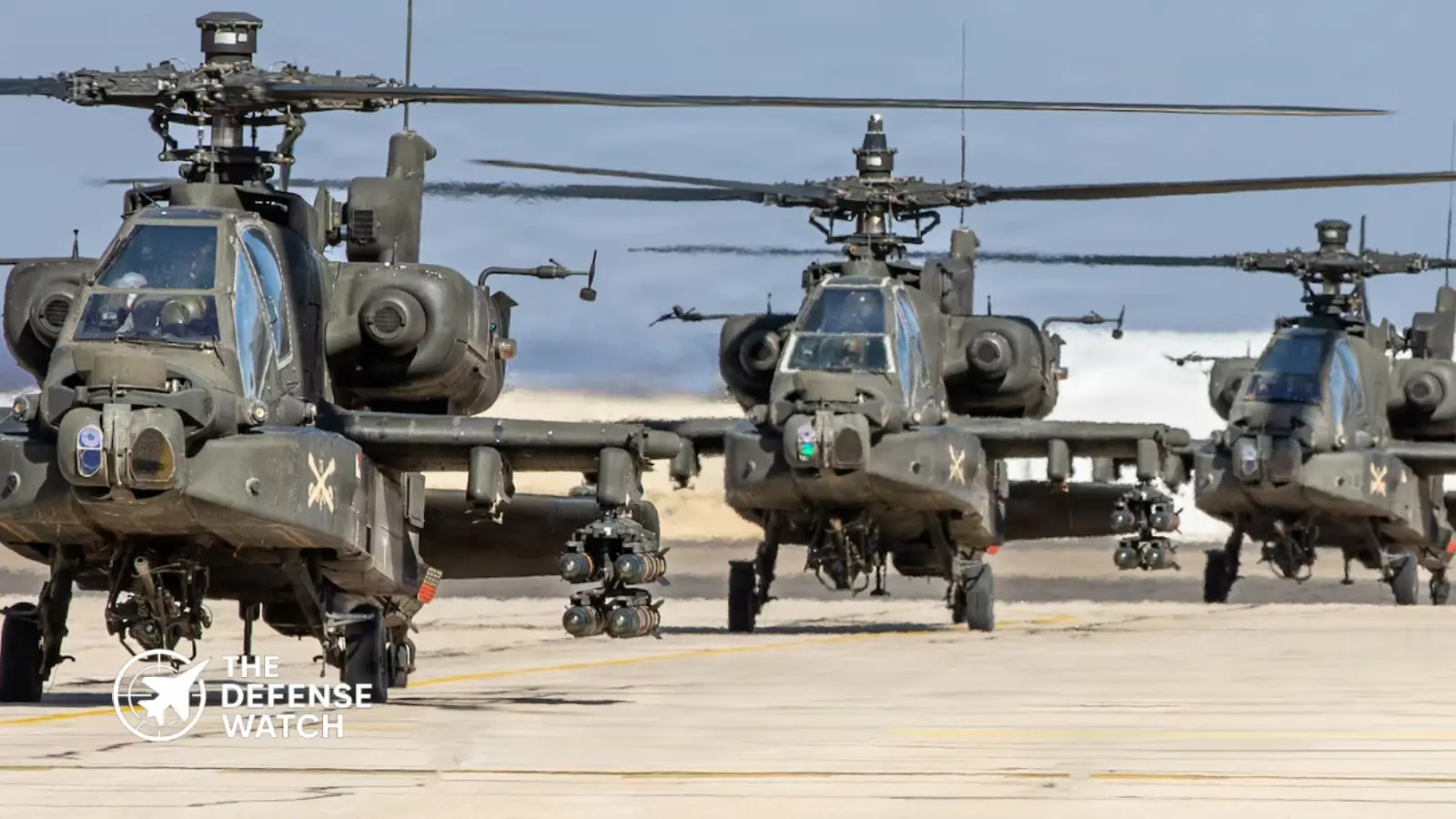
Operation Epic Fury has become the centerpiece of current U.S. military operations in the Middle East, with senior Pentagon leaders claiming the campaign significantly weakened Iran’s ability to threaten regional stability.
Speaking before the Senate Armed Services Committee in Washington, Brad Cooper said U.S. Central Command forces achieved their operational objectives in less than 40 days. According to Cooper, the campaign targeted Iran’s ability to project military power beyond its borders and reduced threats against U.S. forces and regional allies.
The CENTCOM commander stated that Iran’s conventional missile capacity has been heavily degraded following sustained U.S. operations. He referenced large-scale Iranian missile attacks against Israel in April and October of last year, arguing Tehran no longer retains the same operational scale or launch capacity.
According to Cooper, approximately 90% of Iran’s defense industrial base connected to missile, drone, and naval production has been destroyed or rendered ineffective. He also assessed that Iran’s navy could require between five and ten years to rebuild its operational capabilities.
The remarks represent one of the most detailed public U.S. military assessments so far regarding the impact of Operation Epic Fury.
Missile, Drone, And Naval Infrastructure Targeted
A central objective of Operation Epic Fury was to support Washington’s long-standing position that Iran must not obtain a nuclear weapon capability.
To achieve that, U.S. operations focused on degrading multiple pillars of Iran’s military infrastructure simultaneously. Cooper said CENTCOM targeted ballistic missile production facilities, naval assets, and drone manufacturing networks while also disrupting the industrial capacity needed to regenerate those systems.
The campaign appears designed not only to reduce Iran’s near-term strike capability but also to complicate long-term reconstitution efforts.
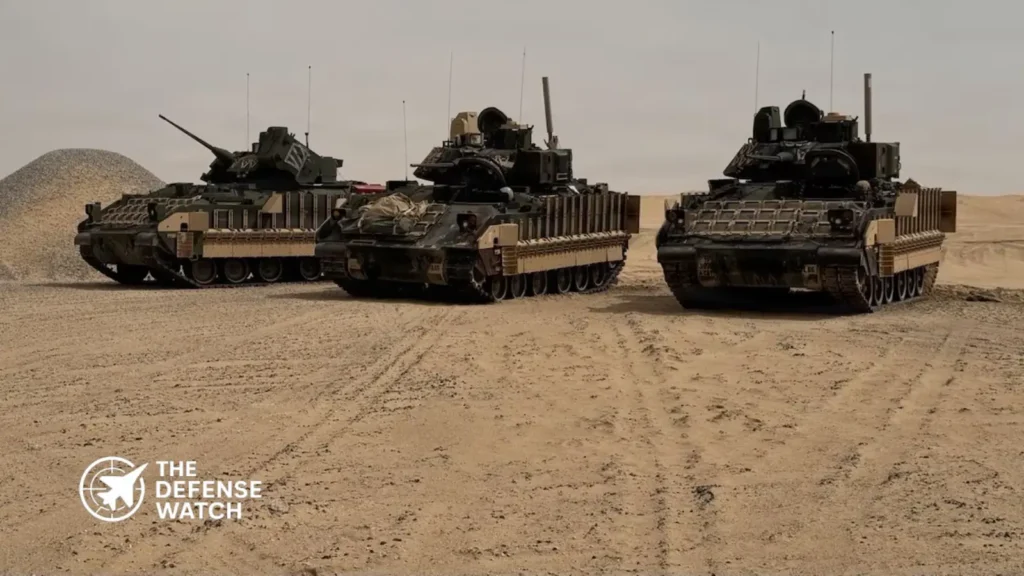
Iran’s missile and drone programs have long been viewed by U.S. and Israeli defense planners as key components of Tehran’s regional deterrence posture. Over the past decade, Iran invested heavily in ballistic missiles, cruise missiles, unmanned aerial systems, and fast-attack naval platforms capable of operating across the Persian Gulf and broader Middle East theater.
By targeting industrial infrastructure rather than solely operational launch systems, Operation Epic Fury reflects a broader strategic approach focused on long-term degradation rather than temporary battlefield disruption.
That approach aligns with evolving U.S. operational doctrine emphasizing persistent effects on adversary force generation capacity.
Proxy Networks Face Major Disruption
Beyond Iran’s conventional military assets, CENTCOM also assessed that Tehran’s regional proxy ecosystem suffered major setbacks during the operation.
Cooper told lawmakers that Iranian support channels to groups including Hamas, Hezbollah, and the Houthis have effectively been disrupted.
For years, Iran relied on a network of partner militias and armed groups to expand influence across the Middle East while maintaining plausible deniability. Those proxy forces have been central to conflicts in Gaza, Lebanon, Syria, Iraq, and Yemen.
According to the CENTCOM assessment, current intelligence indicates no active flow of weapons or equipment from Iran to these organizations.
If sustained, that disruption could significantly alter regional security calculations. Iranian proxy groups have historically depended on missile components, drones, funding, training, and logistical support routed through regional smuggling networks.
However, analysts note that such networks are often adaptive and decentralized. While major supply chains may be disrupted, rebuilding covert logistics channels could remain a long-term challenge for regional security forces.
Regional Partnerships Expanded During The Campaign
A major theme during Cooper’s testimony was the role played by U.S. military partners across the Middle East during Operation Epic Fury.
The CENTCOM commander highlighted the operational contributions of the United Arab Emirates, Bahrain, Kuwait, Qatar, and Saudi Arabia.
According to Cooper, those nations not only defended their own territory during the operation but also actively supported American forces operating in the region.
He additionally credited the Jordan and the Israel for close operational coordination.
The operation highlighted the growing importance of integrated regional air and missile defense cooperation among U.S. allies and partners. Over recent years, CENTCOM has pushed for greater interoperability between Gulf states, Israel, and U.S. military systems to counter evolving missile and drone threats.
Operation Epic Fury appears to have accelerated that trend.
The campaign also demonstrated how coalition-based defense architectures are becoming increasingly important in modern regional conflicts, particularly as Iran and its affiliated groups rely heavily on asymmetric warfare tactics.
Strategic Implications For U.S. Middle East Posture
The broader strategic significance of Operation Epic Fury extends beyond the immediate military effects described by CENTCOM leadership.
The operation signals continued U.S. willingness to conduct large-scale military campaigns aimed at degrading adversary infrastructure across multiple domains simultaneously. It also reinforces Washington’s focus on maintaining deterrence credibility in the Middle East despite broader global security pressures involving Europe and the Indo-Pacific.
At the same time, the operation underscores how regional partnerships remain central to U.S. force posture in the CENTCOM theater.
For Pentagon planners, maintaining access, logistics, intelligence sharing, and integrated air defense cooperation with Gulf states remains critical to sustaining operational reach across the region.
While U.S. officials describe the operation as highly successful, long-term strategic outcomes will likely depend on whether Iran can rebuild portions of its military-industrial infrastructure and restore influence through proxy networks over time.
For now, however, CENTCOM leadership is presenting Operation Epic Fury as one of the most consequential regional military campaigns conducted by U.S. forces in recent years.
Executive Summary:
NATO fighter aircraft were scrambled to intercept a Russian Su-24 strike jet operating near Baltic airspace during a routine air policing mission. The incident highlights continued military activity around NATO’s eastern flank and growing concerns over regional air security in Northern Europe.
NATO Fighters Intercept Russian Strike Jet Over Baltic Sea
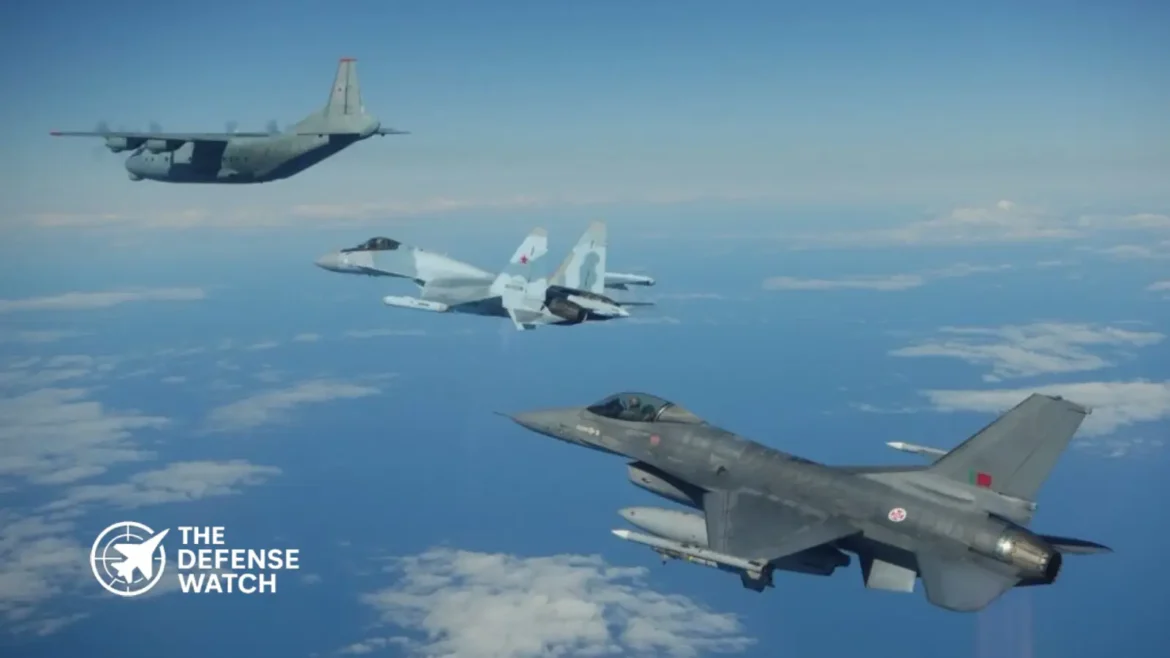
NATO fighters intercepted a Russian strike aircraft over the Baltic Sea in the latest air policing mission involving allied aircraft monitoring Russian military activity near NATO territory. According to reports from the Baltic region, the intercepted aircraft was identified as a Russian Su-24 tactical strike jet operating close to allied airspace.
The interception was conducted under NATO’s Baltic Air Policing mission, a long-running alliance operation designed to safeguard the airspace of Estonia, Latvia, and Lithuania. NATO aircraft were reportedly scrambled after the Russian aircraft approached the region without complying with standard international flight transparency measures.
The incident comes amid continued military pressure across NATO’s eastern flank following heightened tensions between Russia and Western nations since the start of the war in Ukraine.
NATO Baltic Air Policing Remains Highly Active
The NATO Baltic Air Policing mission has become one of the alliance’s most visible deterrence activities in Northern Europe. Fighter aircraft from multiple NATO member states rotate through bases in the Baltic region to conduct rapid-response interception missions.
Military aircraft from Russia frequently operate over the Baltic Sea, often flying from Kaliningrad or western Russian air bases. NATO states regularly monitor these flights when aircraft fail to transmit transponder signals or do not file recognized flight plans.
While such intercepts are not uncommon, defense analysts note that the frequency of NATO scrambles has remained elevated since 2022. The Baltic Sea region has become a strategically important operational zone for both NATO and Russia due to its proximity to key military infrastructure, shipping lanes, and alliance member states.
The Russian Su-24 involved in the latest incident is a Cold War-era strike aircraft designed for low-level attack missions. Despite its age, the platform remains in active Russian service and continues to be used in operational patrols and military exercises.
Strategic Importance Of The Baltic Region
The Baltic region has emerged as a critical theater in NATO’s broader deterrence posture. Finland and Sweden’s moves toward deeper NATO integration have significantly changed the regional security environment, increasing allied military coordination around the Baltic Sea.
NATO has expanded surveillance flights, naval patrols, and quick reaction alert operations across Northern Europe in response to increased Russian military activity. Air policing missions are intended not only to defend alliance airspace but also to demonstrate readiness and collective defense capabilities.
The latest NATO interception reflects how military aviation activity continues to serve as a signal of strategic competition between Russia and the alliance. Defense officials have repeatedly emphasized that intercept missions are conducted professionally and in accordance with international aviation rules.
At the same time, the operational tempo places sustained pressure on NATO air forces tasked with maintaining continuous readiness across multiple regions, including Eastern Europe, the Arctic, and the Black Sea theater.
Russian Military Flights Continue Near NATO Borders
Russian military aircraft activity near NATO territory has remained consistent throughout the conflict in Ukraine. Aircraft including Tu-95 bombers, Su-27 fighters, MiG-31 interceptors, and Su-24 strike jets have all been tracked near allied airspace in recent years.
These operations are closely monitored by NATO’s integrated air defense network, which combines radar surveillance, airborne early warning aircraft, and quick reaction fighter units.
The Baltic Sea is particularly sensitive because of the concentration of military assets in Kaliningrad, where Russia maintains advanced air defense systems, anti-ship missiles, and naval forces. NATO countries bordering the Baltic Sea continue to invest heavily in air defense modernization and rapid deployment capabilities.
The interception of the Russian strike jet also reflects the growing importance of tactical readiness and response speed within NATO air operations. Quick reaction alert aircraft are maintained at high readiness levels specifically to respond to unidentified or potentially unsafe military flights.
Broader Security Implications
Although air interceptions between NATO and Russian aircraft are generally managed without escalation, they remain politically significant. Each encounter is closely watched by military planners and political leaders as part of the broader security competition unfolding across Europe.
For NATO, maintaining visible and credible air policing operations is viewed as essential to alliance deterrence. For Russia, continued military aviation patrols near NATO territory demonstrate operational reach and strategic signaling capability.
The latest Baltic Sea interception reinforces how airpower remains central to regional security dynamics. It also highlights the continued risk of military incidents in heavily contested operating environments where NATO and Russian forces routinely operate in close proximity.

Navy vs. Army 2026: The Billion-Dollar Battle Defining America’s Military Future
The debate over U.S. military priorities has never carried higher financial stakes. In fiscal year 2026, the Department of Defense — operating under what the Trump administration now designates as the “Department of War” — released the largest defense budget request in modern American history, totaling more than $961 billion in combined discretionary and mandatory funding. Within that historic figure lies a stark and strategically significant gap: the U.S. Navy vs. Army 2026 defense budget split tells a story not just of money, but of doctrine, strategy, and where Washington believes the next war will be fought.
- The U.S. FY2026 defense budget totals over $961 billion, with the Navy receiving $292.2 billion and the Army receiving $197.4 billion — a gap of nearly $95 billion.
- Navy shipbuilding alone is funded at $65.8 billion for FY2027, including $13.9 billion for Virginia-class submarines and $11.6 billion for Columbia-class SSBNs.
- The Army’s Typhon (Mid-Range Capability) missile system has been deployed to Japan and the Philippines by early 2026, signaling a new land-based strike role in the Pacific.
- The FY2027 budget request proposes $1.5 trillion in defense spending, with the Navy receiving the single biggest investment of any service branch.
- The 2026 National Defense Strategy prioritizes the Indo-Pacific as the primary theater, where naval superiority and land-based fires are both considered essential for deterring China.
The proposed FY2026 budget breaks down to $197.4 billion for the U.S. Army, $292.2 billion for the U.S. Navy, and $301.1 billion for the U.S. Air Force. The Navy-Army funding gap has widened to nearly $95 billion — a figure that reflects deep shifts in American strategic thinking, the looming challenge of China’s naval expansion, and the emergence of a new technological paradigm that is rapidly transforming how both services define their role in warfighting.
FY2026 Defense Budget Allocation by Service Branch
The Navy’s Dominant Position: Shipbuilding, Submarines, and Sea Power
If the FY2026 budget has a clear winner, it is the U.S. Navy. The Navy will receive the biggest investment of any service branch under the administration’s defense plans. That priority is most visible in the shipbuilding account. Navy shipbuilding funding for FY2027 totals $65.8 billion, with the Virginia-class submarine program receiving nearly $14 billion and the Columbia-class SSBN program receiving more than $11.6 billion — together accounting for over a third of the total shipbuilding request.
The reconciliation spending layer has further supercharged naval investment. The Pentagon’s reconciliation allocation plan dedicates roughly $29 billion to bolstering Navy shipbuilding and resurrecting the U.S. maritime industrial base, including $4.6 billion toward a second Virginia-class submarine and $5.4 billion for two additional guided-missile destroyers. New programs are also entering the picture: the BBG(X) — also referred to as the Trump-class battleship — will receive $1 billion in advanced procurement funds, while the FF(X) frigate replacement program will receive $1.4 billion for one hull and additional development support.
“The Navy and Marine Corps’ ability to maintain maritime dominance is increasingly being challenged in a volatile and unpredictable world. Our industrial base, installations, and physical infrastructure are in urgent need of significant investment.”— U.S. Navy FY2026 Budget Highlights Book
The strategic rationale is clear and urgent. China’s People’s Liberation Army Navy has grown to the world’s largest fleet by vessel count, with over 730 warships emphasizing area-denial capabilities in the South China Sea, while the U.S. Navy’s battle fleet currently sits at roughly 287 ships. The FY2026 budget includes funding for 19 new U.S. Navy battle force ships to maintain that floor.
The Army’s Pivot: From Land War to Long-Range Fires
The U.S. Army faces a more complex strategic moment. With the Indo-Pacific designated as the primary theater and the 2026 National Defense Strategy deprioritizing large-scale land campaigns in Europe, the Army risks being left behind in a budget fight dominated by maritime concerns. The Indo-Pacific is primarily a maritime theater, and the Navy and Air Force are expected to play the leading roles in any conflict with China, drawing the bulk of new funding for the foreseeable future.
Yet the Army has not stood still. Its answer to strategic irrelevance is the Typhon missile system — a mobile, containerized ground launcher built around a Mark 41-style vertical launch system capable of firing Navy SM-6 and Tomahawk missiles. By early 2026, multiple reports confirmed Typhon deployments to both Japan and the Philippines as part of Indo-Pacific deterrence efforts. The system bridges the traditional gap between land power and maritime operations, giving the Army a credible anti-ship and land-attack strike role previously held exclusively by the Navy and Air Force.
The FY2026 Army procurement request includes $82 million for the Typhon Mid-Range Capability system, $364 million for 44 Precision Strike Missiles (PrSMs), and $438 million for the Dark Eagle long-range hypersonic weapon program. While these figures are modest compared to the Navy’s shipbuilding allocations, they represent a genuine doctrinal evolution. The Army’s new mobile mid-range capability can launch Tomahawk anti-ship and land-attack cruise missiles, offering land-based fires a “low-cost, high-payoff” advantage in contested maritime environments. The Army is also drawing operational lessons from recent conflicts: both Ukraine and the Houthis have demonstrated how land-based targeting of ships can degrade naval operations at low cost — a lesson Pentagon planners have firmly internalized.
The Third Offset Strategy and the AI Revolution in 2026
Perhaps the most significant development reshaping the Navy vs. Army 2026 comparison is neither a ship nor a missile — it is software. The Third Offset Strategy, originally conceived as a framework for preserving U.S. military technological superiority against resurgent great-power rivals, has entered its most consequential phase. The strategy aims to exploit all advances in artificial intelligence and autonomy to achieve a step increase in performance that strengthens conventional deterrence against near-peer adversaries like China and Russia.
On January 12, 2026, the Department of War issued a comprehensive AI Strategy memo declaring that 2026 will be “the year we emphatically raise the bar for Military AI Dominance.” The strategy directed every Service Chief and Combatant Commander to designate an AI Integration Lead within 30 days, and established seven Pace-Setting Projects (PSPs) to accelerate AI deployment across warfighting, intelligence, and enterprise mission areas. The 2026 DoD AI Strategy shifted toward an “AI-first” warfighting posture, moving AI from a tool to a central element of operational design.
ANALYST PERSPECTIVE — THIRD OFFSET & SERVICE COMPETITION
The Third Offset’s emphasis on AI and autonomous systems is not service-neutral. For the Navy, autonomous surface and undersea vehicles (USVs and UUVs) can extend maritime reach without the personnel cost of crewed platforms — a crucial advantage when shipbuilding backlogs and crewing shortages already threaten fleet readiness. Uncrewed Surface Vehicles and Global Autonomous Reconnaissance Crafts (GARCs) can expand sea power projection into contested areas without putting human crews at risk, directly amplifying the Navy’s operational range in the Western Pacific.
For the Army, the “Right to Integrate” initiative — requiring manufacturers of missiles, drones, radars, and sensors to open software interfaces to AI agents in real time — is essentially an autonomous systems transformation built into the procurement process. The inspiration comes from Ukraine, where open APIs allowed rapid battlefield integration between drones, sensors, and fire-control systems. The Army is institutionalizing that lesson at scale. But the transformation creates an inherent paradox: the same openness that enables speed and flexibility also expands the attack surface for adversarial cyber operations. Both services face this tension; neither has fully resolved it.
Global military AI spending is estimated to have doubled from $4.6 billion to $9.2 billion between 2022 and 2023, and is projected to reach $38.8 billion by 2028. The defense autonomous systems market reached a base valuation of $18.5 billion in 2025 and is projected to scale to $62.4 billion by 2034, at a compound annual growth rate of 14.7%. These figures underscore that the Third Offset is not a Pentagon abstraction — it is a rapidly maturing commercial and military market that will define the technological frontier of both services for the next decade.
The Nuclear Triad Question: Can All Three Legs Remain Affordable?
Underlying the Navy vs. Army budget debate is a deeper and more politically sensitive question: with the FY2026 defense budget consuming more than $60 billion annually on nuclear modernization alone, is the full triad of bombers, land-based missiles, and ballistic missile submarines still affordable — and strategically necessary — without hollowing out conventional forces?
The three legs of the nuclear triad are simultaneously in various stages of costly modernization. The U.S. Navy is developing the Columbia-class ballistic missile submarine (SSBN) to replace the aging Ohio-class fleet, with Columbia-class procurement requesting more than $11.6 billion in FY2027 alone. The Air Force is advancing the B-21 Raider stealth bomber — with an expanded production effort funded by $4.5 billion appropriated by Congress in 2025 — and the Sentinel ICBM (formerly GBSD) is replacing the 1970s-era Minuteman III. Modernizing all of DoD’s aging nuclear weapon systems could cost up to $350 billion over the next 20 years.
Critically, the Sentinel ICBM program has experienced a critical cost breach under the Nunn-McCurdy Act, with unit costs increasing significantly and a comprehensive program review underway. The Air Force now anticipates an initial operational capability for Sentinel in the early 2030s, with a first flight test in 2028. The GAO has flagged concerns over delays in crucial software development and the absence of a completed risk management plan — a sobering signal for a program that forms the entire ground-based leg of U.S. nuclear deterrence.
The strategic context has also shifted. New START expired in February 2026, removing treaty constraints on U.S. SSBN fleet size and potentially opening the door to an expanded Columbia-class program beyond the initial 12-hull plan. Under Secretary of Defense for Policy Elbridge Colby has publicly affirmed that “ensuring we retain a modern, capable, and effective nuclear deterrent should be our top priority.” The Trump administration’s 2026 NDS signals that modernization of all three legs will continue at pace — and potentially accelerate.
ANALYST PERSPECTIVE — TRIAD AFFORDABILITY CRUNCH
The nuclear triad affordability debate intersects directly with the Navy vs. Army budget competition in a way that is rarely acknowledged publicly. The Columbia-class SSBN program is, at its core, a Navy shipbuilding program — but it is funded partly through nuclear enterprise accounts that exist outside the conventional shipbuilding budget. This double-counting effect means the Navy’s budget advantage over the Army is even more pronounced than the top-line figures suggest: Columbia-class costs consume shipbuilding industrial capacity, drive workforce demand at Electric Boat and Newport News, and compete with Virginia-class attack submarine production for the same skilled labor pool.
For the Army, the affordability crunch is simpler but no less painful: every dollar spent on Sentinel ICBM infrastructure and nuclear sustainment is a dollar unavailable for Typhon batteries, Dark Eagle hypersonic weapons, or the AI integration programs that would give ground forces relevance in the Indo-Pacific. The triad question is ultimately a resource allocation question — and right now, the nuclear enterprise is winning that competition largely by default, because the political cost of being seen as the administration that weakened nuclear deterrence is higher than any conventional capability trade-off the Pentagon is willing to make publicly.
The 2026 National Defense Strategy: A Framework That Favors the Sea
The 2026 National Defense Strategy provides the doctrinal backdrop for understanding the budget divide. The NDS marks a sharp pivot toward defending the homeland while rebalancing forces and alliances for the Indo-Pacific, prioritizing a “peace through strength” vision that emphasizes protecting the Western Hemisphere and building up Pacific deterrence posture — particularly along the First Island Chain. The strategy also expects Indo-Pacific allies — Japan, Australia, South Korea, the Philippines — to bear greater responsibility for their own security, with the U.S. focused on enabling and incentivizing allied defense investment rather than assuming the full deterrence burden alone.
The 2026 NDS specifically calls for adding more forces and defenses along the first island chain, including more ships in Guam and the Pacific, more missile batteries on key islands, and potentially more rotational Army or Marine units in Japan, South Korea, Australia, and allied ports. The Army’s Multi-Domain Task Forces, which include Typhon batteries, fit within this joint vision — but they operate as enablers of naval and air power, not as the primary strike force.
The United States maintains more than 66 forward-deployed sites across Japan, South Korea, Australia, and the Philippines, with the Pacific Deterrence Initiative continuing to expand that posture through integrated air, land, sea, space, and cyber capabilities. Both services have roles to play. Land-based long-range fires, regional access, enduring relationships with allies and partners, and enabling capabilities from logistics to communications to air defense are all ways the U.S. Army can deter China or help fight and win if deterrence fails. At the same time, the Navy’s carrier strike groups, nuclear submarines, and surface combatants provide the persistent forward presence that no land force can replicate across open ocean.
Analysis: The Strategic Tension the Budget Cannot Fully Resolve
The Navy vs. Army debate in 2026 is ultimately a proxy for a much larger question: what kind of war is America preparing to fight — and who decides?
The case for naval primacy is compelling and data-driven. The Indo-Pacific is, fundamentally, a maritime theater. China’s military strategy is built around A2/AD — anti-access, area-denial — designed specifically to push U.S. carrier strike groups away from Taiwan and contested island chains. Countering that strategy requires submarine superiority, distributed surface combatants, and the ability to sustain naval operations thousands of miles from American shores. No amount of Army brigade combat teams can substitute for a Virginia-class boat patrolling the South China Sea.
But the case for Army relevance is also strong, and it hinges on a critical insight the Typhon system embodies: land-based fires are harder to target, cheaper to sustain, and politically less provocative than a carrier strike group operating in China’s backyard. A battery of Typhon launchers positioned on Luzon or Okinawa complicates Chinese military planning in ways a warship anchored offshore cannot — because attacking sovereign land carries escalatory consequences Beijing may wish to avoid.
The Third Offset layer adds further complexity. When AI-enabled autonomous systems can perform reconnaissance, targeting, and precision strike without human crews, the traditional metrics of service competition — ships, brigades, aircraft — become less decisive. The service that integrates AI fastest into its operational architecture may gain more capability from its budget than simple dollar comparisons suggest. By that measure, the Army’s “Right to Integrate” initiative and the Navy’s USV programs are competing not just for budget share, but for the character of future warfare itself.
The real danger is not choosing the Navy over the Army, or vice versa. It is under-resourcing the joint architecture that makes both effective. A well-resourced Navy without Army long-range fires on key islands leaves maritime flanks vulnerable. An Army with advanced missiles but no naval cover for logistics and sustainment cannot hold ground under fire. And a nuclear triad that consumes $60 billion annually while both conventional services strain for modernization funds may produce the worst of all outcomes: unmatched deterrence against nuclear war, and inadequate capability for the conflicts most likely to actually occur.
The 2026 budget is the most lavish in American history, but strategy is not merely about spending more. It is about spending right — and the Army-Navy balance, particularly in the context of a potential Taiwan contingency, will define whether that money buys deterrence or simply buys time.
FAQs
The primary reason is strategic focus. The 2026 National Defense Strategy designates the Indo-Pacific — a maritime theater — as America’s top priority, with China identified as the “pacing threat.” Countering China’s naval expansion and A2/AD capabilities requires submarines, destroyers, and carrier strike groups, which inherently favor Navy investment over Army ground forces.
Typhon is a mobile, ground-based launcher that fires Navy SM-6 and Tomahawk missiles from an ISO-container-sized unit. By early 2026, it had been deployed to Japan and the Philippines, giving the Army a credible long-range anti-ship and land-attack capability in the Indo-Pacific for the first time. It represents the Army’s strategic answer to maintaining relevance in a primarily maritime theater.
The FY2026 defense budget, totaling over $961 billion in combined funding, represents approximately a 13.4% increase over FY2025 enacted levels. The Trump administration’s FY2027 request goes further still, proposing $1.5 trillion — described as one of the largest defense budget requests in U.S. history.
Not entirely, but its role is shifting fundamentally. Rather than traditional land combat, the Army’s primary Indo-Pacific contributions are increasingly centered on long-range precision fires, air and missile defense, logistics, and multi-domain operations that support naval and air forces. The Typhon system and the Dark Eagle hypersonic weapon are central to this transformation.
The First Island Chain is a strategic geographic line running from Japan through Taiwan, the Philippines, and into the South China Sea. It forms the primary defensive perimeter in any U.S.-China conflict scenario. Both the Navy (with submarines and surface combatants) and the Army (with Typhon missile batteries) are being positioned along this chain to complicate Chinese military planning and deny Beijing freedom of action in the region.

Executive Summary:
U.S. Defense Secretary Pete Hegseth hosted South Korean Defense Minister Ahn Gyu-back at the Pentagon to reinforce bilateral military coordination and regional deterrence efforts. The meeting underscored Washington’s continued focus on the Indo-Pacific amid rising security tensions involving North Korea and broader regional competition.
US-South Korea Defense Talks Highlight Indo-Pacific Priorities
U.S.-South Korea defense cooperation moved back into focus this week as Defense Secretary Pete Hegseth welcomed South Korean Defense Minister Ahn Gyu-back to the Pentagon for high-level security discussions centered on military readiness, deterrence, and regional stability.
According to Pentagon statements and regional reporting, the talks emphasized maintaining strong combined military preparedness while reinforcing the long-standing alliance between Washington and Seoul.
Hegseth described the current geopolitical environment as a pivotal period for the alliance, pointing to growing security challenges across the Indo-Pacific region. He said both nations were taking coordinated steps to strengthen operational readiness and defend shared national security interests.
The Pentagon meeting comes at a time of heightened regional tension involving North Korea’s advancing missile and nuclear programs, alongside broader concerns tied to China’s expanding military posture in East Asia.
Military Readiness Remains Central To The Alliance
A major theme of the discussions was combined military readiness between U.S. and South Korean forces. Washington continues to maintain roughly 28,500 troops on the Korean Peninsula as part of its long-standing deterrence posture.
Recent alliance discussions have increasingly focused on modernizing joint operations, improving interoperability, and expanding regional defense coordination. During earlier bilateral meetings in Seoul, both governments discussed missile defense cooperation, maintenance support for U.S. naval assets, and future operational flexibility for American forces stationed in South Korea.
The Pentagon’s latest engagement with Seoul signals continuity in that broader strategy.
From a strategic perspective, the meeting also reflects how the Indo-Pacific has become the central organizing theater for U.S. defense planning. Washington has steadily strengthened security cooperation with regional allies including South Korea, Japan, Australia, and the Philippines as competition with China intensifies.
While the latest Pentagon talks primarily focused on deterrence against North Korea, the broader regional backdrop was impossible to ignore.
Expanding Defense Industrial Cooperation
Another increasingly important area of cooperation involves defense industrial integration.
South Korea’s shipbuilding sector has emerged as a strategic asset for the alliance, particularly as the U.S. Navy seeks additional maintenance and sustainment capacity in the Pacific theater. Previous meetings between Hegseth and South Korean officials highlighted plans for Korean facilities to support maintenance and repair work for U.S. warships operating in the region.
That effort aligns with wider U.S. goals to improve logistical resilience and forward sustainment capabilities across the Indo-Pacific.
South Korea has also continued investing heavily in advanced military modernization programs, including missile defense systems, naval expansion, and indigenous submarine development.
Analysts view these developments as part of a broader shift toward stronger allied burden-sharing in the region, a theme increasingly emphasized by Pentagon leadership.
Strategic Significance Beyond The Korean Peninsula
The Pentagon meeting carries importance beyond bilateral defense coordination alone.
The U.S.-South Korea alliance has evolved significantly from its Cold War foundations into a broader regional security partnership. While North Korea remains the alliance’s primary military concern, discussions now regularly include maritime security, supply chain resilience, defense production, and Indo-Pacific contingency planning.
Hegseth has repeatedly stressed the need for allied nations to increase defense capabilities and contribute more actively to regional security frameworks. Recent Pentagon messaging has praised South Korea as a reliable security partner and highlighted Seoul’s growing investments in defense modernization.
That shift reflects a wider strategic recalibration underway inside the U.S. defense establishment, where allied interoperability and regional partnerships are increasingly viewed as critical to long-term deterrence.
Indo-Pacific Competition Continues To Shape Pentagon Strategy
The Pentagon’s engagement with South Korea is part of a wider U.S. push to reinforce alliance networks across Asia.
Recent defense initiatives involving Japan, the Philippines, Australia, and other regional partners demonstrate Washington’s effort to build more integrated security structures throughout the Indo-Pacific.
For Seoul, maintaining close military coordination with Washington remains essential as North Korea continues missile testing and military modernization efforts.
At the same time, South Korea faces the challenge of balancing regional security cooperation while managing economic and diplomatic relations with China, its largest trading partner.
The Pentagon talks therefore represent both immediate defense coordination and a longer-term strategic alignment effort as the Indo-Pacific security environment becomes increasingly contested.
Conclusion
The meeting between Hegseth and Ahn reaffirmed the importance of the U.S.-South Korea alliance during a period of rising geopolitical uncertainty in East Asia.
While military readiness against North Korea remains central, the discussions also highlighted broader efforts to modernize alliance structures, expand defense industrial cooperation, and strengthen deterrence capabilities across the Indo-Pacific.
As regional competition intensifies, Washington and Seoul appear increasingly focused on building a more integrated and operationally flexible security partnership capable of addressing both immediate threats and long-term strategic challenges.