Executive Summary:
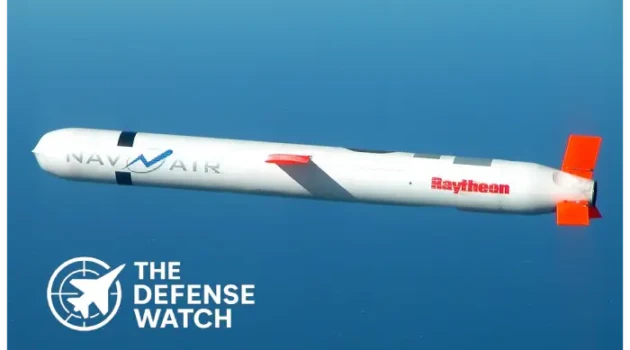
Belgium has emerged as a leading candidate for the co-production of the AIM-120 AMRAAM missile in Europe, reflecting NATO’s push to strengthen regional defense manufacturing. The move aims to reduce reliance on U.S.-based production and improve supply chain resilience amid rising demand. This development underscores growing transatlantic cooperation in advanced air-to-air missile systems.
Belgium Emerges in AMRAAM Co-Production Talks
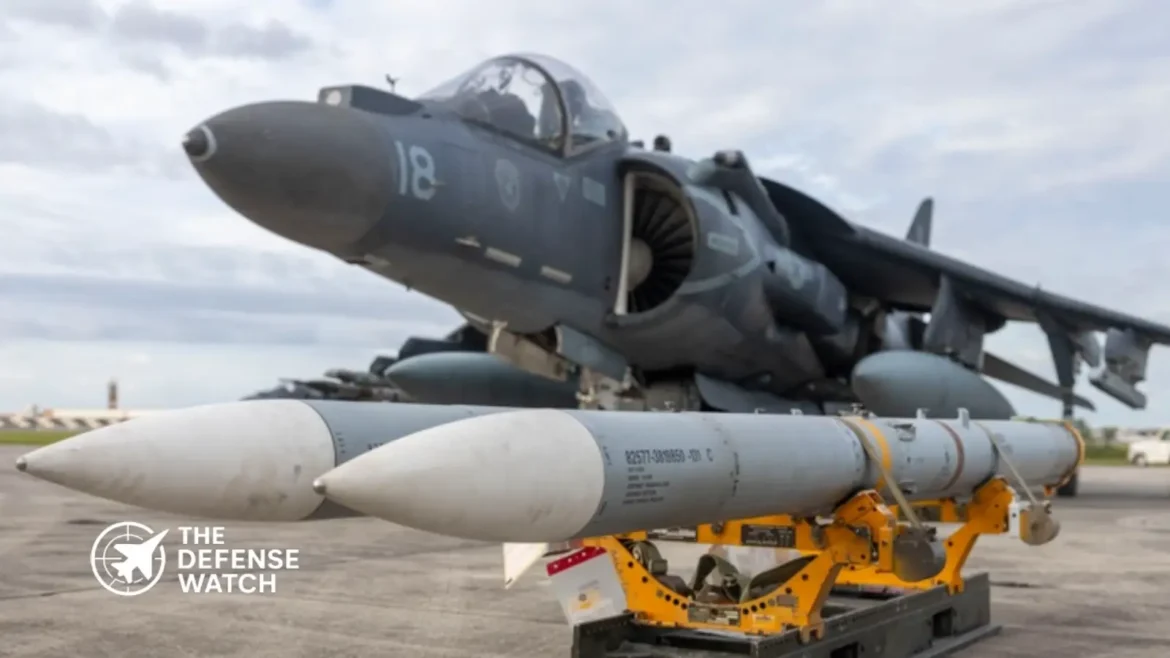
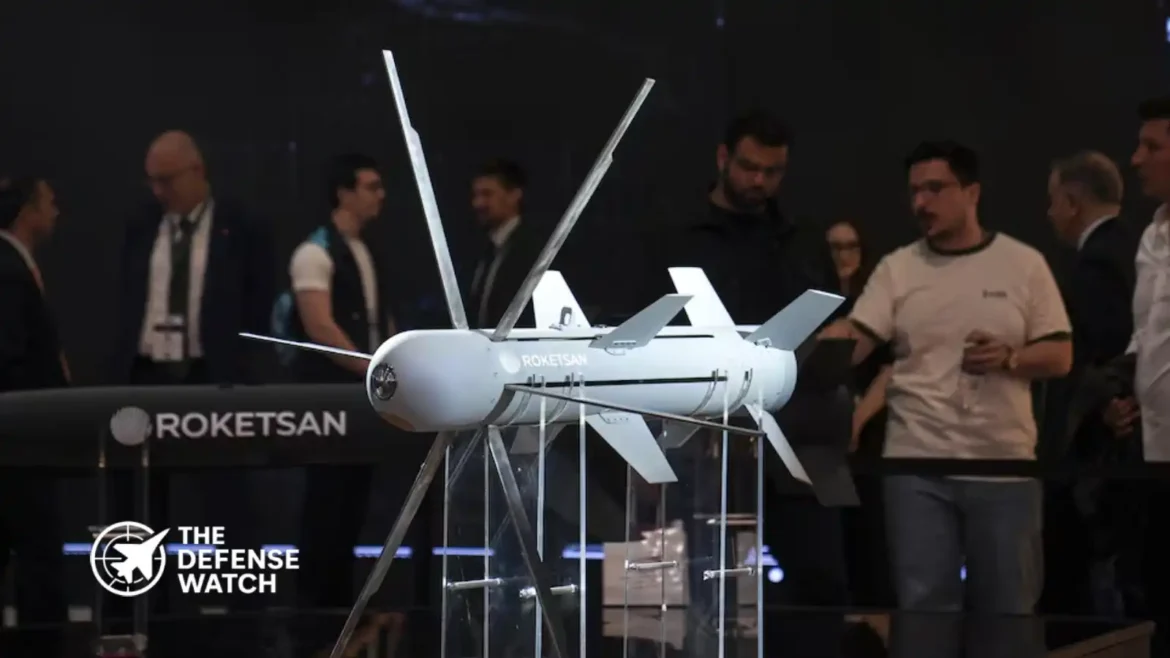
Belgium is increasingly viewed as a strong contender to host European co-production of the AIM-120 Advanced Medium-Range Air-to-Air Missile (AMRAAM), a cornerstone of NATO’s air combat capability. The initiative comes as alliance members seek to expand production capacity in response to sustained demand driven by geopolitical tensions and ongoing military modernization programs.
The proposed arrangement would involve collaboration with U.S. defense firms, most notably RTX (Raytheon Technologies), the primary manufacturer of the AMRAAM system. Belgium’s advanced industrial base and central geographic position within Europe are seen as key advantages.
Strategic Drivers Behind European Production Expansion
The push for localized missile production reflects several operational and strategic priorities:
- Supply chain resilience amid high operational consumption rates
- Reduced dependency on transatlantic logistics during crisis scenarios
- Faster replenishment cycles for NATO air forces
- Strengthened European defense industrial autonomy
The war in Ukraine and increased NATO readiness levels have accelerated the urgency to expand missile stockpiles, particularly beyond U.S. production lines.
Technical Overview of AIM-120 AMRAAM
The AIM-120 AMRAAM remains one of the most widely deployed beyond-visual-range (BVR) air-to-air missiles globally. Its latest variants incorporate advanced guidance and electronic counter-countermeasure capabilities.
Key Capabilities
- Active radar homing guidance for autonomous terminal engagement
- Fire-and-forget capability, reducing pilot workload
- Compatibility with a wide range of NATO aircraft, including F-16, F-35, and Eurofighter
- Continuous upgrades under the AMRAAM Extended Range (ER) and AIM-120D programs
Comparison: AMRAAM vs Legacy AIM-7 Sparrow
Feature AIM-120 AMRAAM AIM-7 Sparrow Range ~160 km (AIM-120D) ~70 km Payload High-explosive fragmentation High-explosive Status Active service Largely retired Key Technology Active radar homing Semi-active radar Industrial and Economic Implications
Belgium’s potential selection would bring significant economic and technological benefits:
- Integration into high-value NATO defense supply chains
- Job creation in advanced manufacturing and electronics sectors
- Increased defense exports and industrial partnerships
Belgian firms already participate in multinational defense programs, strengthening their candidacy for such a role.
Strategic Context: NATO Readiness and Deterrence
The expansion of AMRAAM production capacity in Europe aligns with NATO’s broader deterrence strategy. With increased air policing missions along the alliance’s eastern flank, maintaining sufficient stocks of advanced air-to-air munitions has become a priority.
The initiative also reflects a shift toward distributed production models, ensuring that critical defense capabilities remain operational even in contested logistics environments.
Outlook
If finalized, Belgium’s role in AMRAAM co-production would mark a significant step in NATO’s effort to balance industrial capacity between North America and Europe. It would also reinforce long-term interoperability and readiness across allied air forces, particularly as demand for precision-guided munitions continues to rise.
Executive Summary:
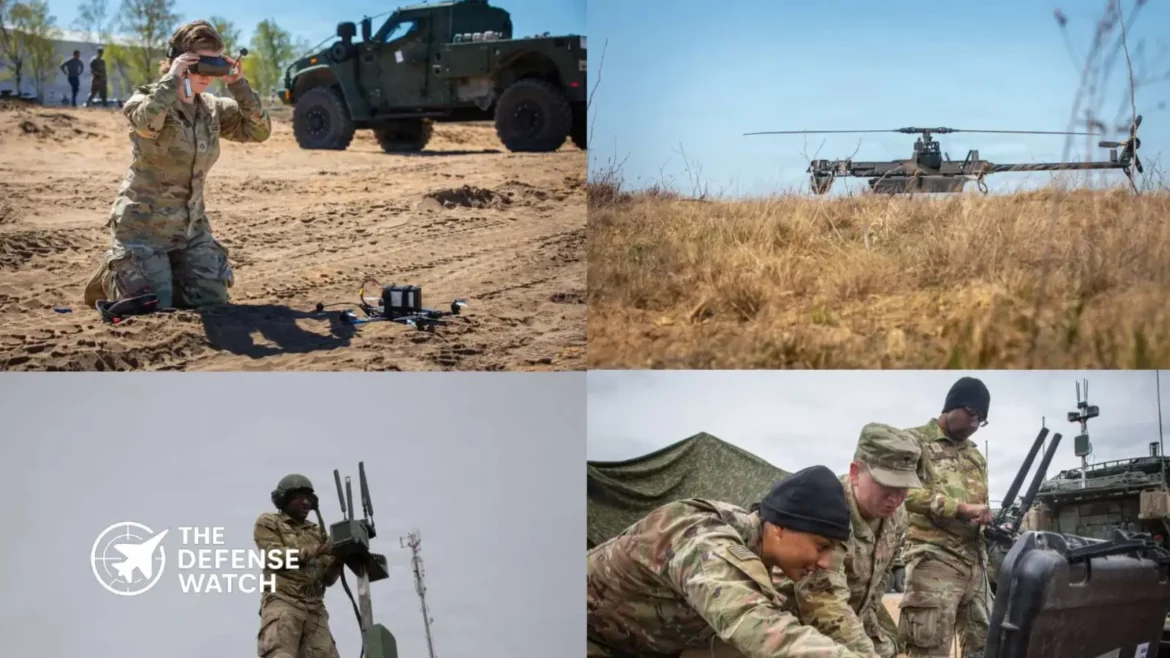
U.S. and U.K. forces conducted the Flytrap 5.0 counter-drone exercise to test and refine integrated air defense concepts against unmanned aerial threats. The drills aim to strengthen NATO’s eastern flank by improving detection, tracking, and neutralization of low-cost drones. The exercise reflects a growing need to counter massed UAV attacks observed in recent conflicts.
Overview of Flytrap 5.0 Counter-Drone Exercise
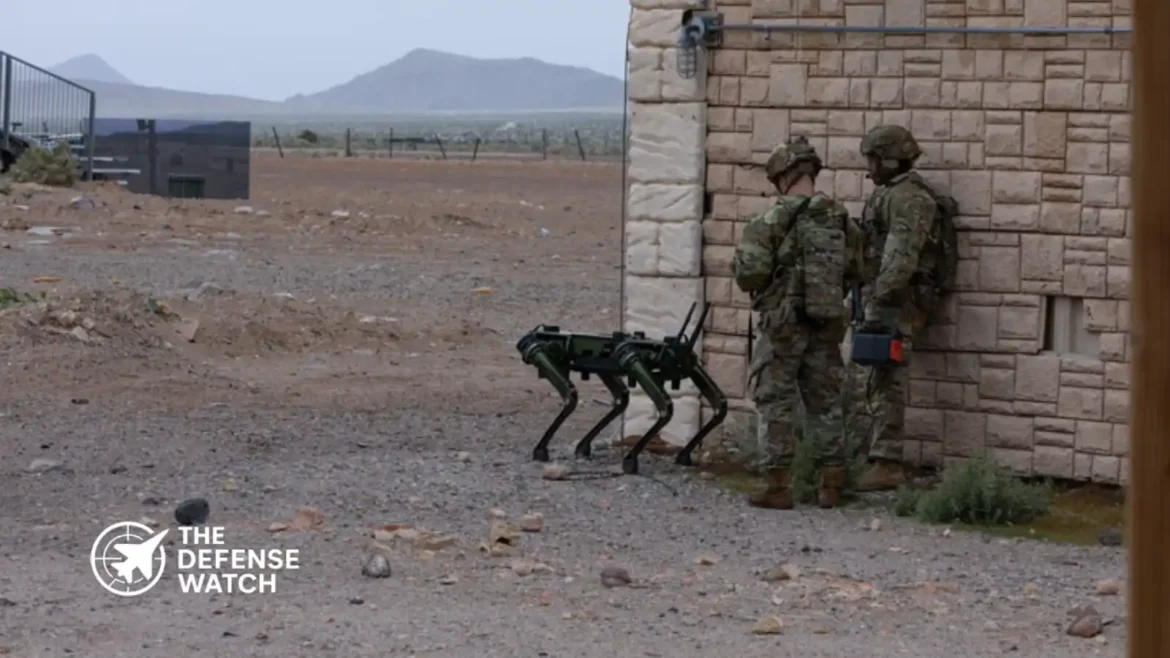
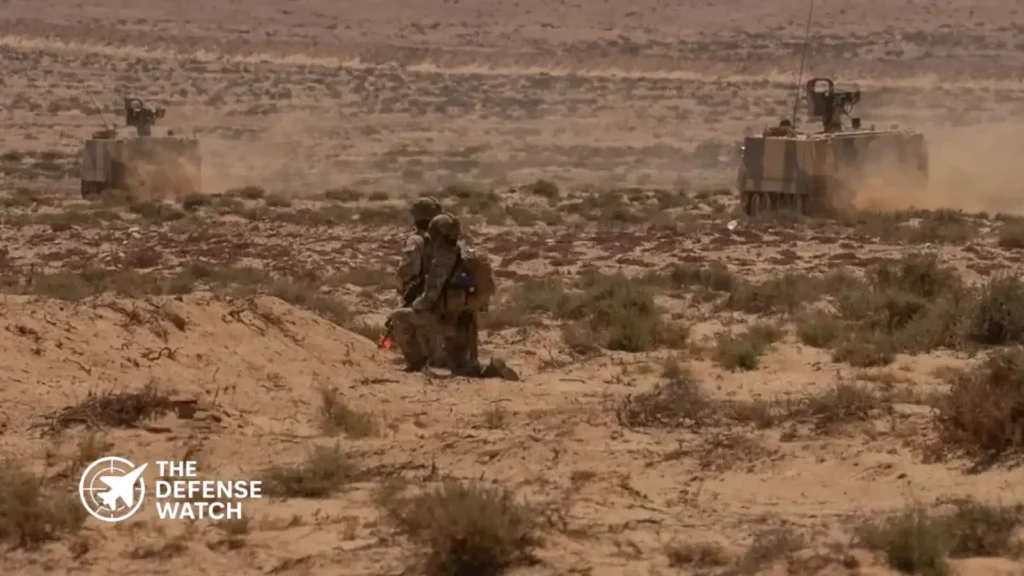
The Flytrap 5.0 exercise, held in 2026, brought together U.S. and U.K. military units to evaluate advanced counter-UAS (C-UAS) systems under realistic operational conditions. Conducted along NATO’s eastern flank, the exercise focused on defending forward-deployed forces against increasingly sophisticated and low-cost drone threats.
The drills emphasized integration across multiple domains, combining radar, electronic warfare, and kinetic interceptors into a unified defensive network. This layered approach reflects NATO’s shift toward adaptable, scalable air defense systems capable of addressing both high-end and asymmetric threats.
Key Objectives and Operational Focus
Enhancing Detection and Tracking Capabilities
Modern drones often operate at low altitude with small radar signatures. Flytrap 5.0 tested:
- Advanced short-range radar systems for low-observable UAV detection
- Passive sensors and RF detection tools for non-emitting targets
- AI-assisted tracking for improved target classification
Integrating Electronic Warfare Solutions
Electronic warfare (EW) played a central role in neutralizing drone swarms:
- Jamming of GPS and communication links
- Cyber intrusion techniques to disrupt UAV control systems
- Soft-kill options to reduce reliance on costly interceptors
Validating Kinetic Interception Systems
While EW is effective, kinetic solutions remain essential:
- Short-range air defense (SHORAD) missiles
- Rapid-fire gun systems with programmable ammunition
- Directed energy weapons under evaluation
Comparison: Modern C-UAS vs Legacy Air Defense Systems
| System Type | Range | Payload Capability | Status | Key Technology |
|---|---|---|---|---|
| Legacy SHORAD Systems | 5–15 km | Limited vs small UAVs | Operational | Radar-guided missiles |
| Modern C-UAS (Flytrap 5.0) | 0–10 km (layered) | Optimized for small drones | Active Testing | AI tracking, EW jamming, sensor fusion |
| Directed Energy Systems | <5 km | Effective vs swarms | Emerging | High-energy lasers |
Technical Advantages Demonstrated
Flytrap 5.0 highlighted several improvements over legacy systems:
- Layered defense architecture combining soft and hard kill options
- Reduced cost per engagement against low-value drone threats
- Faster response times through automated detection and tracking
- Greater interoperability between allied forces
- Scalability to counter swarm attacks
Strategic Context: NATO’s Eastern Flank and Drone Warfare
The exercise reflects lessons learned from recent conflicts where drones have played a decisive role. Low-cost UAVs have proven capable of:
- Overwhelming traditional air defenses
- Conducting reconnaissance and precision strikes
- Disrupting logistics and command networks
For NATO, the eastern flank represents a critical area where such threats could emerge rapidly. Flytrap 5.0 supports the alliance’s broader effort to modernize air defense doctrine, shifting from platform-centric systems to networked, adaptive defense ecosystems.
The integration of U.S. and U.K. capabilities also underscores the importance of interoperability in coalition operations. Standardized procedures and shared technologies are essential for rapid response in contested environments.
Implications for Future Air Defense Doctrine
Flytrap 5.0 is expected to influence NATO doctrine in several ways:
- Greater emphasis on counter-UAS specialization within air defense units
- Increased investment in electronic warfare and AI-enabled systems
- Development of cost-effective interception strategies
- Expansion of joint training exercises across allied nations
As drone technology continues to evolve, NATO’s ability to adapt its defensive posture will be critical to maintaining operational superiority.
Germany Lays Out Roadmap To Field Europe’s Most Powerful Conventional Military by 2039
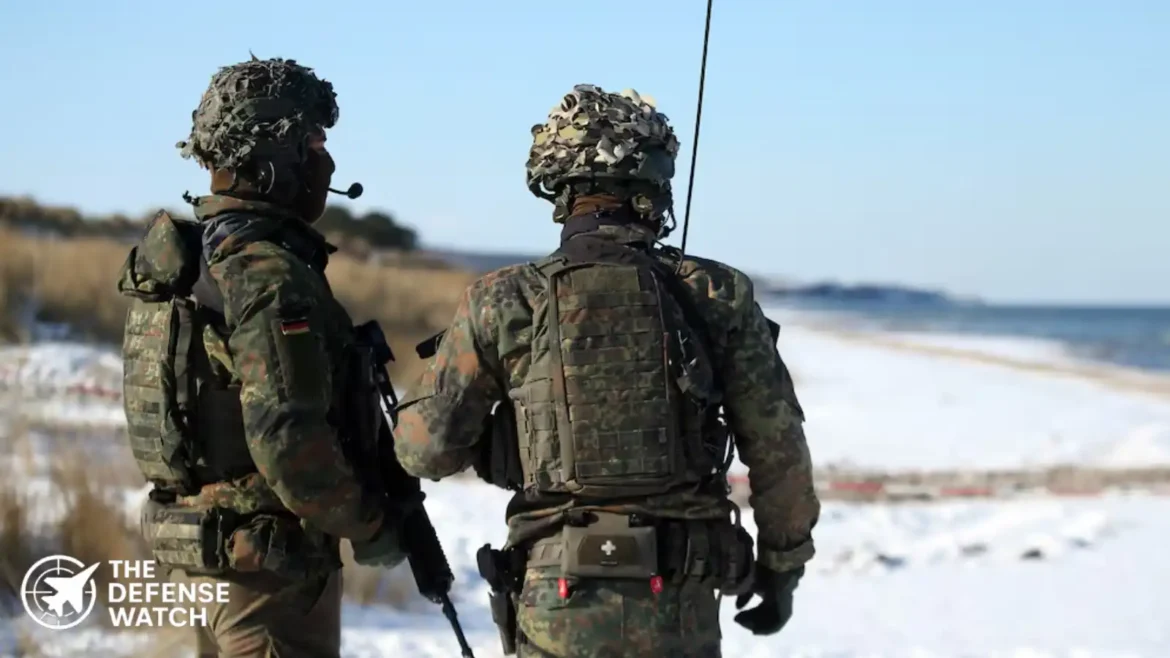
Germany’s military strategy, unveiled April 22 in Berlin, sets the most ambitious defense transformation target in the country’s postwar history — becoming the strongest conventional fighting force in Europe within 13 years. Defense Minister Boris Pistorius presented the package of foundational documents at a press conference, framing the strategy as an unavoidable response to a changed security environment driven primarily by Russia.
- Germany released its first-ever standalone military strategy on April 22, 2026 — the most comprehensive Bundeswehr planning overhaul in decades.
- The plan targets expansion from 185,420 active-duty soldiers today to 260,000 by the mid-2030s, with reserves growing from ~60,000 to 200,000 — a combined 460,000 combat-ready troops.
- Russia is formally identified as the primary threat; the strategy introduces a “one theater approach” linking NATO territory, the Middle East, and the Indo-Pacific as interconnected security spaces.
- Priority capability gaps include deep precision strike, hypersonic missile defense, and drone warfare — areas where Germany acknowledges it is essentially starting from scratch on long-range strike.
- A three-phase buildup runs through 2039: rapid force growth by 2029, capability expansion by 2035, and technology-driven modernization beyond 2039.
The Big Picture
European NATO members have spent the better part of two years responding to pressure — from Russia’s continued war in Ukraine, from Washington’s increasingly conditional security guarantees, and from the recognition that the Cold War-era model of a small, U.S.-backstopped force structure is no longer adequate.
Germany, long criticized for chronic underinvestment and institutional sluggishness, has emerged as the alliance member making the most structurally ambitious commitments. The €100 billion special defense fund announced in 2022 began reversing years of budgetary neglect, but hardware spending alone cannot rebuild a military culture or a force structure. The April 22 documents attempt to address the doctrine, personnel, and organizational questions that funding alone cannot answer.
For the United States, a more capable German military carries direct strategic value. A Bundeswehr able to serve as a logistics hub and leading conventional deterrent reduces the operational burden on U.S. forces in Europe and strengthens the eastern flank without requiring additional American deployments.
What’s Happening
Berlin released four interconnected strategic documents on April 22, 2026. The package includes Germany’s first standalone military strategy, titled Verantwortung für Europa (Responsibility for Europe); a new capability profile; a personnel growth plan; and a redesigned reserve strategy. Defense Minister Pistorius and military Deputy Inspector-General Nicole Schilling presented unclassified summaries to lawmakers and the press in Berlin.
The documents are classified “living documents” subject to ongoing revision, and Pistorius declined to detail classified threat assessments, noting that publishing them would be equivalent to “adding Vladimir Putin to our email distribution list.”
The strategy formally identifies Russia as the primary threat and outlines scenarios for potential attacks on NATO territory. It also introduces a “one theater approach” — a doctrinal shift that treats NATO territory, the Middle East, and the Indo-Pacific as interconnected security spaces rather than separate operational theaters.
The Bundeswehr currently fields 185,420 active-duty soldiers. The personnel plan foresees growth to 260,000 by the mid-2030s. Reserve forces, currently sitting at approximately 60,000 assigned reservists, would expand to at least 200,000. Combined, the goal is 460,000 combat-ready troops — a force level Germany has not approached since reunification.
A three-phase timeline governs the expansion: rapid buildup through 2029, capability-focused growth through 2035, and a technology-driven phase extending through 2039 and beyond. New legislation enacted in January 2026 codifies these milestones in law, with conscription embedded as a fallback option if voluntary recruitment targets are not met.
Why It Matters
The release of Germany’s first standalone military strategy is not procedural housekeeping. It signals a fundamental shift in how Germany conceptualizes its security role — from a country that participated in NATO while depending on American deterrence as a backstop, to one actively designing itself for high-end warfighting at continental scale.
The capability profile accompanying the strategy marks a particularly significant doctrinal evolution. Rather than specifying hardware inventories — a set number of tanks, aircraft, or ships — the new model is effects-based. The question Pistorius posed publicly: not how many battalions does Germany need, but what battlefield effects must Germany be able to produce?
That framing has direct implications for procurement. Priority capability areas identified include deep precision strike, air defense against hypersonic missiles, and drone systems. Pistorius acknowledged that Germany is “essentially starting from scratch on long-range strike” — a candid admission that reflects how completely postwar restraint, both political and doctrinal, constrained German military development for decades.
The reserve strategy carries equal significance. Germany’s reserve force has historically been an afterthought — a pool of former service members available for emergencies but not integrated into operational planning. The new strategy places reserves “on par with the active force,” explicitly tasking them with homeland defense and positioning Germany as a logistics and transit hub for allied forces moving east in a crisis. Pistorius described the reserve as “the hinge between the military and civil society.”
Strategic Implications
A Germany fielding 460,000 combat-ready troops with a high-end precision strike capability and an integrated reserve structure would represent a qualitative shift in NATO’s European deterrence posture — not merely an incremental improvement.
The “one theater approach” embedded in the strategy is analytically significant. By framing NATO territory, the Middle East, and the Indo-Pacific as interconnected rather than discrete security spaces, Germany is signaling awareness that future conflicts may not be geographically isolated. This aligns with broader NATO and U.S. strategic thinking about multi-domain and multi-theater contingencies, but it also obligates Germany to develop force planning that accounts for simultaneous demands across different regions.
The codification of milestones in law — a step taken in January 2026 — creates accountability mechanisms that previous German defense plans lacked. It means that if recruitment targets slip, conscription is not merely a political option to be debated: it is already embedded in existing law as a fallback. That legal structure increases the credibility of the timeline in a way that voluntary planning documents cannot match.
The bureaucratic modernization agenda — EMA26, with 153 concrete measures and 580 implementation steps — addresses one of the Bundeswehr’s most persistent structural problems. Germany’s military has long suffered from procurement delays, administrative bottlenecks, and a regulatory environment that slowed everything from ammunition purchases to officer promotions. The automatic expiry dates assigned to all internal regulations represent a genuine institutional reform rather than a cosmetic gesture.
Competitor View
Moscow will track the German buildup with particular attention. Russia’s military planning has long operated on assessments of NATO’s eastern and central European posture, and a Germany capable of functioning as a high-capacity logistics hub and fielding a conventional force of 460,000 directly complicates Russian operational calculus in any scenario involving NATO territory.
The “one theater approach” may register differently in Beijing. China has closely monitored European defense developments for indications of how far European NATO members are willing to extend their strategic focus toward the Indo-Pacific. Germany naming the Indo-Pacific as part of its connected security space — even in a foundational strategy document — contributes to the pattern of European defense engagement with the region that China has sought to discourage.
What To Watch Next
Recruitment figures will be the first leading indicator of whether the personnel plan is realistic. Schilling noted that recruitment in 2026 is running 10% above last year’s pace, with applications up 20% — encouraging data, but the distance between current numbers and the 2029 targets remains large.
Procurement decisions in the deep strike and hypersonic defense domains will be the next major test. Pistorius acknowledged that global production capacity for air defense systems has tightened due to Middle Eastern demand, and Germany does not control all procurement variables. The gap between strategic ambition and industrial capacity is where ambitious defense plans most commonly fail.
The reserve expansion timeline will also require close monitoring. Building an integrated reserve force of 200,000 requires not just recruiting numbers but organizational infrastructure, equipment allocation, training cycles, and legal frameworks for activation — all of which take time that hardware procurement timelines cannot compress.
Capability Gap
The German military strategy addresses three distinct gaps simultaneously. The first is structural: Germany’s force was too small, too lightly equipped, and too poorly integrated with its reserve component to credibly fulfill NATO’s collective defense commitments.
The second is doctrinal: without a standalone military strategy, Germany lacked a coherent framework connecting political objectives to military tasks. The strategy document fills that gap, even if its classified threat assessments remain unavailable to public analysis.
The third is industrial and technological: Germany’s procurement apparatus was too slow and too bureaucratically constrained to translate available funding into actual capability at speed. EMA26 is the institutional response to this problem — though 153 measures and 580 implementation steps represent a substantial execution risk in their own right.
Realistic limitations remain. The timeline runs to 2039, which means full capability will not be available for over a decade. Conscription as a backstop acknowledges that voluntary recruitment alone may not deliver the required numbers. And global competition for air defense systems and precision munitions means that Germany’s ability to acquire the hardware it needs depends partly on factors outside its control.
The Bottom Line
Germany’s 2039 military strategy represents the most consequential structural commitment to European defense self-reliance since the end of the Cold War — and whether Berlin can execute at the pace the documents demand will determine whether that commitment translates into actual deterrence.
Estonia Says NATO Remains Strong Despite Pressure
Estonia NATO defense policy moved into focus this week after Estonian Defense Minister Hanno Pevkur said the alliance remains intact and that the United States would honor its commitment to defend allies in the event of a Russian attack.
Speaking in Vilnius, Pevkur dismissed fears that NATO could fracture under political pressure, saying disagreements inside the alliance should be seen as part of a long-term partnership rather than evidence of collapse. Reuters reported the remarks on April 17.
- Estonian Defense Minister Hanno Pevkur said NATO will not collapse despite recent alliance tensions.
- Pevkur said he is confident the United States would defend Estonia if Russia attacked.
- Estonia plans to spend 5.1% of GDP on defense, among the highest levels in NATO.
- The minister said Europe still cannot fully defend itself without U.S. support.
- Comments come as NATO members debate spending targets before the next summit.
The comments come at a sensitive moment for transatlantic security. NATO members are balancing continued support for Ukraine, rising military budgets, and debate over burden-sharing between North America and Europe.
Why Estonia’s Message Matters
Estonia is one of NATO’s frontline states, bordering Russia and positioned on the alliance’s northeastern flank. Because of geography alone, statements from Tallinn carry more weight than similar comments from countries farther from the threat environment.
For Baltic governments, deterrence depends on two things:
- Forward-deployed NATO forces
- Clear U.S. political commitment
- Faster European rearmament
- Sustained support for Ukraine
When Estonia publicly states confidence in Washington, it sends a message to both allies and adversaries that alliance cohesion remains intact.
Defense Spending Pressure Builds Across NATO
Pevkur also argued that European states must increase military spending faster. He criticized many allies for failing to meet higher spending ambitions now being discussed inside NATO. Estonia plans to allocate 5.1% of GDP to defense, placing it among the top spenders in the alliance.
That matters because NATO’s future credibility will likely be measured less by speeches and more by ammunition stocks, air defense capacity, industrial output, and deployable brigades.
Several European governments have already launched procurement drives for:
- Air and missile defense systems
- Long-range fires
- Armored vehicles
- Drone and counter-drone systems
- Ammunition production lines
Europe Still Depends On U.S. Military Power
One of the most notable parts of Pevkur’s remarks was his acknowledgment that Europe cannot yet defend itself independently.
That assessment reflects a widely recognized capability gap in areas such as:
- Strategic airlift
- Intelligence, surveillance and reconnaissance
- Missile defense
- Precision strike networks
- Nuclear deterrence
- Large-scale logistics
While Europe is spending more, replacing decades of reliance on U.S. capabilities will take years, not months.
Strategic Outlook For NATO In 2026
The real issue facing NATO is not immediate collapse, but adaptation. The alliance must prove it can deter Russia, support Ukraine, and rebalance responsibilities among members without weakening unity.
Estonia’s position suggests smaller frontline states want two outcomes at once: stronger European militaries and continued U.S. leadership.
That dual-track approach is likely to dominate discussions at upcoming NATO meetings.
Bottom Line
Estonia’s latest message is clear: NATO remains credible, the U.S. security guarantee still matters, and Europe must move faster to strengthen its own defenses. For countries closest to Russia, those are not abstract political debates, they are core security requirements.
France Armed Drone Squadrons Mark Strategic Airpower Shift
France armed drone squadrons are becoming a central pillar of the country’s evolving air combat doctrine, as the French Air and Space Force moves to integrate unmanned systems and loyal wingman concepts into frontline operations.
Paris is restructuring its aerial force posture to include dedicated armed drone units capable of executing strike, surveillance, and support missions alongside manned aircraft.
This shift reflects a broader reassessment of modern warfare, where unmanned platforms are increasingly shaping battlefield outcomes.
- France is restructuring its air force with dedicated armed drone squadrons to enhance combat flexibility and endurance.
- The strategy includes integration of loyal wingman drones to operate alongside manned fighter aircraft.
- Unmanned systems are expected to support ISR, strike missions, and electronic warfare roles.
- The shift aligns with broader European efforts to modernize air combat under future combat air system programs.
- The move reflects lessons from recent conflicts where drones have played a decisive operational role.
From ISR Platforms to Armed Combat Assets
France has long operated drones primarily for intelligence, surveillance, and reconnaissance missions. Platforms like the MQ-9 Reaper have been used extensively in overseas operations, particularly in Africa’s Sahel region.
However, the expansion of France armed drone squadrons signals a transition toward more offensive roles. Armed UAVs are now expected to conduct precision strikes, persistent overwatch, and target designation in contested environments.
This mirrors operational trends seen in conflicts such as Ukraine, where drones have proven critical for both tactical and strategic missions.
Loyal Wingmen Concept Gains Momentum
A key component of the new strategy is the adoption of loyal wingman drones, unmanned systems designed to operate in coordination with manned fighter jets like the Dassault Rafale.
These drones can perform high risk tasks, including electronic warfare, suppression of enemy air defenses, and forward reconnaissance, reducing pilot exposure to threats.
Programs tied to Europe’s Future Combat Air System, led by Dassault Aviation and Airbus, are expected to play a major role in developing these capabilities.
The integration of loyal wingmen is not just a technological upgrade. It represents a doctrinal shift toward networked, distributed air combat operations.
Operational Impact and Strategic Context
The expansion of France armed drone squadrons comes amid rising security challenges in Europe and beyond. NATO air forces are adapting to increasingly contested airspace, where advanced air defenses and electronic warfare systems limit traditional manned operations.
By deploying unmanned systems, France can maintain operational reach while reducing risk to personnel and lowering mission costs over time.
From an operational standpoint, drones provide endurance that manned aircraft cannot match. They can loiter over targets for extended periods, gather intelligence, and strike when conditions are optimal.
This capability is especially relevant for expeditionary operations and hybrid conflict scenarios.
Analysis: Closing the Capability Gap
France’s move highlights a growing recognition that future air dominance will depend on manned unmanned teaming.
The United States, through programs like the U.S. Air Force’s collaborative combat aircraft initiative, and countries such as Australia and the United Kingdom, have already invested heavily in loyal wingman technologies.
France’s approach suggests it aims to close this gap while aligning with European defense initiatives.
At the same time, the success of this strategy will depend on integration, not just acquisition. Command and control systems, secure data links, and artificial intelligence will determine how effectively these drones operate in complex combat environments.
There is also the question of scale. Building a few drone units is not enough. Sustained investment will be required to field a credible unmanned force that can operate alongside advanced fighters.
European Defense and Future Outlook
France armed drone squadrons are likely to influence broader European defense planning. As part of the Future Combat Air System framework, these capabilities could eventually be shared or integrated across allied air forces.
The shift also reinforces Europe’s push for strategic autonomy in defense technology, reducing reliance on external suppliers for critical systems.
Looking ahead, France is positioning itself to operate in a hybrid air combat environment where manned jets, drones, and space based assets work together in a unified network.
This transformation is still underway, but the direction is clear. Airpower is becoming more distributed, more automated, and increasingly reliant on unmanned systems.
Germany Ukraine Defense Data Agreement Expands Digital Battlefield Integration
The Germany Ukraine defense data agreement marks a significant step toward deeper military integration, with both countries committing to share defense data and expand cooperation in artificial intelligence and advanced weapons systems.
Announced through a memorandum of understanding, the deal reflects a shift in how modern conflicts are fought. Instead of focusing only on hardware, both sides are prioritizing data, software, and real time information flow as core elements of combat effectiveness.
The agreement will enable closer collaboration on digital technologies that support battlefield awareness, targeting, and operational coordination.
- Germany and Ukraine signed a memorandum to exchange defense data and expand cooperation on AI and weapons systems.
- The agreement focuses on digital battlefield integration, including data sharing for real time military decision making.
- Cooperation includes artificial intelligence applications for targeting, logistics, and operational planning.
- The move reflects Europe’s growing emphasis on networked warfare and interoperability amid the Ukraine conflict.
- The pact strengthens long term defense ties between Berlin and Kyiv beyond immediate military aid.
A Shift Toward Data Driven Warfare
The agreement underscores a broader transition toward data centric warfare, where the speed and accuracy of information can outweigh traditional force size.
For Ukraine, access to German defense data systems and expertise could improve how quickly battlefield intelligence is processed and acted upon. This includes integrating sensor data, reconnaissance inputs, and targeting systems into a unified operational picture.
Germany, in turn, gains insights from Ukraine’s combat experience against a near peer adversary. Kyiv has been operating under sustained high intensity conditions, offering real world data on how systems perform under pressure.
This exchange creates a feedback loop. Ukraine benefits from advanced European technology, while Germany refines its systems based on battlefield lessons.
AI Integration Across Weapons Systems
A central pillar of the Germany Ukraine defense data agreement is artificial intelligence.
AI is expected to play a role in several areas:
- Target recognition and prioritization
- Autonomous or semi autonomous systems
- Logistics optimization and predictive maintenance
- Decision support for commanders
These capabilities are increasingly seen as critical in modern warfare, especially in environments saturated with drones, electronic warfare, and precision munitions.
By aligning AI development efforts, Germany and Ukraine aim to shorten the time between data collection and action. That speed can directly influence battlefield outcomes.
Interoperability And NATO Alignment
Another key aspect of the agreement is interoperability.
Ukraine has been steadily aligning its military systems with NATO standards. Data sharing agreements like this one help bridge technical gaps, ensuring that systems from different countries can operate together seamlessly.
For Germany, this supports broader alliance goals. A more interoperable Ukrainian military strengthens collective defense planning and improves coordination with NATO partners.
It also reflects a growing European push to standardize digital military infrastructure, particularly as cross border operations become more complex.
Strategic Implications For Europe
The Germany Ukraine defense data agreement signals a deeper transformation in European defense strategy.
Traditionally, military cooperation focused on equipment transfers or joint exercises. Now, the emphasis is shifting toward shared digital ecosystems.
This has several implications:
First, it accelerates the development of networked warfare capabilities across Europe. Countries are increasingly linking sensors, platforms, and command systems into unified networks.
Second, it reduces reliance on purely national systems. Shared data frameworks encourage multinational integration, which is essential for coalition operations.
Third, it raises questions about data security and sovereignty. Sharing sensitive defense data requires robust safeguards to prevent breaches or misuse.
Operational Impact On The Ukraine Conflict
In the near term, the agreement could enhance Ukraine’s operational effectiveness.
Improved data sharing can lead to:
- Faster targeting cycles
- Better coordination between units
- More efficient use of limited resources
In a conflict where timing and precision are critical, even incremental improvements can have outsized effects.
At the same time, the integration of AI into combat systems may help Ukraine counter evolving threats, including electronic warfare and drone swarms.
Long Term Defense Cooperation
Beyond the current conflict, the Germany Ukraine defense data agreement lays the groundwork for sustained cooperation.
It positions Ukraine as a key partner in Europe’s defense innovation ecosystem. Rather than being only a recipient of aid, Ukraine becomes a contributor of operational knowledge and technological development.
For Germany, this aligns with efforts to modernize its armed forces and adapt to new forms of warfare.
The partnership also reflects a broader trend. Defense relationships are becoming more collaborative and technology driven, with shared development and data exchange replacing traditional supplier customer models.
Ukraine Drone And Air Defense Priorities Drive Norway Partnership
Ukraine drone and air defense priorities are increasingly shaping Western military assistance, with Norway emerging as a key partner in addressing Kyiv’s most urgent battlefield needs.
Ukrainian and Norwegian officials have agreed to focus support on expanding drone capabilities and reinforcing air defense systems, reflecting the evolving nature of the conflict.
The agreement underscores a clear operational reality. Russia’s continued use of long range missiles, glide bombs, and one way attack drones has placed sustained pressure on Ukraine’s defensive network. Strengthening both drone capacity and air defense is now central to maintaining battlefield resilience.
- Ukraine and Norway have aligned priorities on drones and air defense support.
- Focus includes scaling drone production and strengthening layered air defense systems.
- The move comes amid sustained Russian missile and drone strikes across Ukraine.
- Norway continues to play a key role in European military assistance to Kyiv.
- The partnership reflects a broader shift toward counter-drone warfare and air defense resilience.
Strategic Shift Toward Drone-Centric Warfare
The emphasis on Ukraine drone and air defense priorities highlights a broader transformation in modern warfare. Drones are no longer auxiliary tools. They are central to reconnaissance, targeting, and strike operations.
Ukraine has demonstrated this shift through extensive use of unmanned systems across the front line. From first person view drones to longer range strike platforms, these systems have allowed Ukrainian forces to offset conventional disadvantages.
Norway’s support aligns with this trend. By prioritizing drone production and procurement, Oslo is contributing to a capability that offers relatively low cost, scalable battlefield impact. This is particularly important as Ukraine faces constraints in manpower and high end munitions.
At the same time, the focus on air defense reflects the need to protect critical infrastructure and urban centers. Russian aerial attacks continue to target energy facilities, logistics hubs, and population centers. Without sustained air defense coverage, Ukraine’s operational and economic stability remains at risk.
Air Defense Remains A Critical Bottleneck
While drones offer offensive and tactical advantages, air defense remains a limiting factor in Ukraine’s ability to sustain operations.
Ukraine’s existing systems, a mix of Soviet era platforms and Western supplied systems, are under constant strain. Interceptor shortages and the need for layered coverage have created gaps that adversary forces seek to exploit.
Norway’s involvement is significant in this context. The country has previously contributed to air defense initiatives and funding mechanisms supporting Ukraine. By aligning directly with Kyiv on Ukraine drone and air defense priorities, Norway is helping address one of the most pressing capability gaps.
This approach also reflects a shift among European allies. Rather than broad, generalized aid packages, support is becoming more targeted and capability driven. Air defense and drones now rank at the top of that list.
Operational Impact On The Battlefield
The combined focus on drones and air defense has direct implications for battlefield dynamics.
Improved drone capabilities enhance Ukraine’s ability to conduct surveillance, disrupt supply lines, and strike high value targets. This can slow enemy advances and increase operational costs for opposing forces.
Meanwhile, stronger air defense reduces the effectiveness of missile and drone attacks. This not only protects civilian infrastructure but also preserves military assets and logistics networks.
The integration of these two elements creates a more resilient defense posture. It allows Ukraine to absorb and respond to aerial threats while maintaining offensive flexibility through unmanned systems.
Norway’s Expanding Role In European Security
Norway’s support for Ukraine reflects its broader role within European security frameworks. As a NATO member with significant financial resources and defense expertise, Oslo has positioned itself as a consistent contributor to Ukraine’s defense effort.
The focus on Ukraine drone and air defense priorities also aligns with NATO’s increasing emphasis on counter drone capabilities and integrated air and missile defense. Lessons from Ukraine are already influencing alliance planning and procurement strategies.
Norway’s approach demonstrates how smaller but capable allies can deliver targeted impact by focusing on specific operational needs rather than broad commitments.
Analysis: Why This Shift Matters Now
The alignment on Ukraine drone and air defense priorities comes at a critical phase in the conflict.
First, the intensity of Russian aerial operations shows no sign of decreasing. Continued strikes are designed to degrade Ukraine’s infrastructure and morale. Without improved defenses, these attacks could have cumulative strategic effects.
Second, the growing importance of drones signals a long term shift in warfare. Investments made now will shape Ukraine’s capabilities well beyond the current conflict.
Third, Western stockpiles of traditional munitions remain under pressure. Drones offer a cost effective alternative that can be produced and deployed at scale.
Finally, the move reflects a maturing approach to military aid. Rather than reactive support, allies are increasingly aligning with Ukraine’s operational priorities, improving efficiency and effectiveness.
Outlook
The focus on Ukraine drone and air defense priorities is likely to deepen as the conflict continues. Additional partners may adopt similar approaches, concentrating resources on high impact capabilities.
For Ukraine, the challenge will be integrating these systems into a cohesive defense architecture while sustaining production and supply chains.
For allies like Norway, the task is to maintain consistent support while adapting to evolving battlefield requirements.
South Korea Poland Strategic Partnership Expands Defense Cooperation
The South Korea Poland strategic partnership marks a significant shift in European defense dynamics, as both nations move to formalize deeper military and industrial ties, according to reporting by Reuters.
South Korea and Poland have agreed to elevate their relationship to a comprehensive strategic partnership, a move that reflects years of rapidly expanding defense cooperation and large-scale arms deals. The upgrade comes as Warsaw accelerates military modernization in response to regional security pressures, particularly following Russia’s invasion of Ukraine.
This development positions South Korea as one of the most influential non-European defense suppliers supporting NATO’s eastern flank.
- South Korea and Poland agreed to upgrade bilateral ties to a comprehensive strategic partnership.
- The move reflects expanding defense cooperation and large-scale Korean arms exports to Poland.
- Poland has become a key European customer for South Korean tanks, howitzers, and fighter aircraft.
- The partnership aligns with NATO’s efforts to strengthen deterrence against Russia.
- The agreement signals Seoul’s growing role in global defense supply chains.
Defense Industry at the Core of Bilateral Ties
The South Korea Poland strategic partnership is anchored in defense procurement and industrial collaboration. Poland has emerged as a major buyer of South Korean military systems, including main battle tanks, self-propelled howitzers, and light combat aircraft.
These acquisitions are not limited to off-the-shelf purchases. A key feature of the relationship is technology transfer and localized production, allowing Poland to build and sustain military platforms domestically. This aligns with Warsaw’s long-term goal of strengthening its defense industrial base.
Reuters reports that the partnership upgrade reflects the scale and strategic importance of these agreements, which have already reshaped Europe’s defense procurement landscape.
From Seoul’s perspective, Poland serves as a gateway into the broader European defense market, offering both political alignment and industrial integration opportunities.
Strategic Context: NATO and Regional Security Pressures
The timing of the South Korea Poland strategic partnership is closely tied to evolving security dynamics in Europe. Poland has been one of NATO’s most proactive members in boosting defense spending and capabilities since 2022.
By partnering with South Korea, Warsaw gains access to rapidly deliverable, cost-effective military systems, addressing urgent capability gaps. Unlike some Western suppliers facing production bottlenecks, South Korean defense firms have demonstrated an ability to scale manufacturing quickly.
This has made South Korea an increasingly attractive partner for countries seeking to modernize their armed forces under tight timelines.
The partnership also reflects a broader NATO trend of diversifying supply chains and reducing reliance on traditional defense producers.
Expanding Scope Beyond Arms Deals
While defense remains central, the South Korea Poland strategic partnership is expected to extend into other areas, including:
- Joint training and military exercises
- Defense technology research and development
- Cybersecurity and emerging technologies
- Energy and infrastructure cooperation
This broader scope indicates a transition from transactional arms deals to a long-term strategic alignment.
Such partnerships are becoming more common as countries seek integrated approaches to security that combine military, technological, and economic elements.
Analysis: A Turning Point for Global Defense Supply Chains
The elevation of the South Korea Poland strategic partnership highlights a deeper transformation in global defense markets.
First, it underscores the rise of South Korea as a top-tier defense exporter, capable of competing with established Western suppliers. Its ability to deliver advanced systems بسرعة and at competitive costs has proven decisive for countries facing immediate security threats.
Second, it reflects Europe’s growing openness to non-traditional defense partners. As demand for military equipment surges, diversification has become both a strategic necessity and a practical solution.
Third, the partnership strengthens NATO’s overall deterrence posture. By accelerating Poland’s military modernization, it contributes directly to alliance readiness on its eastern flank.
However, this shift also introduces new dynamics. Increased reliance on external suppliers could raise questions about interoperability, long-term maintenance, and political alignment. Managing these factors will be critical as the partnership evolves.
Outlook
The South Korea Poland strategic partnership is likely to deepen further in the coming years, particularly as Poland continues to expand its armed forces and South Korea seeks to consolidate its presence in Europe.
If successfully implemented, the partnership could serve as a model for future defense cooperation between Asian and European powers, reshaping how military alliances and industrial partnerships are structured in a rapidly changing security environment.
Pakistan Fighter Jets Saudi Arabia Deployment Expands Strategic Air Cooperation
Pakistan fighter jets Saudi Arabia deployment marks a renewed phase in long-standing defense cooperation between Islamabad and Riyadh, with both sides emphasizing continuity rather than escalation.
Saudi Arabia confirmed that Pakistan has sent fighter aircraft along with air force personnel to the kingdom under an existing bilateral defense agreement. The deployment underscores a pattern of military collaboration that has historically included training missions, advisory roles, and joint exercises.
- Saudi Arabia confirmed Pakistan has deployed fighter jets to the kingdom under an existing bilateral defense pact.
- The deployment includes Pakistan Air Force personnel to support operational and training roles.
- The move comes amid heightened regional security concerns in the Middle East.
- Pakistan and Saudi Arabia have a decades-long defense cooperation framework, including training and advisory missions.
- Officials framed the deployment as routine cooperation rather than a response to a specific conflict.
Saudi officials described the move as part of routine cooperation, aimed at enhancing operational readiness and interoperability between the two air forces.
Longstanding Defense Ties Between Islamabad And Riyadh
Pakistan and Saudi Arabia have maintained close military relations for decades, particularly in the domain of air power. The Pakistan Air Force has previously deployed personnel to the kingdom for pilot training, technical support, and advisory roles.
This latest Pakistan fighter jets Saudi Arabia deployment reflects continuity rather than a departure from established policy. Analysts note that such arrangements often remain low-profile but play a critical role in maintaining readiness and strengthening bilateral trust.
Historically, Pakistan has supported Saudi defense infrastructure by providing experienced pilots and maintenance crews. These deployments have helped the kingdom sustain operational capabilities during periods of regional tension.
Operational And Strategic Implications
While officials stress that the deployment is routine, the timing aligns with a complex regional security environment. The Middle East continues to face evolving threats, including missile proliferation, drone warfare, and shifting geopolitical alignments.
From an operational perspective, the presence of Pakistan fighter jets in Saudi Arabia could enhance:
- Air defense coverage and rapid response capability
- Joint training and tactical integration
- Maintenance and operational support for existing fleets
The Pakistan fighter jets Saudi Arabia deployment may also provide valuable real-world experience for Pakistani personnel operating in a different strategic theater.
Air Power Cooperation In A Volatile Region
The Middle East remains one of the most contested air defense environments globally, with increasing emphasis on integrated air and missile defense systems. Saudi Arabia has invested heavily in advanced platforms, including U.S.-supplied fighter aircraft and missile defense systems.
Pakistan’s contribution, while limited in scale, adds a layer of operational flexibility. It also reflects Islamabad’s ability to project air power expertise beyond its immediate region.
Defense analysts point out that such deployments can serve dual purposes. They enhance host nation capabilities while also allowing the contributing country to strengthen diplomatic and military ties.
Political And Strategic Signaling
Although both governments have downplayed any direct link to ongoing conflicts, the Pakistan fighter jets Saudi Arabia deployment carries strategic signaling value.
For Riyadh, it reinforces partnerships with trusted allies at a time of regional uncertainty. For Islamabad, it demonstrates its role as a security partner in the broader Islamic world while maintaining balanced relations across competing regional actors.
Importantly, officials have avoided framing the move as a response to any specific threat. This suggests an effort to maintain stability and avoid escalating tensions in an already sensitive environment.
Continuity Over Escalation
The framing of the deployment as routine cooperation is consistent with past practice. Pakistan has periodically contributed military support to Saudi Arabia without direct involvement in combat operations.
This approach allows both countries to deepen defense ties while minimizing the risk of entanglement in regional conflicts.
The Pakistan fighter jets Saudi Arabia deployment, therefore, should be viewed as part of an enduring security relationship rather than a short-term tactical response.
Outlook For Bilateral Defense Cooperation
Looking ahead, Pakistan-Saudi defense cooperation is expected to remain focused on:
- Training and capacity building
- Air force interoperability
- Strategic consultation on regional security
As regional threats evolve, such partnerships are likely to gain importance, particularly in areas like air defense integration and counter-drone operations.
The Pakistan fighter jets Saudi Arabia deployment highlights how established defense relationships continue to adapt to changing geopolitical realities without fundamentally altering their core structure.
FAA And Pentagon Advance Anti-Drone Laser System Deployment Near U.S. Border
The anti-drone laser system deployment led by the Federal Aviation Administration and the U.S. Department of Defense marks a significant shift in how the United States is addressing rising drone threats near sensitive airspace.
The agreement allows for the integration of military-grade counter-unmanned aerial systems, including directed-energy weapons, into areas traditionally governed by civilian aviation authorities. The focus is on regions near the U.S.–Mexico border, where unauthorized drone activity has increased in recent years.
Unlike conventional counter-drone systems that rely on missiles or electronic jamming, laser-based solutions offer a precise and scalable way to neutralize aerial threats with minimal collateral risk.
- The FAA and Pentagon signed an agreement to deploy anti-drone laser systems.
- Systems will be positioned near the U.S.–Mexico border to counter unauthorized drone activity in sensitive airspace.
- The effort focuses on directed-energy solutions capable of disabling drones without traditional kinetic interceptors.
- The deployment reflects growing concern over drones interfering with civilian aviation and national security operations.
- The agreement establishes coordination between civil aviation authorities and military counter-UAS capabilities.
Why The Anti-Drone Laser System Matters Now
The anti-drone laser system initiative reflects a broader trend. Small, commercially available drones are increasingly being used for surveillance, smuggling, and potential disruption of aviation operations.
U.S. officials have raised concerns about drones operating near airports, border infrastructure, and military installations. Traditional countermeasures, such as signal jamming, often face legal and technical limits, especially in civilian airspace managed by the FAA.
This is where directed-energy systems change the equation.
Laser weapons provide a line-of-sight solution that can disable or destroy drones almost instantly, without generating debris that could endanger aircraft. Their low cost per shot also makes them more sustainable for persistent defense compared to missile-based systems.
Bridging Civil-Military Gaps In Airspace Security
A key aspect of the agreement is coordination. Historically, the FAA has maintained strict control over U.S. airspace, while the military operates under separate authorities.
The new framework allows both sides to work together more closely. It enables the Pentagon to deploy counter-drone capabilities in areas where civilian aviation safety is at risk, while ensuring compliance with regulatory requirements.
This is not just a technical upgrade. It is a policy shift.
The integration suggests that drone threats have reached a level where civil and military domains can no longer operate independently when it comes to airspace security.
Directed Energy Systems Gain Operational Momentum
The anti-drone laser system deployment aligns with the Pentagon’s broader push toward directed-energy weapons.
Over the past decade, the U.S. military has invested heavily in high-energy laser systems for air defense, naval protection, and base security. These systems are now moving from testing into operational use.
Laser-based counter-UAS systems offer several advantages:
- Near-instant engagement speed
- High precision targeting
- Reduced logistical footprint
- Lower long-term operating costs
For border regions, where drone incursions may be frequent but low-cost, these attributes are especially important.
Operational And Strategic Implications
From an operational standpoint, deploying anti-drone laser systems near the border could significantly improve response times to unauthorized UAV activity.
It also reduces reliance on law enforcement or manual interception methods, which are often slow and resource-intensive.
Strategically, the move signals that the U.S. is preparing for a future where drone threats are persistent, decentralized, and difficult to track using traditional methods.
There is also a deterrence element. The presence of advanced counter-drone systems may discourage illicit drone use by raising the likelihood of immediate neutralization.
Challenges And Considerations
Despite its advantages, the anti-drone laser system deployment is not without challenges.
Legal and regulatory concerns remain a key issue. The use of military-grade systems in civilian airspace raises questions about oversight, rules of engagement, and safety protocols.
Weather conditions can also affect laser performance. Dust, fog, and atmospheric interference may reduce effectiveness in certain environments.
Additionally, adversaries may adapt. As counter-drone systems improve, drone operators may shift tactics, including swarm operations or hardened UAV designs.
Outlook: A New Layer Of Airspace Defense
The FAA-Pentagon agreement suggests that counter-drone operations are entering a new phase, one where advanced technologies are deployed closer to civilian environments.
The anti-drone laser system is likely to become a core component of layered air defense, complementing radar, electronic warfare, and kinetic interceptors.
As drone usage continues to expand across both civilian and illicit domains, the demand for rapid, precise, and scalable countermeasures will only grow.
This deployment may serve as a model for future integration of military capabilities into domestic security frameworks.