

Executive Summary:
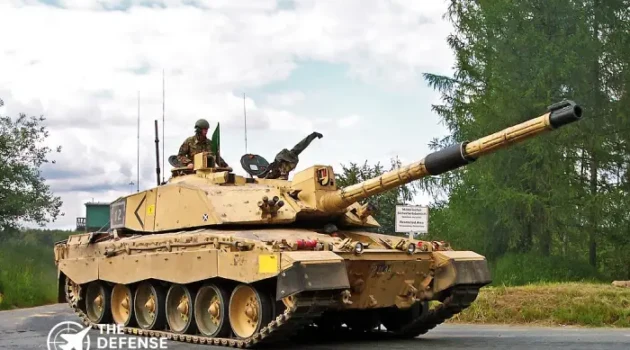
The British Army is restructuring its military presence in Estonia by reducing its deployment of Challenger 2 main battle tanks and introducing a larger fleet of tactical drones. The move reflects the UK’s wider modernization strategy, emphasizing intelligence, surveillance, precision targeting, and autonomous systems while maintaining its commitment to NATO’s eastern flank.
British Army Replaces Tanks With Drones In Estonia
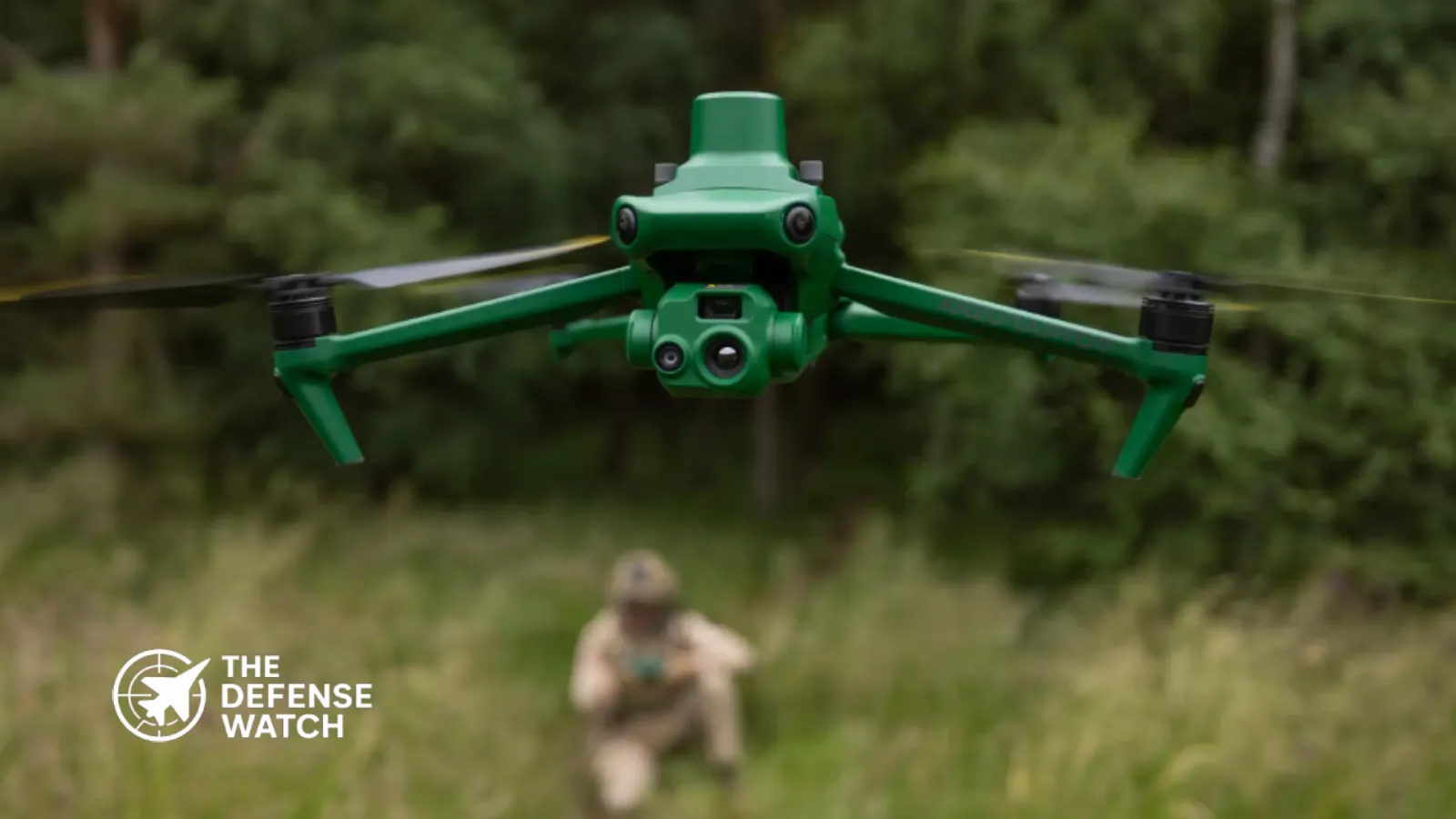
The British Army replacing tanks with drones in Estonia marks a significant shift in how the United Kingdom intends to contribute to NATO’s forward deterrence mission. British defense officials confirmed that future deployments will rely less on heavy armored formations and increasingly on unmanned aerial systems capable of providing persistent surveillance and battlefield awareness.
The changes are part of the British Army’s ongoing transformation under the Future Soldier program and align with lessons drawn from recent conflicts, particularly the extensive use of drones in Ukraine. The UK Ministry of Defence has repeatedly emphasized that future land warfare will combine armored forces with autonomous and remotely operated systems rather than relying exclusively on traditional heavy platforms.
Why The UK Is Changing Its Force Structure
The British Army currently leads NATO’s forward land forces in Estonia under the Alliance’s Forward Land Forces framework.
Rather than eliminating armored capability altogether, the UK is adjusting the composition of its deployed force. Fewer Challenger 2 tanks will be stationed in Estonia while additional unmanned aerial systems will support reconnaissance, target acquisition, force protection, and command decision making.
British officials describe the change as an effort to create a more agile and information driven force capable of responding quickly to evolving battlefield conditions.
The shift reflects broader trends across NATO, where armed forces are investing heavily in drones, loitering munitions, electronic warfare, and networked command systems.
Drones Have Become Essential On Modern Battlefields
Recent conflicts have demonstrated that drones now perform missions once reserved for larger, more expensive platforms.
Modern tactical UAVs provide capabilities including:
Capability Operational Benefit Intelligence, Surveillance and Reconnaissance (ISR) Continuous battlefield monitoring Target Identification Faster precision engagement Force Protection Early warning against enemy movement Battle Damage Assessment Immediate post-strike evaluation Communications Support Improved situational awareness Small drones can remain airborne for extended periods, operate at relatively low cost, and deliver real time imagery directly to commanders.
For NATO forces operating near Russia’s western military district, persistent surveillance significantly improves operational awareness without requiring constant armored patrols.
Challenger Tanks Remain An Important Capability
The restructuring does not signal the end of Britain’s armored forces.
The UK continues upgrading its heavy armor through the Challenger 3 program, which introduces:
- New 120 mm smoothbore main gun
- Improved modular armor
- Digital battlefield architecture
- Enhanced sensors
- Greater interoperability with NATO allies
Heavy tanks remain essential for high intensity combat, breaching operations, and direct fire support.
Instead, British planners increasingly view drones and armored vehicles as complementary capabilities rather than alternatives.
Lessons From Ukraine Continue To Shape NATO Planning
Military planners across Europe have closely studied the war in Ukraine, where inexpensive drones have dramatically influenced battlefield tactics.
Commercial quadcopters, military reconnaissance UAVs, loitering munitions, and first person view (FPV) drones have proven capable of:
- Detecting armored formations
- Directing artillery fire
- Destroying individual vehicles
- Conducting precision strikes
- Supporting infantry operations
These developments have accelerated drone procurement programs throughout NATO.
The British Army has expanded investments in tactical UAVs, autonomous logistics, electronic warfare, and counter drone technologies to address emerging operational requirements.
What This Means For NATO’s Eastern Flank
Estonia occupies one of NATO’s most strategically important positions, sharing a border with Russia.
The UK’s forward deployment serves as part of NATO’s collective deterrence posture designed to reassure allies and complicate any potential aggression against Alliance territory.
Replacing some tanks with drones allows British forces to:
- Increase battlefield awareness
- Improve reconnaissance coverage
- Detect threats earlier
- Reduce logistical demands
- Integrate more closely with NATO’s digital command networks
Rather than reducing combat power, the adjustment seeks to improve the effectiveness of deployed forces by expanding their ability to observe and understand the operational environment.
Analysis: A Shift Toward Information Dominance
The decision illustrates a broader evolution in land warfare rather than a rejection of armored forces.
Modern military operations increasingly prioritize information superiority. Commanders who can detect threats first, share targeting data rapidly, and coordinate precision fires often gain significant tactical advantages before heavy units even engage.
Drones provide continuous surveillance at a fraction of the cost of manned aircraft and can operate alongside satellites, ground sensors, and electronic intelligence systems.
For the British Army, integrating unmanned systems into forward deployments enhances reconnaissance while reducing the logistical footprint associated with maintaining larger armored formations overseas.
At the same time, tanks remain indispensable during high intensity combat. Protected mobility, direct firepower, and survivability cannot currently be replicated by unmanned aerial systems. The UK’s modernization effort therefore reflects a balanced approach that combines heavy armor with advanced sensing and autonomous capabilities.
For NATO, the move also demonstrates how alliance members are adapting force structures based on operational lessons from contemporary conflicts. Similar investments in drones, artificial intelligence, electronic warfare, and networked command systems are underway across multiple allied militaries, suggesting that Estonia will continue serving as a testing ground for the next generation of integrated land operations.

Executive Summary:
The 2026 Global Air and Space Chiefs Conference has opened in London, bringing together senior military leaders from allied and partner nations to discuss the future of air and space power. The conference focuses on strengthening international cooperation, integrated air and missile defense, nuclear deterrence, and space operations as security challenges continue to evolve across Europe, the Indo-Pacific, and other strategic regions.
Global Air And Space Chiefs Conference Opens In London
The Global Air and Space Chiefs Conference began in London on July 15, bringing together chiefs of air forces, senior defense officials, space commanders, industry leaders, and academics from more than 50 countries. Hosted by the Royal Air Force under the leadership of Chief of the Air Staff Air Chief Marshal Sir Harv Smyth, the annual event serves as one of the world’s leading forums for discussing the future of military air and space power.
This year’s conference is organized around the theme “Dominating the Skies and Beyond: Agile, Integrated and Ready,” emphasizing coalition readiness and the need for closer integration across air, space, cyber, and missile defense capabilities.
Air, Space And Missile Defense Dominate The Agenda
According to the conference program, discussions focus on three major capability areas:
- Space operations
- Nuclear deterrence
- Integrated Air and Missile Defense (IAMD)
Senior military leaders are expected to examine how allied nations can better synchronize operations across multiple domains while responding to increasingly contested security environments. Topics also include emerging technologies, autonomous systems, industrial resilience, and multinational capability development.
The conference includes keynote addresses from:
| Speaker | Organization |
|---|---|
| Air Chief Marshal Sir Harv Smyth | Royal Air Force |
| General Kenneth S. Wilsbach | U.S. Air Force |
| General Chance Saltzman | U.S. Space Force |
| UK government ministers | UK Ministry of Defence |
The participation of both the U.S. Air Force and U.S. Space Force highlights the growing importance of combined air and space operations within NATO and allied security planning.
UK Highlights Modernization Priorities
The conference comes shortly after the United Kingdom released its updated Defence Investment Plan, which outlines increased investment in combat air capability, autonomous systems, industrial capacity, and long-term modernization.
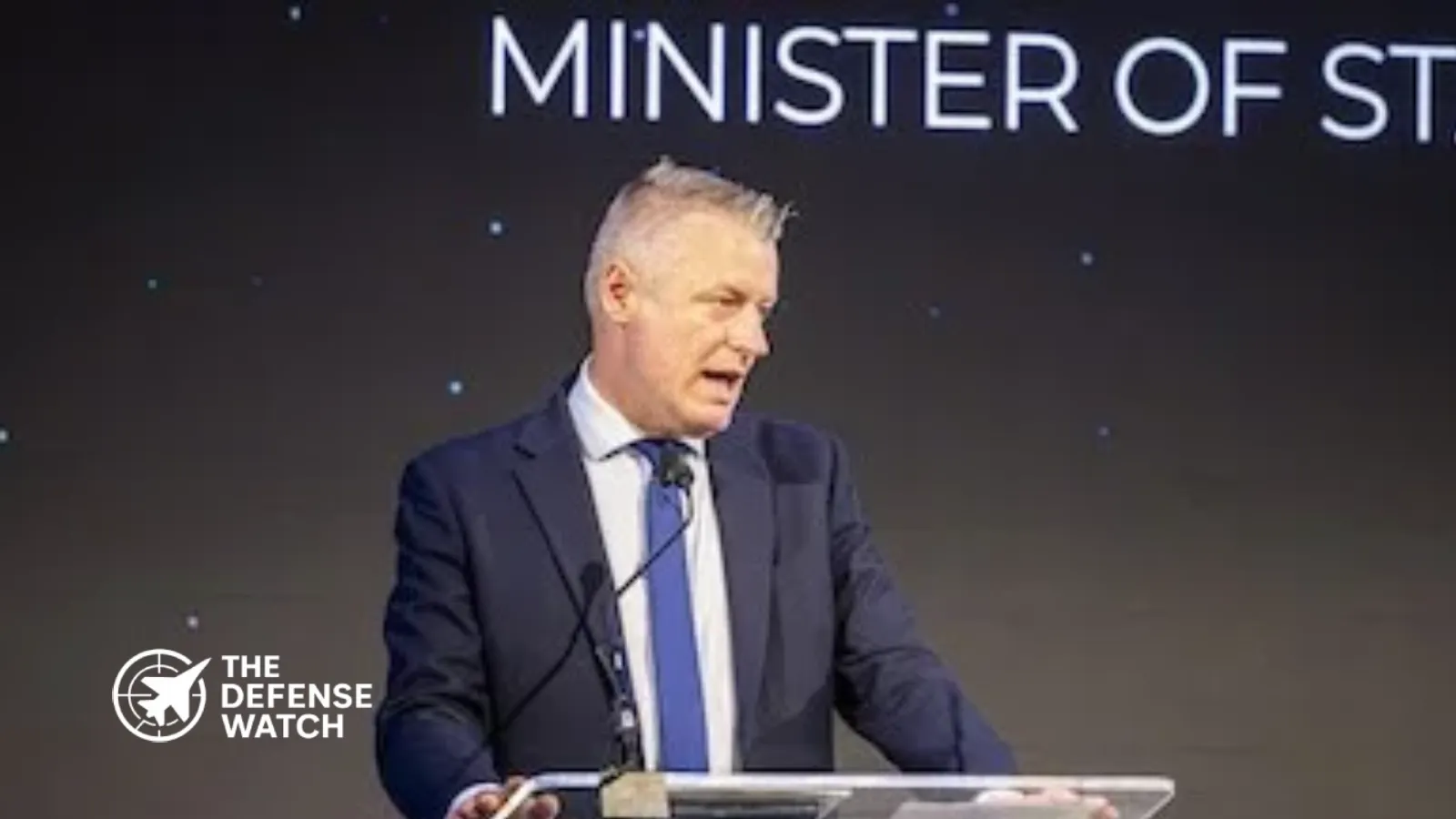
Speaking during the event, UK Minister for Defence Readiness and Industry Luke Pollard emphasized that air power has continuously evolved through innovation and adaptation, arguing that maintaining technological superiority requires sustained investment in future capabilities and stronger cooperation with allies.
The timing reinforces Britain’s effort to position the Royal Air Force as a central contributor to NATO’s future air and space posture while supporting multinational programs such as the Global Combat Air Programme (GCAP).
Why The Conference Matters
Unlike procurement announcements or bilateral defense agreements, the Global Air and Space Chiefs Conference serves as a strategic forum where military leaders exchange operational lessons, identify capability gaps, and shape future cooperation.
Its significance has increased considerably since Russia’s invasion of Ukraine and amid growing competition in the Indo-Pacific. Modern military operations increasingly depend on integrated networks connecting aircraft, satellites, intelligence systems, missile defense assets, and cyber capabilities rather than individual platforms operating independently.
For NATO members, integrated air and missile defense has become a top operational priority as cruise missiles, ballistic missiles, hypersonic weapons, and long-range drones continue to proliferate. The conference provides an opportunity to coordinate approaches before those concepts transition into procurement programs and operational planning.
Space Continues To Become A Core Military Domain
One notable trend reflected in this year’s agenda is the equal emphasis placed on space alongside traditional air power.
Modern military operations rely heavily on satellites for:
- Intelligence collection
- Precision navigation
- Secure communications
- Missile warning
- Targeting support
- Battle damage assessment
As adversaries develop anti-satellite weapons, electronic warfare systems, and cyber capabilities targeting space infrastructure, allied militaries are increasingly integrating space planning into operational decision making.
The participation of senior U.S. Space Force leadership illustrates how space has become an operational domain that must be planned alongside air, land, maritime, and cyber operations.
Operational Implications For Allied Air Forces
The conference also reflects broader changes underway across allied air forces.
Several modernization priorities continue to converge:
- Greater use of autonomous aircraft and collaborative combat drones
- Integrated command and control across NATO networks
- Improved interoperability between allied air forces
- Stronger industrial resilience for sustained operations
- Closer coordination between air and space commands
Rather than focusing solely on next-generation aircraft, many discussions now emphasize how future combat systems will operate as part of connected networks linking crewed fighters, autonomous aircraft, sensors, satellites, and missile defense systems.
For the United States and its allies, this approach supports the broader objective of maintaining operational superiority against increasingly sophisticated peer competitors while strengthening coalition interoperability.
Strategic Outlook
The 2026 Global Air and Space Chiefs Conference demonstrates how allied militaries are expanding cooperation beyond traditional air operations into fully integrated, multi-domain defense planning.
As NATO members accelerate modernization programs and increase defense investment, forums such as this help align operational concepts before they become formal capability requirements or multinational acquisition programs.
While no major procurement decisions are expected from the conference itself, the discussions are likely to influence future doctrine, force design, and collaborative technology development across allied air and space forces in the years ahead.
Executive Summary:
NATO officials say increasing defense production has become one of the alliance’s most pressing priorities as member states raise military spending and replenish depleted inventories. Türkiye argues that its expanding defense industrial base, extensive export portfolio, and manufacturing capacity position it to play a larger role in supporting NATO’s long-term capability requirements.
NATO Defense Production Becomes The Alliance’s Next Strategic Priority
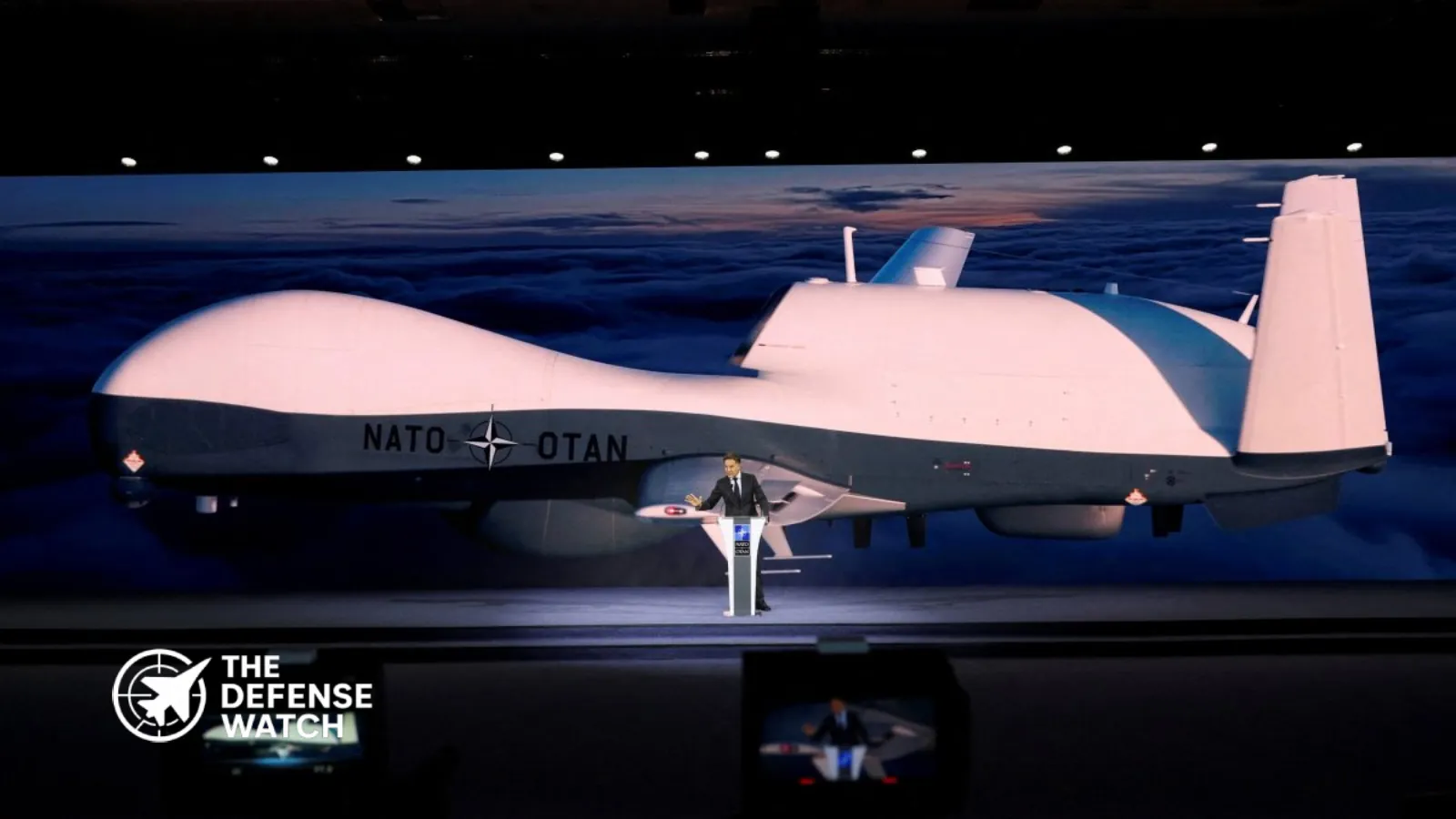
NATO defense production has emerged as a central strategic challenge as allied governments move beyond increasing defense budgets toward expanding industrial capacity capable of sustaining long-term military modernization. During remarks reported by Turkish officials and local media, NATO leaders emphasized that producing military equipment at scale is now as important as committing additional defense spending.
The discussion comes after NATO members agreed to significantly increase defense investment targets while confronting growing security challenges across Europe, the Middle East, and the Indo-Pacific. Officials increasingly acknowledge that higher budgets alone will not strengthen deterrence unless defense manufacturers can rapidly deliver aircraft, missiles, armored vehicles, munitions, and advanced electronic systems.
Türkiye has responded by highlighting its growing defense industrial capabilities and its readiness to contribute more extensively to alliance procurement and production efforts.
Production Capacity Has Become NATO’s Critical Bottleneck
Over the past several years, NATO members have accelerated procurement following Russia’s invasion of Ukraine while simultaneously rebuilding national stockpiles and investing in next-generation capabilities.
However, defense officials across the alliance have repeatedly warned that manufacturing capacity has struggled to keep pace with demand.
Key production challenges include:
| Challenge | Operational Impact |
|---|---|
| Limited missile production | Longer replenishment timelines |
| Ammunition shortages | Reduced wartime sustainability |
| Supply chain constraints | Delays in aircraft and vehicle production |
| Skilled workforce shortages | Slower manufacturing expansion |
| Dependence on external suppliers | Strategic industrial vulnerabilities |
Many European governments have responded by expanding domestic manufacturing lines, investing in new factories, and encouraging multinational industrial cooperation.
Türkiye Seeks Larger Role In NATO’s Industrial Base
Turkish officials argue that the country’s defense sector has evolved into one of NATO’s fastest-growing manufacturing ecosystems.
During the past decade, Türkiye has expanded domestic production across multiple defense sectors, including:
- Unmanned aerial systems
- Armored combat vehicles
- Naval platforms
- Guided missiles
- Electronic warfare systems
- Radar technologies
- Precision munitions
The country has also significantly increased defense exports, supplying equipment to NATO members and partner nations across Europe, the Middle East, Africa, and Asia.
Officials contend that this industrial growth provides additional manufacturing capacity that could support NATO’s broader effort to strengthen alliance readiness.
Industrial Capacity Is Becoming A Strategic Capability
The current NATO debate reflects a broader shift in how military power is measured.
While traditional assessments focused primarily on force structure and operational readiness, alliance planners increasingly view industrial resilience as a strategic capability in its own right.
Modern conflicts require sustained production of:
- Long-range precision weapons
- Air defense interceptors
- Artillery ammunition
- Combat drones
- Replacement armored vehicles
- Spare parts and maintenance components
The war in Ukraine has demonstrated that high-intensity combat rapidly consumes equipment and ammunition, placing sustained pressure on defense manufacturers.
As a result, NATO has begun placing greater emphasis on long-term industrial planning alongside operational force development.
Türkiye’s Manufacturing Portfolio Continues To Expand
Türkiye’s defense industry now includes major domestic programs covering multiple military domains.
These include:
- KAAN fifth-generation fighter development
- Bayraktar and ANKA unmanned aircraft
- Altay main battle tank
- Hisar and SIPER air defense systems
- MILGEM warships
- Indigenous missile and rocket programs
The country’s defense companies have also expanded production facilities while increasing export partnerships with allied nations.
Although many NATO members maintain larger overall defense industries, Türkiye offers relatively mature production capacity across several sectors that have become increasingly important to alliance modernization.
Why NATO’s Production Challenge Matters
The alliance’s renewed focus on industrial output reflects lessons learned from recent conflicts rather than purely future planning.
Large-scale military operations require continuous replacement of equipment lost through combat, maintenance cycles, or training. Without sufficient manufacturing capacity, even well-funded armed forces can face shortages of critical systems.
For the United States and European allies, strengthening NATO’s industrial base also supports several broader objectives:
- Faster replenishment of weapons inventories
- Greater resilience against supply chain disruptions
- Reduced dependence on non-allied suppliers
- Improved interoperability through common production standards
- Increased surge capacity during future crises
Türkiye’s expanding industrial capabilities could contribute to these objectives by providing additional manufacturing capacity across selected defense sectors, particularly unmanned systems, armored vehicles, naval platforms, and precision weapons.
However, integrating national industries into broader NATO procurement frameworks requires continued coordination on certification, interoperability standards, export controls, and multinational production planning.
Outlook
As NATO members continue implementing higher defense spending commitments, industrial production is expected to become an increasingly prominent topic during alliance planning discussions.
Rather than focusing solely on acquiring advanced military systems, governments are now placing equal emphasis on ensuring those systems can be produced quickly and in sufficient numbers during prolonged crises.
Türkiye’s defense industry is positioning itself as one contributor to that broader effort, reflecting NATO’s growing recognition that manufacturing capacity has become an essential component of collective deterrence alongside operational forces.
Executive Summary:
Türkiye has formally informed Canada that it will participate as a founding member of the new Defense Security and Resilience Bank (DSRB), reversing earlier uncertainty over its role in the initiative. The multilateral institution aims to mobilize up to £100 billion ($134 billion) in affordable financing to expand defense production, strengthen industrial capacity, and improve supply chain resilience among allied nations.
Türkiye Confirms Participation In Global Defense Bank
Türkiye has officially confirmed its participation in the Defense Security and Resilience Bank (DSRB), informing Canada that it will become one of the institution’s founding members. The decision follows several days of uncertainty after Turkish defense officials previously indicated that Ankara was still evaluating whether to join the Canada-led initiative.
A Turkish official confirmed the decision to Reuters, bringing Ankara into a coalition of countries seeking to establish a new multilateral financial institution focused on supporting defense investment and industrial expansion among like-minded allies.
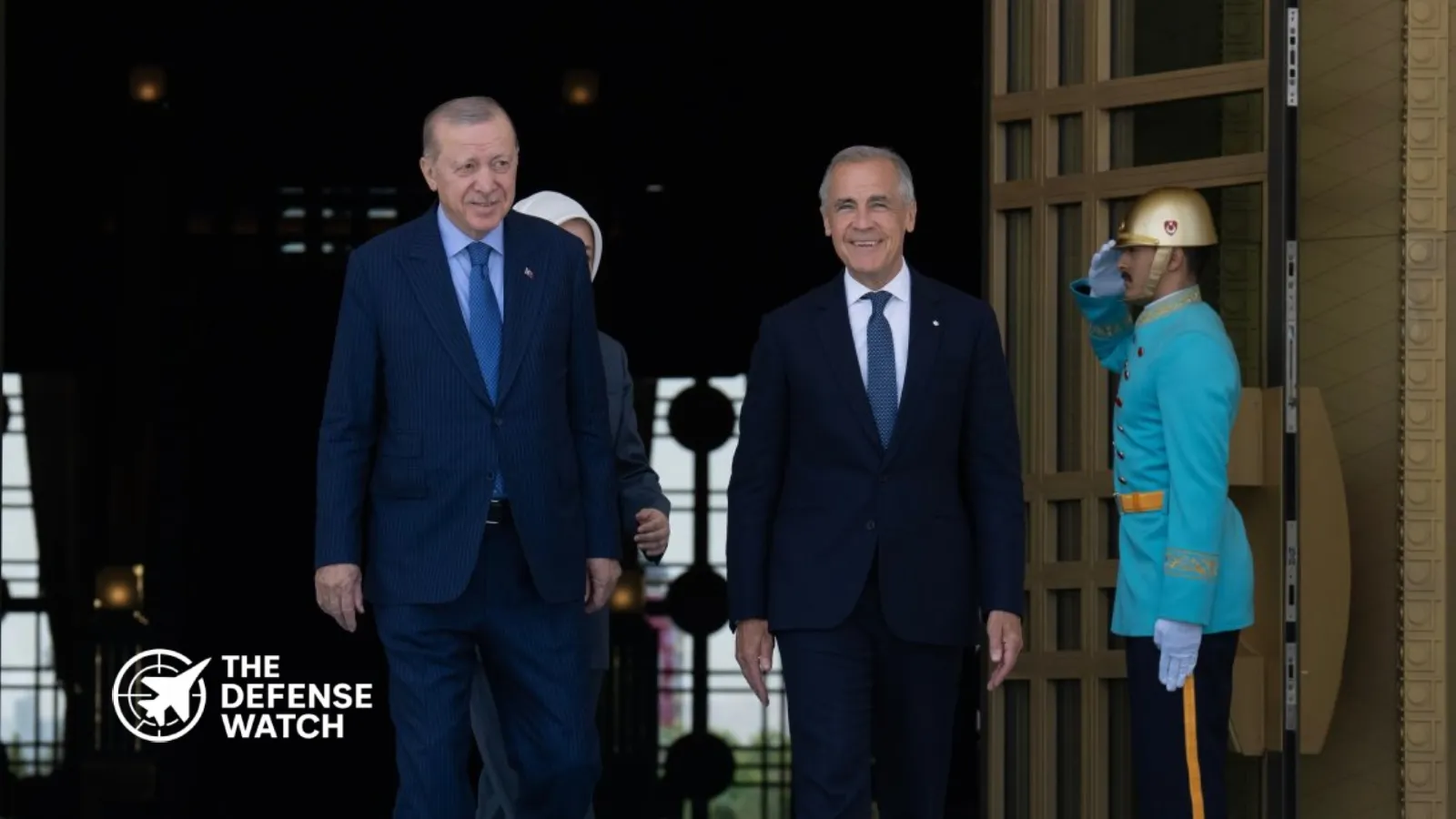
The announcement follows the declaration made during the 2026 NATO Summit in Ankara, where Canadian Prime Minister Mark Carney stated that Canada, Albania, Belgium, Greece, Latvia, Luxembourg, Romania, Türkiye, and Ukraine intended to establish the bank.
What Is The Defense Security And Resilience Bank?
The DSRB is designed as a specialized multilateral financial institution dedicated to supporting defense, security, and resilience projects rather than traditional development lending.
According to Canada’s official declaration, the bank will:
- Provide long term, low cost financing
- Offer guarantees to reduce investment risk
- Support defense industrial expansion
- Help governments and defense companies access affordable capital
- Strengthen supply chains for critical military technologies
Canada expects the institution to begin operations as early as 2027 after participating governments complete their domestic ratification processes.
The initiative is intended to complement existing national procurement programs instead of replacing NATO or other multinational funding mechanisms. Officials say it will focus on increasing industrial production capacity across member states.
Türkiye’s Decision Ends Days Of Uncertainty
Türkiye’s confirmation comes after conflicting signals over its participation.
Immediately after the NATO summit, Prime Minister Carney identified Türkiye as one of the founding participants. However, Turkish defense ministry sources later stated that Ankara was still reviewing the proposal and had not finalized its commitment.
The latest confirmation resolves those questions, with Turkish officials stating that Canada has now been formally notified of Türkiye’s intention to participate as a founding member.
Founding Members
According to the joint declaration, the initial participating countries include:
| Founding Participants |
|---|
| Canada |
| Türkiye |
| Albania |
| Belgium |
| Greece |
| Latvia |
| Luxembourg |
| Romania |
| Ukraine |
The institution will be headquartered in Canada and will remain open to additional members in the future.
Why The Initiative Matters
The DSRB reflects a broader shift in how allied governments are approaching defense industrial financing.
Many NATO members have announced significant increases in defense spending following Russia’s invasion of Ukraine and amid growing concerns over long term competition with China. While governments have committed to purchasing more military equipment, financing industrial expansion remains a challenge, particularly for smaller suppliers and defense manufacturers.
Rather than relying solely on national budgets, the DSRB seeks to leverage the combined credit strength of member governments to lower borrowing costs for defense related investments. Officials say the institution could mobilize up to £100 billion ($134 billion) in financing through loans and guarantees.
This approach could accelerate production of ammunition, missiles, electronics, cybersecurity infrastructure, advanced manufacturing, and other critical defense capabilities without requiring every project to be funded directly from annual government appropriations.
Strategic Significance For Türkiye
Türkiye’s participation carries strategic importance beyond its financial contribution.
The country possesses one of NATO’s largest defense industrial bases, with expanding capabilities in unmanned systems, armored vehicles, naval platforms, precision weapons, aerospace manufacturing, and missile technology. Access to additional multinational financing mechanisms could support future industrial growth while creating more opportunities for joint production and cross border supply chains.
For Canada, securing Türkiye’s participation strengthens the credibility of the initiative by adding another major defense producer and NATO member to the founding group.
However, the current membership still lacks participation from most other G7 economies. Analysts note that broader membership from additional major industrial nations would significantly expand the institution’s lending capacity and global influence. Canadian officials have emphasized that new members will be welcome as the bank develops.
Outlook
The next phase involves ratification by participating governments and completion of the legal framework needed to launch the bank.
If completed on schedule, the Defense Security and Resilience Bank could begin operations in 2027, providing governments and defense industries with a new source of long term financing as allied nations continue expanding military production and modernizing industrial capacity.
Türkiye Moves To Explore S-400 Air Defense System Sale As Effort To Reopen Path To U.S. F-35 Program
Executive Summary:
Türkiye is reportedly examining the sale of its Russian built S-400 air defense system to a Gulf nation as Ankara attempts to remove one of the main obstacles preventing its return to the U.S. led F-35 Joint Strike Fighter program. The reported discussions highlight Türkiye’s broader effort to restore defense cooperation with Washington while balancing regional security partnerships and its existing military capabilities.
Türkiye Explores S-400 Sale As It Seeks Return To F-35 Program
Türkiye’s reported effort to sell its Russian made S-400 air defense system marks one of the clearest indications that Ankara is looking for a long term solution to one of its most contentious defense disputes with the United States.
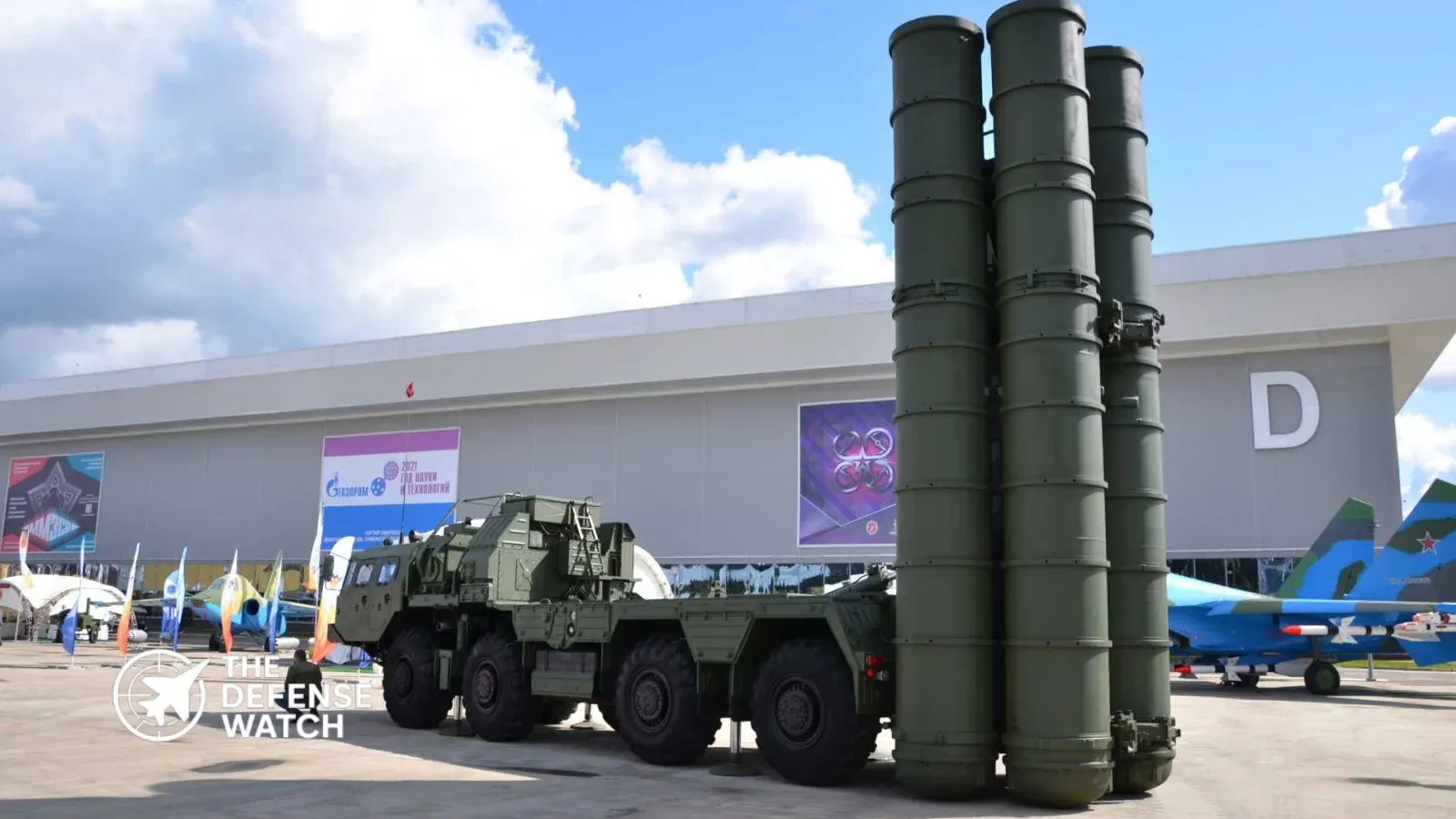
According to reporting by Army Recognition, Turkish officials are exploring the possibility of transferring the S-400 system to a Gulf country, potentially removing the issue that led Washington to suspend Türkiye from the multinational F-35 Joint Strike Fighter program.
The report comes as relations between Ankara and Washington have gradually improved through expanded defense dialogue, NATO cooperation, and negotiations over other military procurement programs.
Why The S-400 Became A Major Issue
Türkiye signed its agreement with Russia to purchase the S-400 Triumf long range air defense system in 2017, with deliveries beginning in 2019.
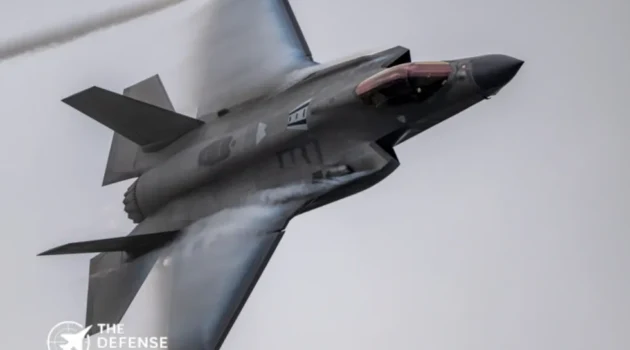
The acquisition immediately raised concerns within NATO because the advanced Russian radar system could potentially collect sensitive electronic data on Western combat aircraft, particularly the stealth characteristics of the F-35 Lightning II.
The United States argued that operating both systems together would create unacceptable intelligence risks. As a result, Washington removed Türkiye from the multinational F-35 production and acquisition program in 2019.
Additional measures followed under the Countering America’s Adversaries Through Sanctions Act (CAATSA), which imposed sanctions on Türkiye’s Presidency of Defense Industries (SSB) and limited future defense cooperation.
Potential Gulf Transfer Could Change The Strategic Landscape
Although no agreement has been officially announced, transferring the S-400 system to a Gulf nation could represent a significant diplomatic breakthrough if accepted by all parties involved.
Several Gulf countries continue to modernize their integrated air and missile defense networks as regional missile and drone threats evolve. However, any transfer would likely require Russian approval because export agreements for advanced military systems generally contain end user restrictions.
The United States has not publicly indicated whether removing the S-400 from Turkish service alone would automatically restore Türkiye’s eligibility for the F-35 program.
Why The F-35 Still Matters To Türkiye
The F-35 remains one of the world’s most advanced fifth generation multirole fighters, combining stealth, sensor fusion, advanced networking, and precision strike capabilities.
Before its removal, Türkiye was both a development partner and industrial participant in the program.
Turkish aerospace companies manufactured hundreds of aircraft components, including structural assemblies, landing gear elements, and engine parts, before production responsibilities were redistributed among other suppliers following Ankara’s suspension.
A return to the program would provide several strategic benefits.
Capability Strategic Value Fifth generation stealth Enhanced survivability against advanced air defenses NATO interoperability Improved coalition operations Industrial participation High value aerospace manufacturing opportunities Long term fleet modernization Replacement for aging fighter aircraft Technical And Political Challenges Remain
Even if Türkiye ultimately transfers the S-400 system, several political and legal hurdles would remain before rejoining the F-35 enterprise.
Among the major issues are:
- U.S. congressional approval for any policy reversal.
- Resolution of CAATSA related restrictions.
- Security verification regarding previous S-400 operations.
- Agreement among existing F-35 partner nations.
- Potential Russian objections to transferring the system.
Each factor would require extensive diplomatic negotiations extending beyond the physical removal of the missile system.
Analysis: Why This Matters Beyond Türkiye
The reported proposal reflects a broader transformation in regional defense relationships rather than a simple arms transaction.
For Washington, restoring closer defense ties with Türkiye would strengthen NATO’s southern flank at a time when the alliance faces simultaneous security challenges from Russia, instability across the Middle East, and increasing military competition in the Black Sea region.
Türkiye occupies one of NATO’s most strategically important geographic positions, controlling access to the Black Sea through the Turkish Straits while maintaining military operations across Europe, the Eastern Mediterranean, the Middle East, and the Caucasus.
From an operational perspective, reintroducing Türkiye into advanced Western defense programs could improve alliance interoperability, logistics, and collective deterrence. Turkish industry has also expanded significantly since its removal from the F-35 supply chain, making future industrial cooperation potentially valuable for both NATO and U.S. defense manufacturing.
At the same time, any decision involving the S-400 would remain politically sensitive. The system has become a symbol of Ankara’s effort to pursue a more independent defense procurement policy while maintaining NATO membership. A transfer would therefore represent not only a military decision but also a strategic signal regarding Türkiye’s future alignment with Western defense structures.
For Gulf states, acquiring such a system would also require careful consideration of existing U.S. supplied missile defense architectures, including Patriot and THAAD batteries, interoperability requirements, sustainment costs, and the broader political implications of introducing Russian equipment into predominantly Western defense networks.
Outlook
No official announcement has confirmed that an S-400 transfer agreement has been finalized, and neither U.S. nor Turkish authorities have publicly outlined a roadmap for Türkiye’s possible return to the F-35 program.
Nevertheless, the reported discussions indicate that Ankara continues exploring options to resolve one of the most significant disputes affecting U.S. Türkiye defense relations. Whether those efforts ultimately lead to renewed participation in the F-35 program will depend on diplomatic negotiations, congressional decisions in Washington, and broader NATO security considerations.

Executive Summary:
The UK government has declined to define what specific Russian action would cross the threshold for a stronger British or NATO response, arguing that strategic ambiguity is itself a key element of deterrence. The position comes as London warns that Russia increasingly relies on cyberattacks, sabotage, disinformation, and other hybrid activities that remain below the level of conventional armed conflict.
UK Keeps Russian Response Threshold Deliberately Undefined
The UK Russian response threshold remains intentionally undefined, according to evidence presented by senior British defense officials during parliamentary scrutiny of the country’s approach to hybrid warfare. Rather than publicly identifying specific triggers for military or political escalation, the government says preserving uncertainty complicates Russian decision making and strengthens deterrence.
The discussion emerged during a UK parliamentary Defence Committee examination of so called grey zone threats, where lawmakers questioned Ministry of Defence officials about how Britain would respond if Russian activities escalated beyond cyberattacks, sabotage, or interference targeting critical infrastructure.
Officials repeatedly avoided identifying any precise red line that would automatically trigger a stronger response.
Strategic Ambiguity Remains Central To UK Deterrence
According to Ministry of Defence officials, decisions involving collective defense, including potential responses under NATO’s Article 5, remain political decisions rather than automatic military reactions.
Officials emphasized that maintaining uncertainty over Britain’s response options prevents potential adversaries from calculating exactly how far they can push hostile activities without provoking consequences.
The government noted that responses could include military, diplomatic, intelligence, economic, cyber, or legal measures depending on the nature, scale, attribution, and consequences of any hostile act.
This approach reflects NATO’s broader policy that hybrid attacks may, under certain circumstances, justify collective action, but each incident must be evaluated individually.
Growing Focus On Russian Hybrid Activities
British officials argue that Russia increasingly employs activities designed to remain below the threshold of open warfare.
These include:
| Hybrid Activity | Potential Impact |
|---|---|
| Cyberattacks | Government services and critical infrastructure |
| Disinformation campaigns | Public confidence and political stability |
| Undersea cable interference | Communications and energy security |
| Sabotage operations | Military installations and logistics |
| Intelligence collection | NATO operational awareness |
Recent government statements have highlighted repeated concerns involving Russian intelligence activities, suspicious maritime operations near critical infrastructure, cyber campaigns, and attempts to influence Western political environments.
Why Britain Refuses To Publish Clear Red Lines
British officials argue that publicly defining precise thresholds would provide valuable intelligence to an adversary.
If Moscow knew exactly which actions would trigger retaliation, planners could potentially design operations intended to remain just below that limit.
Instead, London believes uncertainty forces adversaries to account for a wider range of possible responses.
Officials also stressed that attribution remains one of the greatest challenges in hybrid warfare. Many cyber operations, sabotage attempts, and information campaigns require extensive intelligence analysis before governments can confidently identify those responsible.
That complexity makes automatic response mechanisms impractical.
What This Means For NATO
The UK’s position aligns closely with NATO’s evolving approach to modern conflict.
Rather than viewing conflict as a clear division between peace and war, NATO increasingly recognizes competition occurring across multiple domains, including cyber, space, maritime infrastructure, finance, information operations, and emerging technologies.
Alliance leaders have repeatedly stated that serious cyberattacks or coordinated hybrid campaigns could contribute to an Article 5 consultation, although no predetermined threshold exists.
This flexibility allows NATO members to tailor responses according to the specific circumstances of each incident while preserving political control over escalation.
Analysis: A Reflection Of Modern Deterrence
Britain’s refusal to define an exact response threshold illustrates how deterrence has evolved beyond traditional military planning.
During the Cold War, deterrence largely focused on conventional and nuclear military capabilities. Today’s security environment is considerably more complex, with adversaries frequently employing cyber operations, economic pressure, proxy actors, and covert sabotage to achieve strategic objectives while avoiding direct military confrontation.
Maintaining ambiguity gives governments greater freedom to respond proportionally across multiple domains rather than committing to predetermined military actions.
For NATO, this approach also preserves alliance unity. Hybrid incidents rarely affect every member equally, making political consultation essential before determining a collective response.
However, ambiguity also presents challenges. Without clearly understood consequences, adversaries may continue testing Western resilience through increasingly aggressive grey zone operations. Governments must therefore balance strategic uncertainty with credible demonstrations that hostile activities will carry meaningful costs.
As Russian hybrid activities continue to evolve across Europe, Britain’s policy suggests future deterrence will rely less on publicly declared red lines and more on maintaining uncertainty about when, where, and how Western governments choose to respond.
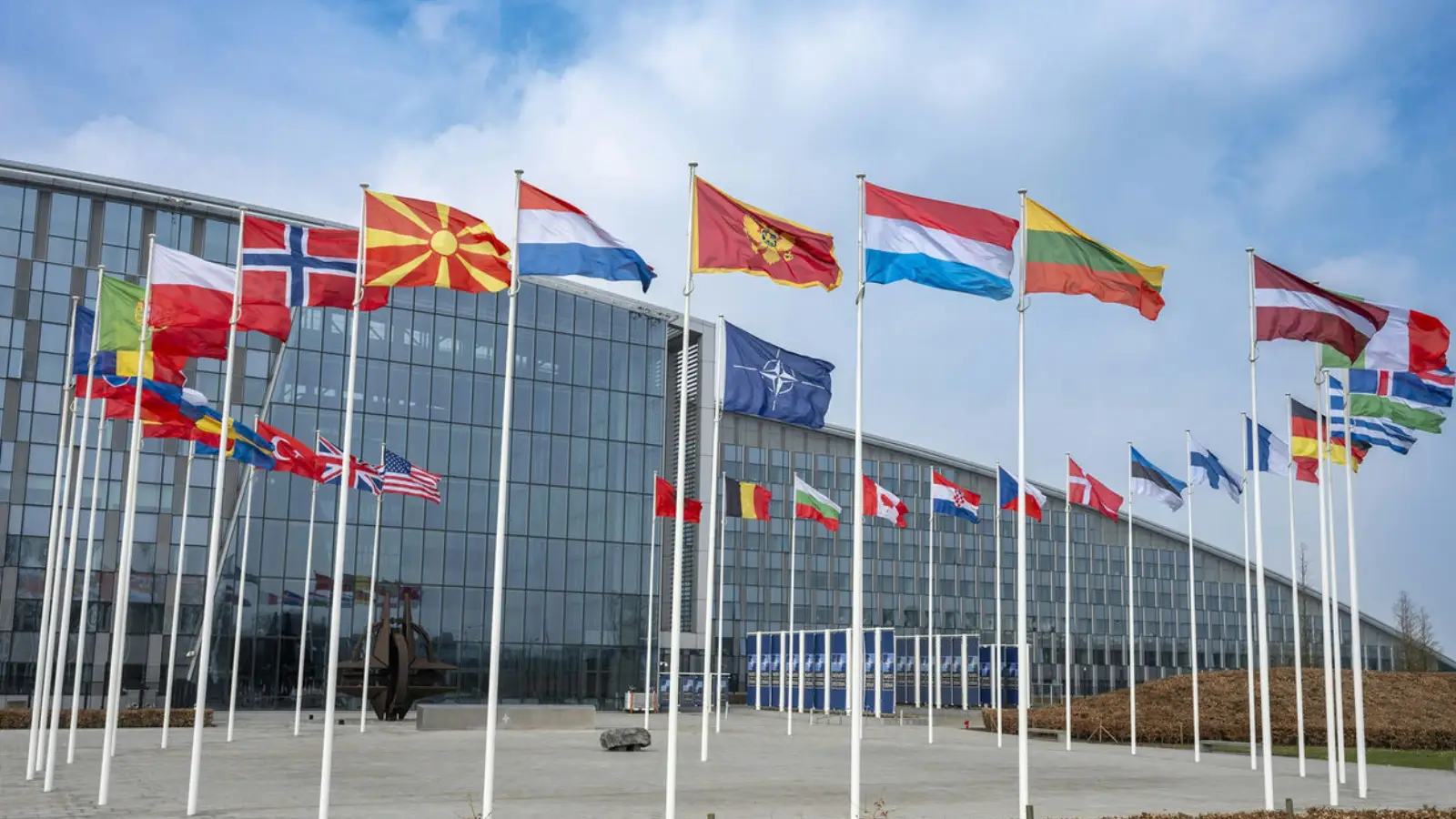
Executive Summary:
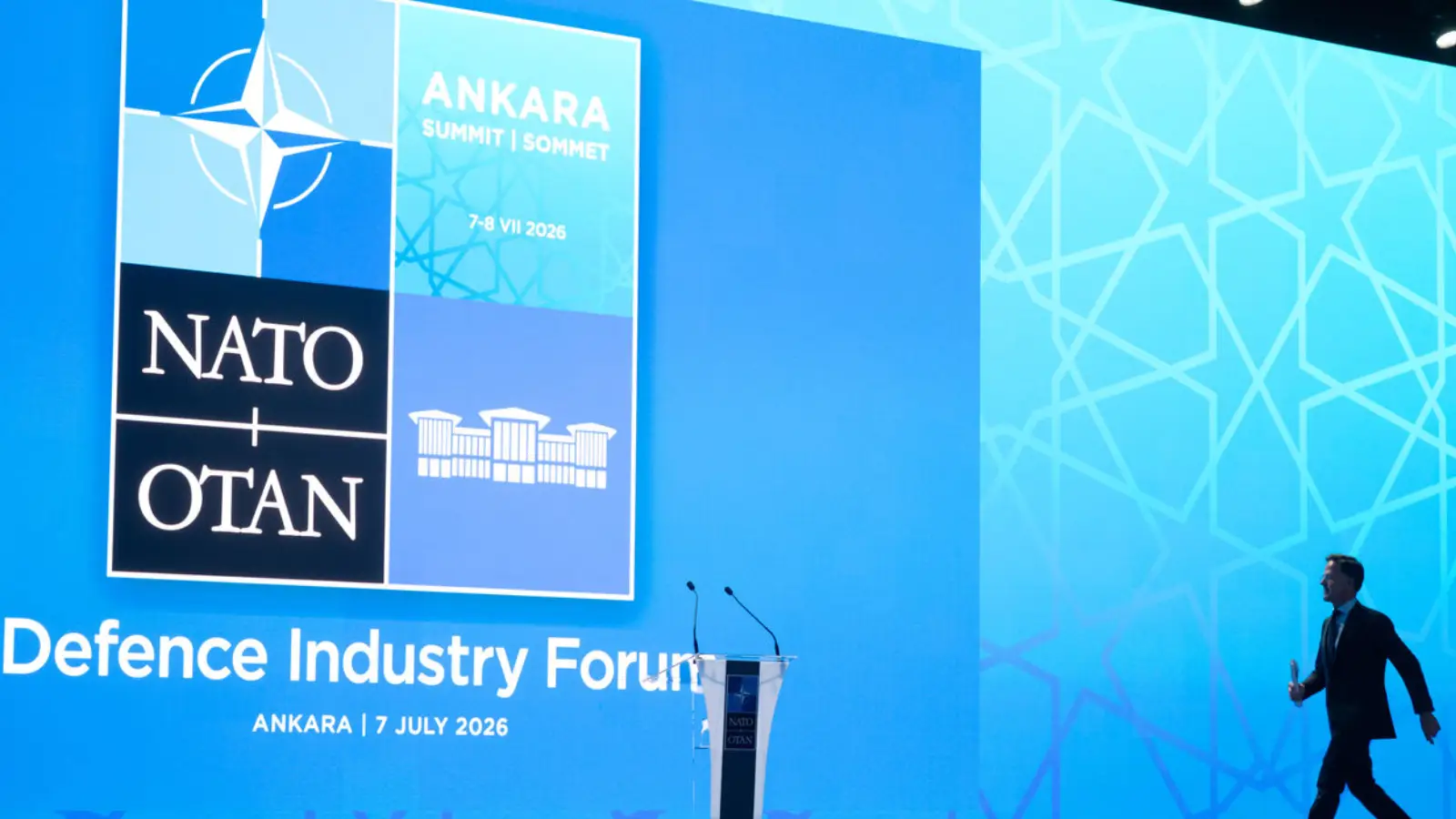
NATO has launched a new Call to Action encouraging banks, investment firms, and financial institutions to expand private investment in defense, security, and resilience across Allied nations. Announced during the NATO Summit Defence Industry Forum in Ankara on July 7, 2026, the initiative seeks to strengthen the Alliance’s defense industrial base as member states prepare for significantly higher defense spending and capability expansion.
NATO Launches Private Defense Investment Initiative to Expand Allied Industrial Capacity
NATO’s new private defense investment initiative marks a significant shift in how the Alliance intends to finance military modernization. Announced by NATO Secretary General Mark Rutte at the NATO Summit Defence Industry Forum in Ankara, the program calls on commercial banks, institutional investors, and financial organizations to increase financing for defense manufacturing, innovation, and industrial resilience.
The announcement comes as NATO members continue implementing ambitious defense spending commitments aimed at strengthening deterrence, replenishing depleted inventories, and accelerating production of critical military capabilities.
According to NATO, increasing government defense budgets alone will not provide sufficient industrial capacity to meet future demand. Greater participation from private capital markets is now considered essential for expanding production and supporting long-term modernization.
NATO Calls for Greater Private Capital in Defense
During his address to defense industry executives and financial leaders, Secretary General Mark Rutte emphasized that the Alliance must dramatically expand industrial output over the coming decade.
He stated that maintaining credible deterrence requires sustained investment throughout the defense industrial ecosystem, from major defense manufacturers to emerging technology companies developing next-generation capabilities.
“We need capital,” Rutte said, adding that although private investment in defense has grown in recent years, current levels remain insufficient to meet NATO’s future capability requirements.
The initiative therefore encourages financial institutions to:
- Increase lending to defense companies
- Expand equity investment in defense and security firms
- Support resilience-related industries
- Participate in public-private investment partnerships
- Improve access to long-term financing for defense innovation
Major Global Financial Institutions Back the Initiative
Several leading international financial institutions endorsed NATO’s Call to Action during the forum.
Participants include:
| Financial Institution | Participation |
|---|---|
| Banco Santander | Call to Action supporter |
| Barclays | Call to Action supporter |
| BNP Paribas | Call to Action supporter |
| Citi | Call to Action supporter |
| Deutsche Bank | Call to Action supporter |
| NatWest | Call to Action supporter |
| PKO Bank Polski | Call to Action supporter |
| Danske Bank | Call to Action supporter |
| Business Development Bank of Canada | Call to Action supporter |
| NATO Innovation Fund | Strategic investment partner |
Collectively, these organizations have already mobilized approximately $217 billion in financing for defense and security-related activities.
NATO described this level of investment as an important foundation but stressed that substantially more private capital will be needed as Allied governments increase procurement and industrial production.
Why NATO Is Seeking More Private Investment
The Alliance’s defense industrial base is experiencing unprecedented demand following several years of accelerated military modernization across Europe and North America.
Governments are simultaneously attempting to:
- Expand missile production
- Increase ammunition manufacturing
- Modernize air and missile defense systems
- Procure advanced combat aircraft
- Strengthen naval capabilities
- Accelerate development of autonomous systems
- Improve cybersecurity and space resilience
Many defense manufacturers have announced capacity expansion plans, but scaling production requires long-term financing for new facilities, workforce development, supply chain expansion, and research and development.
Traditional government procurement contracts provide demand certainty, but private financing enables companies to invest ahead of production requirements rather than waiting for future revenues.
Strengthening the Defense Industrial Base
The new NATO initiative reflects broader recognition that industrial capacity has become a strategic asset.
Since 2022, Allied governments have increasingly emphasized that maintaining military readiness depends not only on operational forces but also on resilient supply chains, manufacturing infrastructure, and sustained industrial output.
The Call to Action encourages Allied governments to improve domestic financing mechanisms while supporting public-private investment models capable of accelerating defense production.
This approach could reduce financing barriers for companies producing critical military technologies, particularly medium-sized suppliers that often face greater challenges accessing long-term capital.
Strategic Analysis: Why the Financial Sector Matters to NATO
The significance of NATO’s announcement extends beyond traditional defense procurement.
Historically, portions of the financial industry have viewed defense investments cautiously because of environmental, social, and governance (ESG) policies or internal lending restrictions. As geopolitical tensions have intensified, however, many governments have argued that national security should increasingly be recognized as compatible with responsible investment principles.
By directly engaging global financial institutions, NATO is attempting to normalize defense financing as a long-term component of economic resilience rather than solely a government responsibility.
For defense companies, easier access to private capital can shorten production timelines, support factory expansion, and encourage investment in advanced technologies such as artificial intelligence, autonomous systems, cyber defense, and next-generation missile production.
For NATO members, stronger industrial financing could improve readiness by reducing bottlenecks that have slowed production of critical military equipment in recent years.
The initiative also signals growing recognition that industrial competitiveness is becoming as strategically important as military capability itself. Nations able to rapidly manufacture weapons, replenish stockpiles, and sustain defense innovation are likely to possess greater long-term strategic resilience.
What Comes Next
Secretary General Mark Rutte described the initiative as only the beginning of a broader partnership between NATO and the financial sector.
The Alliance intends to continue working with banks, investors, and financial institutions to expand private investment in defense, strengthen industrial resilience, and improve financing mechanisms that support long-term capability development.
As Allied governments pursue higher defense spending targets and larger procurement programs, private capital is expected to play an increasingly important role in ensuring industry can deliver the equipment and technologies required to meet future security challenges.
(adsbygoogle = window.adsbygoogle || []).push({});Executive Summary:
NATO and leading defense manufacturers announced a series of major industrial agreements during the 2026 NATO Defense Industry Forum in Ankara. The initiatives span airborne early warning aircraft, long-range missile production, maritime surveillance drones, strategic airlift, and space launch infrastructure, reflecting the alliance’s growing emphasis on expanding industrial capacity alongside higher defense spending commitments.
NATO Defense Industry Forum Brings New Procurement And Industrial Agreements
The NATO Defense Industry Forum became the centerpiece of the alliance’s industrial modernization effort as NATO officials and major defense companies unveiled multiple procurement and cooperation agreements during the 2026 NATO Summit in Ankara. The announcements, confirmed by NATO and participating companies, are intended to strengthen alliance readiness while expanding production capacity across several critical defense sectors.
Rather than focusing on a single weapons program, the forum highlighted NATO’s broader strategy of accelerating multinational procurement, improving industrial resilience, and reducing production bottlenecks that have become increasingly apparent since the war in Ukraine.
Saab Advances Toward NATO GlobalEye Acquisition
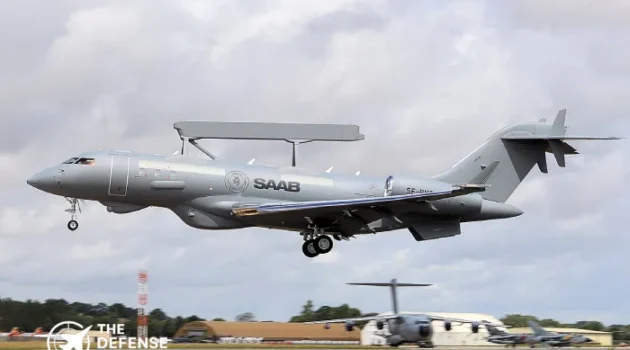
Among the most significant announcements was NATO’s decision to begin formal negotiations with Saab for the acquisition of up to 10 GlobalEye Airborne Early Warning and Control (AEW&C) aircraft.
According to Saab Chief Executive Micael Johansson, deliveries could begin around 2030 if negotiations lead to a finalized contract. Each aircraft is expected to cost approximately $400 million to $450 million, making the potential program worth roughly $4 billion to $4.5 billion.
The GlobalEye combines an Erieye Extended Range radar with multiple surveillance sensors mounted on the Bombardier Global 6500 business jet platform. The aircraft is designed to detect airborne, maritime, and ground threats over long distances while offering improved detection of smaller targets such as cruise missiles and unmanned aerial systems.
(adsbygoogle = window.adsbygoogle || []).push({});Lockheed Martin And Rheinmetall Expand Missile Production
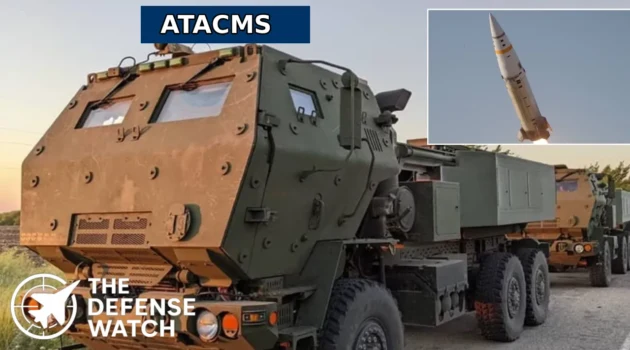
Another major development was the signing of a memorandum of understanding between Lockheed Martin and Rheinmetall to jointly manufacture ATACMS tactical ballistic missiles in Germany.
If implemented, the agreement would represent the first production of ATACMS outside the United States, expanding manufacturing capacity for one of NATO’s most widely used long-range precision strike weapons.
The agreement complements broader efforts to increase European defense manufacturing as NATO members seek to replenish inventories depleted by support for Ukraine while improving long-term production resilience.
(adsbygoogle = window.adsbygoogle || []).push({});NATO Allies Move Forward On MQ-4C Triton Maritime Surveillance
NATO Secretary General Mark Rutte also announced that Norway, Finland, Germany, and Denmark signed a letter of intent supporting the future acquisition of up to five Northrop Grumman MQ-4C Triton high-altitude surveillance drones.
The unmanned aircraft would significantly expand NATO’s maritime intelligence, surveillance, and reconnaissance capability by providing persistent coverage across large maritime areas.
The Triton is designed for long-endurance operations and can monitor shipping lanes, naval movements, and coastal regions while supporting maritime domain awareness across the alliance.
atOptions = { ‘key’ : ‘3d48d603f906e3fe9f205be3c4433835’, ‘format’ : ‘iframe’, ‘height’ : 250, ‘width’ : 300, ‘params’ : {} };Airbus Strategic Airlift Fleet Continues To Grow
NATO also confirmed additional investment in strategic air mobility.
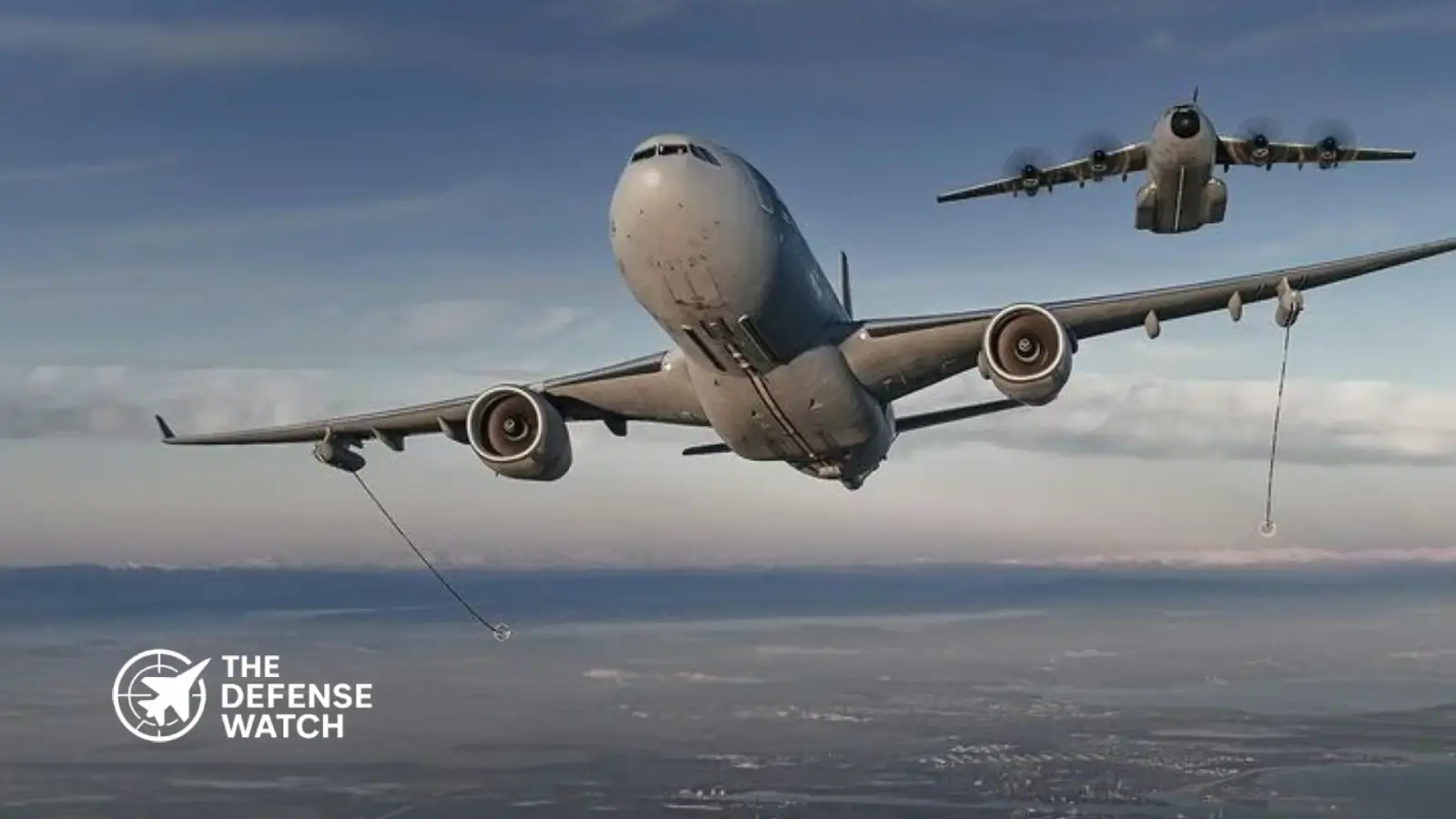
The alliance announced plans to establish a pooled fleet of Airbus A400M transport aircraft while adding a tenth A330 Multi Role Tanker Transport (MRTT) aircraft to NATO’s multinational fleet.
These aircraft strengthen NATO’s ability to deploy forces rapidly, conduct humanitarian missions, perform aerial refueling, and support long-range logistics operations across Europe and beyond.
Program Announcement Strategic Benefit Saab GlobalEye Up to 10 AEW&C aircraft Airborne command and surveillance Lockheed Martin & Rheinmetall ATACMS production in Germany Expanded missile manufacturing capacity Northrop Grumman MQ-4C Triton Up to 5 maritime surveillance drones Persistent maritime ISR Airbus A400M New pooled transport fleet Strategic airlift Airbus A330 MRTT Fleet expansion Air refueling and transport Isar Aerospace Nova Scotia launch infrastructure Space launch capability Space Cooperation Also Expands
The forum extended beyond traditional defense systems.
German launch company Isar Aerospace signed an agreement with Canada’s Maritime Launch Services to secure launch infrastructure at Spaceport Nova Scotia. The agreement is intended to improve operational readiness for the company’s Spectrum launch vehicle while strengthening transatlantic cooperation in commercial space launch services.
Space capabilities are becoming increasingly important within NATO as satellite communications, intelligence collection, navigation, and missile warning systems play a growing role in alliance operations.
atOptions = { ‘key’ : ‘3d48d603f906e3fe9f205be3c4433835’, ‘format’ : ‘iframe’, ‘height’ : 250, ‘width’ : 300, ‘params’ : {} };Why These Agreements Matter
Although each announcement addresses a different capability area, collectively they reveal several long-term priorities shaping NATO’s defense modernization strategy.
First, the alliance is placing greater emphasis on industrial production capacity, recognizing that military readiness depends not only on advanced weapons but also on the ability to manufacture them at scale.
Second, several agreements expand multinational procurement, allowing allies to share development costs while improving interoperability. Common platforms such as GlobalEye, Triton, A400M, and A330 MRTT simplify logistics, maintenance, and operational planning across NATO members.
Third, the agreements demonstrate NATO’s effort to balance North American and European industrial participation. Programs announced in Ankara involve companies from the United States, Germany, Sweden, Canada, and other allied nations, reflecting a more integrated transatlantic defense industrial base.
Finally, the focus on surveillance aircraft, strategic mobility, precision strike weapons, and space infrastructure mirrors lessons drawn from recent conflicts, where intelligence, logistics, long-range fires, and resilient supply chains have become decisive factors.
Looking Ahead
Most of the agreements announced during the NATO Defense Industry Forum remain in early procurement or negotiation stages, with deliveries expected over several years.
Nevertheless, together they represent one of NATO’s broadest collections of industrial announcements in recent years. The initiatives support the alliance’s objective of translating increased defense spending into deployable military capability while strengthening the industrial base needed to sustain future operations.

Executive Summary:
The United Kingdom has joined six other NATO allies in launching a new multinational Airbus A400M fleet initiative announced during the NATO Summit Defence Industry Forum in Ankara on July 7, 2026. The project aims to create a pooled strategic airlift capability that improves interoperability, reduces operating costs, and gives participating nations greater access to military transport, aerial refueling, medical evacuation, and humanitarian response missions.
UK Joins NATO A400M Airlift Fleet Initiative
The NATO A400M airlift fleet gained significant momentum on July 7 after the United Kingdom joined six allied nations in launching a new multinational transport aircraft initiative during the NATO Summit Defence Industry Forum in Ankara.
Belgium, Croatia, France, Poland, Spain, Türkiye, and the United Kingdom agreed to establish a High Visibility Project centered on the Airbus A400M military transport aircraft. The initiative is intended to follow NATO’s successful multinational pooling model already used for the Alliance’s Airbus A330 Multi Role Tanker Transport (MRTT) fleet.
Rather than requiring every nation to purchase and sustain a large fleet independently, participating countries will be able to share aircraft, maintenance, logistics, training, and procurement resources while maintaining access to strategic airlift capacity.
A New Multinational Model For Strategic Airlift
According to NATO and Airbus, the project will be developed in stages.
The initiative could eventually include:
| Capability | Planned Benefit |
|---|---|
| Shared A400M fleet | Greater aircraft availability across participating nations |
| Joint maintenance | Lower sustainment costs |
| Common pilot and crew training | Improved interoperability |
| Shared logistics | Faster deployment readiness |
| Coordinated procurement | Economies of scale |
Officials emphasized that the concept mirrors the multinational MRTT fleet, which has demonstrated that shared ownership can deliver significant operational and financial benefits while ensuring continuous access to critical capabilities.
Why The Airbus A400M Was Selected
The Airbus A400M has become one of Europe’s primary military transport aircraft.
More than 135 aircraft are currently in service worldwide, accumulating over 270,000 flight hours across a broad range of military and humanitarian operations. The aircraft combines strategic range with tactical flexibility, allowing it to carry heavy cargo while operating from short or unprepared airstrips.
Its mission set includes:
- Strategic and tactical airlift
- Air-to-air refueling
- Medical evacuation
- Humanitarian assistance
- Disaster relief
- Firefighting support
- Special operations support
Unlike larger strategic transports that require developed airfields, the A400M can operate much closer to front-line forces, providing NATO with additional deployment flexibility.
UK Participation Strengthens NATO Mobility
For the United Kingdom, participation complements the Royal Air Force’s existing A400M Atlas fleet based at RAF Brize Norton.
The RAF already relies heavily on the aircraft for transporting troops, armored vehicles, humanitarian supplies, and special operations forces worldwide. Joining the multinational initiative expands opportunities for common training, logistics cooperation, and shared capability with European allies.
Croatia and Poland, meanwhile, illustrate another advantage of the program. Neither country currently operates the A400M nationally, yet both can gain access to strategic airlift through the multinational framework without independently purchasing and sustaining a full fleet.
Finland Expands NATO’s MRTT Fleet
The announcement also included another milestone for NATO’s shared air mobility capabilities.
Finland officially joined the Multinational MRTT Fleet, bringing total participation to nine nations. The fleet currently operates nine Airbus A330 MRTT aircraft, with additional aircraft still scheduled for delivery.
Together, the MRTT and planned A400M fleets provide complementary capabilities:
- MRTT aircraft provide strategic transport and aerial refueling.
- A400M aircraft add tactical airlift and access to austere operating locations.
NATO officials say the combination improves alliance-wide readiness and military mobility across Europe.
Strategic Analysis: Why The Project Matters
The new multinational A400M initiative reflects NATO’s growing emphasis on rapidly moving forces across Europe during both peacetime and crisis operations.
Military mobility has become a central element of Alliance planning since Russia’s full-scale invasion of Ukraine. Reinforcing NATO’s eastern flank depends not only on combat aircraft and ground forces, but also on the ability to transport personnel, equipment, ammunition, and humanitarian supplies quickly between member states.
Pooling expensive high-value aircraft offers several advantages beyond cost savings.
Shared fleets increase aircraft availability, simplify multinational training, improve logistics standardization, and reduce duplication among allied air forces. The approach also enables smaller members to access capabilities that would otherwise be financially difficult to maintain independently.
For the United Kingdom, participation reinforces its longstanding role as one of NATO’s leading contributors to strategic mobility while strengthening defense industrial cooperation with European partners.
The initiative also demonstrates NATO’s continued reliance on multinational capability development as defense budgets expand across Europe. Rather than duplicating national fleets, the Alliance is increasingly pursuing shared ownership models that maximize readiness while distributing costs among participating members.
Although NATO has not announced how many A400M aircraft will ultimately comprise the multinational fleet or where they will be based, the project establishes another major cooperative capability alongside the Strategic Airlift Capability and the Multinational MRTT Fleet.
Looking Ahead
The A400M initiative remains in its initial planning phase, with participating governments expected to define governance, procurement, operational, and support arrangements over time.
If implemented as envisioned, the multinational fleet would provide NATO members with a more flexible and resilient strategic airlift capability while deepening interoperability across European air forces.
The announcement comes on the same day NATO also confirmed plans to begin negotiations with Saab for the Alliance’s future GlobalEye airborne early warning fleet, underscoring a broader effort to modernize key multinational capabilities.
(adsbygoogle = window.adsbygoogle || []).push({});Executive Summary:
NATO maritime forces participated in major U.S.-led FLEETEX 250 exercises off North Carolina, highlighting allied interoperability and readiness across the Atlantic. The drills come as political debate over NATO’s future intensifies in Washington, underscoring the contrast between continued military cooperation and growing strategic uncertainty.
NATO Maritime Exercises Demonstrate Alliance Readiness Off U.S. Coast
NATO maritime exercises off the U.S. East Coast showcased the alliance’s operational cohesion even as political questions surrounding America’s long term commitment to NATO continue to dominate policy discussions in Washington.
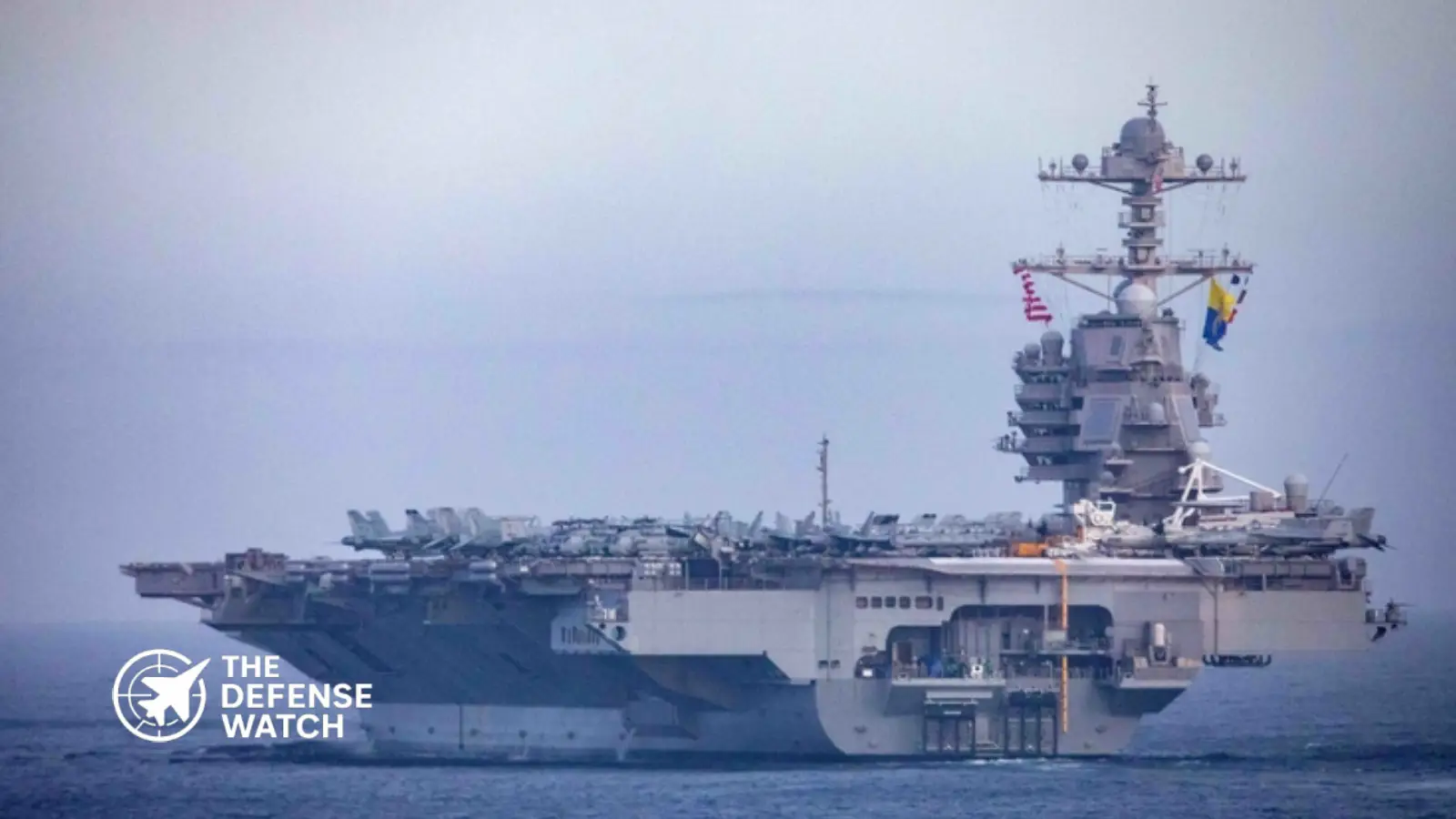
The multinational exercise, conducted as part of the U.S. Navy’s FLEETEX 250, brought together naval forces from the United States and several NATO members to rehearse maritime security missions, anti submarine warfare, amphibious operations, and vessel boarding procedures. The drills coincided with celebrations marking the 250th anniversary of the United States.
Reuters was granted access to portions of the exercise off the coast of North Carolina, where crews from allied navies demonstrated the ability to operate together in complex maritime scenarios under realistic conditions.
(adsbygoogle = window.adsbygoogle || []).push({});Multinational Naval Force Trains Across Multiple Mission Sets
Participating nations included Norway, Germany, France, Spain, Belgium, Denmark, the Netherlands, Turkey, Canada, the United Kingdom, and the United States, reflecting NATO’s continued emphasis on interoperability at sea.
Training events covered a broad spectrum of maritime operations, including:
- Maritime interdiction and boarding operations
- Anti submarine warfare
- Amphibious landing scenarios
- Command and control coordination
- Combined helicopter and surface vessel operations
One boarding exercise involved Norwegian sailors securing a U.S. Navy training support vessel using simulated weapons, mock narcotics, and fictional intelligence materials designed to replicate real world interdiction missions.
According to participating officers, working alongside U.S. forces provides valuable experience because American naval units routinely conduct global deployments across multiple theaters.
atOptions = { ‘key’ : ‘e7d18db8b7513fb2a224cf4c3f18bbf0’, ‘format’ : ‘iframe’, ‘height’ : 90, ‘width’ : 728, ‘params’ : {} };Political Debate Contrasts With Military Cooperation
The operational success of FLEETEX 250 stands in contrast to increasingly strained political discussions over NATO within the Trump administration.
President Donald Trump has continued pressing European allies to assume greater responsibility for collective defense while criticizing several member states for what he considers insufficient support for recent U.S. military operations involving Iran. His administration is also reviewing America’s military posture in Europe, including the possibility of reducing U.S. troop deployments.
Despite these debates, military cooperation among alliance members has remained largely unchanged.
The exercises demonstrated that operational planning, command integration, logistics, and tactical coordination continue to function effectively across allied naval forces regardless of ongoing political discussions.
Why FLEETEX 250 Matters
Beyond routine training, FLEETEX 250 serves several strategic purposes.
First, it validates NATO’s ability to conduct combined operations in defense of North American and transatlantic maritime approaches.
Second, the exercise reinforces interoperability among allied navies through standardized procedures, communications, and command structures developed over decades of cooperation.
Third, conducting these drills close to the U.S. homeland sends a message that NATO’s collective defense mission extends beyond Europe and includes protection of critical Atlantic sea lanes and North American maritime security.
While the exercise itself was planned well in advance, its timing has amplified its strategic significance as alliance leaders seek to reassure members that operational commitments remain intact despite political uncertainty.
Analysis: Operations Continue While Strategic Questions Persist
The most notable takeaway from FLEETEX 250 is the growing separation between political rhetoric and military execution.
At the operational level, NATO continues to function as intended. Allied ships, aircraft, and personnel regularly train together, share intelligence, and execute complex missions using common standards developed over decades.
At the strategic level, however, uncertainty surrounding future U.S. force posture has prompted European allies to increase defense spending and expand indigenous military capabilities. Recent NATO agreements calling for higher defense investment reflect recognition that Europe must assume a greater share of collective security while preserving strong transatlantic cooperation.
Military exercises such as FLEETEX 250 therefore serve two purposes. They enhance immediate operational readiness while also reassuring allies that the alliance’s military structures remain effective even during periods of political disagreement.
Unless future policy decisions directly alter force commitments or multinational training schedules, NATO’s integrated military framework is expected to continue delivering combined operational capability across the Atlantic.
Outlook
FLEETEX 250 illustrates that NATO’s military institutions continue to emphasize readiness, interoperability, and collective defense despite evolving political dynamics.
As Washington reviews its defense posture and European allies expand their own military investments, large scale multinational exercises are likely to remain an essential component of alliance deterrence, ensuring NATO forces can respond rapidly to security challenges across both Europe and North America.