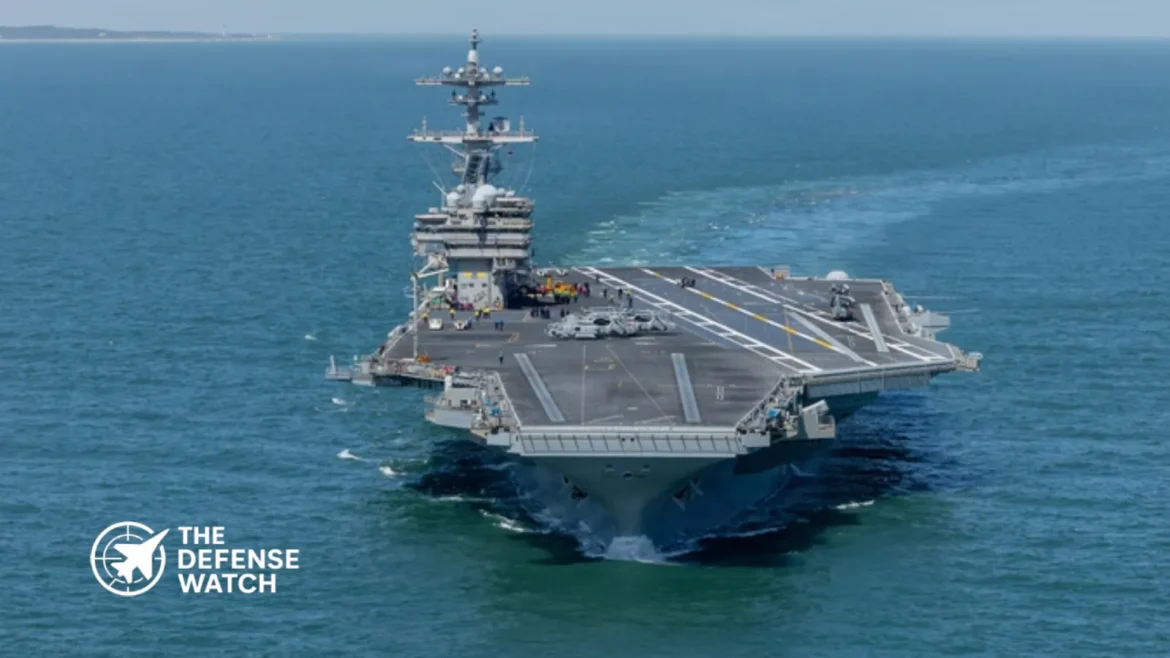
- â–º France has redeployed the Charles de Gaulle carrier strike group to the Middle East amid the expanding US Iran war.
- â–º The nuclear powered aircraft carrier carries Rafale M fighters, E 2C Hawkeye early warning aircraft, and escorting frigates.
- â–º Deployment signals Paris commitment to protecting regional stability and allied maritime routes.
- â–º Move follows intensified US military operations and growing risk of broader regional escalation.
- â–º French naval presence strengthens European role in Gulf security at a critical moment.
France Redeploys Charles De Gaulle Carrier Strike Group As Regional Conflict Widens
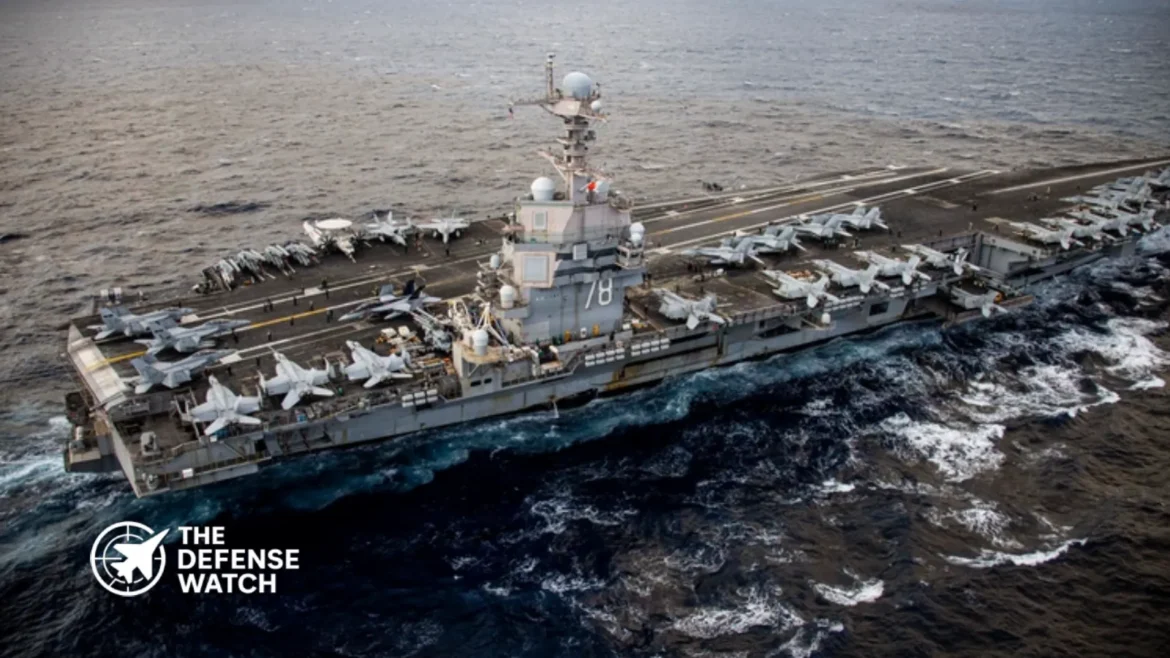
France has redeployed the Charles de Gaulle carrier strike group to the Middle East as the US Iran war expands, marking one of the most significant European naval movements in the current crisis.
The decision reflects mounting concern in Paris over regional stability and the security of maritime trade routes as US operations against Iranian targets intensify.
The deployment centers on the nuclear powered aircraft carrier French aircraft carrier Charles de Gaulle, the flagship of the French Navy. The carrier strike group includes multi mission frigates, an air defense destroyer, and support vessels designed to sustain long range operations.
Strategic Signal Beyond Symbolism
The redeployment of the France Charles de Gaulle carrier strike group is not merely symbolic.
As the only nuclear powered aircraft carrier in Europe, Charles de Gaulle provides France with independent power projection capability. Its air wing typically includes Rafale M fighter jets capable of strike, air superiority, and reconnaissance missions, alongside E 2C Hawkeye airborne early warning aircraft.
In the context of the expanding US Iran war, this capability provides Paris with options. It can conduct air patrols, intelligence missions, and if required, precision strike operations without relying on regional bases.
French officials have consistently emphasized freedom of navigation and the protection of commercial shipping through critical chokepoints such as the Strait of Hormuz. The renewed carrier presence reinforces that posture.
Coordinating With US Forces
The redeployment comes as the United States has increased its own naval and air presence in the region. Carrier strike groups traditionally operate in coordination with allied forces for air defense integration, intelligence sharing, and maritime security operations.
While France maintains strategic autonomy, its naval deployments frequently align with NATO and US objectives when interests converge. In past operations against extremist groups in Iraq and Syria, Charles de Gaulle operated alongside US forces, launching combat sorties from the eastern Mediterranean and the Gulf.
In the current environment, the French aircraft carrier Middle East deployment strengthens allied deterrence without formally merging command structures.
Risk Management And Escalation Control
From a strategic perspective, the France Charles de Gaulle carrier strike group serves two parallel purposes.
First, it deters hostile actions against French assets, European shipping, and regional partners. Second, it provides Paris with rapid response capability if French nationals or interests are threatened.
However, carrier deployments in contested waters also carry risk. Iranian anti ship missile systems, drones, and fast attack craft remain a persistent concern in the Gulf. Naval planners must account for layered air defense and electronic warfare measures to mitigate potential threats.
France modernized the carrier and its combat systems in recent years, enhancing radar, communications, and interoperability. The escorting frigates provide anti submarine, anti air, and anti surface warfare coverage, forming a layered defensive bubble around the strike group.
European Stake In Gulf Security
The redeployment underscores a broader point. The Middle East conflict is not solely a US Iran confrontation. European economies remain heavily dependent on Gulf energy flows and maritime trade routes.
By sending the France Charles de Gaulle carrier strike group, Paris signals that European security interests are directly engaged.
France has longstanding defense relationships with Gulf states and maintains regional military facilities, including bases in the United Arab Emirates. A visible naval presence reinforces those ties while demonstrating readiness.
At the same time, French leaders have traditionally balanced deterrence with diplomatic engagement. Naval deployments can serve as leverage in parallel diplomatic efforts aimed at containing escalation.
Operational Capabilities At Sea
The Charles de Gaulle carrier strike group typically embarks:
- Rafale M multirole fighters
- E 2C Hawkeye airborne early warning aircraft
- Helicopters for anti submarine and search and rescue missions
- Guided missile frigates and a fleet tanker
The carrier nuclear propulsion allows sustained high speed operations without the need for refueling, a significant advantage in extended deployments.
This mobility is central to its role in the US Iran war naval deployments environment, where rapid repositioning may be required in response to emerging threats.
What Comes Next
Much will depend on how the conflict evolves. If hostilities remain contained, the French presence may focus on deterrence and maritime security. If escalation continues, the carrier strike group provides France with credible military options.
For now, the France Charles de Gaulle carrier strike group stands as one of the most powerful European naval assets in the theater.
Its return to the Middle East signals that the strategic stakes have risen beyond bilateral confrontation. European naval power is now visibly in play.
- ► Iran and Russia reportedly signed a secret €500 million missile deal in December 2025, according to the Financial Times.
- â–º The pact covers delivery of 500 Verba man portable air defense launch units and 2,500 9M336 missiles through 2027 to 2029.
- â–º The Verba systems are infrared guided MANPADS designed to target low altitude threats including drones and cruise missiles.
- ► The deal follows damage to Iran’s air defense network during the 2025 conflict with Israel.
- â–º The agreement reflects deepening military cooperation between Tehran and Moscow.
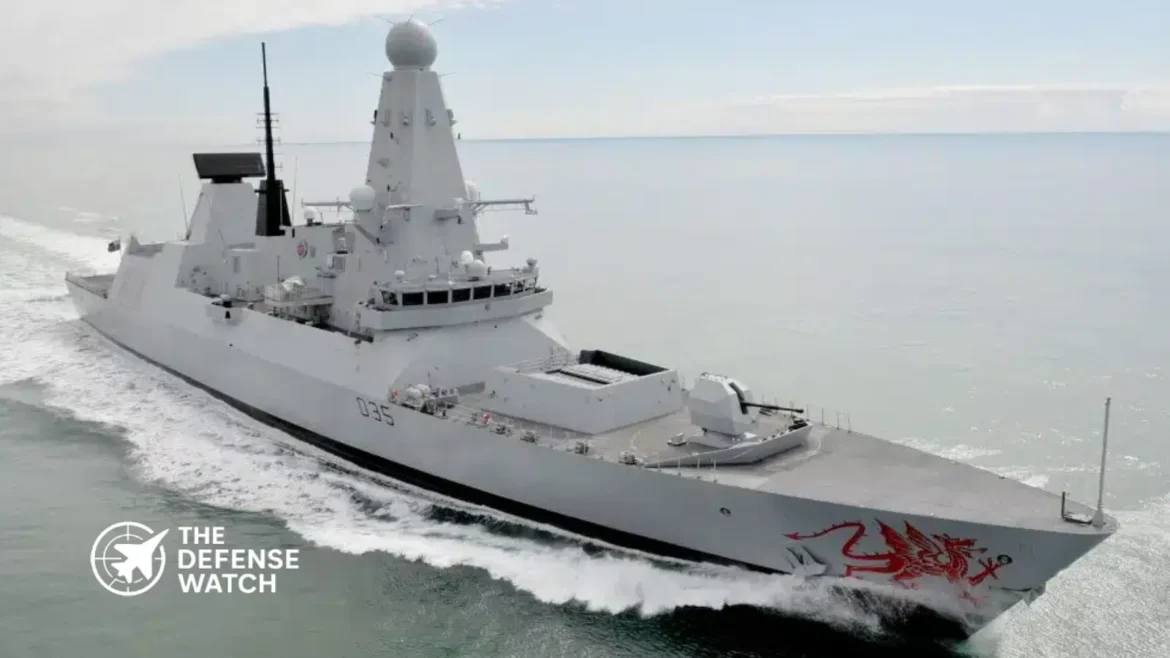
HMS Duncan Deployment Under Review As Eastern Mediterranean Tensions Rise
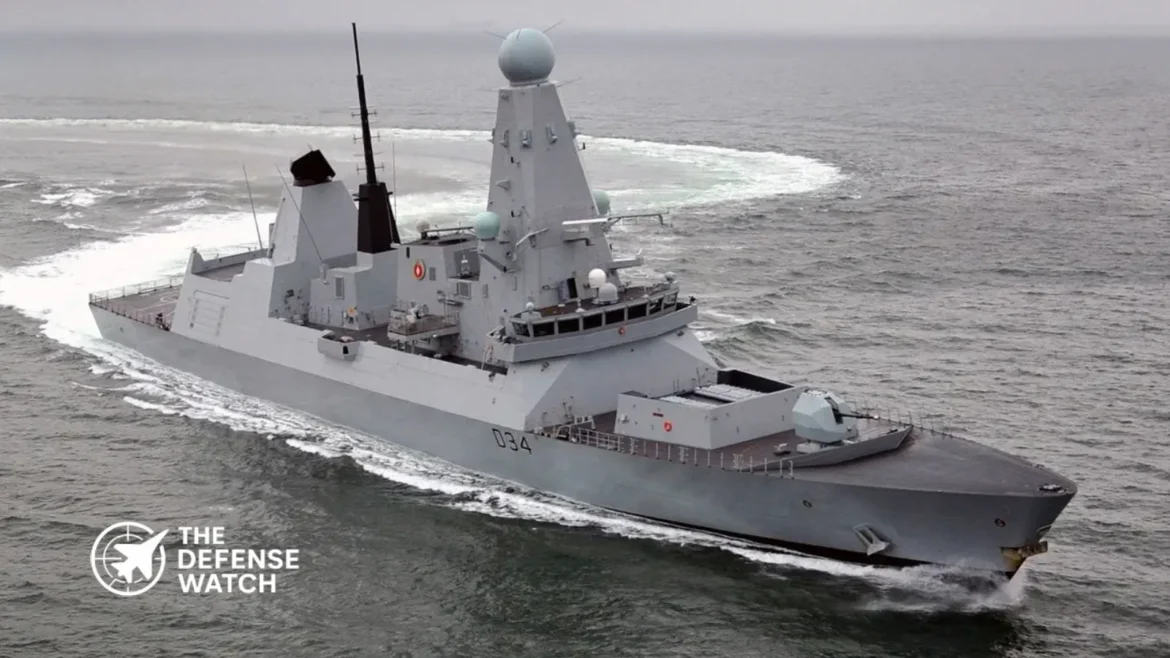
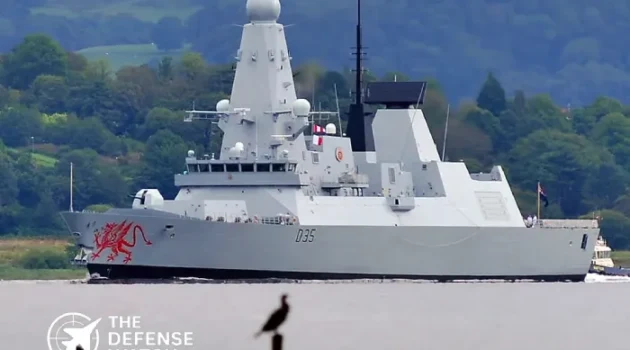
The possible HMS Duncan deployment to Cyprus reflects growing concern in London over Iranian drone and missile threats in the Eastern Mediterranean. The United Kingdom is weighing the dispatch of the Royal Navy’s Type 45 destroyer to help protect Cyprus amid escalating regional tensions.
Cyprus hosts two British Sovereign Base Areas, including RAF Akrotiri, which have long supported UK and allied operations across the Middle East. Any increase in Iranian long range drone or missile activity could put these facilities at risk, particularly during periods of heightened confrontation involving Israel or regional proxies.
Why HMS Duncan Matters
HMS Duncan is one of six Type 45 air defense destroyers operated by the Royal Navy. The class was designed specifically to counter advanced aerial threats, including supersonic anti ship missiles, ballistic missiles in limited scenarios, and increasingly, unmanned aerial systems.
Equipped with the Sea Viper air defense system, which integrates the SAMPSON multifunction radar and Aster interceptor missiles, HMS Duncan can track and engage multiple air targets simultaneously. In recent years, Type 45 destroyers have played a visible role in protecting shipping and allied forces from missile and drone attacks in the Red Sea and Gulf regions.
Deploying HMS Duncan to waters near Cyprus would provide a mobile, layered air defense capability. Unlike fixed land based systems, a destroyer can reposition rapidly based on threat intelligence and provide coverage across maritime and coastal approaches.
Iran’s Expanding Drone And Missile Footprint
Iran has invested heavily in drones, cruise missiles, and ballistic missile systems over the past decade. Systems such as the Shahed series loitering munitions have been widely used by Iranian aligned forces and exported to partners abroad. Tehran’s cruise missile inventory has also expanded, with improved guidance and extended ranges.
Western defense analysts, including assessments from the International Institute for Strategic Studies and the Center for Strategic and International Studies, have repeatedly highlighted the growing sophistication of Iran’s unmanned and missile arsenal. These systems are often used below the threshold of full scale conflict, allowing calibrated pressure without immediate escalation.
The Eastern Mediterranean has become strategically sensitive as regional actors increase military coordination and forward deployments. Cyprus, while not a frontline combatant, sits within operational range of various missile systems if tensions flare.
Strategic Signaling And Deterrence
A HMS Duncan deployment would serve both defensive and signaling purposes. Militarily, it enhances force protection for British personnel and assets on Cyprus. Politically, it signals commitment to regional stability and alliance obligations.
The UK has previously deployed naval assets to reinforce air and missile defense in response to emerging threats. In 2023 and 2024, Royal Navy ships operated alongside US and allied vessels to counter missile and drone attacks against commercial shipping.
While no final decision has been publicly confirmed, the review underscores how rapidly evolving drone and missile threats are reshaping maritime posture. Mobile air defense platforms such as Type 45 destroyers are increasingly central to deterrence in contested theaters.
Broader Implications For NATO And Regional Security
Cyprus is not a NATO member, yet the presence of UK sovereign bases links the island directly to broader alliance planning. Any Iranian strike risk against Western facilities would carry diplomatic and strategic consequences.
The potential HMS Duncan deployment also reflects a shift toward integrated air and missile defense across domains. Sea based interceptors, land based systems, and airborne early warning assets now operate as part of a layered architecture.
From a force planning perspective, this raises sustainability questions. The Royal Navy operates a limited number of Type 45 destroyers. Extended deployments to multiple theaters, from the North Atlantic to the Middle East, stretch availability. Balancing homeland defense, NATO commitments, and expeditionary roles will remain a key challenge for UK planners.
At the same time, the drone threat has lowered the cost barrier for adversaries. Cheap, expendable systems can compel advanced navies to expend high cost interceptors. That cost imbalance is driving investment in directed energy weapons and close in defenses, though those capabilities are still maturing.
Outlook
For now, the HMS Duncan deployment remains under consideration. However, the fact that it is being actively reviewed signals that UK defense planners assess the risk environment around Cyprus as credible and evolving.
As Iranian drone and missile capabilities continue to expand, maritime air defense assets will likely play a larger role in protecting forward based forces. The Eastern Mediterranean is emerging as another key arena in that evolving security landscape.
- â–º U.S. Central Command said 11 Iranian naval vessels in the Gulf of Oman were eliminated within two days.
- â–º Strike footage released by CENTCOM shows precision impacts on ships underway at sea.
- â–º The command stated Iranian forces had harassed international shipping in the region for decades.
- â–º Earlier U.S. statements said the Iranian drone carrier Shahid Bagheri was struck during Operation Epic Fury.
- â–º Independent verification of the current Iranian naval status in the Gulf of Oman is not yet available.
US Central Command Says Iranian Navy Eliminated In Gulf Of Oman
US Central Command says the Iranian Navy presence in the Gulf of Oman has been eliminated following two days of strikes, marking a major escalation in maritime security operations in the region.
In a public statement, United States Central Command said that 11 Iranian vessels operating in the Gulf of Oman were destroyed. The command posted video footage showing precision strikes hitting ships at sea.
Two days ago, the Iranian regime had 11 ships in the Gulf of Oman, today they have zero, CENTCOM wrote on social media.
The U.S. military did not disclose which platforms or munitions were used. It also did not specify whether the vessels belonged to Iran’s regular navy or to the naval arm of the Islamic Revolutionary Guard Corps, which often operates fast attack craft and patrol boats in regional waters.
Strategic Importance Of The Gulf Of Oman
The Gulf of Oman connects the Arabian Sea to the Strait of Hormuz, one of the world’s most critical energy transit routes. A significant share of global oil shipments passes through this corridor.
For decades, U.S. naval forces have maintained a presence in the area to deter attacks on commercial shipping. Washington has repeatedly accused Iranian naval units of harassing tankers and other civilian vessels.
In its latest statement, CENTCOM said freedom of maritime navigation has underpinned global economic stability for more than 80 years. U.S. forces, it added, will continue to defend it.
Drone Carrier Reportedly Hit In Opening Phase
Earlier this week, U.S. officials stated that an Iranian drone carrier, identified as the Shahid Bagheri, was struck within hours of the launch of Operation Epic Fury.
The vessel was described as a converted commercial ship modified to deploy and recover unmanned aerial systems at sea. Such platforms are intended to extend Iran’s surveillance and strike reach without relying on conventional aircraft carriers.
If confirmed, the loss of the Shahid Bagheri would represent a setback for Tehran’s efforts to expand asymmetric maritime capabilities. Drone carriers allow distributed operations and can complicate regional naval planning.
Verification And Regional Implications
As of publication, there has been no official response from Iranian authorities regarding the claim that all Iranian naval vessels in the Gulf of Oman were eliminated. Independent verification remains limited.
The scale of the reported destruction raises significant questions about escalation control in a region already marked by periodic tensions between U.S. forces and Iranian units.
From an operational standpoint, the reported elimination of 11 vessels within two days suggests a coordinated strike campaign rather than isolated engagements. The absence of detail on force composition or engagement rules leaves open questions about the broader scope of Operation Epic Fury.
Strategically, the move signals a clear intent by the United States to deter further maritime interference. However, sustained naval dominance in confined waterways such as the Gulf of Oman requires continuous presence and surveillance, not just short term strike actions.
Maritime security in the region remains closely watched by global energy markets and allied naval forces. Any disruption to shipping through the Strait of Hormuz can have immediate economic consequences.
- â–º TKMS signed pan Canadian Indigenous agreements to support its bid under the Canadian Patrol Submarine Project.
- â–º The agreements aim to ensure long term Indigenous participation in submarine construction and sustainment.
- â–º Canada plans to replace its Victoria class submarines with a new fleet under a major modernization effort.
- â–º The project is expected to be one of the largest defense procurements in Canadian history.
- ► Industrial and regional benefits are central to Ottawa’s submarine acquisition strategy.
Canadian Patrol Submarine Project Moves Into Industrial Partnership Phase
The Canadian Patrol Submarine Project is entering a critical industrial phase as Thyssenkrupp Marine Systems, known as TKMS, signed a series of pan Canadian Indigenous agreements to support its bid for Canada’s future submarine fleet.
The agreements are designed to ensure Indigenous communities and businesses have structured participation in construction, supply chain work, and long term sustainment activities if TKMS is selected.
The move aligns with Ottawa’s broader defense procurement framework, which emphasizes industrial and technological benefits alongside operational capability.
Strategic Context For Canada’s Submarine Replacement
Canada is seeking to replace the aging Victoria class submarines operated by the Royal Canadian Navy. The effort falls under the Canadian Patrol Submarine Project, a program widely viewed as one of the largest and most strategically significant defense procurements in the country’s history.
Ottawa has signaled that its next submarine fleet must provide greater endurance, under ice capability, and enhanced surveillance capacity, particularly in the Arctic and North Atlantic. The evolving security environment, including increased naval activity by Russia and growing Indo Pacific competition, has reinforced the urgency of a credible undersea deterrent.
In this context, bidders are not competing solely on platform performance. They must also demonstrate meaningful domestic industrial participation and long term economic impact.
Indigenous Participation As A Core Requirement
TKMS said the pan Canadian Indigenous agreements establish a framework for collaboration in workforce development, technology transfer, and supply chain integration. While financial details were not disclosed, the company framed the agreements as foundational rather than symbolic.
Canada’s federal procurement policy requires bidders to meet strict industrial and regional benefit obligations. Indigenous economic participation has become a growing priority within that framework.
For a submarine program expected to span decades, sustainment will likely account for a substantial portion of lifecycle costs. That creates space for long term partnerships in maintenance, repair, training, and logistics support.
From an industrial perspective, early agreements can strengthen a bidder’s credibility. They demonstrate local engagement before a contract is awarded and signal readiness to scale operations inside Canada.
Competitive Landscape And Capability Implications
TKMS is a major global submarine builder, known for conventional submarine designs exported to multiple navies. While the company has not publicly detailed its exact offer under the Canadian Patrol Submarine Project, analysts expect proposals to include advanced air independent propulsion systems and modular design features suited for extended deployments.
The Canadian requirement is unusually demanding. Submarines must operate across vast distances, in harsh climates, and potentially under Arctic ice. That raises technical questions about hull strength, sensor integration, and crew sustainability.
At the same time, political considerations carry weight. Ottawa has consistently tied large defense procurements to domestic job creation and skills development. The Indigenous agreements are therefore not peripheral. They address a key decision factor.
Industrial Strategy And Long Term Impact
The Canadian Patrol Submarine Project will shape Canada’s naval industrial base for decades. Beyond ship construction, the program could influence training pipelines, digital engineering capacity, and advanced manufacturing sectors.
For TKMS, securing structured Indigenous partnerships early in the process may improve its standing with policymakers focused on reconciliation and inclusive economic growth.
For Canada, the challenge is balancing capability, cost, and sovereign control. Submarines are among the most complex defense systems a nation can operate. They require sustained funding, technical depth, and political continuity.
The Indigenous agreements underscore that the competition is as much about long term national strategy as it is about platform selection.
As the Canadian Patrol Submarine Project advances, further clarity on timelines, budget envelopes, and shortlisted bidders will determine how quickly Ottawa can transition from legacy submarines to a modern undersea fleet.
- â–º Singapore will acquire three G550 Maritime Surveillance Aircraft for the RSAF.
- â–º The aircraft will enhance early warning of maritime threats across key sea lanes.
- ► The new jets will complement Singapore’s Boeing P 8A Maritime Patrol Aircraft fleet.
- ► The move strengthens Singapore’s maritime domain awareness and layered security network.
- ► Singapore sits astride one of the world’s busiest and most strategically vital shipping corridors.
Singapore G550 Maritime Surveillance Aircraft To Strengthen RSAF Early Warning
Singapore’s decision to acquire three Singapore G550 Maritime Surveillance Aircraft marks a significant step in enhancing the Republic of Singapore Air Force’s ability to detect and track maritime threats at extended ranges.
The new aircraft will operate alongside the existing fleet of Boeing P-8A Poseidon maritime patrol aircraft, forming part of a broader maritime security surveillance network designed to safeguard one of the world’s busiest sea routes.
According to Singapore’s Ministry of Defence, the acquisition is intended to improve early warning coverage and provide persistent maritime domain awareness across the Strait of Malacca and the South China Sea approaches.
Platform And Capabilities
The G550 platform, built by Gulfstream Aerospace, has been widely adapted for special mission roles, including airborne early warning and signals intelligence. Singapore already operates the G550 Airborne Early Warning aircraft, equipped with advanced radar systems.
While detailed sensor specifications for the maritime surveillance configuration have not been publicly disclosed, such aircraft typically carry surface search radar, electro optical and infrared sensors, and secure communications suites. These systems allow detection of surface vessels, low flying aircraft, and potentially unmanned systems over wide areas.
The addition of three dedicated maritime surveillance variants suggests a focus on persistent coverage, networked data sharing, and layered monitoring rather than replacing existing patrol aircraft.
Complementing The P 8A Fleet
The Republic of Singapore Air Force has steadily modernized its surveillance and strike capabilities over the past decade. The Boeing P 8A Poseidon, derived from the 737 airframe, provides long range anti submarine warfare and maritime patrol capabilities.
By contrast, the G550 Maritime Surveillance Aircraft is likely optimized for higher altitude, longer endurance surveillance with advanced sensor integration. This layered approach mirrors trends seen in the United States and allied forces, where different platforms share data through secure networks to build a common operating picture.
This structure reduces single platform dependency and improves resilience during high tempo operations.
Strategic Context
Singapore sits at the crossroads of global trade. The Strait of Malacca carries a significant share of global energy shipments and commercial traffic. Increased naval activity in the South China Sea, rising gray zone operations, and the growing use of unmanned systems have placed greater emphasis on persistent surveillance.
The Singapore G550 Maritime Surveillance Aircraft acquisition reflects a broader regional pattern. Several Asia Pacific nations are investing in maritime patrol aircraft, long range ISR platforms, and integrated command networks to monitor congested waters and protect sea lines of communication.
For Singapore, the move reinforces a doctrine centered on early detection, rapid response, and technological advantage. The investment signals continuity in defense planning rather than a reactionary shift.
Why It Matters
From an operational standpoint, early warning remains the foundation of deterrence. The ability to detect, classify, and track potential threats at distance provides decision makers more time and flexibility.
The Singapore G550 Maritime Surveillance Aircraft will likely serve as high altitude nodes within a connected surveillance grid, feeding real time data to air and naval units. When combined with the P 8A fleet and coastal radar systems, the RSAF strengthens its capacity to manage both conventional and non conventional maritime challenges.
In a region where sea based trade underpins national prosperity, maintaining a credible and technologically advanced surveillance network is central to long term security planning.
- â–º The UK and Norway signed a new naval helicopter cooperation agreement focused on support, training, and sustainment.
- â–º The pact strengthens collaboration between the Royal Navy and the Royal Norwegian Navy.
- â–º Cooperation includes maritime helicopter training, maintenance, and logistics support.
- â–º The agreement supports NATO operations in the North Atlantic and High North.
- â–º The move reflects broader UK Norway defense cooperation amid rising regional tensions.
UK And Norway Sign Naval Helicopter Pact To Expand Maritime Cooperation
The UK and Norway naval helicopter pact marks a new step in deepening maritime defense cooperation between London and Oslo, reinforcing operational ties across the North Atlantic and High North.
Under the agreement, both governments will enhance collaboration on naval helicopter operations, training, maintenance, and long term sustainment. The deal reflects growing alignment between the two NATO allies as security concerns intensify in Northern Europe.
Cting official statements from the UK Ministry of Defence and Norwegian authorities.
Expanding Maritime Aviation Cooperation
The UK and Norway naval helicopter pact builds on an already close defense relationship between the two countries. Both operate advanced maritime helicopters and share similar operational environments, particularly in cold weather and high latitude conditions.
The UK’s Royal Navy and Norway’s Royal Norwegian Navy routinely conduct joint exercises across the North Atlantic. Helicopters play a central role in anti submarine warfare, surface surveillance, search and rescue, and fleet protection.
While specific platform details were not fully outlined in the initial announcement, cooperation is expected to involve maritime rotorcraft used for anti submarine and anti surface missions. For the UK, this includes aircraft such as the AgustaWestland AW101 Merlin, which serves as a backbone of Royal Navy carrier and frigate operations.
Norway also operates maritime helicopter platforms designed to support frigate and coastal defense missions. Shared sustainment and training frameworks can reduce costs, improve availability, and standardize procedures.
Strategic Context: The High North And NATO
The timing of the UK and Norway naval helicopter pact is significant. The High North has become an increasingly sensitive operational theater following Russia’s expanded military activity and the broader shift in European security after the invasion of Ukraine.
The United Kingdom has steadily increased its focus on northern maritime security. British forces regularly deploy to Norway for cold weather training, and London has committed to strengthening its presence in the Arctic and North Atlantic regions.
From a NATO perspective, helicopter interoperability is more than a technical issue. Maritime helicopters extend the sensor and strike range of surface combatants. They are often the first line of detection against submarines operating in contested waters.
By aligning training and maintenance standards, the UK and Norway reduce friction during joint operations. That matters in crisis scenarios where rapid integration can determine operational effectiveness.
Sustainment And Industrial Implications
Defense cooperation agreements of this type often have industrial consequences. Shared sustainment may open opportunities for cross support arrangements, spare parts pooling, and joint maintenance hubs.
Although no major procurement announcement accompanied the pact, closer collaboration can shape future acquisition decisions. When two allies operate similar systems and share infrastructure, lifecycle costs tend to decline.
For Norway, working closely with the UK provides access to one of Europe’s most experienced naval aviation communities. For the UK, deeper ties with Norway strengthen its northern flank strategy and reinforce its credibility as a leading European naval power.
Building Long Term Defense Alignment
The UK and Norway naval helicopter pact should be seen as part of a wider pattern of bilateral and multilateral defense integration across Europe.
Both nations are active contributors to NATO maritime groups and regularly participate in allied exercises in the North Atlantic. Naval helicopters are central to these missions, especially in anti submarine warfare and maritime domain awareness.
In practical terms, joint training ensures crews can operate from each other’s ships when required. Shared maintenance practices improve aircraft readiness rates. Common doctrine reduces risk during complex operations.
These incremental steps often receive less attention than major weapons purchases. Yet they are foundational to credible deterrence. Modern maritime operations depend not just on platforms, but on sustained readiness and seamless cooperation.
Why This Pact Matters
At first glance, the UK and Norway naval helicopter pact may appear technical. In reality, it reinforces three strategic objectives.
First, it strengthens NATO’s northern maritime posture at a time of heightened tension.
Second, it improves fleet readiness through shared logistics and training.
Third, it signals long term political alignment between two key maritime nations.
As Europe continues to adapt to a more contested security environment, agreements focused on operational integration will likely become more common.
For London and Oslo, the message is clear. Maritime security in the North Atlantic and High North remains a shared priority, and naval aviation is central to that mission.
- ► China’s newest aircraft carrier is the Fujian, also known as the Type 003 carrier.
- â–º Unlike earlier carriers, Fujian uses an electromagnetic aircraft launch system instead of a ski jump ramp.
- â–º Analysts question whether its conventional power plant can sustain high sortie rates during intensive operations.
- â–º Deck layout and aircraft handling efficiency are also under scrutiny.
- ► The carrier is central to China’s long term blue water naval strategy.
China’s New Aircraft Carrier Design Flaw Raises Operational Concerns
China’s new aircraft carrier design flaw is drawing growing attention among naval analysts, as the PLA Navy pushes forward with its most advanced flattop to date. The vessel in question, widely known as the Fujian, represents a major technological leap for China’s carrier program. Yet structural and operational questions continue to surface, potentially limiting the ship’s long term effectiveness.
The discussion centers on how design decisions, particularly involving the carrier’s launch system and deck configuration, may affect sortie generation rates, aircraft handling efficiency, and overall survivability in high intensity conflict scenarios.
From Ski Jump to Catapult: A Major Transition
China’s earlier carriers, Liaoning and Shandong, used ski jump ramps for launching aircraft. While simpler, that configuration limits takeoff weight, reducing fuel and weapons loads for carrier borne fighters.

With Fujian, Beijing moved to an electromagnetic aircraft launch system, similar in concept to the EMALS technology deployed on the U.S. Navy’s USS Gerald R. Ford. This transition was intended to boost launch efficiency, support heavier aircraft, and enable fixed wing airborne early warning platforms.
However, integrating such a system into a conventionally powered hull introduces complexity. Unlike U.S. nuclear powered carriers, Fujian must rely on conventional propulsion to generate sufficient electrical power. That dynamic may constrain sustained high tempo flight operations.
The Core Design Concern
At the center of the China’s new aircraft carrier design flaw debate is how power generation, deck layout, and structural design interact.
Reports suggest that electrical output margins may be tighter than optimal for prolonged catapult intensive operations. In practical terms, this could limit the rate at which aircraft are launched during surge scenarios. In a peer level conflict, sortie rate often determines combat effectiveness more than platform count alone.
Another concern relates to deck space and aircraft handling. Modern carriers depend on carefully optimized deck choreography. Small inefficiencies compound rapidly during combat. If deck movement patterns are constrained by layout compromises, operational tempo suffers.
While Beijing has not acknowledged any issues publicly, the absence of extensive at sea operational history leaves open questions about long term reliability under sustained stress.
Implications for PLA Navy Strategy
The People’s Liberation Army Navy views aircraft carriers as central to extending maritime influence beyond the first island chain. Fujian is expected to operate the carrier variant of the Shenyang J-15, and potentially a next generation stealth aircraft derived from the Shenyang FC-31.
If launch rates or electrical reliability limit sustained air operations, the carrier’s deterrent value could be reduced. Power projection missions depend on endurance, not just initial capability.
That said, early generation design friction is not unusual. The U.S. Navy faced well documented integration challenges during the early deployment of USS Gerald R. Ford. Over time, engineering refinements improved performance.
China may follow a similar trajectory, using Fujian as a stepping stone toward a future nuclear powered carrier class.
Analysis: A Transitional Platform or Structural Constraint?
There are two ways to interpret the China’s new aircraft carrier design flaw issue.
First, it may reflect a transitional stage in China’s naval modernization. Shifting from ski jump carriers to advanced catapult systems in a single generational leap is ambitious. Technical friction is expected. If so, the lessons learned could inform the design of China’s next carrier, potentially rumored to be nuclear powered.
Second, if the flaw stems from deeper structural compromises in hull design or power architecture, correcting it may require significant redesign in future vessels. That would delay China’s timeline for achieving carrier parity with the United States.
It is also important to consider doctrine. China’s carriers may initially operate under protective layers of land based anti ship missile systems and long range aviation, rather than independently projecting power globally. In that scenario, slightly lower sortie rates may be operationally acceptable in the near term.
Still, long term ambitions clearly point toward blue water capability. For that, reliability and sustained operational tempo are non negotiable.
The Broader Naval Balance
The evolution of China’s carrier fleet has strategic implications for the Indo Pacific balance of power. The United States currently operates eleven nuclear powered aircraft carriers. China operates two ski jump carriers and is preparing Fujian for full operational deployment.
Even if Fujian faces limitations, its existence marks a significant shift in regional naval capability. It enhances Beijing’s ability to conduct joint operations, support amphibious forces, and project air power farther from mainland bases.
The question is not whether China can field carriers. It already has. The question is how effective those carriers will be in contested, high intensity scenarios.
If the design flaw proves manageable, Fujian could become the foundation for a more capable future fleet. If not, it may highlight the difficulty of compressing decades of carrier development into a single technological jump.
Conclusion
China’s new aircraft carrier design flaw underscores the complexity of modern naval aviation. The Fujian represents a bold technological advance for the PLA Navy, but ambition alone does not guarantee operational success.
As sea trials continue and air wing integration progresses, clearer data will emerge about sustained launch rates, electrical resilience, and combat readiness. Until then, analysts will continue to scrutinize how design decisions made today shape China’s maritime power tomorrow.
FAQs
What is the name of China’s newest aircraft carrier?China’s newest carrier is the Fujian, also known as the Type 003 aircraft carrier.
What is the main design concern with Fujian?Analysts question whether its power generation and deck configuration can sustain high sortie rates using electromagnetic catapults.
How does Fujian differ from earlier Chinese carriers?Unlike Liaoning and Shandong, Fujian uses an electromagnetic catapult system instead of a ski jump ramp.
Does this flaw make the carrier ineffective?Not necessarily. It may limit sustained operations, but long term improvements could address current constraints.
Will China build nuclear powered carriers next?Many analysts expect China to eventually field nuclear powered carriers to improve endurance and power generation capacity.
- â–º Norway Eelume S autonomous underwater drone designed to conduct mine countermeasures without dedicated mine hunting vessels.
- â–º Fully autonomous system operates subsea for extended periods with minimal human oversight.
- ► Supports Norway’s broader naval modernization and shift toward unmanned maritime operations.
- â–º Reflects wider NATO trend toward autonomous mine countermeasures capabilities.
- â–º Signals a potential reduction in risk to crews in high threat littoral environments.
Norway Eelume S Autonomous Underwater Drone Advances Mine Countermeasures
The Norway Eelume S autonomous underwater drone is emerging as a next generation solution to replace traditional mine hunting vessels in naval operations. Developed in Norway and reported by Army Recognition, the system is designed to conduct mine countermeasures missions without placing crewed ships in contested waters.
Unlike legacy mine hunting vessels that must enter potentially mined areas, the Eelume S operates fully autonomously below the surface. This shift reflects a broader naval trend toward unmanned and robotic systems capable of persistent, low risk operations.
From Crewed Mine Hunters To Persistent Subsea Robots
Traditional mine countermeasures operations rely on specialized surface vessels equipped with sonar and remotely operated vehicles. These ships are slow, manpower intensive, and vulnerable in high threat environments.
The Norway Eelume S autonomous underwater drone changes that model. Instead of deploying from a mine hunter each time a mission is required, the drone can remain subsea for extended durations. It is designed to dock underwater, recharge, and redeploy without constant surface support.
This approach reduces exposure of sailors and high value ships. In contested littoral zones, where naval mines remain one of the most cost effective denial weapons, removing crews from direct risk is a significant operational advantage.
The Eelume S is positioned as a direct alternative to traditional mine hunting vessels, not simply a supplementary unmanned tool. That distinction matters. It signals a structural change in fleet composition.
Technical Concept And Operational Role
The Eelume platform, originally developed for subsea inspection in the offshore energy sector, features a snake like, articulated design. This allows maneuverability in complex underwater environments.
The Norway Eelume S autonomous underwater drone adapts that architecture for defense missions. Equipped with sensors for detection and classification, it can search for, identify, and support neutralization of naval mines.
Autonomy is central to the concept. Rather than relying on continuous remote piloting, the system is designed to execute missions with minimal real time intervention. Operators can supervise from a secure location, reducing the need for forward deployed command platforms.
This aligns with broader defense investments in autonomous systems across NATO. The U.S. Navy, for example, is expanding its own unmanned surface and underwater vehicle programs under its Distributed Maritime Operations concept. European navies are also moving toward modular, unmanned mine countermeasures packages.
Strategic Context: Mines Remain A Persistent Threat
Naval mines continue to pose a serious operational challenge. From the Persian Gulf to the Baltic Sea, mines have demonstrated their ability to disrupt shipping and naval movements at low cost.
The Norwegian approach reflects lessons learned from decades of mine warfare. Dedicated mine hunting vessels are expensive to build and maintain. They require specialized crews and operate at slow speeds. In high end conflict, they may themselves become targets.
By contrast, the Norway Eelume S autonomous underwater drone offers persistence and lower visibility. It can operate quietly beneath the surface, conduct surveillance, and return to docking stations without exposing large surface assets.
For Norway, a country with an extensive coastline and strategic interest in the High North, autonomous mine countermeasures capability supports maritime domain awareness and protection of critical sea lines of communication.
Implications For NATO And Allied Navies
The introduction of the Norway Eelume S autonomous underwater drone reflects a wider transformation in naval strategy. NATO allies increasingly view unmanned systems as force multipliers rather than niche assets.
Mine countermeasures is often among the first mission sets to transition toward autonomy. The task is dangerous, repetitive, and sensor driven, making it suitable for robotic platforms.
If proven effective at scale, systems like Eelume S could reduce the requirement for large fleets of dedicated mine hunting vessels. Instead, navies may rely on modular unmanned systems deployed from multipurpose ships or fixed subsea infrastructure.
That shift would reshape procurement priorities. Funding could move from single mission hulls to flexible, software driven autonomous fleets.
Industrial And Technological Significance
The development of the Norway Eelume S autonomous underwater drone also underscores the growing overlap between commercial offshore robotics and defense applications.
Norway’s offshore energy industry has long invested in subsea inspection and intervention technologies. Leveraging that industrial base for defense provides cost and innovation advantages.
This dual use foundation may accelerate capability maturation. Commercial sectors often move faster in robotics and autonomy, allowing defense customers to adopt proven technologies rather than starting from scratch.
At the same time, military adaptation requires hardened communications, secure autonomy frameworks, and integration with command networks. Those factors will determine how rapidly such systems move from pilot deployments to full operational status.
Analysis: A Structural Shift In Mine Warfare
The most important takeaway is not the platform itself, but the doctrinal signal. Positioning the Norway Eelume S autonomous underwater drone as a replacement for traditional mine hunting vessels suggests confidence in autonomy as a primary capability.
That is a marked departure from past decades, when unmanned systems were seen as support tools.
If this model proves operationally reliable, it could reduce risk to personnel, lower lifecycle costs, and increase mission availability. Persistent subsea drones can remain on station for longer periods than crewed ships, enabling faster response to emerging threats.
However, integration challenges remain. Command and control resilience, cybersecurity, and rules of engagement for autonomous systems must be addressed carefully. Trust in autonomy will be built through testing, exercises, and real world deployments.
For now, Norway’s move places it among the more forward leaning navies in the unmanned mine countermeasures domain.
- â–º Filming activity reported at Rosyth dockyard involving a Royal Navy aircraft carrier.
- â–º HMS Prince of Wales currently undergoing maintenance and preparation cycles.
- â–º Rosyth remains a central hub for UK carrier sustainment and industrial support.
- ► The UK’s Queen Elizabeth class carriers are key to NATO maritime power projection.
- â–º Activity underscores long term investment in British naval modernization.
Royal Navy Aircraft Carrier Filming At Rosyth Draws Attention To UK Naval Power
Royal Navy aircraft carrier activity at Rosyth has drawn renewed attention to the United Kingdom’s maritime capabilities, following reports of filming taking place at the dockyard.
According to Royal Navy, cameras were spotted at the Rosyth facility in Scotland, where one of the Royal Navy’s flagship carriers is currently alongside. The activity appears linked to media or documentary production rather than operational changes, but it has nonetheless placed focus on Britain’s carrier fleet.
Rosyth dockyard, operated by Babcock International, plays a central role in the maintenance and sustainment of the Royal Navy’s largest surface combatants. The site was instrumental in assembling sections of the Queen Elizabeth class aircraft carriers and remains critical for through life support.
HMS Prince Of Wales At Rosyth
The vessel at Rosyth is understood to be HMS Prince of Wales, one of two Queen Elizabeth class aircraft carriers in service with the Royal Navy.
HMS Prince of Wales has undergone periods of maintenance and technical updates since entering service. These cycles are standard for complex warships, particularly aircraft carriers that integrate aviation systems, propulsion, combat management, and logistics at scale.
The Queen Elizabeth class, which also includes HMS Queen Elizabeth, represents the largest warships ever built for the Royal Navy. Each carrier displaces around 65,000 tonnes and is designed primarily to operate the F-35B Lightning II stealth fighter.
Why Rosyth Matters
Rosyth is more than a maintenance facility. It is a symbol of the UK’s carrier strike regeneration after a decade long gap in fixed wing carrier aviation.
The UK retired its Invincible class carriers in the early 2010s, creating a period during which Britain lacked a conventional carrier strike capability. The introduction of the Queen Elizabeth class restored that capacity and aligned the UK more closely with U.S. and NATO carrier operations.
The Rosyth facility anchors the industrial backbone behind this effort. Carrier sustainment requires a continuous pipeline of skilled labor, dock capacity, and supply chain integration. Without that infrastructure, carrier availability would degrade quickly.
In that context, even routine filming at Rosyth highlights something larger. It reflects the political and strategic importance attached to the UK’s carrier force.
Carrier Strike In A NATO Framework
The Royal Navy aircraft carrier force operates as the centerpiece of the UK Carrier Strike Group. This formation typically includes Type 45 destroyers, Type 23 frigates, support vessels from the Royal Fleet Auxiliary, and allied warships.
During its 2021 deployment to the Indo Pacific, HMS Queen Elizabeth led a multinational task group that included U.S. and Dutch vessels. The deployment signaled the UK’s intent to maintain a global maritime presence.
Today, carrier operations are increasingly tied to NATO planning, particularly in the North Atlantic and European theaters. As tensions persist with Russia and instability continues in other regions, carrier strike groups provide flexible response options.
From a U.S. perspective, British carrier capability complements U.S. Navy force posture. Interoperability with the F 35B, shared data links, and joint training enhance coalition effectiveness.
Media Spotlight And Strategic Messaging
Filming activity at Rosyth may appear routine, but defense communications matter. Public visibility reinforces domestic support for large capital ships that require significant budget allocations.
Aircraft carriers are expensive to build and sustain. Their value lies not only in combat power but also in deterrence and diplomacy. Port visits, exercises, and media coverage all contribute to that role.
By showcasing a Royal Navy aircraft carrier in dock, media projects can help illustrate the scale and complexity of the program. For taxpayers and policymakers, visibility supports accountability and transparency.
At the same time, the operational reality remains unchanged. There has been no indication of new deployments or mission shifts tied to the filming itself.
Industrial And Strategic Implications
The Queen Elizabeth class carriers represent one of the largest defense investments in modern British history. Their lifecycle will extend decades, requiring sustained funding and modernization.
Rosyth’s ongoing role ensures that the UK retains sovereign industrial capacity for major naval platforms. That factor is significant as European nations reassess defense industrial resilience.
For Washington, London’s ability to field a credible carrier strike group strengthens transatlantic burden sharing. The U.S. Navy remains the dominant carrier force globally, but allied contributions matter in contested environments.
As global maritime competition intensifies, platforms like HMS Prince of Wales serve both operational and symbolic functions.
The recent Royal Navy aircraft carrier activity at Rosyth, though centered on filming, underscores the enduring importance of Britain’s carrier program. It also highlights the industrial foundation that sustains it.
â– KEY FACTS AT A GLANCE- â–º German Navy receives BlueWhale large autonomous underwater vehicle developed by IAI and TKMS.
- â–º BlueWhale designed for intelligence, surveillance, reconnaissance and anti submarine missions.
- â–º System supports extended endurance operations without onboard crew.
- â–º Collaboration reflects expanding Israeli German naval industrial cooperation.
- â–º Delivery strengthens European focus on unmanned undersea capabilities amid rising maritime threats.
German Navy Integrates BlueWhale Large Autonomous Underwater Vehicle
The BlueWhale large autonomous underwater vehicle has been delivered to the German Navy by Israel Aerospace Industries and Thyssenkrupp Marine Systems, marking a significant step in Berlin’s push to expand unmanned maritime capabilities.
The system, developed by IAI and integrated with support from TKMS, is designed to conduct long duration intelligence, surveillance, reconnaissance, and anti submarine warfare missions without a crew onboard. According to the companies, the delivery follows testing and evaluation activities aimed at adapting the platform for German naval requirements.
The German Navy has not disclosed full operational details. However, the BlueWhale large autonomous underwater vehicle is expected to complement existing submarine and surface fleet operations.
What Is BlueWhale
The BlueWhale large autonomous underwater vehicle is a large displacement unmanned submarine platform developed by IAI. The system is built for covert, persistent underwater operations. It can carry advanced sensor suites including sonar systems for submarine detection, intelligence collection payloads, and electronic support measures.
Unlike traditional submarines, BlueWhale operates without personnel onboard. This reduces operational risk and lowers life cycle costs compared to crewed vessels. It is capable of extended missions measured in weeks, depending on configuration.
IAI has previously stated that the platform was designed to perform missions typically carried out by manned submarines, but at lower cost and without exposing crews to danger.
Strategic Context For Germany
Germany has steadily expanded its investment in naval modernization since Russia’s 2022 invasion of Ukraine reshaped European defense planning. Berlin’s special defense fund and subsequent budget increases have prioritized air defense, land forces, and maritime capabilities.
Undersea infrastructure security has become a core concern for NATO members. Incidents involving pipelines and seabed cables in the Baltic Sea have underscored vulnerabilities in Europe’s maritime domain.
In this context, the BlueWhale large autonomous underwater vehicle offers a tool for persistent seabed monitoring, anti submarine surveillance, and maritime domain awareness.
From a strategic standpoint, unmanned underwater systems provide flexibility. They can operate in contested waters where risk to crews would be unacceptable. They also enable distributed sensing, which aligns with NATO’s evolving multi domain operational concepts.
Israeli German Defense Cooperation
The collaboration between IAI and TKMS builds on longstanding defense ties between Israel and Germany. TKMS is known for constructing advanced submarines for both the German Navy and Israel’s navy.
This joint effort reflects a growing trend in European procurement. Rather than developing entirely domestic unmanned systems from scratch, governments are partnering with established defense firms that already field operational platforms.
For Israel Aerospace Industries, the German delivery strengthens its position in the European unmanned maritime market. For TKMS, it expands its portfolio beyond conventional submarines into autonomous undersea systems.
Operational Implications
The BlueWhale large autonomous underwater vehicle is not a direct replacement for crewed submarines. Instead, it acts as a force multiplier.
It can conduct pre mission intelligence gathering, map the seabed, monitor chokepoints, or track submarine activity. These missions would otherwise tie up high value crewed platforms.
For the German Navy, which operates Type 212A submarines built by TKMS, integration of unmanned systems could enhance layered undersea operations.
The broader implication is doctrinal. As more NATO members adopt large autonomous underwater vehicles, command and control frameworks will need to adapt. Secure communications, data processing, and integration with surface and air assets will be critical.
European Naval Modernization Trend
Across Europe, navies are investing in unmanned surface and underwater systems. The United Kingdom, France, and Norway have all advanced programs focused on autonomous maritime platforms.
The delivery of the BlueWhale large autonomous underwater vehicle fits squarely into this trend. It signals that large autonomous platforms are moving from concept demonstrations to operational deployment.
For Germany, the decision reinforces its shift toward higher readiness and greater technological depth within NATO.