

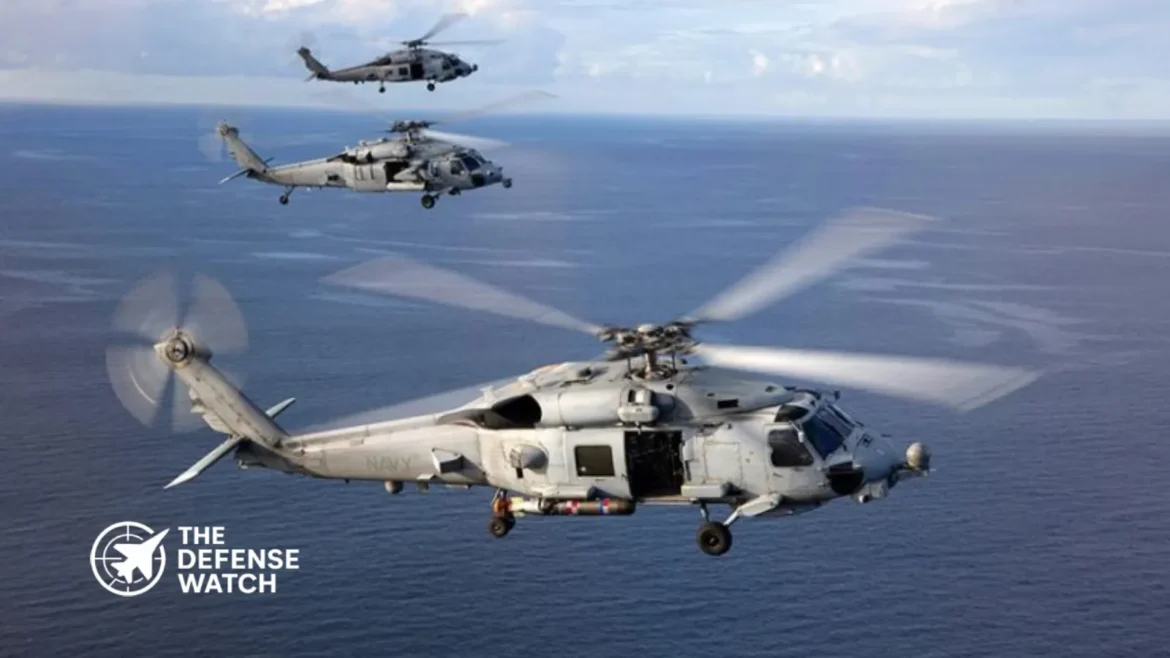
- South Korea has begun deploying MH-60R Seahawk helicopters to strengthen anti-submarine warfare operations.
- The helicopters are designed to detect, track, and engage submarines using advanced sensors and weapons.
- The move targets growing concerns over North Korea’s expanding submarine and underwater capabilities.
- MH-60R platforms integrate sonar systems, radar, and torpedoes for multi-mission maritime operations.
- Deployment reflects deeper interoperability with U.S. naval forces and regional deterrence efforts.
South Korea MH-60R Seahawk Deployment Strengthens Anti-Submarine Warfare
South Korea MH-60R Seahawk deployment marks a significant step in enhancing the Republic of Korea Navy’s anti-submarine warfare capability amid rising undersea threats from North Korea.
According to reporting by Army Recognition, Seoul has begun fielding its first batch of MH-60R Seahawk maritime helicopters, a U.S.-built platform widely regarded as one of the most advanced naval helicopters for anti-submarine and anti-surface warfare missions. The deployment comes as North Korea continues to invest in submarine-launched ballistic missile programs and quieter diesel-electric submarines.
The introduction of the MH-60R provides South Korea with a modern, networked system capable of detecting, tracking, and engaging hostile submarines across complex maritime environments.
Advanced Sensors And Weapons Enhance Maritime Awareness
The MH-60R Seahawk is equipped with a suite of advanced sensors that significantly improve situational awareness in contested waters. These include dipping sonar systems, sonobuoys, maritime surveillance radar, and electro-optical targeting systems.
This combination allows operators to detect submerged threats at extended ranges while maintaining real-time data links with surface combatants. The helicopter can deploy Mk 54 lightweight torpedoes and anti-ship missiles, giving it both defensive and offensive capabilities.
From an operational standpoint, the platform enables layered anti-submarine warfare. Surface ships can rely on airborne assets to extend their detection range, reducing response time against fast-moving or stealthy underwater threats.
This capability is particularly relevant in the Korean Peninsula, where shallow waters and dense maritime traffic complicate submarine detection.
Strategic Context: Rising North Korean Submarine Threat
The South Korea MH-60R Seahawk deployment is closely tied to evolving threats from North Korea’s naval forces. Pyongyang has prioritized the development of submarine-based deterrents, including experimental ballistic missile submarines and new classes of conventional attack submarines.
While North Korea’s submarine fleet is not as technologically advanced as those of major naval powers, its focus on asymmetrical warfare poses persistent risks. Smaller, quieter submarines operating in coastal environments can challenge traditional detection methods.
By integrating the MH-60R into its fleet, South Korea is addressing a critical capability gap in airborne anti-submarine warfare. The helicopter’s ability to operate from destroyers and frigates adds flexibility, allowing rapid deployment across multiple maritime zones.
This shift reflects a broader trend in regional naval modernization, where airborne assets are increasingly central to undersea warfare.
Interoperability With U.S. Forces And Regional Allies
Another key aspect of the MH-60R Seahawk deployment is interoperability. The platform is already widely used by the U.S. Navy and several allied nations, including Australia and India.
For South Korea, this means seamless integration into joint operations, particularly in scenarios involving combined maritime task forces. Shared systems, communication protocols, and training frameworks allow for coordinated anti-submarine operations.
This interoperability enhances deterrence by signaling a unified response capability to potential adversaries. It also improves operational efficiency during joint exercises and real-world contingencies.
In practical terms, South Korean MH-60R units can operate alongside U.S. naval forces with minimal adaptation, strengthening alliance-based maritime security in Northeast Asia.
Operational Impact On Korean Peninsula Maritime Security
The deployment of MH-60R helicopters is expected to significantly expand South Korea’s maritime surveillance and response capabilities. By extending the detection range of surface fleets, the helicopters provide early warning against submarine incursions.
They also improve response speed. Instead of relying solely on ship-based sensors, commanders can deploy helicopters to investigate contacts, track targets, and engage if necessary.
This layered approach reduces vulnerabilities in coastal defense and strengthens protection of key sea lines of communication. Given the strategic importance of maritime trade routes to South Korea’s economy, enhanced naval aviation capability plays a critical role in national security.
From a broader perspective, the deployment underscores the increasing importance of anti-submarine warfare in modern naval strategy. As submarine technologies evolve, so too must the tools used to counter them.
Analysis: A Targeted Capability Upgrade With Strategic Implications
The South Korea MH-60R Seahawk deployment is not just a platform upgrade, it represents a focused investment in undersea warfare dominance.
While surface ships and submarines remain central to naval power, airborne assets like the MH-60R are becoming indispensable in detecting and neutralizing underwater threats. The ability to rapidly deploy sensors and weapons from the air adds a critical dimension to maritime operations.
In the context of the Korean Peninsula, where geographic and operational constraints complicate traditional naval engagements, this capability is especially valuable. It allows South Korea to counter North Korea’s submarine strategy more effectively without relying solely on expensive or time-intensive ship deployments.
At the same time, the move aligns with broader U.S.-allied efforts to strengthen maritime security across the Indo-Pacific. By adopting a widely used platform, South Korea enhances both its independent defense posture and its role within allied frameworks.
- DragonFire laser weapon is scheduled for Royal Navy deployment on a Type 45 destroyer in 2027.
- System developed by MBDA UK, Leonardo UK, QinetiQ, and DSTL under a national program.
- Designed to counter drones, mortar rounds, and other aerial threats using a high energy laser.
- Two major firing trials completed in 2025 support transition toward operational readiness.
- Represents one of Europe’s earliest naval directed energy weapon deployments.
Royal Navy DragonFire Laser Weapon Advances Toward 2027 Deployment
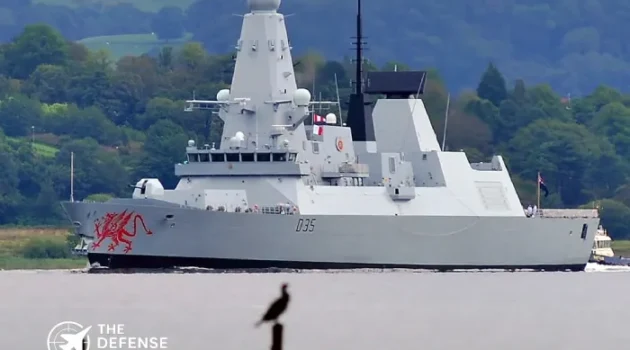
The Royal Navy DragonFire laser weapon is progressing toward operational deployment in 2027 aboard a Type 45 destroyer, marking a key milestone in the United Kingdom’s directed energy program. The system has completed multiple firing trials and is now transitioning from experimental validation to integration on a frontline warship.
The Ministry of Defence has reiterated that the program remains on track, with contracts awarded and system development continuing under an established timeline rather than a newly accelerated schedule.
The Big Picture
Naval forces worldwide are adapting to a changing threat environment shaped by the rapid growth of unmanned systems and low cost precision weapons. Drones, loitering munitions, and saturation attacks are increasingly challenging traditional shipborne defenses.
Directed energy weapons such as the DragonFire laser represent a shift toward scalable, cost efficient interception methods. Instead of relying solely on missile based defenses, navies are exploring layered systems that combine kinetic interceptors with high energy lasers.
For NATO members, this capability contributes to broader modernization goals focused on resilience, cost control, and sustained operations in contested maritime environments.
What’s Happening
The UK government confirmed that DragonFire remains on course for Royal Navy deployment in 2027 following a written parliamentary response from Defence Minister Lord Coaker. The statement emphasized continued commitment to development, testing, production, and integration of the system.
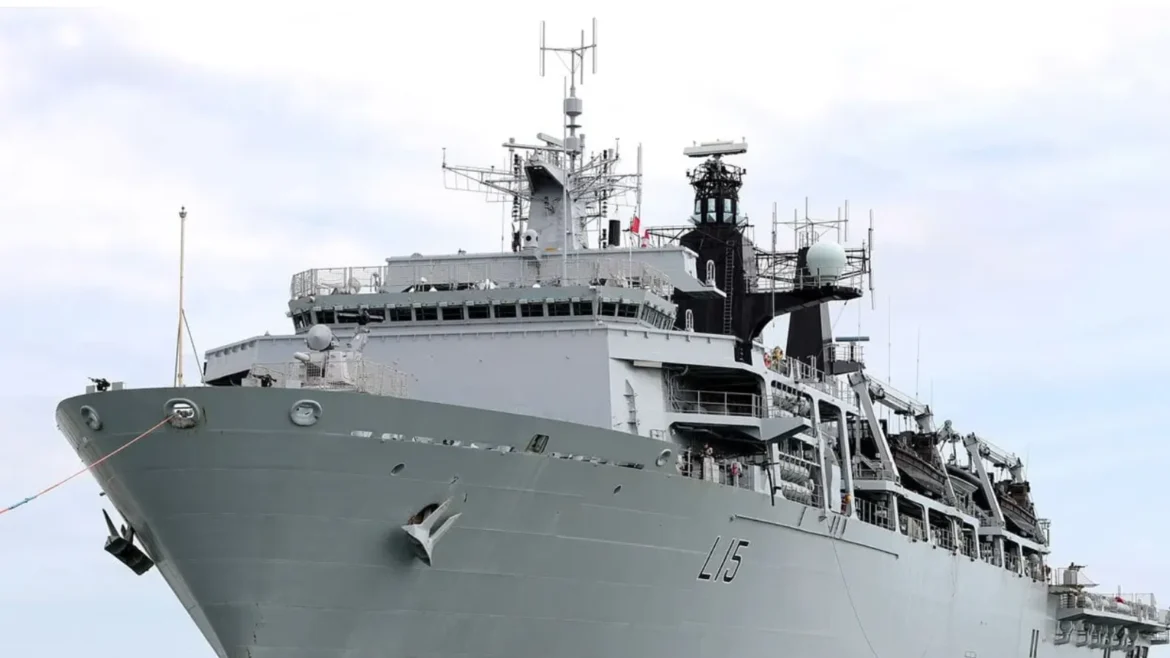
A contract for the first two DragonFire systems was awarded to MBDA UK in November 2025. The initial installation is planned for a Type 45 destroyer, a class already central to the Royal Navy’s air defense role.
Two major firing trials conducted in 2025 demonstrated the system’s ability to track and engage aerial targets. The trials took place at established UK test ranges, supporting confidence in the transition toward operational use.
DragonFire is developed by a consortium including MBDA UK, Leonardo UK, QinetiQ, and the Defence Science and Technology Laboratory, reflecting a multi industry approach to directed energy development.
Why It Matters
The DragonFire laser weapon introduces a fundamentally different engagement model compared to conventional naval interceptors. It uses a high energy laser in the 50 kilowatt class to engage targets at the speed of light, enabling rapid response against fast moving threats.
The system’s reported low cost per shot, estimated at around £10, significantly reduces the economic burden of defending against inexpensive threats such as drones or mortar rounds. This cost advantage is particularly relevant in scenarios involving repeated or massed attacks.
From an operational standpoint, the ability to engage multiple targets without expending physical munitions enhances a ship’s endurance during extended missions. This is especially important for deployed naval forces operating far from resupply lines.
The Royal Navy DragonFire laser also represents a step toward integrating directed energy into layered defense architectures, complementing existing missile and gun systems.
Strategic Implications
The introduction of the DragonFire system strengthens the Royal Navy’s defensive posture by adding a new engagement layer against aerial threats. It improves the survivability of high value naval assets such as destroyers and aircraft carriers.
As a directed energy system, it may reduce reliance on stored missile inventories during high tempo operations. This has implications for logistics planning and sustained naval presence in contested regions.
For NATO, the deployment supports collective defense objectives by contributing to shared technological advancement. It may also inform future allied programs focused on integrating laser weapons into multi domain operations.
At the strategic level, the system enhances deterrence by complicating adversary planning. Potential opponents must now account for an additional defensive layer capable of neutralizing certain classes of threats at low cost.
Competitor View
China has publicly demonstrated ship mounted laser technologies and continues to expand its directed energy research across naval and ground platforms. The United Kingdom’s deployment of DragonFire aligns with broader global competition in this domain.
Russia has also explored laser based systems, though operational deployment on naval platforms appears less mature. Both countries are likely monitoring Western progress in integrating such systems into frontline fleets.
Regional actors with access to low cost unmanned systems may reassess their tactics in light of the increasing availability of laser based defenses. Saturation strategies could evolve to account for both kinetic and directed energy intercept layers.
What To Watch Next
The next key milestone is the integration of DragonFire onto a Type 45 destroyer, scheduled for 2027. This will mark the system’s transition from testing environments to operational naval service.
Future developments may include expanded trials at sea, evaluation under varied environmental conditions, and potential upgrades in power output or tracking capabilities.
Additional procurement decisions could follow depending on performance outcomes, with possible expansion across multiple vessels in the Royal Navy fleet.
Capability Gap
The Royal Navy DragonFire laser addresses a growing gap in defending against low cost, high volume aerial threats. Conventional missile systems remain effective but are not optimized for sustained engagements against swarms or repeated attacks.
Laser weapons provide a complementary solution, but they are not without limitations. Their effectiveness depends on line of sight and can be reduced by adverse weather conditions such as fog, rain, or atmospheric distortion.
Power generation and thermal management also impose constraints on sustained firing rates. These factors require careful integration with ship systems to ensure consistent performance during operations.
The Bottom Line
The DragonFire laser weapon’s planned deployment marks a measured but significant step in integrating directed energy into Royal Navy surface combatant operations.
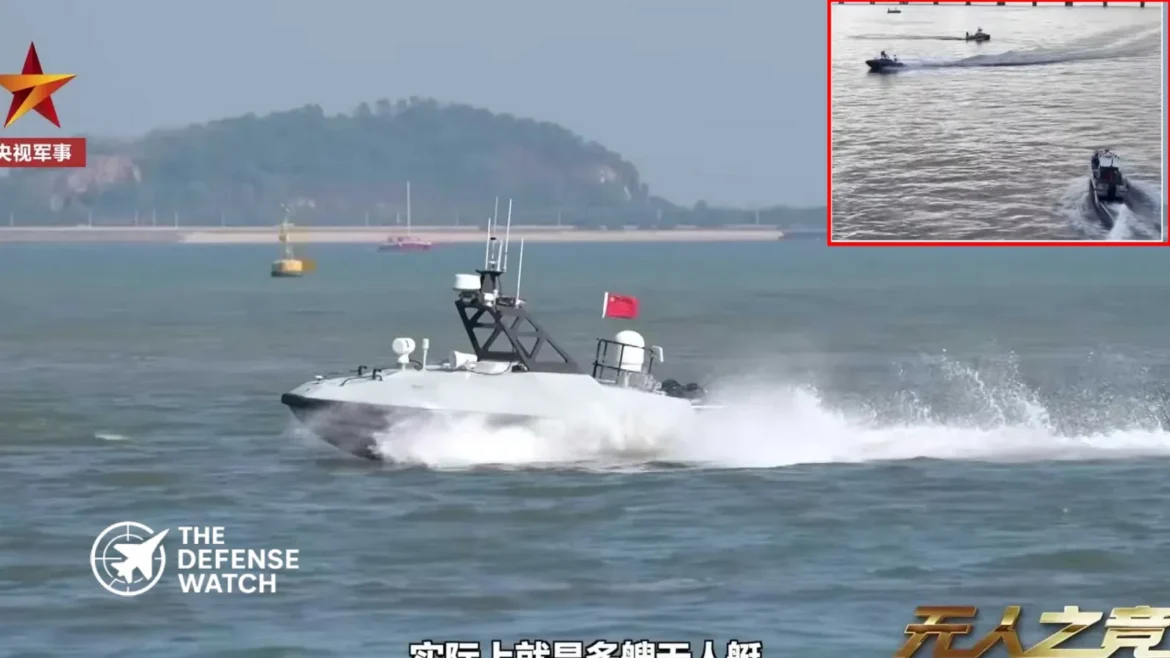
- China has tested an autonomous maritime drone swarm designed for coordinated naval operations.
- The system features multiple unmanned surface vessels operating with AI-driven coordination.
- The drone swarm is intended to counter advanced naval forces, including US carrier strike groups.
- The test reflects China’s growing focus on asymmetric maritime warfare capabilities.
- Analysts see swarm systems as a cost-effective way to challenge high-value naval assets.
China Advances Autonomous Maritime Drone Swarm Capabilities
China’s autonomous maritime drone swarm program is gaining momentum, with recent tests demonstrating coordinated unmanned surface operations aimed at countering future U.S. naval deployments.
The system involves multiple unmanned surface vessels operating together using artificial intelligence, allowing them to coordinate movement, share targeting data, and execute missions with limited human input. This approach reflects a broader shift in naval warfare toward distributed and autonomous systems.
Unlike traditional naval platforms, the drone swarm is designed to overwhelm defenses through numbers and coordination rather than relying on a single high-value platform.
A New Layer Of Naval Warfare
The tested autonomous maritime drone swarm represents a significant evolution in how naval engagements could unfold. Instead of relying solely on large warships, China appears to be investing in scalable, lower-cost unmanned systems capable of operating in contested environments.
According to reporting, the swarm can perform reconnaissance, surveillance, and potentially strike missions. These drones can disperse across a wide area, making detection and targeting more difficult for adversaries.
This model aligns with modern naval doctrine trends, where distributed lethality and networked systems are becoming central concepts. The ability to deploy dozens or even hundreds of small autonomous vessels creates a new operational challenge for traditional fleets.
Strategic Focus On Countering US Naval Power
The development of the autonomous maritime drone swarm is widely viewed as part of China’s broader effort to counter the technological and operational advantages of the U.S. Navy.
Carrier strike groups, long considered the backbone of U.S. naval power, are designed to project force globally. However, swarm systems could complicate their operations by introducing saturation attacks that strain defensive systems.
In a potential conflict scenario, even a relatively low-cost swarm could force high-value assets to expend expensive interceptors or reposition defensively. This dynamic shifts the cost equation, favoring the attacker.
Operational Advantages And Limitations
From an operational standpoint, autonomous maritime drone swarm systems offer several advantages:
- Reduced risk to personnel
- Lower production and deployment costs
- Scalability for mass operations
- Flexibility across mission types
However, limitations remain. Communication links, electronic warfare vulnerabilities, and environmental conditions can affect performance. Maintaining reliable coordination among multiple autonomous units in contested electromagnetic environments is still a technical challenge.
Despite these constraints, continued testing suggests that China is making steady progress in refining these systems.
Broader Implications For Naval Strategy
The emergence of autonomous maritime drone swarm technology signals a broader transformation in naval strategy. Traditional dominance based on large, heavily armed vessels is increasingly being supplemented by distributed, unmanned systems.
For the United States and its allies, this trend underscores the need to invest in counter-swarm technologies, including:
- Advanced electronic warfare systems
- Directed energy weapons
- Improved detection and tracking capabilities
The U.S. Navy has already begun exploring similar concepts, but China’s recent testing highlights the accelerating pace of development in this domain.
Analysis: Shifting The Balance At Sea
The autonomous maritime drone swarm concept reflects a clear strategic calculation. Rather than matching the U.S. Navy ship for ship, China is focusing on asymmetric capabilities that exploit cost and scale advantages.
This approach mirrors trends seen in other domains, including aerial drone warfare, where relatively inexpensive systems have proven effective against more advanced platforms.
If successfully operationalized, swarm systems could complicate U.S. naval planning, particularly in regions like the South China Sea and Western Pacific, where geography already favors distributed operations.
At the same time, the effectiveness of such systems in high-intensity conflict remains unproven. Real-world conditions, including electronic warfare and countermeasures, will ultimately determine their impact.
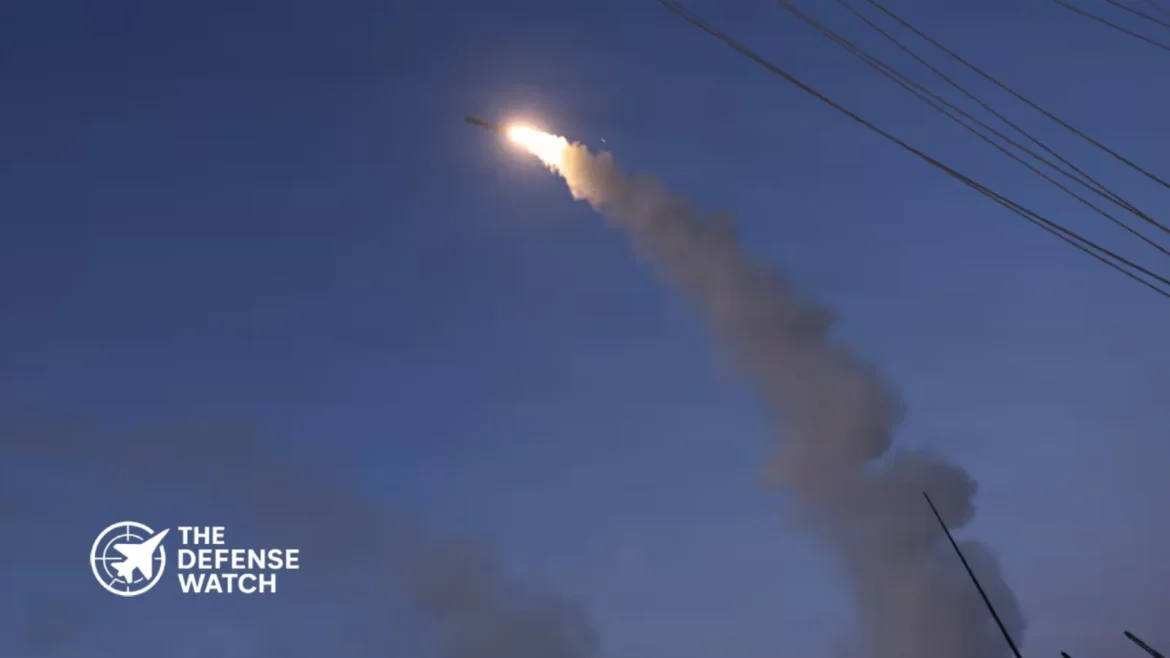
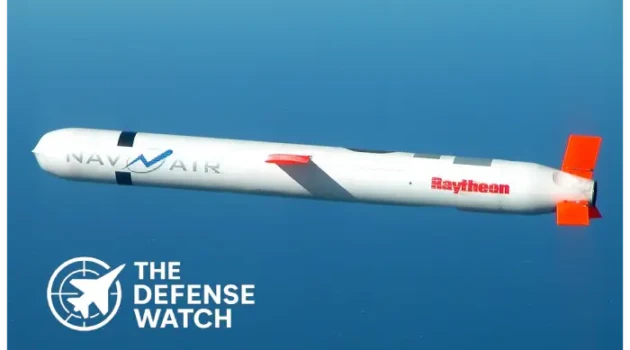
- Japan has enabled its destroyers to launch Tomahawk cruise missiles for long-range strike missions.
- The capability relies on vertical launch systems compatible with U.S.-made Tomahawk missiles.
- The move strengthens Japan’s deterrence posture amid rising Indo-Pacific security tensions.
- Tokyo plans to deploy hundreds of Tomahawks as part of its broader defense buildup through the late 2020s.
- The development marks a shift toward counterstrike capability in Japan’s defense policy.
Japanese Destroyer Tomahawk Capability Expands Operational Reach
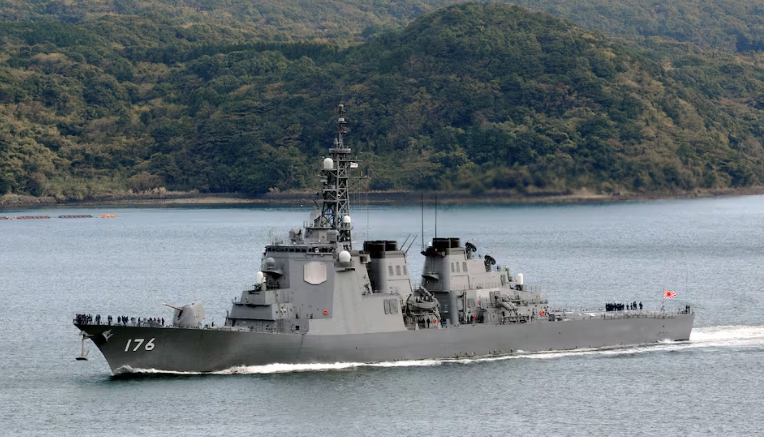
Japanese destroyer Tomahawk capability now allows Japan’s Maritime Self-Defense Force to conduct long-range precision strikes, marking a major shift in the country’s defense posture and operational reach.
Japan has begun integrating U.S.-made Tomahawk land-attack cruise missiles into its destroyer fleet, enabling strikes at ranges exceeding 1,000 kilometers. The move reflects Tokyo’s evolving security strategy as it responds to increasing regional threats.
The Big Picture
Japan’s decision to field long-range strike weapons aligns with a broader shift in Indo-Pacific security dynamics. Regional military competition continues to intensify, particularly amid growing missile inventories and naval expansion by China and North Korea.
The United States has encouraged allies to enhance their strike capabilities to support distributed deterrence. Japan’s adoption of Tomahawk missiles fits within this framework, improving interoperability with U.S. forces while expanding its own independent options.
Tokyo’s updated National Security Strategy explicitly calls for counterstrike capabilities, signaling a departure from its traditionally defensive-only posture.
What’s Happening
Japan is equipping select destroyers with Tomahawk cruise missiles, according to reporting from Defense News. The capability builds on existing vertical launch systems already deployed on Aegis-equipped ships.
The Tomahawk is a proven, long-range, subsonic cruise missile designed for precision strikes against land targets. It uses terrain-following guidance and GPS navigation to reach targets with high accuracy.
Japan has agreed to purchase hundreds of these missiles from the United States, with deliveries expected to begin in the coming years. Initial deployment will focus on enhancing maritime strike flexibility.
The destroyers involved are expected to include Aegis-class vessels capable of integrating advanced missile systems without major structural changes.
Why It Matters
This development significantly expands Japan’s operational toolkit.
Tomahawk integration provides Japan with a credible stand-off strike capability. This allows engagement of targets without exposing ships to high-risk zones, increasing survivability in contested environments.
The move also enhances joint operations with U.S. forces. Shared systems simplify logistics, targeting coordination, and mission planning.

AFP Photo / Jiji Pres From a technological perspective, the integration demonstrates Japan’s ability to adapt existing platforms to new mission profiles, reducing the need for entirely new ship classes.
Strategic Implications
Japan’s new capability strengthens deterrence by complicating adversary planning.
Long-range strike options allow Japan to hold critical infrastructure, command centers, and missile sites at risk. This raises the cost of potential aggression.
The capability also supports distributed maritime operations. Japanese destroyers can now contribute to offensive strike missions alongside U.S. naval forces, extending the reach of allied operations across the Indo-Pacific.
At the same time, the move reinforces Japan’s role as a more proactive security actor. This shift aligns with broader efforts to balance regional power dynamics.
Competitor View
China is likely to interpret the Japanese destroyer Tomahawk capability as part of a broader containment strategy led by the United States and its allies.
Beijing has consistently criticized regional missile deployments that expand strike ranges. The addition of Tomahawks to Japan’s arsenal introduces new variables into China’s military planning, particularly regarding coastal and inland targets.
North Korea may also view the development as a direct threat to its missile infrastructure. Pyongyang’s emphasis on survivable and mobile systems reflects an effort to counter such capabilities.
Russia, while less directly affected in the Pacific context, has also raised concerns about the proliferation of long-range precision strike systems among U.S. allies.
What To Watch Next
Japan’s next steps will focus on operational integration and doctrine development.
Key milestones include:
Crew training and mission planning adaptation
Integration with targeting and intelligence networks
Coordination with U.S. Indo-Pacific Command
Expansion of missile inventory over timeObservers will also track whether Japan expands the capability to additional platforms, including future surface combatants or submarines.
Capability Gap
Japan historically lacked a long-range strike option beyond its immediate defensive perimeter.
The Japanese destroyer Tomahawk capability addresses this gap by providing a credible counterstrike option. This is particularly relevant in scenarios involving missile launches from adversary territory.
However, limitations remain.
Tomahawk missiles are subsonic and can be vulnerable to advanced air defense systems. Their effectiveness depends heavily on accurate targeting data and mission planning.
Japan must also integrate intelligence, surveillance, and reconnaissance systems to fully exploit the capability.
The Bottom Line
Japan’s adoption of Tomahawk missiles transforms its destroyers into long-range strike platforms, strengthening deterrence and reshaping its role in Indo-Pacific security.
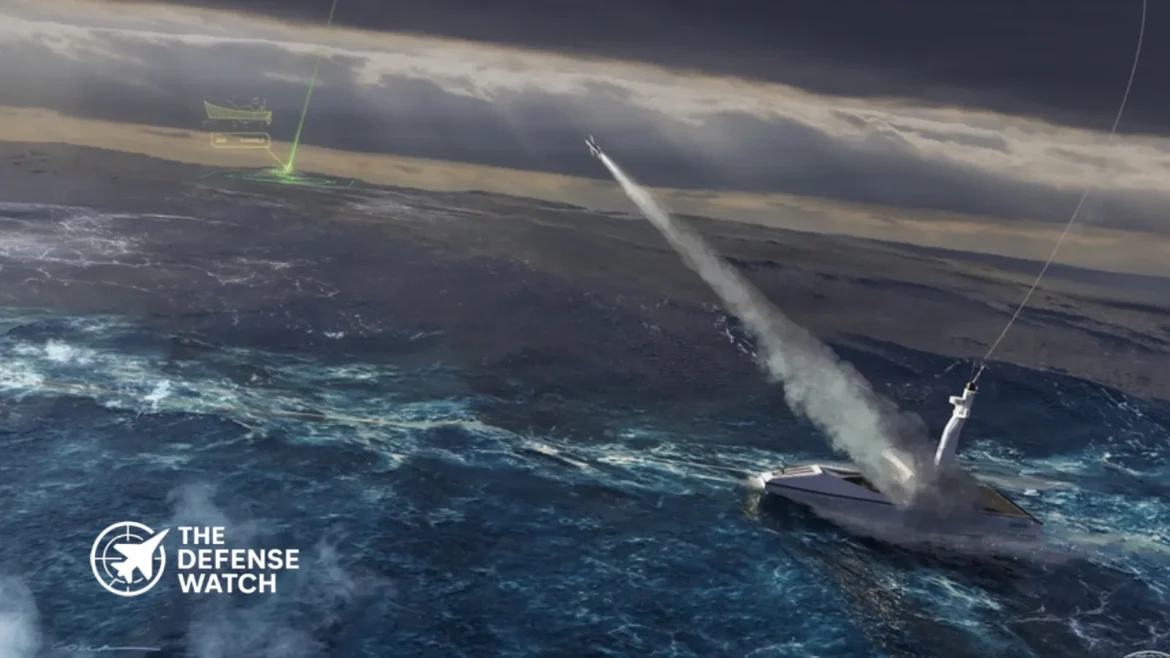
- The United States has deployed uncrewed drone boats in operational environments linked to tensions with Iran.
- These systems are part of a broader U.S. Navy effort to expand autonomous maritime surveillance and deterrence.
- The vessels operate with minimal human input, using AI-enabled sensors and remote command systems.
- Deployment reflects increasing focus on countering Iranian naval activity in the Persian Gulf region.
- The move signals a wider shift toward integrating unmanned platforms into frontline naval operations.
US Deploys Uncrewed Drone Boats In Conflict With Iran
The US deploys uncrewed drone boats in conflict with Iran as part of a growing effort to enhance maritime surveillance and deterrence in contested waters, according to reporting by Defense News. The move highlights the U.S. Navy’s accelerating adoption of autonomous systems in operational environments.
These uncrewed surface vessels (USVs), often referred to as drone boats, are designed to operate with limited human oversight while providing persistent monitoring capabilities. Their deployment comes amid heightened tensions between Washington and Tehran, particularly in and around the Persian Gulf.
Expanding Role Of Naval Autonomy
The decision to deploy drone boats reflects a broader shift in U.S. naval strategy. The Navy has increasingly prioritized unmanned systems to extend operational reach without exposing personnel to risk.
Unlike traditional patrol vessels, these platforms can remain at sea for extended periods. Equipped with advanced sensors, cameras, and communications systems, they gather real-time intelligence and relay it to command centers.
Defense officials cited by Defense News indicate that the systems are already contributing to maritime domain awareness, especially in monitoring Iranian naval movements and commercial shipping lanes.
This approach aligns with ongoing initiatives such as Task Force 59, a U.S. Navy unit focused on integrating unmanned systems and artificial intelligence into fleet operations.
Strategic Context In The Iran Theater
The deployment of uncrewed drone boats in conflict with Iran is closely tied to persistent security concerns in the region. The Persian Gulf remains a critical chokepoint for global energy flows, and any disruption carries significant economic implications.
Iran has previously been linked to incidents involving commercial vessels, including harassment and seizures. In this environment, persistent surveillance becomes essential.
Drone boats offer a cost-effective way to maintain continuous presence. They can patrol wide areas, track suspicious activity, and provide early warning without requiring large crews or expensive manned ships.
From a strategic standpoint, this capability strengthens deterrence. It signals that the U.S. can maintain visibility and responsiveness even in contested waters.
Operational Advantages And Limitations
The use of drone boats provides several operational advantages. First, they reduce risk to personnel. Second, they allow for scalable deployment, meaning multiple units can be fielded simultaneously at lower cost.
However, these systems are not without limitations. Communication links can be vulnerable to disruption, particularly in electronic warfare environments. Additionally, rules of engagement for autonomous or remotely operated systems remain a complex issue.
Despite these challenges, the U.S. Navy continues to expand testing and operational use. Officials emphasize that unmanned systems are intended to complement, not replace, traditional naval assets.
Implications For Future Naval Warfare
The fact that the US deploys uncrewed drone boats in conflict with Iran underscores a broader transformation in naval warfare. Autonomous systems are moving from experimental phases into real-world operations.
This shift is not limited to the United States. Other nations, including China and Russia, are also investing heavily in unmanned maritime platforms. The result is an increasingly competitive environment where technological advantage plays a key role.
For the U.S., maintaining leadership in this domain is seen as critical. The integration of AI, machine learning, and networked systems into naval operations is expected to define future maritime strategy.
Analysis: A Measured But Significant Shift
While the deployment may appear incremental, its implications are substantial. The use of drone boats represents a shift from platform-centric warfare to network-centric operations.
Instead of relying solely on large, high-value ships, the Navy is building a distributed force. This approach enhances resilience and complicates adversary targeting.
At the same time, the deployment sends a calibrated signal to Iran. It demonstrates capability without escalating to more visible or provocative measures, such as additional warship deployments.
In practical terms, the strategy allows the U.S. to maintain pressure and awareness while managing escalation risks.
What Comes Next
Looking ahead, the role of uncrewed systems is expected to expand further. Additional deployments, integration with aerial drones, and enhanced AI capabilities are likely areas of focus.
The continued use of drone boats in the Iran theater may also serve as a testing ground for broader operational concepts.
As the US deploys uncrewed drone boats in conflict with Iran, it marks a clear step toward a more automated and data-driven approach to maritime security.
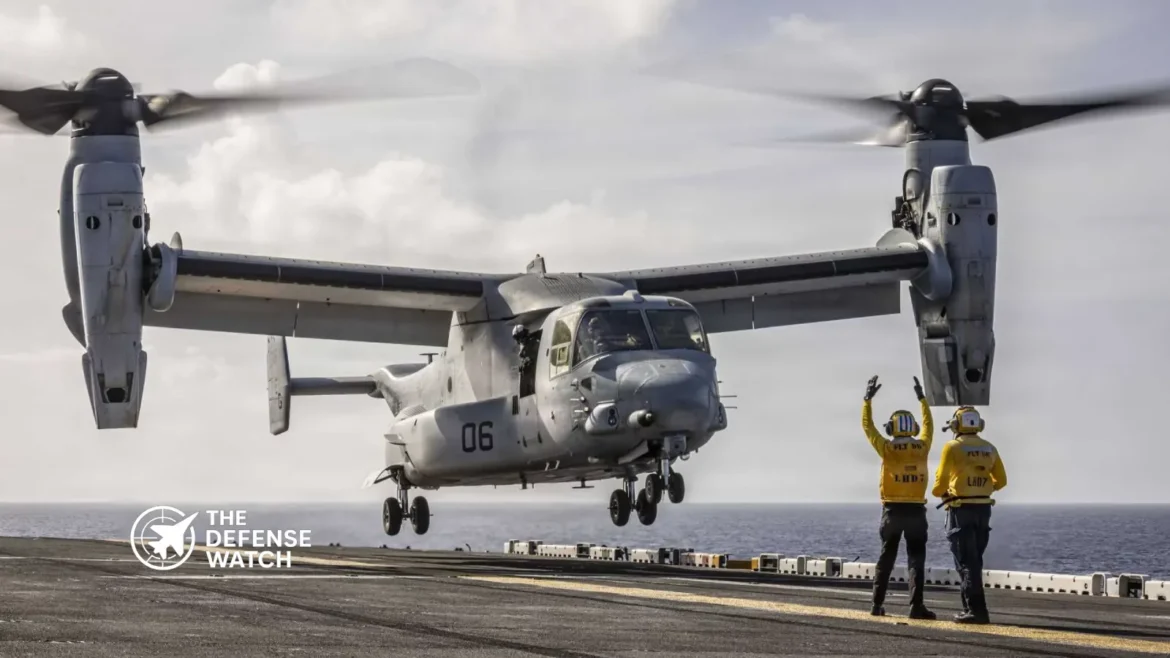
- ► The USS Iwo Jima ARG and embarked 22nd Marine Expeditionary Unit remain deployed in Caribbean Sea operations targeting drug trafficking.
- ► U.S. SOUTHCOM frames the patrols as part of broader efforts to counter transnational criminal networks in key transit routes.
- ► ARG capabilities include rapid maritime interdiction, aviation launch support, and amphibious maneuver options.
- ► Deployment supports the U.S. military counter drug trafficking campaign in the Caribbean.
- ► Persistent presence strengthens regional maritime security and partner coordination.
U.S. Navy Iwo Jima ARG Strengthens Caribbean Operations
The US Navy Iwo Jima Amphibious Ready Group continues forward maritime operations in the Caribbean Sea targeting drug trafficking networks and reinforcing regional security, according to a March 26 report.
Forward deployed under US Southern Command, the ARG and its embarked 22nd Marine Expeditionary Unit remain positioned to conduct a broad set of maritime missions, from counter-narcotics patrols to rapid crisis response across key sea lanes. The continued deployment reflects a sustained U.S. military presence in an area of strategic interest for transnational criminal interdiction.
The centerpiece of this task force is the Wasp-class amphibious assault ship USS Iwo Jima, equipped to support joint sea and air operations. The group sails with additional amphibious platforms capable of launching MV-22B Osprey tiltrotor aircraft, which extend operational reach for interdiction and surveillance over wide maritime areas.
Deployment Context and Strategic Goals
U.S. naval and Marine assets including ships and aviation platforms have been operating in the Caribbean since mid-2025 as part of Operation Southern Spear, a campaign to counter narcotics trafficking and organized criminal networks in the region.
This broader effort has seen the United States deploy multiple surface combatants and amphibious units alongside sustained air and maritime interdiction actions. Authorities say these measures aim to degrade smuggling routes that reach into the U.S. domestic market while bolstering regional cooperation with Caribbean and Central American partners.
The Iwo Jima ARG’s presence also underpins allied confidence in maritime security. Persistent operations enhance early detection of suspect activity at sea, provide rapid response options, and act as a deterrent to sea-borne criminal logistics.
ARG Capabilities and Mission Focus
The Iwo Jima ARG, with its embarked Marine expeditionary force, is structured around an integrated ground and air task element able to shift between missions quickly. The flexibility of amphibious platforms allows command teams to project force across multiple domains without fixed bases, a key advantage in dispersed Caribbean operations.
MV-22B Ospreys provide long-range reach, capable of extended patrols, rapid personnel movement, and logistics support across maritime zones that span hundreds of miles. This mix of sea and air capability is critical in counter-trafficking missions where speed of response and wide area coverage directly affect operational success.
Regional Security and U.S. Commitment
Persistent U.S. naval operations in the Caribbean are intended to reinforce deterrence and reassure regional partners navigating longstanding security challenges. U.S. forces coordinate with other agencies and allied navies to share information, enhance interdiction efforts, and build collective maritime domain awareness.
This forward presence aligns with strategy documents outlining the importance of maritime security for both hemispheric stability and U.S. national interests.
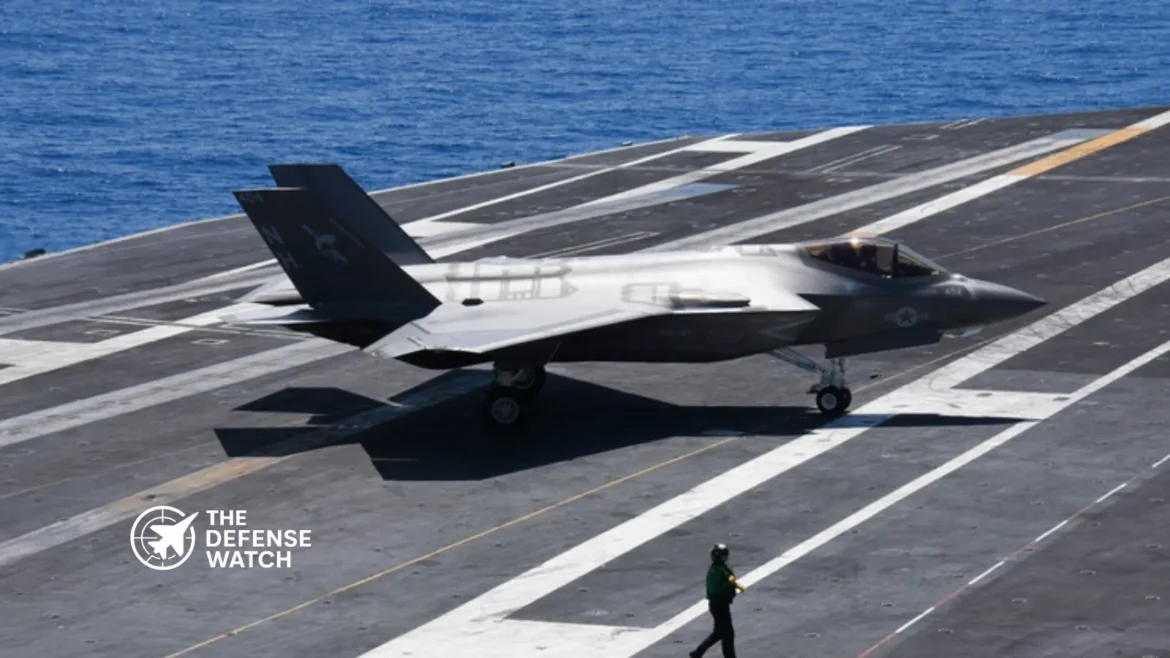
- F-35C enables carrier-based deep strike missions into contested airspace.
- Combines stealth, sensor fusion, and precision-guided munitions.
- Expands U.S. naval reach against integrated air defense systems.
- Operates from aircraft carriers without reliance on regional bases.
- Strengthens deterrence and rapid response in Middle East scenarios.
F-35C Carrier-Based Deep Strike Capability Expands U.S. Operational Reach
F-35C carrier-based deep strike capability is reshaping how the U.S. Navy conducts operations against heavily defended targets such as those in Iran. The aircraft combines stealth, advanced sensors, and carrier-based flexibility to penetrate sophisticated air defense networks without relying on forward-deployed airbases.
Recent analysis highlights how the F-35C enhances the ability of carrier strike groups to execute long-range precision strikes in contested environments, particularly in scenarios similar to a hypothetical “Epic Fury” operation targeting Iranian military infrastructure.
The Big Picture
The U.S. military continues to prioritize distributed, survivable strike capabilities that reduce reliance on vulnerable regional bases. Carrier-based aviation plays a central role in this shift.
The F-35C, the carrier variant of the Joint Strike Fighter program led by Lockheed Martin, supports this strategy by enabling stealth operations directly from the sea. This approach aligns with broader U.S. efforts to counter advanced anti-access, area denial (A2/AD) systems deployed by countries such as Iran and China.
Naval aviation now serves not only as a power projection tool but also as a first-day-of-war capability against integrated air defense systems.
What’s Happening
The F-35C carrier-based deep strike capability allows U.S. Navy aircraft carriers to launch stealth fighters capable of penetrating Iranian airspace without early detection.
The aircraft features:
- Low observable design for reduced radar signature
- Advanced sensor fusion integrating radar, infrared, and electronic warfare data
- Internal weapons carriage for stealth strike missions
- Extended range compared to other F-35 variants
Operating from U.S. Navy aircraft carriers positioned in international waters, F-35Cs can conduct precision strikes on high-value targets such as air defense nodes, command centers, and missile launch sites.
This capability reduces the need for land-based aircraft operating from regional partners, which may face political or operational constraints.
Why It Matters
The F-35C introduces a significant shift in how deep strike missions are executed in contested environments.
Traditional strike operations often relied on large formations, electronic warfare support, and suppression of enemy air defenses. The F-35C reduces this burden by combining these functions within a single platform.
Its ability to gather and share real-time battlefield data enhances situational awareness across the entire carrier strike group. This networked capability improves targeting accuracy and reduces mission risk.
In a scenario involving Iran, where layered air defenses include radar systems and surface-to-air missiles, stealth becomes critical for mission success.
Strategic Implications
The F-35C carrier-based deep strike capability strengthens U.S. deterrence by demonstrating the ability to strike high-value targets without warning.
Carrier strike groups equipped with F-35Cs can operate flexibly across the Middle East, reducing predictability and increasing survivability. This mobility complicates adversary planning and forces defensive resource allocation across a wider area.
The system also reinforces the credibility of U.S. commitments to regional allies by ensuring rapid response capability without dependence on host nation infrastructure.
Competitor View
Iran is likely to view the F-35C as a direct challenge to its air defense strategy, which relies on layered systems including domestically developed and imported surface-to-air missile platforms.
The aircraft’s stealth and electronic warfare capabilities could undermine Iran’s ability to detect and intercept incoming threats, particularly during the early stages of a conflict.
Russia and China, both developers of advanced air defense systems, will likely monitor F-35C operational use closely. Lessons learned from potential deployments could inform their own counter-stealth strategies and air defense modernization efforts.
What To Watch Next
Future developments will focus on expanding the operational integration of the F-35C within carrier strike groups.
Key areas include:
- Increased deployment cycles aboard U.S. Navy carriers
- Integration with unmanned systems and carrier-based drones
- Upgrades to software and sensor capabilities under ongoing modernization programs
- Expanded weapons compatibility, including next-generation precision munitions
Operational testing and real-world deployments will continue to validate the aircraft’s effectiveness in contested environments.
Capability Gap
The F-35C addresses a critical gap in penetrating advanced air defense systems from sea-based platforms.
Before its introduction, carrier air wings relied on legacy aircraft such as the F/A-18, which require greater support from electronic warfare assets and tanker aircraft to survive in high-threat environments.
However, limitations remain. The F-35C still depends on aerial refueling for extended missions and carries a limited internal weapons load when operating in stealth configuration. These constraints require careful mission planning and integration with other assets.
The Bottom Line
The F-35C carrier-based deep strike capability gives the U.S. Navy a survivable, flexible tool to penetrate defended airspace and hold high-value targets at risk from the sea.

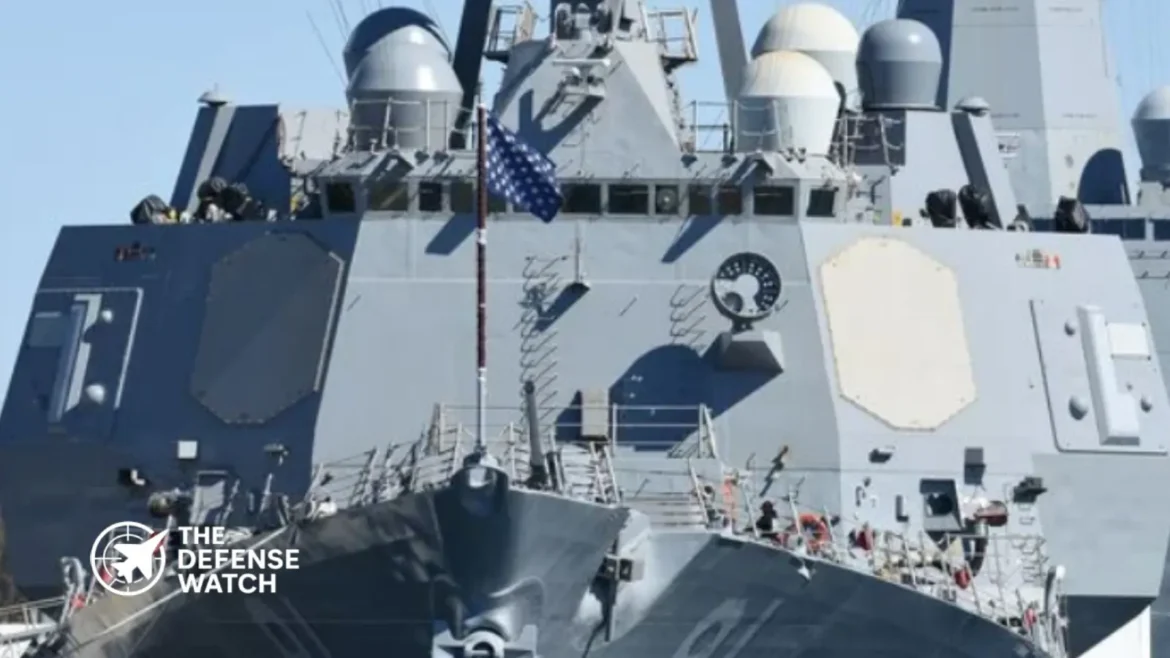
- USS Pinckney deployed with Destroyer Modernization 2.0 upgrades and engaged Iranian targets in March 2026.
- Upgrade includes AN/SPY-6(V)4 radar and advanced SEWIP electronic warfare suite.
- Pentagon officials called for expanded operational testing of the improved Aegis system.
- Program aims to move older destroyers closer to Flight III capability standards.
- Upgrade reflects Navy focus on countering modern missile and drone threats.
Upgraded Aegis Destroyer Conducts First Combat Against Iran Amid Testing Calls
The upgraded Aegis destroyer USS Pinckney deployed with the main keyword improved Aegis system and engaged in combat operations against Iranian forces in March, marking the first operational use of the latest Destroyer Modernization 2.0 suite and raising Pentagon calls for expanded testing of the system’s enhanced radar and electronic warfare capabilities.
The Big Picture
The U.S. Navy is in the midst of a broader effort to modernize its surface fleet, enhancing its ability to respond to aerial, missile, and electronic threats without building new hulls. Central to this effort is the Aegis Combat System, the Navy’s primary integrated air and missile defense platform that combines powerful radar, advanced computing and a suite of interceptors. As naval threats evolve, especially in high-stakes regions such as the Middle East, Washington is under pressure to ensure upgrades deliver real-world advantage.
Aegis modernization has historically aimed to extend service life and capability of Arleigh Burke-class destroyers in the face of new radars and weapons technologies, with recent upgrades focused on closing the capability gap between older Flight IIA ships and the more advanced Flight III configuration.
What’s Happening
In March 2026 the Arleigh Burke-class guided-missile destroyer USS Pinckney, retrofitted under Destroyer Modernization 2.0, participated in combat operations against Iran. The ship’s improved Aegis system integrated an AN/SPY-6(V)4 radar variant and advanced Surface Electronic Warfare Improvement Program (SEWIP) components to improve threat detection and situational awareness.
U.S. Central Command released video from 15 March showing USS Pinckney firing a Tomahawk Land Attack Missile while operating with its modernized systems installed.
Pentagon testing officials noted that although the upgrades enhance capability, the department wants additional operational testing before committing to widespread fielding, signaling caution about current test coverage and risk exposure.
Why It Matters
Modernizing older destroyers with advanced radar and electronic warfare systems helps the fleet maintain multi-domain awareness and defensive reach without waiting years for new ship construction. Upgrades like the SPY-6 family of radars dramatically increase target sensitivity and tracking capacity, crucial as adversaries deploy faster and more complex threats.
Integrating advanced SEWIP systems improves electronic surveillance and countermeasure response, a vital asset when operating in congested or contested littoral regions where adversaries combine missiles, drones and other sensors.
Strategic Implications
For U.S. naval readiness, successful deployment of upgraded Aegis systems signals a maturing approach to force modernization. It reinforces U.S. ability to deter and, if necessary, counter threats, from missile salvos to swarming unmanned systems. It also underscores the Navy’s need to balance risk and verification in testing upgraded combat systems before full fleet rollout, an ongoing tension in defense acquisitions.
Regionally, the presence of modernized destroyers operating against Iranian forces conveys a clear message about sustained U.S. commitment to maritime security and deterrence in the Middle East, particularly in areas like the Persian Gulf and Gulf of Oman. Competitors and adversaries will note both the capabilities deployed and the Pentagon’s insistence on further testing, shaping their assessments of U.S. naval strengths and operational confidence.
Competitor View
Iran and allied groups likely interpret the deployment of an upgraded Aegis destroyer as an escalation in U.S. naval posture, emphasizing precision strike and layered defense against both missile and air threats. For China and Russia, continued investment in modernizing legacy systems reinforces the United States’ ability to sustain forward presence and complex integration across platforms, even as challenges remain in testing new capabilities thoroughly.
What To Watch Next
Analysts will track further Pentagon testing schedules for the improved Aegis system and monitor how feedback from operational use against Iran shapes future modernization decisions. Key milestones include additional live-fire events, expanded tactical evaluations and potential revisions to deployment doctrine for upgraded destroyers.
DoD acquisition communities will also be watching how the testing results influence budget requests and allocation for broader fleet modernization under Destroyer Modernization 2.0.
Capability Gap
Destroyer Modernization 2.0 aims to help older Flight IIA class ships close the gap to Flight III baseline capabilities, especially in radar performance, networked engagement and electronic warfare. Older systems based around legacy sensors and combat computer baselines faced limitations in handling complex, simultaneous threats in contested environments.
While the upgrades mark progress, Pentagon caution about testing highlights remaining uncertainties in fully validating performance under combat conditions, reinforcing the need to invest in comprehensive evaluation.
The Bottom Line
The USS Pinckney’s combat use of an upgraded Aegis system shows real progress in Navy modernization but underscores the Pentagon’s push to ensure that capability gains are fully proven before fleetwide adoption.
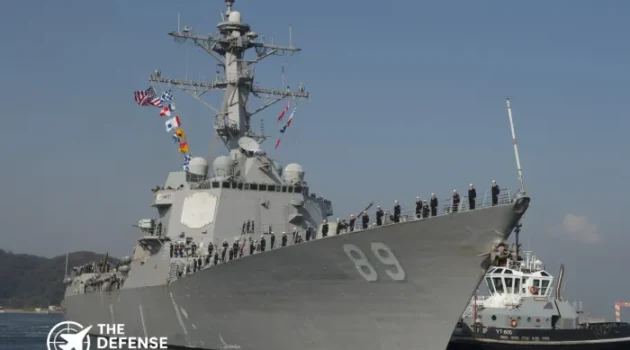

- The UK plans to board vessels suspected of being part of Russia’s shadow fleet used to evade oil sanctions.
- The move targets aging tankers operating under opaque ownership structures and flags of convenience.
- These vessels are believed to transport sanctioned Russian oil outside Western regulatory oversight.
- The policy marks a more assertive UK maritime enforcement posture in coordination with allies.
- Analysts warn of legal, operational, and escalation risks in physically intercepting such ships.
Britain Targets Russian Shadow Fleet Vessels With Boarding Operations
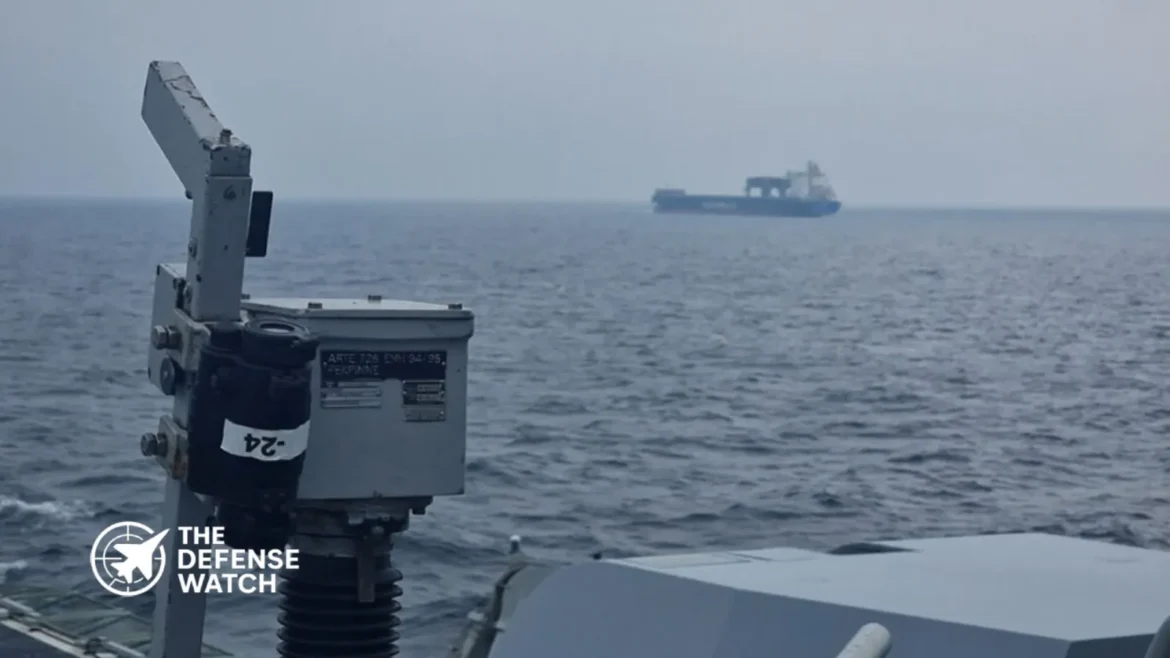
The Russian shadow fleet vessels network is now at the center of a new British enforcement strategy, as the UK government moves to authorize the boarding of ships suspected of evading sanctions on Russian oil exports.
According to reporting by UK Defence Journal, British authorities are preparing to take a more direct role in disrupting maritime networks used by Moscow to bypass Western restrictions. The initiative reflects growing concern that existing sanctions enforcement mechanisms are insufficient to curb illicit oil flows.
The so-called shadow fleet consists largely of older oil tankers operating under complex ownership structures, often flagged in jurisdictions with limited regulatory oversight. These ships are widely believed to transport Russian crude outside the price cap regime imposed by G7 nations.
Shift From Monitoring To Direct Interdiction
Until now, Western efforts to counter the Russian shadow fleet vessels have focused primarily on tracking, financial sanctions, and insurance restrictions. Britain’s latest move signals a shift toward physical interdiction at sea.
Boarding operations would likely involve maritime security forces, potentially supported by Royal Navy assets, conducting inspections to verify cargo, ownership documentation, and compliance with sanctions frameworks.
This approach introduces a new level of enforcement risk. Intercepting vessels on the high seas raises legal complexities under international maritime law, particularly regarding jurisdiction and the rights of flagged states.
However, UK officials appear to be aligning with a broader Western effort to tighten enforcement gaps that have allowed Russian oil exports to continue at scale despite sanctions.
Strategic Context Behind The Move
The expansion of the Russian shadow fleet vessels network has been one of the most significant unintended consequences of sanctions imposed following Russia’s invasion of Ukraine.
Estimates suggest that hundreds of tankers may now be involved in these operations, forming an alternative logistics chain that operates largely outside Western-controlled insurance and compliance systems.
This development has had two major implications:
First, it has enabled Russia to sustain critical oil revenue streams, mitigating the intended economic pressure of sanctions.
Second, it has increased maritime safety and environmental risks, as many of these vessels are older and may not meet modern safety standards.
By moving to board suspect ships, Britain is attempting to address both concerns, disrupting revenue flows while also signaling a commitment to maritime governance standards.
Operational And Legal Challenges
Despite its intent, enforcing action against Russian shadow fleet vessels presents significant operational hurdles.
Boarding a vessel requires clear legal authority, typically derived from flag state consent, United Nations mandates, or specific bilateral agreements. In cases where ships operate under flags of convenience, determining jurisdiction can be complex.
There is also the risk of escalation. Direct interference with vessels linked to Russian trade could trigger diplomatic or military responses, particularly if incidents occur in contested or strategically sensitive waters.
From a naval operations standpoint, such missions demand careful coordination, intelligence support, and clear rules of engagement to avoid unintended confrontation.
Broader Implications For Maritime Security
Britain’s decision highlights a growing trend toward more assertive maritime enforcement among Western nations. As sanctions regimes evolve, enforcement is increasingly shifting from financial systems to physical domains, including shipping lanes and ports.
The focus on Russian shadow fleet vessels also underscores the adaptability of global trade networks under pressure. When traditional routes are constrained, alternative systems emerge, often exploiting regulatory gaps.
For policymakers, this creates a continuous cycle of enforcement and adaptation, requiring increasingly sophisticated monitoring and intervention tools.
Industry And Allied Response
The shipping industry is likely to watch these developments closely. Increased boarding operations could introduce new risks for commercial operators, particularly those unknowingly engaging with shadow fleet networks.
Meanwhile, allied nations may consider similar measures, potentially leading to a more coordinated multinational effort to target sanction evasion at sea.
Such coordination would be critical for effectiveness, as the shadow fleet operates globally, spanning multiple jurisdictions and maritime regions.
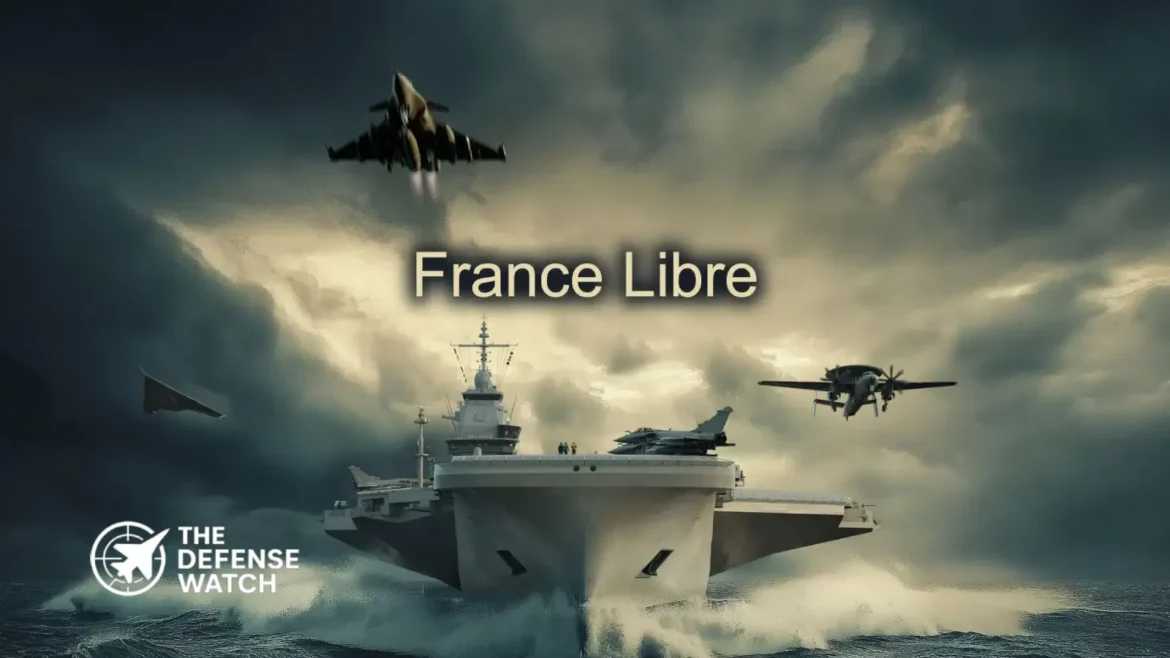
- France unveiled the 78,000-ton nuclear aircraft carrier France Libre as part of its next-generation naval program.
- The carrier is designed to operate around 40 aircraft, including next-generation fighter jets.
- The platform strengthens France’s global power projection and NATO maritime capabilities.
- The program is expected to replace the Charles de Gaulle carrier in the 2030s.
- The ship reflects Europe’s push toward strategic autonomy in high-end naval warfare.
France Libre Nuclear Aircraft Carrier Advances French Naval Power
France Libre nuclear aircraft carrier marks a major step in France’s naval modernization, introducing a 78,000-ton platform designed to carry around 40 aircraft and replace the aging Charles de Gaulle in the next decade.
The Big Picture
France is moving to sustain its status as Europe’s only nation operating a nuclear-powered aircraft carrier. The France Libre program reflects broader trends in NATO maritime strategy, where high-end naval assets are increasingly central to deterrence and expeditionary operations.
The United States continues to dominate carrier aviation with its Nimitz and Ford-class fleets, while China is expanding its own carrier force. France’s decision to invest in a next-generation nuclear carrier ensures it remains a credible blue-water navy capable of independent operations.
European defense policy has also shifted toward strategic autonomy. France Libre aligns with that objective by maintaining sovereign carrier strike capabilities without reliance on allied platforms.
What’s Happening
France has revealed details of the France Libre nuclear aircraft carrier, a next-generation platform expected to enter service in the 2030s.
The ship will displace approximately 78,000 tons, making it significantly larger than the current Charles de Gaulle, which displaces about 42,000 tons. The new carrier will feature nuclear propulsion, enabling extended deployments without the need for frequent refueling.
The air wing is expected to include around 40 aircraft, likely incorporating next-generation fighters developed under the Future Combat Air System program, alongside airborne early warning and support aircraft.
French defense authorities intend for the platform to serve as the backbone of the country’s naval aviation capability for decades.
Why It Matters
France Libre addresses several operational limitations of the current French carrier fleet.
Charles de Gaulle has provided France with a unique European capability, but its size limits sortie generation and aircraft capacity. The new carrier’s larger displacement allows for increased operational tempo, improved deck operations, and enhanced survivability.
The integration of next-generation aircraft and advanced launch systems will also improve interoperability with allied forces, particularly the United States Navy.
Nuclear propulsion remains a critical advantage. It allows sustained high-speed operations and reduces logistical constraints, enabling France to deploy globally without dependence on forward basing.
Strategic Implications
France Libre strengthens NATO’s maritime posture by adding a modern, high-end carrier to the alliance’s collective capabilities.
Carrier strike groups remain essential for power projection, sea control, and crisis response. France’s ability to deploy such a platform independently provides NATO with greater flexibility, particularly in contested regions such as the Mediterranean, Indo-Pacific, and North Atlantic.
The platform also enhances deterrence. A nuclear-powered carrier with advanced air assets signals sustained combat capability and operational reach.
France’s investment may also influence other European nations to expand their naval ambitions, particularly in carrier aviation and expeditionary warfare.
What To Watch Next
Program development milestones will shape the trajectory of France Libre over the next decade.
Observers should track design finalization, shipyard construction timelines, and integration of next-generation aircraft systems. The development of electromagnetic or advanced catapult systems will be particularly important for operational effectiveness.
Initial sea trials and air wing integration in the early 2030s will determine the carrier’s readiness for full operational deployment.
Budgetary stability and industrial capacity will also remain key factors influencing delivery timelines.
Capability Gap
France Libre directly addresses the limitations of operating a single, smaller carrier.
The current fleet structure creates gaps in availability during maintenance cycles. A larger and more capable platform improves sortie generation but does not fully eliminate the structural limitation of having only one carrier.
The ship’s scale and complexity also introduce risks, including cost overruns and technical challenges associated with nuclear propulsion and advanced launch systems.
Despite these challenges, the platform significantly enhances France’s ability to sustain high-intensity naval aviation operations.
The Bottom Line
France Libre nuclear aircraft carrier positions France to maintain credible, independent carrier strike capability in an increasingly competitive maritime environment.
