Executive Summary:
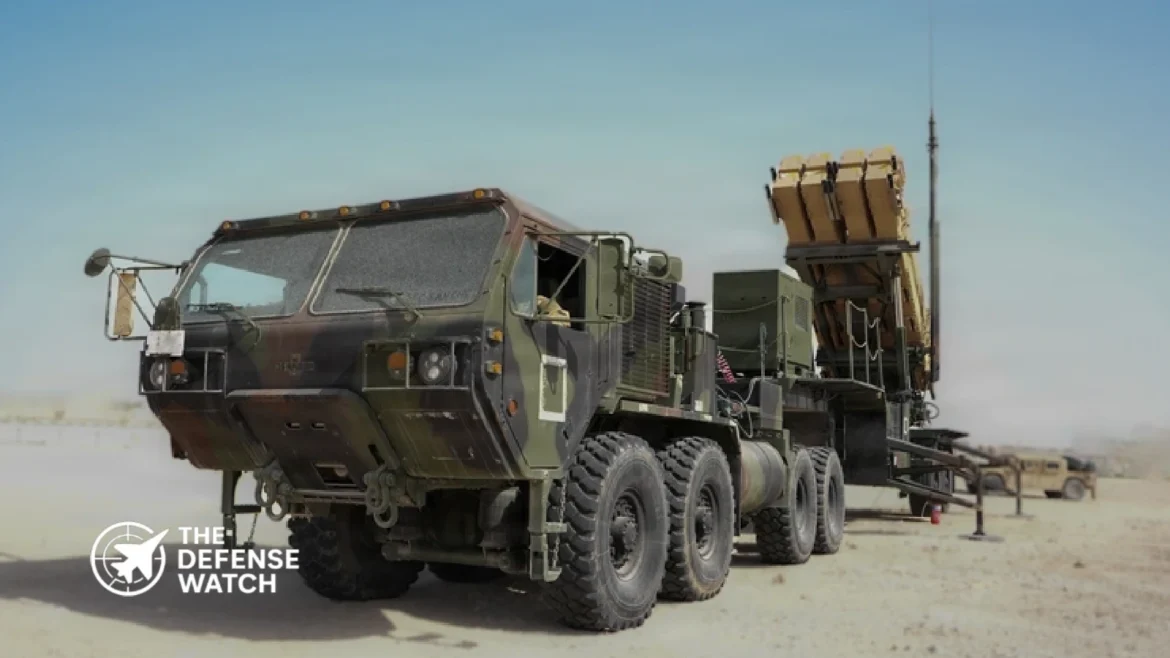
Kongsberg Defence & Aerospace has secured a contract worth approximately $400 million to deliver the NASAMS air defense system to Kuwait through the U.S. Foreign Military Sales (FMS) program. The agreement, signed with Raytheon, will strengthen Kuwait’s layered air defense architecture by providing a combat-proven medium range air defense capability against aircraft, cruise missiles, and unmanned aerial systems.
Kongsberg Secures NASAMS Air Defense Contract For Kuwait
Kongsberg Defence & Aerospace has signed a contract with Raytheon to deliver the National Advanced Surface-to-Air Missile System (NASAMS) to Kuwait under the U.S. Foreign Military Sales (FMS) program, marking one of the company’s latest international air defense export successes.
According to Kongsberg, the contract is valued at approximately $400 million for the Norwegian defense company. The agreement will see NASAMS integrated into Kuwait’s existing layered air defense architecture, improving protection for critical infrastructure, military installations, and population centers against a broad range of aerial threats.
Raytheon serves as the U.S. prime contractor under the Foreign Military Sales framework, while Kongsberg provides core elements of the NASAMS system, reflecting the long standing industrial partnership between the two companies.
Kuwait Expands Layered Air Defense Capability
The acquisition comes as Gulf states continue investing in integrated air and missile defense amid an increasingly complex regional security environment.
Kongsberg said NASAMS will complement Kuwait’s broader air defense network by filling the medium range layer between short range and long range systems. Company officials described the acquisition as addressing Kuwait’s requirement for a modern, flexible, and combat proven capability capable of responding to evolving aerial threats.
According to Reuters, Kuwait has faced heightened regional security concerns following recent missile and drone attacks linked to broader Middle East tensions, reinforcing demand for advanced air defense capabilities.
What NASAMS Brings To Kuwait
NASAMS is jointly developed by Kongsberg and Raytheon and is among the world’s most widely deployed medium range ground based air defense systems.
Its open architecture enables operators to integrate multiple sensors, launchers, and missile types into a single command and control network.
Key NASAMS capabilities
Capability Details Primary Role Medium range integrated air defense Developer Kongsberg Defence & Aerospace and Raytheon Architecture Open, network centric Targets Aircraft, helicopters, cruise missiles, drones Missile Options AIM-120 AMRAAM, AMRAAM ER, AIM-9X and future effectors Command System Fire Distribution Center (FDC) NASAMS is designed so radars, launchers, and command centers can be geographically dispersed while remaining connected through secure digital networks. This distributed architecture improves survivability and expands the defended area compared with more centralized systems.
Strategic Importance Of The U.S. Foreign Military Sales Framework
The contract highlights how the U.S. Foreign Military Sales program enables allied nations to acquire advanced defense capabilities while maintaining interoperability with U.S. and NATO systems.
Under the arrangement:
- Raytheon acts as the U.S. contracting authority.
- Kongsberg supplies major NASAMS system components.
- The U.S. government manages procurement and program oversight.
- Kuwait receives a standardized, fully supported capability integrated with American defense logistics.
This approach simplifies long term sustainment while strengthening defense industrial cooperation between the United States, Norway, and Kuwait.
Analysis: Why This Deal Matters
Although the contract’s value is modest compared with large strategic missile defense programs, its operational significance is considerable.
Modern conflicts have demonstrated that defending against mixed attacks involving cruise missiles, one way attack drones, and conventional aircraft requires layered, networked air defense rather than reliance on a single interceptor system.
NASAMS occupies an important role within that architecture. It provides medium range protection at lower operating costs than strategic systems while remaining flexible enough to incorporate new interceptors, sensors, and command software throughout its service life.
For Kuwait, integrating NASAMS strengthens resilience against diverse aerial threats without replacing existing long range defenses. Instead, it improves engagement capacity across multiple threat layers, allowing high value interceptors to be reserved for more demanding targets while NASAMS handles aircraft, cruise missiles, and many unmanned systems.
From a broader U.S. perspective, the contract also reinforces Washington’s strategy of promoting interoperable air defense among regional partners. The continued expansion of NASAMS across allied nations improves common training, logistics, missile inventories, and command and control integration, reducing operational complexity during coalition operations.
For Kongsberg, the award further expands NASAMS’ international footprint, reinforcing its position as one of the leading medium range air defense systems in global service.
NASAMS Continues Global Expansion
Kongsberg describes NASAMS as one of the world’s most operationally proven medium range air defense systems.
The system is currently fielded by numerous allied nations and has been continuously upgraded through the introduction of new radar technologies, enhanced command and control software, and additional missile options. Its modular design allows operators to modernize individual components without replacing the entire system, extending operational relevance against evolving threats.
The Kuwait contract adds another international operator to the growing NASAMS user community and further strengthens defense cooperation between Norway, the United States, and regional partners.
Executive Summary:
Rheinmetall has secured a new contract from Ukraine worth the high double digit millions of euros to supply 155 mm artillery shells and propellant charges. The agreement reinforces Ukraine’s long term ammunition supply while highlighting Europe’s accelerating investment in domestic artillery production capacity.
Rheinmetall Wins New Ukraine Ammunition Contract
Rheinmetall Ukraine ammunition production continues to expand after the German defense company announced a new contract to supply Ukraine with 155 mm artillery shells and propellant charges valued in the high double digit millions of euros.
According to Rheinmetall, the contract will be recognized during the second quarter of 2026, with deliveries scheduled for completion in the first quarter of 2027. Production is already underway at the company’s Rheinmetall Expal Munitions facility in Spain.
The agreement covers a low five figure quantity of 155 mm artillery projectiles together with compatible propellant charges, providing Ukraine with additional ammunition for NATO standard artillery systems currently deployed on the battlefield.
What The Contract Includes
Rheinmetall said the order includes:
- 155 mm ER02A1 B/B artillery projectiles
- M203 propellant charges
- Production at Rheinmetall Expal Munitions in Spain
- Deliveries completed by the first quarter of 2027
The ammunition is compatible with numerous NATO standard 155 mm artillery systems already fielded across Europe and by Ukraine, supporting interoperability with Western supplied howitzers.
Why The Contract Matters
Although the financial value is modest compared with some of Rheinmetall’s larger framework agreements, the contract reflects an increasingly important trend within Europe’s defense industrial base.
Rather than relying on one time emergency transfers from national stockpiles, Ukraine is increasingly placing direct production orders with European manufacturers. This approach provides greater predictability for both suppliers and military planners while allowing manufacturers to maintain continuous production lines.
For Rheinmetall, the order also demonstrates how sustained demand for artillery ammunition remains a central driver of its business strategy. Since 2022, the company has invested heavily in expanding ammunition production across Europe as NATO members rebuild depleted inventories and continue supporting Ukraine.
Rheinmetall Continues Expanding Shell Production
The company has positioned itself as one of the world’s leading producers of large caliber ammunition.
According to Rheinmetall, its long term production expansion aims to increase annual output to approximately 1.5 million 155 mm artillery shells by 2030, supported by investments in existing facilities and new manufacturing sites across Europe.
That expansion reflects a broader shift in European defense planning, where sustained industrial capacity is becoming as strategically important as individual weapons systems.
Artillery ammunition consumption during the war in Ukraine has underscored the importance of maintaining resilient manufacturing capacity capable of supporting prolonged high intensity operations. As a result, governments across NATO have placed greater emphasis on long term procurement contracts that provide manufacturers with stable production demand.
Broader Strategic Context
The latest order comes as European governments continue increasing defense spending and strengthening their defense industrial bases.
Demand for 155 mm ammunition remains particularly high because it serves as the standard caliber for many NATO artillery systems, making interoperability and logistics significantly easier for allied nations supporting Ukraine.
For Ukraine, securing additional production capacity outside its borders reduces dependence on limited existing inventories while ensuring future deliveries remain tied to expanding industrial output rather than shrinking national stockpiles.
Although Rheinmetall recently experienced market pressure following Germany’s cancellation of a major frigate program, its ammunition business continues to benefit from strong demand across Europe and NATO.
Outlook
The new Rheinmetall Ukraine ammunition contract illustrates how European defense support is increasingly shifting from emergency aid toward long term industrial production.
With manufacturing already underway in Spain and deliveries extending into 2027, the agreement contributes to Ukraine’s future ammunition pipeline while reinforcing Rheinmetall’s growing role as one of Europe’s principal suppliers of NATO standard artillery ammunition.
As European governments continue expanding defense budgets and replenishing military stockpiles, sustained ammunition production is expected to remain a key pillar of regional defense modernization.
Executive Summary:
The Patriot missile defense system remains one of the most battle-tested air and missile defense networks ever fielded. Designed to defeat aircraft, cruise missiles, and ballistic missile threats, it has evolved from a Cold War air defense weapon into a strategic shield protecting critical infrastructure and military forces across multiple continents.
Its combination of advanced radar technology, networked command systems, and highly capable interceptors has made Patriot a cornerstone of U.S. and allied missile defense architecture.
The Patriot missile defense system is one of the few military platforms whose name is recognized far beyond defense circles. From the skies over the Middle East to NATO’s eastern flank, Patriot batteries have become symbols of strategic protection against increasingly sophisticated missile threats.
What began as an anti-aircraft weapon during the Cold War has transformed into a layered defense system capable of intercepting ballistic missiles traveling at several times the speed of sound. Today, Patriot protects military bases, population centers, and critical infrastructure in more than a dozen countries.
For military planners, Patriot is not simply a missile launcher. It is an integrated battle management network designed to find, track, identify, and destroy incoming threats within seconds.
Technical Analysis: Inside The Patriot Missile Defense System
At its core, the Patriot missile defense system consists of four primary elements:
- Radar
- Engagement control station
- Launch stations
- Interceptor missiles
The radar continuously scans the airspace, detecting threats hundreds of kilometers away. Once a target is identified, the engagement control station calculates an interception solution and launches the appropriate missile.
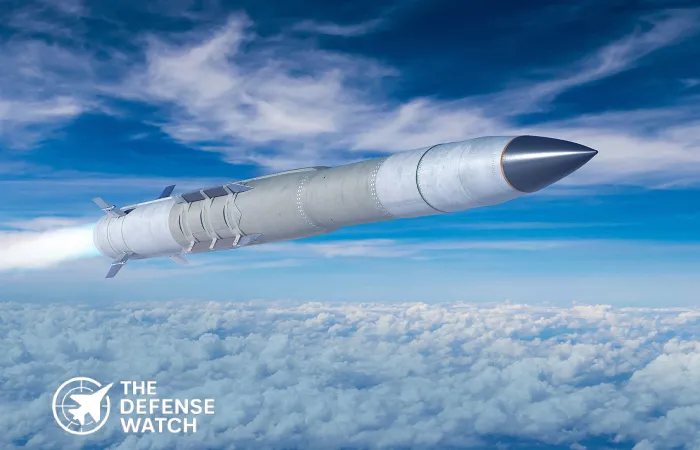
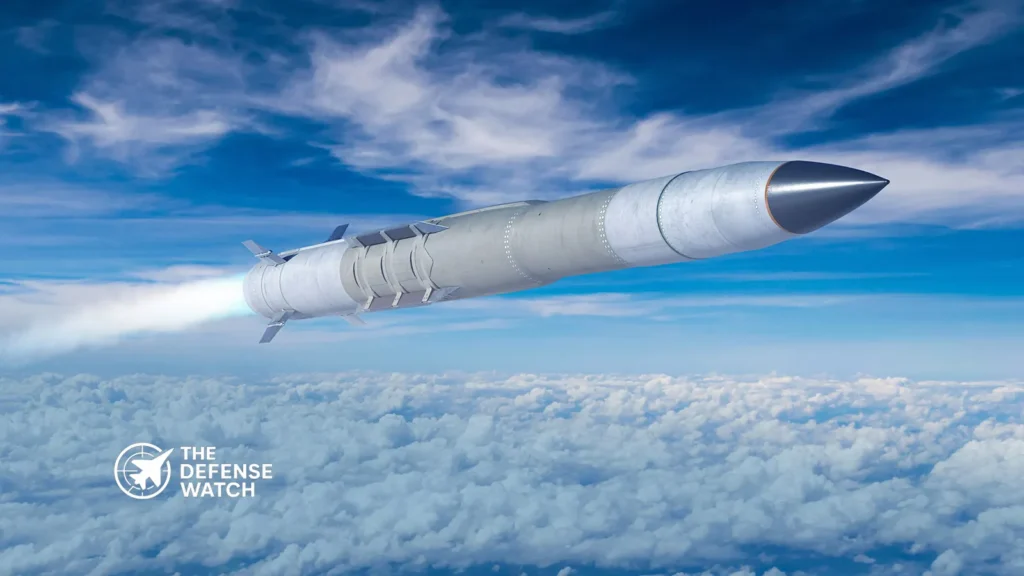
The latest Patriot variants primarily use the PAC-3 and PAC-3 MSE interceptors. Unlike older missiles that relied heavily on proximity detonation, PAC-3 employs a hit-to-kill approach, destroying targets through direct kinetic impact.
This method dramatically increases effectiveness against ballistic missiles and reduces the likelihood of debris continuing toward the defended area.
How Patriot Engages A Threat
A typical engagement unfolds rapidly:
- Radar detects an incoming target.
- Command systems classify the threat.
- Operators authorize engagement.
- Interceptor launches vertically.
- Missile receives guidance updates.
- Terminal seeker acquires target.
- Direct collision destroys the threat.
The entire sequence can occur in less than a minute against high-speed missile attacks.
Who Makes Patriot Missiles?
For those searching who makes Patriot missiles, the answer involves several major defense contractors.
The Patriot system itself is produced primarily by Raytheon Technologies, which develops the radar, command-and-control architecture, launchers, and system integration components.
The PAC-3 interceptor is manufactured by Lockheed Martin, which produces the advanced hit-to-kill missile used by many Patriot operators.
Together, the two companies form one of the most important industrial partnerships in global missile defense.
Patriot Missile System Data Block
| Metric | Patriot PAC-2 | Patriot PAC-3 MSE |
|---|---|---|
| Primary Mission | Aircraft & Missile Defense | Advanced Missile Defense |
| Intercept Method | Proximity Fragmentation | Hit-to-Kill |
| Guidance | Track-via-Missile | Active Radar Seeker |
| Ballistic Missile Capability | Moderate | High |
| Deployment Type | Mobile Battery | Mobile Battery |
| Approximate Interceptor Cost | $2M to $4M | $4M to $6M+ |
| Key Manufacturer | Raytheon | Lockheed Martin |
| Main Threats | Aircraft, Cruise Missiles | Ballistic Missiles, Cruise Missiles, Aircraft |
Why Patriot Missiles Are So Expensive
A modern Patriot interceptor is effectively a high-speed autonomous spacecraft compressed into a missile body.
Each round contains advanced guidance electronics, precision seekers, secure communications, propulsion systems, and sophisticated flight-control software. The missile must identify and destroy targets moving at thousands of miles per hour while operating under intense electronic warfare conditions.
The cost reflects that challenge. Missing a ballistic missile carrying a conventional or potentially strategic payload can result in damage worth billions of dollars and significant loss of life.
The Insight: What Patriot Teaches About Modern Strategy
One reason the Patriot missile system remains relevant is that it reflects a fundamental principle seen across military history and even competitive gaming.
Victory is not always achieved by destroying the opponent’s forces. Sometimes success comes from denying the opponent’s ability to execute their strategy.
In modern warfare, ballistic and cruise missiles are often intended to disrupt command centers, logistics hubs, airfields, and infrastructure. Patriot’s mission is to prevent those attacks from shaping the battlefield.
This concept resembles high-level real-time strategy games. Elite players often focus on defending key economic assets while limiting an opponent’s offensive options. The goal is not maximum destruction. It is maintaining operational freedom while forcing the opponent into increasingly costly decisions.
Patriot applies the same logic at a national scale.
A successful interception can preserve an airbase, protect a power grid, or maintain a supply corridor. The strategic value of that outcome often far exceeds the cost of the interceptor itself.
“The true value of missile defense is not the missile it destroys. It is the military and economic capability that remains operational after the attack.”
Combat Record And Global Expansion
The Patriot system first gained worldwide attention during the 1991 Gulf War. While assessments of early performance remain debated, the conflict accelerated investment in missile defense technologies.
Subsequent upgrades dramatically improved effectiveness against ballistic missile threats.
Today, Patriot systems serve with the United States and numerous allies, including:
- Germany
- Japan
- South Korea
- Poland
- Romania
- Saudi Arabia
- Ukraine
Growing missile arsenals in Europe, the Middle East, and the Indo-Pacific continue to drive demand for advanced air and missile defense systems.
Conclusion & Takeaway
The Patriot missile defense system remains one of the most important defensive weapons ever fielded by the United States and its allies. Its ability to detect, track, and destroy aircraft, cruise missiles, and ballistic missiles has made it a cornerstone of modern integrated air defense.
As missile threats become faster, stealthier, and more numerous, the value of Patriot continues to grow. The system’s enduring success lies not only in its interceptors or radar technology, but in its ability to preserve combat power, protect critical infrastructure, and deny adversaries the strategic effects they seek.
In an era defined by precision strikes and long-range missile warfare, Patriot remains one of the clearest examples of how defense can shape the outcome of conflict before the first shot ever reaches its target.
Executive Summary:
China has publicly revealed an upgraded version of its DF-26 intermediate-range ballistic missile alongside a previously unseen configuration of the DF-17 hypersonic missile system. The disclosure, highlighted through official Chinese media coverage in June 2026, underscores Beijing’s continued investment in long-range precision strike capabilities and its efforts to strengthen the operational flexibility of the People’s Liberation Army Rocket Force (PLARF).
China Reveals Upgraded DF-26 Missile And New DF-17 Configuration
China has unveiled an upgraded DF-26 ballistic missile and a new configuration of the DF-17 hypersonic weapon system, marking one of the most significant public disclosures involving the PLA Rocket Force in recent months. The systems were showcased through state media coverage that highlighted improvements in mobility, automation, precision strike capability, and defense penetration.
According to Chinese state broadcaster CCTV, the newly revealed systems form part of broader efforts to enhance the operational readiness of China’s strategic missile forces. Military commentators featured in official coverage identified the DF-26 variant as an upgraded model while also drawing attention to changes observed on the DF-17 system.
The announcement comes amid sustained modernization efforts across the PLA and increasing emphasis on long-range conventional strike capabilities within the Indo-Pacific region.
What Is The DF-26?
The DF-26 is a road-mobile, solid-fueled intermediate-range ballistic missile developed for both conventional and nuclear missions.
DF-26 Key Characteristics
Specification DF-26 Type Intermediate-Range Ballistic Missile (IRBM) Range Approximately 4,000 km Basing Road-mobile TEL Payload Conventional or nuclear Service Entry 2016 Mission Set Land attack, strategic strike, anti-ship variants Source: Center for Strategic and International Studies Missile Threat Project.
The missile is widely known for its ability to hold targets throughout the Western Pacific at risk. Its range places key U.S. military facilities on Guam within reach, contributing to its frequent characterization as a strategic regional deterrent.

Although Chinese authorities have not released detailed technical specifications for the newly revealed variant, state media indicated improvements in automation, mobility, strike accuracy, and survivability.
New DF-17 Configuration Draws Attention
The disclosure also included footage and imagery of a previously unseen DF-17 configuration.
The DF-17 is China’s first operational missile system equipped with a hypersonic glide vehicle. Unlike traditional ballistic missiles that follow predictable trajectories, hypersonic glide vehicles maneuver during flight, complicating interception efforts and reducing warning times for defenders.
DF-17 Key Characteristics
Specification DF-17 Type Medium-Range Ballistic Missile with Hypersonic Glide Vehicle Range 1,800 to 2,500 km Speed Above Mach 5 Launch Platform Road-mobile TEL Service Entry 2019 Payload Conventional or nuclear Source: CSIS Missile Threat Project.
Chinese state media recently broadcast footage of a DF-17 launch for the first time, an unusual move that analysts view as a deliberate demonstration of the system’s maturity and operational status.
Why The Reveal Matters
The public disclosure is significant not simply because new missile variants were shown, but because it offers insight into evolving Chinese military priorities.
Over the past decade, the PLA Rocket Force has shifted from a force centered primarily on strategic deterrence toward one increasingly focused on precision conventional strike operations. The DF-26 and DF-17 occupy critical positions within that strategy.
The DF-26 provides the ability to strike targets across the Second Island Chain while maintaining high mobility. The DF-17 adds a hypersonic capability designed to challenge existing missile defense architectures. Together, they form part of a layered strike network intended to complicate adversary planning during a regional conflict.
Operational Implications For The Indo-Pacific
The upgraded systems could have important implications for U.S. and allied military operations.
For regional planners, increased missile mobility and improved penetration capabilities raise challenges for missile defense networks and force protection measures. Enhanced accuracy may also improve China’s ability to target airfields, logistics hubs, command centers, and naval assets across contested areas of the Western Pacific.
The DF-17 remains particularly noteworthy because hypersonic glide vehicles are designed to fly at lower, less predictable trajectories than traditional ballistic warheads. This characteristic can compress decision-making timelines and complicate defensive responses.
Meanwhile, the DF-26’s range continues to make it one of the PLA Rocket Force’s most strategically relevant conventional strike systems. Its ability to threaten fixed military infrastructure across a broad geographic area remains a central element of China’s anti-access and area-denial strategy.
Analysis: A Signal Of Continued Rocket Force Modernization
The most important takeaway from the latest disclosure is not necessarily the appearance of a new missile variant, but the continued refinement of systems already in operational service.
China’s missile modernization effort increasingly emphasizes survivability, mobility, networked targeting, and rapid deployment. The official descriptions accompanying the DF-26 and DF-17 announcements focused heavily on automation, all-weather operations, and independence from fixed infrastructure, suggesting a focus on maintaining combat effectiveness under contested conditions.
For U.S. defense planners, the development reinforces a broader trend identified in recent assessments of Chinese military modernization: Beijing is investing heavily in systems capable of holding forward-deployed forces and critical regional infrastructure at risk while reducing the effectiveness of traditional missile defense approaches.
As China continues to expand and modernize its missile inventory, upgrades to established systems such as the DF-26 and DF-17 may prove as operationally significant as the introduction of entirely new weapons.
Executive Summary:
Northrop Grumman has secured a contract valued at up to $885 million to produce M1147 Advanced Multi-Purpose (AMP) 120mm ammunition for U.S. Army M1 Abrams tanks. The agreement supports production through 2031 and strengthens the Army’s effort to modernize armored warfare capabilities while simplifying logistics through a single multi-role tank round.
Northrop Grumman Expands Production Of M1147 Advanced Multi-Purpose Round
The M1147 Advanced Multi-Purpose round is set to become an increasingly important part of the U.S. Army’s armored warfare modernization strategy after Northrop Grumman secured a framework contract worth up to $885 million for production and supply of the ammunition.
According to contract information released by U.S. defense authorities, the agreement allows production orders to be placed through March 2031. The contract supports procurement for the U.S. Army as well as potential Foreign Military Sales (FMS) customers operating the Abrams main battle tank.
The M1147 is designed for the 120mm smoothbore gun used across the M1 Abrams family and represents one of the most significant ammunition upgrades introduced for the platform in recent years.
Replacing Four Legacy Tank Rounds With One
A key feature of the M1147 Advanced Multi-Purpose round is its ability to consolidate the capabilities of four legacy Abrams ammunition types into a single programmable munition.
The round is intended to replace the M830 High Explosive Anti-Tank round, M830A1 Multi-Purpose Anti-Tank round, M908 Obstacle Reduction round, and M1028 Canister round. By combining these capabilities into a single ammunition type, the Army aims to reduce logistical complexity while providing crews with greater battlefield flexibility.
The ammunition employs a programmable multi-mode fuze linked to the Abrams fire control system. Tank crews can select between point detonation, delayed detonation, and airburst modes depending on the target and tactical situation.
According to the U.S. Army, the round is specifically designed to engage infantry, anti-tank guided missile teams, light armored vehicles, fortified positions, and reinforced structures. The airburst capability also allows the munition to engage targets protected by cover or terrain masking.
Full-Rate Production Milestone Supports Larger Procurement
The contract follows a major program milestone reached in December 2024 when the U.S. Army approved the M1147 for full-rate production.
The approval authorized the transition from low-rate initial production to sustained manufacturing, enabling the Army to increase procurement volumes and support both domestic and international requirements. Army officials described the decision as critical to meeting future ammunition demands while enhancing Abrams lethality.
Northrop Grumman has been heavily involved in the development and production of advanced tank ammunition for decades. The company describes the M1147 as a next-generation capability designed to provide crews with a more versatile and effective solution against a broad range of battlefield targets.
Why The Contract Matters
Beyond the contract value, the agreement highlights a broader trend in armored warfare modernization.
Modern military operations increasingly require armored forces to engage diverse threats ranging from infantry and drones to fortified positions and lightly armored vehicles. Carrying multiple ammunition types creates logistical burdens and complicates combat operations.
The M1147 Advanced Multi-Purpose round addresses this challenge by providing a single programmable munition capable of performing multiple battlefield functions. This reduces ammunition management requirements while giving commanders greater flexibility during high-intensity operations.
From a sustainment perspective, consolidating four aging ammunition types into one modern round also simplifies inventory management, training requirements, storage, transportation, and long-term procurement planning. These benefits are particularly relevant as the U.S. Army continues to modernize its armored formations and maintain readiness for large-scale combat operations.
The agreement also reflects continued investment in the Abrams ecosystem at a time when the Army is upgrading vehicles, ammunition, sensors, and support systems to maintain battlefield overmatch against evolving threats.
Outlook For Abrams Modernization
The M1147 Advanced Multi-Purpose round forms part of a wider modernization effort aimed at keeping the Abrams relevant in future conflicts.
While kinetic-energy rounds such as the M829 series remain essential for defeating heavily armored targets, the M1147 provides crews with a versatile option for the broader range of engagements commonly encountered in modern combat environments.
With production now supported under a long-term contract structure extending through 2031, the Army is positioned to field larger quantities of the ammunition across active, reserve, and partner nation Abrams fleets in the coming years.
Executive Summary:
Boeing JDAM Long Range (JDAM LR) is designed to provide affordable, long-range precision strike capability using existing aircraft and bomb inventories. The system extends the reach of traditional JDAM weapons while offering military planners a lower-cost alternative to expensive stand-off missiles, supporting operations in increasingly contested environments.
Boeing JDAM Long Range Expands Precision Strike Reach
The Boeing JDAM Long Range (JDAM LR) represents the latest evolution of the widely deployed Joint Direct Attack Munition family, combining precision guidance with significantly extended strike range. The system is designed to increase operational reach for both legacy and next-generation combat aircraft while maintaining compatibility with existing JDAM-integrated platforms.
Developed by Boeing, JDAM LR builds on decades of operational experience with standard JDAM kits, which convert unguided bombs into GPS-guided precision weapons. Unlike traditional JDAMs, the new long-range variant incorporates compact air-breathing propulsion technology and deployable wings, enabling substantially greater stand-off distances.
Designed For Modern Contested Battlespaces
Modern military operations increasingly require aircraft to engage targets from beyond the reach of advanced air defense systems. As potential adversaries deploy layered anti-access and area-denial (A2/AD) networks, Western air forces are seeking affordable ways to increase strike range without relying exclusively on costly cruise missiles.
According to Boeing, JDAM LR can achieve ranges exceeding 300 nautical miles when carrying a 500-pound warhead and more than 700 nautical miles when configured with a low-cost decoy fuel tank. The system is intended to provide combat aircraft with the ability to strike targets while remaining farther from hostile air defense zones.
This capability could prove particularly relevant in the Indo-Pacific region, where long distances and sophisticated air defense networks present operational challenges for U.S. and allied forces.
Leveraging Existing Aircraft Fleets
One of the most significant aspects of JDAM LR is its compatibility with aircraft already integrated with JDAM weapons. Boeing states that the system uses existing aircraft interfaces and does not require extensive platform modifications. This approach may reduce integration timelines and costs compared with introducing entirely new missile systems.
The weapon is designed for rapid adoption across both fourth-generation and fifth-generation aircraft fleets, allowing operators to expand strike capacity without major procurement programs.
From a force structure perspective, this compatibility offers a practical modernization pathway. Rather than replacing existing precision-guided munitions inventories, militaries can leverage established logistics chains, training programs, and maintenance infrastructure.
Recent U.S. Navy Demonstrations Validate Concept
Interest in JDAM LR has increased following recent U.S. Navy flight demonstrations. In April 2026, the Navy successfully tested the weapon from an F/A-18 Super Hornet during trials conducted off the California coast. The demonstrations validated safe separation, powered flight, navigation performance, and compatibility with existing aircraft systems.
According to Navy officials, the test weapon traveled approximately 200 nautical miles while maintaining guidance accuracy throughout flight. The program is now progressing toward additional qualification activities, including shipboard integration efforts intended to support carrier air wing operations.
The demonstrations suggest the Navy views affordable long-range strike capabilities as an increasingly important component of future carrier operations.
Filling The Gap Between JDAM And Cruise Missiles
The emergence of JDAM LR reflects a broader trend across the defense sector toward affordable precision mass. Military planners continue to face challenges balancing inventory size against the cost of advanced stand-off weapons.
Traditional cruise missiles such as the AGM-158 Joint Air-to-Surface Standoff Missile (JASSM) provide significant range but come at substantially higher unit costs. JDAM LR seeks to occupy a middle ground by offering extended reach while leveraging proven JDAM technology and existing bomb bodies.
This approach aligns with ongoing U.S. military efforts to increase munition stockpiles and improve operational sustainability during prolonged conflicts. Recent defense budget discussions have highlighted growing emphasis on scalable, lower-cost precision weapons capable of being fielded in large quantities.
Strategic Implications
The development of JDAM LR underscores a wider shift in military modernization priorities. Rather than focusing solely on highly sophisticated and expensive weapons, defense planners are increasingly pursuing systems that combine affordability, scalability, and operational effectiveness.
For the United States and allied air forces, the ability to rapidly expand long-range strike inventories could provide additional flexibility during high-intensity operations. By enabling legacy aircraft to contribute to deep-strike missions, JDAM LR may also help maximize the value of existing combat fleets while complementing next-generation platforms.
As global demand for precision-guided munitions continues to rise, systems such as JDAM LR highlight the growing importance of balancing advanced capability with production scale and affordability.
Executive Summary:
Hypersonix Launch Systems is accelerating development of future hypersonic aircraft after its DART AE demonstrator completed a successful flight test at speeds exceeding Mach 5. The mission validated key propulsion, materials, guidance, and control technologies, providing valuable flight data for future operational systems and supporting broader U.S. and allied hypersonic development efforts.
Hypersonix DART AE Demonstrates Key Hypersonic Technologies
The Hypersonix DART AE program has entered a new phase following a successful flight test that validated several core technologies required for future hypersonic aircraft and test platforms.
Australian company Hypersonix Launch Systems confirmed that its DART AE hypersonic demonstrator successfully completed its first flight during the mission known as “That’s Not A Knife,” launched from Wallops Island, Virginia, aboard a Rocket Lab HASTE vehicle. The test was conducted under the U.S. Defense Innovation Unit’s Hypersonic and High-Cadence Airborne Testing (HyCAT) initiative.
According to the company, the mission achieved hypersonic flight conditions exceeding Mach 5 and generated critical data on propulsion, aerothermal performance, structural behavior, materials performance, and vehicle control systems.
The DART AE demonstrator was specifically designed to validate technologies in real-world flight conditions rather than laboratory simulations, an important distinction in hypersonic development where extreme temperatures, aerodynamic loads, and control challenges are difficult to replicate on the ground.
Why The Flight Matters
The successful DART AE mission highlights a growing shift in hypersonic development toward lower-cost, higher-frequency testing programs.
One of the major bottlenecks in hypersonic weapons and aircraft development has been limited access to flight-testing infrastructure. The Defense Innovation Unit’s HyCAT initiative aims to increase testing cadence by leveraging commercial industry partners capable of rapidly fielding experimental platforms.

The DART AE flight represents a practical example of this approach. Rather than developing a complete operational weapon system, the aircraft serves as a reusable technology pathway for validating propulsion concepts, sensors, communications, and guidance systems that could later support military or dual-use applications.
From a strategic perspective, hypersonic programs increasingly depend on frequent testing to mature technologies and reduce development risk. Flight data remains the most valuable source of information for engineers attempting to understand how vehicles behave in sustained hypersonic environments.
Hypersonix co-founder Dr. Michael Smart stated that the mission allowed the company to test propulsion, materials, and control systems in actual hypersonic conditions, emphasizing that real flight data cannot be fully replaced by simulations or ground testing.
DART AE’s Unique Design
Several aspects of the DART AE platform distinguish it from traditional aerospace test vehicles.
The aircraft incorporates Hypersonix’s SPARTAN scramjet technology and relies heavily on additive manufacturing techniques. The company has described DART AE as the world’s first hypersonic aircraft platform produced entirely through 3D printing using high-temperature metallic alloys.
The demonstrator is approximately three to three and a half meters long and was designed to support testing of advanced propulsion and thermal management technologies under extreme flight conditions.
Prior to launch, the aircraft completed extensive structural and vibration testing to verify its ability to withstand launch loads and hypersonic flight stresses. Those evaluations cleared the vehicle for shipment to the United States and eventual integration with Rocket Lab’s HASTE launch system.
What Comes Next For Hypersonix
The successful DART AE flight provides a foundation for Hypersonix’s broader roadmap, which includes development of more advanced hypersonic aircraft capable of sustained operations at speeds approaching Mach 12.
The company is also advancing its next-generation platform known as VISR (Velos Intelligence, Surveillance and Reconnaissance), which is intended to expand the operational utility of hypersonic technologies beyond experimental demonstrations.
Recent investment activity has strengthened the company’s position. In late 2025, Hypersonix secured approximately $46 million in Series A funding from a consortium of defense and aerospace investors, including support from Swedish defense firm Saab, Australia’s National Reconstruction Fund Corporation, Queensland Investment Corporation, and other strategic backers. The funding is being used to accelerate flight testing and expand advanced manufacturing capacity.
Growing Importance Of Commercial Hypersonic Testing
The DART AE mission reflects a broader trend across the United States and allied nations toward leveraging commercial aerospace companies to accelerate hypersonic research.
As governments seek faster development cycles for next-generation aerospace systems, commercial test vehicles offer a potentially more cost-effective method for validating technologies before transitioning them into operational programs.
For defense planners, the significance of the DART AE mission extends beyond a single flight. The test demonstrated that commercial industry can provide credible hypersonic test capabilities while generating the real-world data necessary to mature future systems. In an environment where testing capacity remains a strategic constraint, platforms like DART AE could play an i
Executive Summary:
EuroTrophy has unveiled an enhanced configuration of its Trophy Active Protection System (APS) integrated on the Leopard 2 A-RC 3.0 main battle tank, introducing new capabilities aimed at countering drones and other aerial threats. Displayed during Eurosatory 2026, the upgrade reflects the growing importance of layered protection against unmanned systems that have become a defining feature of modern combat operations. The development highlights the continuing evolution of active protection technologies beyond traditional anti-tank missile defense.
EuroTrophy Demonstrates Trophy APS Drone Defense Upgrade On Leopard 2 A-RC 3.0
EuroTrophy has presented a new configuration of its Trophy Active Protection System featuring drone defense enhancements on the Leopard 2 A-RC 3.0 main battle tank during the Eurosatory 2026 defense exhibition in Paris. The system was showcased on an updated version of KNDS Deutschland’s next-generation armored vehicle concept, emphasizing the industry’s response to lessons emerging from contemporary conflicts where drones increasingly threaten armored formations.
The upgraded configuration represents a significant evolution of the combat-proven Trophy APS, which is already deployed on multiple Western armored platforms, including the Leopard 2, M1 Abrams, and Merkava IV. Recent adoption across several European Leopard 2A8 programs has further strengthened Trophy’s position as one of NATO’s most widely fielded active protection systems.
New Protection Features Target Emerging Drone Threats
According to reports from Eurosatory 2026, the latest Trophy configuration incorporates new radar panels with expanded coverage and improved detection performance against unmanned aerial systems. The upgraded sensors are designed to identify small, low-flying drones that have become increasingly prevalent on modern battlefields.
The enhanced Leopard 2 A-RC 3.0 prototype also incorporates a 30 mm remote weapon station capable of engaging aerial and ground targets. The system reportedly features dual-feed ammunition capability, allowing crews to rapidly switch between different ammunition types depending on the threat environment.
This combination of advanced sensors and dedicated weapon systems reflects a broader shift in armored vehicle protection philosophy. Traditional active protection systems were primarily optimized to defeat anti-tank guided missiles, rocket-propelled grenades, and kinetic threats. The emergence of FPV drones, loitering munitions, and top-attack systems has forced manufacturers to expand protection architectures beyond conventional anti-armor threats.
Leopard 2 A-RC 3.0 Designed For Future Battlefield Requirements
The Leopard 2 A-RC 3.0 serves as KNDS Deutschland’s vision for the future evolution of the Leopard family while Europe continues development of the Main Ground Combat System (MGCS). The platform introduces an unmanned turret design, with all three crew members located within the hull for improved survivability.
Key reported characteristics of the Leopard 2 A-RC 3.0 include:
Capability Details Crew Configuration Three personnel housed in armored hull Turret Type Unmanned remote-controlled turret Main Armament 120 mm smoothbore gun, upgradeable to 140 mm Secondary Armament 30 mm remote weapon station Active Protection Trophy APS Weight Under 60 tons Engine Power 1,500 hp Maximum Speed Approximately 65 km/h Specifications based on publicly released prototype information.
The vehicle’s reduced profile and reconfigured crew compartment are intended to improve survivability while supporting future automation and sensor integration requirements.
Why Counter-Drone Protection Is Becoming Essential For Tanks
The addition of drone defense features to Trophy APS reflects one of the most significant trends in armored warfare since the end of the Cold War.
Recent conflicts have demonstrated that relatively inexpensive drones can threaten even heavily armored vehicles. First-person-view drones, loitering munitions, and reconnaissance UAVs are increasingly used to locate, track, and attack armored formations. In many cases, these systems approach from angles that traditional armor packages were not originally designed to withstand.
As a result, military planners are shifting toward layered protection concepts that combine:
- Passive armor
- Active protection systems
- Electronic warfare measures
- Optical detection systems
- Dedicated counter-drone weapons
- Networked battlefield sensors
The Trophy upgrade displayed by EuroTrophy appears aligned with this broader trend, seeking to provide armored units with greater protection against both conventional anti-tank weapons and emerging aerial threats.
Implications For NATO Armored Modernization
The unveiling carries broader implications for NATO land forces. Several European countries are currently acquiring Leopard 2A8 tanks equipped with Trophy APS as a standard feature, including Lithuania, the Netherlands, the Czech Republic, Croatia, Germany, and Norway.
If counter-drone enhancements mature into operational capabilities, future Leopard fleets could gain significantly improved protection against one of the fastest-growing threats facing armored formations.
The development also highlights the increasing convergence between active protection systems, sensor fusion technologies, and counter-unmanned aircraft capabilities. Rather than treating these functions as separate subsystems, manufacturers are moving toward integrated survivability architectures capable of detecting, tracking, and defeating multiple threat types simultaneously.
For NATO forces preparing for high-intensity operations, such integrated protection solutions may become as important as traditional armor thickness or main gun performance.
Outlook
EuroTrophy’s latest Trophy APS configuration demonstrates how active protection systems are evolving in response to rapidly changing battlefield conditions. While Trophy established its reputation by defeating anti-tank missiles and rocket attacks, the addition of drone defense features signals a new phase in armored vehicle survivability.
As unmanned systems continue to proliferate across modern battlefields, future tank protection will likely depend on the ability to detect and counter threats arriving from all directions, including the air. The Leopard 2 A-RC 3.0 demonstrator provides an early indication of how Western armored forces may address that challenge in the years ahead.
Executive Summary:
Hanwha Aerospace and Thales have announced plans to integrate South Korea’s Chunmoo guided missile family with the Thales X-Fire launcher system, creating a new long-range precision strike capability for European and allied customers. The partnership aims to combine Chunmoo’s growing international user base and missile portfolio with a flexible launcher architecture designed for future deep-strike missions.
Hanwha Aerospace And Thales Partner On Chunmoo Missile Integration
Hanwha Aerospace and Thales have revealed a strategic cooperation effort to integrate the Chunmoo guided missile family with the X-Fire launcher system, marking a significant development in the expanding market for long-range precision fires.
The announcement, made during a period of accelerated European investment in long-range strike capabilities, seeks to combine Hanwha’s proven missile technology with Thales’ launcher architecture to offer a modular solution for future battlefield requirements.
The partnership reflects growing demand among NATO and allied nations for systems capable of delivering precise effects at extended ranges while maintaining interoperability with existing command-and-control networks.
Why The Integration Matters
The integration links two increasingly prominent defense products.
Hanwha’s K239 Chunmoo multiple launch rocket system has gained substantial traction in Europe, securing major contracts with Poland, Estonia, and Norway. The system can employ a range of guided rockets and tactical missiles, offering engagement options from approximately 80 kilometers to nearly 300 kilometers depending on the munition selected.
Meanwhile, Thales’ X-Fire launcher concept is designed as a flexible launch platform capable of supporting different missile types and future strike systems. The launcher has emerged as part of broader European efforts to strengthen sovereign long-range fires capabilities.
By combining the two technologies, the companies aim to create a scalable precision-strike solution capable of meeting evolving operational requirements across Europe and other international markets.
Chunmoo’s Growing International Footprint
The agreement comes as Chunmoo continues to establish itself as one of the fastest-growing rocket artillery systems in the global market.
Recent contracts have expanded the system’s presence across NATO member states:
| Country | Program Details |
|---|---|
| Poland | Large-scale Homar-K acquisition program and local industrial cooperation |
| Estonia | Procurement of Chunmoo launchers and CTM-290 tactical missiles |
| Norway | Contract for 16 launchers and precision-guided munitions |
| South Korea | Original operator and developer |
European orders for the system have exceeded 300 launchers, reflecting strong demand for long-range precision fires capabilities amid changing security conditions on NATO’s eastern flank.
Norway’s acquisition program specifically highlighted Chunmoo’s ability to provide long-range precision fires while integrating with existing military command structures and operating in demanding Arctic environments.
Technical Advantages Of The Chunmoo Missile Family
One of Chunmoo’s primary strengths is its modular design.
The launcher can carry different combinations of rockets and missiles depending on mission requirements. Available munitions include:
- CGR-080 guided rockets with ranges around 80 kilometers
- CTM-MR missiles reaching approximately 160 kilometers
- CTM-290 tactical missiles with ranges approaching 290 kilometers
- Future extended-range strike options under development
This flexibility allows operators to conduct missions ranging from counter-battery operations to deep-strike attacks against high-value targets.
For European militaries seeking alternatives to existing U.S. and legacy Soviet-designed rocket systems, the ability to tailor ammunition loadouts provides significant operational value.
Strategic Implications For European Defense
Beyond the technical integration, the partnership highlights a broader trend in defense procurement.
European nations are increasingly prioritizing long-range fires capabilities after observing the operational importance of precision strike systems in recent conflicts. Rocket artillery, tactical missile systems, and deep-strike weapons have become central elements of modernization programs across NATO.
The Hanwha-Thales collaboration offers several strategic advantages:
Expanded Industrial Cooperation
The project brings together South Korean missile expertise and European launcher technology, potentially creating new opportunities for industrial participation across NATO member states.
Reduced Development Timelines
Rather than developing an entirely new missile ecosystem from scratch, customers may gain access to a mature missile family already fielded by multiple operators. This approach could accelerate deployment timelines and reduce technical risk.
Improved Interoperability
A common missile architecture integrated into different launcher platforms may simplify logistics, training, and multinational operations.
Original Analysis: A New Model For Allied Missile Programs
The significance of the Hanwha-Thales agreement extends beyond a single launcher integration effort.
Historically, long-range strike systems were developed through nationally focused programs. Today, rising procurement costs and urgent operational requirements are driving a shift toward multinational industrial partnerships.
The Chunmoo-X-Fire initiative demonstrates how allied defense industries are increasingly combining existing technologies rather than pursuing lengthy standalone development efforts.
For European defense planners, the arrangement could provide access to a combat-proven missile family while preserving opportunities for local industrial participation through launcher production, system integration, and support infrastructure.
For Hanwha Aerospace, the partnership further strengthens its position in the European defense market at a time when demand for long-range precision fires continues to expand. The company’s recent contracts in Norway, Estonia, and Poland have already established a growing European user community for Chunmoo systems.
From an operational perspective, integrating proven missile inventories with adaptable launcher architectures may become an increasingly common model as militaries seek to field new capabilities faster than traditional acquisition cycles allow.
Outlook
The integration of Chunmoo guided missiles with the X-Fire launcher system represents another step in the rapid evolution of long-range precision strike capabilities among NATO and allied nations.
As European governments continue investing in deep-strike and deterrence capabilities, partnerships that combine established missile technologies with flexible launch platforms are likely to attract increasing attention.
While additional details regarding timelines, missile variants, and potential customers remain limited, the Hanwha-Thales cooperation underscores the growing importance of multinational industrial partnerships in shaping the future of precision fires.
Executive Summary:
Air rifles occupy a unique position in the United Kingdom, bridging recreational shooting, competitive marksmanship, and practical pest management. While airsoft focuses on simulation and training value, modern air rifles have evolved into highly accurate tools capable of delivering humane pest control at short to medium ranges.
Air rifles account for millions of shooting activities across the United Kingdom every year. Unlike firearms that require more extensive licensing and storage requirements, many air rifles remain accessible to lawful owners while delivering surprising levels of accuracy.
At the same time, airsoft has emerged as one of Britain’s fastest-growing tactical hobbies. Players use realistic replica weapons to recreate military scenarios, small-unit tactics, and competitive team-based engagements. Though both disciplines share common equipment aesthetics, their purposes differ dramatically.
One is built around marksmanship and practical field use. The other centers on simulation, teamwork, and tactical gaming.
Technical Analysis: Air Rifles, Airsoft Platforms, And Pest Control Performance
Modern air rifles have benefited from advances originally seen in precision firearms. Pre-Charged Pneumatic (PCP) systems, regulated air reservoirs, improved barrel manufacturing, and high-quality optics have transformed the sector.
A premium PCP air rifle can consistently produce sub-inch groups at 50 yards. Many professional pest controllers consider this level of precision essential when targeting rabbits, rats, pigeons, or invasive squirrels.
The most common UK air rifle calibers include:
- .177 caliber, favored for flatter trajectories and competitive shooting.
- .22 caliber, preferred by many pest controllers due to greater impact energy.
- .25 caliber, less common but increasingly popular for larger vermin at closer ranges.
Airsoft platforms operate under an entirely different philosophy. Their projectiles are lightweight plastic BBs typically weighing between 0.20 and 0.40 grams. Engagement ranges often fall between 30 and 70 meters depending on platform configuration.
While airsoft guns replicate military weapons with impressive realism, they are not designed for hunting or pest control. Their primary value lies in training, recreation, and force-on-force simulation.
Data Block: Air Rifles Vs Airsoft Platforms
| Metric | Air Rifle (PCP) | Airsoft Rifle (AEG/GBB) |
|---|---|---|
| Primary Purpose | Pest control, target shooting | Tactical simulation, recreation |
| Typical Projectile | Lead pellet | Plastic BB |
| Caliber | .177, .22, .25 | 6mm, 8mm |
| Effective Accuracy Range | 30 to 80 yards | 30 to 70 meters |
| Muzzle Energy | Up to legal UK limits and beyond with licensing | Significantly lower |
| Average Platform Cost | £300 to £2,000+ | £150 to £1,000+ |
| Optics Compatibility | Extensive | Extensive |
| Hunting Capability | Yes | No |
| Training Value | Marksmanship | Team tactics and movement |
For pest control operations, shot placement matters far more than raw power. Experienced shooters often compare the process to precision sniping rather than traditional hunting.
A rat presenting only a small target area near agricultural infrastructure may require a shot measured in millimeters rather than inches. This is where modern PCP systems have established dominance over older spring-powered designs.
The Pest Control Mission
The United Kingdom faces persistent agricultural losses from rabbits, rats, feral pigeons, and other nuisance species. These animals damage crops, contaminate feed stores, and spread disease across farming environments.
Air rifles offer several operational advantages:
- Low noise signature compared with conventional firearms.
- Reduced risk of over-penetration.
- Lower operating costs.
- High precision in confined environments.
- Greater suitability around livestock facilities.
Many pest control specialists deploy thermal optics and night-vision equipment during low-light operations. Technologies once associated with military surveillance have steadily filtered into the civilian shooting market.
The result is a level of target identification and engagement capability that would have been difficult to imagine two decades ago.
The Insight: What Airsoft And Military Gaming Reveal About Real-World Shooting Skills
Airsoft’s popularity stems partly from its ability to replicate military decision-making under pressure.
Competitive players learn communication, movement, observation, and terrain exploitation. While airsoft cannot replicate recoil, ballistic effects, or terminal performance, it develops many cognitive skills relevant to tactical environments.
The connection becomes particularly interesting when viewed through the lens of modern esports and military simulation games.
Players who excel in tactical titles often understand concepts such as fire-and-maneuver, overwatch positioning, choke-point control, and reconnaissance. Airsoft transforms many of these virtual concepts into physical actions.
Air rifle shooting represents the opposite end of the spectrum.
Instead of rapid movement and team coordination, success depends on patience, range estimation, wind reading, trigger discipline, and precision shot execution.
Together, the two activities mirror the broader distinction between tactical maneuver warfare and precision engagement missions found in modern military doctrine.
Key Takeaway: Precision wins in pest control just as it does in military marksmanship. Equipment matters, but consistent shot placement, observation, and discipline remain the decisive factors.
Historical Perspective
Britain’s airgun tradition stretches back more than a century. Early pneumatic rifles were used for training and recreational shooting long before modern airsoft existed.
The arrival of affordable PCP technology during the late twentieth century dramatically improved performance standards. What began as a simple sporting tool evolved into a sophisticated precision platform capable of delivering exceptional accuracy.
Airsoft followed a different path, emerging from replica shooting cultures before expanding into organized skirmishes and large-scale tactical events. Today, major UK venues host military-style scenarios involving hundreds of participants.
Both communities continue to grow because they appeal to different aspects of shooting culture.
One rewards precision and patience.
The other rewards teamwork and tactical creativity.
Conclusion & Takeaway
UK air rifles and airsoft platforms occupy distinct but complementary roles within Britain’s shooting ecosystem. Airsoft offers realistic tactical experiences and team-based competition, while air rifles remain among the most effective and economical tools for lawful pest control and precision shooting.
Advances in optics, air systems, and manufacturing continue to narrow the gap between sporting equipment and professional-grade precision platforms. For farmers, pest controllers, and shooting enthusiasts alike, the modern air rifle represents a blend of affordability, effectiveness, and accuracy that few other systems can match.
The enduring lesson is simple: whether managing pests on a rural farm or navigating a tactical airsoft field, success depends less on equipment alone and more on the skill of the person behind it.