

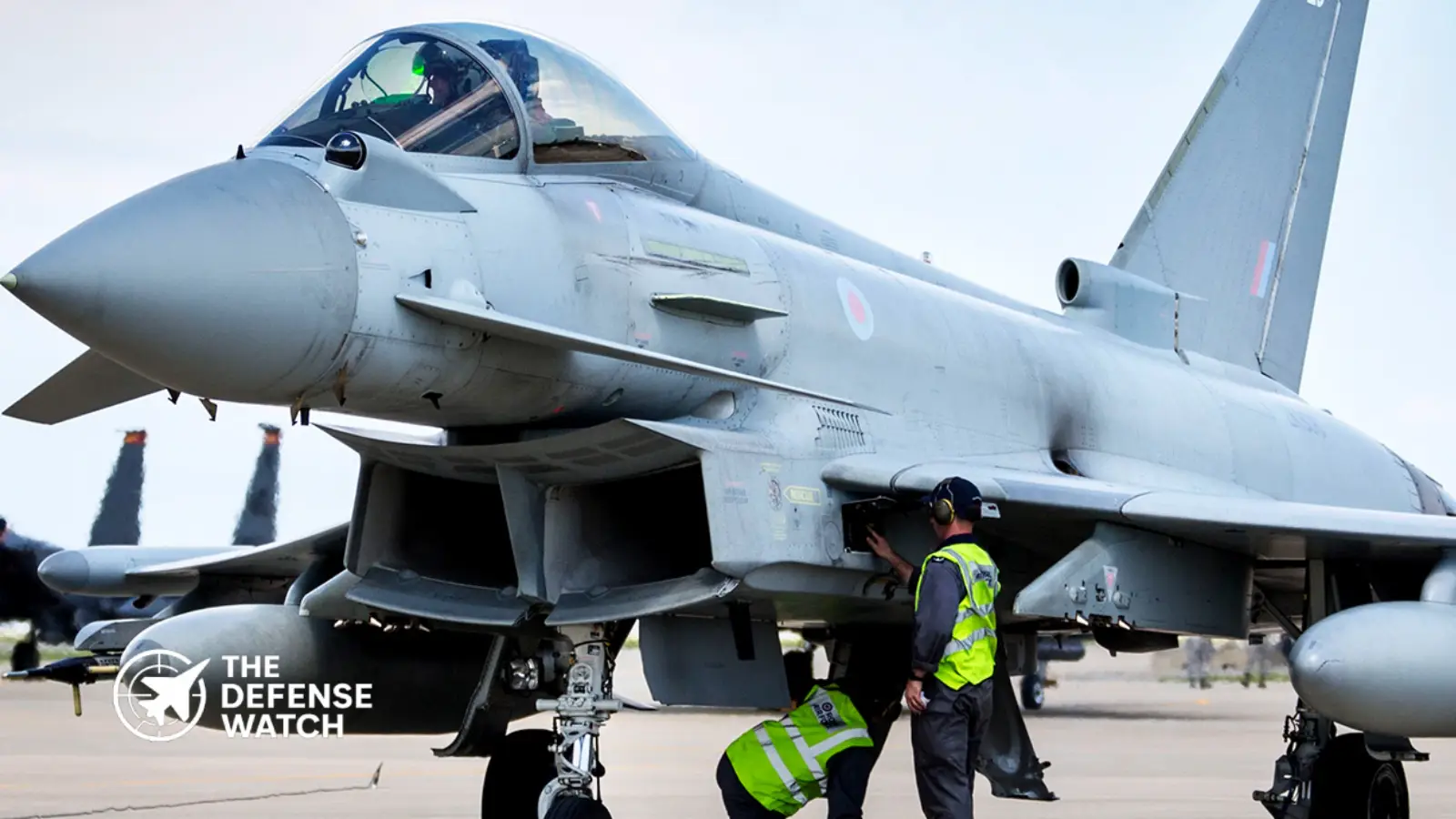
(adsbygoogle = window.adsbygoogle || []).push({});Executive Summary:
Britain’s frontline fighter fleet stands at 158 aircraft in mid-2026 — 111 Eurofighter Typhoons and 47 F-35B Lightning IIs — down from a peak Typhoon order of 137 jets as older Tranche 1 airframes get scrapped. The RAF’s next decade hinges on how fast a stalled second F-35 order and the 2035 Tempest program can replace that shrinking number.
Britain’s entire frontline fighter force could fit inside two and a half US Air Force fighter wings. As of mid-2026, the Royal Air Force fields 158 fast jets — 111 Eurofighter Typhoons and 47 F-35B Lightning IIs. That’s the real number behind a question that gets asked constantly and answered inconsistently.
The confusion is understandable. Older figures still circulating online cite 137 Typhoons, which was the total fleet size before the Ministry of Defence began scrapping early-model aircraft in 2025. The current, accurate count is lower — and shrinking further before it grows again.
The Deep Dive: Typhoon and F-35B, By the Numbers
The Typhoon force was built across three procurement “tranches,” each representing a capability jump over the last. The original order totaled 160 aircraft for the UK, of which 137 were ultimately delivered and entered service: 30 Tranche 1, 67 Tranche 2, and 40 Tranche 3 airframes.
That number is now smaller. In September 2025, Defence Minister Maria Eagle told Parliament that 26 of the 30 Tranche 1 Typhoon aircraft have been scrapped as of that July, with the remaining four held back purely for Quick Reaction Alert duty defending the Falkland Islands until 2027. That leaves the RAF’s active Typhoon count at 111: four aging QRA jets, plus 67 Tranche 2 and 40 Tranche 3 aircraft slated to keep flying until 2040.
(adsbygoogle = window.adsbygoogle || []).push({});The F-35B side of the ledger is more straightforward. The UK’s first procurement batch of 48 Lightning IIs finished delivery in March 2026, eight years after the type first arrived at RAF Marham. One aircraft, BK18, was lost off HMS Queen Elizabeth in 2021, leaving an active fleet of 47. Those jets fly with 617 “Dambusters” Squadron, the Royal Navy’s 809 Naval Air Squadron, and the 207 Squadron training unit — all based at Marham.
A second F-35 order remains stuck in procurement limbo. London’s 2025 Strategic Defence Review confirmed plans for 27 more jets — 15 F-35Bs and, notably, 12 F-35As to restore Britain’s air-delivered nuclear strike role for the first time since the Cold War. None of those 27 have been contracted yet; they’re waiting on the long-delayed Defence Investment Plan.
UK Fast Jet Fleet at a Glance — Mid-2026
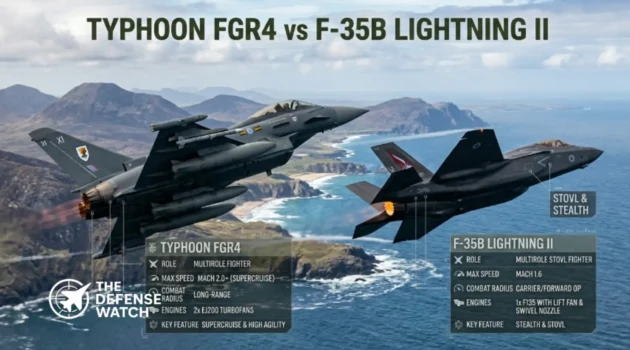
(adsbygoogle = window.adsbygoogle || []).push({});Metric Eurofighter Typhoon FGR4 F-35B Lightning II Active RAF fleet 111 aircraft 47 aircraft Generation 4.5 (non-stealth) 5th-gen, stealth Unit flyaway cost ~$90M–$120M (tranche-dependent) ~$109M (UK pays ~$115M incl. premiums) Top speed Mach 2.0 Mach 1.6 Flight-hour cost ~$20,000–$25,000 ~$33,000–$38,000 Primary role Air defense, QRA, strike Carrier strike, stealth ISR/strike Squadrons 7 frontline + OCU/OEU 617 Sqn, 809 NAS, 207 Sqn (OCU) Planned retirement 2040 Active into the 2040s/50s (Block 4 upgrades pending) Total UK programme costs put this in perspective. Defence Equipment & Support lists the Typhoon’s approved production and in-service support bill at £31.1 billion, with the UK covering roughly 37% of the four-nation Eurofighter consortium’s shared costs. The F-35B side has already cost the UK over $4 billion just for the first 35 jets, before sustainment.
The Crossover Angle: Why Numbers, Not Just Tech, Win Fights
Competitive shooter teams don’t win on raw aim alone — they win on role balance. An entry player pushes first, gathers information, and creates chaos before the enemy team can react. An anchor holds the position, absorbs the counterattack, and closes out the round with firepower the entry role was never built to carry.
That’s almost exactly how the RAF talks about its own fleet. Pilots nickname the F-35B the “Assassin” and the Typhoon the “Thug.” The F-35B goes in first — stealthy, sensor-fused, mapping the battlespace and taking the first quiet shot. The Typhoon follows with the missile capacity, the cannon, and the raw speed to finish what the F-35B started.
The parallel breaks down at scale, though, and that’s the real lesson. A five-person esports roster can field one entry and one anchor and still field a full team. An air force needs dozens of each role available simultaneously — for homeland QRA, NATO air policing, and two active carrier strike groups — or the doctrine collapses under its own math. Britain’s 158 jets are stretched thin precisely because there’s no bench depth behind them.
(adsbygoogle = window.adsbygoogle || []).push({});A fighter fleet’s real strength isn’t which single jet wins a one-on-one dogfight. It’s whether a country can sustain QRA, NATO commitments, and carrier strike group coverage at the same time, for months, without running out of available airframes.
Where the UK’s Jets Rank Globally
The “best fighter jet in the world” debate in 2026 usually comes down to four aircraft: the F-22 Raptor, F-35 Lightning II, J-20 Mighty Dragon, and Su-57 Felon. The UK operates none of the first and exactly one of the second — and that’s not an accident.
Aircraft Operator Est. Active Units (2026) Generation Export Status F-35 (all variants) US-led coalition, 20+ nations ~1,300 5th, stealth Widely exported F-22 Raptor United States ~185–195 5th, stealth Export banned J-20 Mighty Dragon China ~250–300 5th, stealth Export banned Su-57 Felon Russia ~30 5th (debated stealth) Limited interest Eurofighter Typhoon UK, Germany, Italy, Spain + export 600+ worldwide 4.5, non-stealth Widely exported The F-22 is generally judged the superior pure air-superiority dogfighter, but the United States has never sold a single one abroad. That makes the F-35 the practical ceiling for any US ally, the UK included — and explains why London bet its entire fifth-generation strategy on the Lightning II rather than waiting on a jet it could never legally buy.
(adsbygoogle = window.adsbygoogle || []).push({});China’s J-20 outnumbers Russia’s entire Su-57 program roughly tenfold, a gap that says more about industrial capacity than airframe design. Moscow’s struggles to scale Su-57 production past 30 aircraft despite years of development is the same constraint that shapes the UK’s own Typhoon-to-F-35 transition: building a great jet on paper means little if you can’t build enough of them.
The Takeaway
The UK’s fighter fleet sits at 158 jets today, with 111 Typhoons drawing down toward 2040 and 47 F-35Bs waiting on a stalled second order to bring real fifth-generation depth. The aircraft themselves are credible — the F-35B ranks among the world’s most capable fighters by most 2026 assessments, and the upgraded Typhoon still holds its own in regional air defense.
The open question isn’t capability. It’s whether Britain can field enough airframes to use that capability when it actually matters — across home defense, NATO commitments, and two aircraft carriers, all at once, with no real reserve left to call on.

Executive Summary:
U.S. drone manufacturer Red Cat Holdings unveiled its new Hellcat small unmanned aircraft system (sUAS) during Eurosatory 2026 in Paris. Built on the company’s Black Widow platform, the aircraft is designed for contested environments, modular mission integration, and future multi domain operations that may include tethered intelligence, surveillance, and reconnaissance (ISR) roles alongside unmanned surface vessels (USVs). The announcement reflects the growing defense industry focus on interoperable and rapidly adaptable autonomous systems.
Red Cat Introduces Hellcat UAV At Eurosatory 2026
The Red Cat Hellcat UAV made its public debut at Eurosatory 2026, one of the world’s largest land and defense technology exhibitions. The system was introduced by Red Cat Holdings as a new dual use small unmanned aircraft system built upon the company’s existing Black Widow architecture.
According to company statements released during the event, Hellcat incorporates operational feedback gathered from real world deployments and lessons learned through Red Cat’s ongoing collaboration with Ukrainian drone operators. The company stated that the platform was designed specifically for rapidly changing operational environments where adaptability and interoperability are increasingly critical.
The unveiling comes as defense ministries across Europe and NATO countries continue expanding investments in small tactical drones following battlefield lessons from Ukraine and other recent conflicts.
Built On The Black Widow Foundation
Rather than developing an entirely new airframe, Red Cat leveraged its proven Black Widow platform as the foundation for Hellcat.
The company said the aircraft follows a Modular Open Systems Architecture (MOSA) approach, allowing operators to configure mission software, command and control systems, payloads, and integration packages according to operational requirements.
Reported Hellcat Specifications
| Capability | Reported Performance |
|---|---|
| Flight endurance | More than 50 minutes |
| Operational range | Up to 6.8 miles (line of sight) |
| Navigation | GPS denied operations |
| Recovery | Return to Home Azimuth without GPS |
| Payload | Ocellus 3CP three camera ISR payload |
| Design | Field repairable, rucksack portable |
Specifications based on company-released information presented during Eurosatory 2026.
The ability to operate in GPS denied environments is increasingly important as military forces prepare for conflicts involving advanced electronic warfare systems capable of disrupting satellite navigation signals.
Tethered ISR Concept Draws Attention
One of the more significant developments surrounding Hellcat at Eurosatory was its apparent role in a broader tethered ISR ecosystem.
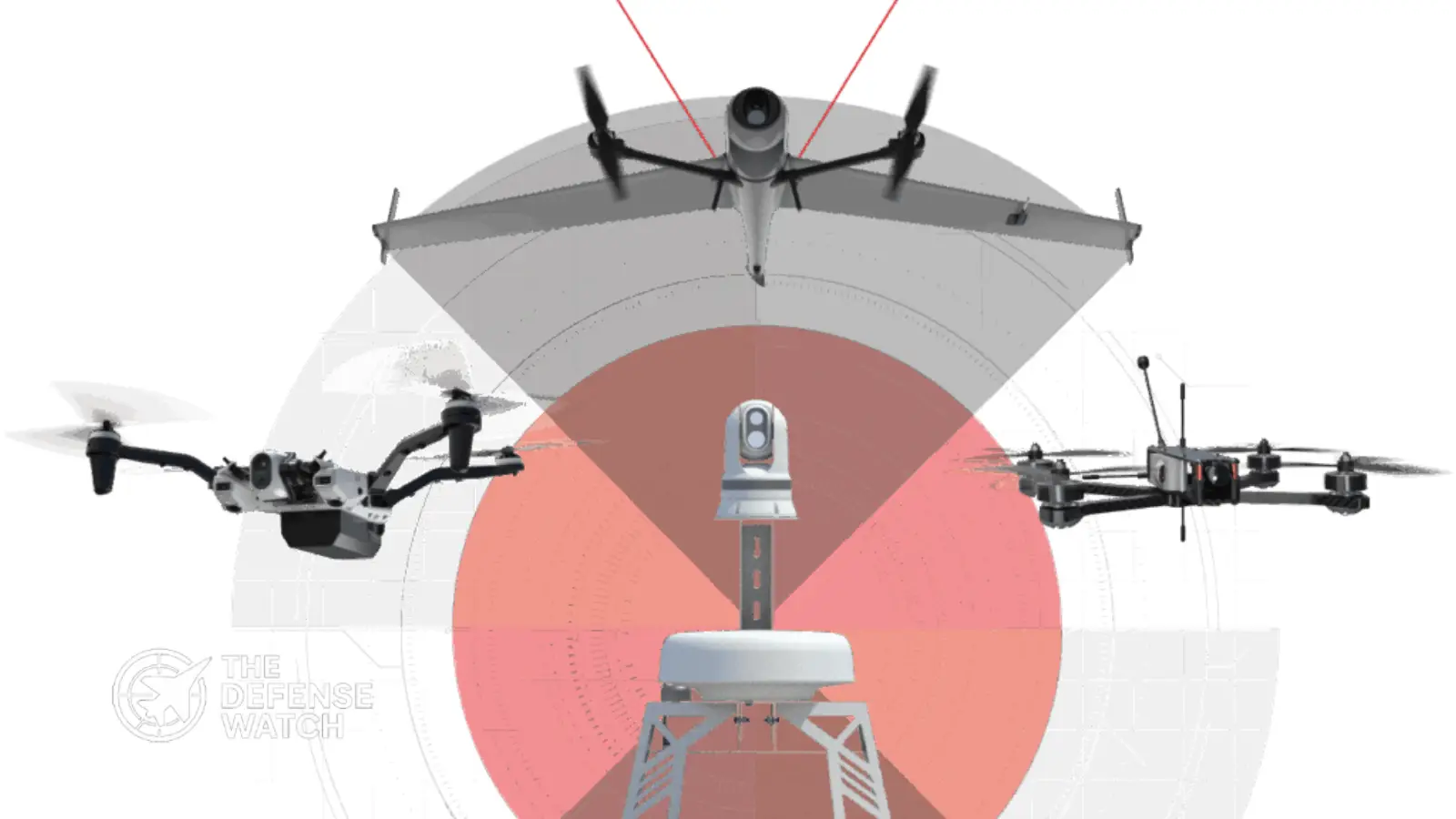
Industry discussions and exhibition materials highlighted integration with the ARASTELLE tether system, a plug and play solution designed to transform small drones into persistent ISR platforms or elevated communications relay nodes.
Unlike conventional battery powered drone operations that are constrained by endurance limits, tethered systems can remain airborne for extended periods while providing:
- Persistent surveillance
- Communications relay functions
- Electronic support capabilities
- Elevated sensor coverage
- Battlefield networking support
The concept aligns with growing military interest in low cost aerial mast alternatives that can be rapidly deployed by tactical units without requiring larger manned assets.
Beyond Aircraft: Red Cat’s Multi Domain Vision
Perhaps the most strategically significant aspect of the Hellcat unveiling was how it was presented within Red Cat’s broader “Family of Systems” approach.
Company materials positioned Hellcat alongside several other autonomous platforms, including:
- Black Widow reconnaissance UAV
- FlightWave Edge 130 UAV
- FANG autonomous systems
- Blue Ops Variant 7 unmanned surface vessel
- Integrated command and control technologies
This suggests Red Cat is increasingly pursuing a multi domain autonomous ecosystem rather than operating solely as a drone manufacturer.
Industry observers at Eurosatory also noted displays and discussions linking Hellcat with future maritime applications and unmanned surface vessel concepts. While the company has not publicly detailed specific operational architectures, the combination of airborne ISR assets and autonomous maritime platforms reflects a growing trend across Western defense programs.
Why The Hellcat Matters
The introduction of Hellcat reflects several broader shifts underway across military drone development.
Rapid Battlefield Adaptation
Modern conflicts have demonstrated that drone technology evolves far faster than traditional acquisition cycles. Manufacturers increasingly rely on direct operational feedback from deployed users to accelerate development.
Red Cat explicitly stated that Hellcat incorporates battlefield lessons and operational insights gathered through ongoing Ukrainian partnerships.
Open Architecture Requirements
Defense customers are increasingly demanding systems that can integrate with existing command networks rather than relying on proprietary ecosystems.
By emphasizing MOSA compliance and configurable mission systems, Hellcat appears designed to support coalition operations across multiple countries and military services.
Multi Domain Operations
The future battlefield is expected to feature tighter coordination between air, land, maritime, cyber, and electronic warfare assets.
The inclusion of UAVs, tethered ISR systems, communications relays, and unmanned surface vessels within a common operational framework reflects this broader trend. Such architectures could enable distributed sensing and targeting networks while reducing risk to personnel.
Competitive Position In The Expanding Small UAS Market
The small UAS market has become one of the fastest growing segments of the global defense industry.
Companies are increasingly competing not only on aircraft performance but also on software architecture, electronic warfare resilience, sensor integration, and autonomous teaming capabilities.
Hellcat enters a market where military customers are seeking systems capable of operating in contested electromagnetic environments while remaining affordable and easily replaceable when necessary. Its emphasis on GPS denied operation, modular payloads, and interoperability directly addresses those requirements.
Outlook
Red Cat’s unveiling of Hellcat at Eurosatory 2026 represents more than the introduction of another small reconnaissance drone. The platform highlights the industry’s movement toward adaptable, software defined, and interconnected autonomous systems capable of operating across multiple domains.
Whether integrated into tactical reconnaissance missions, tethered ISR roles, communications relay networks, or future maritime operations, Hellcat appears positioned as a flexible node within a broader autonomous ecosystem rather than a standalone aircraft. As defense organizations continue adapting to lessons from contemporary conflicts, that systems based approach may prove as important as the drone’s individual performance characteristics.
(adsbygoogle = window.adsbygoogle || []).push({});Executive Summary:
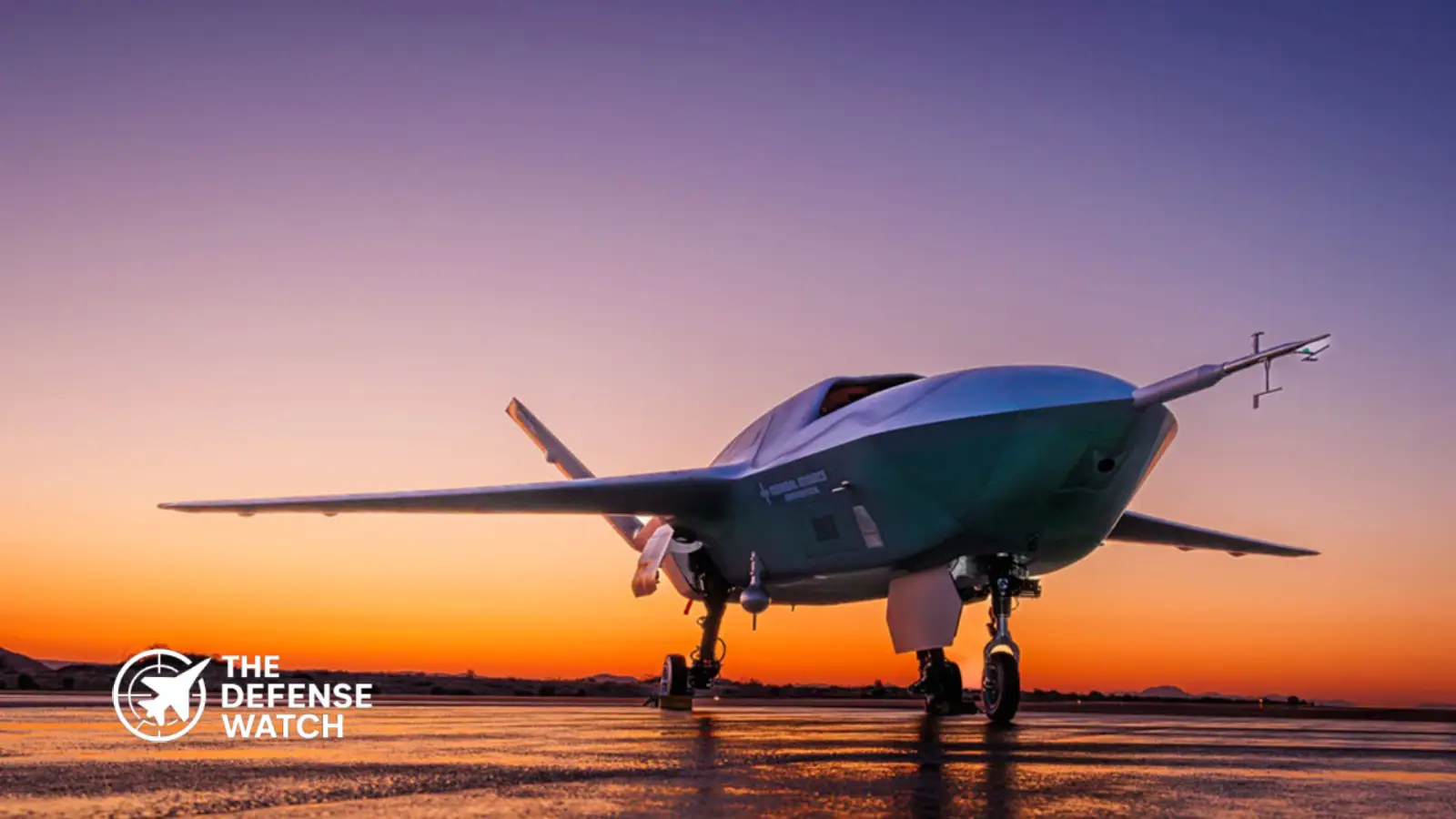
The U.S. Air Force has awarded General Atomics Aeronautical Systems Inc. (GA-ASI) a production contract for the FQ-42A Dark Merlin, marking a major milestone for the service’s Collaborative Combat Aircraft (CCA) initiative. The award moves the autonomous combat aircraft from prototype testing into operational production and signals the Air Force’s commitment to fielding large numbers of uncrewed fighter wingmen alongside manned aircraft.
The production award follows more than two years of rapid development and testing under the Air Force’s CCA program, which seeks to pair autonomous aircraft with advanced fighters such as the F-35 Lightning II and F-22 Raptor. General Atomics announced that the initial production order will begin deliveries of operational FQ-42A aircraft to the Air Force, transitioning the platform from its earlier YFQ-42A developmental designation into a production configuration.
The award comes after the Air Force selected both General Atomics and Anduril Industries for the first production phase of Increment 1 of the CCA program. The service intends to field at least 150 autonomous combat aircraft under the initial procurement effort, with both the FQ-42A and Anduril’s FQ-44 expected to support operational testing and eventual deployment.
Deep Technical & Strategic Context Analysis
The FQ-42A Dark Merlin represents one of the most significant shifts in U.S. tactical airpower since the introduction of fifth-generation fighters. Rather than replacing crewed aircraft, the platform is designed to operate as an autonomous force multiplier capable of conducting sensing, electronic warfare, strike, decoy, and air-to-air support missions under the supervision of a human pilot.
The aircraft traces its lineage to General Atomics‘ XQ-67A and broader Gambit family of autonomous aircraft. Open-source imagery and company disclosures indicate the platform incorporates a low-observable configuration featuring a dorsal air intake, internal weapons carriage, and modular mission systems architecture. The design has been optimized for affordability and production scalability while retaining sufficient survivability to operate inside contested environments. Planned armament is believed to include internal carriage of AIM-120 AMRAAM missiles and other mission-specific payloads.
Strategically, the program addresses one of the Air Force’s most pressing challenges: generating combat mass against near-peer adversaries without relying solely on increasingly expensive crewed aircraft. Air Force officials have repeatedly described CCA as the next phase of human-machine teaming, allowing fighters to extend sensor coverage, increase survivability, and distribute risk across multiple autonomous platforms during high-intensity operations.
The production decision is particularly notable because it comes after a compressed development timeline. General Atomics was selected to build production-representative test aircraft in 2024, conducted the first CCA flight in 2025, and subsequently demonstrated autonomous mission software integration, push-button takeoffs and landings, and manned-unmanned teaming scenarios before securing production approval.
Contract Breakdown & Details
Program Overview
- Contract Recipient: General Atomics Aeronautical Systems Inc.
- Customer: United States Air Force
- Platform: FQ-42A Dark Merlin
- Program: Collaborative Combat Aircraft (CCA) Increment 1
- Contract Purpose: Production and delivery of operational autonomous combat aircraft
- Program Status: Transition from developmental YFQ-42A configuration to production FQ-42A aircraft
Key Capabilities
- Semi-autonomous and autonomous mission execution
- Human-machine teaming with crewed fighters
- Modular open-systems architecture
- Rapid mission payload integration
- Advanced autonomy software compatibility
- Potential air-to-air and strike mission capability
- Distributed sensing and electronic warfare support
Development Milestones
- April 2024: General Atomics selected to build CCA test aircraft.
- August 2025: First successful Air Force CCA flight completed.
- February 2026: First mission autonomy software flight demonstrated.
- June 2026: Production contract awarded for FQ-42A aircraft.
Industry Significance
The award validates the Air Force’s acquisition strategy of rapidly developing autonomous combat aircraft through competitive prototyping rather than traditional fighter procurement timelines. Moving from prototype selection in 2024 to production authorization in 2026 represents one of the fastest transitions from concept to production seen in a modern U.S. combat aircraft program.
Competitive Landscape
The Air Force selected two separate autonomous fighter designs for Increment 1:
- FQ-42A Dark Merlin (General Atomics)
- FQ-44 (Anduril Industries)
The dual-vendor approach is intended to preserve competition, reduce program risk, and accelerate fielding of operational autonomous combat aircraft across the force.

(adsbygoogle = window.adsbygoogle || []).push({});Executive Summary:
Finland announced on June 18 that it will procure U.S.-made GBU-53 Small Diameter Bomb II (SDB II) glide bombs for its future fleet of F-35A fighter aircraft. The acquisition expands Finland’s precision strike capabilities, strengthens NATO’s northern flank, and deepens defense cooperation between Helsinki and Washington as the Nordic nation continues to modernize its armed forces following its accession to NATO.
Finland Adds GBU-53 Glide Bombs To F-35 Arsenal
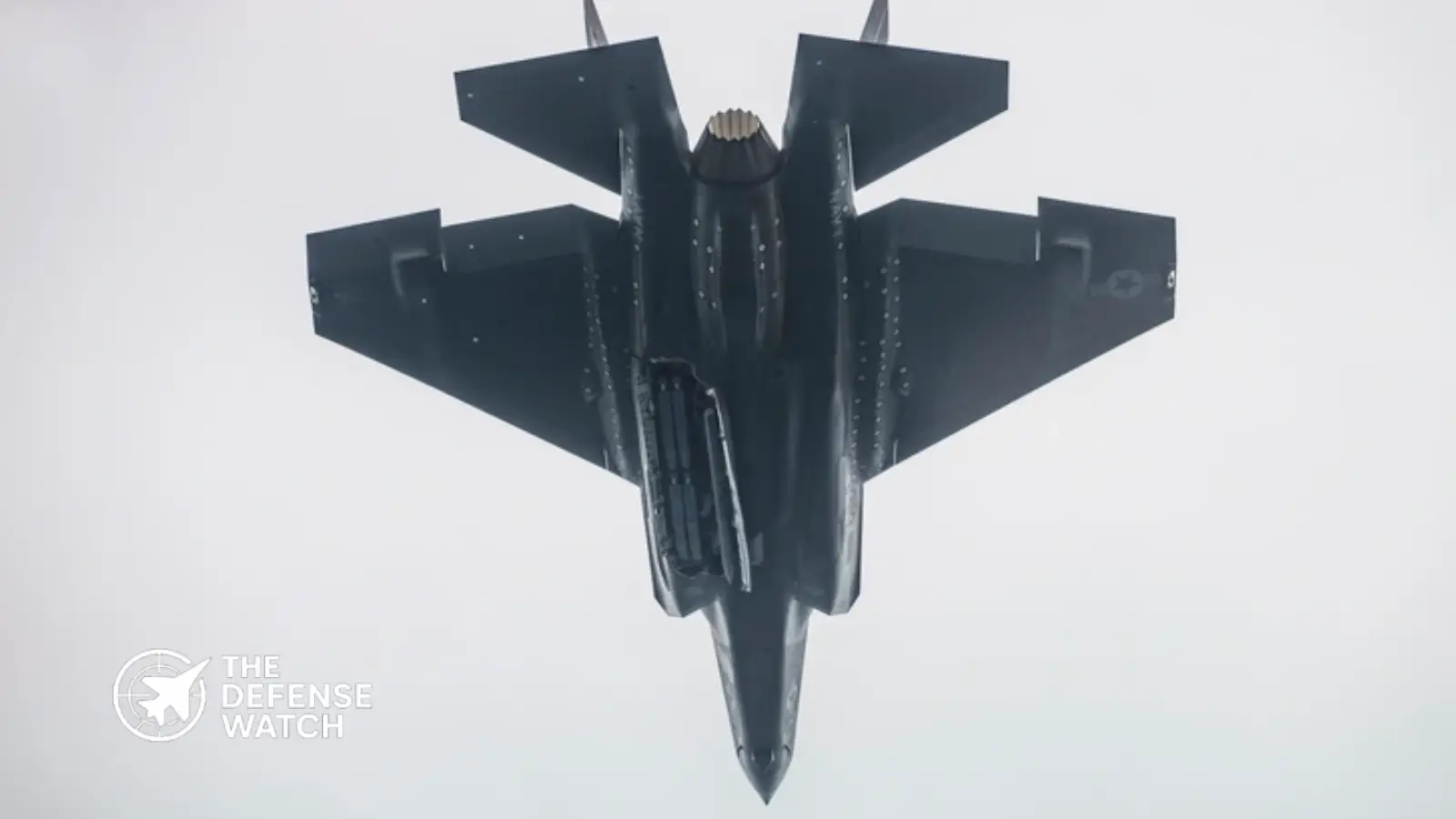
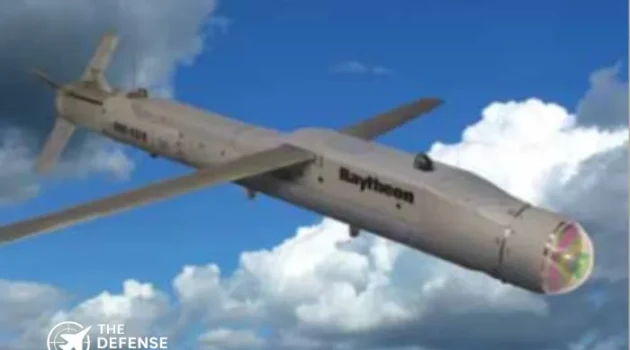
Finland is moving to expand its F-35 strike capability through the purchase of U.S.-made GBU-53 Small Diameter Bomb II glide bombs, according to a statement from the Finnish Ministry of Defence released on June 18. The procurement will provide Finland’s future fleet of Lockheed Martin F-35A fighters with a highly advanced precision-guided air-to-ground weapon designed to engage moving and stationary targets in contested environments.
The decision marks another step in Finland’s ongoing military modernization effort following its entry into NATO in 2023. The Nordic nation previously committed approximately $9.4 billion to acquire 64 F-35A fighters, replacing its aging fleet of F/A-18 Hornets.
According to the ministry, the GBU-53 acquisition will provide an additional air-to-ground capability for Finland’s future F-35 force and complement other weapons already being integrated into the country’s next-generation fighter program.
- (adsbygoogle = window.adsbygoogle || []).push({});
What Is The GBU-53 Small Diameter Bomb II?
The GBU-53/B StormBreaker, formerly known as Small Diameter Bomb II (SDB II), is one of the most advanced precision-guided glide bombs currently fielded by the United States and its allies.
Unlike earlier precision-guided bombs that rely primarily on GPS guidance, the weapon combines multiple targeting systems, allowing it to engage targets under adverse weather conditions and against moving objectives.
Key Characteristics
Capability GBU-53 SDB II Weapon Type Precision-guided glide bomb Target Types Moving and stationary targets Guidance Multi-mode seeker Platform Compatibility F-35, F-15E, F/A-18E/F and others Operational Role Precision strike, close air support, interdiction Stand-off Capability Allows aircraft to engage targets from significant distance Its compact size allows aircraft to carry larger quantities of weapons internally while preserving the F-35’s low-observable characteristics.
(adsbygoogle = window.adsbygoogle || []).push({});Part Of A Broader Finnish F-35 Weapons Package
The latest procurement follows several other weapons acquisitions linked to Finland’s F-35 program.
In 2024, Helsinki approved procurement of Joint Direct Attack Munition (JDAM) kits and Small Diameter Bomb I weapons for integration with the future F-35 fleet. The package included training systems, support equipment, spare parts, and logistics services extending through 2030.
Finland has also moved to acquire advanced AIM-120D AMRAAM air-to-air missiles for the aircraft. Government officials previously stated that the missile purchases would support the operational deployment of the incoming F-35 force.
Additional reported acquisitions for Finland’s F-35 inventory include AGM-158 JASSM-ER long-range cruise missiles and AGM-88G AARGM-ER anti-radiation missiles, creating a broad portfolio of strike and suppression capabilities.
Why The Purchase Matters
The GBU-53 acquisition carries significance beyond the addition of another guided weapon.
Finland shares a border of more than 1,300 kilometers with Russia, making long-range precision strike capability a critical component of its defense strategy. Since joining NATO, Helsinki has accelerated efforts to strengthen deterrence and improve interoperability with allied forces.
For the F-35, advanced weapons integration is central to the aircraft’s operational value. The platform’s stealth characteristics, sensor fusion, and networking capabilities are designed to work alongside precision-guided munitions capable of striking targets while minimizing exposure to enemy air defenses.
The GBU-53 is particularly relevant in modern combat environments because it allows pilots to engage mobile targets while operating at stand-off ranges. This capability has become increasingly important as advanced surface-to-air missile systems proliferate across Europe and other regions.
Implications For NATO’s Northern Flank
Finland’s procurement reflects a broader trend among NATO members investing heavily in fifth-generation airpower and precision-guided weapons.
The alliance’s northern region has gained strategic importance following Finland’s and Sweden’s accession to NATO. Together, the two nations significantly expand NATO’s operational reach across the Baltic Sea region and the High North.
From an alliance perspective, Finland’s growing F-35 fleet will eventually contribute to a wider network of F-35 operators across Europe that includes Norway, Denmark, the Netherlands, Belgium, Poland, Germany, Italy, and the United Kingdom.
The addition of advanced stand-off weapons such as the GBU-53 enhances the collective ability of NATO air forces to conduct precision strikes, suppress enemy air defenses, and support joint operations in contested environments.
Operational Challenges And Considerations
While the acquisition strengthens Finland’s future capabilities, integrating advanced weapons into a new fighter fleet requires extensive training, logistics support, and sustainment planning.
Finland has already emphasized a comprehensive procurement approach that includes training systems, spare parts inventories, maintenance infrastructure, and long-term support agreements. Previous Finnish F-35 weapons procurements have followed this model, indicating a focus on ensuring operational readiness rather than simply acquiring hardware.
The move also comes as several European nations continue to monitor defense supply chain pressures affecting some U.S. weapons deliveries. Finnish officials have previously acknowledged that certain defense deliveries to Europe have experienced delays due to broader global demand and operational requirements.
Strategic Outlook
Finland’s decision to acquire GBU-53 glide bombs represents another incremental but important enhancement of its future F-35 force.
Rather than focusing solely on aircraft procurement, Helsinki continues to build a comprehensive weapons ecosystem around its next-generation fighters. The combination of stealth aircraft, advanced air-to-air missiles, stand-off cruise missiles, anti-radiation weapons, and precision-guided glide bombs will provide the Finnish Air Force with a significantly broader set of operational options than its current fleet possesses.
As F-35 deliveries begin and weapons integration progresses through the coming years, Finland is positioning itself as one of NATO’s most capable airpower contributors along the alliance’s northeastern frontier.
(adsbygoogle = window.adsbygoogle || []).push({});Executive Summary:
U.S. Air Force fighters, bombers, and support aircraft recently conducted large-scale operations in British airspace alongside Royal Air Force assets. The training highlights growing NATO emphasis on combat readiness, long-range strike integration, and allied interoperability amid increasing security challenges across Europe.
American Jets And Bombers Conduct Training Over Britain
American jets and bombers operating over Britain have demonstrated the growing integration between U.S. and UK air forces as NATO continues to emphasize readiness across the Euro-Atlantic region.
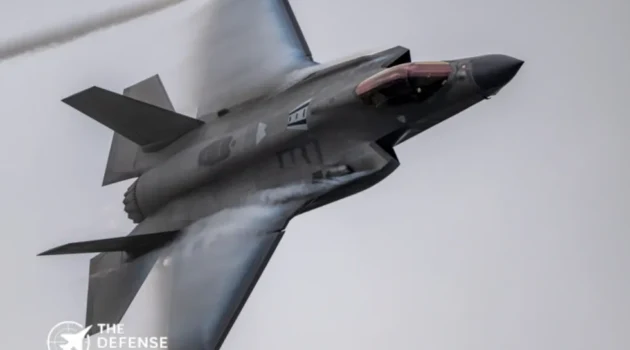
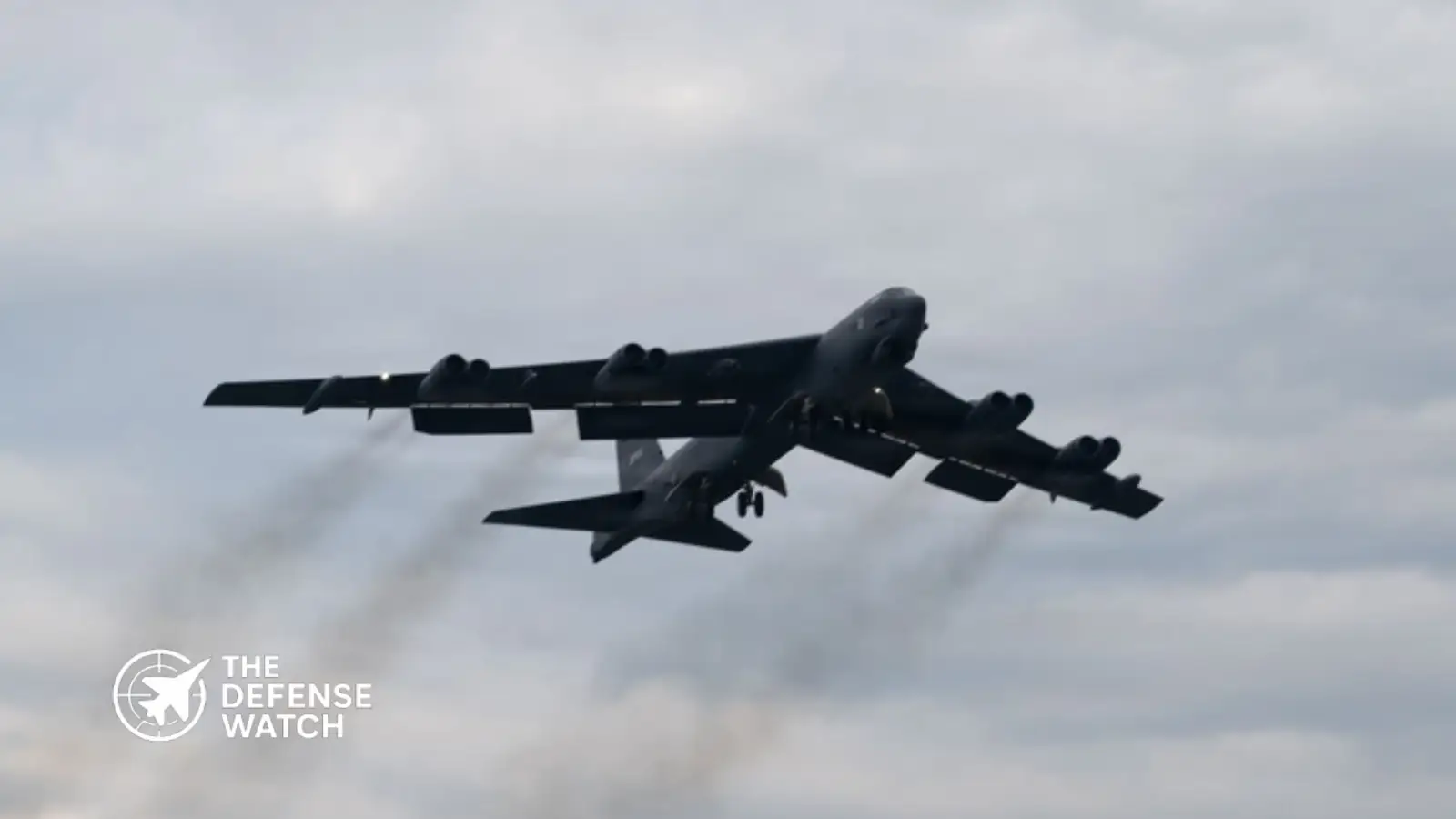
Multiple U.S. military aircraft, including strategic bombers, fighters, and aerial refueling platforms, participated in coordinated operations in British airspace. The activity involved complex air combat scenarios designed to sharpen operational coordination between allied forces.
The exercises took place against a backdrop of heightened NATO focus on deterrence, rapid response capabilities, and large-scale air operations. While such missions are routine elements of alliance training, their scale and visibility underscore the importance both nations place on maintaining a credible airpower posture.
Strategic Bomber Presence Remains Key
A notable aspect of the training was the participation of U.S. strategic bomber aircraft.
Long-range bombers remain among the most flexible tools available to U.S. military planners. They can rapidly deploy across continents, carry a wide range of conventional weapons, and integrate with allied air forces during multinational operations.
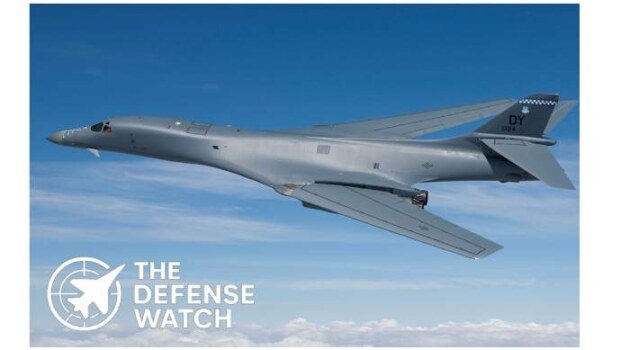
RAF Fairford continues to serve as an important hub for visiting U.S. bomber deployments in Europe. The base has supported multiple rotations involving American bomber aircraft in recent years and remains a critical location for transatlantic airpower operations. Earlier this year, U.S. B-1B Lancer bombers were deployed to Britain as part of broader regional security operations.
(adsbygoogle = window.adsbygoogle || []).push({});The ability to operate strategic bombers from British bases provides operational flexibility while reinforcing NATO’s collective defense posture.
Strengthening U.S.-UK Air Force Integration
The latest activity also highlights the increasingly integrated relationship between the U.S. Air Force and the Royal Air Force.
Modern air operations require seamless coordination among fighters, bombers, surveillance aircraft, electronic warfare platforms, and aerial refueling assets. Joint training allows crews to practice command-and-control procedures, communications, targeting processes, and mission planning under realistic conditions.
For NATO, interoperability is not simply a training objective. It is a core requirement for coalition combat operations. Aircraft from multiple nations must be able to operate together effectively during crises or conflicts.
The United Kingdom remains one of Washington’s closest military partners, and the two nations regularly conduct combined air operations across Europe, the Middle East, and other strategic regions.
Why The Training Matters
The appearance of American jets and bombers over Britain comes as European security planners continue to monitor evolving threats across the continent.
Recent statements from senior British military officials indicate a rise in Russian long-range military aviation activity near NATO’s northern approaches. The Royal Air Force routinely conducts interception and monitoring missions when foreign military aircraft approach areas of interest near UK airspace.
In parallel, NATO members have increased the frequency and complexity of joint exercises aimed at improving readiness and deterrence.
Training missions involving bombers are particularly valuable because they simulate the coordination required for long-range strike operations, air superiority missions, and integrated coalition warfare. These exercises also provide opportunities to validate logistics networks, refueling procedures, and command structures that would be critical during a major contingency.
Airpower As A Deterrence Tool
The strategic value of American jets and bombers extends beyond training alone.
Visible airpower deployments serve as a signal of allied capability and commitment. Strategic bombers can deploy rapidly, operate across vast distances, and integrate with regional forces without requiring permanent forward basing.
For NATO, this flexibility provides an important deterrent advantage. It allows the alliance to demonstrate readiness while maintaining the ability to scale military presence according to evolving security requirements.
The United Kingdom’s geographic position and established military infrastructure continue to make it a central platform for allied air operations across Europe and the North Atlantic.
Analysis: A Broader Trend In NATO Air Operations
Beyond the immediate exercise, the mission reflects a broader shift toward more integrated and distributed air operations among NATO members.
Modern conflicts increasingly require coordination across multiple domains, including air, space, cyber, and electronic warfare. Large-scale training events help allied forces test these capabilities before they are needed in real-world operations.
The presence of American jets and bombers over Britain also demonstrates how NATO is leveraging existing infrastructure and long-standing partnerships to improve readiness without establishing large new permanent force structures.
As European security challenges continue to evolve, such exercises are likely to remain a regular feature of alliance operations, providing both practical training value and strategic reassurance to NATO members.
Conclusion
The latest operations involving American jets and bombers over Britain highlight the enduring strength of U.S.-UK defense cooperation and NATO airpower integration.
While primarily a training event, the mission showcased capabilities that are central to alliance deterrence, including strategic bomber operations, multinational coordination, and rapid-response airpower. As NATO continues adapting to a changing security environment, exercises of this type remain essential for maintaining combat readiness and collective defense effectiveness.

(adsbygoogle = window.adsbygoogle || []).push({});Executive Summary:
Renault and Thales have launched a strategic partnership to mass produce the Toutatis loitering munition, marking a significant expansion of France’s defense industrial base. The agreement combines Renault’s automotive manufacturing expertise with Thales’ defense technology capabilities to scale production and strengthen Europe’s growing demand for unmanned systems.
Renault And Thales Deepen Defense Partnership
Renault drone production is entering a new phase as the French automaker partners with Thales to manufacture the Toutatis loitering munition, a short range remotely operated strike drone designed for modern high intensity warfare.
The agreement was announced during the Eurosatory 2026 defense exhibition near Paris. Under the partnership, Renault will manufacture the Toutatis system at one of its French production facilities, with output expected to reach approximately 1,000 units per month beginning as early as 2027. The companies said the project will significantly expand France’s industrial capacity in a strategically important defense sector.
The deal marks the second major defense collaboration between Renault and Thales. The two companies are already working together on the development of the 4 TROOP military vehicle, unveiled earlier at Eurosatory 2026.
What Is The Toutatis Loitering Munition?
Developed by Thales, the Toutatis is a short range loitering munition designed to support military forces operating in contested environments.
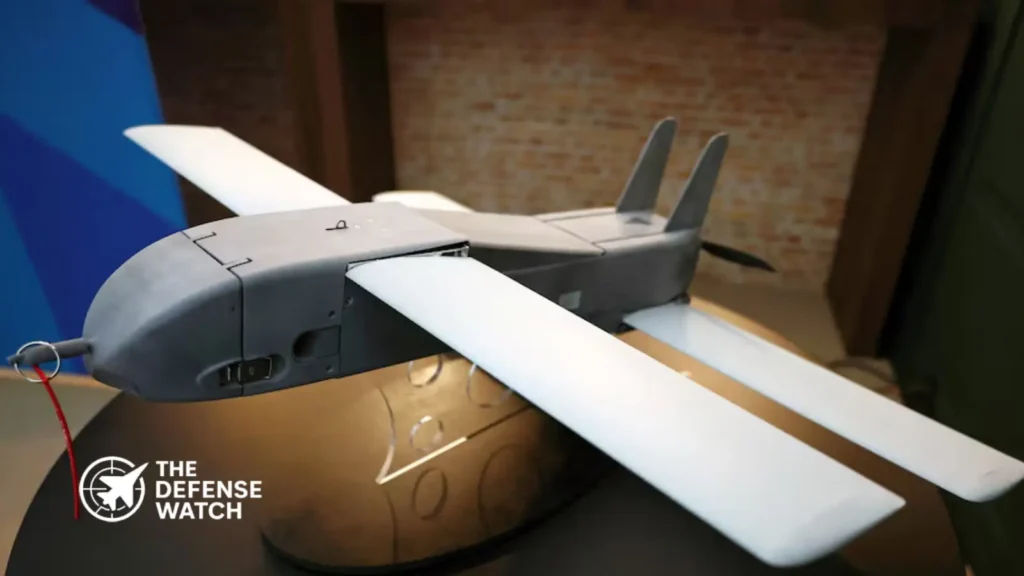
According to Thales and Renault, the system can be deployed by individual soldiers or launched from combat vehicles, aircraft, and naval platforms. It is designed to resist electromagnetic jamming and can carry mission specific warheads against a variety of targets, including armored vehicles. The platform can also operate as part of coordinated drone swarms while maintaining human control over engagement decisions.
Loitering munitions have become a central feature of modern warfare, particularly following their extensive use during the war in Ukraine, where relatively low cost drones have demonstrated the ability to destroy high value military assets.
Why Renault’s Entry Matters
The partnership reflects a broader trend across Europe as governments seek to rapidly increase defense production capacity in response to evolving security challenges.
Rather than building new defense factories from scratch, European governments and defense companies are increasingly turning to established industrial manufacturers with proven large scale production expertise. Renault brings decades of experience in high volume manufacturing, supply chain management, and cost optimization.
Involvement will allow production of the Toutatis drone to transition from limited 3D printed manufacturing methods to more efficient plastic injection molding processes. The companies expect this shift to reduce production costs while simplifying the design through a significant reduction in component count.
This approach highlights an emerging defense industrial strategy across Europe, leveraging civilian manufacturing infrastructure to accelerate military production timelines.
Strategic Implications For France And Europe
The Renault and Thales agreement aligns with France’s effort to strengthen a sovereign domestic drone industry and reduce dependence on foreign suppliers. The companies described the initiative as part of a broader effort to establish a national drone production ecosystem capable of supporting future military requirements.
While France currently has no major procurement program specifically tied to the Toutatis drone, international demand for loitering munitions continues to grow as armed forces seek affordable precision strike capabilities. Reuters reported that much of the expected production will target export markets.
The announcement also comes amid a wider acceleration of European defense investment following Russia’s invasion of Ukraine and increasing concerns about long term security requirements across the continent. Governments and industry leaders are placing greater emphasis on scalable production capacity, resilient supply chains, and rapid fielding of new technologies.
Analysis: A New Model For Defense Manufacturing
Beyond the immediate production numbers, the Renault Thales partnership may represent one of the clearest examples of how Europe intends to expand defense output in the coming decade.
Traditional defense manufacturers often face production bottlenecks when demand rises sharply. By integrating automotive manufacturing expertise into defense programs, companies can access established industrial processes, workforce experience, and supply networks that would otherwise take years to develop.
The Toutatis program demonstrates how commercial industrial capacity can be adapted for military requirements without requiring entirely new production infrastructure. If successful, the model could be replicated across other European defense programs involving drones, autonomous systems, tactical vehicles, and munitions.
The partnership also signals that future defense competitiveness may depend not only on advanced technology but on the ability to manufacture systems rapidly, affordably, and at scale. In an era where attritable drones are becoming increasingly important on the battlefield, production capacity itself is emerging as a strategic capability.
Conclusion
The Renault and Thales agreement marks a significant step in France’s effort to expand domestic drone production and strengthen its defense industrial base. By combining automotive manufacturing expertise with advanced defense technology, the partnership aims to deliver large scale production of the Toutatis loitering munition while supporting broader European defense modernization efforts.
As demand for unmanned systems continues to rise, the success of the program could serve as a model for future collaborations between civilian industry and defense manufacturers across Europe.
Executive Summary:
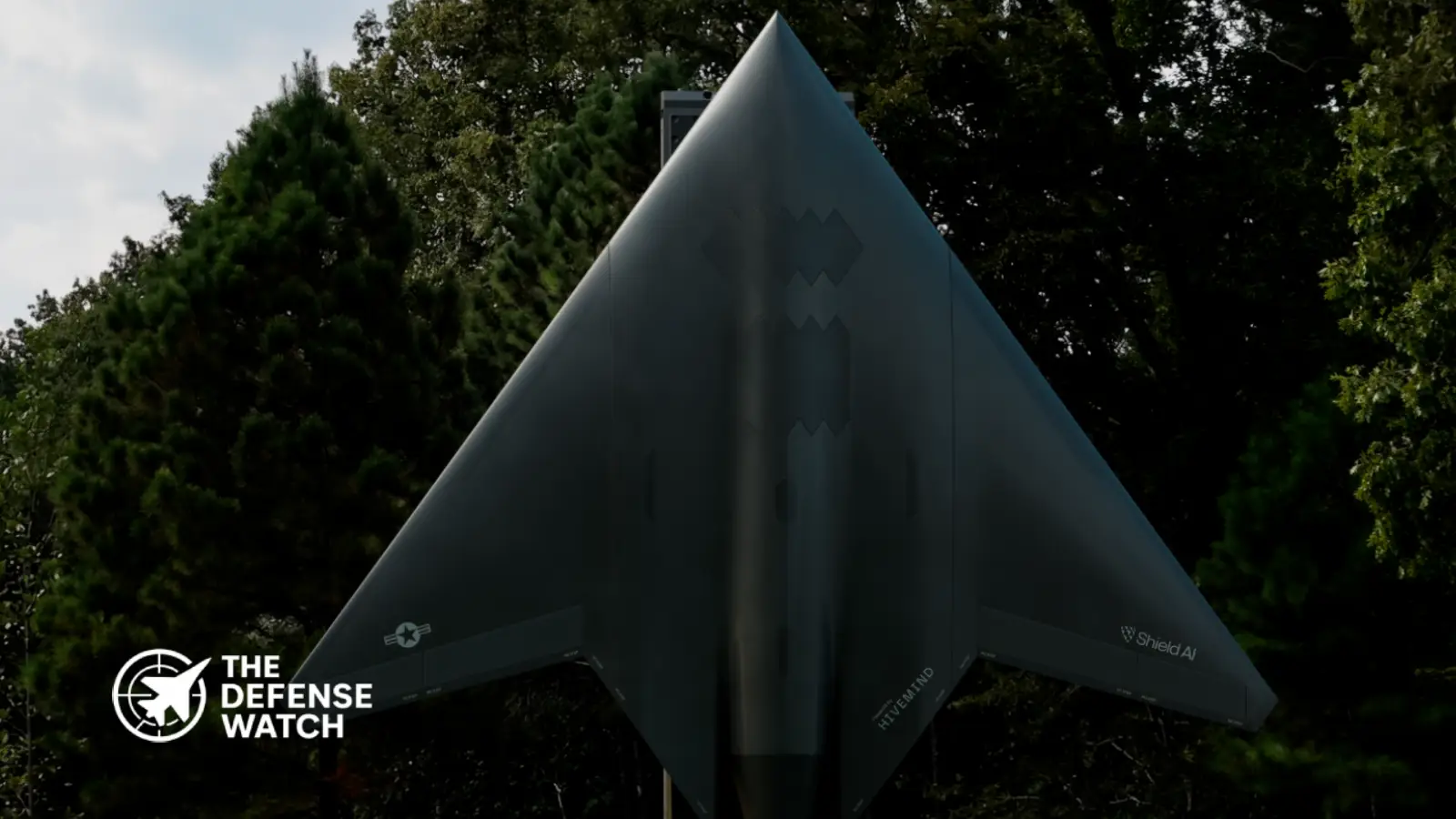
Poland could become a key European support hub for Shield AI X-BAT unmanned aircraft system after Prime Minister Donald Tusk announced that the U.S. defense technology company is considering establishing a service center in the country.
The move aligns with Warsaw’s broader effort to expand its drone capabilities and strengthen NATO’s eastern flank through greater investment in unmanned systems, maintenance infrastructure, and defense industrial cooperation.
Shield AI X-BAT Drone Program Gains Momentum In Poland
The X-BAT drone program moved closer to a potential long-term presence in Poland after Prime Minister Donald Tusk said U.S. defense technology company Shield AI is considering establishing a service and support center in the country, according to Reuters reporting on June 16.
The announcement reflects Poland’s growing importance within NATO’s defense industrial network as European allies accelerate investments in unmanned systems following lessons learned from ongoing conflicts in Eastern Europe and the Middle East.
The proposed facility would support operations, maintenance, and sustainment activities for X-BAT drones while potentially serving regional NATO customers operating similar platforms.
What Is The X-BAT Drone?
The X-BAT is a vertical takeoff and landing (VTOL) unmanned aerial system developed by Shield AI Industries for intelligence, surveillance, reconnaissance, and strike-support missions.
Key characteristics include:
Capability Description Launch Method Vertical takeoff and landing Runway Requirement None Mission Type ISR, reconnaissance, targeting Operational Use Contested and austere environments NATO Relevance Rapid deployment and distributed operations Unlike conventional fixed-wing drones, the X-BAT can operate from confined locations without prepared runways, making it particularly attractive for dispersed military operations along NATO’s eastern flank.
Its operational concept aligns with modern military requirements emphasizing survivability, mobility, and rapid deployment in contested environments.
Poland’s Expanding Role In NATO’s Drone Strategy
The potential Shield AI investment comes as Poland continues one of Europe’s most ambitious military modernization efforts.
Warsaw has increasingly positioned itself as a leading advocate for drone integration across military operations. Prime Minister Tusk has repeatedly highlighted the growing importance of unmanned systems, while Poland has announced plans to expand domestic drone capabilities and establish a larger unmanned warfare ecosystem.
The country’s strategic location on NATO’s eastern frontier gives it particular relevance for drone operations supporting surveillance, border security, and rapid response missions.
Recent security concerns have further reinforced Warsaw’s focus on airspace monitoring and counter-drone capabilities. Polish authorities have pointed to repeated drone-related incidents and evolving regional threats as drivers behind new investments in unmanned technologies and integrated air defense networks.
Why A Polish Service Center Matters
Establishing a maintenance and support hub in Poland would provide several operational advantages.
Reduced Sustainment Timelines
A regional service center would shorten maintenance cycles and reduce dependence on transatlantic logistics chains.
For NATO operators, faster repair and support turnaround can significantly improve aircraft availability during periods of heightened operational demand.
Strengthening NATO’s Eastern Flank
Poland has emerged as a central logistics and defense hub for NATO’s eastern members.
Locating drone support infrastructure closer to operational theaters improves responsiveness and resilience while reducing transportation costs and deployment timelines.
Industrial Cooperation Opportunities
The project could create opportunities for cooperation between Shield AI and Poland’s defense industry.
Such partnerships increasingly form part of European procurement decisions, particularly as governments seek domestic industrial participation alongside foreign technology acquisition.
Strategic Analysis: A Broader Shift In Defense Procurement
The proposed service center reflects a wider transformation occurring across NATO.
Traditionally, European defense procurement focused heavily on major platforms such as fighter aircraft, tanks, and missile systems. However, combat experience from Ukraine and other conflicts has demonstrated that drones now represent a critical layer of modern military capability.
This has produced three notable trends:
Sustainment Is Becoming As Important As Acquisition
Military planners increasingly recognize that buying drones is only the first step.
Long-term effectiveness depends on maintenance networks, spare parts availability, software support, and operator training infrastructure.
A Polish service center would address this requirement directly.
Regional Support Networks Are Expanding
Rather than relying exclusively on U.S.-based support, NATO members are developing distributed maintenance ecosystems across Europe.
This approach improves resilience and reduces vulnerabilities associated with long supply chains.
Defense Technology Firms Are Deepening Their European Presence
Companies such as Shield AI are increasingly pursuing local industrial footprints across Europe.
This strategy helps satisfy government requirements for industrial participation while improving access to growing European defense budgets.
Operational Implications For NATO
If established, the Polish facility could become part of a broader NATO unmanned systems support architecture.
The alliance has placed increasing emphasis on surveillance, reconnaissance, and autonomous systems as part of efforts to strengthen deterrence and improve situational awareness across its eastern territories.
A regional support center would complement these objectives by ensuring higher readiness rates for deployed drone fleets.
For Poland, the initiative would further cement its role as one of NATO’s most active contributors to defense modernization and one of Europe’s fastest-growing defense markets.
Looking Ahead
No formal investment decision or timeline has been publicly announced. However, Tusk’s comments indicate discussions are advancing as Poland continues expanding its drone capabilities and defense industrial base.
Should Shield AI proceed, the project would represent another step in NATO’s broader effort to build a more resilient and regionally distributed unmanned warfare infrastructure, with Poland positioned as a key node on the alliance’s eastern flank.
(adsbygoogle = window.adsbygoogle || []).push({});Executive Summary:
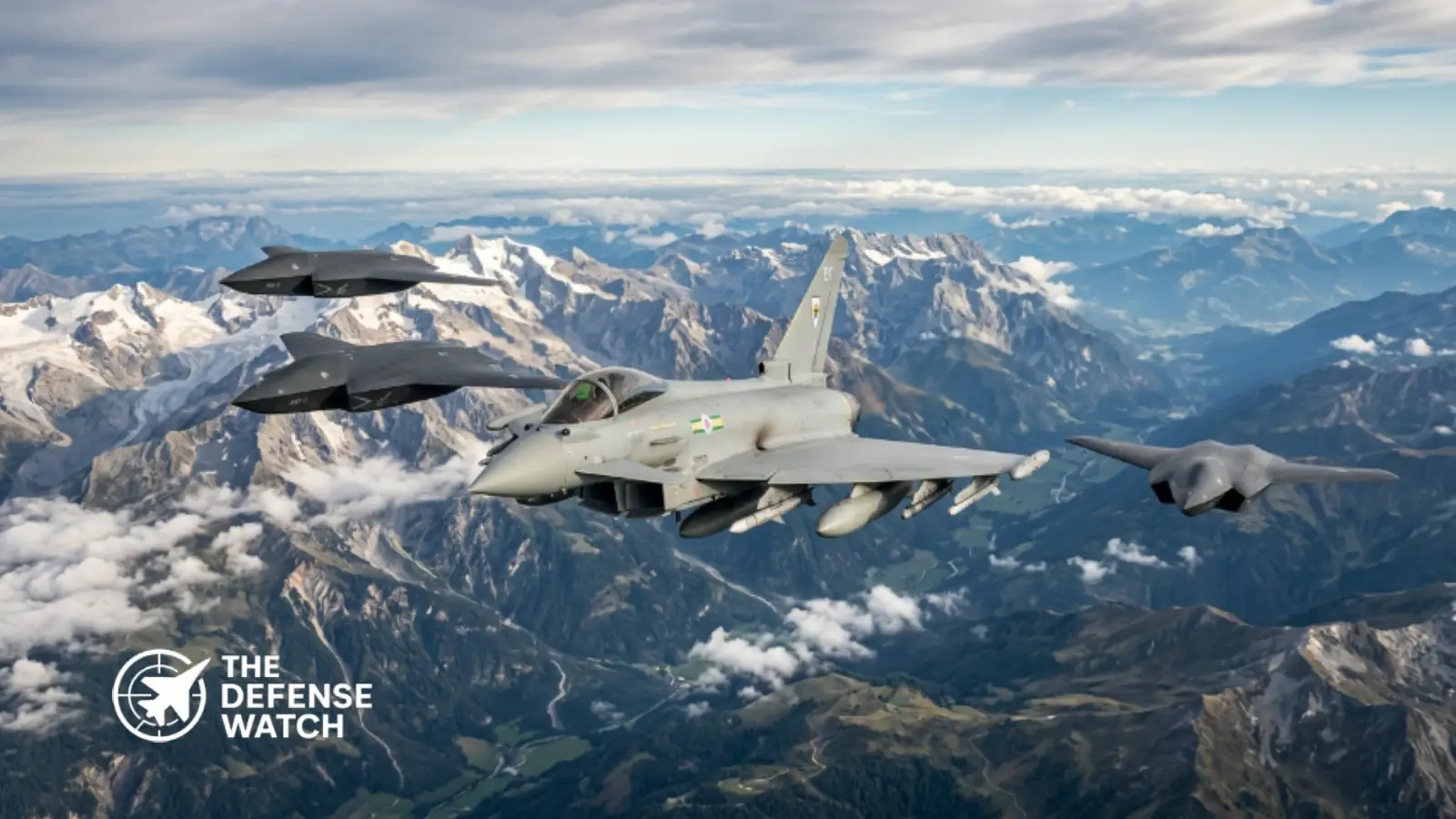
Europe is accelerating development of AI-enabled wingman aircraft, also known as Collaborative Combat Aircraft (CCA), as governments seek to strengthen military capabilities following lessons from the war in Ukraine and growing concerns about long-term security requirements. Major defense companies including Airbus, Boeing, Helsing, and General Atomics showcased competing concepts during the 2026 Berlin Air Show, highlighting a strategic shift toward manned-unmanned teaming in future air combat.
Europe Places Wingman Aircraft At The Center Of Future Airpower Plans
The emergence of wingman aircraft has become one of the most significant themes in European defense modernization efforts. At the 2026 Berlin Air Show, autonomous combat drones designed to operate alongside manned fighter aircraft dominated industry presentations and military discussions, reflecting a broader transformation in how future air campaigns may be conducted.
Known as Collaborative Combat Aircraft, these systems are designed to accompany fighter jets, carrying additional sensors, electronic warfare payloads, communications equipment, and weapons. Rather than replacing crewed aircraft, wingman platforms are intended to expand combat capacity while reducing operational risk to pilots.
The renewed focus comes as European governments continue expanding defense spending in response to the security environment created by Russia’s invasion of Ukraine and broader concerns about long-term military readiness.
(adsbygoogle = window.adsbygoogle || []).push({});What Are Collaborative Combat Aircraft?
Collaborative Combat Aircraft represent a new category of military aviation that combines artificial intelligence, autonomous flight technologies, and networked warfare concepts.
Their primary functions include:
| Capability | Operational Role |
|---|---|
| Intelligence Collection | Extends sensor coverage beyond manned aircraft |
| Electronic Warfare | Jamming and suppression of enemy systems |
| Weapons Carriage | Additional missiles and precision munitions |
| Decoy Operations | Drawing enemy fire away from crewed platforms |
| Communications Relay | Expanding battlefield networking capabilities |
| Air Defense Support | Assisting in interception and target tracking |
Unlike traditional drones operated remotely by ground crews, many future wingman aircraft are expected to perform significant portions of their mission autonomously while remaining under human command authority. This approach aims to reduce pilot workload while increasing combat effectiveness in highly contested environments.
(adsbygoogle = window.adsbygoogle || []).push({});Airbus, Helsing, Boeing, And General Atomics Compete For European Programs
Several major defense companies are positioning themselves for future European procurement programs.
Airbus Wingman
Airbus has emerged as one of Europe’s most visible advocates of the wingman concept. The company previously unveiled its Wingman design as a stealthy unmanned aircraft intended to operate alongside the Eurofighter Typhoon and future combat aircraft. Planned missions include reconnaissance, electronic attack, air-to-air combat support, and strike operations.
Boeing MQ-28 Ghost Bat
Boeing continues promoting the MQ-28 Ghost Bat, originally developed in Australia. The aircraft is among the most mature loyal wingman programs currently flying and is expected to enter operational service later this decade. Reuters reported that Germany is evaluating the platform as part of its future force structure discussions.
- (adsbygoogle = window.adsbygoogle || []).push({});
Helsing’s AI-Centric Approach
German defense technology company Helsing is emphasizing software-defined autonomy and artificial intelligence as key differentiators. Its approach aligns closely with Europe’s desire for sovereign control over critical AI systems and military decision-making architectures.
General Atomics Expansion
General Atomics continues promoting advanced CCA concepts derived from its long experience in unmanned aviation. The company remains one of the leading competitors in both U.S. and allied collaborative combat aircraft programs.
Strategic Drivers Behind Europe’s Wingman Aircraft Push
Several strategic factors are accelerating European investment.
Lessons From Ukraine
The war in Ukraine has demonstrated the growing influence of unmanned systems across the battlefield. Drones now perform intelligence gathering, strike missions, electronic warfare tasks, and air defense support roles at a scale rarely seen in previous conflicts. These developments have reinforced military interest in integrating autonomous systems into future air operations.
Pressure To Expand NATO Capabilities
European NATO members are facing increasing expectations to contribute more airpower and military capabilities. Recent statements from senior alliance officials have highlighted the need for greater European contributions in both manned and unmanned aviation assets.
Defense Industrial Sovereignty
A major political objective behind many European programs is reducing dependence on foreign military technologies. Wingman aircraft offer an opportunity for Europe to develop indigenous autonomy software, mission systems, sensors, and electronic warfare capabilities while strengthening domestic defense industries.
(adsbygoogle = window.adsbygoogle || []).push({});Challenges Facing European Wingman Programs
Despite growing momentum, significant obstacles remain.
Program Fragmentation
Europe continues to struggle with defense industrial fragmentation. The difficulties surrounding the Future Combat Air System (FCAS) and disagreements within other multinational programs highlight the challenges of coordinating large-scale aerospace projects across multiple nations and companies.
Engine And Supply Chain Constraints
Industry studies have identified a shortage of suitable European-made small turbofan engines for future loyal wingman platforms. Dependence on export-controlled technologies remains a concern for governments seeking greater strategic autonomy.
AI Integration And Certification
Building autonomous aircraft capable of operating safely alongside crewed fighters remains a complex technical challenge. Developers must validate artificial intelligence systems, ensure secure communications, and establish rules governing autonomous behavior in combat environments.
These requirements will likely extend development timelines and increase certification costs before operational deployment becomes possible.
Why Wingman Aircraft Matter For Future Air Warfare
The military significance of wingman aircraft extends beyond Europe.
Future fighter fleets are expected to become increasingly expensive and difficult to replace. Collaborative Combat Aircraft offer a potential solution by allowing a single crewed fighter to command multiple autonomous aircraft, effectively multiplying combat mass without proportionally increasing pilot requirements.
For example, a formation consisting of one fighter and several autonomous wingmen could conduct reconnaissance, electronic attack, missile engagements, and decoy operations simultaneously. This distributed approach complicates enemy targeting while expanding operational flexibility.
The concept also aligns with emerging U.S. Air Force doctrine, which views Collaborative Combat Aircraft as a central component of future air superiority operations. European adoption suggests growing convergence among Western air forces regarding the future structure of combat aviation.
Outlook
Operational deployment of European wingman aircraft remains several years away. However, the Berlin Air Show demonstrated that autonomous combat aircraft have moved from conceptual discussions into active procurement and industrial competition.
As defense budgets rise and military planners seek affordable ways to increase combat capacity, Collaborative Combat Aircraft are increasingly viewed as a critical element of future airpower. The race now centers not on whether wingman aircraft will enter service, but on which companies and nations will shape the next generation of manned-unmanned air combat systems.

(adsbygoogle = window.adsbygoogle || []).push({});Executive Summary:
A U.S. Air Force B-52 Stratofortress crashed shortly after takeoff from Edwards Air Force Base in California on June 15, killing all eight personnel aboard. The aircraft was conducting a test mission linked to ongoing radar modernization efforts, highlighting the risks associated with developmental flight testing and the continued reliance on the aging bomber fleet.
B-52 Bomber Crash Raises Questions About Strategic Test Operations
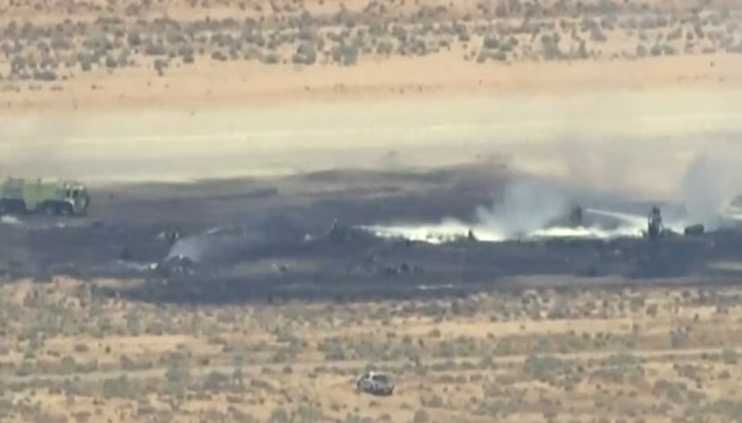
A B-52 bomber crash at Edwards Air Force Base has claimed the lives of eight personnel and resulted in the loss of one of the U.S. Air Force’s most important strategic aircraft during a test mission in California.
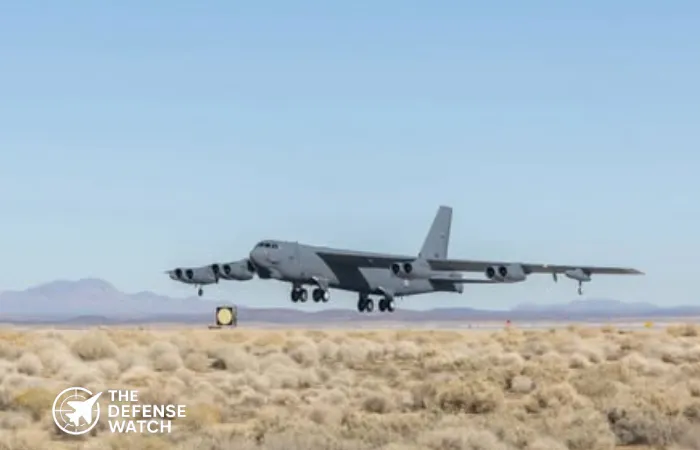
According to statements from Edwards Air Force Base and multiple media reports, the Boeing B-52 Stratofortress crashed shortly after takeoff at approximately 11:20 a.m. local time on June 15. Emergency responders immediately deployed to the scene, but officials later determined the accident was not survivable.
The aircraft was assigned to the Air Force’s 412th Test Wing and was participating in a mission associated with ongoing radar modernization efforts. Initial reports indicate the crew included military personnel, government civilians, and defense industry contractors.
Air Force officials confirmed that all eight people aboard were killed in the crash.
(adsbygoogle = window.adsbygoogle || []).push({});Crash Occurred During Radar Modernization Testing
The aircraft was reportedly supporting a program focused on upgrading the B-52 fleet with a new Active Electronically Scanned Array (AESA) radar system, one of several major modernization initiatives intended to keep the bomber operational well into future decades.
While investigators have not identified a cause, the crash occurred during a phase of flight historically associated with elevated risk. Officials have emphasized that no conclusions should be drawn until a formal investigation is completed.

Smoke rises from a blackened part of Edwards Air Force Base after the crash of a U.S. Air Force B-52 bomber aircraft in Edwards The destroyed aircraft was part of a small group of test assets used to validate upgrades before they are integrated across the broader B-52 force.
For the Air Force, the loss extends beyond a single airframe. Test aircraft play a unique role in evaluating new systems and reducing technical risk before fleet-wide implementation.
(adsbygoogle = window.adsbygoogle || []).push({});Why The Incident Matters
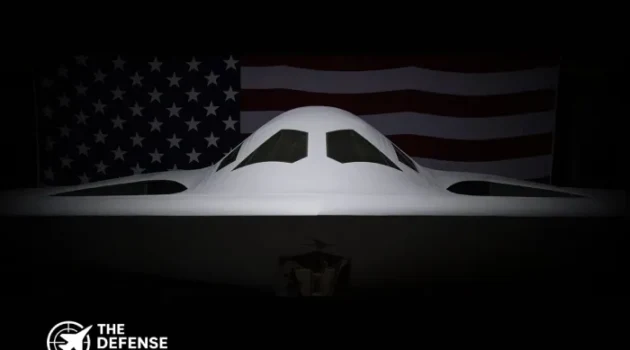
The B-52 remains one of the three pillars of America’s nuclear-capable bomber force alongside the B-2 Spirit and the emerging B-21 Raider.
Although the aircraft first entered service in the 1950s, it continues to perform long-range strike, deterrence, and conventional bombing missions worldwide. The Air Force plans to operate modernized B-52J variants into the 2050s, making current upgrade programs strategically important.
The crash comes at a time when the service is investing heavily in extending the aircraft’s relevance through new engines, radar systems, communications equipment, and digital architecture improvements.
From a defense modernization perspective, the accident highlights a recurring reality of military aviation development. Even proven aircraft can encounter significant risks when testing new technologies, flight configurations, or mission systems.
(adsbygoogle = window.adsbygoogle || []).push({});Edwards Air Force Base’s Role In Aerospace Development
Edwards Air Force Base has long served as the center of U.S. military flight testing.
Located in California’s Mojave Desert, the installation has supported generations of aerospace milestones, including experimental aircraft programs, fighter development, bomber testing, and advanced weapons integration.
Many of the Air Force’s most significant aviation programs have passed through Edwards before entering operational service.
As a result, accidents involving test aircraft at the base attract particular attention across the defense and aerospace communities because of the critical role Edwards plays in validating future military capabilities.
Following the crash, base officials temporarily suspended flight operations while emergency teams secured the area and investigators began examining the wreckage.
(adsbygoogle = window.adsbygoogle || []).push({});Investigation Now Underway
The U.S. Air Force has launched a formal investigation into the accident. Investigators will examine maintenance records, flight data, mission objectives, environmental conditions, and potential technical factors that may have contributed to the crash.
Officials have not released the identities of the victims pending notification of next of kin.
The investigation is expected to take months, a standard timeline for major military aviation accidents involving strategic aircraft.
Until preliminary findings are released, Air Force leaders are expected to focus on supporting affected families while preserving evidence needed to determine the cause.
(adsbygoogle = window.adsbygoogle || []).push({});Strategic Implications For The B-52 Fleet
The B-52 bomber crash is unlikely to alter the Air Force’s long-term commitment to the Stratofortress modernization program. However, it may lead to additional reviews of ongoing test activities and flight safety procedures connected to upgrade efforts.
The incident also underscores the continued importance of maintaining aging strategic aircraft while transitioning toward next-generation platforms such as the B-21 Raider.
As the Air Force balances modernization with operational readiness, the loss of a test aircraft and eight experienced personnel represents both a human tragedy and a significant setback for ongoing aerospace development efforts.

(adsbygoogle = window.adsbygoogle || []).push({});Executive Summary:
Thales has unveiled the LGR275 PROXY, a new 70mm laser guided rocket designed specifically for counter drone operations. Introduced at Eurosatory 2026, the system adds a proximity sensing capability to the company’s existing laser guided rocket family, aiming to provide a lower cost option for defeating increasingly common unmanned aerial threats.
Thales Launches LGR275 PROXY Counter Drone Rocket At Eurosatory 2026
Thales has introduced the LGR275 PROXY, a new 70mm laser guided rocket optimized for counter unmanned aerial system (C-UAS) missions. The system was officially unveiled during Eurosatory 2026 and represents the latest evolution of the company’s laser guided rocket portfolio.
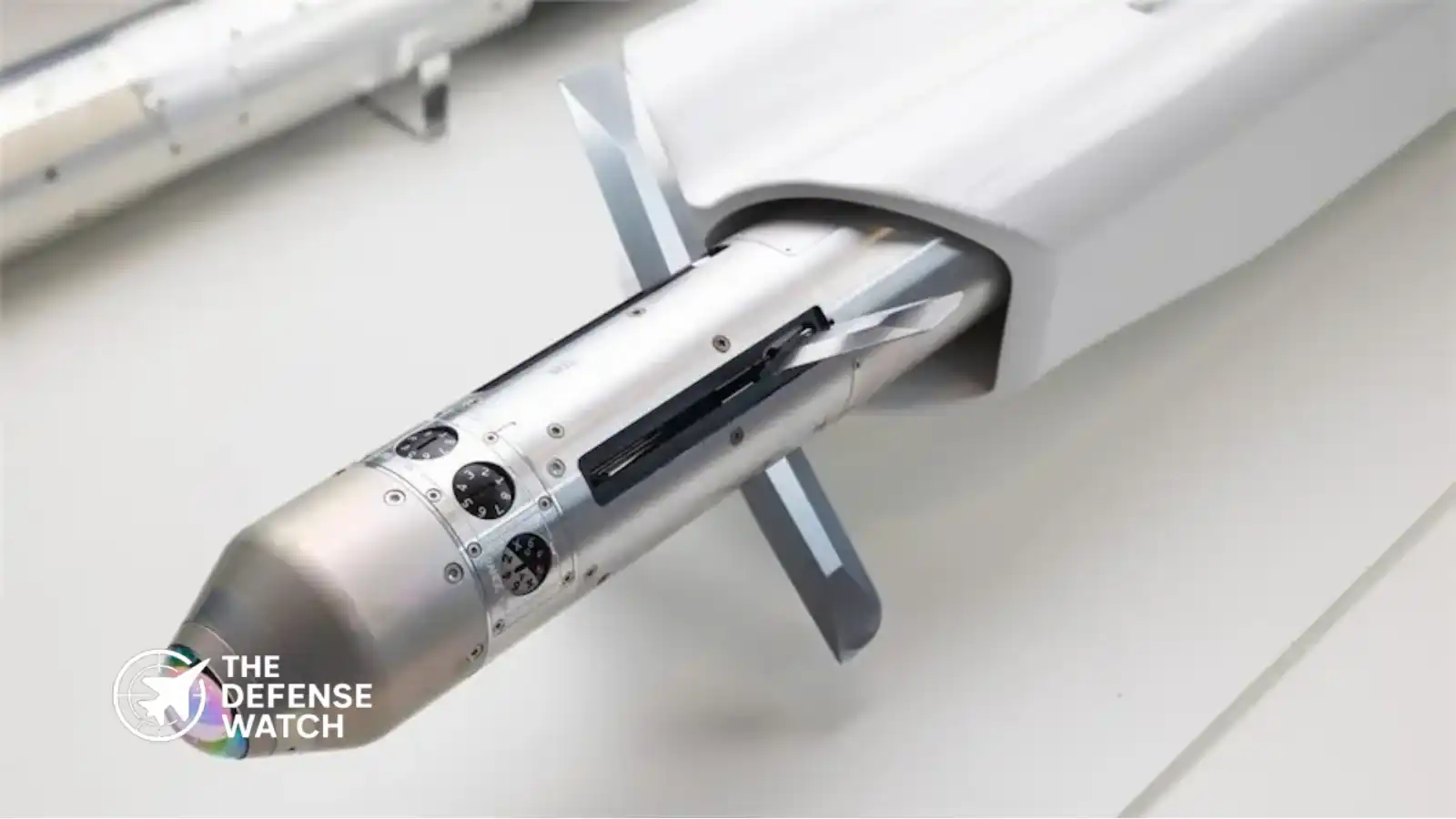
According to Thales, the LGR275 PROXY is designed to address one of the most pressing challenges facing modern air defense forces: defeating low cost drones without relying on significantly more expensive interceptor missiles. The rocket combines semi active laser guidance with a new proximity sensing capability and a warhead tailored for aerial targets.
The development reflects lessons learned from recent conflicts in Europe and the Middle East, where inexpensive drones have repeatedly challenged conventional air defense systems.
(adsbygoogle = window.adsbygoogle || []).push({});New Proximity Sensor Designed For Drone Engagements
A key feature of the LGR275 PROXY is the integration of a proximity sensor positioned behind the rocket’s guidance section.
Unlike traditional laser guided rockets that typically require a direct hit, the new sensor allows the warhead to detonate when the rocket passes within a defined distance of an aerial target. This significantly increases the probability of successfully engaging small and maneuvering drones.
Thales officials stated that the sensor was specifically developed to improve performance against unmanned aircraft, particularly smaller drone classes that can be difficult to destroy through direct impact alone.
(adsbygoogle = window.adsbygoogle || []).push({});Key Reported Characteristics
| Feature | LGR275 PROXY |
|---|---|
| Caliber | 70 mm (2.75 inch) |
| Guidance | Semi active laser guidance |
| Target Type | Unmanned aerial systems |
| Sensor | Integrated proximity sensor |
| Mission Types | Air-to-air and surface-to-air |
| Manufacturer | Thales Belgium |
Specifications based on information released by Thales and industry reporting as of June 2026.
(adsbygoogle = window.adsbygoogle || []).push({});Addressing The Cost Exchange Problem
The emergence of mass produced drones has created a growing economic challenge for military planners.
Many air defense systems rely on interceptors costing tens or hundreds of thousands of dollars to defeat targets that may cost only a fraction of that amount. This unfavorable cost exchange ratio has become increasingly visible in conflicts involving one way attack drones and loitering munitions.
The LGR275 PROXY is intended to help close that gap. By leveraging an existing 70mm rocket architecture and adding specialized counter drone capabilities, Thales aims to provide armed forces with a more affordable interception option that can be fielded in larger quantities.
This approach mirrors broader international efforts to expand the use of guided rockets for air defense missions. In the United States, systems such as the Advanced Precision Kill Weapon System (APKWS) and L3Harris’ VAMPIRE have demonstrated growing interest in lower cost precision rockets as drone interceptors.
(adsbygoogle = window.adsbygoogle || []).push({});Integration With SkyDefender Air Defense Architecture
Thales confirmed that the LGR275 PROXY will be integrated into its SkyDefender air defense ecosystem.
SkyDefender is designed as a layered counter UAS architecture that combines sensors, command and control systems, electronic warfare tools, and kinetic effectors. The addition of the new rocket provides another engagement option within that broader defensive framework.
The ability to conduct both air-to-air and surface-to-air engagements also expands operational flexibility. The rocket can potentially be employed from multiple launch platforms depending on customer requirements and integration choices.
(adsbygoogle = window.adsbygoogle || []).push({});Strategic Implications For NATO And Allied Forces
The introduction of the LGR275 PROXY highlights a wider shift in Western defense procurement priorities.
Over the past several years, NATO militaries have increasingly focused on building layered defenses against drones ranging from small commercial quadcopters to larger one way attack systems. Traditional missile based air defense remains essential against aircraft and cruise missiles, but many defense organizations now recognize the need for lower cost interceptors optimized for drone threats.
For European forces, the LGR275 PROXY could offer a domestically produced alternative within a growing market for counter drone weapons. Its compatibility with existing laser guidance technologies may also simplify integration across a variety of launch platforms.
From a U.S. perspective, the development underscores a broader trend toward precision guided rockets as air defense weapons. The increasing use of 70mm guided rockets by NATO allies suggests that future counter drone operations may rely on a mix of missiles, guns, electronic warfare systems, and guided rockets rather than any single solution.
(adsbygoogle = window.adsbygoogle || []).push({});Production Expansion Planned Through 2028
Thales Belgium has announced plans to increase production capacity for its guided rocket family to meet growing international demand.
The company stated that output will rise substantially between 2026 and 2028 as armed forces seek additional counter drone capabilities and precision munitions. The production increase is intended to support both domestic and export customers while strengthening supply chain resilience.
The move reflects continued growth in the global market for affordable precision weapons capable of countering unmanned threats across multiple operational environments.