U.S. Navy MQ‑25A Stingray Taxi Test Marks Key Ground Milestone
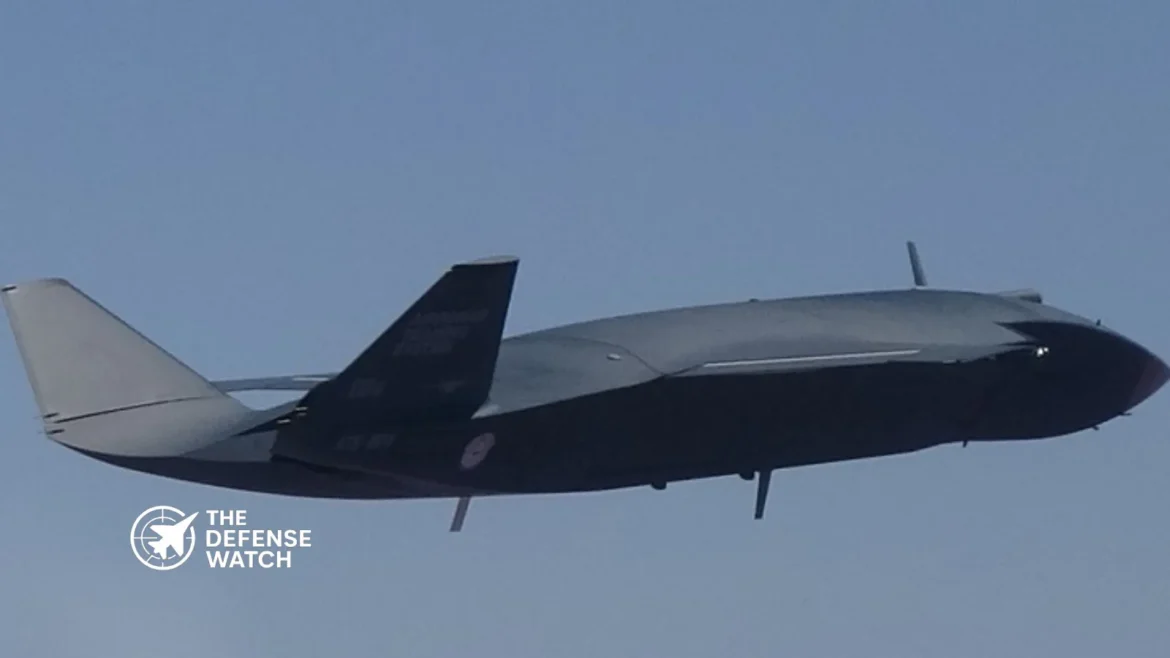
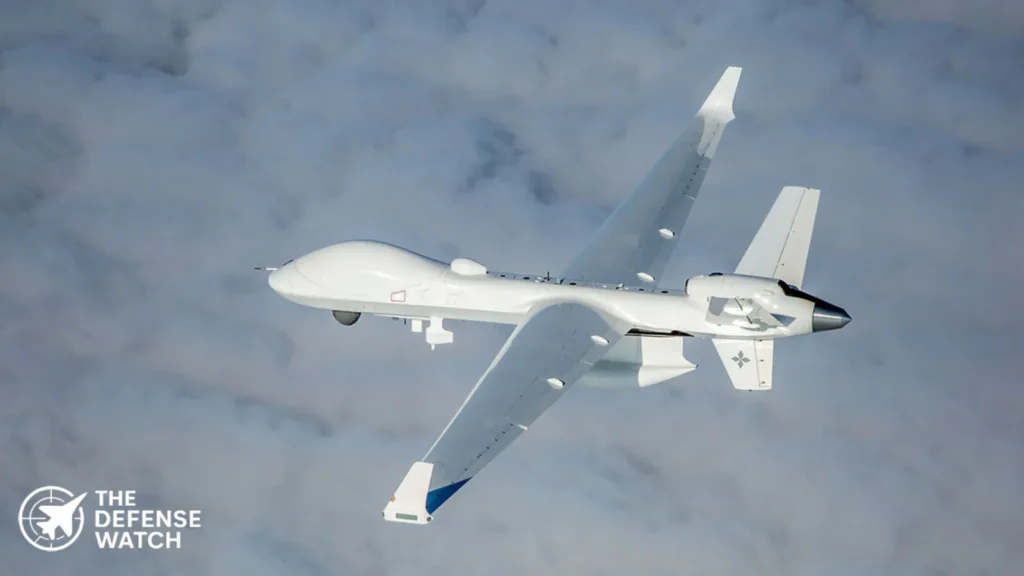
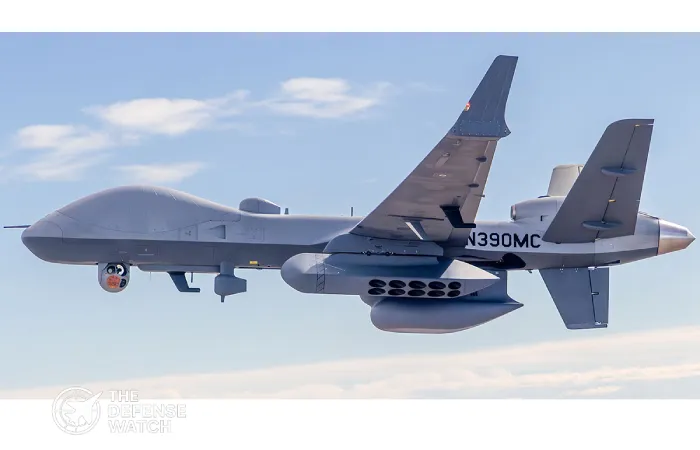
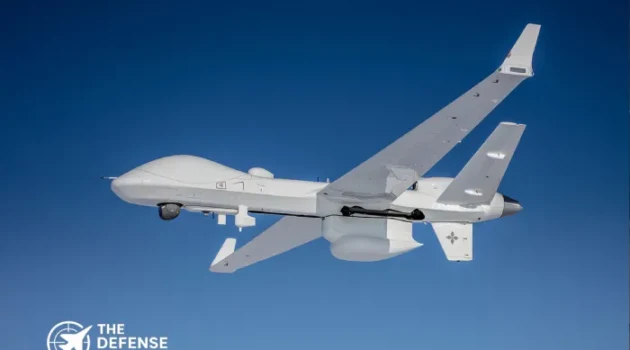
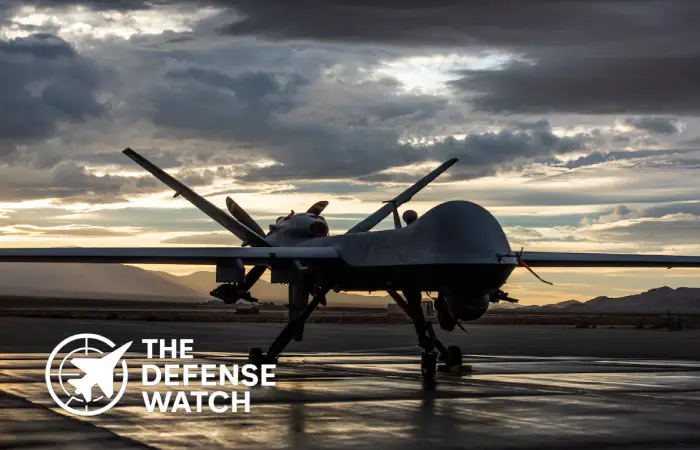
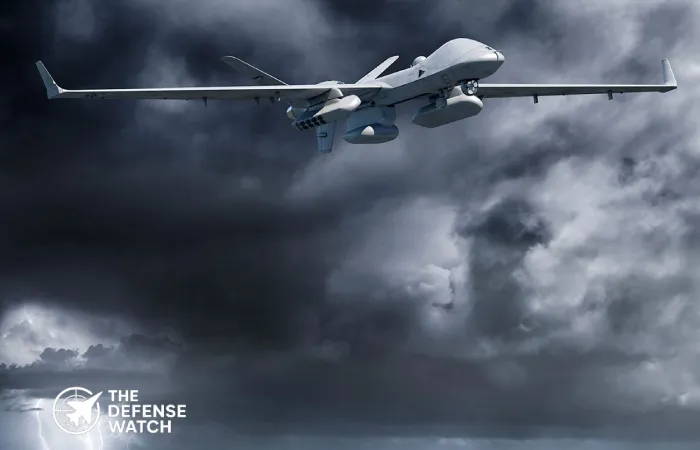
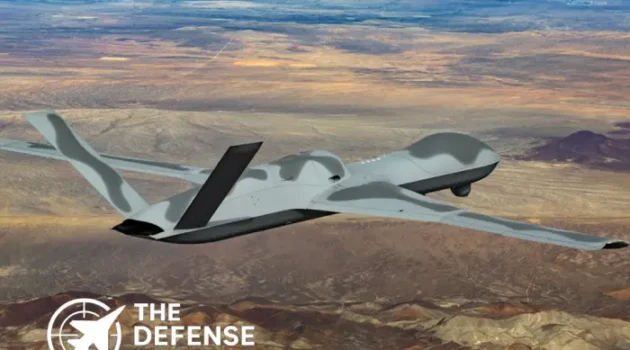
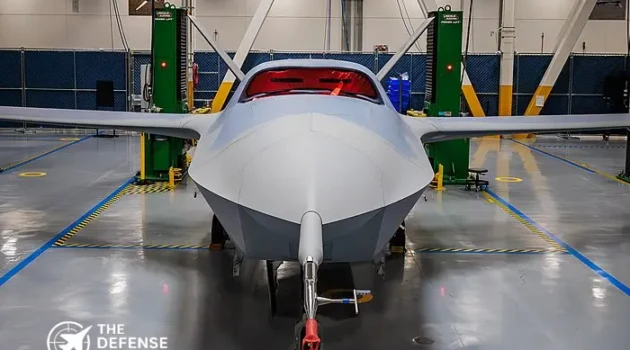
The U.S. Navy’s MQ‑25A Stingray unmanned tanker completed its first autonomous taxi test on January 30, 2026, Boeing and naval officials confirmed, advancing a major step toward flight trials and carrier integration. This test saw the aircraft move under its own power and execute controlled ground handling in a key validation of navigation, steering, and mission software.
The MQ‑25A Stingray is designed to serve as the Navy’s first operational carrier‑based unmanned aerial refueling system. Its primary role is to take over organic aerial refueling duties from manned aircraft, freeing fighters like the F/A‑18E/F Super Hornet and F‑35C Lightning II for core missions.
Ground Handling Test at Boeing’s MidAmerica Facility
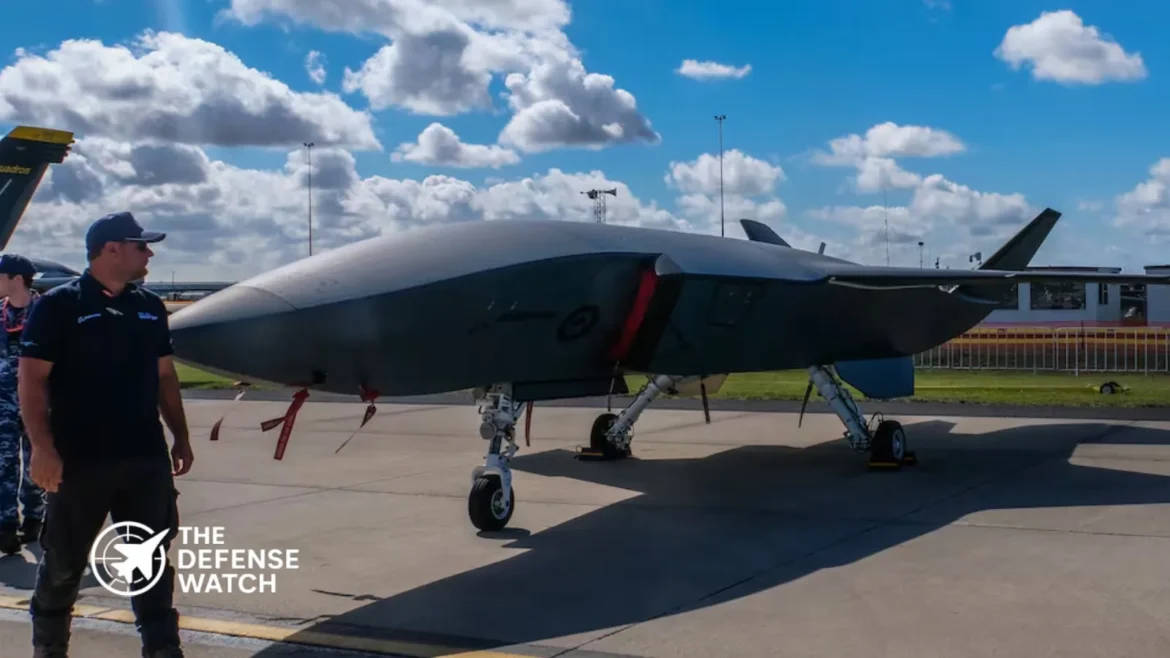
The autonomous taxi event took place at Boeing’s facility near MidAmerica Airport in Illinois, where the production‑representative MQ‑25A taxied under its own power for the first time. Navy test squadrons Air Test and Evaluation Squadron 23 (VX‑23) and UX‑24, which specializes in unmanned system development, oversaw the event.
According to Boeing’s statement, the aircraft executed a series of maneuvers, including steering and braking, in response to commands from Air Vehicle Pilots using the Unmanned Carrier Aviation Mission Control System. The objective was to confirm that the autonomy stack can manage ground control tasks ahead of flight‑clearance activities.
Taxi trials are a required phase before an unmanned aircraft proceeds to take‑off. They verify propulsion, braking, steering, and other ground systems under conditions that simulate carrier deck handling without immediate hazards of flight.
Context for the MQ‑25A Program
The MQ‑25 program originated in the 2010s to fill a critical capability gap in carrier air wings. Navy analysts concluded that manned fighters spending flight hours on aerial refueling duties reduced overall combat capacity. The unmanned tanker aims to return that flight time to operational missions.
The first MQ‑25 test aircraft flew in 2019 under a Boeing‑Navy partnership, completing early autonomous operations including basic taxi and take‑off during developmental testing.
Production representative aircraft such as the one in the January 30 test are now progressing through ground trials ahead of flight testing planned for 2026, after software certification and final airworthiness reviews.
What This Means for Future Carrier Use
The autonomous taxi milestone is a key enabler for future carrier deck operations. Carrier flight decks are high‑risk environments with limited tolerance for errors in aircraft movement. Demonstrating predictable ground handling under autonomous control reduces risk before attempting launch and recovery operations at sea.
Once operational, the MQ‑25A will deliver tens of thousands of pounds of fuel to receiver aircraft, extending the operational range of carriers without drawing manned aircraft away from core missions.
Beyond tanking, Navy planners see potential for the MQ‑25A to support other roles such as persistent ISR or communications relay once routine carrier operations are established.
Next Steps Toward Flight Testing
Following the taxi runs, the MQ‑25A will continue ground tests and prepare for its first flight attempt once certification criteria are met. Navy and Boeing leaders have said the program remains on track for initial flight testing in 2026.
UK Navy Tests Wildcat Helicopter Drone Teaming for Martlet Missile Strikes
The Royal Navy has carried out integration trials showing how a Wildcat helicopter can use live drone sensor data to support simulated Martlet missile engagements, including beyond visual line of sight (BVLOS) and over the horizon (OTH) scenarios. The tests form part of the UK military’s Eagles Eye programme to link crewed aircraft with uncrewed systems in a tactical network.
Wildcat Helicopter as a Data Node
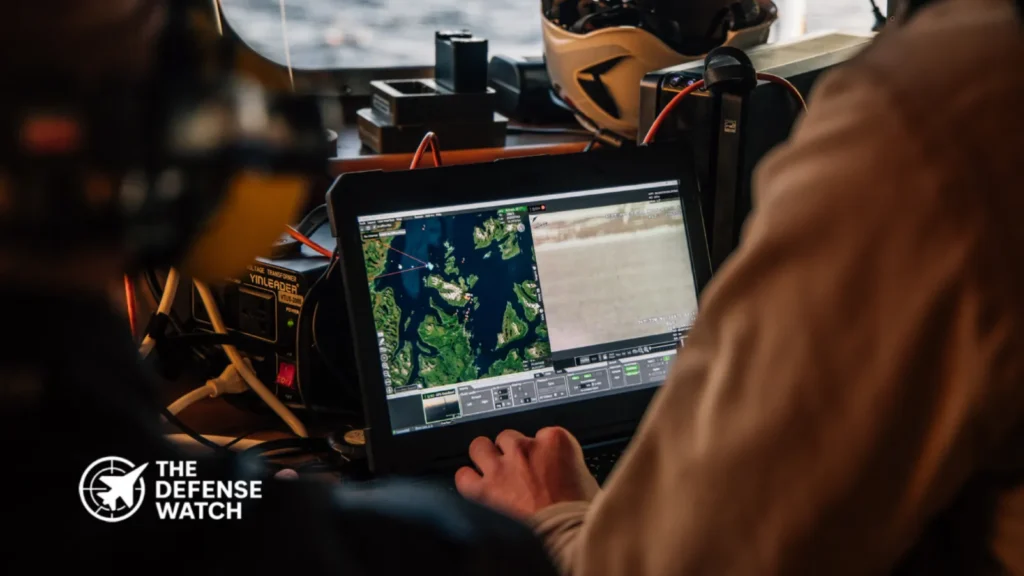
Trials at the National Drone Hub at Predannack Airfield on Cornwall’s Lizard Peninsula saw an 815 Naval Air Squadron Wildcat HMA2 receive and fuse live data from two small uncrewed aerial vehicles, an RQ-20 Puma and a Providence UAV, plus additional sensor inputs. This information was delivered via a multi-node mesh network to the Wildcat crew in near real time.
The Royal Navy described the effort as converting the helicopter into a flying command node, capable of sending and receiving data from multiple drones during a mission. The mesh network enables automatic rerouting of information if individual nodes are degraded or lost.
Simulated Martlet Engagements
While the Wildcat did not fire live weapons in this phase, the integrated sensor picture was used to conduct simulated engagements using the Thales Martlet lightweight multirole missile. Martlet is fully operational on Wildcat helicopters and is designed to engage small fast targets, including small boats, unmanned surface vehicles, and aerial threats.
The Puma, already in Royal Navy service since 2020 and deployed with Carrier Strike Group 25, provided imagery and track data. Personnel aboard the Wildcat also had the option to operate the Puma directly from within the helicopter cabin.
Networked ISR and Future Air Wing Concepts
The trials support a broader shift toward distributed sensing and networked operations within naval aviation. By linking crewed aircraft with unmanned systems and ground sensors, the UK aims to field more resilient reconnaissance and targeting capabilities against fast and mobile threats in littoral and contested environments.
The concept reflects growing interest among Western militaries in hybrid air wings where piloted platforms and unmanned assets operate together under a shared data fabric rather than as isolated elements. The mesh network tested in the Eagles Eye programme is a core part of that approach.
What Comes Next
Royal Navy officials say lessons from the Predannack trials will feed into future exercises, including planned operations in Norway’s fjords where terrain can challenge line of sight and signal continuity. Additional work will refine tactics, network reliability, and integration with larger sensor fleets.
The National Drone Hub itself is expanding its facilities, with larger hangars and new airspace arrangements off Cornwall’s north coast aimed at supporting tests of larger unmanned systems beyond Predannack’s runway limits.
Context on Wildcat and Martlet
The Wildcat HMA2 is a maritime attack and reconnaissance helicopter operated from Royal Navy frigates and destroyers. It can carry Martlet missiles for precision engagements against small, fast targets. The Martlet LMM achieved full operating capability in 2025 after live-fire trials showed its effectiveness against both surface and aerial threats.
First Flight of Brazil’s Albatroz Vortex Jet UAV With Domestic Turbine
Brazil’s Albatroz Vortex unmanned aerial vehicle completed its first flight with the domestically developed ATJR 15-5 jet turbine, marking a milestone for the country’s aerospace and defense industry. The test of the jet-powered drone took place at Santa Cruz Air Base in Rio de Janeiro and confirms integration of the Brazilian turbine with the aircraft.
The Albatroz Vortex flight, conducted on December 17, 2025, was publicly confirmed by Stella Tecnologia on January 22, 2026. The UAV is powered by the ATJR 15-5 turbine built by Aero Concepts, and the event was backed by the Brazilian Ministry of Defense and the Brazilian Air Force under a cooperative development agreement from November 2025.
What Happened in the Test Flight
The key goal of the flight was to confirm that the propulsion system operates as expected in real flight and that it works reliably with the Albatroz Vortex airframe. This real-world validation is essential for jet-powered UAV programs because it tests aerodynamic and structural integration that cannot be fully replicated in ground trials.
The flight successfully showed the turbine performing under flight conditions and verified that engine mounts, air intake, and aircraft systems integrate properly with the propulsion system.
Platform Background
The Albatroz Vortex is a jet-powered variant of the Albatroz family of UAVs developed by Brazil’s Stella Tecnologia. The Albatroz line is a tactical fixed-wing unmanned system with a maximum takeoff weight around 150 kg, previously flown with a piston engine. The jet variant adds a propulsion technology layer with higher potential speeds and operational altitudes.
The ATJR 15-5 turbine delivers about 500 newtons of thrust and represents one of the first Brazilian-built jet turbines to fly integrated with an operational UAV platform. Its development, including design, bench testing, and flight validation, was done in Brazil at Aero Concepts facilities in São José dos Campos.
Strategic and Industrial Implications
The first flight underscores ongoing efforts to strengthen Brazil’s aerospace industrial base and reduce reliance on foreign propulsion systems, which are often a bottleneck in advanced UAV development. The project is part of a broader national push to build strategic capabilities in unmanned systems and related technologies.
The cooperation between Stella Tecnologia, Aero Concepts, the Brazilian Air Force, and the Ministry of Defense reflects institutional support for domestic aerospace innovation. Testing will continue with further flights aimed at expanding the operational envelope and refining performance data.
Next Steps
Stella plans continued flight tests on the Albatroz Vortex in early 2026 to assess performance across a wider range of speeds and altitudes. Parallel work includes maturing production processes for the ATJR turbine family, intended to span thrust levels up to 5 000 newtons for a range of UAV classes.
The U.S. V-BAT drone armed with guided missiles has emerged as a notable development in unmanned aerial warfare, reflecting the growing push to combine intelligence, surveillance, reconnaissance, and precision strike in a single vertical takeoff platform.
Recent demonstrations confirmed that the V-BAT vertical takeoff unmanned aerial vehicle has been successfully integrated with South Korean developed guided missiles, expanding its operational role beyond ISR missions. The development underscores evolving U.S. interest in deployable, runway independent armed drones for expeditionary and maritime operations.
The system has drawn attention across defense and aerospace circles for its modular design and its ability to operate from confined environments, including ship decks and austere forward bases.
V-BAT Drone Overview
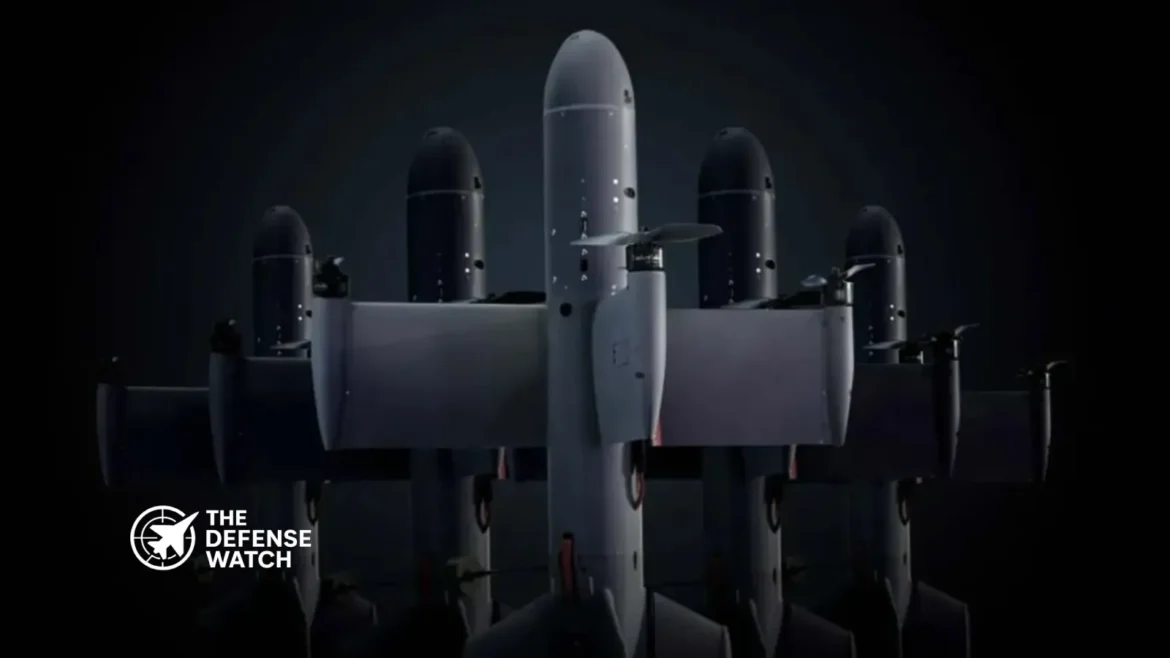
The V-BAT is a vertical takeoff and landing unmanned aircraft system originally designed for long endurance ISR missions. Its ducted fan configuration allows it to launch and recover without runways, a feature increasingly valued by U.S. forces operating in dispersed environments.
The aircraft is optimized for persistent surveillance, electronic payloads, and communications relay missions. With the addition of guided missile capability, the platform now enters the armed UAV category, significantly broadening its mission set.
This integration aligns with broader U.S. military trends favoring flexible unmanned systems capable of both sensing and striking in contested areas.
Guided Missile Integration
The armed configuration features South Korean guided missiles, adapted for lightweight UAV deployment. These precision weapons are designed for engaging ground targets with minimal collateral damage.
According to publicly released information, the missile integration required limited airframe modification, highlighting the V-BAT’s modular payload architecture. This allows rapid mission reconfiguration depending on operational needs.
The move reflects closer interoperability between allied defense industries, particularly in unmanned systems and precision munitions.
Operational Implications for U.S. Forces
The U.S. V-BAT drone armed configuration offers several operational advantages:
- Vertical takeoff capability eliminates runway dependence
- Persistent ISR combined with strike reduces sensor to shooter timelines
- Compact footprint supports shipboard and forward deployment
- Lower cost compared to larger armed UAVs
These attributes make the system suitable for maritime security, expeditionary warfare, and distributed operations where traditional air assets may be constrained.
The platform also supports emerging U.S. doctrine emphasizing unmanned systems as force multipliers rather than replacements for crewed aircraft.
Broader Context in Unmanned Warfare
The weaponization of smaller vertical takeoff UAVs reflects a broader global shift in drone warfare. Armed drones are no longer limited to large medium altitude long endurance platforms.
By integrating precision guided munitions onto compact UAVs, military planners gain scalable options for surveillance, deterrence, and limited strike missions without escalating force posture.
Similar trends are visible across allied militaries, particularly in naval and expeditionary forces seeking organic air support without large aviation infrastructure.
Defense Industry and Allied Cooperation
The V-BAT missile integration highlights growing collaboration between U.S. and Asian defense manufacturers. South Korea has increasingly positioned itself as a supplier of advanced guided weapons compatible with allied platforms.
This cooperation supports faster fielding of capabilities while reducing development risk and cost. It also reflects shifting defense supply chains toward greater allied interoperability.
Outlook
While the armed V-BAT remains a relatively lightweight strike platform, its successful missile integration demonstrates how unmanned systems continue to evolve toward multi role combat capabilities.
As the U.S. military refines its unmanned force structure, platforms like the V-BAT may play a growing role in maritime security, border surveillance, and expeditionary operations where speed, flexibility, and persistence are critical.
Türkiye completes first live fire drone swarm test
Türkiye has conducted its first live fire drone swarm operation using Kargu loitering munitions, marking a major milestone in the country’s autonomous weapons development. The test, executed by Turkish defense firm STM, involved the coordinated launch and strike of 20 Kargu systems operating as a single swarm.
According to STM, the live fire event demonstrated Türkiye’s ability to deploy multiple loitering munitions simultaneously, coordinate them autonomously, and engage designated targets under operational conditions.
A milestone for Türkiye’s drone swarm capability
The successful test represents the first confirmed instance of a live fire drone swarm attack conducted by Türkiye. While the country has previously demonstrated individual loitering munition launches and coordinated UAV operations, this event marks the first time multiple Kargu systems were used together in a synchronized strike scenario.

STM stated that the operation validated key elements of swarm warfare, including coordinated navigation, target assignment, and engagement timing. Each Kargu loitering munition was able to operate independently while remaining linked to the broader swarm architecture.
Defense analysts note that swarm capability is increasingly viewed as a critical component of future battlefield operations, particularly for suppressing air defenses, targeting mobile threats, and overwhelming traditional point defense systems.
Kargu loitering munition overview
The Kargu loitering munition is a man portable rotary wing system developed by STM for tactical use by ground forces. It is designed for intelligence, surveillance, reconnaissance, and precision strike missions.
Key characteristics of the Kargu system include vertical takeoff and landing capability, electro optical and infrared sensors, and a high explosive warhead optimized for anti personnel and light vehicle targets. The platform is designed to operate in both human in the loop and autonomous modes.
STM has previously confirmed that Kargu incorporates artificial intelligence based image processing and target recognition features, allowing it to operate in complex environments with limited operator input.
See also: Türkiye expands loitering munition production for special operations forces
How the drone swarm test was conducted
During the live fire demonstration, 20 Kargu loitering munitions were launched in a coordinated sequence. The systems reportedly shared mission data, deconflicted flight paths, and executed their strike profiles in a controlled manner.
While STM did not release detailed engagement parameters, the company confirmed that the swarm successfully completed its mission objectives and struck designated targets. The test also assessed communication resilience and mission continuity under simulated operational conditions.
Army Recognition reported that the exercise validated swarm level command and control, a key requirement for future autonomous operations.
Strategic implications for regional and global defense
Türkiye’s successful drone swarm test places it among a small group of countries actively testing live fire autonomous swarm capabilities. Defense experts view this as a significant step beyond traditional remotely piloted UAV operations.

Swarm based loitering munitions offer several operational advantages, including redundancy, adaptability, and the ability to overwhelm defenses through mass and coordination. These systems are particularly relevant in contested environments where electronic warfare and air defense threats are present.
For NATO partners and regional actors, the demonstration highlights Türkiye’s continued investment in indigenous defense technologies and its growing role as a developer of advanced unmanned systems.
Ethical and operational considerations
The use of autonomous loitering munitions has drawn international attention due to concerns over human control and compliance with the laws of armed conflict. STM has previously stated that Kargu can be operated with human authorization and is designed to meet applicable legal and ethical standards.
The live fire swarm test did not indicate whether the systems were operating fully autonomously or under supervised control. However, defense observers emphasize that transparency around command authority will remain a key issue as swarm technologies mature.
Türkiye’s broader UAV modernization push
The drone swarm test aligns with Türkiye’s broader strategy to expand its unmanned systems portfolio across air, land, and maritime domains. Turkish firms have already gained international recognition for platforms such as Bayraktar TB2, Akinci, and Kizilelma.
STM’s work on Kargu and swarm technologies complements these efforts by focusing on tactical level autonomous strike systems intended for ground forces and special operations units.
As military planners worldwide increasingly prioritize unmanned and autonomous capabilities, Türkiye’s latest test underscores its ambition to remain competitive in this rapidly evolving field.
US Marines Test V-BAT Drone From Warship in Nighttime Intelligence Operations
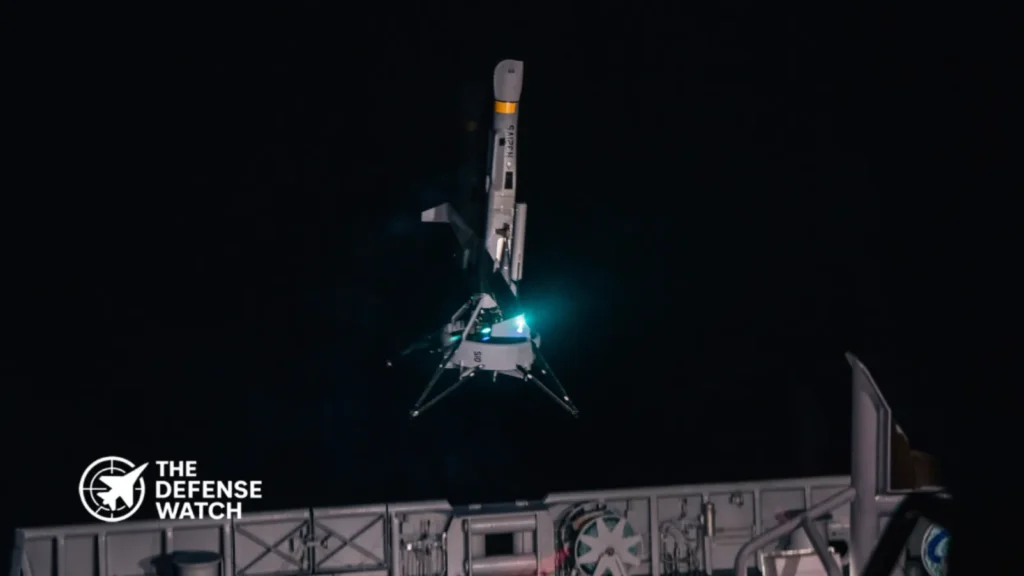
The US Marines tested the V-BAT drone from an amphibious warship at night, using the vertical takeoff and landing UAV for maritime intelligence, surveillance, and reconnaissance (ISR) missions. The flight on January 23, 2026 showed how ship-launched drones can operate from confined decks without runways, opening new options for forward deployed naval forces.
Shipboard Test From USS Portland
Marine Expeditionary Unit Sailors and Marines launched a V-BAT vertical takeoff and landing unmanned aircraft system from the flight deck of the San Antonio-class amphibious transport dock USS Portland during nighttime operations in the Pacific Ocean. The 11th MEU’s flight was one of the first operational uses of this UAV type from an LPD-class ship.
The mission aimed to assess the drone’s performance under limited visibility and tight deck conditions, simulating real world scenarios where runway space is scarce or unavailable.
V-BAT Capabilities and Design
The V-BAT drone is a vertical takeoff and landing platform that transitions to fixed wing flight after liftoff. Its single-engine, ducted-fan design lets it lift off and land straight up and down, then fly efficiently for longer range and endurance.
At just over 10 feet long with about a 9-foot wingspan, the drone is compact enough for ship decks, expeditionary sites, or austere islands. It can fly up to eight hours and carry various payloads, such as high-resolution electro-optical/infrared sensors, synthetic aperture radar, and electronic warfare equipment.
Shield AI’s autonomy software gives the V-BAT navigation and target recognition capability even in GPS-denied or communications-contested environments.
Operational Context and Modernization
Marine Corps leaders aboard the Boxer Amphibious Ready Group see this nighttime test as part of broader efforts to integrate unmanned systems into distributed maritime operations. Concepts like Expeditionary Advanced Base Operations and distributed forces depend on persistent ISR to give commanders a shared picture of activity across dispersed units.
Using V-BAT from amphibious ships directly supports ship-to-shore command and control and helps bridge gaps between sea and land forces in contested areas. With tensions rising globally and potential near-peer competitors investing in anti-access strategies, timely intelligence and targeting data are critical for modern littoral operations.
Drone Integration on Naval Decks
Unlike conventional UAVs that need runways or catapult systems, the V-BAT’s vertical takeoff design reduces logistical burden. Marines and Sailors worked with embarked contractors and deck crews to demonstrate reliable launches and recoveries at night. The flights also involved real-time data links to other ships, showing the potential for a shared maritime sensor picture in complex operational settings.
This mission builds on earlier Marine and Navy experience with the V-BAT, including tests from ships like USS Harpers Ferry and USS Portland in past years. The success of this latest operation adds to the case for using compact VTOL UAVs to extend the reach of naval intelligence and reconnaissance.
What Comes Next
As the Corps and Navy evaluate lessons from this nighttime launch, they will refine shipboard handling, communications integration, and endurance planning for future missions. The effort reflects a larger shift toward organic ISR assets on amphibious and expeditionary vessels, helping Marine units operate with greater situational awareness in contested seas and littoral zones.
Ethiopia Confirms Orion-E Combat Drone Acquisition
Ethiopia has become the first confirmed foreign buyer of the Russian Orion-E combat drone, marking a milestone for Moscow’s unmanned aircraft export efforts and signaling deeper defense ties between Addis Ababa and Moscow.
The confirmation came after the Orion-E was displayed with Ethiopian Air Force markings at Aviation Expo 2026, which opened on January 23 as part of celebrations marking the air force’s 90th anniversary. The appearance represents the first publicly verified export of Russia’s medium altitude long endurance unmanned aerial system.
Russian state media and defense industry outlets have previously promoted the Orion-E for export, but Ethiopia is the first customer to publicly field the system, according to open source defense analysts and imagery from the event.
Orion-E Drone Enters African Service
The Orion-E is the export variant of Russia’s Inokhodets drone, developed by Kronstadt Group. It is designed for intelligence, surveillance, reconnaissance, and precision strike missions, placing it in the same operational category as the U.S. MQ-1 Predator and Turkey’s Bayraktar TB2.
The system features a wingspan of approximately 16 meters and an endurance reported at up to 24 hours, depending on payload and mission profile. It can carry guided munitions, including Russian-developed air to surface weapons designed for use against ground targets.
Russia has employed the Orion drone operationally in Syria and Ukraine, using it for reconnaissance, artillery spotting, and limited strike missions. However, its combat record has been mixed, with documented losses and performance constraints compared to more mature Western and Turkish platforms.
Strategic Context for Ethiopia
Ethiopia’s acquisition of the Orion-E comes as the country continues to address multiple internal security challenges, including insurgencies and border instability. Unmanned systems have become a key capability for regional militaries seeking persistent surveillance and precision strike options without risking crewed aircraft.
The Ethiopian Air Force has steadily expanded its unmanned fleet in recent years, previously relying on systems sourced from China, Iran, and Turkey. The introduction of the Russian Orion-E adds a new supplier and reflects Addis Ababa’s effort to diversify its defense partnerships.
According to defense analysts, drones such as the Orion-E provide Ethiopia with enhanced situational awareness and stand off strike capabilities across difficult terrain, particularly in remote regions where manned aircraft operations are limited.
Russia Expands Arms Footprint in Africa
For Moscow, the Ethiopian deal represents a notable success in its push to expand defense exports to Africa despite sanctions and battlefield setbacks in Ukraine. Russia has actively marketed unmanned systems, air defense platforms, and armored vehicles to African states seeking alternatives to Western suppliers.
Africa has become a growing focus for Russian defense diplomacy, with countries including Mali, Algeria, and Egypt maintaining or expanding military cooperation with Moscow. The Orion-E export strengthens Russia’s credibility as a supplier of advanced UAV systems outside its traditional customer base.
Russian officials have highlighted the Orion-E as a cost effective alternative to Western drones, emphasizing local maintenance options and flexible weapons integration. However, independent assessments note that Russian UAV production capacity remains under pressure due to supply chain constraints.
Mixed Combat Record Raises Questions
While the Orion-E has been promoted as a capable MALE platform, its operational performance has faced scrutiny. Open source intelligence groups have documented multiple Orion losses during the Ukraine conflict, attributed to air defenses, electronic warfare, and reliability issues.
Unlike Western and Turkish systems with extensive export service histories, the Orion-E remains relatively unproven in foreign operational environments. Ethiopia’s experience with the platform will likely be closely watched by other potential customers in Africa and the Middle East.
Defense analysts caution that effectiveness will depend heavily on training, sustainment support, and integration with command and control networks, areas where Russian export customers have seen uneven results in the past.
Implications for Regional Military Balance
The introduction of the Orion-E into Ethiopian service underscores the growing role of armed drones in African security dynamics. UAVs have already reshaped conflicts in Libya, Ethiopia, and the Sahel, offering states new tools for surveillance and strike operations.
Ethiopia’s move may encourage neighboring countries to accelerate their own drone acquisitions, further driving demand for unmanned systems across the continent. It also highlights the competitive landscape among drone suppliers from Russia, China, Turkey, Iran, and Israel.
As unmanned platforms become central to modern African air forces, export deals like the Orion-E sale are likely to carry both military and geopolitical weight.
Shield AI Begins Wind Tunnel Testing on X-BAT Autonomous Fighter
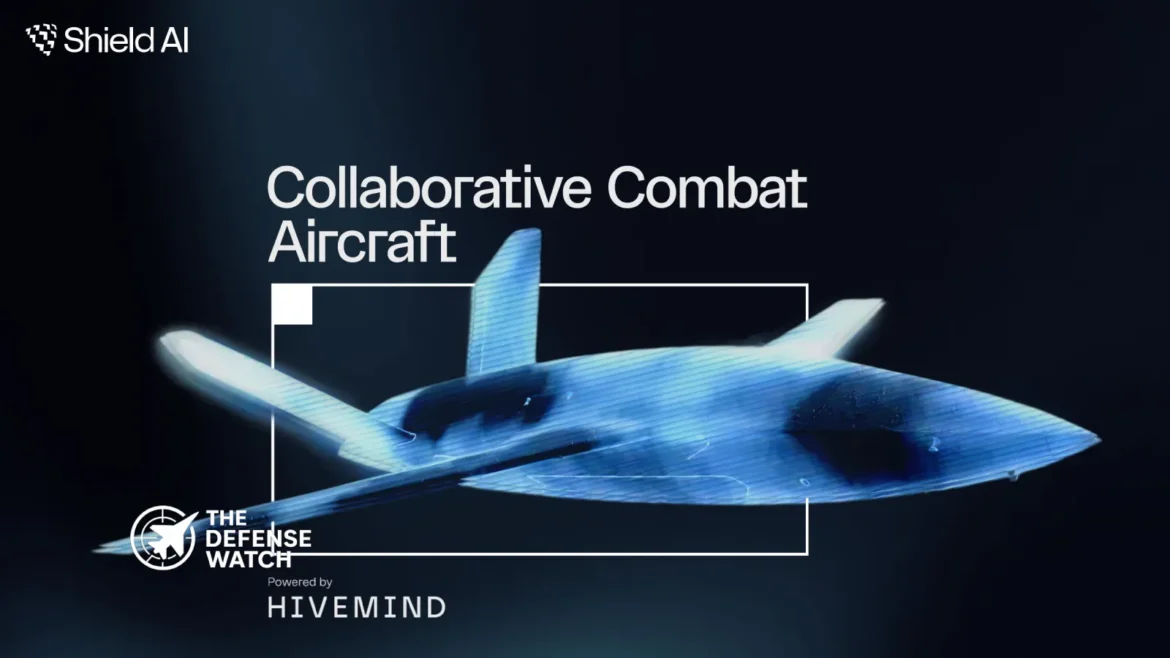
Shield AI has started wind tunnel testing on its X-BAT autonomous fighter aircraft, a key engineering milestone as the company develops its runway-independent tactical jet. The testing phase is intended to refine aerodynamic performance and lower development risk before full-scale flight demonstrations.
Early Aerodynamics Validation
The wind tunnel trials involve scale models of the X-BAT concept, focusing on airflow, stability, control surfaces, and the aircraft’s vertical takeoff and landing (VTOL) design. Shield AI said the data will help engineers adjust the design and improve safety and efficiency ahead of flight tests planned later in the development cycle.
X-BAT made its public debut in October 2025 as an autonomous jet-powered aircraft built around Shield AI’s Hivemind artificial intelligence software. The system is designed to operate with reduced human intervention in contested or communications-denied environments.
Runway-Independent Design and Testing Goals
The company’s concept centers on a tail-sitting VTOL aircraft that can launch and recover without traditional runways. Wind tunnel testing aims to validate key aerodynamic behavior tied to this vertical to horizontal flight transition. Early design imagery shows a “cranked kite” wing and a compact footprint that may allow mobile launch and recovery system use.
Shield AI has signaled that VTOL flight demonstrations could begin in late 2026, followed by broader flight test and operational validation efforts as the program moves toward later stages.
What X-BAT Could Bring
Publicly released technical details from Shield AI describe X-BAT as a fighter-class jet capable of multirole missions including strike, air-to-air engagements, and intelligence tasks. The design reportedly aims to combine long range and autonomy with runway independence.
In support of propulsion development, Shield AI and GE Aerospace announced a collaboration that selected the F110-GE-129 fighter engine with thrust-vectoring to power the aircraft. GE will support testing and integration as part of the development effort.
Broader Context in Autonomous Combat Aviation
X-BAT’s development aligns with wider efforts in the U.S. defense sector to introduce autonomous and collaborative combat aircraft into future force structures. Programs such as the US Air Force’s Collaborative Combat Aircraft initiative are exploring how autonomous platforms might operate alongside manned fighters.
Shield AI’s wind tunnel testing of X-BAT represents an early but visible step toward turning an ambitious autonomous fighter concept into a tested aerospace platform. These tests will inform design choices and systems integration well before first full-scale flights.
UK to Mass Produce Ukrainian Air Defence Drones
The United Kingdom will begin mass producing Ukrainian air defence drones in British factories under a new industrial pact, offering Kyiv sustained high-volume support as it defends against Russian air attacks. The production initiative, known as Project Octopus, adapts a Ukrainian-designed air defence interceptor for large-scale manufacturing in the UK and aims to supply thousands of these drones to Ukraine monthly.
Project Octopus and UK–Ukraine Industry Cooperation
Project Octopus is a joint UK–Ukraine defence industrial effort that deepens collaboration between the two nations’ defence sectors. Under the agreement the UK will adapt and mass produce a Ukrainian-designed interceptor drone to provide large numbers of low-cost air defence systems for use by Ukrainian forces.
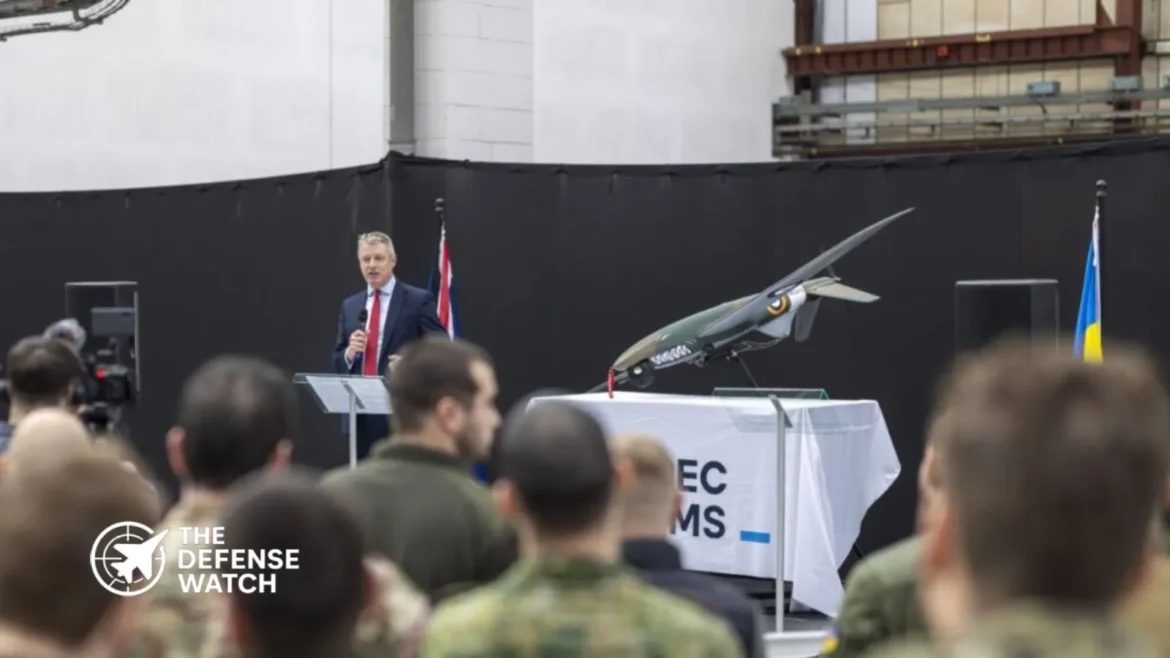
Defence Minister Luke Pollard confirmed that the programme will begin production in British facilities within weeks, with early units sent to Ukraine for operational evaluation. The plan is to scale up output rapidly, with production lines capable of delivering very high monthly volumes.
The initiative marks a shift from one-off equipment donations to industrial cooperation that embeds Ukrainian designs in UK manufacturing. It reflects broader efforts by London to maintain and expand defence supply chains for Kyiv amid ongoing Russian attacks.
Factories, Jobs, and Production Scale
British industry partners are preparing manufacturing capacity to support the programme. The move builds on existing collaborations such as the establishment of new drone production facilities in the UK, including announced UK sites for local assembly and testing of Ukrainian drone platforms and components. These facilities are expected to create hundreds of jobs and contribute to local supply chains.
Initial reports suggest production could target output in the low thousands per month, with the possibility of further scaling as demand and production experience grow.
Drone Role in Ukraine’s Air Defence
The interceptor drones built under Project Octopus are intended to augment Ukraine’s layered air defence posture by engaging and neutralising aerial threats such as unmanned aerial systems and other hostile aircraft. These drones are designed to be relatively low cost compared with traditional interceptor missiles, enabling high volume deployment where needed.
This capability complements wider UK assistance. London has supplied tens of thousands of various unmanned systems to Ukraine and continues to invest in air capability partnerships that provide both offensive and defensive tools.
Strategic Context
The UK’s move to house production of Ukrainian interceptor drones underscores long-term cooperation on defence manufacturing between NATO allies in response to sustained Russian air threat. Producing these systems in the UK strengthens industrial ties, helps secure supply lines, and maintains a flow of critical defence equipment to Ukraine amid ongoing conflict.
By shifting beyond direct donations, the UK aims to create repeatable, scalable production that supports Ukraine’s defence capacity over the coming years while bolstering UK domestic defence industry momentum.
UK Project NYX Advances Apache Wingman Drone Prototypes
The United Kingdom has selected seven British-based defence companies to develop prototype uncrewed aerial systems under Project NYX, intended to operate alongside Apache attack helicopters. The move marks an advancement in autonomous military aviation and aligns with the UK Strategic Defence Review emphasis on integrated crewed and uncrewed systems.
Seven Firms Named for Prototype Designs
On January 24 the UK Ministry of Defence announced that Project NYX has entered a prototype design phase. Industry partners invited to submit concepts are Anduril, BAE Systems, Leonardo, Lockheed Martin UK, Syos, Tekever and Thales.
In March 2026 the list will be refined to four suppliers, which will be offered research and development contracts to produce a concept demonstrator. Initial operational capability for the system is targeted for 2030.
The programme is framed around uncrewed aircraft operating as so-called loyal wingmen. These platforms are intended to fly with crewed Apache AH-64E helicopters and conduct tasks such as reconnaissance, surveillance, electronic warfare, target acquisition and strike missions.
Autonomy and Command Architecture
Project NYX emphasises a “command rather than control” approach for autonomy, where human crews set mission goals and uncrewed systems execute within defined parameters. This framework aims to reduce pilot workload and enable the drones to react to complex battlefield conditions without direct remote piloting.
The programme is part of a broader UK defence strategy to integrate autonomous capabilities with conventional platforms and expand operational options in high-threat environments. It reflects sustained investment in uncrewed systems alongside investments such as the UK Defence Innovation funding for drone technology and counter-drone systems.
Industry Context and Capability Trends
Companies selected for Project NYX range from large primes to specialised technology firms. Anduril and Lockheed Martin UK bring experience in autonomous systems development. Traditional defence contractors BAE Systems, Leonardo and Thales contribute established aerospace and avionics expertise, while Syos and Tekever are known for rotary and fixed-wing unmanned platforms.
The UK defence industry has been active in drone and autonomous aircraft development across multiple programmes. For example Leonardo’s Proteus autonomous helicopter demonstrator recently completed its first flight in 2026, showcasing full-size autonomous rotorcraft capabilities that could inform future uncrewed operations.
Tekever has expanded its UK footprint with new production facilities to support unmanned aircraft manufacturing and integration, reflecting growing domestic capability.
Strategic Implications
Project NYX aligns with global interest in loyal wingman and collaborative combat aircraft concepts. These systems are seen as a way to expand combat mass, extend sensor reach and support crewed platforms while managing risk in contested airspace.
For the UK Army Aviation community, integrating loyal wingman drones with the Apache fleet could enhance tactical flexibility and survivability, especially as adversary air defenses and electronic threats evolve. Close cooperation with industry partners may also support broader economic and technological objectives as part of UK defence industrial strategy.