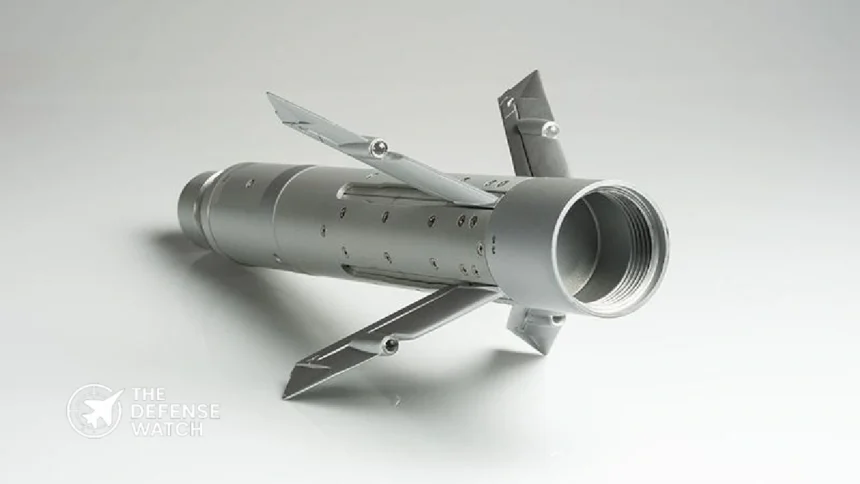
The U.S. Department of War and BAE Systems have signed a framework agreement to support procurement of up to 25,000 Advanced Precision Kill Weapon System (APKWS) guidance kits annually, with a potential procurement period of seven years. The arrangement is intended to strengthen the supply of precision-guided munitions for U.S. forces while providing a path to expand production for allied customers.
Announced on October 19, 2026, the agreement establishes a framework for multiyear procurement rather than a finalized purchase order for the full quantity. BAE Systems said it will increase production while negotiating a multiyear contract with the department. Neither the company nor the Pentagon disclosed the agreement’s total value.
The distinction matters because an annual procurement target does not guarantee that all 25,000 kits will be ordered, funded or delivered each year. The department also said congressional approval and funding remain necessary for the planned purchases, according to Defense News.
Why APKWS is important to the U.S. military
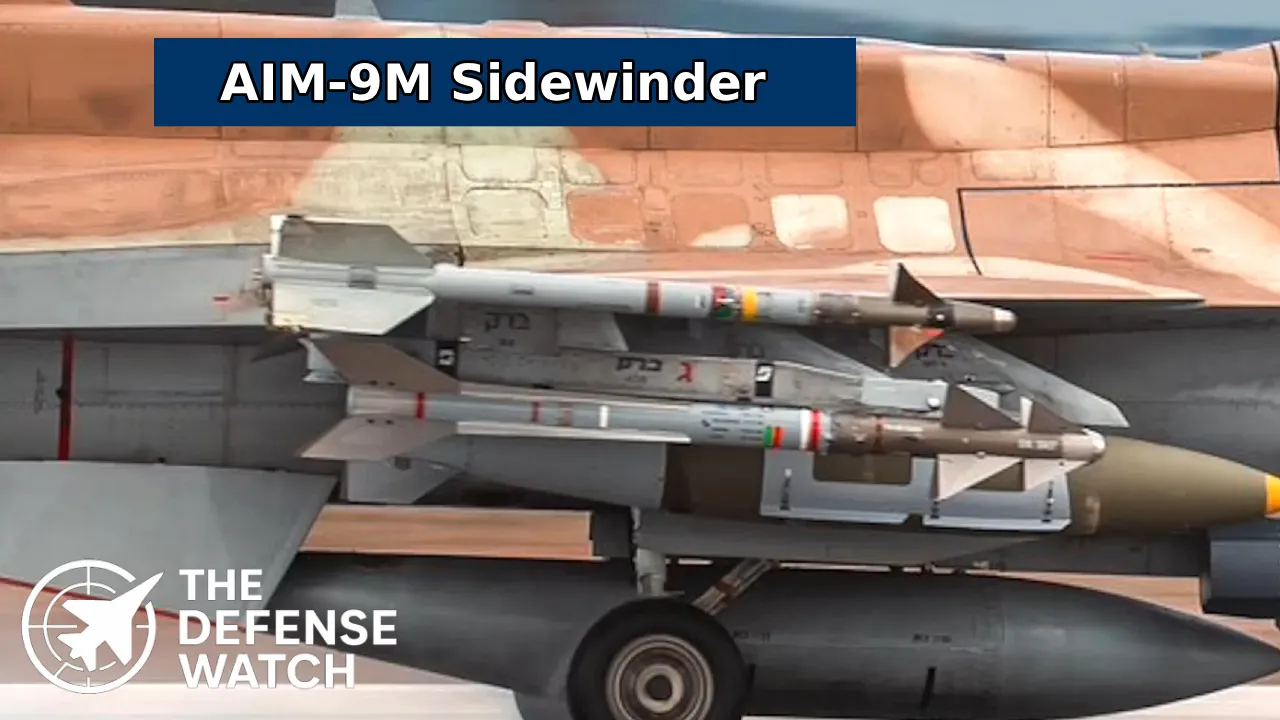
APKWS provides a way to convert existing unguided 2.75-inch, or 70 mm, rockets into precision-guided weapons without replacing the entire rocket with a more expensive missile system.
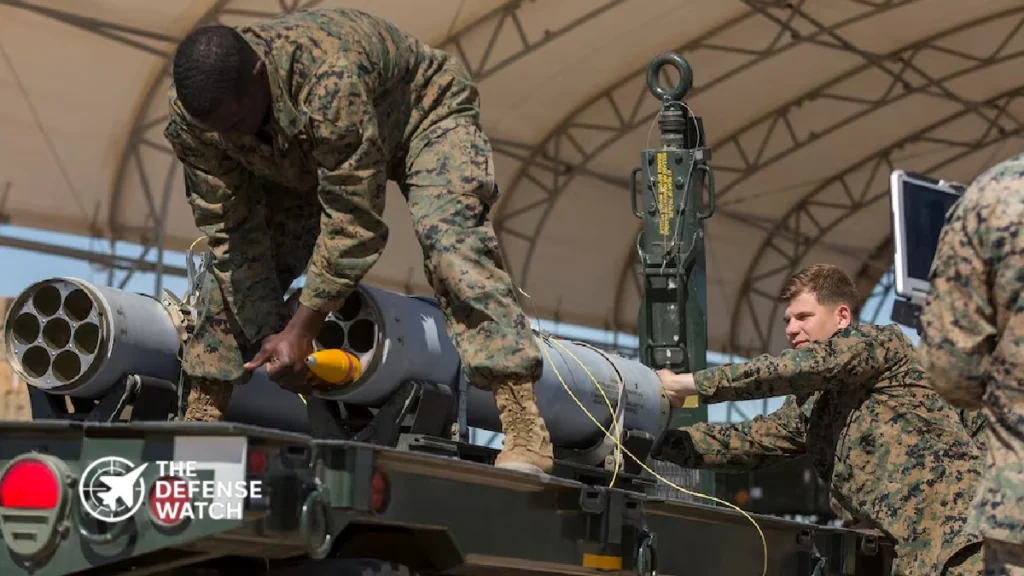
The guidance kit incorporates laser-seeking components that steer the rocket toward a designated target. This approach allows military services to retain the underlying rocket architecture while adding precision guidance for missions that require greater accuracy than an unguided rocket can provide.
BAE Systems produces the kits at facilities in Hudson, New Hampshire, and Austin, Texas. The system is fielded by the U.S. Army, Navy, Air Force and Marine Corps, giving the procurement effort relevance across multiple service branches rather than to a single platform or operational community.
The weapon can support air-to-ground and ground-to-ground engagements, and it has also been used in counter-unmanned aircraft system roles. These applications make APKWS relevant to two distinct demands: precision engagement of conventional targets and the need to counter certain airborne threats without relying exclusively on larger, more costly interceptors.
Counter-drone defense is a key part of the requirement
The expanding use of relatively inexpensive unmanned aircraft has created a difficult cost problem for air defense forces. Destroying a low-cost drone with a high-value interceptor can consume limited inventories and create an unfavorable cost exchange, particularly when threats arrive in large numbers.
APKWS-equipped rockets offer another option for targets that fall within the system’s engagement envelope and can be designated with a suitable laser. BAE identifies counter-drone missions against unmanned aircraft and low-flying cruise missiles among the system’s intended applications.

However, APKWS is not a universal substitute for dedicated air defense missiles. Engagement suitability depends on the target, launch platform, sensor and targeting arrangements, engagement geometry, and operating conditions. The framework agreement does not establish that every U.S. counter-drone unit will receive the same quantities or that the system can defeat every class of drone.
The operational value lies in giving commanders another weapon option. Where the threat and engagement conditions permit, a guided rocket may preserve more expensive interceptors for targets that require their capabilities.
Production capacity and allied demand
BAE Systems has already established a substantial manufacturing base for APKWS. In February 2026, the company announced delivery of its 100,000th guidance kit. Its published product information also identifies manufacturing capacity of at least 25,000 units annually.
That background suggests the new framework is intended to provide a more predictable demand signal for an established production line, rather than to launch a new weapon program.
The agreement also includes a route toward increased output for U.S. allies. BAE Systems said the framework could support production capacity of up to 35,000 kits annually. Defense News reported that the arrangement envisions additional capacity for partner nations as they formally request weapons through the Foreign Military Sales program.
These figures describe related but different elements of the plan. The 25,000-kit figure is the reported annual U.S. procurement target, while 35,000 kits is the higher production-capacity figure cited by BAE. Neither figure should be interpreted as a confirmed annual delivery total for all customers.
Foreign demand could affect how the expanded capacity is used. Allied purchases must still proceed through the relevant sales and funding processes, and actual output will depend on orders, component availability and production schedules.
The agreement builds on an existing procurement program
The October framework follows an earlier Navy-led procurement arrangement. In August 2025, the U.S. Navy awarded BAE Systems a contract with a reported ceiling of $1.74 billion for APKWS guidance kits supporting Navy, Army and foreign customers. The contract covered up to 55,000 kits, with work expected to continue through December 2031, according to Defense News.
The two arrangements should not be treated as interchangeable. The earlier contract established a procurement vehicle with a stated ceiling and maximum quantity, while the new framework is intended to establish a multiyear basis for future purchasing and production planning.
This distinction is important when assessing the scale of the commitment. The framework’s potential seven-year duration does not, by itself, establish a guaranteed total quantity or total contract value. Publicly available information does not yet provide a complete annual ordering schedule, delivery timetable or funding breakdown.
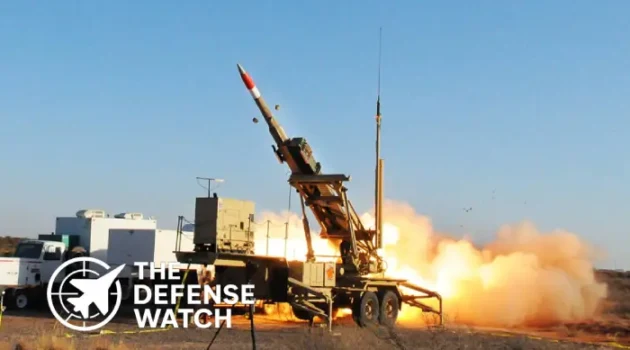
The Pentagon has also pursued production agreements for other missile and air defense programs in 2026, including efforts involving the Patriot PAC-3 Missile Segment Enhancement and THAAD interceptors. Those programs address different threats and use different technologies, but they share an industrial concern: increasing the availability of weapons while sustaining the supply chains needed to produce them.
What remains to be established
The immediate test will be how the framework translates into funded orders and delivered kits. The announcement does not disclose the final multiyear contract value, the annual quantity schedule, or a date by which the expanded capacity must be fully available.
Production growth also depends on more than factory capacity. Suppliers must deliver components at the required rate, quality standards must be maintained, and completed kits must be integrated into the relevant procurement and logistics systems.
For the U.S. military, a predictable supply of APKWS guidance kits could improve access to precision-guided rockets across several services and give commanders another option for selected counter-drone missions. For BAE Systems, the agreement offers a longer-term basis for production planning and a potential route to serve additional allied demand.
The scale of the eventual benefit will depend on funding, the contracts that follow and the number of kits ultimately delivered. Until those details become available, the agreement is best understood as a framework for sustained procurement and increased production capacity, not as confirmation that the full annual target has already been purchased.