Executive Summary:
Lockheed Martin Rotary and Mission Systems has received a $20.66 million contract modification from the U.S. Naval Sea Systems Command to continue engineering, technical, and depot support for the MK 41 Vertical Launching System. The work will sustain one of the U.S. Navy’s most widely deployed missile launch systems and is scheduled for completion by December 2026.
Lockheed Martin has received a $20.66 million contract modification to continue supporting the U.S. Navy’s MK 41 Vertical Launching System (VLS), one of the world’s most widely deployed naval missile launch systems. The award was announced by the U.S. Department of Defense, with the Naval Sea Systems Command (NAVSEA) serving as the contracting authority.
The modification expands work under the previously awarded contract N00024-20-C-5392, covering engineering integration, software support, depot operations, logistics, and technical services necessary to sustain the operational readiness of the MK 41 VLS fleet.
Contract Covers Engineering, Software, And Depot Operations
According to the Department of Defense contract announcement, the award is valued at $20,662,551 and consists of both cost-plus-fixed-fee and cost-only contract elements.
Under the modification, Lockheed Martin will provide:
- Engineering integration
- Technical support
- Electronic systems maintenance
- Computer program support
- Material procurement
- Depot-level sustainment
- Program travel and field support
The work ensures the continued availability and reliability of the electronic systems that control missile launching operations aboard U.S. Navy surface combatants.
Work Will Be Performed Across Multiple U.S. Locations
The contract work will be distributed among several Lockheed Martin and Navy support locations:
| Location | Share of Work |
|---|---|
| Moorestown, New Jersey | 60% |
| Ventura, California | 16% |
| San Diego, California | 10% |
| Seattle, Washington | 4% |
| Mayport, Florida | 4% |
| Norfolk, Virginia | 4% |
| Virginia Beach, Virginia | 2% |
The contract is scheduled for completion by December 2026.
Funding Breakdown
The award combines funding from two defense appropriations.
| Funding Source | Amount | Share |
|---|---|---|
| Fiscal Year 2025 Defense-Wide Funds | $8,524,748 | 78% |
| Fiscal Year 2026 Defense-Wide Research, Development, Test and Evaluation Funds | $2,447,083 | 22% |
The Department of Defense stated that the obligated funds will not expire at the end of the current fiscal year, allowing uninterrupted execution of the support effort.
Why The MK 41 Vertical Launching System Matters
The MK 41 Vertical Launching System is among the most important weapons infrastructure components used by the U.S. Navy and allied navies. Rather than being a single weapon, it serves as a modular launch architecture capable of firing numerous missile types from standardized launch cells.
Depending on ship configuration and mission requirements, the system can launch:
- SM-2 surface-to-air missiles
- SM-3 ballistic missile interceptors
- SM-6 multi-mission missiles
- Tomahawk land attack cruise missiles
- Vertical Launch Anti-Submarine Rockets (VL-ASROC)
- Other compatible missile variants
Its modular design enables naval commanders to tailor a ship’s weapons loadout for air defense, ballistic missile defense, anti-submarine warfare, anti-surface warfare, or long-range precision strike missions.
Sustaining Readiness Is As Important As Buying New Weapons
Although procurement of new missile systems often attracts attention, sustainment contracts such as this play an equally important role in fleet readiness.
Modern vertical launch systems depend on sophisticated electronics, embedded software, control computers, diagnostics, and communications interfaces. Maintaining these components ensures that missile launch commands execute safely and reliably under demanding operational conditions.
Engineering support also helps integrate software updates, cybersecurity improvements, hardware replacements, and compatibility enhancements as new missile variants enter service.
Without continuous modernization and depot maintenance, even advanced missile inventories would be limited by launcher availability rather than missile stockpiles.
Strategic Importance For The U.S. Navy
The award reflects the Navy’s continued investment in sustaining critical combat systems across its surface fleet during a period of heightened maritime competition.
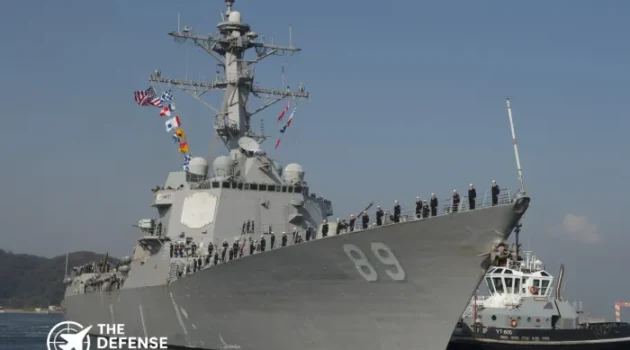
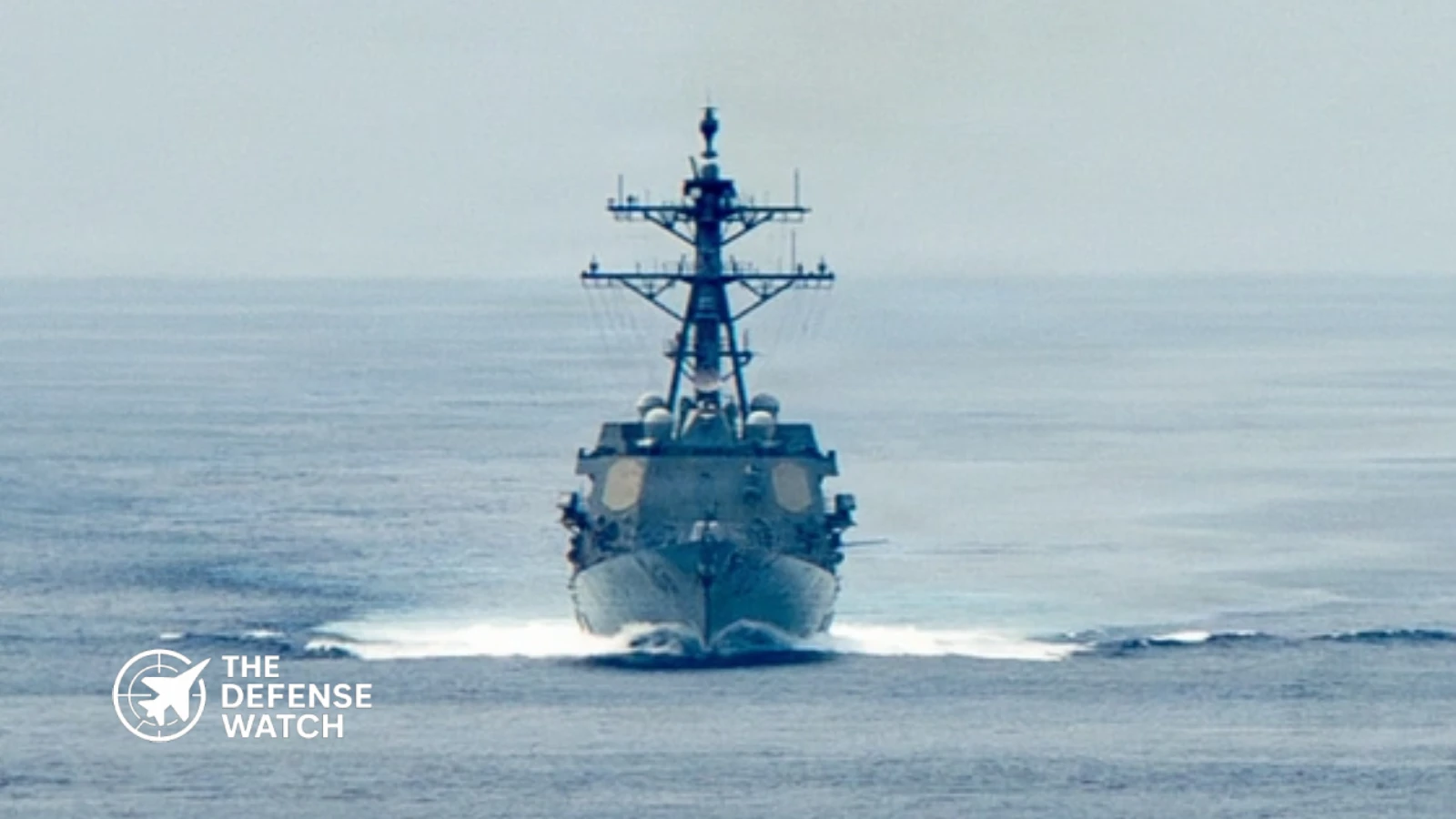
The MK 41 VLS equips numerous U.S. Navy platforms, including:
- Arleigh Burke-class guided missile destroyers
- Ticonderoga-class guided missile cruisers
- Future surface combatants using compatible launch architectures
The system is also operated by numerous allied navies, making it one of the most interoperable naval missile launchers in service today. Its compatibility with evolving missile technologies supports integrated air and missile defense missions while enabling rapid adaptation to emerging operational requirements.
As the Navy expands distributed maritime operations and emphasizes long-range precision strike capabilities, dependable launcher performance remains essential to overall combat effectiveness. Engineering sustainment contracts help ensure these systems remain mission-ready throughout their operational life cycle while reducing maintenance risks and supporting fleet availability.