Russia Receives New Su-35S Fighters To Sustain Combat Air Power
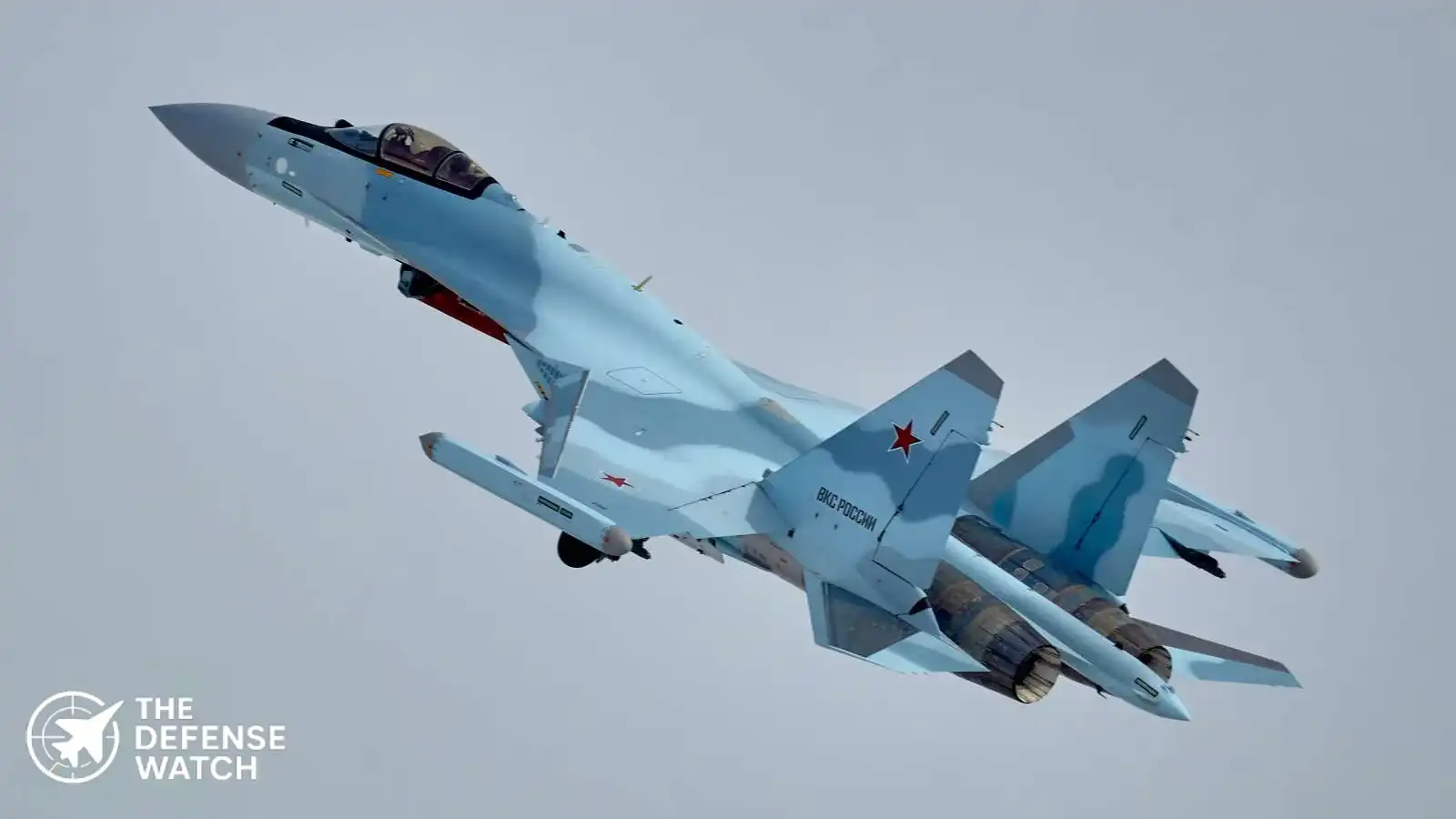
Russia Su-35S fighters are entering service again as Moscow accepts a fresh batch of aircraft intended to reinforce tactical aviation forces. The latest delivery involves newly built Su-35S fighters transferred from Russian industry under the national defense procurement program.
The handover signals that Russia continues to prioritize fighter aircraft production despite wartime attrition, sanctions pressure, and heavy demand across multiple defense sectors. In practical terms, keeping fighter assembly lines active may matter as much as battlefield use, because replacing losses and rotating worn aircraft are now central to long-duration force planning.
- Russia has reportedly received a new batch of Su-35S multirole fighter aircraft from domestic industry.
- The aircraft were produced by United Aircraft Corporation under the state defense order.
- Su-35S fighters are designed for air superiority, long-range interception, and precision strike missions.
- Deliveries suggest Russia is prioritizing tactical aviation fleet replacement and sustainment.
- Continued fighter production remains strategically important amid ongoing operational pressure.
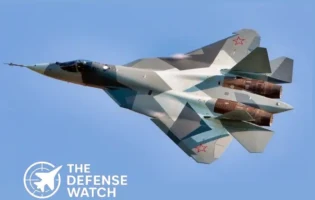
The Su-35S is one of Russia’s most capable non-stealth combat aircraft. Developed as an advanced derivative of the Su-27 family, it combines long range, high maneuverability, powerful radar systems, and a large weapons payload.
Why The New Su-35S Delivery Matters
New Su-35S delivery announcements often carry political and industrial messaging beyond the aircraft themselves. They show domestic production continuity, signal confidence in the aerospace sector, and reassure military planners that replenishment pipelines remain open.
That matters because modern fighter fleets consume readiness quickly during sustained operations. Airframes require maintenance cycles, engines need overhaul periods, and avionics support becomes increasingly important over time. Even if aircraft losses are limited, operational wear can reduce available combat numbers.
For Russia, adding new Su-35S fighters can help in several ways:
- Replace damaged or retired aircraft
- Support homeland air defense patrols
- Escort strike packages
- Extend long-range air presence
- Preserve readiness of other fighter types
Su-35S Capabilities And Operational Role
The Su-35S is generally categorized as a 4++ generation fighter, bridging older fourth-generation designs and fifth-generation stealth platforms. It uses thrust-vectoring engines, advanced sensors, and can carry air-to-air missiles, guided bombs, and anti-ship weapons.
Its strongest advantage is range and payload. Compared with lighter fighters, the aircraft can remain on station longer and carry more weapons. That makes it useful for large-area patrols or stand-off strike missions.
However, modern air combat increasingly favors stealth, networked targeting, and survivability against dense air defenses. While powerful, the Su-35S still reflects a design philosophy centered on kinematics and weapons load rather than low observability.
Industrial And Strategic Context
The latest Russia Su-35S fighters delivery also reflects the resilience of the country’s defense-industrial base. Western sanctions aimed to restrict access to components, finance, and aerospace technology. Continued aircraft output suggests Moscow has either adapted supply chains, substituted parts, or prioritized resources for key programs.
Still, sustaining production is different from expanding it. Analysts often watch delivery tempo, fleet modernization rates, and maintenance quality more closely than headline announcements.
If deliveries remain steady, Russia can preserve a credible tactical aviation force. If output slows, pressure on existing fleets could increase sharply.
Outlook
The arrival of additional Su-35S fighters indicates Russia intends to maintain airpower depth while broader modernization efforts continue. Though stealth aircraft attract most attention globally, proven multirole fighters still form the backbone of many air forces.
For now, the Su-35S remains a central pillar of Russia’s combat aviation inventory.