• Home
  • About
  • Defense Systems
  • Manufacturer
  • Comparisons
  • Compare 
  • Tools
TheDefenseWatch.com
  • Aerospace & Aviation
  • Military & Ordnance
  • Naval & Maritime
  • Cyber & Space Defense
  • Policy & Strategy
  • Global News
  • Tools Library
    • Smart Calculator
    • Drone Flight Time Calculator
    • Drone Range Calculator
    • Counter-Drone Jammer Effective Range Calculator
    • Counter-Battery Radar Detection Calculator
    • Artillery Fire Correction Calculator
    • Thermal Camera Detection Range Calculator
    • Missile Range & Time-of-Flight Calculator
    • Radar Detection Range Calculator
    • FPV Strike Drone Payload vs Range Calculator
    • Loitering Munition Endurance Calculator
    • Sniper Ballistic Drop & Windage Calculator
    • Bullet Drop Calculator
    • U.S. Army Combat Fitness Test (ACFT) Calculator
    • Military Pension Calculator
    • Military Retirement Calculator
    • Military Pension Calculator
    • Large Number Calculator
Font ResizerAa

TheDefenseWatch.com

The Defense Watch | U.S. & Global Defense News, Analysis & Military Updates

Search
  • Home
  • About
  • Defense Systems
  • Manufacturer
  • Comparisons
  • Compare 
  • Tools

Stay Updated

Get the latest update

Subscribe

Explore

  • Drone
  • Fighter Jets & Military Aircraft
  • Hypersonic Weapons
  • Aircraft Carriers
  • Strategic History & Missions
  • Tools Library
Home » Raytheon Expands Alabama Missile Integration Facility To Boost U.S. Defense Production Capacity
Defense Contracts

Raytheon Expands Alabama Missile Integration Facility To Boost U.S. Defense Production Capacity

Samuel Drake | Defense Analyst
Last updated: September 8, 2026 2:40 pm
Samuel Drake | Defense Analyst
Share
2 Min Read
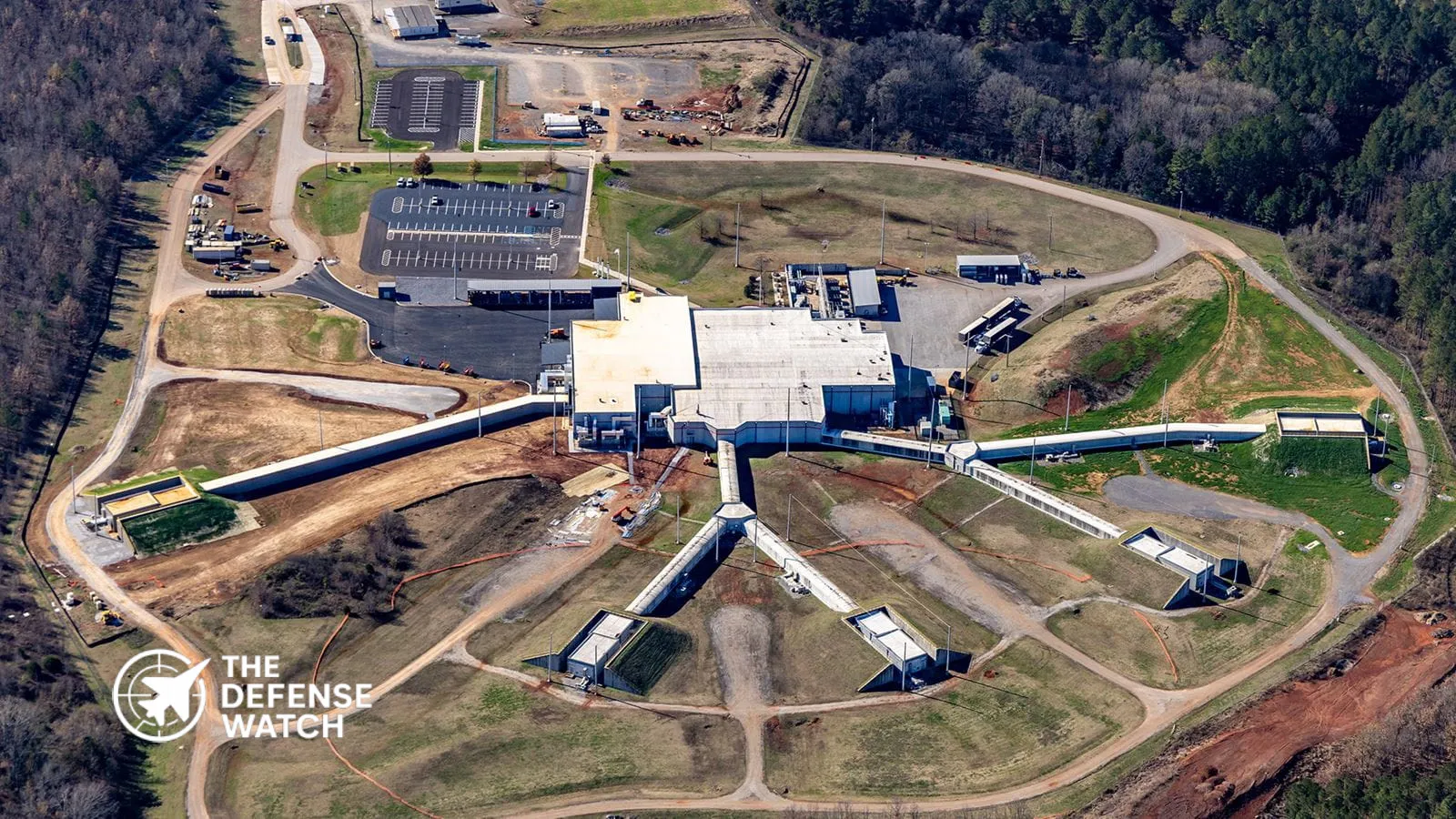
Raytheon Alabama missile integration facility
Image : RTX
SHARE
¦ KEY FACTS AT A GLANCE
  • Raytheon completed a $115 million expansion of its Alabama missile integration facility.
  • The facility supports integration and assembly of advanced precision-guided missiles.
  • Expansion strengthens U.S. and allied missile supply chains amid rising global demand.
  • Investment reflects long-term Pentagon focus on industrial base resilience and surge capacity.
  • Facility enhances production scalability for high-demand systems like air defense and strike missiles.

Raytheon Alabama Missile Integration Facility Expansion

The Raytheon Alabama missile integration facility expansion marks a significant step in strengthening U.S. missile production capacity, with a $115 million investment aimed at accelerating assembly and delivery of advanced weapons systems.

Contents
Raytheon Alabama Missile Integration Facility ExpansionThe Big PictureWhat’s HappeningWhy It MattersStrategic ImplicationsCompetitor ViewWhat To Watch NextCapability GapThe Bottom Line

The Big Picture

The United States is actively rebuilding its defense industrial base to meet sustained demand for precision weapons. High consumption rates in recent conflicts, combined with rising tensions in the Indo-Pacific and Europe, have exposed limits in existing production capacity.

Missile systems such as air defense interceptors, precision strike munitions, and long-range weapons now sit at the center of U.S. deterrence strategy. The Department of Defense has prioritized expanding manufacturing throughput, reducing bottlenecks, and ensuring rapid replenishment capability.

Raytheon, a business unit of RTX Corporation, plays a central role in this effort. Its investment in Alabama reflects a broader industry shift toward scalable, high-rate production.

- Advertisement -

What’s Happening

Raytheon has completed a $115 million expansion of its missile integration facility in Alabama, according to an official company announcement released in March 2026.

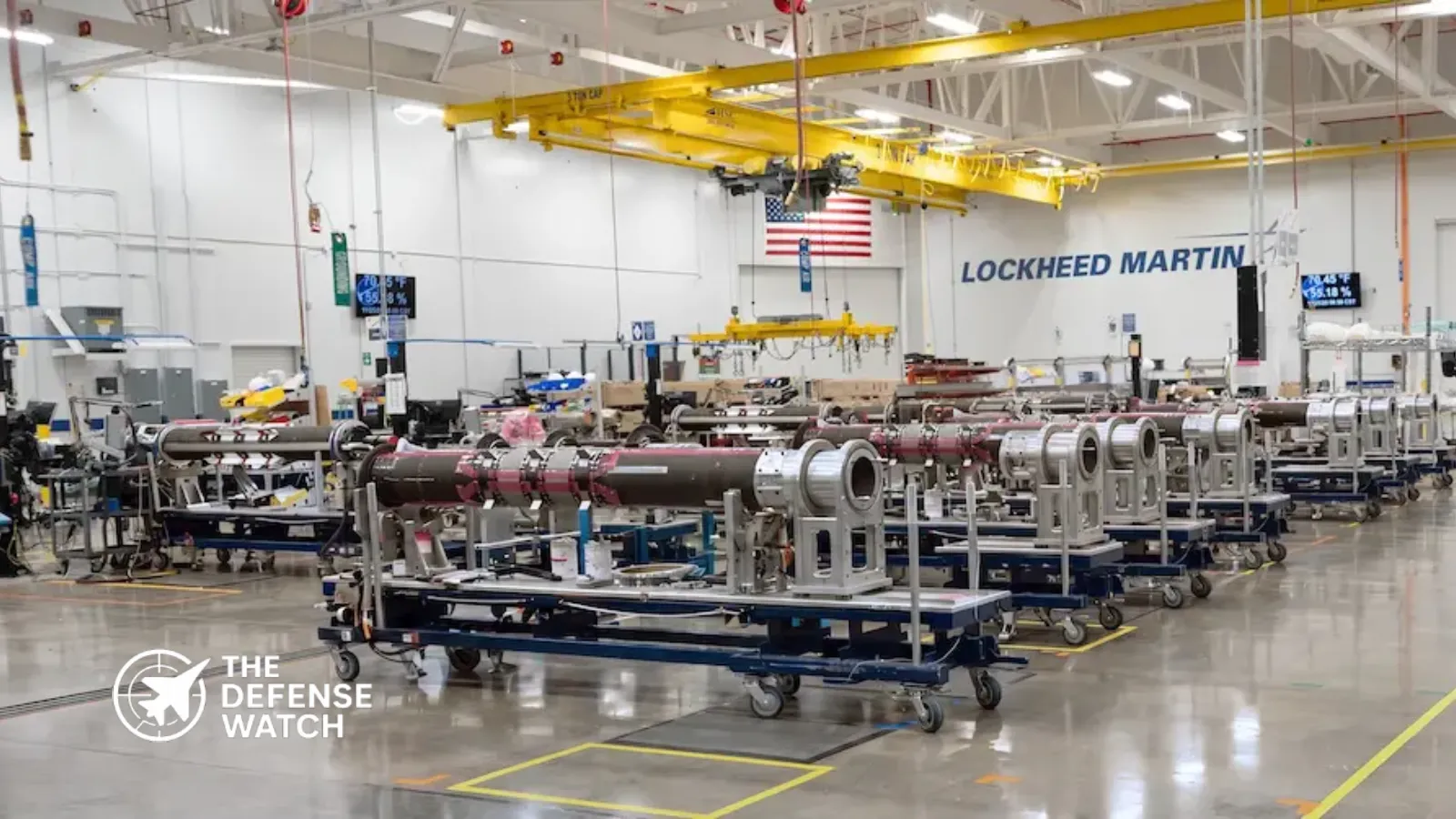
The upgraded site focuses on the integration phase of missile production, where key components such as guidance systems, propulsion units, and warheads are assembled into operational weapons. This stage is often the most complex and time-sensitive part of the manufacturing process.

The expansion adds new production lines, advanced tooling, and modernized workflows designed to increase throughput and improve efficiency. The facility supports a range of missile programs used by the U.S. military and allied partners.

Raytheon officials stated the investment will help meet growing demand while improving delivery timelines for critical systems.

Why It Matters

Missile demand has surged across multiple theaters. The U.S. has transferred large quantities of air defense and precision strike systems to allies while maintaining its own readiness requirements.

Production constraints have become a strategic concern. Integration facilities like the one in Alabama often determine how quickly finished systems can reach operational units.

The Raytheon Alabama missile integration facility expansion directly addresses this bottleneck. By increasing integration capacity, the company can move partially completed components into deployable systems at a faster rate.

This capability is especially important for systems that rely on complex electronics and multi-domain integration, where delays can ripple across the entire supply chain.

- Advertisement -

Strategic Implications

The expansion strengthens U.S. military readiness by enabling faster replenishment of key missile inventories. It also improves surge capacity in the event of a prolonged conflict.

A more resilient industrial base supports deterrence by signaling that the United States can sustain high-intensity operations over time. This has direct implications for both NATO commitments and Indo-Pacific force posture.

The investment also reinforces domestic manufacturing. By expanding production within the United States, Raytheon reduces reliance on external suppliers and mitigates supply chain vulnerabilities.

For allied nations, increased U.S. production capacity translates into more reliable access to advanced weapons systems, particularly in air defense and precision strike roles.

Competitor View

China has placed heavy emphasis on scaling its own missile production capabilities, particularly for long-range precision strike systems and anti-access strategies. Beijing is likely to view U.S. industrial expansion as part of a broader effort to sustain military advantage.

Russia, facing constraints from sanctions and wartime attrition, may interpret the expansion as evidence of Western industrial depth. Increased U.S. production capacity highlights the gap between NATO and Russian defense manufacturing output.

Regional actors such as Iran also monitor U.S. missile production trends, particularly in relation to air defense systems that could counter their missile and drone capabilities.

What To Watch Next

Raytheon’s next steps will likely focus on ramping up production rates and integrating additional missile programs into the expanded facility.

Key indicators include:

Production output increases over the next 12 to 24 months
New contracts from the U.S. Department of Defense and allied customers
Integration of emerging missile technologies into the facility

The Pentagon’s continued funding for munitions production will also shape how quickly facilities like this reach full operational capacity.

Capability Gap

The expansion addresses a critical gap in U.S. defense manufacturing, limited integration capacity for complex missile systems.

While the U.S. maintains advanced design and development capabilities, scaling production has proven more difficult. Integration facilities require specialized infrastructure and skilled labor, which cannot be expanded overnight.

However, the investment does not fully eliminate constraints. Supply chain dependencies, particularly in electronics and propulsion components, remain potential limiting factors.

The Bottom Line

Raytheon’s Alabama expansion strengthens the backbone of U.S. missile production, improving readiness and ensuring the ability to sustain high-demand operations.


TAGGED:Alabama facilityDefense Manufacturingmissile productionRaytheonUS military
Share This Article
Facebook Copy Link Print
BySamuel Drake | Defense Analyst
Follow:
Samuel Drake is a defense analyst at TheDefenseWatch.com covering naval warfare, military ordnance, maritime technology, fleet modernization, and defense procurement. His reporting focuses on documented capabilities, procurement programs, and military technology.
Leave a Comment

Leave a Reply Cancel reply

Your email address will not be published. Required fields are marked *

Search Defense Systems

Latest Defense Systems

  • TRML-4D Radar TRML-4D Radar
  • F-47A Fighter Jet F-47A Fighter Jet
  • China DF-61 Missile China DF-61 Missile
  • B61 Nuclear Bomb B61 Nuclear Bomb
  • Japan E-767 Airborne Japan E-767 Airborne
  • Remington 870 Shotgun Remington 870 Shotgun
  • RUTA B1 Cruise Missile RUTA B1 Cruise Missile
  • XQ-67A Drone XQ-67A Drone
  • B-25 Mitchell Bomber B-25 Mitchell Bomber

Recent Compares

  • J-10C vs JF-17 Thunder: Which Fighter Is More Capable? J-10C vs JF-17 Thunder: Which Fighter Is More Capable? View Comparison →
  • Tejas vs Gripen: Key Differences and Capabilities Tejas vs Gripen: Key Differences and Capabilities View Comparison →
  • Tejas vs MiG-21 Bison: How India Replaced Its Iconic Supersonic Fighter Tejas vs MiG-21 Bison: How India Replaced Its Iconic Supersonic Fighter View Comparison →
  • F-35 vs F-16: Stealth, Sensors and Combat Roles F-35 vs F-16: Stealth, Sensors and Combat Roles View Comparison →
  • Tejas Fighter Jet vs F-16 Fighting Falcon: Capability Compared Tejas Fighter Jet vs F-16 Fighting Falcon: Capability Compared View Comparison →
  • Rafale Fighter Jet vs F-16 Fighting Falcon : Which Fighter Has the Edge? Rafale Fighter Jet vs F-16 Fighting Falcon : Which Fighter Has the Edge? View Comparison →
  • Su-57 Fighter Jet vs J-20 Fighter Jet: Stealth and Air Combat Compared Su-57 Fighter Jet vs J-20 Fighter Jet: Stealth and Air Combat Compared View Comparison →
  • Mirage 2000 vs Tejas Mk1A: Legacy Combat Power vs Indigenous Modernization Mirage 2000 vs Tejas Mk1A: Legacy Combat Power vs Indigenous Modernization View Comparison →
  • Rafale Fighter Jet vs F-22 Raptor: Which Air Dominance Fighter Has the Edge? Rafale Fighter Jet vs F-22 Raptor: Which Air Dominance Fighter Has the Edge? View Comparison →
  • Tejas Fighter Jet vs. Rafale Fighter Jet: India’s Indigenous Fighter Meets France’s Proven Multirole Combat Aircraft Tejas Fighter Jet vs. Rafale Fighter Jet: India’s Indigenous Fighter Meets France’s Proven Multirole Combat Aircraft View Comparison →

Recent Posts

  • Hensoldt Targets €10 Billion in Annual Revenue by 2035, Doubles TRML-4D Radar Capacity
  • Somalia’s Reported JF-17 Deal Raises Questions Over Airpower and Regional Security
  • Navy Awards General Dynamics Subsidiary $20 Million Undersea Warfare Research Contract
  • U.S. Air Force Awards $26 Million Contract for Flyways AI Air Operations Software
  • Hegseth Orders Major Overhaul of U.S. Military Education System

You Might Also Like

Italy US military aircraft stopover
Geopolitical & Strategic DoctrinesPolicy & Strategy

Italy Moves To Restrict US Military Aircraft Stopovers As Middle East Tensions Rise

September 7, 2026
L3Harris Navy contract
Defense Contracts

L3Harris Wins 22.9M Navy Contract for Towed Body 34A Systems

September 7, 2026
U.S. Navy cyber operations center with technicians managing secure network systems and infrastructure
Defense Contracts

Tyto Athene Secures $35.9M Deal For U.S. Navy Cyber Infrastructure Program

September 7, 2026
PAC-3 MSE multiyear contract
Defense Contracts

Lockheed Martin Secures $58.6 Billion Deal For PAC-3 MSE Interceptor Production

September 7, 2026

Logo

Copyright © 2026 TheDefenseWatch.com

Helpful Links

  • Home
  • About Us
  • Privacy Policy
  • Terms of Use / Disclaimer
  • U.S. Privacy Notice – CCPA Compliance

Defense Systems

  • Defense Systems
  • Comparisons 
  • Manufacturer
  • Tactical Calculators

Popuplar

Which 5 Air Forces Possess the Costliest Fighter Jet Fleets in the World
Evolving Strategic Value: Carrier Strike Groups in the Indo-Pacific’s Future Security Architecture
Autonomous Weapon Systems Spark U.S. Ethics Debate Amid Rapid Military AI Integration

We report on developments involving military forces, governments, defense companies, research organizations, and security institutions around the world. 

Welcome Back!

Sign in to your account

Username or Email Address
Password

Lost your password?