

Executive Summary:
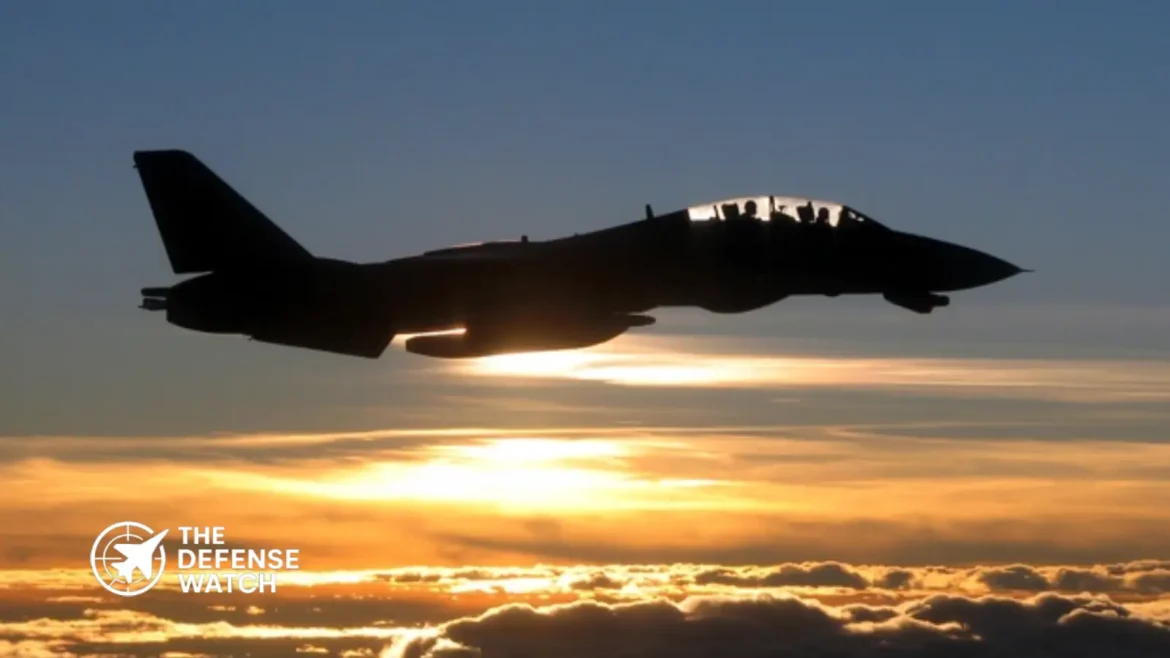
The U.S. Congress is advancing legislation that could preserve three retired F-14D Tomcat fighters and potentially return one aircraft to flying condition. The Maverick Act would transfer the jets from Navy storage to the U.S. Space & Rocket Center in Alabama for heritage and educational use.
Congress Advances F-14 Tomcat Preservation Effort
The future of the iconic Grumman F-14 Tomcat may be changing after nearly two decades in retirement, as U.S. lawmakers move forward with legislation aimed at preserving three remaining aircraft and potentially restoring one to flight status.
The proposed legislation, known as the Maverick Act, has already passed the U.S. Senate by unanimous consent and is now under consideration in the House of Representatives. The bill would authorize the transfer of three retired F-14D Tomcats from storage at Davis-Monthan Air Force Base in Arizona to the U.S. Space & Rocket Center Commission in Huntsville, Alabama.
The legislation was introduced in the Senate by Tim Sheehy and co-sponsored by Mark Kelly. In the House, companion legislation was introduced by Abe Hamadeh.
One F-14 Could Potentially Fly Again
The most significant provision in the Maverick Act allows the Secretary of the Navy to provide excess spare parts needed to make one of the aircraft either flyable or suitable for static display.
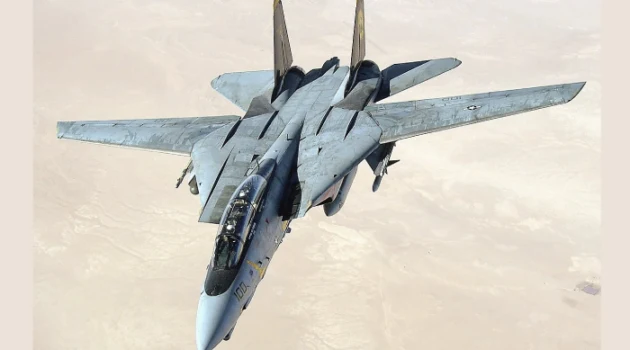
If approved and technically feasible, the restored aircraft could appear at public airshows, commemorative events, and naval aviation heritage demonstrations. The three aircraft identified in the legislation carry Bureau Numbers 164341, 164602, and 159437.
The proposed transfer would come with strict limitations. The aircraft would be fully demilitarized and stripped of any combat capability or weapons release functionality before transfer. Lawmakers also emphasized that the legislation does not reopen foreign transfer pathways for the aircraft.
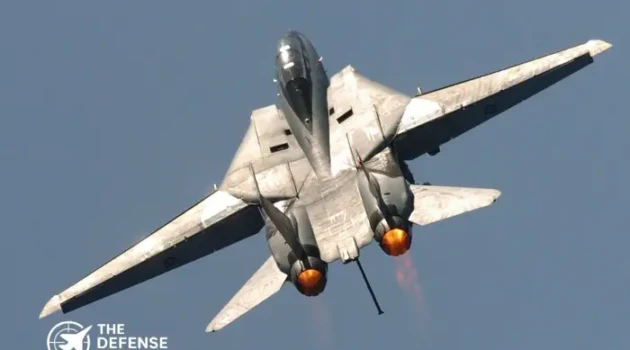
The F-14 Tomcat was retired by the U.S. Navy in 2006 after more than three decades of service. The aircraft gained worldwide recognition for its variable-sweep wing design, long-range interception capability, and operational role aboard U.S. aircraft carriers during the Cold War and post-Cold War era.
Why The F-14 Was Previously Destroyed
The congressional effort marks a major shift in long-standing U.S. policy toward retired F-14 airframes.
After the Tomcat left Navy service, the Pentagon ordered most surviving aircraft dismantled or destroyed to prevent spare parts from reaching Iran, the only foreign operator of the aircraft. Iran acquired F-14s before the 1979 Islamic Revolution and continued operating portions of the fleet for decades despite sanctions.
That policy led to the scrapping of nearly all retired U.S. Navy F-14s. Many aviation experts believed the aircraft would never fly again in the United States because of severe parts shortages and structural modifications made during retirement processing.
Online aviation communities and former maintainers have debated whether surviving airframes remain structurally recoverable. Some observers claim critical wing box structures were intentionally cut during demilitarization, while others argue a limited number of preserved aircraft may still be viable for restoration.
Technical And Financial Challenges Remain
Even if the Maverick Act becomes law, returning an F-14 Tomcat to flight would remain a highly complex undertaking.
The F-14 was one of the most maintenance-intensive fighter aircraft ever operated by the U.S. Navy. Maintaining the swing-wing fighter required extensive logistics support, specialized tooling, and a large supply chain that no longer exists.
Unlike legacy warbirds such as the P-51 Mustang or F-4 Phantom, the Tomcat fleet was deliberately removed from long-term civilian restoration pipelines. Many spare parts were destroyed, and no commercial production network remains active for critical systems.
Still, the legislation reflects growing interest in preserving Cold War aviation history as public demand for historic military aircraft demonstrations continues to expand. The F-14 also remains one of the most recognizable U.S. naval aircraft ever built, partly due to its continued cultural visibility through films and aviation media.
Strategic Symbolism Beyond Heritage
While the Maverick Act is primarily framed as a heritage preservation initiative, the proposal also carries symbolic value for U.S. naval aviation history.
The Tomcat represented the peak of Cold War carrier-based fleet defense and served as a central component of Navy air superiority strategy for decades. Restoring even one aircraft to flying condition would provide the United States with a highly visible heritage platform linked to naval aviation history and carrier warfare evolution.
The move also comes during a broader period of renewed interest in preserving legacy American combat aircraft as museums, private organizations, and veterans groups seek to maintain public engagement with military aviation history.
Whether one of the aircraft ultimately returns to the skies will depend on engineering feasibility, funding, regulatory approvals, and long-term maintenance support. However, the fact that Congress is now openly considering the possibility marks a major reversal from the post-retirement policy that once ensured the F-14 would never fly again.
Executive Summary:
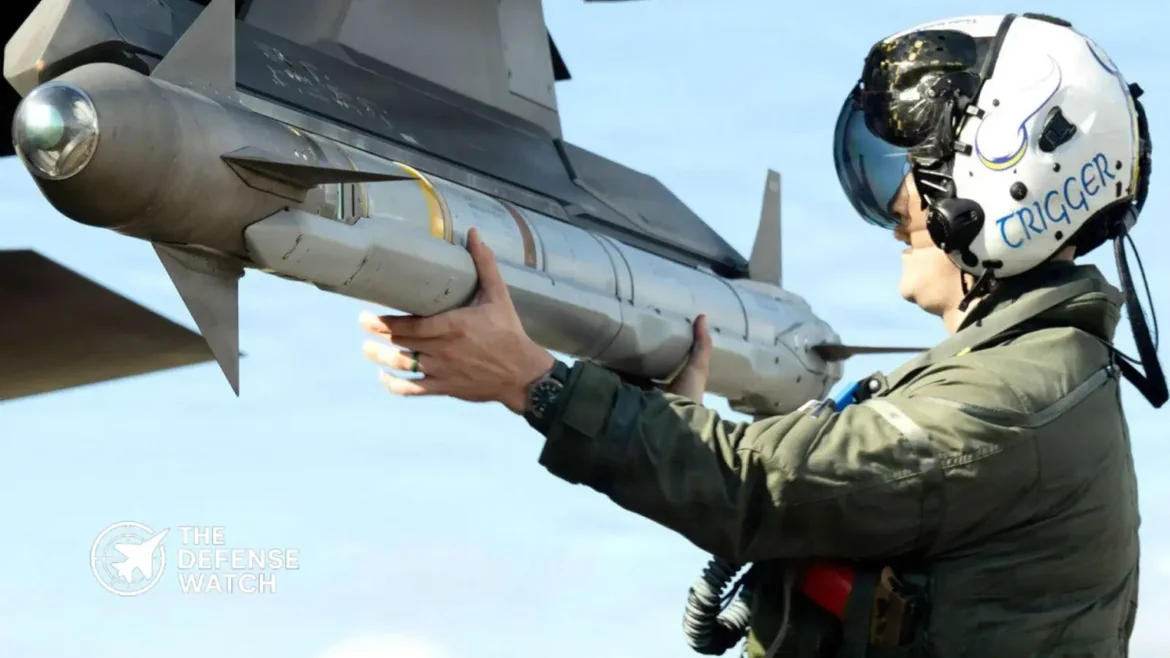
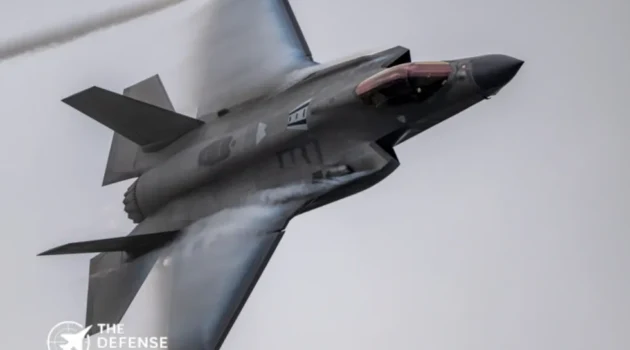
The US Navy is developing a compact version of the AIM 9X missile designed for integration on F-35 fighter jets and advanced combat drones. The effort focuses on increasing internal and external weapons carriage options while preserving air to air performance. The move reflects growing demand for scalable missile systems across manned and unmanned platforms.
US Navy development of the compact AIM-9X missile marks a significant shift in how short range air to air weapons are being adapted for modern multi domain operations. The program focuses on improving compatibility with F-35 fighters and emerging combat drone platforms.
(adsbygoogle = window.adsbygoogle || []).push({});The main keyword compact AIM-9X missile reflects a broader modernization trend across US air combat systems, where size, integration flexibility, and multi platform use are becoming as important as raw performance.
Smaller Missile for Broader Integration
The compact AIM-9X missile concept is aimed at reducing physical constraints that limit weapon carriage on stealth aircraft and unmanned systems. By shrinking key components while maintaining guidance capability, the Navy seeks to improve loadout efficiency on platforms like the F-35.
A major driver behind this development is internal weapons bay limitations. The F-35 relies on stealth optimized storage, which restricts the size and number of air to air missiles it can carry without external pylons. A more compact missile allows greater flexibility without compromising radar signature.
This approach also supports distributed air operations where drones may operate alongside crewed fighters in contested environments.
Expanding Role of F-35 Weapon Systems
The F-35 continues to evolve as a central node in US and allied air combat strategy. The integration of a compact AIM 9X missile would allow the aircraft to carry more short range weapons while preserving space for other mission systems or fuel.
The AIM 9X family is already a cornerstone of US close range air combat capability, known for high off boresight targeting and infrared tracking performance. A compact variant would extend these strengths while improving payload efficiency.
This is particularly relevant in scenarios involving high intensity air combat where missile inventory per sortie can directly impact mission endurance.
Drone Integration and Networked Air Combat
One of the most notable aspects of the compact AIM 9X missile effort is its potential use on combat drones. The US military has been expanding experimentation with unmanned systems that can operate alongside manned aircraft in coordinated strike and defense roles.
Integrating short range air to air missiles on drones introduces new tactical options. These platforms could potentially engage threats independently or act as forward positioned interceptors under pilot control.
The Navy and broader US defense community are increasingly focused on distributed lethality, where smaller platforms contribute directly to air superiority missions rather than serving only reconnaissance roles.
Strategic Context and Air Superiority Competition
The development comes at a time when air forces globally are investing heavily in advanced missile systems and counter air capabilities. Short range infrared guided missiles remain a key component of close combat engagements, even as beyond visual range weapons dominate longer distance scenarios.
The compact AIM 9X missile effort aligns with broader US strategies to maintain flexibility across both high end fighter fleets and emerging unmanned combat systems. It also reflects concerns about platform saturation, where aircraft must carry a wider variety of weapons without sacrificing stealth or range.
Industrial and Program Implications
While detailed specifications remain limited, the program indicates continued investment in modular missile design. The AIM 9X lineage has undergone multiple upgrades since its introduction, and this compact variant represents an adaptation to modern airframe constraints rather than a full replacement.
Defense industry sources cited in reporting suggest that future air combat systems will increasingly prioritize adaptability across platforms rather than platform specific weapon designs.
Analysis
The compact AIM 9X missile reflects a broader shift in US air combat philosophy. Instead of building entirely new missile families for every platform, the focus is moving toward scalable designs that can be resized or adapted depending on mission requirements.
This approach reduces logistical burden and improves interoperability across the F-35 fleet, legacy fighters, and unmanned systems. It also suggests that future air dominance will depend as much on weapons integration efficiency as on platform performance.
If successful, this concept could influence other missile programs, particularly in short range air defense and naval aviation systems where space and weight constraints are critical.

Executive Summary:
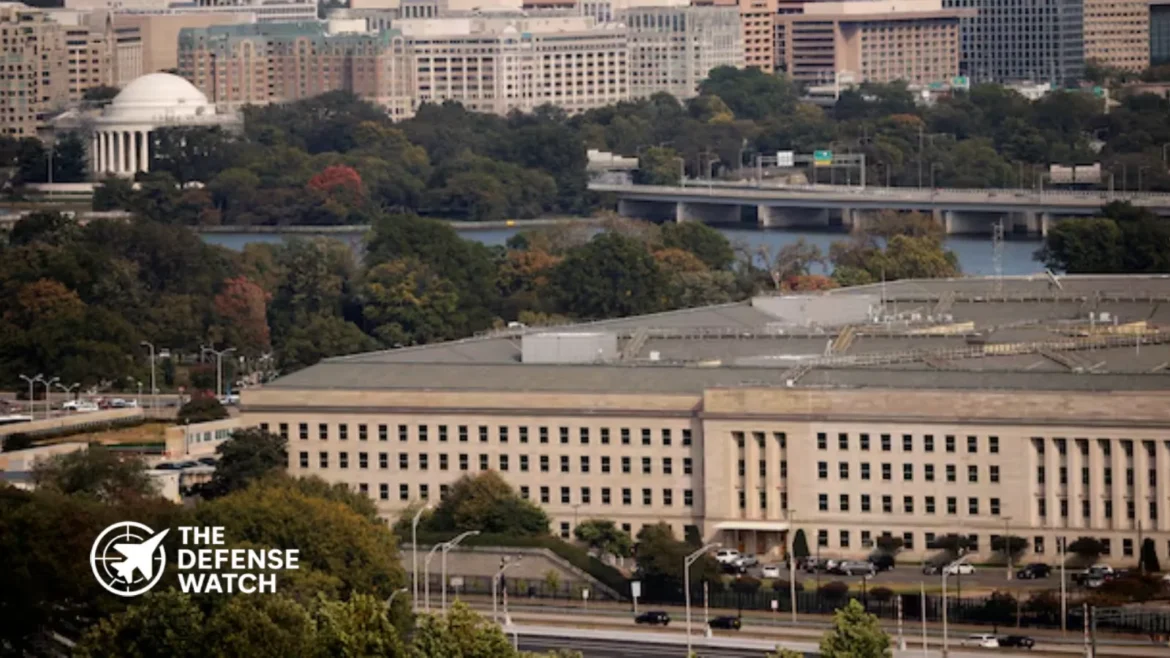
The Pentagon announced new Navy leadership nominations on May 5, 2026, including a vice admiral appointment to lead Naval Surface Forces in the Pacific. The move reflects a continued emphasis on fleet readiness and strategic competition in key maritime regions.
Pentagon Announces Navy Leadership Nominations
The latest Navy leadership nominations 2026 highlight a strategic effort by the Pentagon to reinforce operational command across key maritime forces, particularly in the Indo-Pacific theater. Announced by Secretary of War Pete Hegseth on May 5, the nominations include senior leadership changes that will shape the U.S. Navy’s surface warfare posture.
Rear Adm. Joseph F. Cahill III has been nominated for promotion to vice admiral and assigned as commander of Naval Surface Forces and Naval Surface Force, U.S. Pacific Fleet, based in San Diego, California. This role places Cahill at the center of surface fleet readiness and deployment across one of the most strategically contested regions in the world.
Currently serving as commander of Naval Surface Force Atlantic in Norfolk, Virginia, Cahill brings operational experience from both coasts, a factor that aligns with the Navy’s push toward integrated fleet operations.
Rear Adm. (lower half) Carey H. Cash has been nominated for promotion to rear admiral and assignment as chief of Chaplains of the Navy at the Pentagon. Cash currently serves in a dual role supporting both the Marine Corps and Navy chaplaincy leadership.
Strategic Importance of Surface Fleet Leadership
The US Navy vice admiral appointment comes at a time when the service is placing renewed emphasis on surface fleet lethality, distributed maritime operations, and readiness. Naval Surface Forces represent the backbone of forward-deployed naval presence, particularly in the Indo-Pacific where competition with China continues to shape force posture.
Cahill’s expected promotion signals continuity in leadership while reinforcing the Navy’s focus on warfighting readiness. His experience in Atlantic Fleet operations provides a broader perspective as the Navy works to synchronize global deployments.
According to official Department of Defense releases, leadership assignments at this level are critical to maintaining operational tempo and ensuring command alignment with national defense strategy.
Expanding Role of Naval Surface Forces in the Pacific
The Pacific Fleet remains a priority theater for the United States, with increasing demand for persistent naval presence, freedom of navigation operations, and allied interoperability. The Naval Surface Forces command change is directly tied to these operational demands.
Surface ships, including destroyers, cruisers, and littoral combat ships, are central to missile defense, anti-submarine warfare, and power projection. Leadership continuity in this domain ensures that modernization efforts, including integration of advanced combat systems and networked warfare capabilities, remain on track.
The Navy has also emphasized readiness improvements following previous challenges related to maintenance backlogs and training gaps. Leadership appointments such as Cahill’s are expected to support ongoing reforms.
Role of Chaplaincy Leadership in Force Readiness
While operational leadership often takes priority in defense reporting, the nomination of Carey H. Cash underscores the importance of personnel support structures within the military. As chief of Chaplains, Cash will oversee religious ministry, ethical guidance, and morale support across the Navy.
This role contributes directly to force readiness by supporting service members and their families, particularly during extended deployments and high operational stress periods.
The Pentagon flag officer announcements reflect a broader approach to leadership that includes both operational command and institutional support functions.
Analysis: Leadership Stability Amid Strategic Competition
At a strategic level, the Navy leadership nominations 2026 indicate a measured approach rather than a disruptive shift. The Pentagon appears focused on maintaining continuity while aligning leadership with evolving operational priorities.
The Indo-Pacific remains the central focus of U.S. naval strategy, and leadership appointments in this region are closely tied to deterrence objectives. By selecting an experienced surface warfare officer with cross-fleet command experience, the Navy is reinforcing its commitment to sustained presence and readiness.
Additionally, these nominations come amid broader modernization efforts, including investments in unmanned systems, hypersonic weapons integration, and distributed maritime operations. Leadership stability is essential to executing these long-term initiatives.
From a geopolitical perspective, the move signals to allies and adversaries alike that the United States is maintaining a consistent command structure in key theaters. This is particularly important as regional tensions and naval activity continue to rise.
What Comes Next
The nominations are subject to Senate confirmation, a standard process for flag officer promotions. Once confirmed, Cahill and Cash will assume their new roles, shaping both operational and institutional aspects of the Navy.
The US military leadership updates will continue to be closely watched as indicators of strategic priorities and force posture adjustments.
Executive Summary:
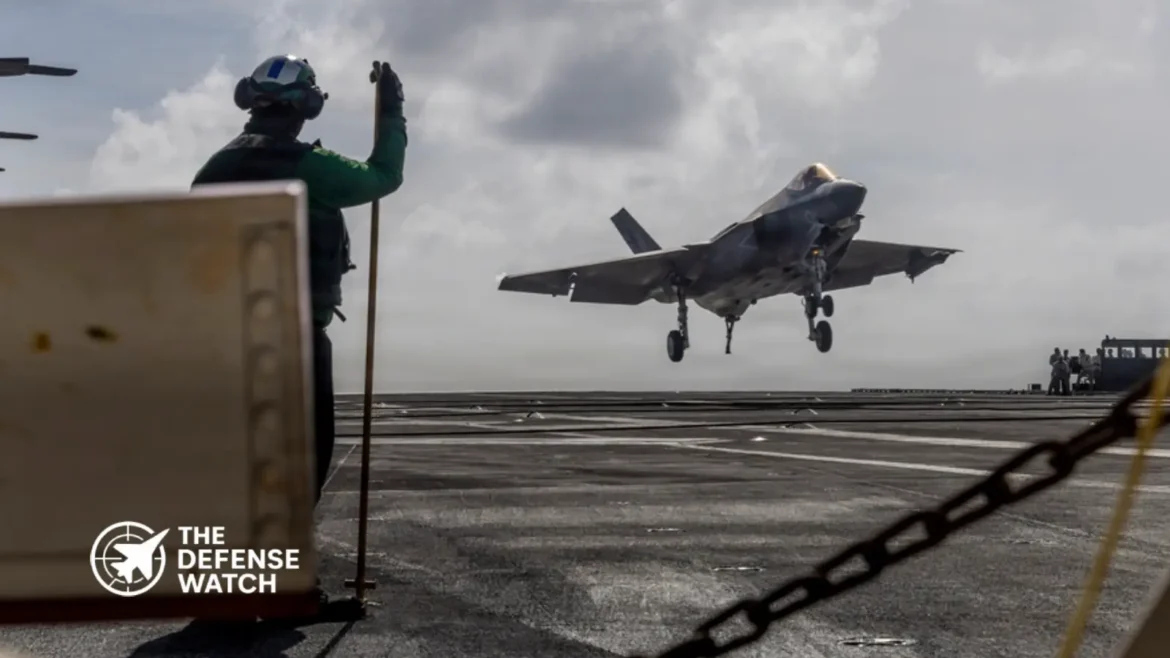
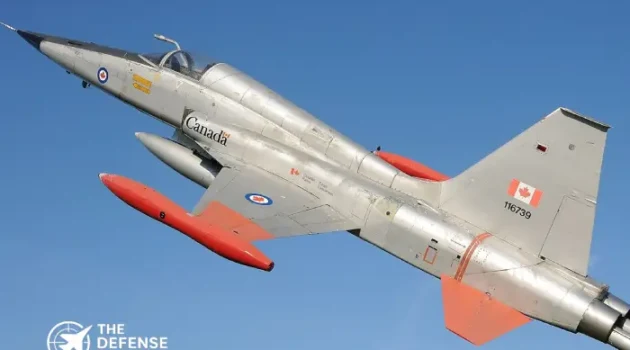
Lockheed Martin has been awarded a $14.5 million U.S. Navy contract to install flight test instrumentation on CF-5 aircraft supporting F-35C testing.
The effort aims to bridge a critical testing gap in carrier suitability trials until dedicated flight sciences aircraft become available.
Lockheed Martin F-35 Contract Targets Testing Gap In Carrier Operations
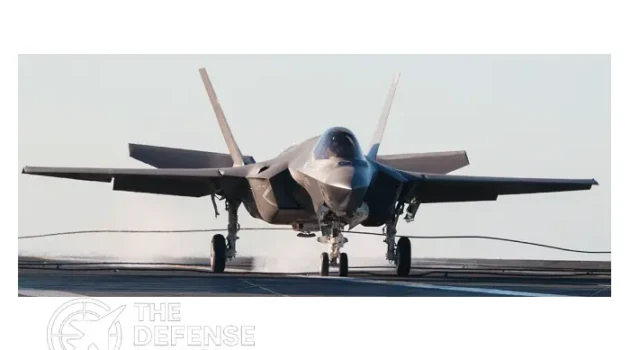
The Lockheed Martin F-35 contract represents a targeted effort by the U.S. Navy to sustain critical flight testing capacity for the carrier-based F-35C variant. Valued at $14.5 million, the contract focuses on integrating advanced flight test instrumentation onto CF-5 aircraft to support ongoing ship suitability testing.
Awarded as a cost-plus-incentive-fee order under an existing agreement, the work addresses a near-term shortfall in specialized flight sciences aircraft used for high-risk and complex testing scenarios. The Naval Air Systems Command (NAVAIR), based in Patuxent River, Maryland, is overseeing the effort.
This move reflects a broader pattern in U.S. defense acquisition, where interim solutions are deployed to maintain program momentum amid platform delays or capability gaps.
Bridging The F-35C Ship Suitability Testing Gap
Carrier suitability testing is one of the most demanding phases in naval aviation development. It evaluates how aircraft perform during catapult launches, arrested landings, and deck operations under real-world conditions.
The F-35C, the carrier variant of the Joint Strike Fighter, requires extensive instrumentation to capture aerodynamic data, structural loads, and system performance during these tests. However, delays in delivering dedicated flight sciences aircraft created a bottleneck.
By modifying CF-5 aircraft with flight test instrumentation, the Navy is effectively creating a stopgap platform. This ensures continuity in testing without slowing the broader F-35C operational timeline.
From an operational standpoint, this is a pragmatic decision. Testing delays in carrier aviation can ripple across deployment schedules, pilot training pipelines, and carrier air wing readiness.
Contract Scope And Industrial Footprint
Under the Lockheed Martin F-35 contract, work will be distributed across multiple locations:
- Fort Worth, Texas (primary workshare)
- Orlando, Florida
- Linthicum, Maryland
- Nashua, New Hampshire
- San Diego and El Segundo, California
- Samlesbury, United Kingdom
- Additional CONUS and international locations
The geographic spread highlights the complexity of modern defense programs, which rely on a distributed industrial base spanning avionics, sensors, software, and integration expertise.
Fort Worth remains the center of gravity, consistent with its role as the primary F-35 production hub.
Funding Structure And Timeline
The Navy has obligated $4 million in Fiscal Year 2025 research, development, test, and evaluation (RDT&E) funds at the time of award. Notably, these funds will not expire at the end of the fiscal year, providing flexibility for execution.
The contract runs through May 2028, aligning with expected timelines for the delivery and operational readiness of dedicated flight sciences aircraft.
The use of a cost-plus-incentive-fee structure suggests technical complexity and evolving requirements. It allows the government to incentivize performance while accommodating uncertainties inherent in test instrumentation integration.
Why This Matters For The F-35 Program
The Lockheed Martin F-35 contract underscores a key reality of large-scale defense programs: testing infrastructure can be as critical as the platform itself.
The F-35 program, one of the most complex and expensive in history, depends heavily on continuous testing to validate upgrades, software blocks, and operational capabilities. Any disruption in testing capacity can delay capability delivery across the fleet.
By addressing the testing gap proactively, the Navy is:
- Preserving schedule integrity for F-35C deployment cycles
- Maintaining data continuity for certification and upgrades
- Reducing risk in carrier integration operations
This also reflects lessons learned from earlier phases of the program, where bottlenecks in testing and integration contributed to delays.
Strategic Context: Carrier Air Wing Modernization
The F-35C is central to the future of U.S. Navy carrier air wings. Designed for longer range, enhanced survivability, and advanced sensor fusion, it significantly expands the operational reach of carrier strike groups.
Ensuring uninterrupted testing is essential as the Navy transitions from legacy platforms like the F/A-18C/D to a more networked, fifth-generation force.
In this context, the contract is not just a technical fix. It is part of a broader effort to sustain momentum in carrier aviation modernization amid evolving global threats and operational demands.
Programmatic Insight: Interim Solutions In Defense Acquisition
The reliance on modified CF-5 aircraft highlights a recurring theme in defense programs: the need for interim capability solutions.
Rather than waiting for purpose-built platforms, the Navy is leveraging existing assets to maintain operational tempo. This approach:
- Reduces downtime in critical testing phases
- Maximizes use of available resources
- Mitigates risk associated with single-point failures in acquisition timelines
Such strategies are increasingly common as defense programs grow more complex and timelines extend.
Conclusion
The Lockheed Martin F-35 contract for flight test instrumentation may appear modest in value, but its impact is significant. By bridging a critical testing gap, it ensures continuity in one of the most demanding phases of naval aviation development.
As the F-35C continues to mature into a cornerstone of U.S. carrier operations, maintaining testing capacity remains essential. This contract demonstrates how targeted investments can safeguard broader program objectives and operational readiness.
Executive Summary:
Tyto Athene LLC has been awarded a $35.9 million U.S. Navy contract to support Fleet Cyber Command through a new infrastructure program. The deal focuses on engineering, installation, and maintenance of critical cyber and IT systems. The contract underscores growing investment in resilient naval cyber capabilities.
Tyto Athene Navy Cyber Contract Strengthens Fleet Cyber Command Infrastructure
The Tyto Athene Navy cyber contract marks a significant step in modernizing the U.S. Navy’s digital backbone, with a $35.98 million award aimed at supporting Fleet Cyber Command/U.S. Tenth Fleet operations.
Awarded as a firm-fixed-price, indefinite-delivery/indefinite-quantity agreement, the contract establishes the Shore Equipment Installation and Maintenance Management Program, or SEIMMP. The program is designed to provide technical direction, engineering expertise, and installation support for electronic systems and associated infrastructure critical to naval cyber missions.
The contract includes a five-year ordering period beginning in June 2026, with an optional six-month extension that could bring the total value to $40 million.
Expanding Cyber Infrastructure Across Strategic Locations
Work under the Tyto Athene Navy cyber contract will be distributed across key U.S. military locations. These include Fort Meade, Maryland, and Chesapeake, Virginia, each accounting for 30 percent of the workload, alongside Oahu, Hawaii, also at 30 percent. The remaining 10 percent will be executed at various domestic and overseas sites based on mission requirements.
These locations are not random. Fort Meade serves as a central hub for U.S. cyber operations, while Hawaii plays a critical role in Indo-Pacific command activities. Chesapeake supports major naval infrastructure on the East Coast.
This geographic spread reflects a deliberate strategy to reinforce cyber readiness across multiple operational theaters, particularly as the Navy continues to integrate cyber warfare into its broader mission set.
Supporting Fleet Cyber Command’s Evolving Mission
Fleet Cyber Command/U.S. Tenth Fleet is responsible for the Navy’s cyber, information, and electronic warfare operations. The SEIMMP program will directly support these missions by ensuring that shore-based systems remain operational, secure, and up to date.
The Tyto Athene Navy cyber contract covers a wide range of activities, including:
- Engineering and technical support
- Installation of electronic systems
- Maintenance of IT and cyber infrastructure
- Program management and lifecycle support
These capabilities are essential as cyber threats grow more complex and persistent. Maintaining secure and resilient infrastructure is no longer a support function, it is a frontline requirement.
Contract Structure Reflects Flexible, Demand-Driven Operations
The indefinite-delivery/indefinite-quantity structure allows the Navy to issue task orders as needed, rather than committing to a fixed scope upfront. This provides flexibility to adapt to evolving operational demands and emerging cyber threats.
Only a minimum amount of $10,000 in fiscal 2026 operations and maintenance funds has been obligated at the time of award. Future funding will be allocated through task orders, depending on mission needs and available budgets.
This approach aligns with broader Department of Defense procurement trends, which increasingly favor modular, scalable contracts for technology and cyber programs.
Competitive Procurement Signals Industry Demand
The Tyto Athene Navy cyber contract was competitively awarded through the System for Award Management, with five offers received. This level of competition highlights the growing demand for cyber infrastructure expertise within the defense sector.
The Naval Supply Systems Command Fleet Logistics Center in Norfolk, Virginia, served as the contracting authority.
From an industry perspective, the award reinforces Tyto Athene’s position as a key player in defense IT and cyber services, particularly in supporting mission-critical infrastructure.
Analysis: Why This Contract Matters Now
At first glance, the Tyto Athene Navy cyber contract may appear routine. In reality, it reflects a deeper shift in how the Navy prioritizes cyber resilience.
Modern naval operations rely heavily on interconnected systems, from communications and intelligence to logistics and weapons integration. Any disruption to these systems can have immediate operational consequences.
By investing in programs like SEIMMP, the Navy is addressing several critical challenges:
1. Infrastructure Readiness in a Contested Domain
Cyber warfare is no longer confined to networks. It directly impacts physical systems and operational readiness. Ensuring that shore-based infrastructure is secure and functional is essential for mission continuity.
2. Distributed Operations Across Global Theaters
The inclusion of locations like Hawaii highlights the Navy’s focus on the Indo-Pacific region, where cyber competition is intensifying. Distributed infrastructure support ensures that forward-deployed forces remain connected and secure.
3. Lifecycle Management of Complex Systems
As systems become more advanced, maintaining them becomes more complex. Programs like SEIMMP provide structured support for long-term system health, reducing downtime and operational risk.
4. Rapid Adaptation to Emerging Threats
The IDIQ model allows the Navy to respond quickly to new requirements without renegotiating contracts. This agility is critical in the fast-moving cyber domain.
Broader Context: Cyber as a Core Naval Capability
The Tyto Athene Navy cyber contract is part of a larger trend across the U.S. military. Cyber capabilities are increasingly treated as core warfighting functions, on par with air, land, sea, and space.
Fleet Cyber Command plays a central role in this transformation, integrating cyber operations with intelligence and electronic warfare. Programs like SEIMMP ensure that the underlying infrastructure can support this integration.
As adversaries continue to develop advanced cyber capabilities, the importance of resilient, well-maintained infrastructure will only grow.
Executive Summary:
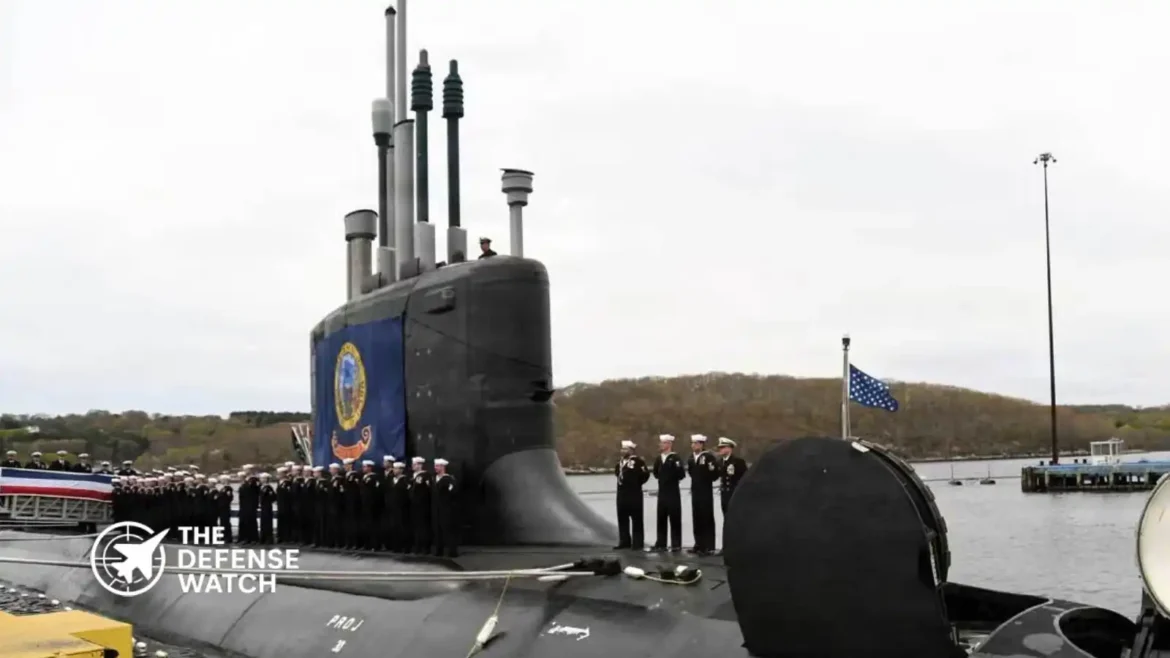
L3Harris Technologies is supplying critical systems for newly commissioned submarines operated by the United States Navy, enhancing stealth, survivability, and communications. The integration reflects a broader push to modernize undersea warfare capabilities amid evolving maritime threats.
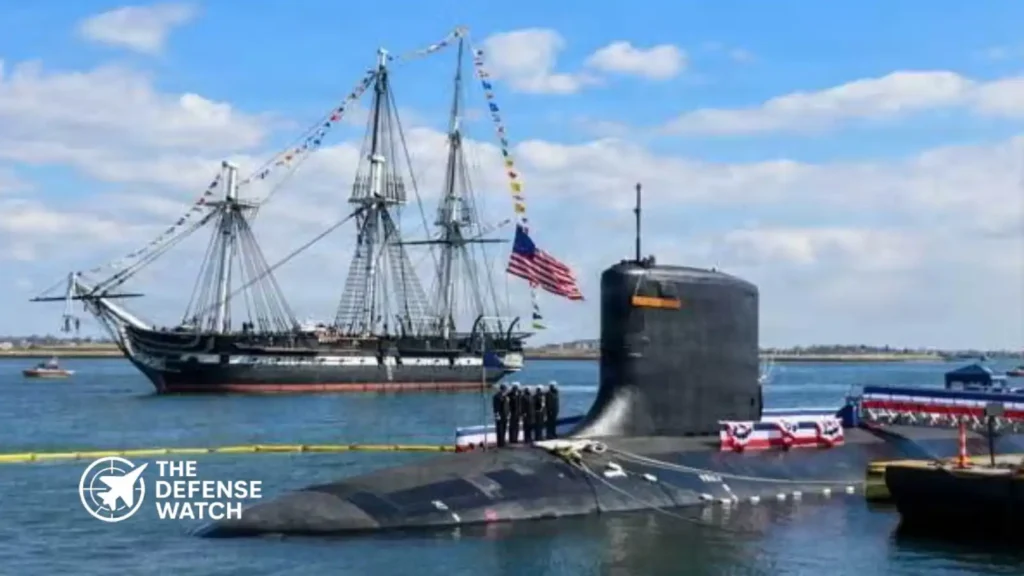
L3Harris submarine technologies are playing a central role in equipping the latest generation of U.S. Navy submarines with advanced mission systems, reinforcing America’s undersea warfare advantage. As new submarines enter service, the integration of secure communications, electronic warfare, and sensor systems highlights a strategic shift toward more connected and survivable naval platforms.
The announcement, published by L3Harris in May 2026, underscores the company’s continued involvement in supporting submarine modernization efforts at a time when undersea dominance remains a critical component of U.S. military strategy.
L3Harris Systems Integrated Across New Submarines
L3Harris provides a range of mission-critical technologies now deployed aboard newly commissioned submarines. These systems include:
- Advanced communication systems for secure, real-time data exchange
- Integrated electronic warfare capabilities
- High-reliability undersea sensors
- Imaging and targeting support systems
These technologies are designed to function in contested environments where submarines must operate undetected while maintaining connectivity with joint forces.
The emphasis on secure and resilient communications reflects a growing operational requirement. Modern submarines are no longer isolated platforms, they are increasingly part of a broader network-centric warfare architecture.
Strengthening Stealth And Survivability
One of the key advantages of L3Harris submarine technologies lies in enhancing stealth without compromising operational effectiveness.
Submarines traditionally rely on minimal emissions to remain undetected. However, modern missions demand increased data sharing. L3Harris systems aim to balance this tradeoff by enabling:
- Low probability of intercept communications
- Reduced electronic signatures
- Improved situational awareness
This capability is especially relevant in high-threat maritime regions where adversaries are deploying more advanced anti-submarine warfare systems.
Analysis:
The integration of these technologies signals a shift from platform-centric to capability-centric design. Instead of focusing solely on hull design or propulsion, modern submarine effectiveness is increasingly defined by onboard electronics and data integration.
Supporting Multi-Domain Naval Operations
L3Harris submarine technologies also contribute to multi-domain operations, allowing submarines to operate as intelligence, surveillance, and reconnaissance (ISR) nodes.
This includes the ability to:
- Share targeting data with surface ships and aircraft
- Support strike operations with real-time intelligence
- Integrate into joint command and control networks
Such capabilities align with broader U.S. Department of Defense initiatives to enable seamless coordination across air, land, sea, cyber, and space domains.
Analysis:
This evolution reflects the growing importance of submarines beyond traditional roles such as deterrence and sea denial. They are increasingly becoming forward-deployed sensors and communication hubs in contested environments.
Industrial Base And Long-Term Naval Modernization
L3Harris’ involvement in submarine programs highlights the role of the U.S. defense industrial base in sustaining long-term naval modernization.
The company’s contributions span multiple submarine classes, supporting both new construction and upgrades to existing fleets. This continuity ensures:
- Technology standardization across platforms
- Reduced lifecycle costs
- Faster integration of future upgrades
Given the long service life of submarines, often exceeding 30 years, modular and upgradeable systems are critical to maintaining operational relevance.
Analysis:
The reliance on companies like L3Harris reflects a broader trend in defense procurement, where innovation cycles in electronics outpace those of traditional platforms. As a result, modular systems and open architectures are becoming essential.
Strategic Context: Rising Undersea Competition
The deployment of advanced L3Harris submarine technologies comes amid increasing global competition in undersea warfare.
Peer competitors are investing heavily in:
- Quiet diesel-electric and nuclear submarines
- Advanced sonar and detection systems
- Undersea drones and autonomous platforms
In this environment, maintaining an edge requires continuous upgrades in sensors, communications, and electronic warfare capabilities.
Analysis:
The U.S. Navy’s focus on undersea dominance remains consistent, but the nature of the challenge is evolving. Future conflicts are likely to involve contested information environments, making secure and resilient communication systems as critical as stealth itself.
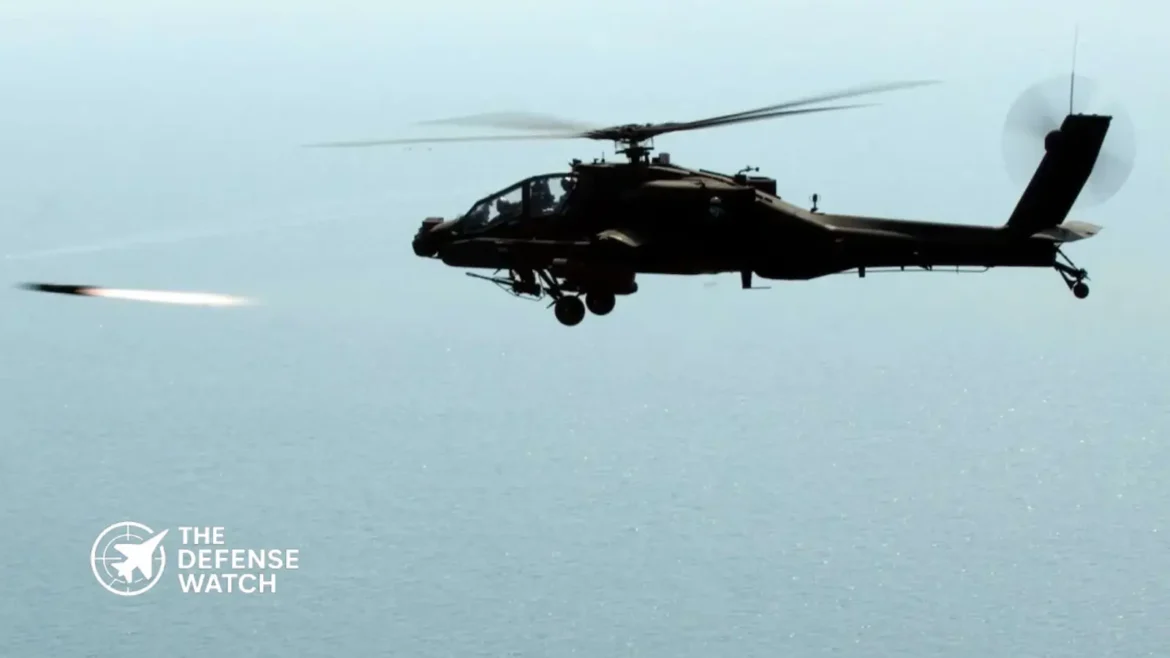
Executive Summary: In a significant escalation of maritime tensions, U.S. Army AH-64E Apache Guardians and Navy MH-60R Seahawks engaged and destroyed six Iranian Revolutionary Guard Corps Navy (IRGCN) fast attack craft in the Strait of Hormuz. The joint strike followed repeated Iranian attempts to harass and board commercial vessels, marking a decisive application of U.S. “joint-air” maritime defense doctrine.
U.S. Apache and Seahawk Teams Neutralize IRGCN Threat in Strait of Hormuz
The security architecture of the Persian Gulf faced a critical test this week as U.S. Army and Navy aviation assets conducted a joint strike to neutralize six Iranian Revolutionary Guard Corps Navy (IRGCN) fast attack craft (FAC) within the Strait of Hormuz. The engagement, characterized by high-precision munitions and integrated sensor-to-shooter links, underscores a shift in how U.S. Central Command (CENTCOM) intends to police one of the world’s most vital maritime chokepoints.
The incident began when a swarm of Iranian fast boats attempted to intercept a Liberian-flagged tanker. Despite repeated warnings from a nearby U.S. Navy destroyer, the IRGCN vessels continued aggressive maneuvers, prompting the deployment of an “Air Combat Element” consisting of Army AH-64E Apache Guardians and Navy MH-60R Seahawks.
The Anatomy of the Engagement: Joint-Air Integration
The destruction of the six vessels highlights the increasing maturity of the U.S. military’s Joint All-Domain Command and Control (JADC2) initiatives in a maritime environment. While the MH-60R Seahawk typically serves as the “eyes” of the fleet with its advanced AN/APS-153(V)1 multi-mode radar, the AH-64E Apache provides the heavy “fist” required to dismantle swarm threats.
During the engagement, the Seahawks utilized their Multi-Spectral Targeting Systems to designate targets for the Apaches. The Army helicopters, operating from sea-based platforms, deployed AGM-114 Hellfire missiles and 30mm M230 chain guns to systematically disable the Iranian craft. This “hunter-killer” pairing is specifically designed to counter the “swarm” tactics favored by the IRGCN, which rely on overwhelming a single ship’s defenses through volume and speed.
Strategic Shift: Army Aviation at Sea
The presence of U.S. Army Apaches in the Strait of Hormuz is not a coincidence but a deliberate strategic choice. Since the 2020 “Great Prophet 14” exercise by Iran, the U.S. 5th Fleet has frequently integrated Army aviation into maritime surface warfare (SUW) drills.
The AH-64E Guardian is particularly suited for this role due to its Longbow fire-control radar, which can track up to 128 targets simultaneously and engage 16 in a single minute. In the confined waters of the Strait, where the distance between Iranian territorial waters and international shipping lanes is a matter of miles, the Apache’s ability to discriminate between civilian traffic and hostile combatants is paramount.
Geopolitical Implications and Regional Security
This kinetic response comes at a time of heightened friction between Washington and Tehran. The Strait of Hormuz sees approximately 20% of the world’s total oil consumption pass through its waters daily. Any disruption to this flow has immediate global economic consequences.
By utilizing helicopters rather than fixed-wing carrier-based aircraft or surface-to-surface missiles, the U.S. Navy 5th Fleet demonstrated a “proportional yet decisive” response. Helicopter engagements allow for closer visual identification, reducing the risk of collateral damage while ensuring that the hostile intent of the IRGCN boats is documented and neutralized with surgical precision.
Expert analysts at The Defense Watch suggest that this engagement serves as a deterrent signal. It proves that the “securitization” of the Strait is no longer reliant solely on large surface combatants like destroyers, which are vulnerable to asymmetric swarm attacks, but on a layered defense that includes agile, lethal aviation assets.
Technological Edge: Countering the Swarm
The IRGCN’s fast boats—often armed with rocket launchers, heavy machine guns, and sometimes short-range anti-ship missiles—rely on “hit-and-run” maneuvers. However, the 2026 engagement proved that digital integration outpaces manual maneuvering. The Link-16 data exchange between the Navy’s Aegis Combat System and the Army’s Apache cockpits allowed for a shared tactical picture that rendered the Iranian “stealth” maneuvers ineffective.
As the U.S. continues to pivot toward littoral (near-shore) combat capabilities, the success of this joint operation will likely lead to increased funding for marinized Army assets and specialized training for Army pilots operating in corrosive salt-water environments.
Conclusion
The neutralization of the IRGCN fast boats represents more than a tactical victory; it is a validation of the U.S. Department of Defense’s move toward integrated, multi-branch operations. For the shipping industry, the message is clear: the U.S. remains committed to the principle of “Freedom of Navigation,” backed by the combined firebox of the world’s most advanced attack helicopters.
Executive Summary:
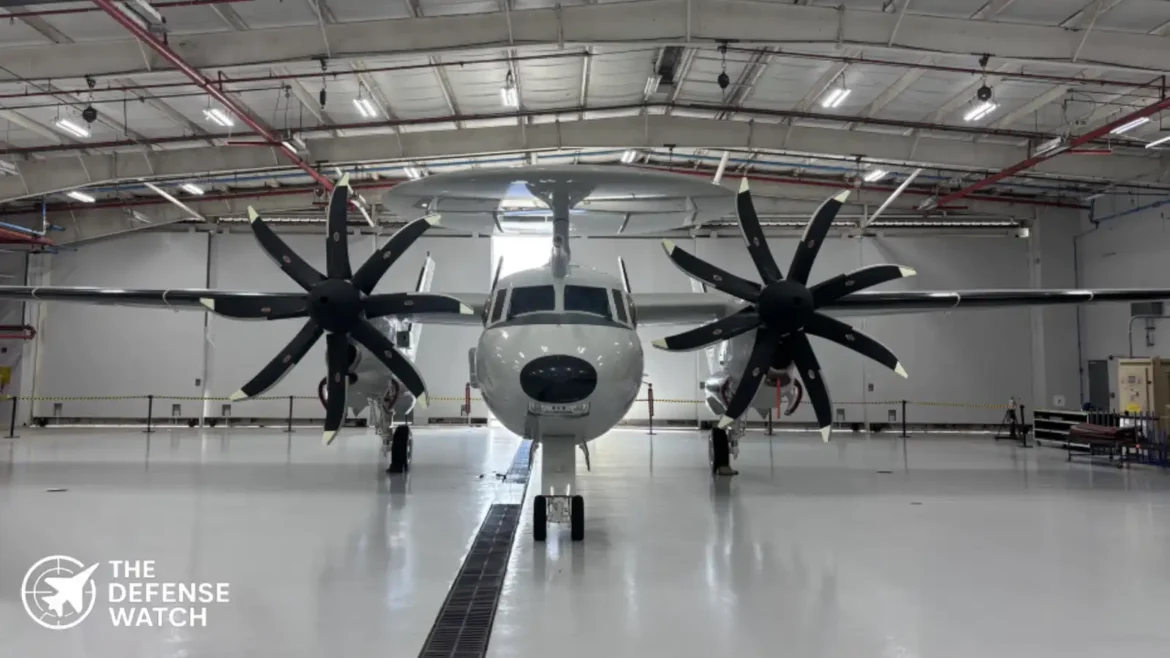
Northrop Grumman has delivered the 70th E-2D Advanced Hawkeye to the United States Navy, marking a key milestone in modernizing carrier-based airborne early warning capabilities. The platform enhances situational awareness and battle management across contested environments. The delivery reflects continued investment in network-centric warfare and integrated air and missile defense.
E-2D Hawkeye Delivery Milestone Strengthens U.S. Naval Aviation
The delivery of the 70th E-2D Advanced Hawkeye underscores the U.S. Navy’s sustained effort to modernize its airborne early warning and command-and-control fleet. The aircraft, manufactured by Northrop Grumman, represents the latest evolution of the long-serving Hawkeye family.
The E-2D replaces older variants with a platform designed for operations in highly contested electromagnetic environments. It provides enhanced detection, tracking, and coordination capabilities for carrier strike groups operating across global theaters.
This milestone reflects steady production progress under a multi-year procurement framework aimed at delivering a fully modernized fleet.
Advanced Radar and Network-Centric Warfare Capabilities
At the core of the E-2D’s capability is its AN/APY-9 radar, which enables simultaneous air and surface surveillance over extended ranges. The aircraft is optimized for detecting low-observable and cruise missile threats.
Key Technical Advantages
- 360-degree radar coverage with advanced electronic scanning
- Enhanced detection of low-signature targets, including cruise missiles and UAVs
- Integrated battle management systems for real-time command and control
- Cooperative Engagement Capability (CEC) enabling sensor data sharing across platforms
- Improved data fusion, supporting joint and coalition operations
The aircraft serves as a critical node in the Navy’s broader Naval Integrated Fire Control-Counter Air (NIFC-CA) architecture.
Comparison: E-2D Advanced Hawkeye vs E-2C Hawkeye
Feature E-2D Advanced Hawkeye E-2C Hawkeye Range Extended (>550 km detection) ~400 km detection Payload Advanced radar + upgraded avionics Legacy radar systems Status Active production and deployment Being phased out Key Technology AN/APY-9 AESA radar, CEC, NIFC-CA integration Mechanically scanned radar Operational Role in Carrier Strike Groups
The E-2D operates from U.S. Navy aircraft carriers, providing:
- Early warning of airborne threats
- Battle management for air defense missions
- Coordination of fighter aircraft and interceptors
- Integration with surface and air assets
Its ability to act as an airborne command post makes it indispensable in high-end naval warfare scenarios.
Strategic Context: Countering Modern Threat Environments
The continued fielding of the E-2D comes amid evolving global threats, including:
- Proliferation of long-range anti-ship missiles
- Increased use of low-observable aircraft and drones
- Expansion of peer adversary anti-access/area denial (A2/AD) networks
In this context, the E-2D enhances the U.S. Navy’s ability to:
- Maintain persistent maritime domain awareness
- Coordinate multi-domain operations
- Enable long-range engagement capabilities
The aircraft plays a central role in ensuring carrier strike groups remain viable in contested regions such as the Indo-Pacific and beyond.
Production Outlook and Fleet Expansion
Northrop Grumman continues production under existing contracts, with additional aircraft expected to be delivered in the coming years. The U.S. Navy plans to expand its E-2D fleet to fully replace legacy E-2C variants.
The program also includes international interest, with allied nations evaluating or operating the platform to enhance their own airborne early warning capabilities.
Conclusion
The delivery of the 70th E-2D Advanced Hawkeye marks a significant milestone in U.S. naval aviation. As threats become more complex and contested environments more challenging, the platform provides a critical edge in airborne surveillance, battle management, and networked warfare.

Executive Summary: The United States Central Command (CENTCOM) has officially transferred 22 crew members of the seized Iranian-flagged vessel M/V Touska to Pakistan for repatriation to Iran. This follow-up action comes after the vessel was intercepted and disabled by US naval forces on April 19, 2026, for attempting to breach a standing maritime blockade.
Maritime Interdiction and Transfer Logistics
According to a statement from CENTCOM Spokesperson Captain Tim Hawkins, the transfer of the 22 crew members to Pakistan was completed on May 4, 2026. This follows the prior repatriation of six passengers—identified as family members—to a separate regional country last week.
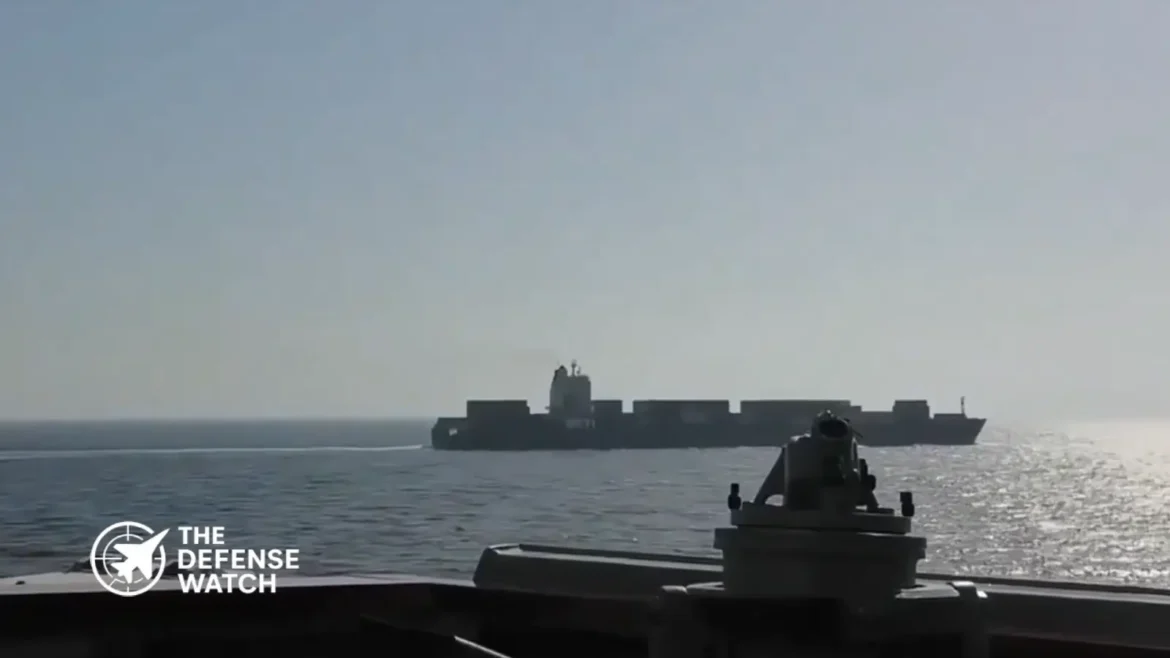
The M/V Touska, a Panamax-sized container ship operated by the sanctioned Islamic Republic of Iran Shipping Lines (IRISL), was seized in the Gulf of Oman. The operation marked a significant escalation in the 2026 blockade, involving the first documented use of kinetic force to disable a civilian-operated vessel.
Tactical Engagement Timeline
- Interception: The Arleigh Burke-class destroyer USS Spruance tracked the Touska as it transited at 17 knots toward Bandar Abbas.
- Warning Phase: US forces issued multiple warnings over a six-hour period, which the vessel reportedly ignored.
- Kinetic Action: On orders from the administration, the USS Spruance fired several rounds from its 5-inch MK 45 gun into the Touska’s engine room to disable propulsion.
- Boarding: Marines from the 31st Marine Expeditionary Unit (MEU), operating from the USS Tripoli, fast-roped onto the deck to take “full custody” of the vessel.
Platform Profile: M/V Touska vs. Modern Interdiction Assets
The seizure of a Panamax-class vessel presents unique boarding challenges compared to smaller dhows or coastal craft.
| Feature | M/V Touska (Sanctioned Vessel) | Arleigh Burke-Class (Interdiction Asset) |
| Length / Displacement | 295 meters / 66,432 tons | 155 meters / 9,500 tons |
| Primary Propulsion | MAN B&W Diesel (Disabled) | 4 General Electric LM2500 Turbines |
| Top Speed | 20 knots | 30+ knots |
| Status | Seized / Undergoing Transfer | Operational / Blockade Enforcement |
| Key Technology | Standard Commercial AIS | AEGIS Combat System / MK 45 Gun |
Strategic Implications of Repatriation
The decision to use Pakistan as a conduit for repatriation suggests a deliberate effort to manage regional tensions while maintaining the integrity of the blockade.
Technical and Security Findings
Subsequent inspections of the Touska by US personnel have reportedly uncovered “dual-use” materials.
- Cargo Analysis: Sources indicate the presence of high-grade metals, piping, and electronic components potentially intended for ballistic missile or nuclear programs.
- Sanctions Compliance: The vessel was already on the OFAC Specially Designated Nationals list, providing the legal framework for the seizure under current US policy.
- Geopolitical Friction: Tehran has characterized the event as “maritime piracy,” while Washington maintains the action was “deliberate, professional, and proportional.”
The handover of the crew to Pakistan provides a diplomatic “pressure valve,” allowing for the return of personnel while the United States retains custody—or oversight of the transfer—of the hull and its controversial cargo.
US Strait Of Hormuz Security Response After Tanker Attack
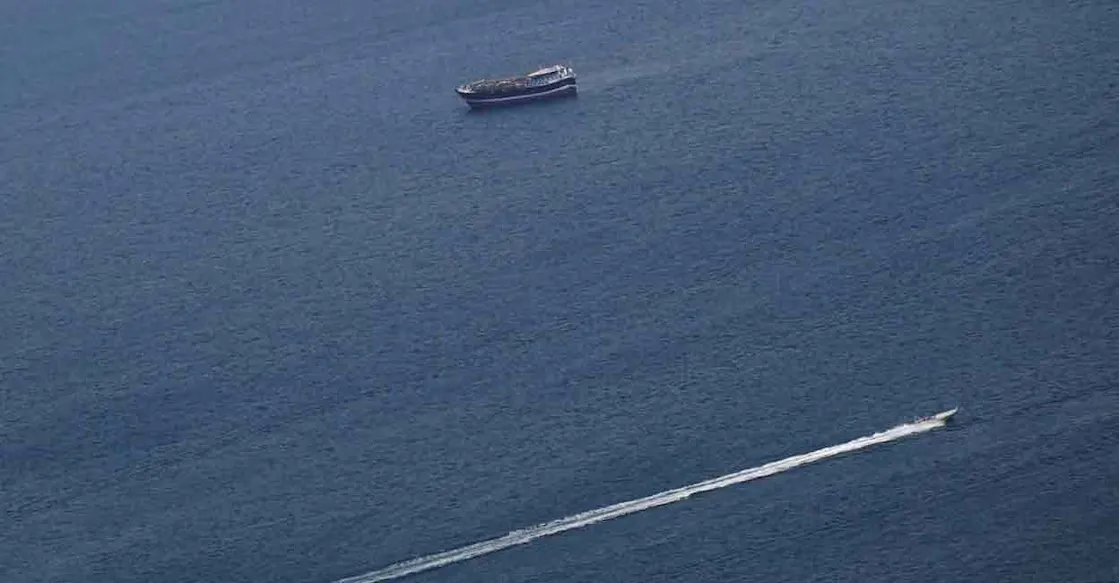
The US Strait of Hormuz security posture has shifted following a tanker incident in which a vessel was reportedly struck by projectiles, raising fresh concerns over maritime safety in the Gulf. According to reporting by Reuters, Washington has signaled readiness to assist affected shipping as risks to commercial transit increase.
Speaking publicly, Donald Trump stated that the United States would help vessels stranded or impacted in the Strait of Hormuz, a narrow but strategically vital corridor that handles roughly one fifth of global oil shipments.
- A commercial tanker was struck by projectiles while transiting the Strait of Hormuz, according to Reuters reporting.
- :contentReference[oaicite:0]{index=0} said the United States would assist ships stranded or affected in the area.
- The incident highlights renewed risks to one of the world’s most critical maritime chokepoints for energy flows.
- No immediate attribution for the attack has been officially confirmed.
- The development comes amid heightened regional tensions and ongoing security concerns in the Gulf.
The incident underscores the fragility of maritime security in a region where even limited attacks can have outsized economic and geopolitical consequences.
Tanker Attack Raises Immediate Maritime Security Concerns
Details surrounding the tanker attack remain limited. Initial reports indicate that the vessel was hit by projectiles while transiting the Strait, though the type of weapon system used has not been confirmed.
There has been no official attribution. Regional actors, including Iran and non-state groups, have previously been linked to similar maritime incidents, but no direct evidence has been presented in this case.
From a defense perspective, the ambiguity itself is significant. Unattributed attacks complicate response planning, delay escalation decisions, and create uncertainty for commercial operators. Shipping firms often react by raising insurance premiums or rerouting vessels, both of which can disrupt global energy markets.
The US Strait of Hormuz security response is therefore not just about immediate protection, but also about stabilizing confidence in the maritime domain.
Strategic Importance Of The Strait Of Hormuz
The Strait of Hormuz remains one of the most critical waterways in the global الاقتصاد. At its narrowest point, the shipping lane is only about 21 miles wide, making vessels highly vulnerable to asymmetric threats such as:
- Anti-ship missiles
- Fast attack craft
- Naval mines
- Unmanned aerial systems
Even minor disruptions can have global ripple effects. Previous incidents in the Gulf have triggered spikes in oil prices and forced naval deployments from multiple countries.
This latest tanker attack reinforces a long-standing reality. The Strait is not just a commercial artery, it is a contested security environment where state and non-state actors can exert influence with relatively low-cost capabilities.
US Naval Posture And Operational Implications
While no specific deployment changes have been formally announced, the US maintains a persistent naval presence in the region, primarily through the United States Navy and the US Fifth Fleet.
Typical capabilities in the area include:
- Guided-missile destroyers equipped with Aegis combat systems
- Maritime patrol aircraft for surveillance
- Carrier strike group elements, depending on rotation cycles
The statement from Washington suggests a potential expansion of escort operations or rapid response measures for commercial vessels. Historically, similar situations have led to convoy-style protections or increased surveillance missions.
From an operational standpoint, this places additional demand on naval assets already balancing commitments across the Indo-Pacific and Middle East.
Analysis: A Controlled Response To Avoid Escalation
The US response appears calibrated. By offering assistance without assigning blame, Washington avoids immediate escalation while still signaling deterrence.
This approach reflects a broader pattern in recent years. Rather than direct confrontation, the US has focused on:
- Maintaining freedom of navigation
- Protecting commercial shipping
- Deterring further attacks through presence
However, the risk remains that repeated incidents could force a shift toward more assertive measures.
For regional actors, ambiguity can be a tool. Limited, deniable attacks create pressure without crossing clear red lines. This dynamic complicates traditional deterrence models, which rely on clear attribution and proportional response.
In this context, the US Strait of Hormuz security framework is increasingly about managing gray-zone threats rather than conventional conflict.
Global Energy And Economic Impact
Any sustained disruption in the Strait of Hormuz has immediate global implications. Major النفط exporters, including Saudi Arabia, Iraq, and the UAE, rely heavily on this route.
Energy markets are highly sensitive to perceived risk. Even a single tanker incident can:
- Increase shipping insurance costs
- Delay cargo deliveries
- Trigger speculative price movements
For policymakers, maintaining secure transit through the Strait is therefore both a military and economic priority.
The latest tanker attack may not yet represent a systemic threat, but it reinforces the vulnerability of global supply chains to localized security incidents.
Outlook: Heightened Vigilance In A Volatile Region
The situation remains fluid. Key variables to watch include:
- Whether further attacks occur
- Any attribution by intelligence agencies
- Changes in US or allied naval deployments
If incidents increase in frequency or severity, the current posture may shift toward more visible protection measures, including escorts or multinational patrols.
For now, the US response signals readiness without escalation. It reflects a balancing act between deterrence and restraint in one of the world’s most strategically sensitive regions.