USS Gerald R. Ford Departs Croatia, Continues European Operations
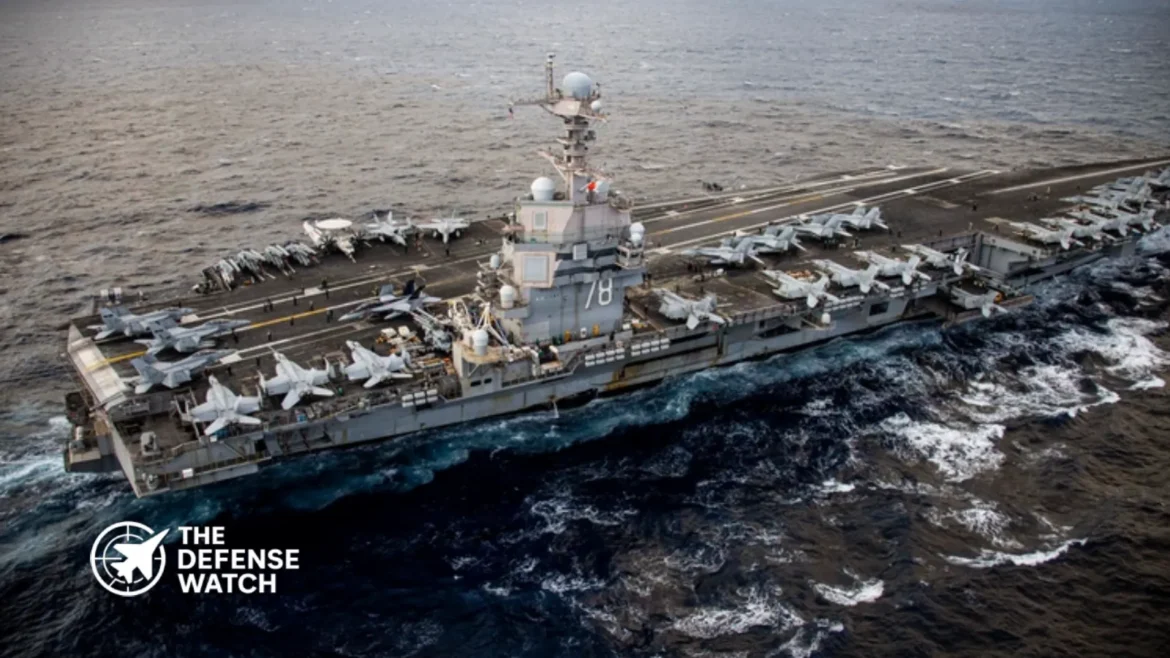
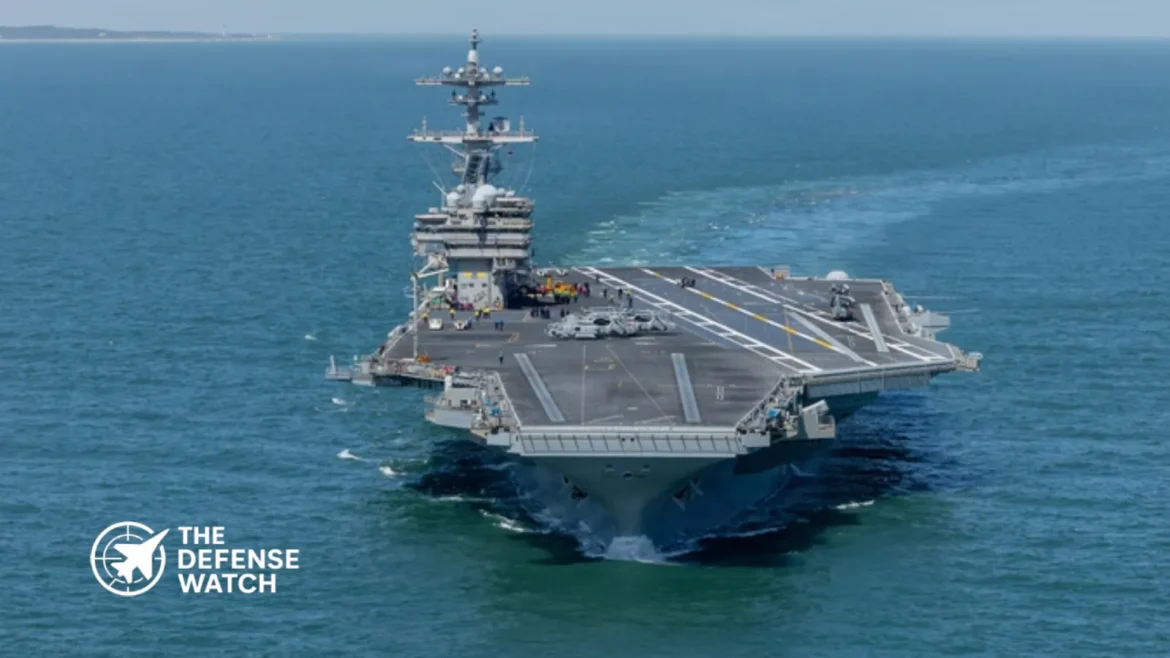
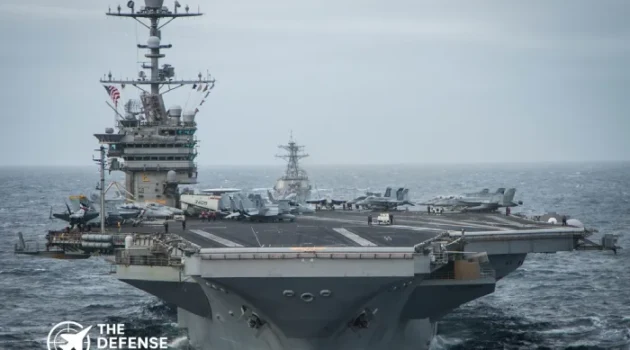
The USS Gerald R. Ford deployment in Europe entered its next phase as USS Gerald R. Ford departed Croatia following a scheduled port visit, reinforcing U.S. naval presence in the region.
The port call, conducted in the Adriatic Sea, formed part of ongoing U.S. Navy efforts to strengthen cooperation with NATO allies and regional partners. According to defense reporting from Defence Industry Europe, the visit provided an opportunity for logistical resupply, crew rest, and diplomatic engagement.
- USS Gerald R. Ford departed Croatia following a scheduled port visit in early April 2026.
- The visit supported U.S. Navy engagement with regional allies and partners in the Adriatic Sea.
- The carrier continues its deployment in the U.S. Sixth Fleet area of responsibility.
- USS Gerald R. Ford is the lead ship of the Ford-class, featuring advanced electromagnetic launch systems.
- The deployment underscores sustained U.S. naval presence in Europe amid evolving security conditions.
Strategic Role In European Theater
The USS Gerald R. Ford deployment remains central to U.S. maritime strategy in Europe. Operating under the U.S. Sixth Fleet, the carrier strike group supports deterrence, joint exercises, and rapid response capabilities across the region.
Port visits such as the one in Croatia serve more than logistical purposes. They signal sustained U.S. commitment to European security, particularly along NATO’s southern flank. The Adriatic Sea, while less contested than the Baltic or Black Sea, plays a supporting role in alliance mobility and maritime security.
From an operational standpoint, the Ford-class carrier offers increased sortie generation rates and reduced crew requirements compared to legacy Nimitz-class carriers. These features enable more efficient power projection during extended deployments.
Advanced Capabilities Of Ford-Class Carrier
The USS Gerald R. Ford deployment highlights the capabilities of the Navy’s newest carrier class. Key systems include the Electromagnetic Aircraft Launch System (EMALS) and Advanced Arresting Gear, both designed to improve aircraft launch efficiency and reduce maintenance demands.
These technologies allow the carrier to support a broader range of aircraft operations while maintaining a higher operational tempo. The ship also integrates improved radar systems and enhanced survivability features, reflecting evolving requirements for high-end naval warfare.
In practical terms, these upgrades translate into greater flexibility for commanders operating in complex maritime environments, including contested regions near Eastern Europe and the Mediterranean.
Regional Security Context
The USS Gerald R. Ford deployment comes at a time when European security dynamics remain fluid. While the Adriatic region is relatively stable, broader tensions across the continent continue to shape NATO force posture.
U.S. carrier presence in Europe provides a visible and flexible deterrent. Unlike land-based forces, a carrier strike group can reposition quickly, offering policymakers options across multiple theaters without permanent basing requirements.
The departure from Croatia does not mark a reduction in activity. Instead, it reflects the mobility inherent in carrier operations. The Ford and its strike group are expected to continue exercises and patrols across the Sixth Fleet area.
Operational Impact And Analysis
The USS Gerald R. Ford deployment underscores a shift toward sustained, high-readiness naval operations in Europe. Rather than short-duration deployments, the U.S. Navy is increasingly maintaining continuous presence through rotational carrier strike groups.
This approach enhances interoperability with allies while ensuring rapid response capability. It also aligns with broader U.S. defense strategy, which prioritizes forward presence and integrated deterrence.
Importantly, port visits like the one in Croatia contribute to soft power alongside military capability. Engagement with local authorities and allied navies reinforces diplomatic ties that underpin NATO cohesion.
Looking Ahead
As the USS Gerald R. Ford deployment continues, its movements will likely focus on joint exercises, maritime security operations, and deterrence missions. The carrier’s advanced systems and operational flexibility position it as a key asset in U.S. naval strategy.
With evolving security challenges across Europe, the presence of a Ford-class carrier provides both reassurance to allies and a credible deterrent to potential adversaries.
USS Fitzgerald Replenishment At Sea Demonstrates Allied Naval Reach
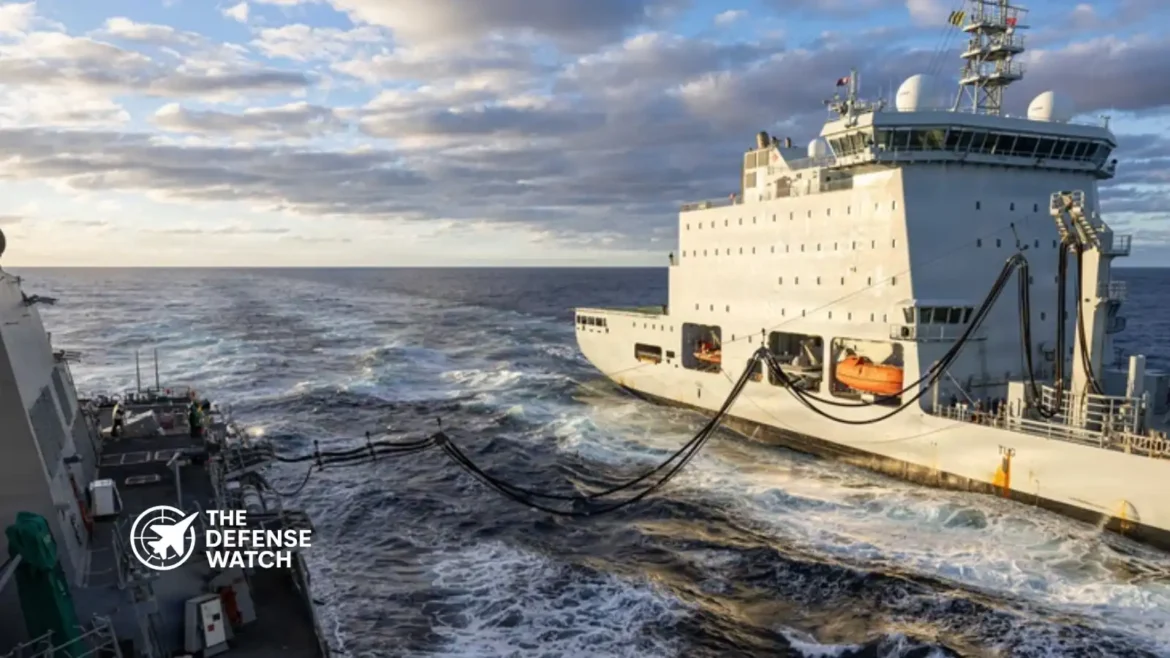
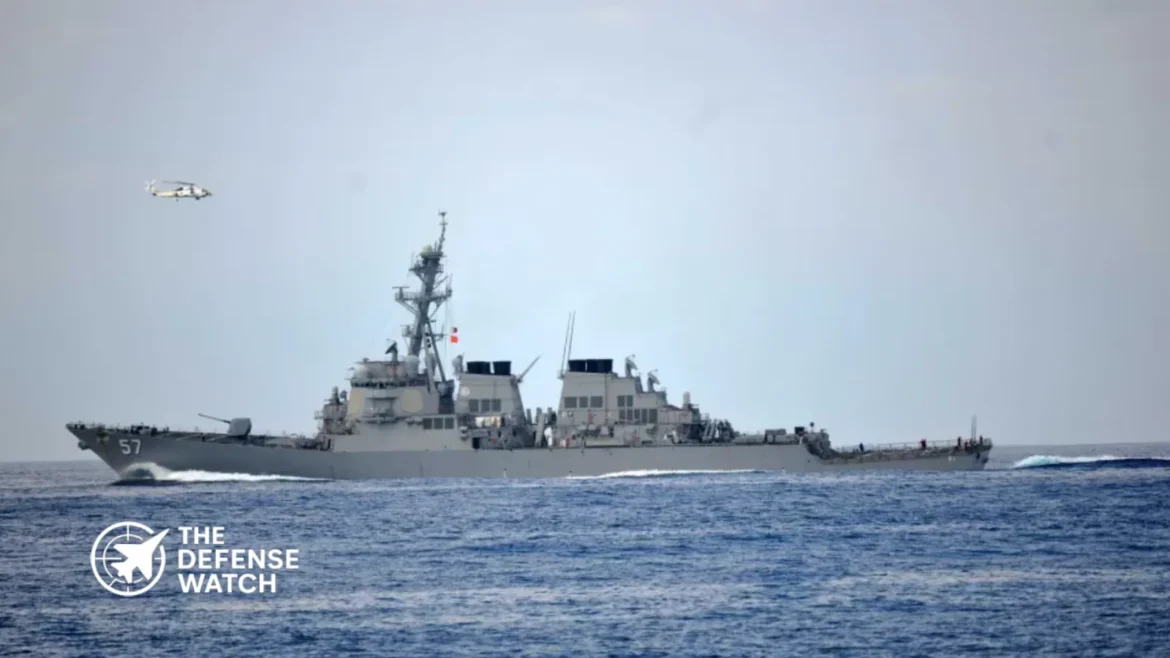
The USS Fitzgerald replenishment at sea operation during Exercise Kakadu underscores growing interoperability between Indo-Pacific naval forces, as the U.S. destroyer conducted logistics integration with Canada’s MV Asterix in the Tasman Sea on March 30, 2026.
The USS Fitzgerald, operated by the United States Navy, successfully completed a replenishment-at-sea (RAS) maneuver before breaking away from the Canadian vessel. The operation highlights the ability of allied navies to sustain combat operations far from home ports, a critical requirement in the Indo-Pacific theater.
- USS Fitzgerald conducted a replenishment-at-sea with MV Asterix on March 30, 2026, in the Tasman Sea.
- The operation took place during the Australian-led multinational Exercise Kakadu.
- MV Asterix is a Royal Canadian Navy support vessel designed for underway replenishment operations.
- The exercise focuses on maritime interoperability among Indo-Pacific partner nations.
- Replenishment-at-sea operations extend operational reach and endurance of deployed naval forces.
Operational Significance Of Replenishment At Sea
Replenishment-at-sea remains one of the most demanding and strategically important naval logistics operations. It enables warships to receive fuel, ammunition, and supplies without returning to port, maintaining operational tempo during extended deployments.
In this case, the USS Fitzgerald replenishment at sea reflects a broader push by allied forces to refine interoperability in contested maritime environments. The involvement of Royal Canadian Navy assets demonstrates how non-U.S. logistics platforms can support U.S. surface combatants, reducing dependence on a single nation’s supply chain.
This capability becomes increasingly relevant as naval operations shift toward distributed maritime operations, where smaller, dispersed units must remain sustained across vast ocean spaces.
Exercise Kakadu And Indo-Pacific Security
Exercise Kakadu, hosted by Australia, is one of the region’s key maritime drills, bringing together naval forces from across the Indo-Pacific and beyond. The exercise focuses on cooperative security, maritime surveillance, anti-submarine warfare, and logistics integration.
The USS Fitzgerald replenishment at sea event fits directly into these objectives. By conducting real-world logistics operations with partner navies, participating forces test both technical compatibility and operational coordination.
According to official exercise briefs and defense releases, Kakadu provides a platform for partner nations to improve readiness while reinforcing shared commitments to freedom of navigation and regional stability.
MV Asterix And Allied Logistics Capabilities
The MV Asterix plays a central role in this operation. As an interim auxiliary oiler replenishment vessel, Asterix is designed to deliver fuel, dry cargo, and aviation support to allied ships at sea.
Its participation in the USS Fitzgerald replenishment at sea highlights a growing trend, allied navies are increasingly pooling logistics capabilities to enhance collective endurance. This reduces operational strain on U.S. logistics fleets and improves redundancy in contested environments.
From a strategic perspective, such integration also signals to potential adversaries that coalition forces can sustain prolonged operations without relying on fixed infrastructure, which may be vulnerable in high-end conflict scenarios.
Broader Strategic Context
The Indo-Pacific remains a focal point for naval competition, with increasing emphasis on presence operations, deterrence, and rapid response capability. Logistics, often overlooked compared to combat systems, is a decisive factor in sustaining these efforts.
The USS Fitzgerald replenishment at sea demonstrates that allied navies are not only operating together but are also building the infrastructure and procedures needed for long-duration, high-tempo operations.
Defense analysts note that such exercises serve a dual purpose. They enhance tactical proficiency while also reinforcing political and military alignment among partner nations.
Analysis: Why This Matters Now
While routine on the surface, the USS Fitzgerald replenishment at sea reflects deeper shifts in naval strategy. Modern maritime operations depend less on static bases and more on flexible, mobile logistics networks.
This evolution is driven by several factors:
- Increased operational distances in the Indo-Pacific
- Growing vulnerability of fixed bases to precision strikes
- The need for rapid force projection across multiple theaters
By integrating platforms like MV Asterix into U.S. operations, allied forces are effectively building a distributed logistics architecture. This reduces risk, improves resilience, and enhances overall mission effectiveness.
Moreover, multinational exercises such as Kakadu are becoming testing grounds for these concepts, moving beyond symbolic cooperation to practical, operational integration.
USS New Jersey Attack Submarine Returns To Strengthen Fleet Readiness
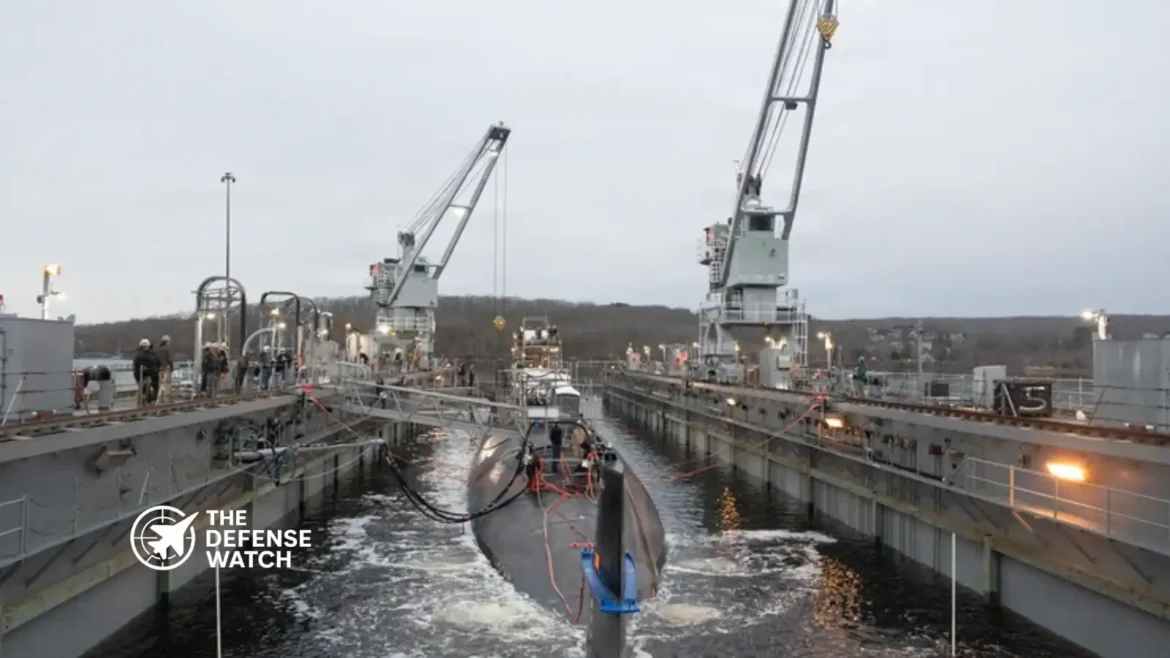
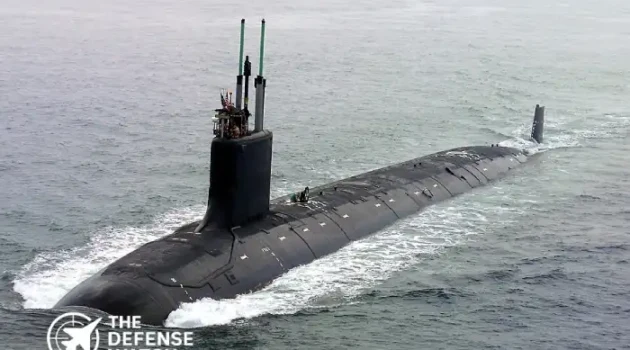
The USS New Jersey attack submarine has returned to operational service following a series of initial upgrades designed to improve sustained deployment capability. The move reflects ongoing efforts by the U.S. Navy to maintain a ready and modern undersea force amid evolving global threats.
The submarine, formally known as USS New Jersey (SSN-796), is part of the Virginia-class fleet, which forms the backbone of U.S. attack submarine operations. These platforms are tasked with intelligence gathering, anti-submarine warfare, strike missions, and special operations support.
Following its return, the vessel is expected to resume frontline duties, contributing to the Navy’s persistent undersea presence across key theaters.
- USS New Jersey has reentered service after completing initial upgrade work to improve long-term operational sustainability.
- The submarine is part of the Virginia-class, a key component of U.S. Navy undersea warfare strategy.
- Upgrades focused on maintenance readiness, system reliability, and deployment endurance.
- The move supports broader U.S. Navy efforts to maintain a high operational tempo amid global maritime competition.
- The submarine is expected to resume active fleet duties in support of forward presence and deterrence missions.
Upgrade Focus: Sustained Operations And Reliability
The recent work carried out on the USS New Jersey attack submarine focused primarily on improving long-term operational sustainability rather than introducing major new combat systems. This approach aligns with a broader trend within the Navy to prioritize readiness and availability across its fleet.
Initial upgrades included enhancements to onboard systems reliability, maintenance efficiency, and overall endurance during extended deployments. These improvements are critical for Virginia-class submarines, which are frequently deployed for prolonged missions far from home ports.
From an operational standpoint, reliability upgrades often deliver more immediate impact than new weapons integration. A submarine that can remain deployed longer with fewer maintenance interruptions directly increases mission availability and deterrence value.
Strategic Context: Sustaining Undersea Dominance
The return of the USS New Jersey attack submarine comes at a time when undersea competition is intensifying, particularly in regions such as the Indo-Pacific and North Atlantic. The U.S. Navy continues to face growing submarine fleets from near-peer competitors, placing pressure on fleet readiness rates.
Virginia-class submarines are central to maintaining undersea dominance. Their combination of stealth, advanced sensors, and strike capability makes them highly versatile assets across a wide range of missions.
However, fleet size alone does not determine effectiveness. Availability, maintenance cycles, and deployment readiness are equally decisive. By focusing on sustainment upgrades, the Navy is addressing a key vulnerability, ensuring that existing platforms remain mission capable at all times.
Operational Impact On Deployment Cycles
The reentry of the USS New Jersey attack submarine into service will contribute to easing pressure on deployment cycles. In recent years, the Navy has faced challenges related to maintenance backlogs and shipyard capacity constraints.
Each submarine returning to operational status helps distribute mission demands more evenly across the fleet. This reduces strain on other vessels and allows for more predictable deployment rotations.
In practical terms, this means improved presence in contested maritime regions, enhanced intelligence collection, and greater flexibility in responding to emerging threats.
Virginia-Class Role In Future Naval Strategy
The Virginia-class program remains one of the most important elements of U.S. naval modernization. Designed to replace older Los Angeles-class submarines, these vessels are built for multi-mission flexibility in both open ocean and littoral environments.
Future blocks of the Virginia class are expected to incorporate additional capabilities, including expanded strike capacity and enhanced sensor systems. However, maintaining the effectiveness of currently deployed submarines remains equally important.
The USS New Jersey attack submarine serves as a clear example of how incremental upgrades can extend operational value without requiring entirely new platforms.
Analysis: Readiness Over Expansion
The return of the USS New Jersey highlights a subtle but important shift in naval priorities. While procurement of new submarines continues, there is increasing emphasis on maximizing the performance of existing assets.
This reflects practical constraints, including industrial base limitations and rising costs associated with new ship construction. As a result, sustainment and modernization efforts are becoming a central pillar of naval strategy.
From a defense planning perspective, this approach offers several advantages. It delivers faster results, reduces risk, and ensures that current capabilities remain credible in the near term.
At the same time, it underscores the importance of maintenance infrastructure and workforce capacity, areas that have historically faced challenges within the U.S. naval enterprise.
U.S. Military Advances Common Hypersonic Missile Program
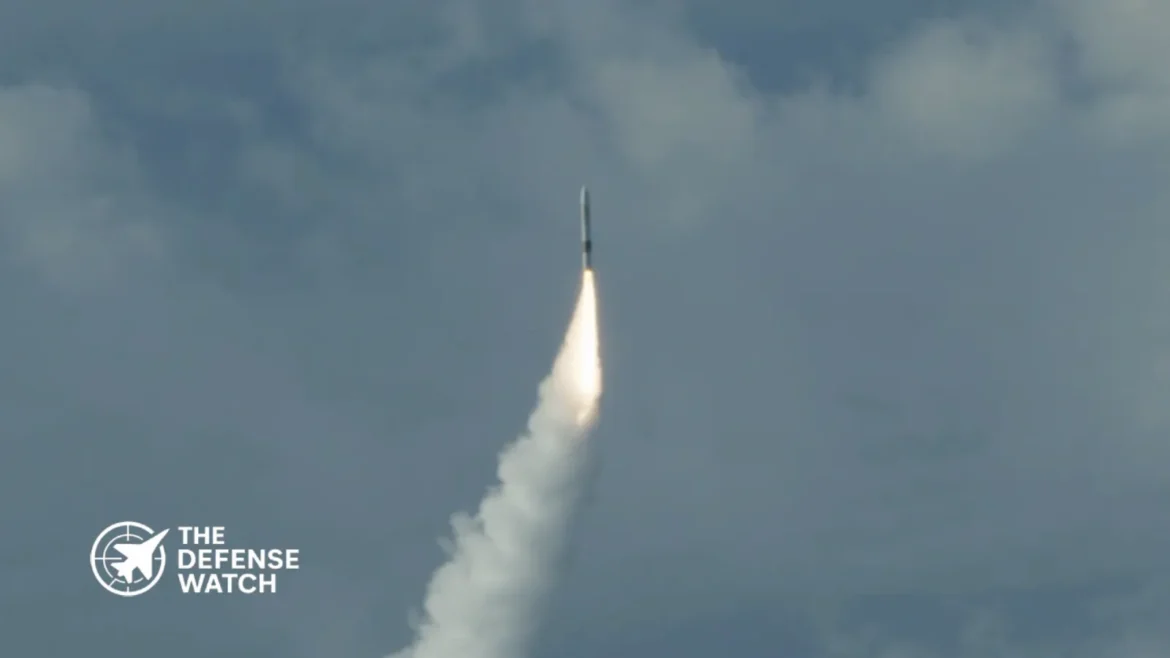
The common hypersonic missile test conducted by the U.S. Army and Navy marks a significant step forward in America’s push to field operational hypersonic weapons. According to defense-industry.eu, the joint test validated critical components of the shared missile system designed for rapid deployment across multiple service branches.
The test involved a ground-launched system using the Common Hypersonic Glide Body (C-HGB), a key component that both the Army and Navy plan to deploy under separate but closely aligned programs. The Army’s Long Range Hypersonic Weapon (LRHW) and the Navy’s Conventional Prompt Strike (CPS) system are built around this shared architecture.
Officials said the launch demonstrated the missile’s ability to achieve hypersonic speeds, defined as greater than Mach 5, while maintaining maneuverability, a core requirement for penetrating advanced air defense systems.
- The U.S. Army and Navy successfully conducted a joint test of the common hypersonic missile.
- The test involved a ground-based launch system using a shared hypersonic glide body.
- The missile is designed to travel at speeds above Mach 5 with high maneuverability.
- The program supports both the Army’s Long Range Hypersonic Weapon and Navy’s Conventional Prompt Strike.
- The test marks progress toward fielding operational hypersonic systems in the near term.
Joint Development Signals Strategic Shift
The common hypersonic missile test reflects a broader Pentagon strategy to streamline development and reduce costs by using a unified design across services. Instead of separate programs competing for resources, the Army and Navy are coordinating on propulsion, glide body design, and command systems.
This approach is intended to accelerate deployment timelines while ensuring interoperability. In practical terms, it allows the U.S. military to deploy hypersonic weapons from both land-based launchers and naval platforms, expanding operational flexibility.
From a strategic standpoint, this joint development model also signals urgency. Hypersonic weapons development has become a central focus in great power competition, particularly as China and Russia continue to field and test their own systems.
Operational Impact and Capability Expansion
The common hypersonic missile test demonstrates more than technical progress, it highlights how hypersonic weapons could reshape battlefield dynamics. Unlike traditional ballistic missiles, hypersonic glide vehicles can maneuver unpredictably during flight, making them significantly harder to track and intercept.
This capability gives U.S. forces a potential advantage in contested environments, particularly in regions where adversaries have layered air and missile defense systems. The ability to strike high-value targets quickly and with precision could enhance deterrence and provide commanders with new options during conflict.
The Army’s LRHW system is expected to provide long-range, land-based strike capability, while the Navy’s CPS program aims to integrate hypersonic missiles onto surface ships and submarines. Together, they form a multi-domain strike network designed to operate across theaters.
Technical Progress and Remaining Challenges
While the common hypersonic missile test is a milestone, significant work remains before full operational deployment. Hypersonic systems present complex engineering challenges, including extreme heat management, guidance accuracy at high speeds, and integration with existing platforms.
Testing is expected to continue as the Pentagon refines the system’s reliability and performance under real-world conditions. Previous delays in hypersonic programs have highlighted the difficulty of transitioning from successful tests to fielded capability.
Still, the latest test suggests steady progress. By validating key components in a joint environment, the U.S. military is moving closer to operational readiness.
Strategic Context: Hypersonic Race Intensifies
The common hypersonic missile test comes amid intensifying global competition in hypersonic weapons. Both China and Russia have already deployed or tested operational systems, prompting increased urgency within the U.S. defense establishment.
Washington’s focus has shifted toward closing the capability gap while ensuring its systems are reliable, scalable, and integrated into broader military doctrine. The emphasis on joint development reflects lessons learned from earlier acquisition programs that faced cost overruns and delays.
In this context, the recent test is not just a technical achievement but part of a larger effort to maintain strategic balance.
Outlook
The successful common hypersonic missile test positions the U.S. Army and Navy closer to deploying next-generation strike capabilities. As testing continues, the focus will likely shift toward integration, production scaling, and operational deployment timelines.
If the program maintains momentum, hypersonic weapons could soon become a core element of U.S. military strategy, offering rapid, precise strike options in high-threat environments.
U.S. Navy Expands Multi-Threat Defense With USS George M. Neal
The USS George M. Neal destroyer marks a significant expansion of U.S. Navy multi-threat defense capabilities as the service continues to modernize its surface fleet for high-end warfare.
The vessel, the 81st in the Arleigh Burke-class series, was recently launched by General Dynamics Bath Iron Works. As a Flight III configuration, the ship represents the most advanced evolution of the long-running destroyer program.
The Arleigh Burke-class has formed the backbone of U.S. surface combatant forces for decades. However, the introduction of Flight III variants signals a shift toward addressing increasingly complex aerial and missile threats, particularly in contested maritime environments.
- USS George M. Neal is the 81st Arleigh Burke-class destroyer launched by the U.S. Navy.
- The ship is a Flight III variant equipped with the AN/SPY-6(V)1 Air and Missile Defense Radar.
- Designed to counter simultaneous air, missile, and surface threats in high-intensity environments.
- Built by General Dynamics Bath Iron Works as part of ongoing U.S. Navy fleet modernization.
- Enhances integrated air and missile defense capability across carrier strike groups and global deployments.
Advanced Radar and Combat Systems
At the core of the USS George M. Neal destroyer is the AN/SPY-6(V)1 Air and Missile Defense Radar, a next-generation sensor designed to significantly outperform earlier systems.
Compared to the legacy SPY-1 radar, the SPY-6 provides greater sensitivity, improved target discrimination, and the ability to track a larger number of threats simultaneously. This is critical in modern conflict scenarios where adversaries deploy layered attacks involving cruise missiles, ballistic missiles, and unmanned systems.
The destroyer is also equipped with the Aegis Combat System, which integrates radar data with weapons systems to enable real-time threat detection and engagement. This allows the ship to respond to multiple incoming threats at once, a capability increasingly required in Indo-Pacific and Middle Eastern operational theaters.
Designed for High-Intensity Naval Warfare
The USS George M. Neal destroyer is optimized for multi-domain operations, including air defense, surface warfare, and ballistic missile defense.
Its vertical launch system supports a wide range of interceptors and strike weapons, enabling it to defend carrier strike groups, amphibious forces, and allied assets. The ship can also operate independently in forward-deployed roles, providing flexibility for U.S. naval commanders.
This reflects a broader U.S. Navy strategy to maintain distributed lethality, where multiple platforms can independently engage threats while contributing to a networked battlespace.
Strategic Context and Fleet Modernization
The launch of the USS George M. Neal comes amid rising global naval competition and increasing emphasis on integrated air and missile defense.
According to the U.S. Navy, Flight III destroyers are intended to address capability gaps created by evolving threats, including hypersonic weapons, advanced anti-ship missiles, and drone swarms.
The continued production of Arleigh Burke-class ships also highlights the Navy’s decision to extend the life of a proven platform rather than transition entirely to next-generation programs. This approach balances cost, risk, and operational readiness while maintaining a high-end combat capability.
Analysis: Why Flight III Matters Now
The introduction of the USS George M. Neal destroyer underscores a practical shift in U.S. naval procurement strategy. Instead of relying solely on future platforms like the DDG(X), the Navy is enhancing existing designs with advanced sensors and systems.
This approach offers several advantages.
First, it accelerates deployment timelines. Flight III ships can be fielded faster than entirely new classes, which often face delays and cost overruns.
Second, it ensures interoperability across the fleet. By building on the established Aegis architecture, the Navy maintains seamless integration with allied systems and joint force networks.
Third, it directly addresses the growing challenge of saturation attacks. Modern adversaries are increasingly capable of launching coordinated strikes involving multiple vectors. The SPY-6 radar and upgraded combat systems are specifically designed to handle these scenarios.
However, this strategy also reflects underlying constraints. The Navy must balance modernization with budget realities, while also preparing for future threats that may exceed the capabilities of current platforms.
Industrial Base and Production Outlook
The USS George M. Neal was constructed by General Dynamics Bath Iron Works, one of the primary shipbuilders for the Arleigh Burke program.
The continued production of these destroyers supports the U.S. defense industrial base while ensuring a steady pipeline of advanced surface combatants.
The Navy is expected to continue procuring Flight III destroyers in the near term, reinforcing fleet numbers while next-generation programs remain in development.
- Lockheed Martin awarded a $1.36 billion contract modification for the Conventional Prompt Strike program.
- The contract supports missile production, systems integration, testing, and long-lead materials.
- Work spans multiple U.S. locations including Colorado, California, Utah, and Alabama.
- Program funding includes Army and Navy procurement, R&D, and operations accounts.
- The effort is scheduled for completion by September 2032.
Lockheed Martin CPS Contract Expands U.S. Hypersonic Strike Capability
The Lockheed Martin CPS contract marks a major step forward in scaling U.S. hypersonic weapons production, with the Department of Defense awarding a $1.36 billion modification to support the Conventional Prompt Strike program.
The award converts several previously unpriced contract actions into a fully funded effort, while also adding new scope tied to missile and launch platform production. The work will be executed under contract N00030-22-C-1025 and managed by Strategic Systems Programs in Washington, D.C.
This latest move underscores growing urgency within the Pentagon to field operational hypersonic strike capabilities amid intensifying competition with near-peer adversaries.
Expanding the Conventional Prompt Strike Program
The Conventional Prompt Strike program is designed to deliver long-range, non-nuclear hypersonic weapons capable of striking targets at high speed with precision. These systems are intended to provide rapid response options against time-sensitive or heavily defended targets.
Under the new contract, Lockheed Martin Space will carry out:
- Program management and engineering development
- Systems integration across missile and launch platforms
- Procurement of long-lead materials
- Testing and validation activities
- Development of specialized tooling and production equipment
The scope reflects a transition from development toward scaled production, a critical phase for any advanced weapons program.
The CPS system is expected to be deployed across multiple platforms, including naval surface vessels, reinforcing its role as a joint force capability.
Multi-State Industrial Base Engagement
The Lockheed Martin CPS contract will drive activity across a broad U.S. defense industrial network.
Work distribution includes:
- Denver, Colorado, 55 percent
- Sunnyvale, California, 16 percent
- Magna, Utah, 8 percent
- Courtland, Alabama, 7 percent
- Simsbury, Connecticut, 4 percent
- Pittsfield, Massachusetts, 3 percent
- East Aurora, New York, 2 percent
- Owego, New York, 2 percent
- Additional locations, 3 percent combined
This spread highlights the complexity of hypersonic weapons production, which relies on specialized suppliers, advanced materials, and precision manufacturing capabilities.
From an industrial perspective, the program reinforces long-term demand across the U.S. missile production ecosystem, particularly in propulsion, guidance systems, and thermal protection technologies.
Funding Structure Signals Joint Priority
Funding for the Lockheed Martin CPS contract reflects a coordinated effort between the U.S. Army and Navy.
Allocated funds include:
- $72.1 million from FY2025 Army missile procurement
- $120.9 million from FY2026 Army missile procurement
- $208.6 million from Navy R&D accounts
- $89.1 million from Navy procurement funding
- $2 million from Navy operations and maintenance
The mix of procurement and R&D funding suggests the program is balancing continued development with early production readiness.
Notably, a portion of the funding is set to expire within the current fiscal year, indicating near-term execution pressure on specific program elements.
Strategic Context: Hypersonic Competition Intensifies
The expansion of the Conventional Prompt Strike program comes amid a broader global push to operationalize hypersonic weapons.
The United States is working to close capability gaps with competitors such as China and Russia, both of which have already fielded or tested hypersonic glide vehicles and boost-glide systems.
Hypersonic weapons offer several advantages:
- Speeds exceeding Mach 5
- Maneuverability that complicates interception
- Reduced response time for adversaries
These characteristics make them particularly valuable for penetrating advanced air defense systems and striking high-value targets.
However, the technical challenges are significant. Thermal protection, guidance accuracy at high speeds, and integration with launch platforms remain complex engineering hurdles.
The Lockheed Martin CPS contract signals that the Pentagon is moving beyond experimentation toward sustained production, a shift that could reshape future deterrence strategies.
Sole Source Award Reflects Program Sensitivity
The contract was awarded as a sole-source acquisition under U.S. Code provisions that allow for limited competition when only one responsible source is available.
This approach is common in highly specialized defense programs where:
- Proprietary technologies are involved
- Integration risks must be minimized
- Program timelines are critical
Lockheed Martin’s role as a prime contractor in hypersonic systems development positions it as a central player in the CPS effort.
Outlook Through 2032
Work under the contract is expected to continue through September 2032, indicating a long-term commitment to the Conventional Prompt Strike program.
Looking ahead, key milestones will likely include:
- Initial operational capability on naval platforms
- Increased production rates
- Integration with broader joint force architectures
As the U.S. military refines its approach to hypersonic warfare, programs like CPS are expected to play a central role in future strike doctrines.
The scale and duration of this contract suggest that hypersonic weapons are moving from experimental capability to core component of U.S. military power.
- China has tested an autonomous maritime drone swarm designed for coordinated naval operations.
- The system features multiple unmanned surface vessels operating with AI-driven coordination.
- The drone swarm is intended to counter advanced naval forces, including US carrier strike groups.
- The test reflects China’s growing focus on asymmetric maritime warfare capabilities.
- Analysts see swarm systems as a cost-effective way to challenge high-value naval assets.
China Advances Autonomous Maritime Drone Swarm Capabilities
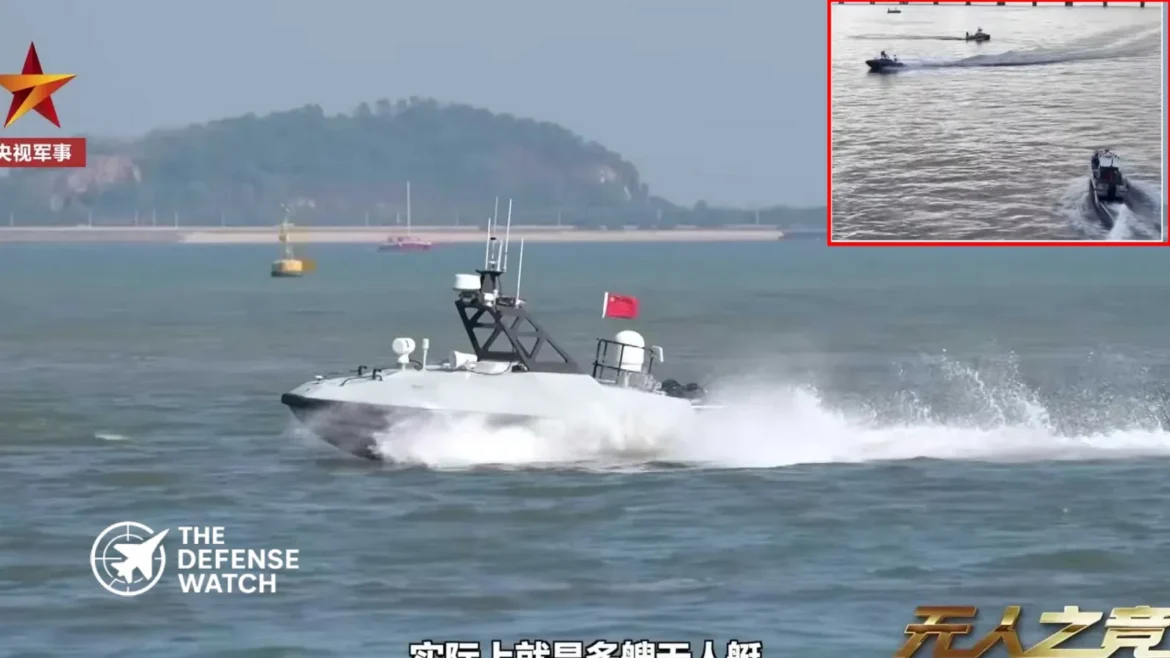
China’s autonomous maritime drone swarm program is gaining momentum, with recent tests demonstrating coordinated unmanned surface operations aimed at countering future U.S. naval deployments.
The system involves multiple unmanned surface vessels operating together using artificial intelligence, allowing them to coordinate movement, share targeting data, and execute missions with limited human input. This approach reflects a broader shift in naval warfare toward distributed and autonomous systems.
Unlike traditional naval platforms, the drone swarm is designed to overwhelm defenses through numbers and coordination rather than relying on a single high-value platform.
A New Layer Of Naval Warfare
The tested autonomous maritime drone swarm represents a significant evolution in how naval engagements could unfold. Instead of relying solely on large warships, China appears to be investing in scalable, lower-cost unmanned systems capable of operating in contested environments.
According to reporting, the swarm can perform reconnaissance, surveillance, and potentially strike missions. These drones can disperse across a wide area, making detection and targeting more difficult for adversaries.
This model aligns with modern naval doctrine trends, where distributed lethality and networked systems are becoming central concepts. The ability to deploy dozens or even hundreds of small autonomous vessels creates a new operational challenge for traditional fleets.
Strategic Focus On Countering US Naval Power
The development of the autonomous maritime drone swarm is widely viewed as part of China’s broader effort to counter the technological and operational advantages of the U.S. Navy.
Carrier strike groups, long considered the backbone of U.S. naval power, are designed to project force globally. However, swarm systems could complicate their operations by introducing saturation attacks that strain defensive systems.
In a potential conflict scenario, even a relatively low-cost swarm could force high-value assets to expend expensive interceptors or reposition defensively. This dynamic shifts the cost equation, favoring the attacker.
Operational Advantages And Limitations
From an operational standpoint, autonomous maritime drone swarm systems offer several advantages:
- Reduced risk to personnel
- Lower production and deployment costs
- Scalability for mass operations
- Flexibility across mission types
However, limitations remain. Communication links, electronic warfare vulnerabilities, and environmental conditions can affect performance. Maintaining reliable coordination among multiple autonomous units in contested electromagnetic environments is still a technical challenge.
Despite these constraints, continued testing suggests that China is making steady progress in refining these systems.
Broader Implications For Naval Strategy
The emergence of autonomous maritime drone swarm technology signals a broader transformation in naval strategy. Traditional dominance based on large, heavily armed vessels is increasingly being supplemented by distributed, unmanned systems.
For the United States and its allies, this trend underscores the need to invest in counter-swarm technologies, including:
- Advanced electronic warfare systems
- Directed energy weapons
- Improved detection and tracking capabilities
The U.S. Navy has already begun exploring similar concepts, but China’s recent testing highlights the accelerating pace of development in this domain.
Analysis: Shifting The Balance At Sea
The autonomous maritime drone swarm concept reflects a clear strategic calculation. Rather than matching the U.S. Navy ship for ship, China is focusing on asymmetric capabilities that exploit cost and scale advantages.
This approach mirrors trends seen in other domains, including aerial drone warfare, where relatively inexpensive systems have proven effective against more advanced platforms.
If successfully operationalized, swarm systems could complicate U.S. naval planning, particularly in regions like the South China Sea and Western Pacific, where geography already favors distributed operations.
At the same time, the effectiveness of such systems in high-intensity conflict remains unproven. Real-world conditions, including electronic warfare and countermeasures, will ultimately determine their impact.
- The United States has deployed uncrewed drone boats in operational environments linked to tensions with Iran.
- These systems are part of a broader U.S. Navy effort to expand autonomous maritime surveillance and deterrence.
- The vessels operate with minimal human input, using AI-enabled sensors and remote command systems.
- Deployment reflects increasing focus on countering Iranian naval activity in the Persian Gulf region.
- The move signals a wider shift toward integrating unmanned platforms into frontline naval operations.
US Deploys Uncrewed Drone Boats In Conflict With Iran
The US deploys uncrewed drone boats in conflict with Iran as part of a growing effort to enhance maritime surveillance and deterrence in contested waters, according to reporting by Defense News. The move highlights the U.S. Navy’s accelerating adoption of autonomous systems in operational environments.
These uncrewed surface vessels (USVs), often referred to as drone boats, are designed to operate with limited human oversight while providing persistent monitoring capabilities. Their deployment comes amid heightened tensions between Washington and Tehran, particularly in and around the Persian Gulf.
Expanding Role Of Naval Autonomy
The decision to deploy drone boats reflects a broader shift in U.S. naval strategy. The Navy has increasingly prioritized unmanned systems to extend operational reach without exposing personnel to risk.
Unlike traditional patrol vessels, these platforms can remain at sea for extended periods. Equipped with advanced sensors, cameras, and communications systems, they gather real-time intelligence and relay it to command centers.
Defense officials cited by Defense News indicate that the systems are already contributing to maritime domain awareness, especially in monitoring Iranian naval movements and commercial shipping lanes.
This approach aligns with ongoing initiatives such as Task Force 59, a U.S. Navy unit focused on integrating unmanned systems and artificial intelligence into fleet operations.
Strategic Context In The Iran Theater
The deployment of uncrewed drone boats in conflict with Iran is closely tied to persistent security concerns in the region. The Persian Gulf remains a critical chokepoint for global energy flows, and any disruption carries significant economic implications.
Iran has previously been linked to incidents involving commercial vessels, including harassment and seizures. In this environment, persistent surveillance becomes essential.
Drone boats offer a cost-effective way to maintain continuous presence. They can patrol wide areas, track suspicious activity, and provide early warning without requiring large crews or expensive manned ships.
From a strategic standpoint, this capability strengthens deterrence. It signals that the U.S. can maintain visibility and responsiveness even in contested waters.
Operational Advantages And Limitations
The use of drone boats provides several operational advantages. First, they reduce risk to personnel. Second, they allow for scalable deployment, meaning multiple units can be fielded simultaneously at lower cost.
However, these systems are not without limitations. Communication links can be vulnerable to disruption, particularly in electronic warfare environments. Additionally, rules of engagement for autonomous or remotely operated systems remain a complex issue.
Despite these challenges, the U.S. Navy continues to expand testing and operational use. Officials emphasize that unmanned systems are intended to complement, not replace, traditional naval assets.
Implications For Future Naval Warfare
The fact that the US deploys uncrewed drone boats in conflict with Iran underscores a broader transformation in naval warfare. Autonomous systems are moving from experimental phases into real-world operations.
This shift is not limited to the United States. Other nations, including China and Russia, are also investing heavily in unmanned maritime platforms. The result is an increasingly competitive environment where technological advantage plays a key role.
For the U.S., maintaining leadership in this domain is seen as critical. The integration of AI, machine learning, and networked systems into naval operations is expected to define future maritime strategy.
Analysis: A Measured But Significant Shift
While the deployment may appear incremental, its implications are substantial. The use of drone boats represents a shift from platform-centric warfare to network-centric operations.
Instead of relying solely on large, high-value ships, the Navy is building a distributed force. This approach enhances resilience and complicates adversary targeting.
At the same time, the deployment sends a calibrated signal to Iran. It demonstrates capability without escalating to more visible or provocative measures, such as additional warship deployments.
In practical terms, the strategy allows the U.S. to maintain pressure and awareness while managing escalation risks.
What Comes Next
Looking ahead, the role of uncrewed systems is expected to expand further. Additional deployments, integration with aerial drones, and enhanced AI capabilities are likely areas of focus.
The continued use of drone boats in the Iran theater may also serve as a testing ground for broader operational concepts.
As the US deploys uncrewed drone boats in conflict with Iran, it marks a clear step toward a more automated and data-driven approach to maritime security.
- â–º The USS Iwo Jima ARG and embarked 22nd Marine Expeditionary Unit remain deployed in Caribbean Sea operations targeting drug trafficking.
- â–º U.S. SOUTHCOM frames the patrols as part of broader efforts to counter transnational criminal networks in key transit routes.
- â–º ARG capabilities include rapid maritime interdiction, aviation launch support, and amphibious maneuver options.
- â–º Deployment supports the U.S. military counter drug trafficking campaign in the Caribbean.
- â–º Persistent presence strengthens regional maritime security and partner coordination.
U.S. Navy Iwo Jima ARG Strengthens Caribbean Operations
The US Navy Iwo Jima Amphibious Ready Group continues forward maritime operations in the Caribbean Sea targeting drug trafficking networks and reinforcing regional security, according to a March 26 report.
Forward deployed under US Southern Command, the ARG and its embarked 22nd Marine Expeditionary Unit remain positioned to conduct a broad set of maritime missions, from counter-narcotics patrols to rapid crisis response across key sea lanes. The continued deployment reflects a sustained U.S. military presence in an area of strategic interest for transnational criminal interdiction.
The centerpiece of this task force is the Wasp-class amphibious assault ship USS Iwo Jima, equipped to support joint sea and air operations. The group sails with additional amphibious platforms capable of launching MV-22B Osprey tiltrotor aircraft, which extend operational reach for interdiction and surveillance over wide maritime areas.
Deployment Context and Strategic Goals
U.S. naval and Marine assets including ships and aviation platforms have been operating in the Caribbean since mid-2025 as part of Operation Southern Spear, a campaign to counter narcotics trafficking and organized criminal networks in the region.
This broader effort has seen the United States deploy multiple surface combatants and amphibious units alongside sustained air and maritime interdiction actions. Authorities say these measures aim to degrade smuggling routes that reach into the U.S. domestic market while bolstering regional cooperation with Caribbean and Central American partners.
The Iwo Jima ARG’s presence also underpins allied confidence in maritime security. Persistent operations enhance early detection of suspect activity at sea, provide rapid response options, and act as a deterrent to sea-borne criminal logistics.
ARG Capabilities and Mission Focus
The Iwo Jima ARG, with its embarked Marine expeditionary force, is structured around an integrated ground and air task element able to shift between missions quickly. The flexibility of amphibious platforms allows command teams to project force across multiple domains without fixed bases, a key advantage in dispersed Caribbean operations.
MV-22B Ospreys provide long-range reach, capable of extended patrols, rapid personnel movement, and logistics support across maritime zones that span hundreds of miles. This mix of sea and air capability is critical in counter-trafficking missions where speed of response and wide area coverage directly affect operational success.
Regional Security and U.S. Commitment
Persistent U.S. naval operations in the Caribbean are intended to reinforce deterrence and reassure regional partners navigating longstanding security challenges. U.S. forces coordinate with other agencies and allied navies to share information, enhance interdiction efforts, and build collective maritime domain awareness.
This forward presence aligns with strategy documents outlining the importance of maritime security for both hemispheric stability and U.S. national interests.
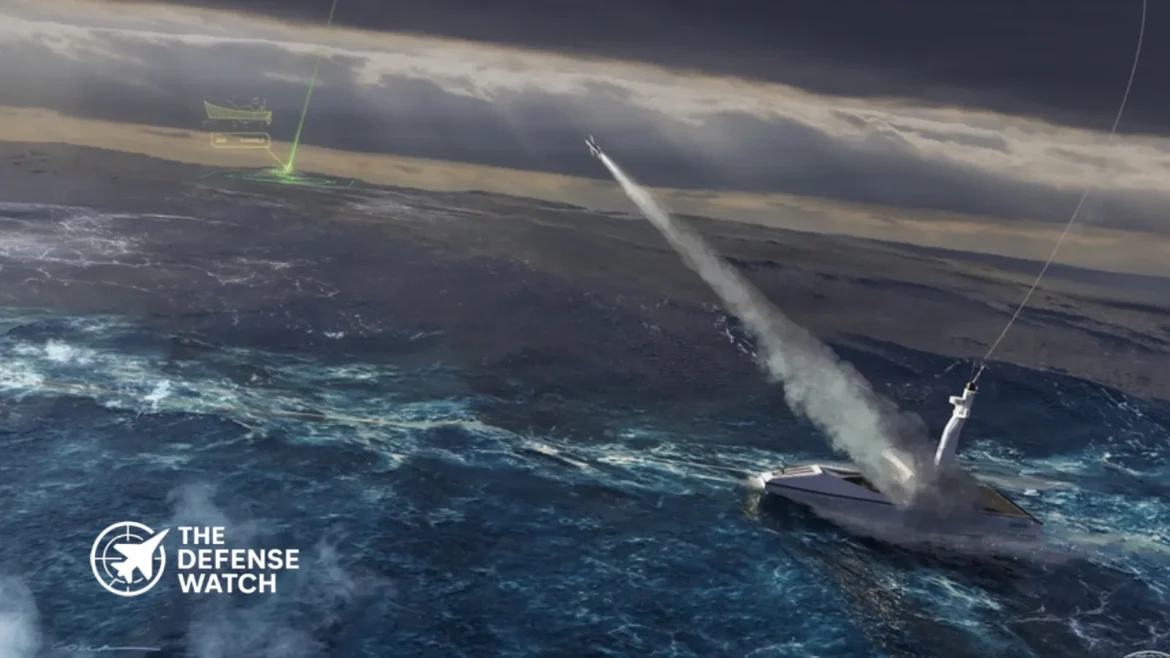
- U.S. Army redirects its laser air defense effort to a Navy-led program.
- Directed energy systems will support the Navy’s Golden Dome architecture.
- Move reflects Pentagon push for integrated, layered missile defense.
- Focus shifts toward countering drones and low-altitude threats.
- Consolidation aims to accelerate deployment and reduce duplication.
U.S. Army Laser Defense Program Shift Signals New Phase In Integrated Air Defense
The U.S. Army laser defense program has been redirected to support the U.S. Navy’s Golden Dome initiative, marking a significant step toward a unified, layered air and missile defense architecture.
This decision reflects a broader Pentagon effort to streamline directed energy development and integrate capabilities across services, according to reporting from Army Recognition and official defense sources.
The Big Picture
The U.S. military is accelerating efforts to field layered air and missile defense systems capable of countering increasingly complex threats, including drones, cruise missiles, and loitering munitions.
Directed energy weapons, particularly high-energy lasers, are central to this strategy. They offer a low cost per shot, deep magazines, and rapid engagement speeds compared to traditional interceptors.
The Golden Dome concept represents a multi-layered defensive architecture designed to integrate sensors, interceptors, and emerging technologies across domains. Aligning Army and Navy laser efforts under this framework suggests a shift from service-specific programs toward joint operational capability.
What’s Happening
The U.S. Army has redirected its laser-based air defense efforts to align with a U.S. Navy program tied to the Golden Dome initiative.
The move effectively transfers responsibility for certain directed energy developments from the Army to the Navy, with the goal of integrating these capabilities into a broader naval-led air and missile defense system.
The decision comes as the Pentagon seeks to avoid duplication across services and accelerate the deployment of operational laser systems.
The focus remains on countering low-altitude aerial threats such as drones and loitering munitions, which have proven highly disruptive in recent conflicts.
Why It Matters
This shift highlights a growing recognition that future air defense systems must operate as integrated networks rather than isolated platforms.
Laser weapons are particularly well suited for countering drone swarms and low-cost threats that can overwhelm traditional missile defenses. By consolidating development under a unified architecture, the Pentagon aims to improve interoperability and reduce logistical complexity.
The move also reflects budget realities. Directed energy programs have historically faced funding challenges and technical hurdles. Combining efforts may improve efficiency and accelerate progress toward operational deployment.
Strategic Implications
The integration of the U.S. Army laser defense program into the Navy’s Golden Dome initiative strengthens the U.S. military’s ability to build a layered defense against evolving threats.
A unified system enhances situational awareness and enables faster decision-making across domains, from land to sea.
This approach also supports distributed operations, a key concept in modern U.S. military doctrine, where forces operate across wide geographic areas while remaining connected through integrated networks.
Over time, this could improve deterrence by demonstrating the ability to counter massed, low-cost attacks that adversaries increasingly rely on.
Competitor View
China and Russia are closely watching U.S. progress in directed energy and integrated air defense.
China has invested heavily in counter-drone systems and laser technologies, viewing them as critical for both homeland defense and expeditionary operations.
Russia, drawing lessons from conflicts involving drone saturation, is likely to interpret this move as part of a broader U.S. effort to neutralize asymmetric aerial threats.
Both countries may accelerate their own directed energy programs in response, particularly in areas related to power generation, beam control, and operational deployment.
What To Watch Next
Key developments to monitor include:
- Integration milestones within the Golden Dome architecture
- Field testing of laser systems in operational environments
- Procurement decisions and funding allocations
- Deployment timelines for initial operational capability
The pace of integration will be a critical indicator of whether the consolidation delivers the intended benefits.
Capability Gap
The U.S. Army laser defense program aims to address a clear operational gap: the need for cost-effective defenses against large numbers of low-cost aerial threats.
Traditional missile systems are expensive and limited in magazine depth, making them less effective against drone swarms.
However, laser systems still face limitations, including power generation, atmospheric interference, and range constraints. These factors could affect performance in contested or adverse environments.
Despite these challenges, integrating laser systems into a broader defensive network increases their overall effectiveness.
The Bottom Line
The redirection of the U.S. Army laser defense program to the Navy’s Golden Dome initiative signals a decisive shift toward integrated, multi-domain air defense built around emerging directed energy capabilities.