(adsbygoogle = window.adsbygoogle || []).push({});Executive Summary:
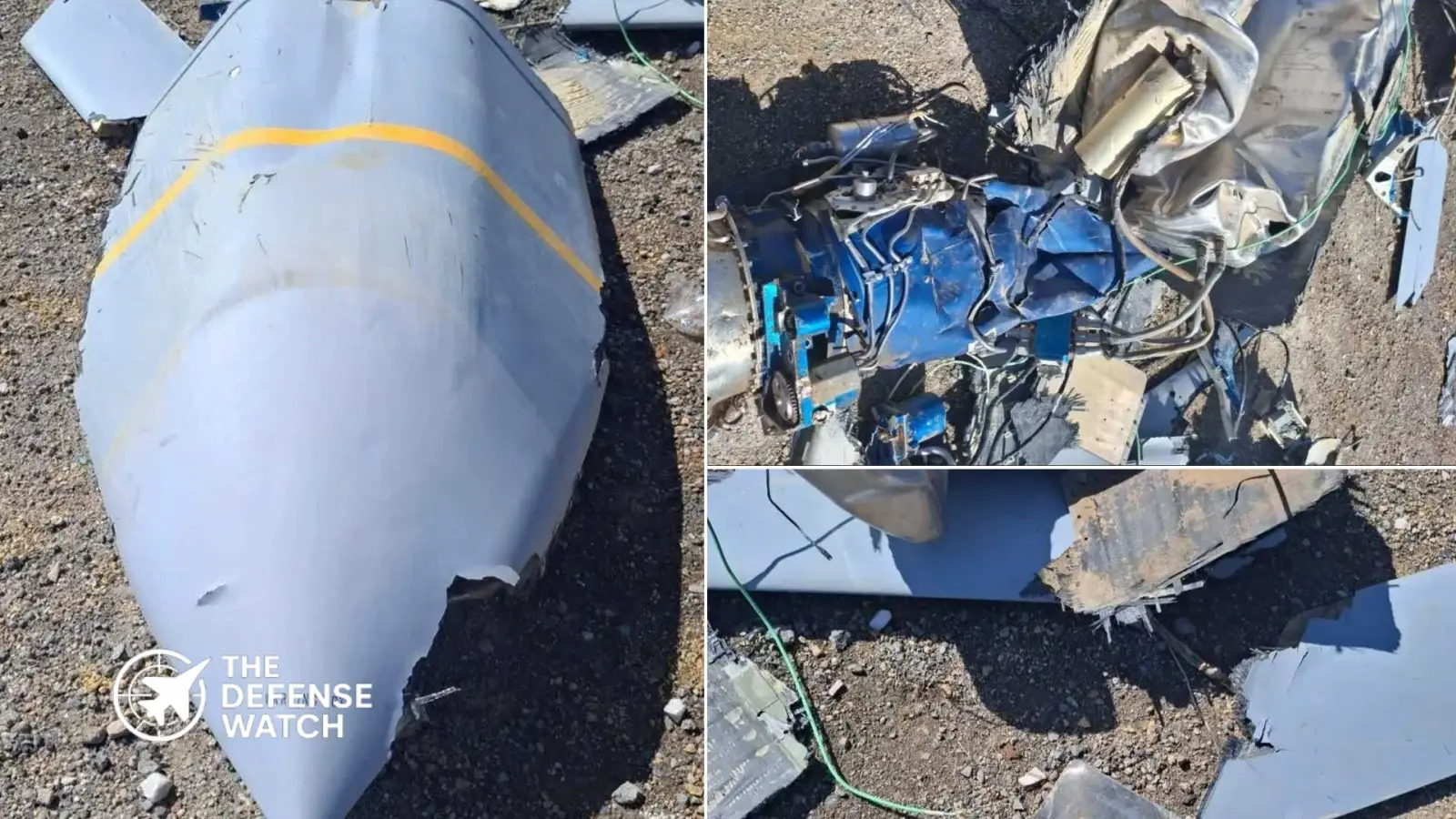
Iran has reportedly recovered wreckage linked to a U.S.-made AGM-158 JASSM-ER stealth cruise missile following recent military activity tied to the ongoing regional conflict. The development is significant because the missile is one of the United States’ premier long range precision strike weapons, designed specifically to evade advanced air defense systems.
Iran Recovers Reported JASSM-ER Missile Debris
Iranian sources and regional defense media have circulated images and reports claiming that Iranian forces recovered components from a U.S.-manufactured AGM-158 JASSM-ER cruise missile. The reports emerged after recent military exchanges involving U.S., Israeli, and Iranian forces across the Gulf region and surrounding airspace.
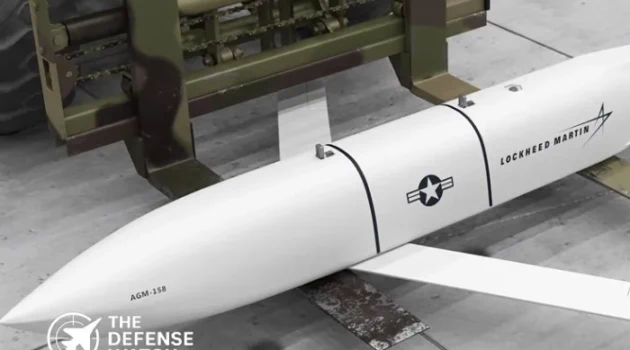
The debris allegedly includes structural and electronic sections consistent with the AGM-158 Joint Air-to-Surface Standoff Missile Extended Range (JASSM-ER), a low observable cruise missile developed by Lockheed Martin for the U.S. military.
The Pentagon has not publicly confirmed the loss of a JASSM-ER missile, nor has it acknowledged Iranian claims surrounding the recovered wreckage. Open-source footage and imagery circulating online remain difficult to independently verify.
Still, the appearance of alleged missile fragments has generated significant discussion within defense analysis circles because the AGM-158 family represents a core element of modern American long range strike capability.
Why The AGM-158 JASSM-ER Matters
The AGM-158 JASSM-ER is among the most advanced conventional air launched cruise missiles currently fielded by the United States. Designed for deep strike operations against heavily defended targets, the weapon combines low observable shaping, autonomous navigation, and long stand off range.
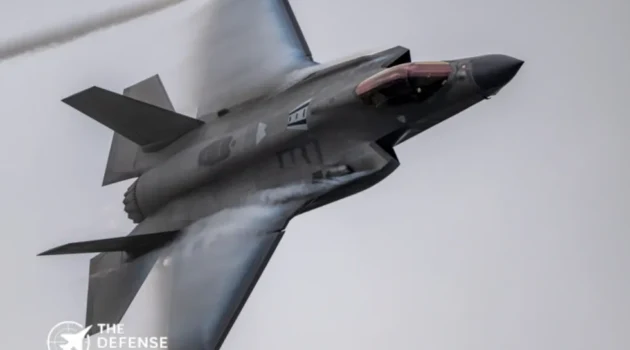
The missile is currently integrated across multiple U.S. Air Force platforms, including the B-1B Lancer, B-52 Stratofortress, F-15E Strike Eagle, and F-35 Lightning II.
The extended range variant reportedly exceeds 500 nautical miles in operational reach, allowing launch aircraft to remain outside many enemy air defense engagement zones. Its stealth profile is intended to reduce radar detection during low altitude penetration missions.
(adsbygoogle = window.adsbygoogle || []).push({});If Iranian forces successfully recovered substantial components from an intact or partially intact JASSM-ER, analysts say the development could provide valuable technical insight into the missile’s design characteristics, materials, guidance architecture, or survivability profile.
That does not necessarily mean sensitive technologies were fully compromised. Modern cruise missiles often contain hardened, encrypted, or intentionally destructive subsystems designed to limit exploitation after impact.
Iranian Air Defense Claims Draw Scrutiny
Iranian media and affiliated channels have increasingly highlighted recent air defense interceptions involving drones, cruise missiles, and unmanned systems during the broader regional confrontation. Iranian state linked reporting has also claimed successful interceptions of foreign reconnaissance drones near the Strait of Hormuz.
Separately, online videos circulating this week purported to show Iranian air defenses intercepting a low observable cruise missile identified by some users as a JASSM variant. However, multiple open-source defense observers questioned whether the object shown in the footage was actually an AGM-158 missile.
The uncertainty highlights a recurring challenge in modern conflict reporting, where imagery, debris analysis, and information operations often emerge simultaneously without independent verification.
Even so, the reports align with a broader trend in which increasingly sophisticated regional air defense networks are attempting to counter Western stealth and stand off strike systems.
Broader Strategic Implications
The reported recovery comes amid heightened military tension across the Middle East following months of strikes, retaliatory operations, and maritime security incidents tied to the Iran crisis.
(adsbygoogle = window.adsbygoogle || []).push({});Recent assessments from regional and Western reporting suggest Iran has retained substantial portions of its missile infrastructure despite sustained pressure and air operations.
For the United States and allied planners, the reported JASSM-ER wreckage recovery reinforces an important operational reality. Even highly survivable stand off weapons are increasingly operating in contested electromagnetic and air defense environments shaped by layered sensors, distributed radar coverage, infrared tracking systems, and mobile interception platforms.
The incident may also intensify interest in next generation low observable strike systems, attritable cruise missiles, electronic warfare support packages, and hypersonic alternatives intended to overcome modern integrated air defense systems.
At the same time, analysts caution against overstating the significance of a single recovered missile fragment. Combat attrition remains expected in high intensity operations, particularly during large scale cruise missile campaigns.
Information Warfare And Perception Battles
The public release of missile wreckage images also carries strategic messaging value.
For Tehran, displaying alleged fragments of advanced U.S. weapons supports domestic and international narratives emphasizing Iranian resilience and defensive capability. Such imagery can also be used to project deterrence by suggesting that even advanced Western stand off weapons remain vulnerable.
(adsbygoogle = window.adsbygoogle || []).push({});For Washington and its allies, maintaining confidence in systems like the JASSM-ER is critical because these weapons underpin modern conventional deterrence strategies across Europe, the Indo-Pacific, and the Middle East.
As a result, the information battle surrounding the reported wreckage recovery may prove almost as important as the physical debris itself.
(adsbygoogle = window.adsbygoogle || []).push({});Executive Summary:
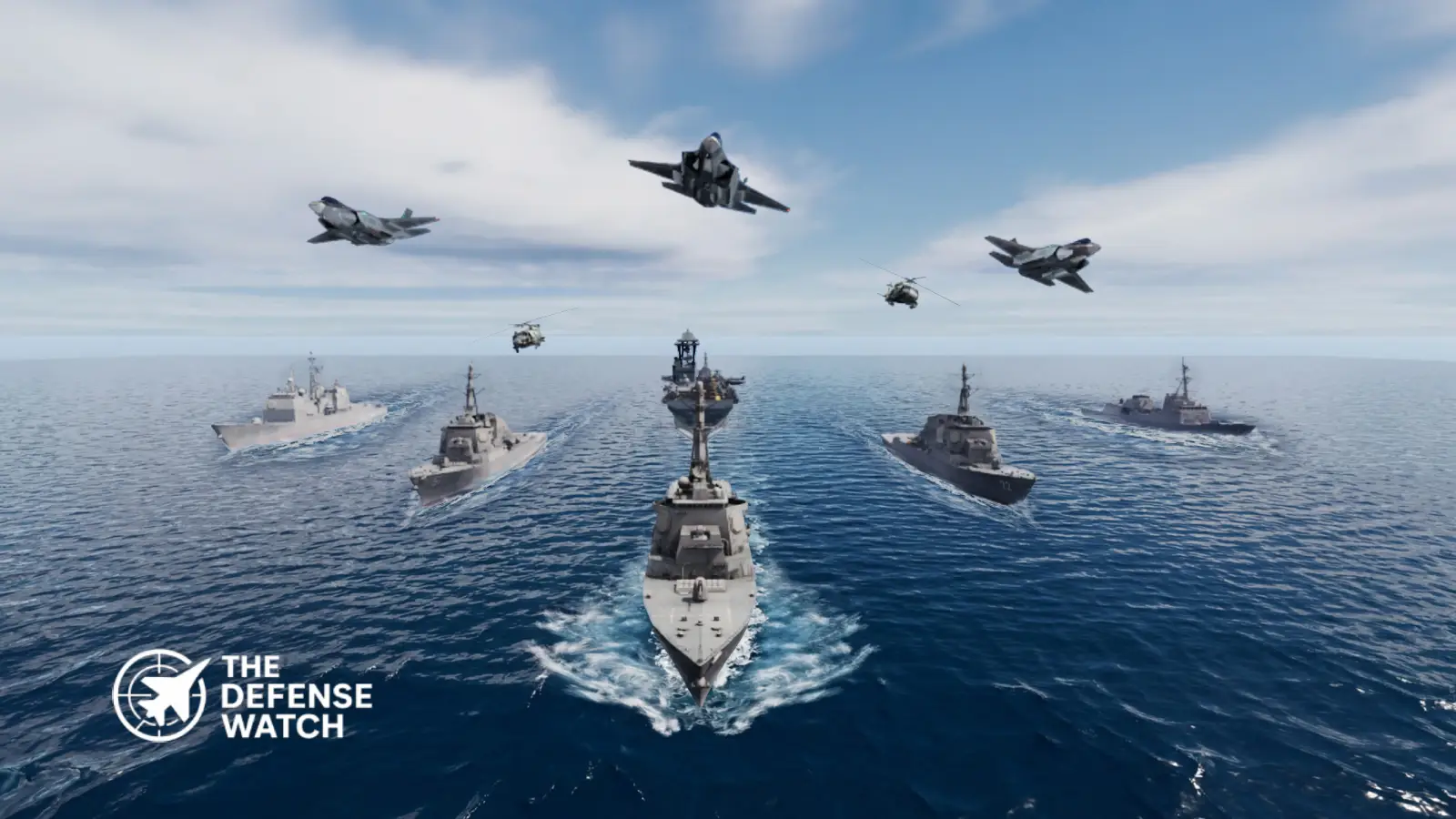
Lockheed Martin has delivered the first Integrated Combat System enabled baseline to the U.S. Navy, marking a major milestone in the Navy’s push toward a common combat architecture across the fleet. The new Aegis BL9.C3.0 package introduces containerized software infrastructure and establishes a six month update cycle designed to accelerate deployment of new capabilities.
U.S. Navy Advances Fleetwide Combat System Modernization
Lockheed Martin has delivered the first Integrated Combat System (ICS) enabled baseline to the U.S. Navy, a move that could significantly reshape how combat capabilities are updated and distributed across the surface fleet.
The delivery marks the first operational baseline produced through the Navy’s evolving Integrated Combat System framework, which aims to unify combat system software, infrastructure, and operational capabilities across multiple classes of warships.
According to Lockheed Martin, the new baseline establishes a recurring six month operating cadence for future updates and certifications. The approach is designed to reduce integration delays and accelerate deployment of new sensors, weapons, and software capabilities throughout the fleet.
The effort centers on the Aegis BL9.C3.0 package, the first baseline compiled from the Forge development environment, a software ecosystem intended to support continuous integration and rapid capability delivery for naval combat systems.
(adsbygoogle = window.adsbygoogle || []).push({});Chandra Marshall, vice president of Multi Domain Combat Systems at Lockheed Martin, said the milestone supports the Navy’s transition toward a common and fully integrated combat architecture.
The company stated that the latest delivery also expands the existing Aegis integrated air and missile defense capability already fielded aboard U.S. Navy destroyers and cruisers.
What Makes The ICS Baseline Significant
The Integrated Combat System concept represents a broader shift in how the Navy develops and sustains warfighting software.
Historically, combat system upgrades have often required lengthy certification cycles and platform specific modifications. That process created uneven capability distribution across the fleet, with some ships receiving newer software or sensors years ahead of others.
The ICS model attempts to change that dynamic by creating a more standardized and modular architecture capable of supporting faster software integration.
A key element of the BL9.C3.0 package is Tactical Platform as a Service (Tactical PaaS), which establishes the foundation for containerized software deployment.
Containerization allows software applications to run independently from underlying hardware systems, improving portability and simplifying updates. Similar approaches are widely used in commercial cloud computing and are increasingly being adopted within modern military command and control networks.
(adsbygoogle = window.adsbygoogle || []).push({});For the Navy, the operational advantage could be substantial.
A more agile software environment allows combat systems to incorporate emerging capabilities faster, including missile defense algorithms, sensor fusion tools, electronic warfare updates, and AI assisted battle management applications.
The six month delivery cycle also aligns with broader Pentagon software modernization initiatives that emphasize continuous development rather than traditional multi year upgrade blocks.
Aegis Remains Central To U.S. Naval Air And Missile Defense
The Integrated Combat System baseline remains closely tied to the Aegis Combat System, one of the most important elements of the Navy’s air and missile defense architecture.
Developed originally during the Cold War, Aegis has evolved into a multi mission combat platform capable of ballistic missile defense, anti air warfare, anti surface warfare, and integrated fleet defense operations.
Today, Aegis systems are deployed aboard Arleigh Burke class destroyers, Ticonderoga class cruisers, and several allied naval platforms operated by countries including Japan, South Korea, Spain, Norway, and Australia.
The Navy’s long term modernization strategy increasingly depends on software driven upgrades rather than entirely new hardware platforms. That approach is intended to reduce costs while maintaining operational relevance against rapidly evolving threats.
The ICS-enabled baseline reflects that strategy by enabling future upgrades to be deployed more uniformly across surface combatants.
Industry analysts have noted that software speed is becoming as important as missile range or radar performance in modern naval warfare. Adversaries including China and Russia continue investing heavily in integrated anti ship missile networks, long range sensors, and electronic warfare systems.
In response, the U.S. Navy has emphasized distributed maritime operations and faster capability integration across the fleet.
(adsbygoogle = window.adsbygoogle || []).push({});Forge Development Environment Signals Broader Digital Shift
Another major aspect of the announcement is the use of the Forge development environment.
Forge serves as the Navy’s modern software development and integration framework, allowing government and industry teams to collaborate in a more continuous development pipeline.
The environment supports DevSecOps principles, combining software development, cybersecurity, testing, and deployment into a streamlined process.
The adoption of Forge indicates the Navy is moving further toward commercial style software practices, particularly for mission critical combat systems.
That transition mirrors broader Department of Defense efforts to shorten software acquisition timelines and improve adaptability during high intensity conflict scenarios.
By establishing a scalable and repeatable software pipeline, the Navy hopes to reduce the time required to field new operational capabilities while maintaining certification and security standards.
Strategic Implications For Future Naval Warfare
The delivery of the first ICS-enabled baseline may appear technical on the surface, but it carries wider strategic implications for the Navy’s future force structure.
(adsbygoogle = window.adsbygoogle || []).push({});Naval operations increasingly depend on networked combat systems capable of processing large volumes of sensor data in real time. Maintaining a common software architecture across multiple ship classes could improve interoperability, simplify logistics, and accelerate operational coordination during contested operations.
The ability to rapidly update software also becomes increasingly important as hypersonic weapons, unmanned systems, and electronic attack capabilities continue evolving.
A combat system architecture that supports continuous updates may provide operational flexibility without requiring extensive hardware redesigns.
(adsbygoogle = window.adsbygoogle || []).push({});The Navy has not disclosed which ships will first receive the BL9.C3.0 package operationally, but the announcement indicates the service is moving closer to fleetwide software commonality.
For Lockheed Martin, the milestone reinforces the company’s role as a primary integrator for Navy combat systems modernization programs.

The U.S. Navy has awarded Lockheed Martin a $200.8 million contract to provide long term AEGIS combat system training support for allied naval forces under multiple Foreign Military Sales cases. The effort supports partner navies operating advanced missile defense capable surface combatants across the Indo-Pacific and NATO theaters through 2031.
The U.S. Naval Air Warfare Center Training Systems Command (NAWCTSD) has awarded Lockheed Martin a $200.8 million indefinite delivery/indefinite quantity contract to support multinational AEGIS combat system training requirements for allied naval operators, according to a Department of Defense contract announcement released on May 29.
The contract, awarded to the company’s Rotary and Mission Systems division in Orlando, Florida, covers comprehensive training and program management support for Foreign Military Sales (FMS) customers including Australia, Canada, Japan, Norway, South Korea, and Spain. Work is expected to continue through June 2031.
Under the agreement, Lockheed Martin will provide contractor instructors, subject matter experts, curriculum development, technical documentation, and advanced interactive training tools in support of the U.S. Navy’s Surface Combat Systems Training Command. The procurement was issued on a non-competitive basis, reflecting Lockheed Martin’s position as the original developer and primary integrator of the AEGIS Combat System architecture.
Deep Technical & Strategic Context Analysis
The AEGIS Combat System remains one of the most operationally significant naval battle management and integrated air and missile defense systems in service today. Originally developed during the Cold War to counter saturation anti-ship missile threats, the system has evolved into a multi-domain combat architecture capable of ballistic missile defense, long-range air defense, anti-surface warfare, and increasingly integrated sensor-network operations across coalition fleets.
Today, AEGIS-equipped destroyers and frigates form the backbone of maritime missile defense networks operated by the United States and several allied navies. Japan and South Korea rely heavily on AEGIS destroyers for regional ballistic missile defense against North Korean missile threats, while NATO operators such as Spain and Norway integrate the system into alliance maritime defense missions in the North Atlantic and Mediterranean. Australia’s Hobart-class destroyers similarly employ the system as a central component of Canberra’s evolving integrated air and missile defense strategy.
The contract highlights a growing operational challenge facing allied fleets, namely the need to sustain high-end combat readiness for increasingly software-defined naval combat systems. Modern AEGIS baselines integrate advanced radar systems, Cooperative Engagement Capability networking, Standard Missile interceptors, and real-time tactical data links. As system complexity grows, training pipelines have become as strategically important as the hardware itself.
The award structure also reflects common Pentagon acquisition risk management practices. The contract combines cost-plus-fixed-fee and firm-fixed-price elements under an indefinite-delivery/indefinite-quantity framework. In practical terms, this allows the Navy flexibility to issue task orders as operational requirements evolve while maintaining predictable pricing for defined support activities. Cost-plus structures are often used for technically uncertain work such as advanced curriculum development or software-enabled training modernization, where requirements may evolve during execution.
The emphasis on interactive courseware and digital training tools is also notable. The U.S. Navy and allied operators are increasingly shifting toward distributed and synthetic training environments that reduce operational downtime for frontline warships while enabling crews to rehearse high-end combat scenarios, including ballistic missile defense engagements and saturation missile attacks, in virtual environments.
Contract Breakdown & Details
Scope Of Work
Lockheed Martin will provide:
- Program management support for all assigned Foreign Military Sales cases
- Contractor instructor services for allied naval personnel
- Subject matter expert support for AEGIS combat system operations
- Curriculum development and maintenance
- Interactive courseware and training technology development
- Technical documentation preparation and sustainment
Participating Foreign Military Sales Customers
The training support effort covers AEGIS operators from:
- Japan
- South Korea
- Australia
- Canada
- Norway
- Spain
Geographic Workshare Distribution
The Department of Defense identified the following work allocation breakdown:
- Japan: 41%
- Chinhae, South Korea: 18%
- Dahlgren, Virginia: 13%
- Moorestown, New Jersey: 8%
- Halifax, Nova Scotia: 8%
- Sydney, Australia: 4%
- Watson, Australia: 4%
- Rota, Spain: 4%
Contract Structure
- Contract Value: $200,823,547
- Contract Type: Cost-plus-fixed-fee, firm-fixed-price, indefinite-delivery/indefinite-quantity
- Contracting Authority: Naval Air Warfare Center Training Systems Command
- Contract Completion Date: June 2031
- Competition Status: Non-competitive award
- Funding Status: No funds obligated at time of award, obligations occur through future task orders
Strategic Implications For Allied Naval Readiness
The concentration of work in Japan and South Korea underscores the Indo-Pacific’s growing importance in U.S. and allied naval planning. Both nations operate some of the world’s most advanced AEGIS destroyer fleets and remain central to regional missile defense architectures amid increasing North Korean missile activity and expanding Chinese naval power projection.
The contract also demonstrates how Foreign Military Sales programs increasingly extend beyond platform acquisition into long-term sustainment, training, and operational integration. For allied navies operating advanced combat systems, training continuity and software modernization are now critical determinants of combat effectiveness.
For Lockheed Martin, the award further reinforces the company’s dominant position within the global naval integrated air and missile defense market. Beyond shipboard combat systems, the company continues to expand its role in training modernization, digital simulation environments, and multinational interoperability support, areas expected to see increasing demand as coalition naval operations become more integrated.
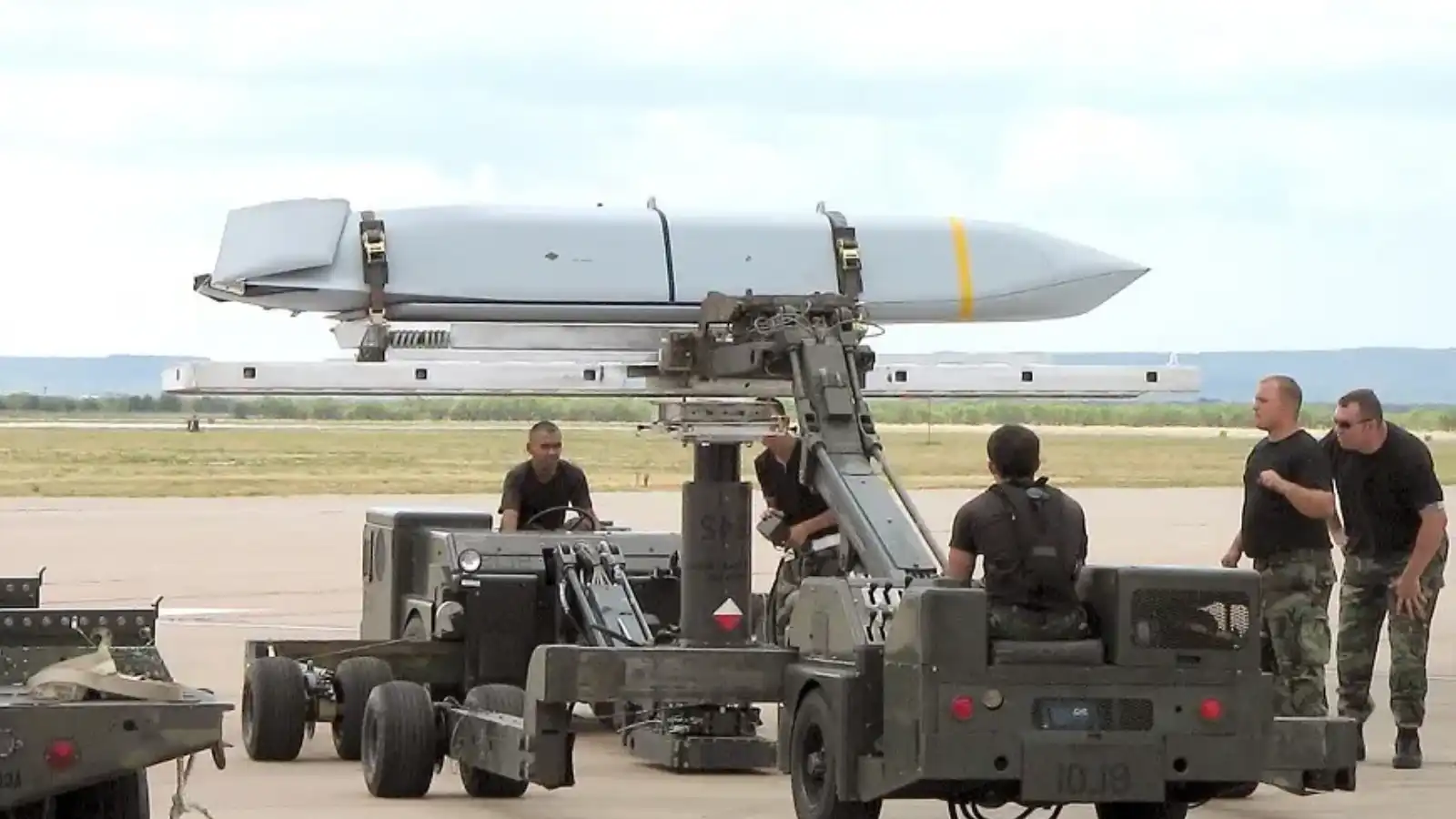
The United States faces mounting pressure to restore missile stockpiles depleted by global commitments while preparing for a potential high-intensity conflict in the Indo-Pacific.
(adsbygoogle = window.adsbygoogle || []).push({});Executive Summary:
A new report from the Center for Strategic and International Studies (CSIS) says rebuilding the U.S. missile inventory will require years of sustained investment and industrial expansion. The study highlights growing concerns over munitions shortages as Washington balances support for allies with preparations for potential conflict in the Indo-Pacific.
Pentagon Faces Long-Term Challenge Rebuilding US Missile Inventory
The U.S. missile inventory rebuild has become a central issue for Pentagon planners as demand for precision-guided weapons continues to rise across multiple theaters. A new analysis from the Center for Strategic and International Studies warns that restoring key stockpiles is likely to be a multiyear effort requiring industrial expansion, procurement reform, and stable funding commitments.
The report comes as the United States continues supplying weapons to Ukraine and strengthening deterrence efforts in the Indo-Pacific. According to CSIS, current production rates for several critical missile systems remain insufficient for a prolonged high-intensity conflict.
Analysts noted that many U.S. missile production lines were designed for peacetime demand rather than sustained wartime consumption. The result is a widening gap between operational requirements and industrial output.
Precision Munitions Demand Continues To Rise
The CSIS report identifies long-range precision weapons as one of the most critical capability areas for the U.S. military. Systems such as the Joint Air-to-Surface Standoff Missile (JASSM), Long Range Anti-Ship Missile (LRASM), Patriot interceptors, Standard Missile variants, and Guided Multiple Launch Rocket System (GMLRS) rockets are expected to play major roles in future conflicts.
The study argues that modern warfare increasingly depends on precision strike capabilities, especially in contested regions where access for conventional forces may be limited.
In the Indo-Pacific, large distances and heavily defended operating environments place additional importance on long-range missiles. U.S. military planners have repeatedly emphasized the need for survivable strike capabilities capable of operating against advanced air defense networks and naval forces.
(adsbygoogle = window.adsbygoogle || []).push({});CSIS noted that rebuilding the U.S. missile inventory is not simply a matter of increasing purchases. Expanding manufacturing capacity, securing supply chains, and recruiting skilled labor are all necessary to sustain higher production rates.
Defense Industrial Base Under Pressure
The report highlights broader concerns surrounding the U.S. defense industrial base. Over the past three decades, consolidation across the defense sector reduced the number of suppliers and limited surge production capacity for critical components.
Missile production also depends on specialized materials, propulsion systems, electronics, and microelectronics that often have limited sourcing options. Any disruption in these supply chains can slow production timelines significantly.
CSIS analysts warned that industrial bottlenecks cannot be resolved quickly. Building new facilities, qualifying suppliers, and expanding workforce capacity may take several years even with increased federal funding.
The Pentagon has already begun taking steps to address some of these issues. Recent defense budgets included investments aimed at increasing munitions production, particularly for weapons heavily used in Ukraine. The Department of Defense has also expanded multiyear procurement authorities for selected missile programs to provide industry with more predictable demand signals.
Still, CSIS argues that additional reforms may be required to achieve meaningful long-term improvements.
Indo-Pacific Strategy Driving Procurement Priorities
The U.S. missile inventory rebuild is closely tied to Washington’s broader Indo-Pacific strategy. American defense officials have repeatedly identified China as the pacing challenge for future force planning.
A potential conflict in the Pacific would likely consume large quantities of precision munitions in a relatively short period. Several war games and defense studies have suggested that existing stockpiles could be depleted rapidly during a major regional contingency.
(adsbygoogle = window.adsbygoogle || []).push({});This concern has accelerated efforts to field additional anti-ship missiles, long-range strike systems, and integrated air and missile defense capabilities.
The report also underscores the importance of allied industrial cooperation. Countries such as Japan and Australia are increasing defense spending and expanding domestic missile production capabilities, creating opportunities for deeper industrial coordination with the United States.
Greater cooperation among allied defense industries could help reduce production bottlenecks and improve resilience across supply chains.
Procurement Reform May Be Necessary
CSIS argues that procurement practices will play a major role in determining how quickly stockpiles can recover. Short-term contracts and inconsistent funding have historically discouraged industry from making major capital investments in new production capacity.
The report recommends expanded use of multiyear procurement contracts, earlier supplier engagement, and clearer long-term demand forecasts from the Pentagon.
Stable procurement strategies would allow manufacturers to invest more confidently in infrastructure, workforce development, and production automation.
(adsbygoogle = window.adsbygoogle || []).push({});The analysis also suggests that the United States may need to rethink its assumptions regarding wartime munitions consumption. Many current inventories were built around limited regional operations rather than large-scale peer conflict scenarios.
That shift in planning assumptions is increasingly influencing Pentagon modernization priorities and congressional defense debates.
Strategic Implications For US Defense Planning
The CSIS study reflects growing concern within the U.S. national security community about sustaining military readiness during prolonged crises. The challenge extends beyond replacing weapons sent abroad. It also involves ensuring sufficient reserves for future contingencies while maintaining deterrence credibility.
Rebuilding the U.S. missile inventory is expected to remain a top priority across multiple defense budgets over the coming decade. The issue is likely to influence procurement decisions involving air-launched cruise missiles, naval interceptors, hypersonic weapons, and land-based precision strike systems.
For defense planners, the core challenge is balancing immediate operational demands with long-term industrial resilience.
The report ultimately concludes that restoring adequate stockpiles will require a sustained national effort involving government, industry, and allied partners.
Executive Summary:
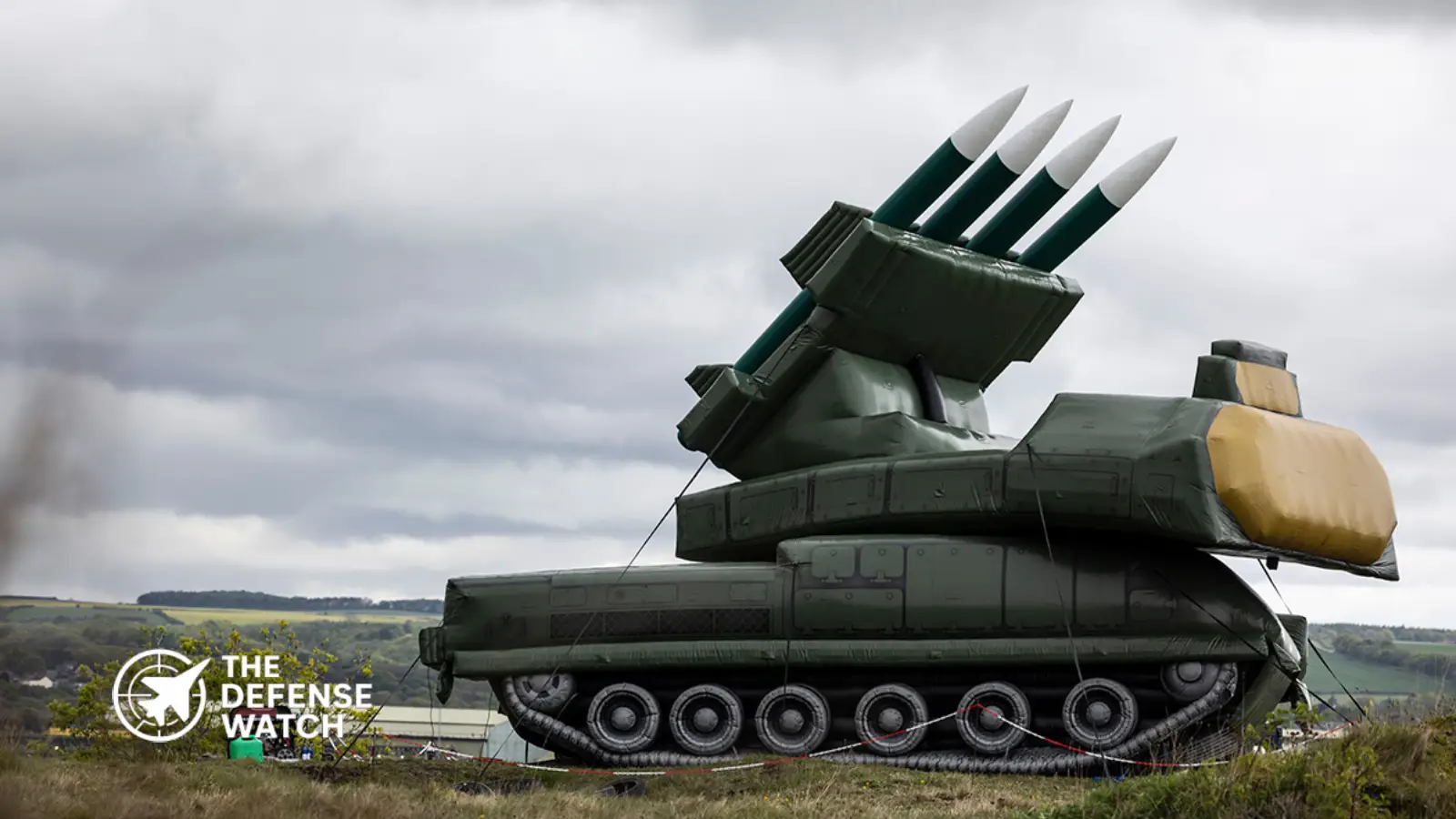
The Royal Air Force is using inflatable surface-to-air missile (SAM) systems during training exercises to expose pilots to realistic battlefield threats. The move reflects growing emphasis on survivability training as modern integrated air defense systems become more capable and widespread.
RAF Inflatable SAM Sites Added To Modern Pilot Training
The use of RAF inflatable SAM sites is becoming an increasingly visible part of British military training as the Royal Air Force adapts to evolving battlefield conditions.
The RAF is employing inflatable replicas of surface-to-air missile systems during exercises to create more realistic threat environments for combat aircrews. The decoys are designed to simulate enemy air defense networks that pilots could encounter in real-world operations.
Modern conflicts have demonstrated the growing effectiveness of layered air defense systems, particularly in contested airspace environments. As a result, Western air forces are placing greater emphasis on suppression and avoidance of enemy air defenses during training cycles.
The inflatable systems reportedly mimic radar-guided missile batteries and other ground-based threats. Their lightweight construction allows rapid deployment across training ranges while reducing costs associated with operating real missile equipment.
Training For Modern Air Defense Threats
The RAF inflatable SAM sites are intended to improve pilot decision-making under combat conditions. Aircrews can practice identifying threats, adjusting flight routes, and employing countermeasures in scenarios that more closely resemble operational missions.
The approach aligns with broader NATO efforts to strengthen readiness against advanced integrated air defense systems. Russia’s use of layered SAM networks in Ukraine has reinforced concerns among Western militaries about the risks posed by modern radar-guided missiles.
Military analysts have noted that survivability in contested airspace increasingly depends on pilot familiarity with electronic warfare environments, deceptive targets, and rapidly changing threat conditions.
Inflatable military decoys are not new. Armed forces worldwide have long used mock tanks, missile launchers, and aircraft to mislead adversaries or support training. However, the RAF’s integration of inflatable missile systems into pilot exercises highlights a growing recognition that realistic threat replication is essential for combat preparation.
Low-Cost Systems With High Training Value
One of the primary advantages of inflatable systems is cost efficiency. Real air defense systems are expensive to operate, maintain, and transport. Inflatable replicas can be deployed quickly and repositioned as exercise scenarios evolve.
The systems also provide visual realism from the air, helping pilots practice target identification and threat assessment. Combined with electronic warfare simulations and radar emitters, inflatable decoys can contribute to complex training environments without requiring large-scale deployment of operational missile batteries.
This reflects a broader trend across NATO air forces toward synthetic and hybrid training methods. Militaries are increasingly combining physical decoys, virtual simulations, and live exercises to prepare pilots for high-intensity warfare.
The RAF has been modernizing multiple aspects of its operational training framework in recent years, including fifth-generation combat aircraft integration, electronic warfare readiness, and joint exercises with allied nations.
Lessons From Contemporary Conflicts
The renewed focus on air defense evasion training comes as military planners study lessons from ongoing conflicts. The war in Ukraine has demonstrated that even advanced aircraft face significant risks when operating near sophisticated missile systems.
Portable air defense missiles and long-range radar-guided systems have both proven effective against aircraft and drones. This has increased demand for improved pilot awareness, electronic attack capabilities, and tactical flexibility.
The RAF inflatable SAM sites may appear simple compared to advanced combat systems, but their operational value lies in creating stress, uncertainty, and realism during training missions. Defense experts frequently argue that realistic training environments are critical to reducing combat losses and improving mission success rates.
The United Kingdom continues to invest in broader defense modernization initiatives as NATO members increase attention on deterrence and readiness across Europe.
Wider Implications For NATO Air Forces
The RAF’s use of inflatable missile systems could influence how allied air forces structure future exercises. Training against realistic, dispersed threats is becoming increasingly important as potential adversaries improve missile coverage and sensor networks.
Air forces are also adapting to the growing overlap between drones, electronic warfare systems, and traditional air defense assets. Future battlefields are expected to feature highly contested electromagnetic environments where pilots must process large amounts of threat data rapidly.
The adoption of inflatable SAM replicas demonstrates how relatively low-cost tools can support high-value operational readiness objectives. As defense budgets face competing priorities, militaries are likely to continue seeking affordable ways to improve combat realism.
Executive Summary:
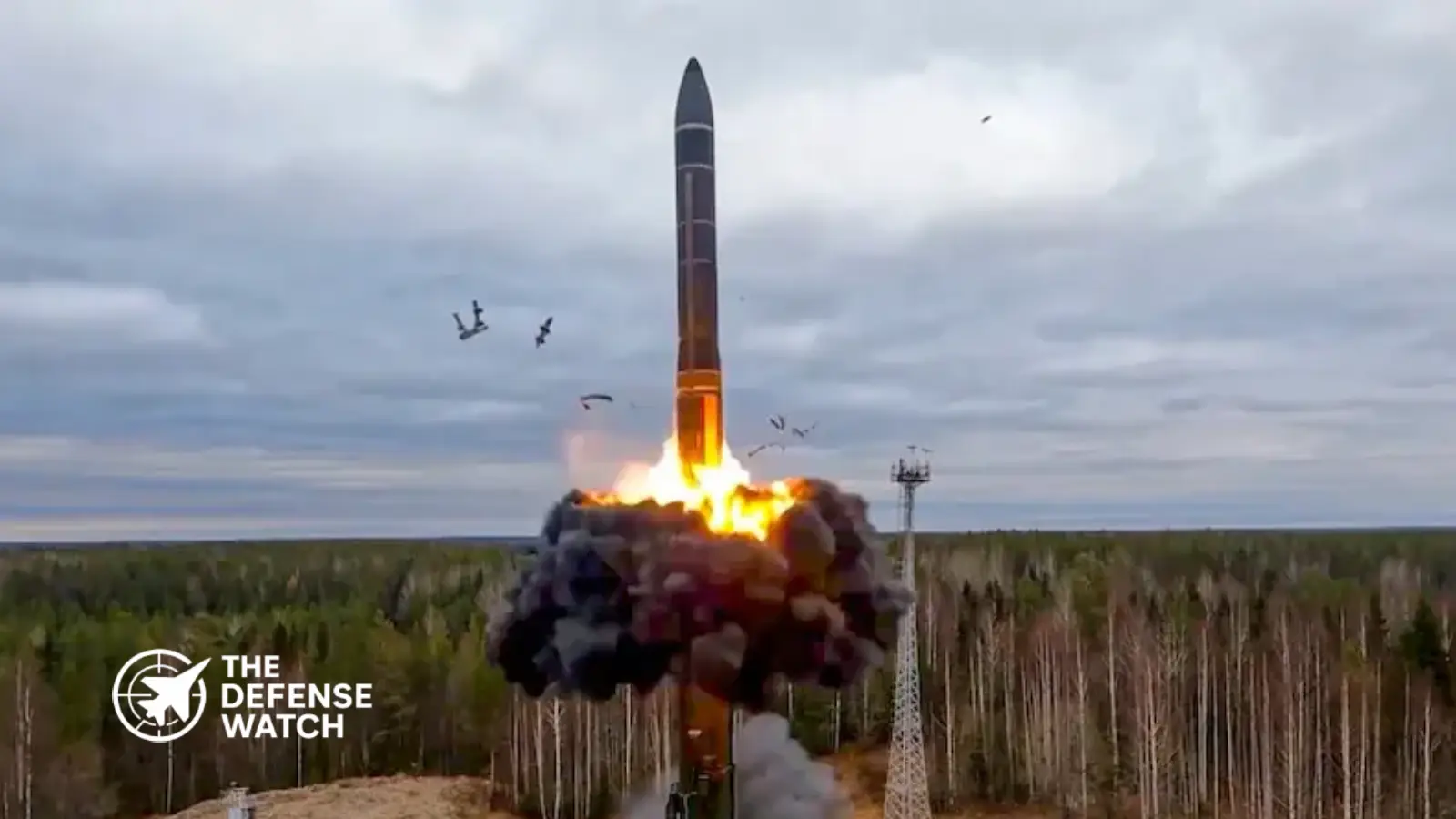
Russia confirmed the operational use of its Oreshnik intermediate range ballistic missile during a large scale strike on Ukraine on May 24, 2026. The attack involved hundreds of drones and dozens of missiles, highlighting Moscow’s continued emphasis on long range precision strike and hypersonic capabilities as the war intensifies.
Russia Confirms Oreshnik Missile Use In Ukraine Strike
Russia confirmed the use of the Oreshnik missile during a massive overnight missile and drone attack on Ukraine, marking another operational deployment of one of Moscow’s newest strategic strike systems. According to Ukrainian and Russian official statements, the strike package included ballistic, cruise, and hypersonic missiles alongside hundreds of drones.
Ukraine’s Air Force reported that Russia launched approximately 690 aerial weapons, including 90 missiles and around 600 drones and loitering munitions during the assault. Ukrainian officials said the attack targeted multiple regions, including Kyiv and the surrounding Kyiv Oblast.
Russian authorities later confirmed that an Oreshnik intermediate range ballistic missile was among the weapons used. Moscow claimed the strikes targeted military command infrastructure, air bases, and facilities connected to Ukraine’s defense industry.
What Is The Oreshnik Missile?
The Oreshnik missile has emerged as one of Russia’s most closely watched strategic weapons programs since its first confirmed combat use in late 2024. Russian officials describe it as a hypersonic capable intermediate range ballistic missile designed to penetrate advanced air defense systems through high speed and maneuverability.
Western and Ukrainian assessments indicate the missile may be derived from the RS-26 ballistic missile program. Russian President Vladimir Putin has previously claimed the system can travel at speeds exceeding Mach 10 and carry either conventional or nuclear payloads.
The latest strike reportedly involved a launch from Russia’s Kapustin Yar test range in Astrakhan Oblast, with Ukrainian authorities stating the missile impacted near Bila Tserkva, south of Kyiv.
While Moscow portrays the Oreshnik as effectively unstoppable against current missile defenses, independent verification of its full operational performance remains limited. Defense analysts continue to assess whether the weapon represents a transformational capability or an evolution of existing Russian ballistic missile technology.
Massive Combined Air Assault Signals Strategic Pressure Campaign
The latest Russian attack demonstrated the growing scale and complexity of Moscow’s long range strike operations. In addition to the Oreshnik missile, Russian forces reportedly used Iskander ballistic missiles, Kinzhal hypersonic missiles, Zircon cruise missiles, and large numbers of drones.
Ukraine said several missiles and drones penetrated air defenses, causing damage across multiple locations. Ukrainian officials reported casualties and infrastructure damage in Kyiv and other regions.
The strike came amid stalled diplomatic efforts and continued battlefield pressure across eastern and southern Ukraine. Analysts view the attack as part of Russia’s broader strategy to exhaust Ukrainian air defenses, disrupt military logistics, and pressure Kyiv politically ahead of any future negotiations.
The operational use of the Oreshnik missile also carries strategic messaging value. By publicly acknowledging the system’s deployment, Moscow appears intent on demonstrating that it retains advanced strike options capable of reaching targets across Ukraine and potentially beyond.
Implications For NATO And European Air Defense
The renewed use of the Oreshnik missile is likely to intensify discussions within NATO regarding missile defense readiness and long range strike deterrence. Several Western defense officials have warned that Russia’s expanding use of hypersonic and intermediate range systems presents growing challenges for existing European air defense networks.
The missile’s reported speed and trajectory profile could complicate interception timelines for systems such as Patriot and SAMP/T batteries. However, defense experts caution that many Russian claims regarding hypersonic invulnerability remain difficult to independently verify under combat conditions.
For Ukraine, the attack reinforces the continuing demand for additional air defense interceptors, radar coverage, and layered missile defense architecture. Ukrainian officials have repeatedly called for expanded Western support as Russia increases the frequency and scale of combined missile and drone operations.
Strategic Analysis
The confirmed operational use of the Oreshnik missile highlights an important trend in the Russia-Ukraine war, the increasing normalization of advanced strategic weapons in conventional regional conflict.
From a military standpoint, Russia appears to be integrating strategic signaling with battlefield operations. The inclusion of the Oreshnik missile in a mass strike package suggests Moscow is using high profile weapons not only for kinetic impact, but also for psychological and geopolitical messaging.
At the same time, the attack illustrates the evolving nature of modern air warfare. Russia continues combining ballistic missiles, hypersonic systems, cruise missiles, and low cost drones in layered attack waves designed to strain defensive systems through saturation and complexity.
Whether the Oreshnik missile materially changes battlefield dynamics remains uncertain. However, its continued deployment signals that Russia intends to maintain pressure on Ukraine while showcasing capabilities aimed at deterring Western escalation.
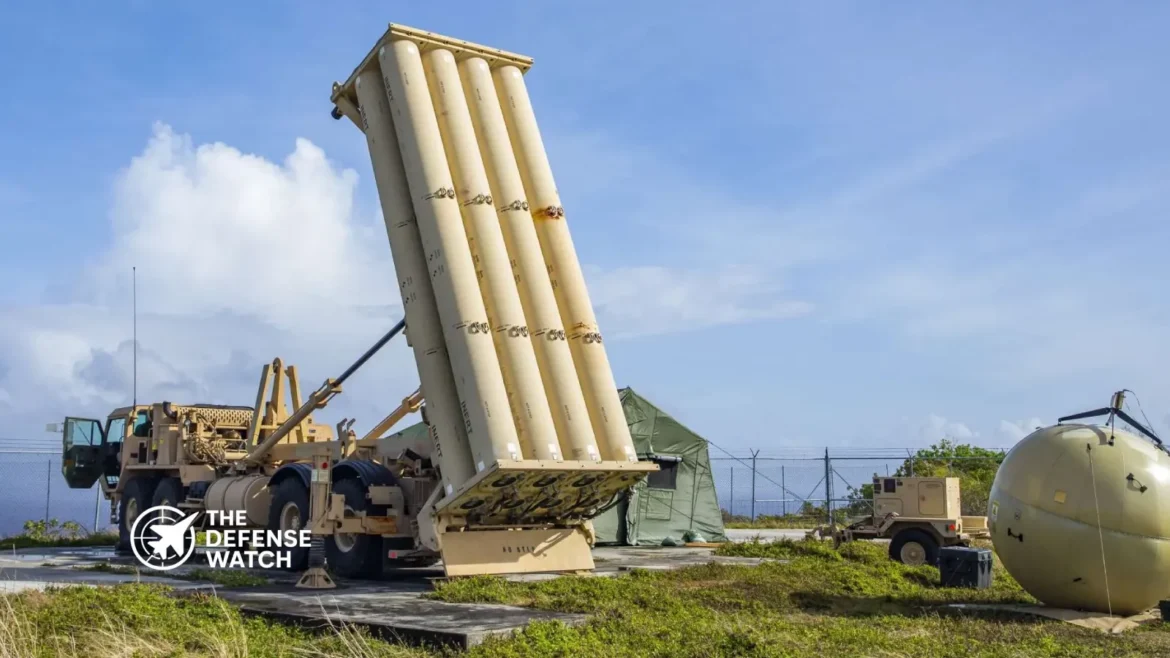
Washington is rapidly scaling missile interceptor production as demand for air and missile defense systems surges across Europe, the Middle East, and the Indo-Pacific.
Executive Summary:
The U.S. government and Lockheed Martin are dramatically increasing production of THAAD and PAC-3 missile interceptors to address rising global missile threats and replenish defense inventories. The effort reflects growing pressure on America’s missile defense industrial base amid expanding operational demand from U.S. forces and allies.
U.S. Expands THAAD And PAC-3 Missile Production Capacity
The United States is accelerating production of THAAD and PAC-3 missile interceptors as Washington moves to strengthen its missile defense industrial base amid growing global security pressures.
Lockheed Martin announced a series of framework agreements with the U.S. government aimed at sharply increasing annual output of both the Terminal High Altitude Area Defense (THAAD) interceptor and the Patriot Advanced Capability-3 Missile Segment Enhancement (PAC-3 MSE).
Under the agreement, THAAD interceptor production is expected to rise from 96 missiles annually to as many as 400 per year. PAC-3 MSE production is also planned to increase from roughly 600 interceptors annually to approximately 2,000 over a seven year period.
The initiative comes as the Pentagon faces increasing demand for layered missile defense systems following recent conflicts in the Middle East and continued concerns over peer-level missile threats from China, Russia, Iran, and North Korea.
Lockheed Martin Expands U.S. Manufacturing Network
To support the production surge, Lockheed Martin is investing billions of dollars into new manufacturing infrastructure and facility modernization across multiple U.S. states.
The company recently broke ground on new missile production facilities in Arkansas and Alabama designed to support THAAD, PAC-3, Precision Strike Missile, and other advanced munitions programs.
According to Lockheed Martin, the expansion includes modernization of more than 20 facilities across Arkansas, Alabama, Florida, Massachusetts, and Texas. The company also plans to add thousands of manufacturing and engineering jobs over the coming years.
The new facilities are expected to incorporate advanced manufacturing technologies, robotics, digital engineering tools, and automated production systems intended to reduce production timelines and increase output stability.
Why THAAD And PAC-3 Production Matters
The rapid increase in THAAD and PAC-3 missile production reflects a broader shift in U.S. defense planning toward sustained high intensity conflict readiness.
THAAD is designed to intercept short, medium, and intermediate range ballistic missiles both inside and outside the Earth’s atmosphere. The system forms a critical component of the U.S. Army’s layered missile defense architecture and is deployed in several strategic regions worldwide.
PAC-3 MSE interceptors are used within the Patriot air defense system and are designed to counter ballistic missiles, cruise missiles, and hostile aircraft using hit-to-kill technology.
Recent operational deployments have highlighted how quickly advanced missile stockpiles can be consumed during sustained combat operations. Reports linked to U.S. military operations supporting Israel’s missile defense efforts against Iranian attacks have raised concerns over interceptor inventory levels and industrial replenishment rates.
That pressure is driving the Pentagon to prioritize munitions production acceleration as a core national security objective.
Pentagon Pushes New Acquisition Strategy
The production surge is also tied to a broader Pentagon acquisition reform effort aimed at creating long term demand certainty for defense manufacturers.
The framework agreements with Lockheed Martin are part of what officials describe as a new acquisition model that enables industry partners to invest in workforce growth, supplier expansion, and factory modernization with reduced financial risk.
In April 2026, the U.S. Army awarded Lockheed Martin a $4.7 billion contract action supporting accelerated PAC-3 MSE production through 2030.
Defense officials argue that traditional procurement timelines are too slow to sustain current operational requirements and alliance commitments.
The shift toward long term missile procurement agreements signals that Washington increasingly views industrial production capacity as a strategic deterrence capability alongside the weapons themselves.
Growing Global Demand For Missile Defense
Demand for THAAD and PAC-3 systems continues to expand among U.S. allies and partner nations.
Several NATO countries, Middle Eastern states, and Indo-Pacific allies are actively seeking additional air and missile defense capabilities as regional tensions intensify.
Industry analysts note that PAC-3 MSE interceptors remain among the most sought after missile defense systems globally due to their operational record and interoperability with existing Patriot batteries.
The production expansion also aligns with broader U.S. efforts to improve military readiness in anticipation of potential long duration conflicts requiring sustained missile defense operations.
Strategic Analysis
The acceleration of THAAD and PAC-3 missile production highlights a major transformation in how the United States approaches defense industrial preparedness.
For decades, U.S. defense procurement emphasized efficiency and lower peacetime production rates. Current conflicts and rising geopolitical competition are now forcing a shift toward scalable wartime manufacturing capacity.
The emphasis on interceptor production is particularly significant because missile defense systems consume expensive, technologically complex munitions at a rapid pace during modern combat operations.
By expanding domestic missile production capacity now, Washington appears focused on preventing future shortages that could undermine deterrence or reduce operational flexibility during a major regional conflict.
The initiative also demonstrates how missile defense has evolved from a niche capability into a central pillar of U.S. and allied military strategy.

Executive Summary:
Germany will deploy a Patriot air and missile defense battery to southeast Turkey starting late June 2026 for approximately six months, according to Turkish and German officials. The deployment, involving around 150 Bundeswehr soldiers, replaces a U.S. unit and operates under NATO’s Integrated Air and Missile Defence framework. It aims to sustain enhanced air defense coverage amid ongoing regional instability following missile threats linked to the Iran conflict.
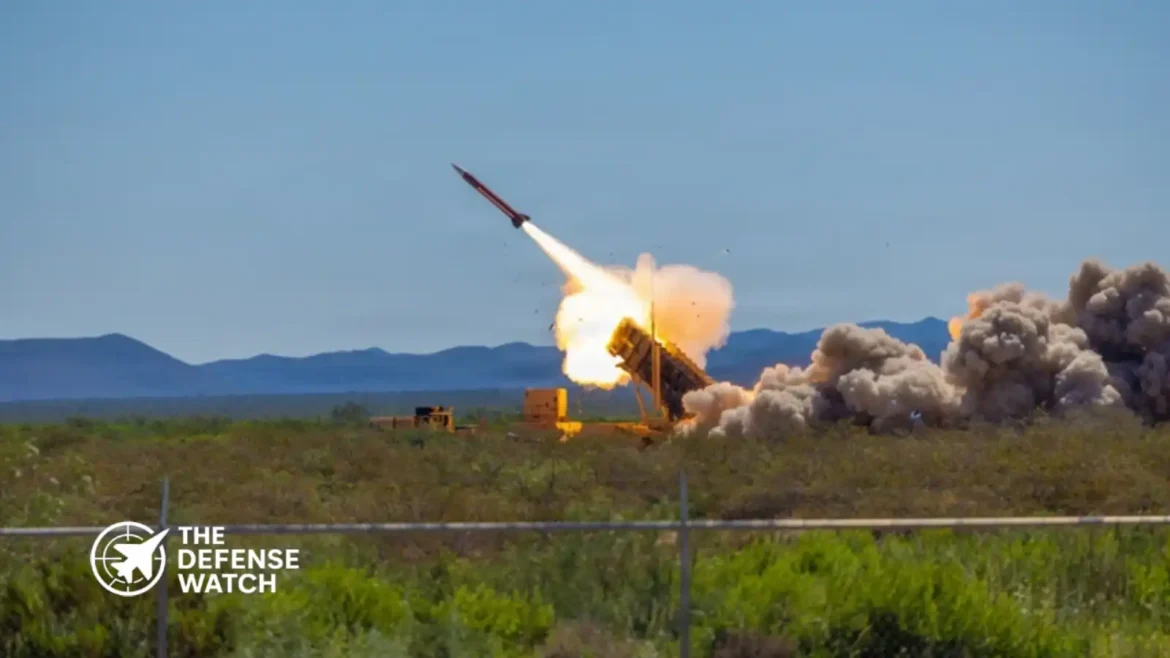
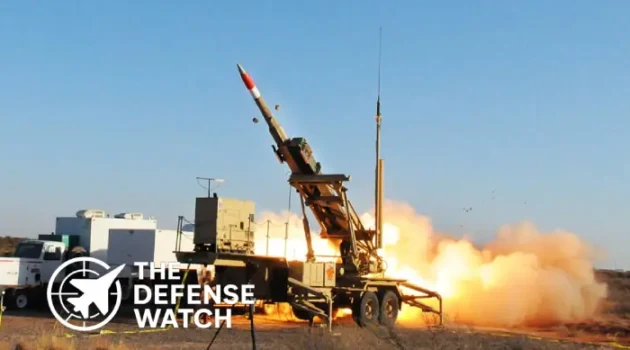
Germany is set to deploy a Patriot air defense system to southeast Turkey, reinforcing NATO’s southeastern flank at a time of heightened regional tensions. Turkish Defense Ministry officials confirmed the move on May 20, 2026, noting that the German system will replace one of the additional Patriot batteries deployed earlier in response to missile activity from Iran.
The deployment underscores NATO’s commitment to collective defense and rotational burden-sharing among allies. It comes months after the alliance activated enhanced air defenses in Turkey, including U.S. Patriots positioned near the Kurecik NATO radar base in Malatya province.
Operational Details and Timeline
According to statements from both Ankara and Berlin, the German Patriot Air and Missile Defense Task Force (AMD TF) will consist of approximately 150 soldiers from Flugabwehrraketengeschwader 1, based in Husum, northern Germany. The unit is scheduled to begin operations at the end of June 2026 and remain through September, aligning with a six-month rotation period cited by Turkish authorities.
This rotation maintains continuity alongside the existing Spanish Patriot system already in Turkey. The German contingent will coordinate closely with Turkish forces and remaining U.S. assets under NATO command. Security evaluations will continue in parallel with allied partners.
Feature Image Suggestion: High-resolution photo of a Patriot missile launcher in operational deployment, preferably showing German or NATO markings in a field setting, with clear sky and radar elements for visual impact.
Strategic Context: NATO’s Southeastern Flank
The move follows Iranian ballistic missile launches toward Turkish territory earlier in 2026, during heightened conflicts involving the U.S., Israel, and Iran. NATO defenses, including Patriots, successfully intercepted incoming missiles, demonstrating the system’s role in real-world theater ballistic missile defense.
Turkey, home to NATO’s second-largest army, has invested heavily in indigenous defense capabilities but continues to rely on allied systems for high-tier air and missile defense. The Kurecik radar site remains a key alliance asset, providing early warning and tracking data across the region.
This deployment reflects broader NATO efforts to deter threats and reassure frontline allies without permanent basing escalations. Germany’s contribution relieves U.S. forces, allowing Washington to manage global commitments while sustaining NATO’s integrated air and missile defense (IAMD) posture.
Analysis: Burden-Sharing and Capability Implications
From a defense policy perspective, Germany’s decision to rotate a Patriot battery demonstrates tangible progress in European NATO contributions to out-of-area and flank security. Historically, Germany has participated in similar rotations (notably in 2013-2015), but current deployments occur against a more complex threat environment that includes ballistic missiles from state actors.
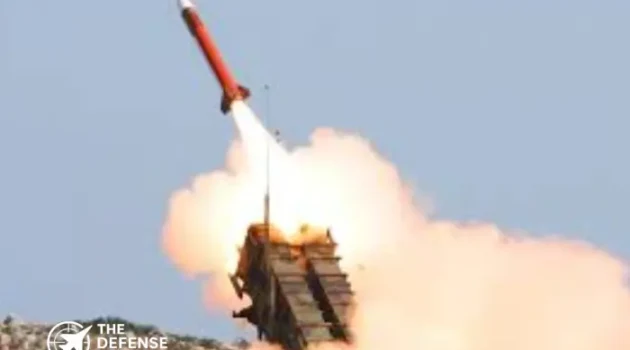
The Patriot system—primarily the PAC-2/PAC-3 variants in NATO service—provides layered defense against aircraft, cruise missiles, and short- to medium-range ballistic threats. Its deployment here helps close temporary capability gaps in Turkey’s integrated air defense while signaling alliance solidarity. Operationally, rotating units every few months maintains readiness, prevents fatigue, and allows different allies to gain valuable deployment experience in a live strategic environment.
For the U.S., this rotation frees assets that could support other priorities, such as Indo-Pacific deterrence or ongoing operations elsewhere. For Turkey, it augments national defenses without requiring immediate procurement of additional foreign systems, though Ankara continues long-term efforts toward greater self-reliance in air defense.
This action fits into NATO’s evolving IAMD concept, which emphasizes interoperability, data sharing, and rapid response. Success here could inform future rotations or exercises, particularly as the alliance monitors developments in the Middle East and Black Sea regions.
Potential challenges include logistical coordination for the move of heavy equipment, force protection in a seismically active and geopolitically sensitive area, and ensuring seamless handover to minimize coverage gaps. Weather, integration with Turkish command systems, and rules of engagement will require careful management.
Broader Geopolitical Relevance
The timing aligns with diplomatic activities, including discussions around a potential NATO summit in Ankara. It reinforces NATO’s Article 5 commitments while avoiding direct escalation. Germany’s participation also highlights Berlin’s shifting defense posture following years of increased spending and modernization pledges.
Turkey’s acceptance of the deployment further illustrates pragmatic cooperation within the alliance despite occasional political differences.
Executive Summary:
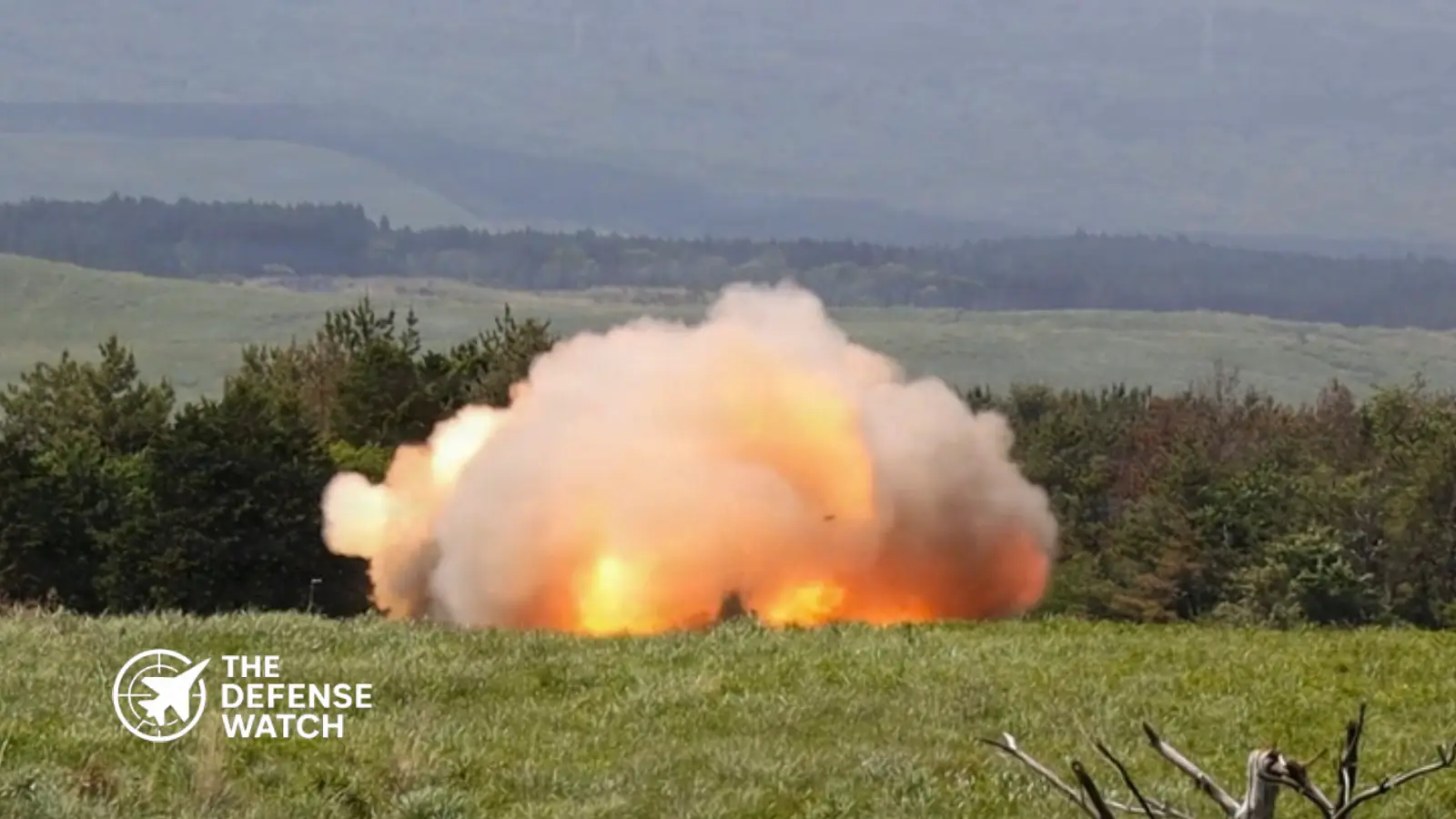
Air Force Global Strike Command conducted an operational test launch of an unarmed Minuteman III intercontinental ballistic missile from Vandenberg Space Force Base, California. The launch demonstrated the continued readiness, reliability, and effectiveness of the United States’ nuclear deterrent as the Pentagon advances modernization efforts under the Sentinel ICBM program.
Air Force Global Strike Command Conducts Minuteman III ICBM Test Launch
The Minuteman III ICBM remains a central pillar of the United States’ nuclear deterrence strategy, and the latest test launch by the U.S. Air Force highlighted the system’s continuing operational readiness.
Air Force Global Strike Command, working alongside Space Launch Delta 30, launched an unarmed Minuteman III intercontinental ballistic missile from Vandenberg Space Force Base in California. The missile traveled approximately 4,200 miles to the Ronald Reagan Ballistic Missile Defense Test Site at Kwajalein Atoll in the Marshall Islands.
According to the U.S. Air Force, the test was not conducted in response to current world events. Officials stated the launch was part of routine and periodic activities designed to validate the reliability, accuracy, and effectiveness of the nation’s strategic deterrent force.
The launch involved missile crews, maintainers, helicopter operators, security personnel, and technical teams across multiple commands, demonstrating the operational coordination required to sustain the U.S. nuclear enterprise.
Strategic Deterrence Remains A Core U.S. Defense Priority
The Minuteman III ICBM force forms one leg of the U.S. nuclear triad alongside ballistic missile submarines and strategic bombers. Operated by Air Force Global Strike Command, the land-based missile force provides rapid-response nuclear capability intended to deter large-scale conflict and strategic aggression.
The latest launch comes as Washington continues to emphasize nuclear modernization amid growing geopolitical competition involving Russia and China. U.S. defense officials have repeatedly warned that aging strategic systems must remain credible and survivable while replacement programs are developed and fielded.
Although the Minuteman III first entered service in the early 1970s, the missile has undergone continuous upgrades involving propulsion, guidance, command-and-control systems, and reentry vehicle modernization. These efforts have extended the missile’s operational life far beyond its original design timeline.
Military officials argue that recurring test launches are essential for validating the aging system’s performance and ensuring confidence in the strategic deterrence mission.
Minuteman III Supports U.S. Nuclear Readiness Until Sentinel Arrives
However, the Sentinel program has faced cost growth and schedule pressures, increasing the importance of sustaining the current Minuteman III force over the coming years.
This operational reality places additional focus on test launches such as the one conducted from Vandenberg Space Force Base. These missions provide engineers and military planners with valuable performance data while also signaling continued strategic readiness to allies and adversaries alike.
The Air Force plans to eventually replace the Minuteman III fleet with the LGM-35A Sentinel, formerly known as the Ground Based Strategic Deterrent program. Sentinel is expected to deliver improved survivability, cybersecurity protection, command-and-control integration, and long-term sustainment capability.
The United States currently maintains approximately 400 deployed Minuteman III missiles across bases in Montana, North Dakota, and Wyoming. The missiles are maintained on constant alert status under U.S. Strategic Command oversight.
Vandenberg Continues To Play Key Role In Strategic Missile Testing
Air Force Global Strike Command and Vandenberg Space Force Base have long played critical roles in America’s strategic weapons testing infrastructure.
Vandenberg’s location along the Pacific coast allows the U.S. military to safely conduct long-range missile tests over open ocean corridors toward the Marshall Islands. The range architecture supports ballistic missile testing, missile defense evaluations, and space launch operations.
The latest Minuteman III launch also reflects the broader integration of Air Force and Space Force operations in strategic deterrence and missile tracking missions.
Defense analysts note that regular test launches provide both technical assurance and strategic messaging. By publicly announcing such operations, the Pentagon reinforces transparency regarding routine nuclear readiness activities while demonstrating that the U.S. deterrent remains operational and credible.
Growing Nuclear Competition Shapes Modernization Efforts
The test launch occurred amid accelerating nuclear modernization programs worldwide. Russia continues fielding updated strategic missile systems, while China is rapidly expanding its nuclear arsenal and missile infrastructure.
In response, the Pentagon has prioritized modernization across all three components of the nuclear triad. Alongside Sentinel development, the United States is also advancing the Columbia-class ballistic missile submarine program and the B-21 Raider stealth bomber initiative.
Senior defense leaders have repeatedly argued that maintaining a safe, secure, and effective nuclear deterrent remains essential to preventing large-scale war between nuclear-armed powers.
The Minuteman III test therefore represents more than a technical exercise. It reflects the broader strategic posture of the United States as it balances current deterrence requirements with long-term modernization goals.


The dispute highlights growing tensions over the future scale, affordability, and strategic direction of next generation U.S. missile defense programs.
Executive Summary:
The Pentagon has rejected a Congressional Budget Office estimate claiming the proposed Golden Dome missile defense initiative could cost up to $1.2 trillion over two decades. Defense officials argue the analysis mischaracterized the program’s intended architecture and operational scope, as debate grows over the future of U.S. homeland missile defense.
Pentagon Rejects Golden Dome Cost Projection
The proposed Golden Dome missile defense initiative has become the center of a growing debate in Washington after the Pentagon rejected a Congressional Budget Office (CBO) estimate projecting the program could cost as much as $1.2 trillion.
U.S. defense officials argued the CBO assessment fundamentally misunderstood the intended structure and mission of the evolving missile defense architecture.
The disagreement reflects broader questions surrounding the future of American homeland defense as the United States faces expanding ballistic, hypersonic, and cruise missile threats from near peer adversaries including China, Russia, and regional actors such as North Korea.
What Is The Golden Dome Missile Defense Concept?
The Golden Dome concept is envisioned as a layered, multi domain missile defense network designed to improve detection, tracking, and interception capabilities against advanced airborne threats.
Although official program details remain limited, the broader concept reportedly includes:
- Space based missile tracking systems
- Advanced ground and sea based interceptors
- Integrated radar networks
- AI enabled battle management systems
- Hypersonic missile tracking capabilities
- Expanded homeland defense coverage
The Pentagon reportedly maintains that the CBO estimate relied on assumptions involving a far larger and more expansive architecture than what defense planners are currently considering.
Defense officials argued the estimate effectively modeled a massive Cold War style nationwide shield rather than a more targeted and scalable layered defense network.
Why The Cost Debate Matters
The clash over the projected cost of the Golden Dome missile defense program comes at a critical moment for U.S. defense planning.
The Pentagon is simultaneously funding multiple high cost modernization priorities, including:
- Nuclear deterrence recapitalization
- Sixth generation combat aircraft
- Long range precision strike programs
- Space based military infrastructure
- Hypersonic weapons development
- Naval fleet expansion
Adding another trillion dollar scale initiative could significantly reshape future U.S. defense budgets.
The CBO estimate reportedly examined a 20 year implementation timeline and considered extensive deployment of space based interceptors and supporting systems. Pentagon officials countered that the analysis overstated both the scale and technical assumptions of the proposal.
This disagreement also underscores a longstanding divide in U.S. missile defense policy between advocates of expansive homeland protection systems and critics concerned about affordability, technical feasibility, and strategic stability.
Strategic Drivers Behind Expanded Missile Defense
The renewed focus on homeland missile defense is closely tied to the rapid modernization of Chinese and Russian strategic missile forces.
China has accelerated development of hypersonic glide vehicles, advanced ballistic missiles, and anti access systems designed to challenge American military advantages in the Indo Pacific.
Meanwhile, Russia continues to field advanced strategic systems including the Avangard hypersonic glide vehicle and next generation intercontinental missile platforms.
These developments have increased pressure on U.S. defense planners to improve tracking and interception capabilities against maneuvering and high speed threats that can evade traditional missile defense systems.
The Pentagon has repeatedly identified hypersonic defense as one of its most urgent modernization priorities.
Technical Challenges Remain Significant
Even supporters of expanded homeland missile defense acknowledge that building a highly effective national shield remains technically difficult and financially demanding.
Intercepting modern hypersonic and maneuverable missile threats requires:
- Persistent global tracking
- Extremely fast sensor fusion
- Space based surveillance layers
- Reliable interceptor performance
- Secure communications networks
- Advanced command and control integration
Many analysts argue that maintaining reliable interception capability against large scale missile salvos could require enormous numbers of interceptors and satellites, significantly increasing lifecycle costs.
The Pentagon appears eager to avoid public perception that the Golden Dome initiative represents an unlimited spending commitment similar to historical strategic defense proposals from earlier decades.
Broader Political Implications
The debate surrounding the Golden Dome missile defense proposal is likely to intensify as lawmakers examine future Pentagon spending priorities.
Supporters argue the United States must rapidly strengthen homeland defense capabilities as adversaries expand missile inventories and develop increasingly sophisticated delivery systems.
Critics, however, warn that extremely large scale missile defense investments may divert funding from other military priorities while offering uncertain effectiveness against advanced strategic threats.
The discussion also reflects growing bipartisan concern over the vulnerability of U.S. infrastructure and military bases to long range missile attacks.
As missile technology proliferates globally, homeland defense is increasingly becoming a central element of broader American national security planning.
Original Analysis
The Pentagon’s rejection of the CBO estimate suggests officials are attempting to preserve political support for missile defense modernization without triggering concerns over unsustainable long term costs.
Historically, large scale missile defense initiatives have faced skepticism in Congress when projected expenses begin approaching trillion dollar levels. By disputing the estimate early, defense leaders may be trying to frame Golden Dome as an incremental modernization effort rather than a massive strategic overhaul.
The controversy also highlights how rapidly evolving threats are forcing the United States to reconsider assumptions that homeland missile defense could remain limited in scope. Hypersonic weapons, maneuverable glide vehicles, and expanding missile inventories are changing the strategic equation.
At the same time, technological realities remain unforgiving. Building a layered defense capable of handling sophisticated missile attacks across multiple domains could require substantial investments in space assets, sensor networks, and interceptor production capacity for decades.
Whether Golden Dome evolves into a focused modernization initiative or a far larger national defense architecture may ultimately depend on future threat assessments, congressional funding decisions, and the pace of adversary missile development.